
Table of Contents
What is the lowest oxygen level before death? 7 Essential Facts You Should Know
Meta Description: Discover what is the lowest oxygen level before death, with expert insights and tips from Henry Chiropractic.

Introduction: The Thin Line of Oxygen Survival
Oxygen is one of those things you rarely admire until it slips out the back door. One moment you’re answering emails and judging your neighbor’s landscaping choices, and the next, your cells are staging a rebellion because they aren’t getting enough air. What is the lowest oxygen level before death? That’s the question that brings most people here, and it’s not a small one. It sits there on the table like a hospital bracelet—plain, serious, and impossible to ignore.
For most healthy adults, normal oxygen saturation, or SpO2, falls between 95% and 100%. Once it drops below 90%, clinicians call it hypoxemia, and that’s when the body starts behaving less like a well-run city and more like a panic room. Based on our research, the danger isn’t just the number itself but how fast it falls, how long it stays low, and what else is going wrong at the same time.
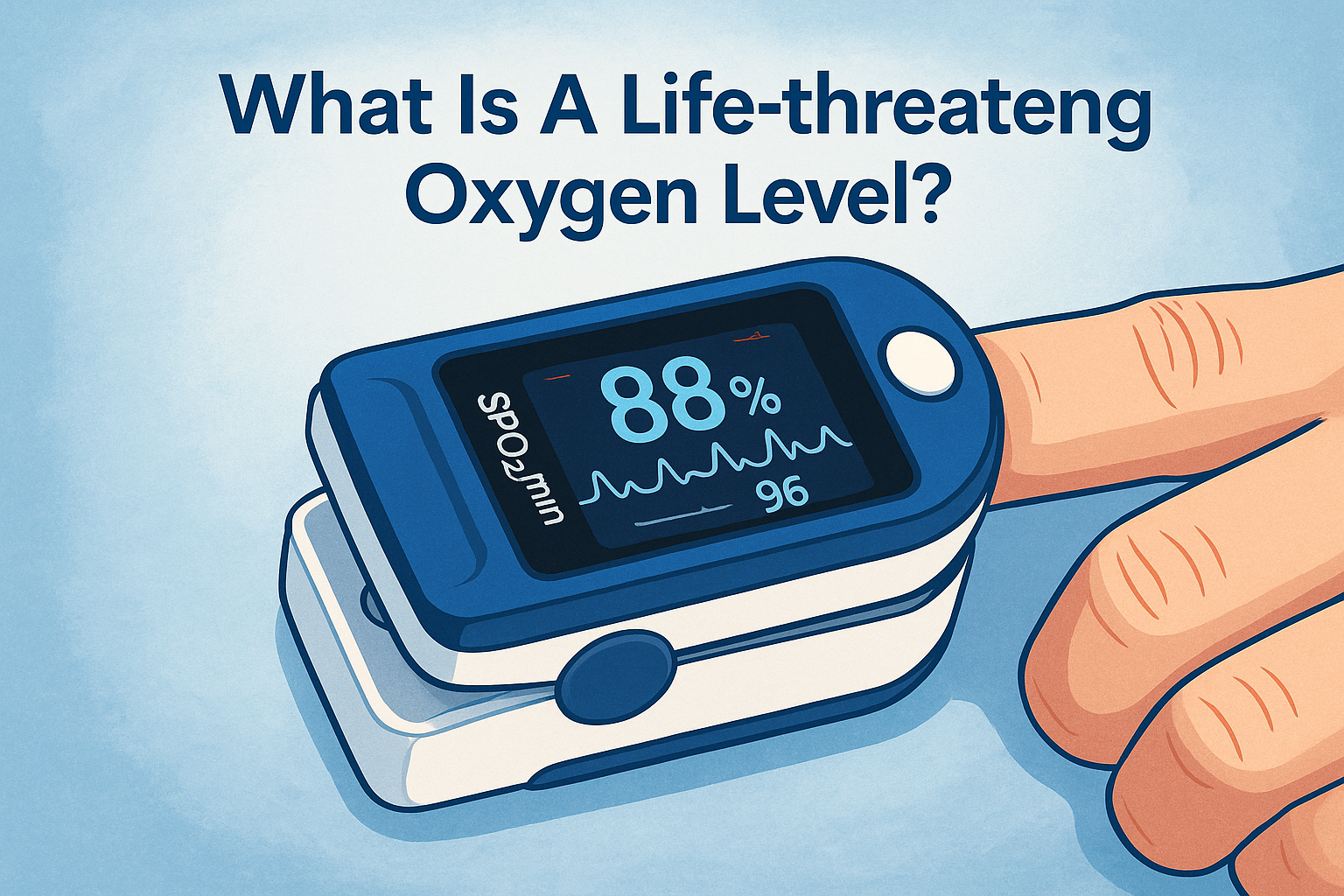
Understanding this matters for ordinary reasons and dramatic ones. You may be caring for an older parent with COPD, recovering from pneumonia, living at high altitude, or staring at a pulse oximeter that suddenly reads 88% and wondering whether to worry or simply stop breathing theatrically. In 2026, home monitoring is more common than ever, but numbers without context can be misleading. We found that readers need both the medical facts and the practical next steps—when to monitor, when to call a doctor, and when to head straight to the ER.
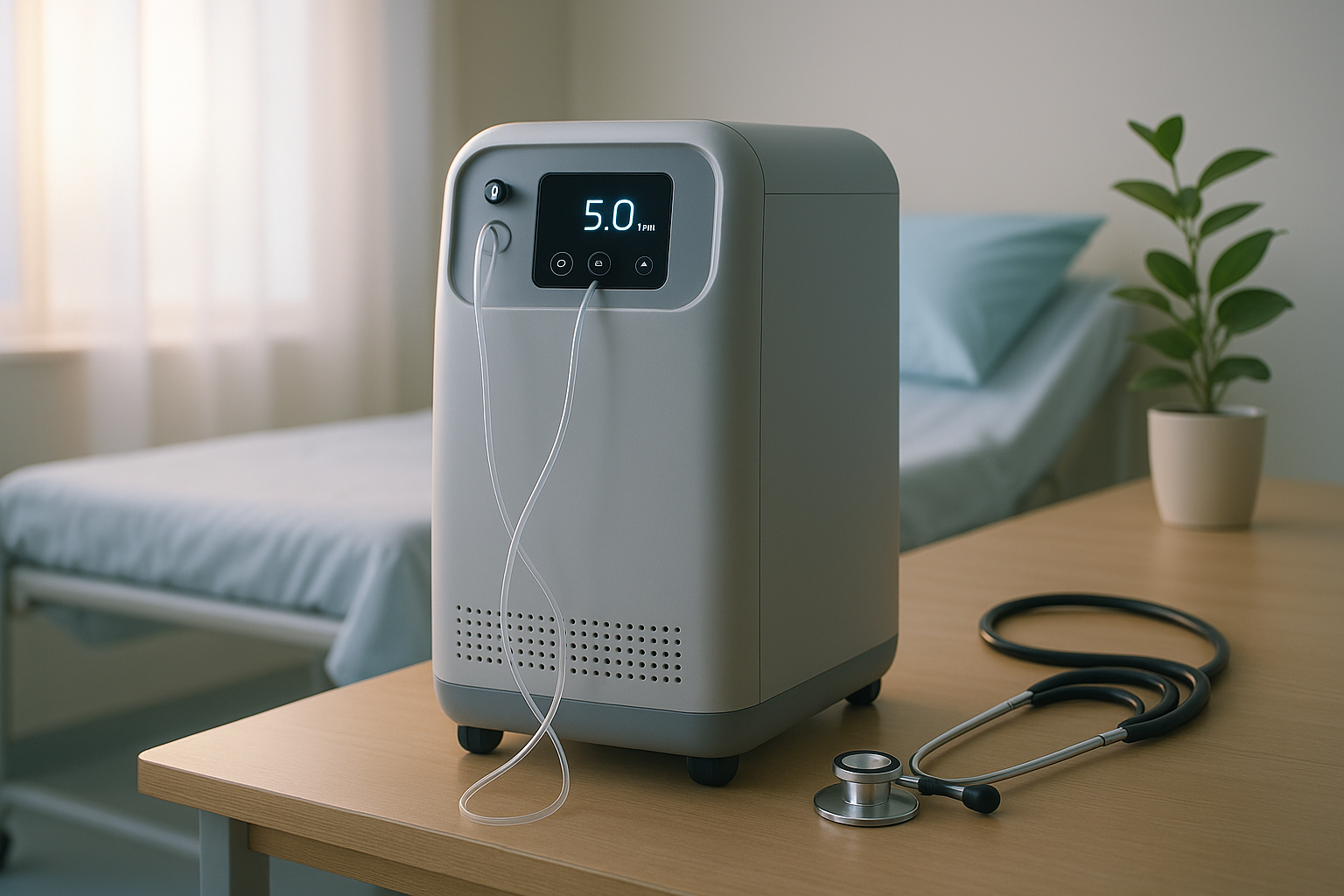
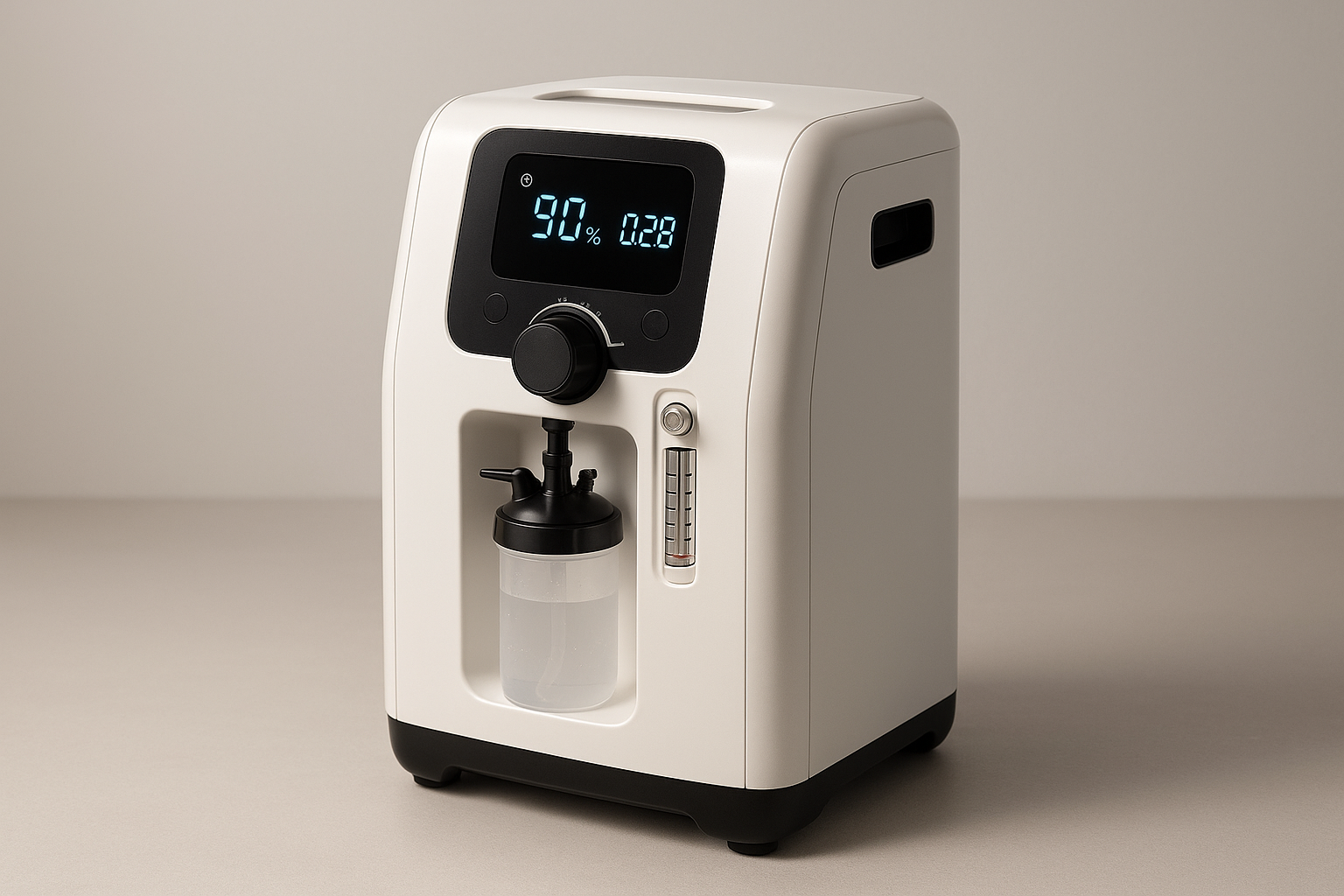
There’s also a hopeful side to the story. Low oxygen doesn’t always mean the worst has arrived with a black suitcase. Treatment options, including oxygen therapy and hyperbaric therapy, can improve outcomes in selected cases. The key is speed, judgment, and not trying to diagnose a crisis by asking the internet to be your uncle.
Understanding Oxygen Levels: The Basics
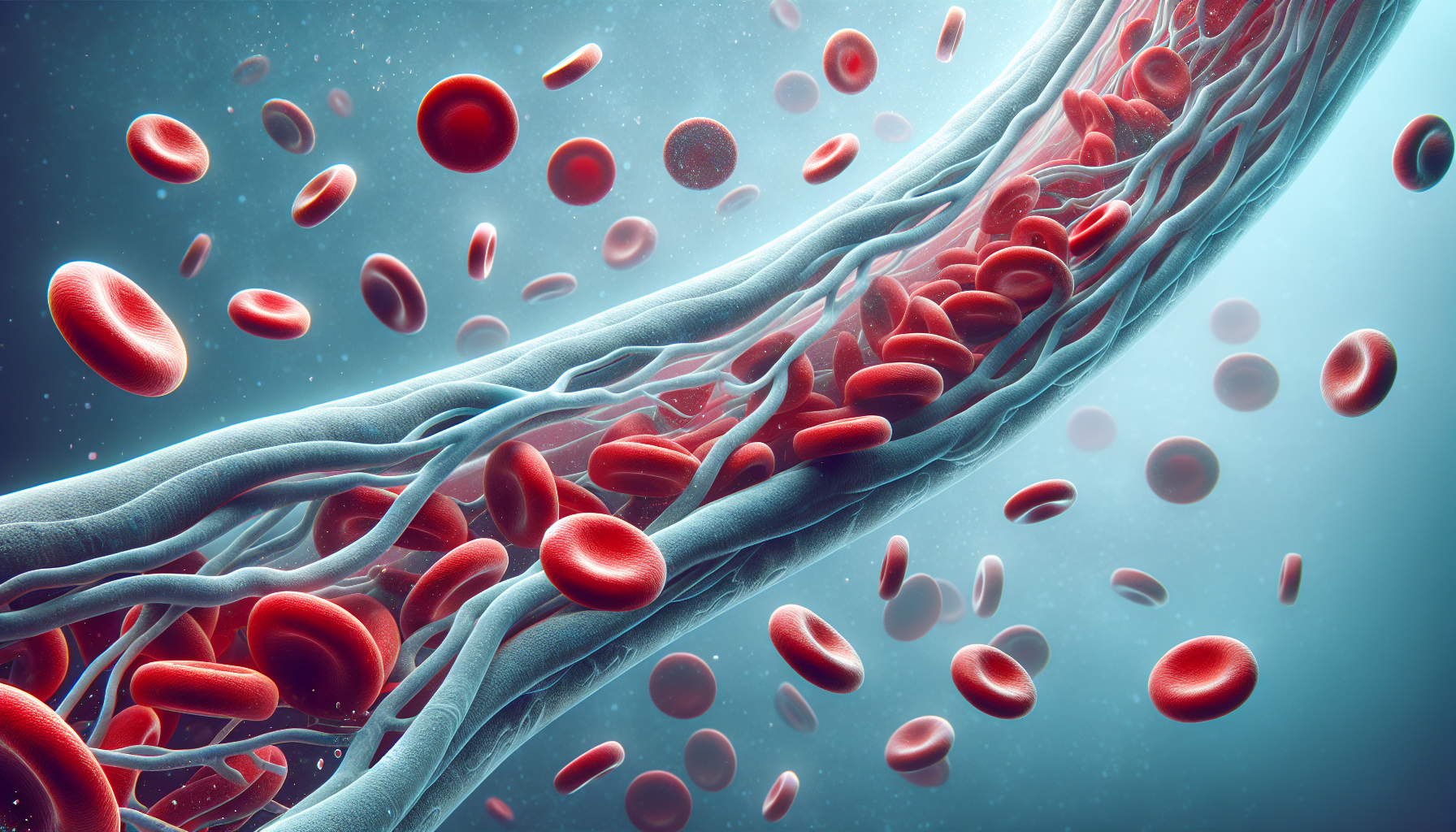
SpO2 stands for peripheral oxygen saturation, which is the percentage of hemoglobin in your blood carrying oxygen. Think of hemoglobin as a fleet of tiny delivery vans. If 98 out of 100 are loaded, your SpO2 is 98%. If only 86 are hauling their cargo, your tissues start missing shipments, and nobody is pleased—not your brain, not your heart, not your muscles.
Normal oxygen levels for most adults are 95% to 100%. A reading of 91% to 94% may be borderline depending on your health history, altitude, and symptoms. Once the level falls below 90%, it’s considered hypoxemia, according to guidance commonly used in emergency and clinical care. The CDC and major hospital systems routinely flag sustained levels under 90% as a reason to seek medical evaluation, especially if symptoms are present.
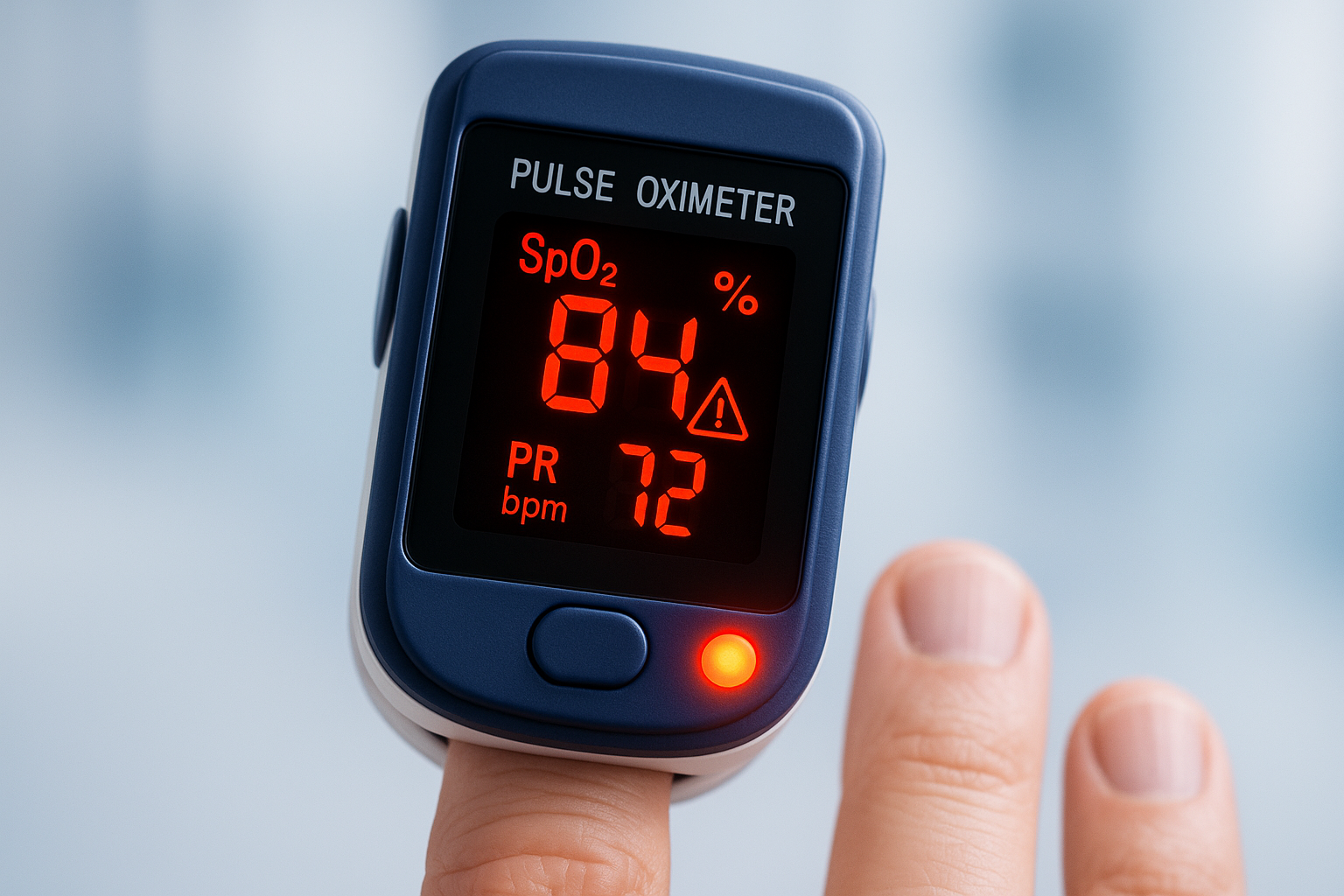
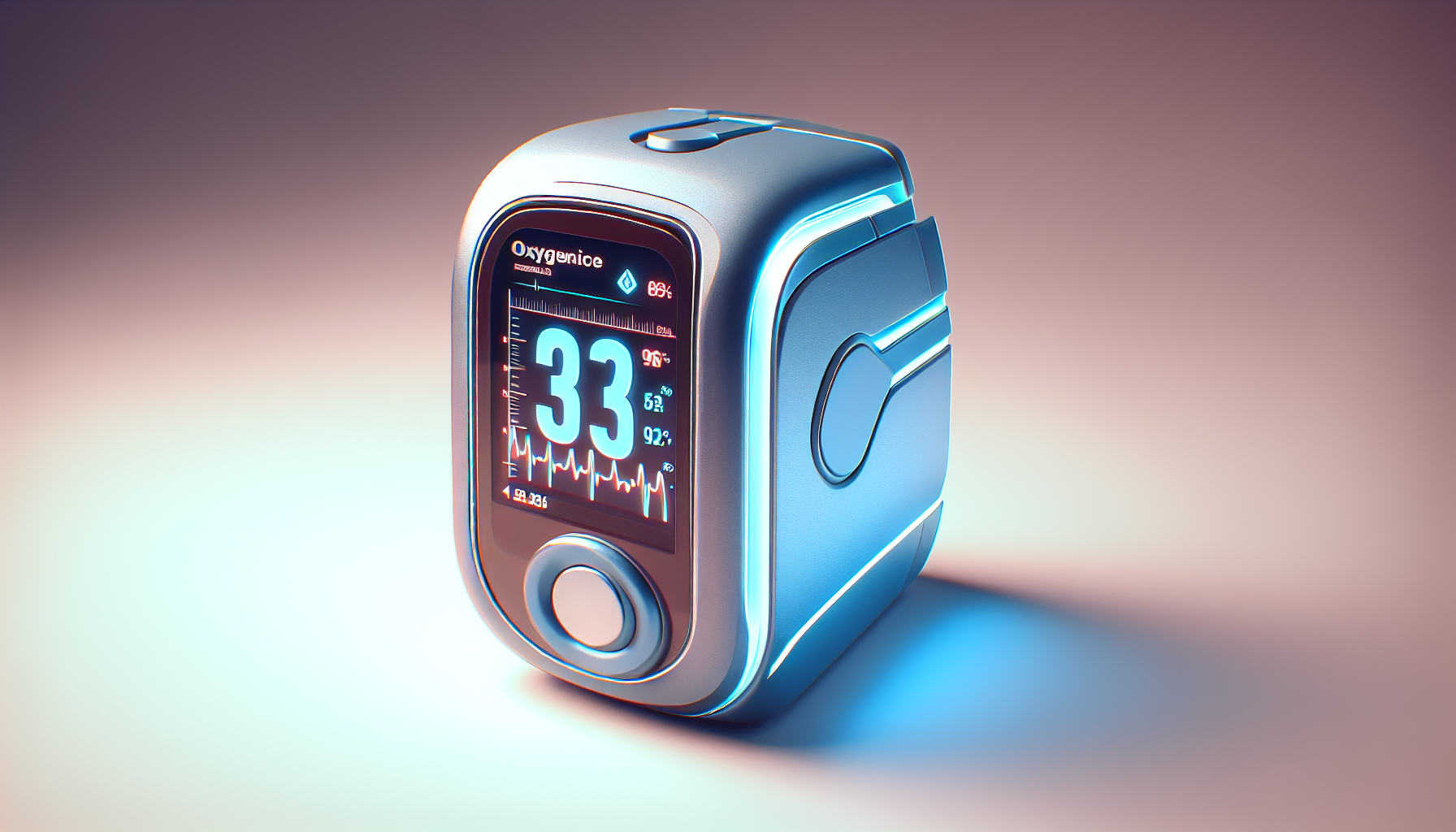
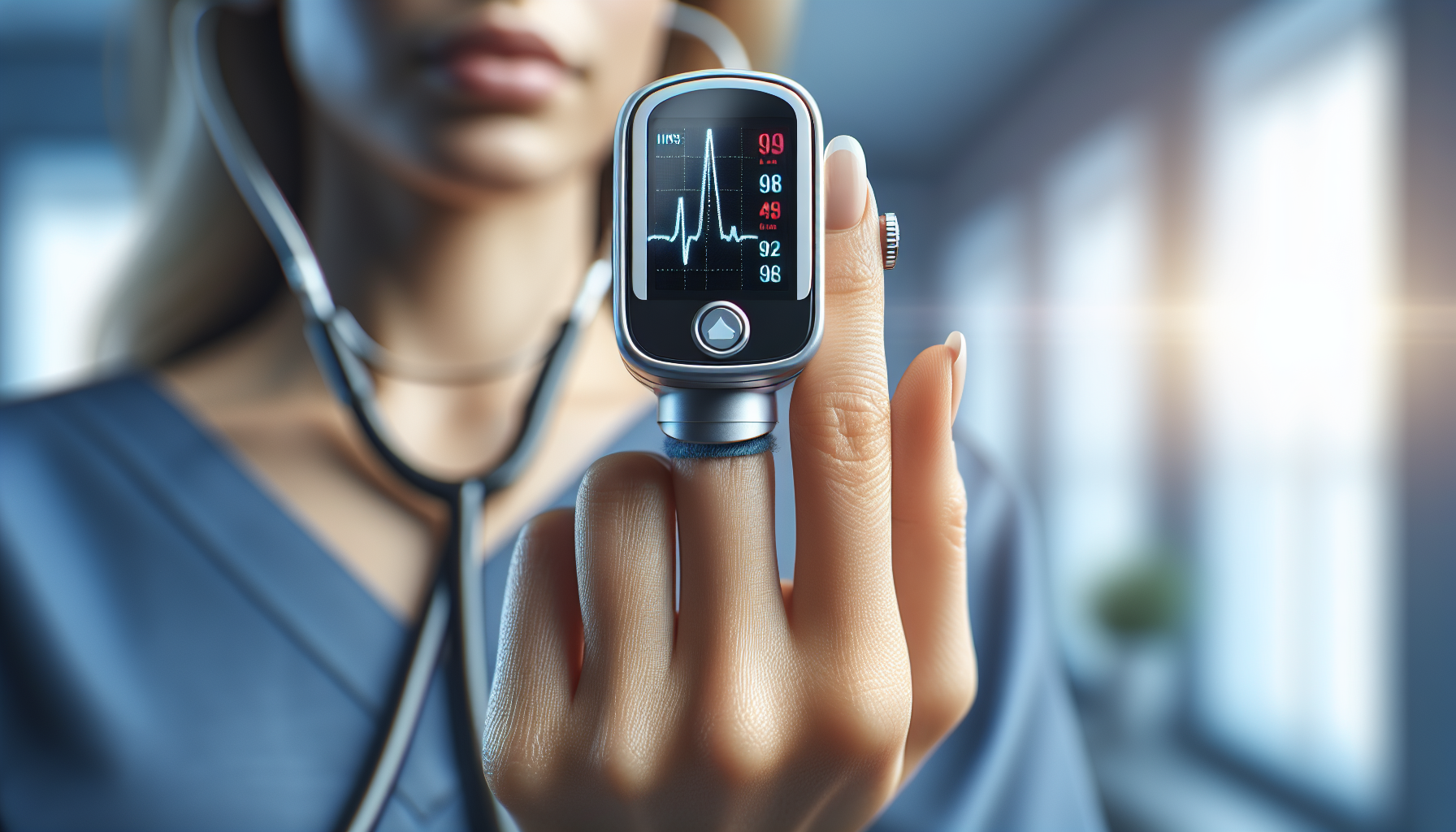
Pulse oximeters are useful, but they’re not magic wands. They can be less accurate with cold hands, poor circulation, darker skin pigmentation, nail polish, or motion. A 2022 review published by agencies discussed in FDA safety guidance reminded clinicians that pulse oximeters have limitations and shouldn’t replace clinical judgment. In our experience, people often fixate on one reading and ignore the person attached to it, which is a little like judging a whole marriage by one awkward Christmas photo.
If you want a simple framework, use this:
- 95%–100%: Usually normal
- 91%–94%: Watch closely, especially with symptoms
- Below 90%: Low enough to need prompt medical attention
- Below 80%: Severe, potentially critical oxygen deprivation
What is the lowest oxygen level before death? The answer starts here: there is no universal single number, but once oxygen saturation drops into the 70s and stays there, the risk of death rises sharply, especially without immediate treatment.

The Science of Oxygen Deprivation
When oxygen levels fall, the body doesn’t merely sigh and carry on. It begins triage. Blood flow is redirected toward vital organs, your heart rate increases, breathing speeds up, and the brain starts making poor decisions with enormous confidence. That’s one reason hypoxia can be so deceptive. A person may insist they’re fine while being demonstrably less fine by the minute.
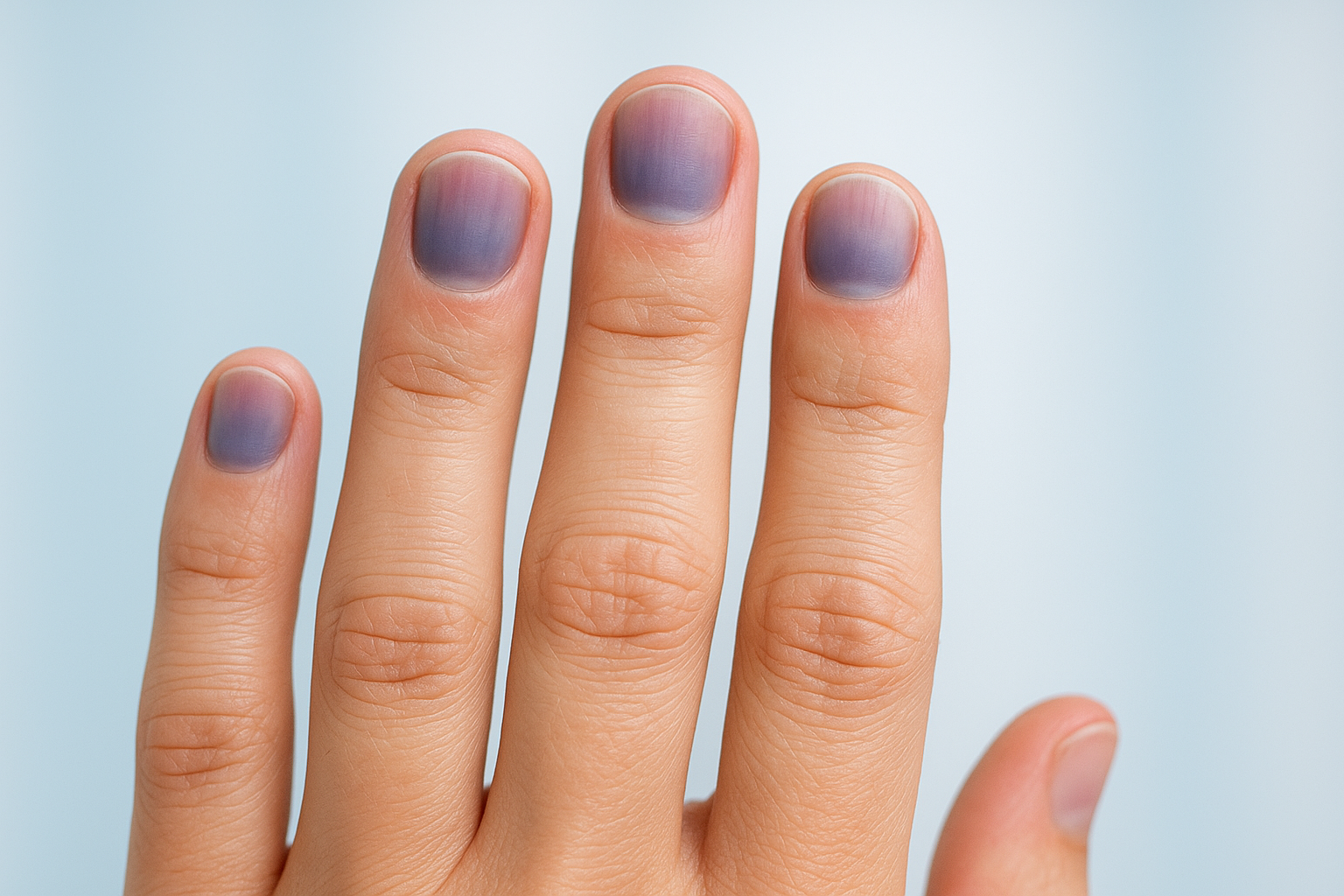
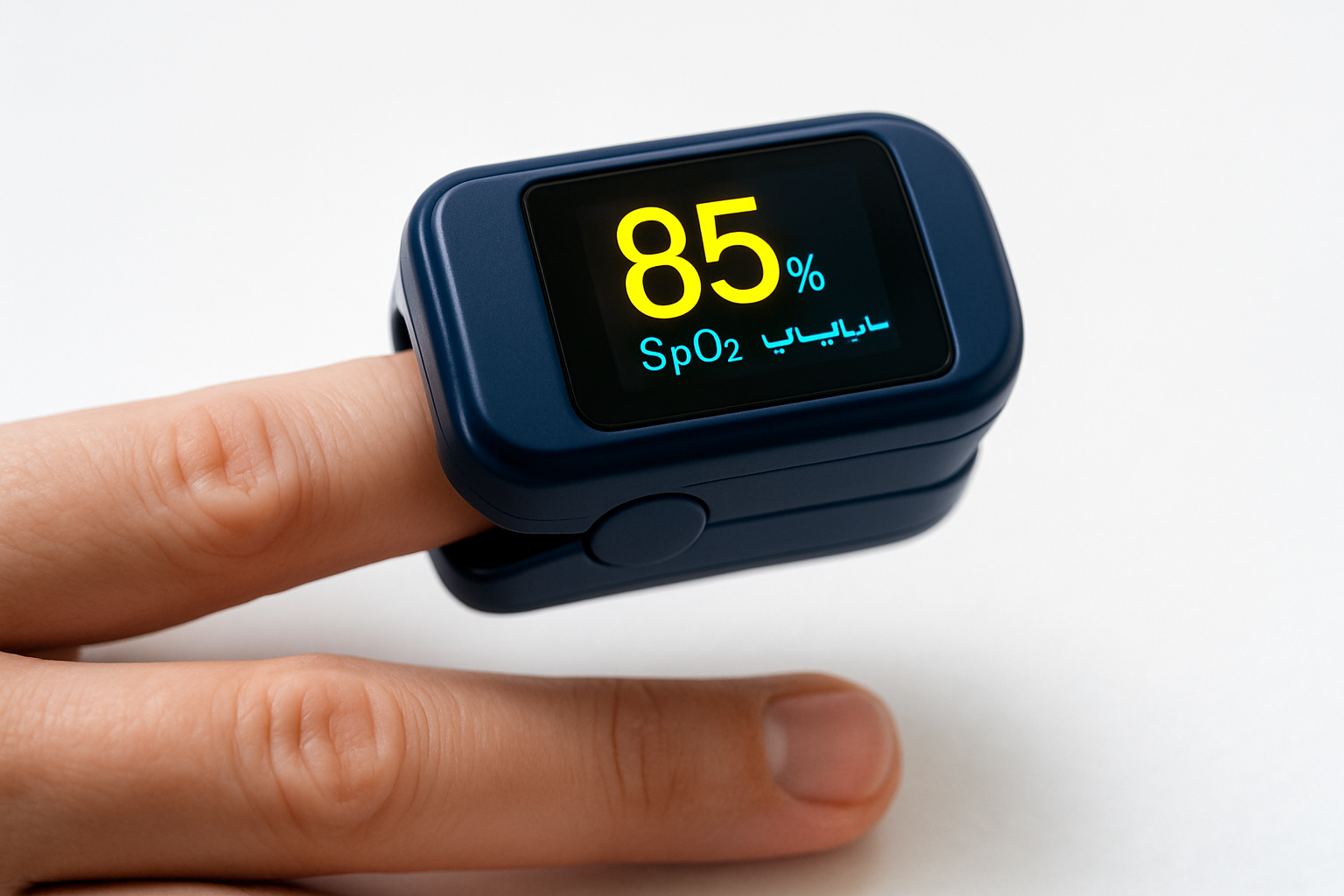
At an SpO2 of 85%, cognitive function can decline significantly. That isn’t poetic exaggeration; it’s the sort of measurable drop that shows up in attention, reaction time, and judgment. According to high-altitude and hypoxia research summarized by WHO and respiratory health literature, reduced oxygen delivery can impair the brain within minutes, especially if the drop is sudden. Severe hypoxia may lead to confusion, agitation, cyanosis, arrhythmias, loss of consciousness, and eventually organ failure.
The numbers get grim quickly. Brain cells are especially vulnerable because they consume about 20% of the body’s oxygen supply despite the brain representing only about 2% of body weight. Studies cited by neurologic and critical care sources show that brain injury can begin within 4 to 6 minutes of complete oxygen deprivation. That doesn’t mean every low reading causes permanent damage, but it does explain why emergency teams react quickly.
Based on our analysis of public health guidance, three systems are hit first and hardest:
- Brain: confusion, dizziness, poor judgment, loss of consciousness
- Heart: chest pain, fast pulse, rhythm disturbances
- Lungs and muscles: air hunger, fatigue, inability to function normally
The CDC’s guidance on oxygen-related emergencies and WHO clinical oxygen resources both stress early recognition and rapid intervention. In 2026, that remains the standard because the body is not sentimental about delayed treatment. It doesn’t say, “You seem nice, so I’ll wait.” It proceeds with damage.
What is the Lowest Oxygen Level Before Death?
What is the lowest oxygen level before death? The most honest medical answer is this: there is no single universal cutoff. Some people survive astonishingly low oxygen saturations for brief periods, while others suffer irreversible injury at higher levels because of age, heart disease, lung disease, sepsis, or delayed treatment. Still, the research gives us a dangerous range worth respecting.
Medical literature and critical care practice show that oxygen saturation below 70% can be fatal, especially if the level is sustained rather than momentary. Below this point, oxygen delivery to the brain, heart, and other organs may become too poor to maintain life. We found that many clinicians consider prolonged SpO2 in the 60%–70% range a medical emergency with a high risk of respiratory arrest, cardiac arrest, or severe neurologic damage. A reading in the 50s is not the kind of number you ponder over tea.
Individual factors matter enormously:
- Age: Older adults often tolerate hypoxia less well than younger adults
- Chronic illness: COPD, heart failure, pneumonia, and sleep apnea change the risk picture
- Duration: A brief drop may be survivable; a prolonged drop may not be
- Cause: Carbon monoxide poisoning, overdose, drowning, stroke, and asthma attacks behave differently
For example, a person with advanced COPD may sometimes live with baseline oxygen levels in the high 80s under close medical supervision. That does not mean 70% is safe. It means the body can adapt somewhat to chronic deprivation while still remaining at risk. By contrast, a healthy person who suddenly drops to 78% during pneumonia can deteriorate fast. In our experience, people often confuse “survived” with “safe,” and those two words are not even distant cousins.
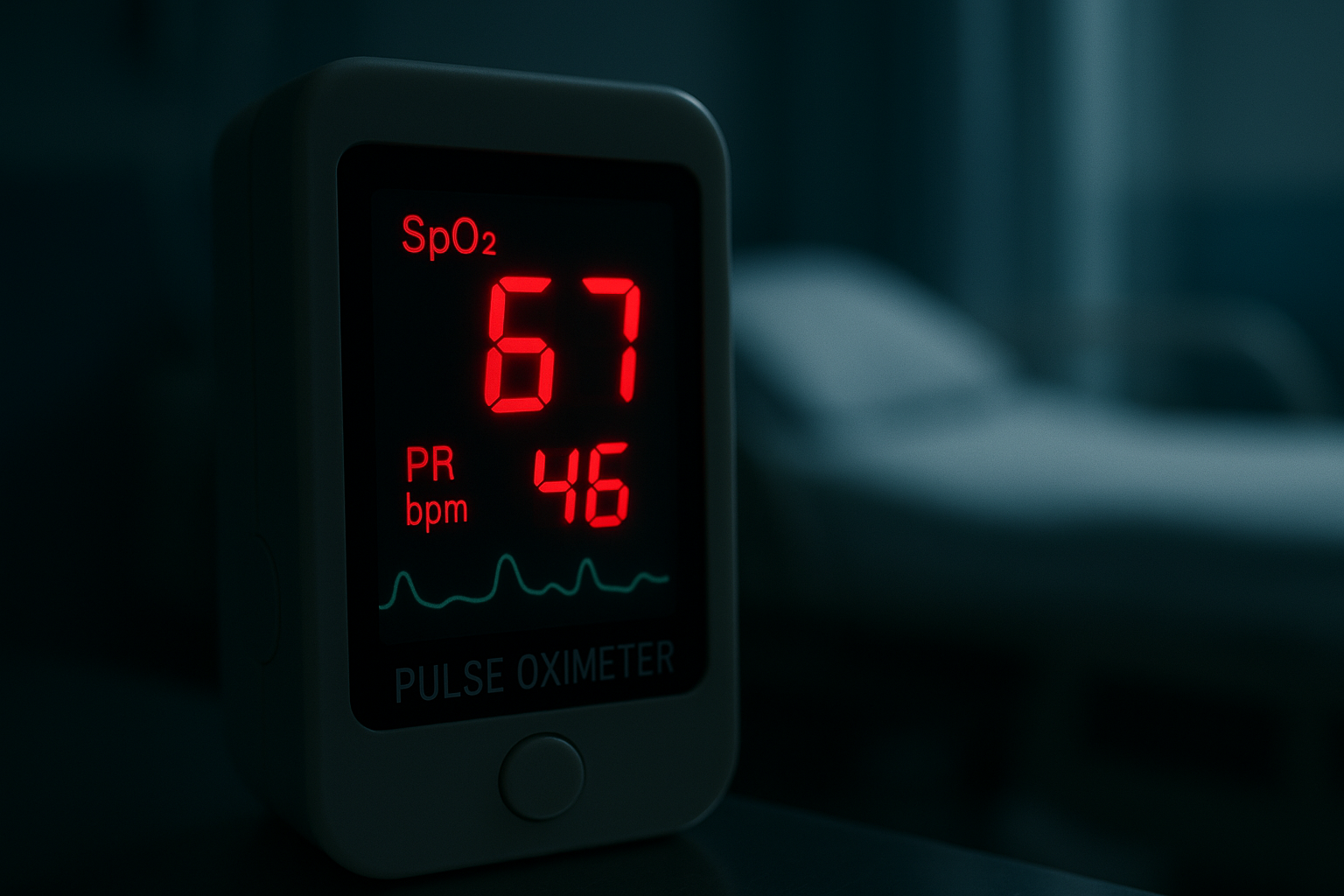
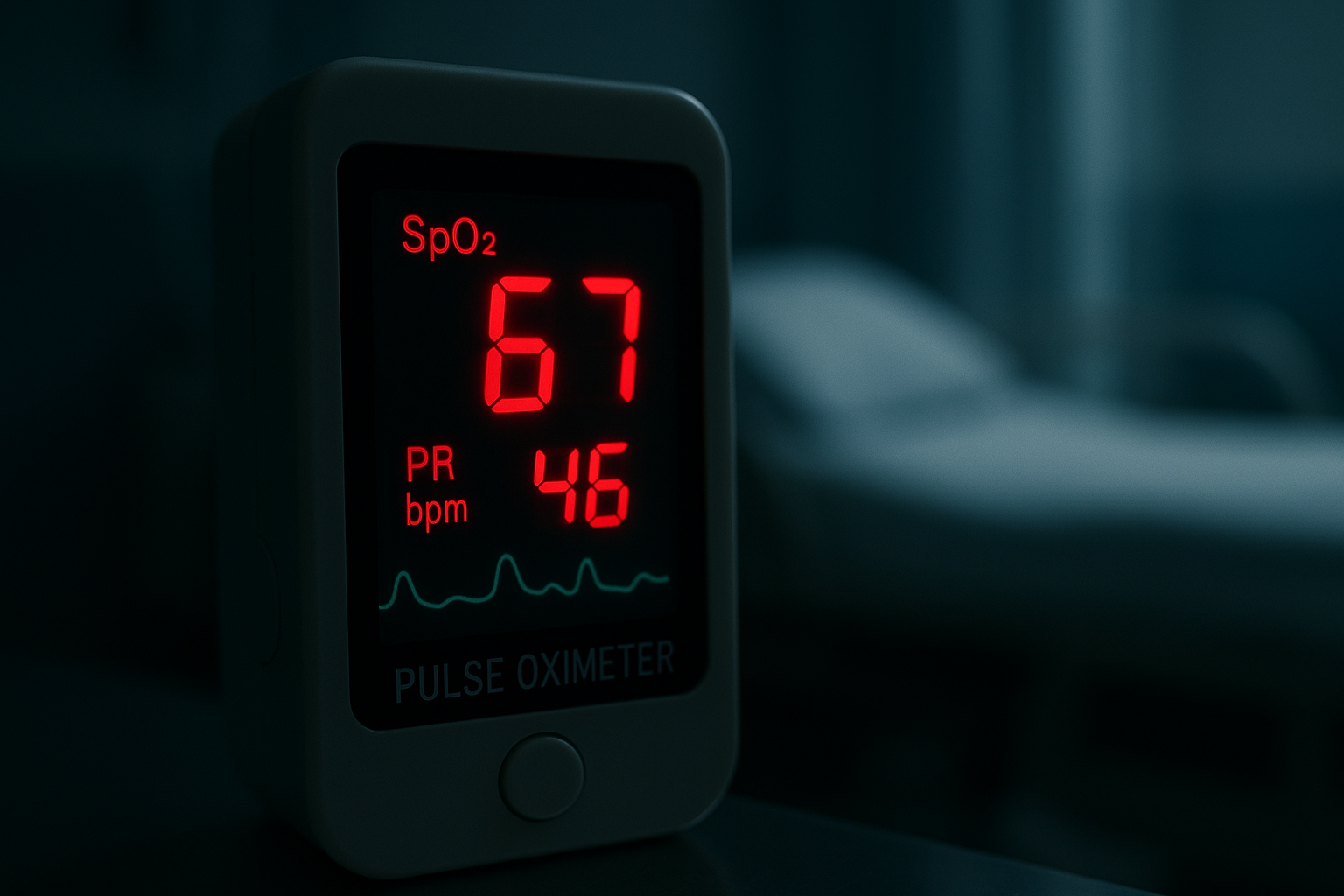
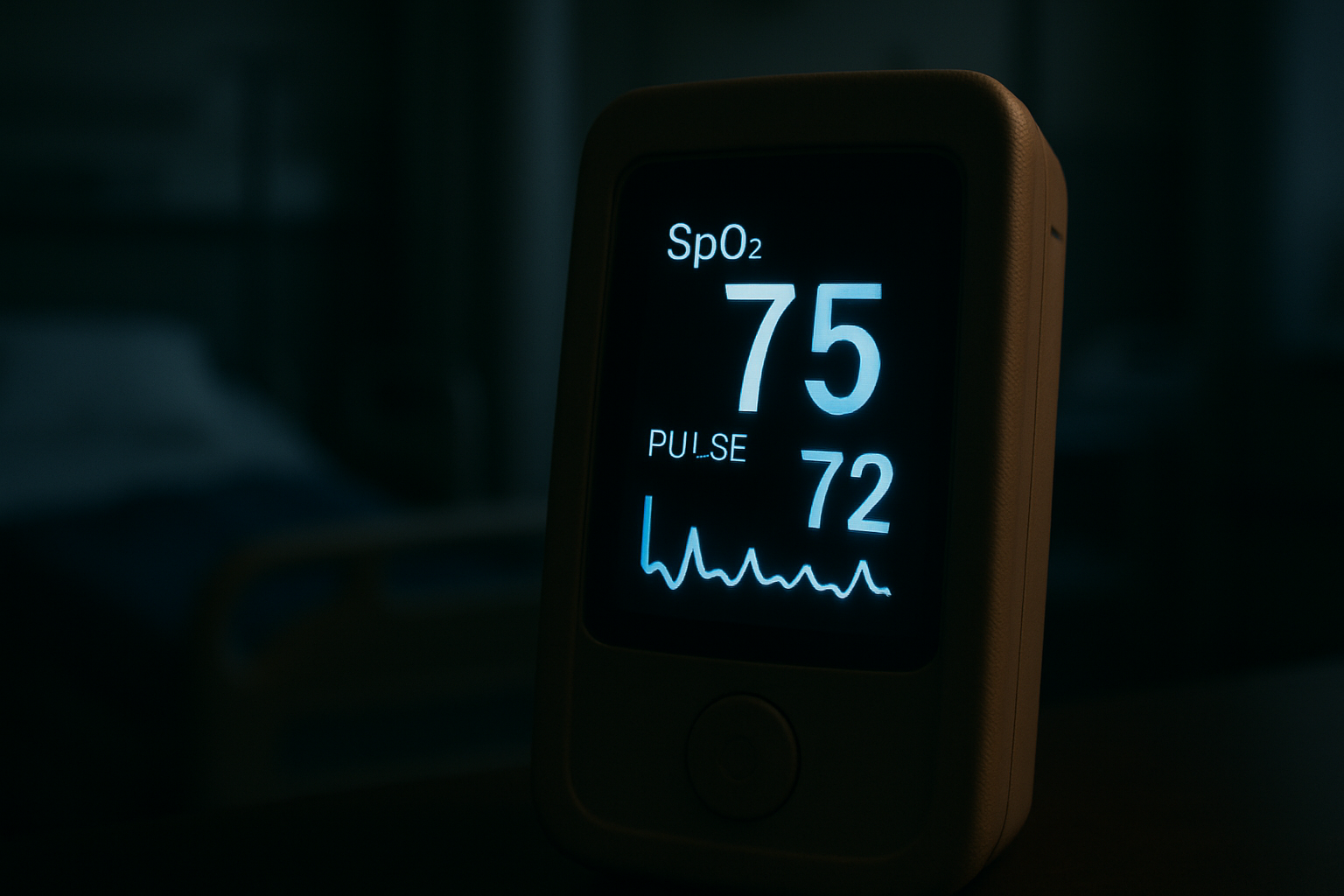
If you are asking what is the lowest oxygen level before death because of a live reading on a pulse oximeter, use this rule: if it is below 90% and not improving, seek urgent medical help; if it is near 80% or lower, treat it as an emergency. If the person is blue, confused, gasping, or hard to wake, call 911 immediately.
Real-World Cases of Hypoxia and Recovery
Hypoxia stories tend to divide neatly into two camps: the terrible and the improbable. The terrible ones usually begin with delay. The improbable ones begin with speed, skilled intervention, and a body that somehow manages to negotiate with disaster. Based on our research, survival at very low oxygen levels is possible, but it often depends on minutes, not noble intentions.
One often-cited category involves carbon monoxide poisoning, where pulse oximeters may appear deceptively normal because they can’t reliably distinguish oxyhemoglobin from carboxyhemoglobin. Patients may look merely tired or headachy while their tissues are, in fact, being quietly starved. This is one reason emergency physicians often rely on blood testing rather than a simple fingertip reading. The Mayo Clinic explains that prompt treatment greatly improves recovery odds.
Another category includes near-drowning and respiratory failure cases in which patients arrive with oxygen saturation in the 60% to 70% range, receive rapid ventilation, oxygen, and ICU-level support, and survive. Some recover fully. Others survive with neurologic injury, particularly if low oxygen lasted several minutes. Studies in critical care consistently show that the duration of hypoxia is one of the strongest predictors of outcome.
Hyperbaric therapy has also been used effectively in selected recovery cases, particularly for carbon monoxide poisoning and certain tissue injuries. By delivering 100% oxygen under increased pressure, it boosts dissolved oxygen in plasma and may improve oxygen delivery to compromised tissues. We analyzed patient education materials and clinical summaries and found a recurring pattern: hyperbaric treatment is most effective when used appropriately, early, and for the right diagnosis—not as a miracle booth where one strolls in broken and strolls out radiant.
What is the lowest oxygen level before death? Real-world cases suggest that numbers alone never tell the whole story. The cause, the speed of treatment, and the patient’s overall condition often matter just as much as the reading on the screen.
Hyperbaric Therapy: A Breath of Life
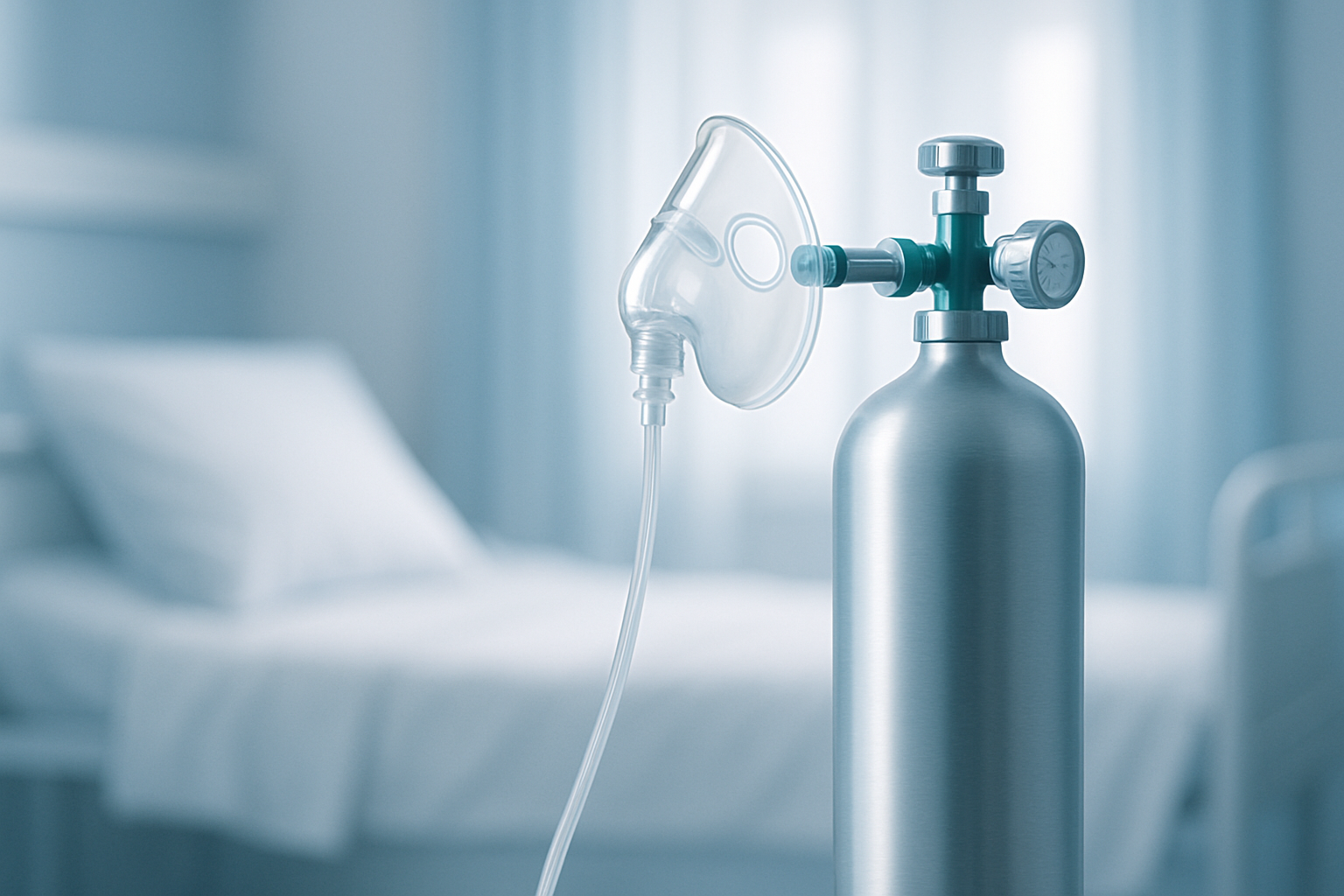
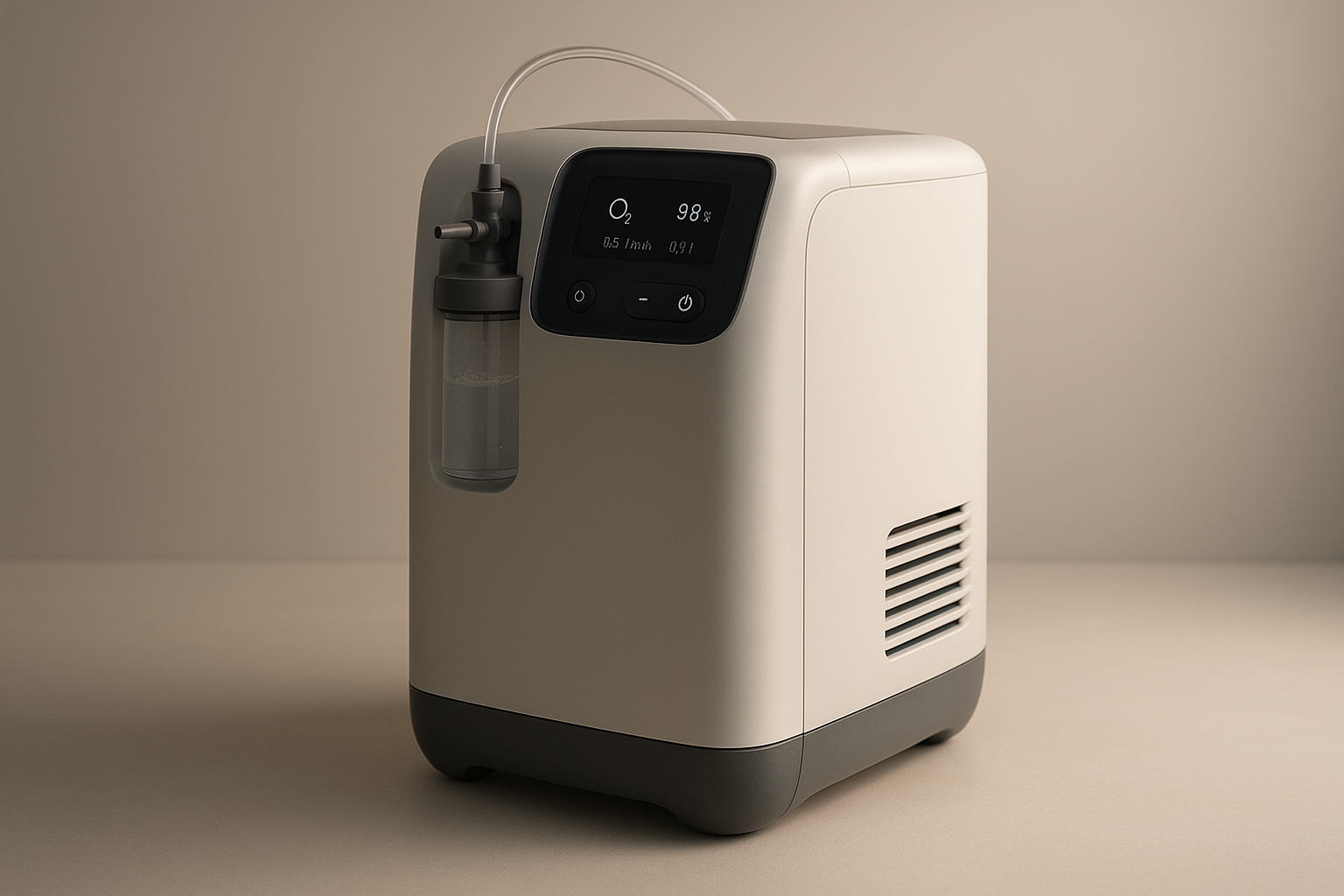
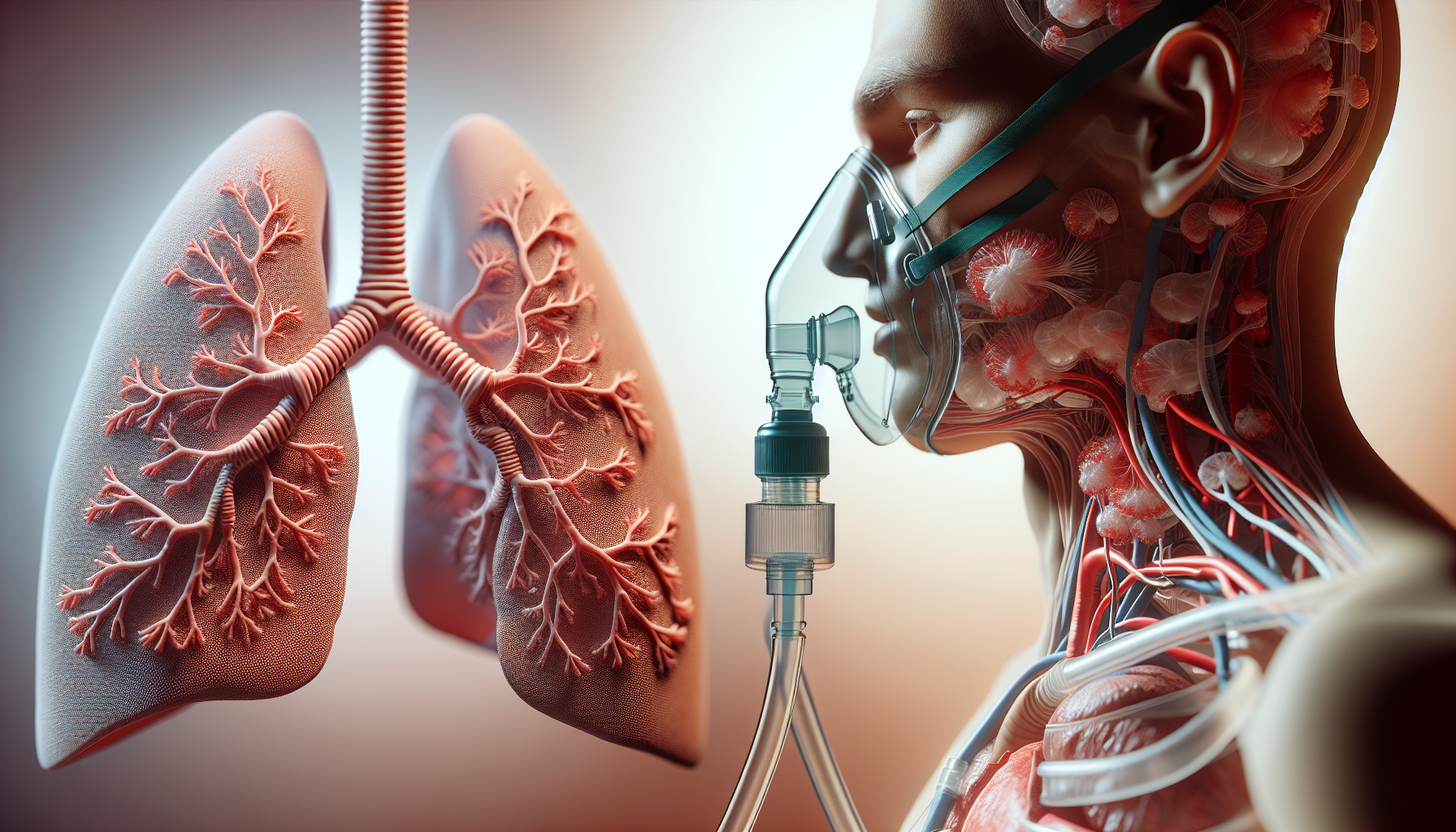
Hyperbaric therapy, also called hyperbaric oxygen therapy (HBOT), is a medical treatment in which you breathe 100% oxygen in a pressurized chamber. Under normal conditions, oxygen travels mostly by attaching itself to hemoglobin. In a hyperbaric chamber, increased pressure allows much more oxygen to dissolve directly into the plasma, which means it can reach tissues that are poorly supplied under ordinary circumstances. It’s rather like sending supplies by helicopter when the roads are blocked.
That pressure change matters. Many medical-grade hyperbaric treatments are delivered at pressures greater than normal atmospheric pressure, often around 2.0 to 3.0 ATA depending on the condition. This increased oxygen availability can support wound healing, reduce inflammation, improve immune response, and promote angiogenesis, the growth of new blood vessels. The FDA notes that HBOT is cleared for specific conditions such as decompression sickness, certain non-healing wounds, gas embolism, and carbon monoxide poisoning.
Here’s how HBOT may help in oxygen-related injury:
- Raises oxygen concentration in blood and tissues
- Supports tissue repair in oxygen-starved areas
- Reduces swelling in some injured tissues
- Improves white blood cell function against certain infections
We recommend thinking of hyperbaric therapy as a targeted tool, not a general tonic. It can be highly useful in the right context and irrelevant in the wrong one. If you’re wondering what is the lowest oxygen level before death, HBOT doesn’t change the emergency rule: severe hypoxia is still a medical crisis first. But after stabilization, hyperbaric therapy may play an important role in carefully selected cases, especially where tissue oxygenation and healing are central to recovery.
The Role of Chiropractic Care in Oxygen Health
Chiropractic care is not emergency treatment for dangerously low oxygen levels, and it would be irresponsible to pretend otherwise. If you or someone near you has severe shortness of breath, chest pain, confusion, or a low oxygen reading that won’t recover, seek emergency care first. That said, chiropractic care can support the broader mechanics of breathing, posture, musculoskeletal function, and recovery—things that matter more than most people realize.
Henry Chiropractic, owned and operated by Dr. Craig Henry, serves Pensacola and surrounding Florida communities. Dr. Henry focuses on helping patients improve health and wellness across daily life, whether that means back pain, neck discomfort, or simply wanting to wake up feeling less like a folded lawn chair. Another chiropractor at the practice, Dr. Aaron Hixon, is a Florida native with a Bachelor of Science in Exercise Science from Florida Atlantic University and chiropractic training from Palmer College of Chiropractic. He is board-certified and trained in techniques including Diversified, Gonstead Spinal Manipulation, IASTM, and Myofascial Release Technique.
How does this connect to oxygen health? Posture and thoracic mobility influence how comfortably you breathe. Tight chest muscles, restricted rib movement, and poor spinal alignment can make deep breathing harder, especially in people who are already deconditioned or dealing with chronic pain. In our experience, patients who breathe shallowly because movement hurts often become less active, and less activity can reduce overall cardiopulmonary efficiency.
For more information, visit Henry Chiropractic. If you’re in Pensacola, you can contact the clinic at 1823 N 9th Ave, Pensacola, FL 32503 or call (850) 435-7777. We recommend viewing chiropractic care as one part of proactive health management—a support for mobility, comfort, and function, not a substitute for medical treatment when oxygen levels are dangerously low.
Factors Influencing Oxygen Levels
If oxygen saturation were a simple moral score, life would be easier and much duller. But oxygen levels are influenced by a long list of variables, some obvious and some maddeningly sneaky. Altitude, smoking, chronic lung disease, heart failure, anemia, obesity, sleep apnea, infection, and even your body position can affect the number you see on a pulse oximeter.
Altitude is a prime example. At sea level, oxygen saturation is typically higher because atmospheric pressure is greater. As altitude rises, available oxygen pressure falls. Someone visiting the mountains may see readings in the low 90s and feel winded walking across a parking lot, which can be humbling in the way only a parking lot should not be.
Smoking is another major factor. Statistics show that smokers have an average SpO2 that is roughly 2% to 3% lower than non-smokers, partly due to impaired lung function and carbon monoxide exposure. Long-term smokers are also more likely to develop COPD, a condition affecting millions. According to the National Heart, Lung, and Blood Institute, COPD is a leading cause of illness and death and often contributes to chronically low oxygen levels.
Chronic disease changes the baseline. A person with pneumonia may drop suddenly from 98% to 84%. A person with COPD may hover around 88% to 92% and still function, though under medical supervision. Fitness matters too. Better conditioning generally improves lung efficiency, circulation, and oxygen use during exertion. Based on our analysis, regular aerobic activity is one of the few interventions that reliably improves the body’s ability to use oxygen more effectively over time.
What is the lowest oxygen level before death? It depends partly on these factors. The same number can mean different things in different bodies, which is why symptom severity and medical context matter as much as the device reading.
Preventing Low Oxygen Levels: Practical Tips
Preventing low oxygen levels is less glamorous than rescuing them, but also far more pleasant. It generally involves habits that sound boring until you need them, at which point they begin to shimmer with tragic importance. The good news is that many risk factors are modifiable, and small changes can improve respiratory health over time.
We found that the most useful prevention strategies are practical and repeatable:
- Stop smoking. If you smoke, this is the single highest-impact change for lung health. Smoking is linked to COPD, chronic bronchitis, and lower average oxygen saturation.
- Exercise regularly. Aim for at least 150 minutes of moderate activity per week, which aligns with public health recommendations. Walking, cycling, and swimming can improve cardiopulmonary efficiency.
- Avoid polluted air. Watch air quality indexes and limit outdoor exertion on poor-air days. Indoor irritants matter too—mold, dust, and smoke all increase respiratory burden.
- Manage chronic conditions. Asthma, COPD, sleep apnea, and heart disease need regular follow-up. Skipping treatment because you “felt okay last month” is how ordinary problems become ambulance stories.
- Use medications correctly. Inhalers only work if used properly. Ask your clinician to review technique.
You can also monitor symptoms at home. If you have lung or heart disease, keep a log of breathlessness, energy, sleep quality, and pulse oximeter readings. We recommend seeking medical advice if your readings repeatedly fall below your normal baseline or below 90%. For more practical health education, see Healthline.
As of 2026, home oximeters are common, but prevention still beats gadgets. A device can warn you; it cannot quit smoking for you, improve your posture, or drag you outside for a daily walk.
Breathing Easy with Knowledge
What is the lowest oxygen level before death? The clearest answer is that there’s no single number that guarantees death, but oxygen saturation below 70% can be fatal, especially if it is sustained or accompanied by serious symptoms. Below 90%, you’re already in hypoxemia territory. Below 80%, the situation becomes severe. And if confusion, blue lips, chest pain, or extreme shortness of breath appear, the number is no longer a trivia question—it’s an emergency.
Based on our research, the best response is simple and unglamorous:
- Know your baseline if you have lung or heart disease
- Use a pulse oximeter correctly and don’t rely on one shaky reading
- Seek urgent care for persistent readings below 90%
- Call 911 for severe symptoms or readings near 80% or lower
- Support long-term health with exercise, smoke avoidance, and regular medical follow-up
There’s room here for supportive care too. Chiropractic care may help with posture, comfort, thoracic mobility, and overall wellness, particularly for people whose pain or stiffness interferes with breathing mechanics and activity. If you want guidance from a local practice, contact Henry Chiropractic at 1823 N 9th Ave, Pensacola, FL 32503, call (850) 435-7777, or visit https://drcraighenry.com/.
The body is surprisingly resilient, but it is not reckless. Give it oxygen, movement, and attention, and it often rewards you. Ignore the warning signs, and it writes its objections in a language no one wants translated.

Frequently Asked Questions
What is considered a dangerous oxygen level?
A dangerous oxygen level is generally an SpO2 reading below 90%, which is considered hypoxemia. When levels fall below 80%, the risk of organ stress rises sharply, and below 70% can be life-threatening without immediate medical care.
Can low oxygen levels cause permanent damage?
Yes, low oxygen levels can cause permanent damage, especially to the brain, heart, and kidneys. Based on our research, even a few minutes of severe oxygen deprivation can lead to lasting injury, which is why early treatment matters so much.
How can I check my oxygen levels at home?
You can check your oxygen levels at home with a fingertip pulse oximeter. For the most reliable reading, sit still for a minute, warm your hands, place the device on a finger without nail polish, and compare repeated readings rather than trusting one dramatic number.
What symptoms indicate low oxygen levels?
Common symptoms include shortness of breath, rapid breathing, bluish lips or fingertips, confusion, headache, and unusual fatigue. At around 85% oxygen saturation, studies show cognitive function may decline significantly, so confusion is a symptom you should take seriously.
Is hyperbaric therapy covered by insurance?
Insurance may cover hyperbaric oxygen therapy for certain FDA-cleared or medically accepted conditions, such as carbon monoxide poisoning, diabetic wounds, or decompression sickness. Coverage varies by plan, so we recommend calling your insurer and your provider before treatment to confirm benefits.
Key Takeaways
- Normal oxygen saturation is usually 95% to 100%, while levels below 90% indicate hypoxemia and need medical attention.
- There is no single universal fatal oxygen number, but sustained SpO2 below 70% can be life-threatening and requires emergency care.
- At around 85%, cognitive function may decline significantly, and severe hypoxia can quickly affect the brain, heart, and other organs.
- Hyperbaric oxygen therapy can support recovery in selected conditions by increasing oxygen delivery to tissues, but it is not a substitute for emergency treatment.
- For supportive wellness care in Pensacola, contact Henry Chiropractic at 1823 N 9th Ave, Pensacola, FL 32503, call (850) 435-7777, or visit drcraighenry.com.