
Table of Contents
What to expect during hyperbaric oxygen therapy? 11 Expert Facts Before Your First Session
What to expect during hyperbaric oxygen therapy? Usually, less drama than your imagination has already staged. If you’ve pictured a humming capsule, a face mask, a little pressure in your ears, and a vague sense that you’ve volunteered for a moon mission, you’re not entirely wrong. In 2026, hyperbaric oxygen therapy, often shortened to HBOT, has become far more familiar to patients seeking help with wound healing, post-surgical recovery, radiation injury, and certain infections.
You’re likely here because curiosity has collided with caution. You want to know what happens before the door closes, how the pressure feels, whether the treatment actually works, and what sort of person signs up for repeated sessions in a chamber that looks as if it should come with a submarine soundtrack. Based on our research, those are exactly the right questions.
What follows is a plainspoken look at the chamber, the science, the sensations, the cost, and the risks. We found that people do better when they know the script before the first appointment. No mystery, no mysticism, and no need to show up trembling like a Victorian patient being introduced to electricity.

Introduction: Unmasking the Chamber
Hyperbaric oxygen therapy has grown steadily in visibility, and by 2026 it’s no longer a treatment most people hear about only from divers or hospital dramas. You now see it discussed in wound-care centers, sports recovery circles, integrative practices, and post-surgical care plans. According to the Undersea and Hyperbaric Medical Society, HBOT is used for a defined list of medical indications, and hospitals across the United States continue to provide it as part of evidence-based care.
That matters because many patients arrive with a strangely cinematic expectation. They assume the chamber will be frightening, claustrophobic, or unbearably technical. In our experience, the surprise is usually the opposite: the session is structured, monitored, and rather calm. There’s a beginning, a middle, and an end, much like a flight, except nobody hands you stale pretzels.
If you’ve searched What to expect during hyperbaric oxygen therapy?, your real question is probably more personal. Will it hurt? Will it help? Will you feel trapped? We analyzed the available clinical guidance, patient experiences, and current practice standards to explain what actually happens during treatment, what benefits are supported by research, and when it makes sense to speak with a provider in Pensacola about whether HBOT belongs in your care plan.
The Science Behind Hyperbaric Oxygen Therapy
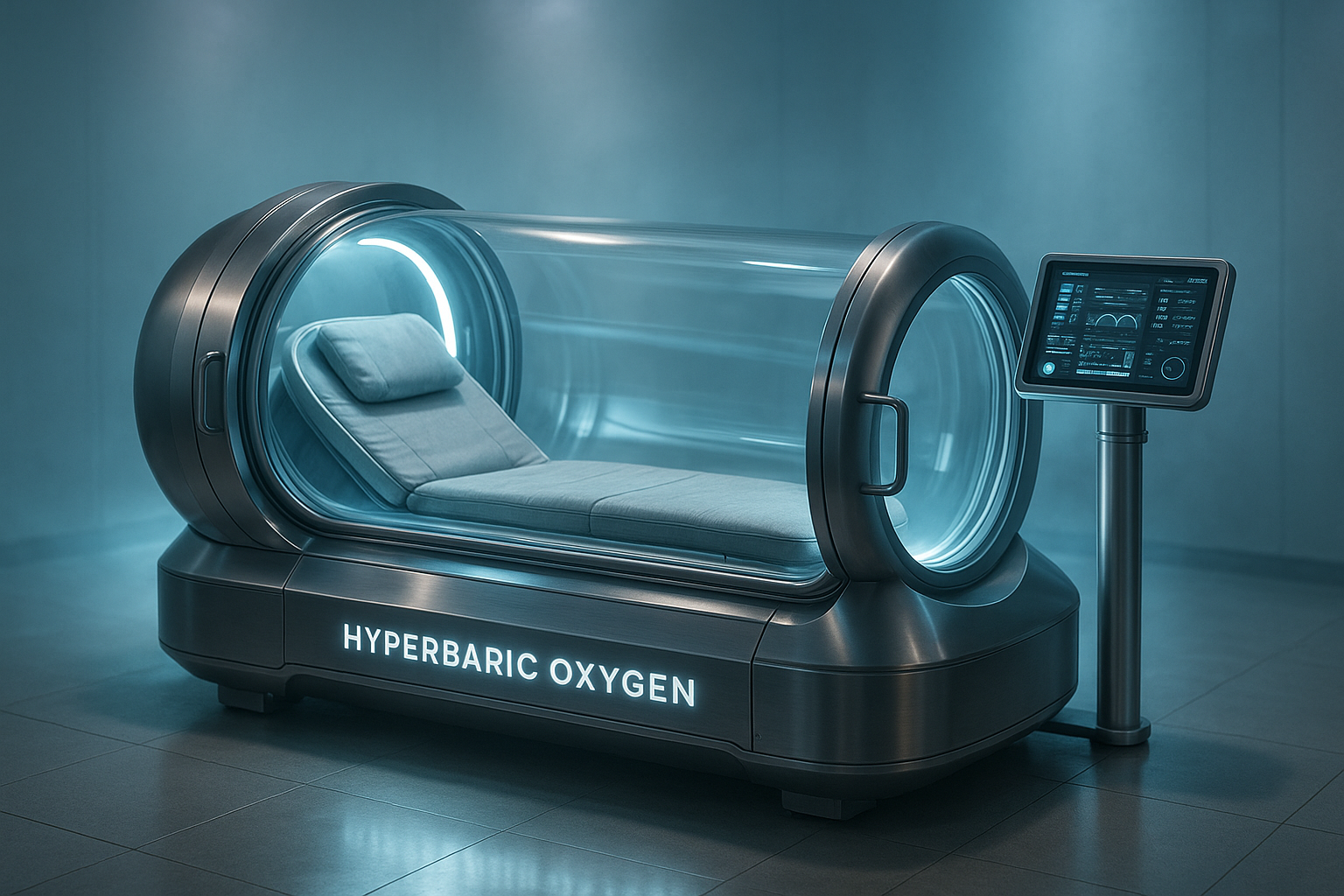
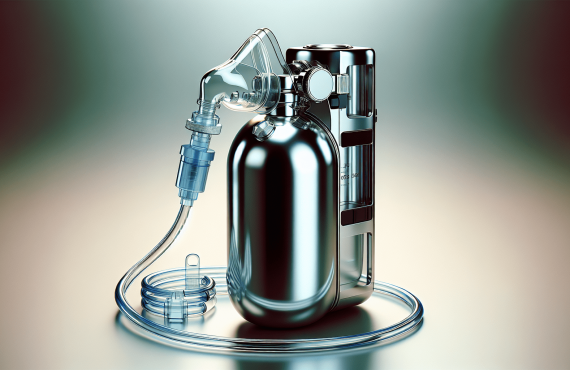
Hyperbaric therapy is a medical treatment in which you breathe 100% oxygen inside a chamber pressurized above normal atmospheric pressure. Under ordinary conditions, oxygen is carried mainly by hemoglobin in red blood cells. Under hyperbaric conditions, much more oxygen dissolves directly into the plasma. That extra dissolved oxygen can reach tissues with compromised blood flow, which is one reason HBOT is used in stubborn wounds, crush injuries, and radiation tissue damage.
The pressure itself is not decorative. Many clinical protocols use pressures between 2.0 and 3.0 atmospheres absolute, though the exact setting depends on the condition being treated. At those levels, tissue oxygen concentrations rise significantly, which can support angiogenesis—the growth of new blood vessels—while also helping white blood cells function more effectively against certain infections. The NCBI overview of hyperbaric oxygen therapy explains that this increased oxygen availability is a key part of why damaged tissue may heal better under properly supervised treatment.
A 2025 study on wound healing outcomes, published in the clinical literature indexed through PubMed, found that HBOT improved healing markers and reduced time to closure in selected chronic wound patients when added to standard care. Studies vary by diagnosis, and not every condition responds the same way, but the trend is meaningful. Based on our analysis, the strongest evidence remains in approved indications such as diabetic foot ulcers, radiation injury, carbon monoxide poisoning, and decompression sickness.
There’s also the practical side. Oxygen supports collagen formation, blood vessel growth, and infection control. That’s not glamorous, but healing rarely is. Most recovery is less like a fireworks show and more like a contractor quietly fixing load-bearing beams behind the drywall.

Step-by-Step: What to Expect During Hyperbaric Oxygen Therapy?
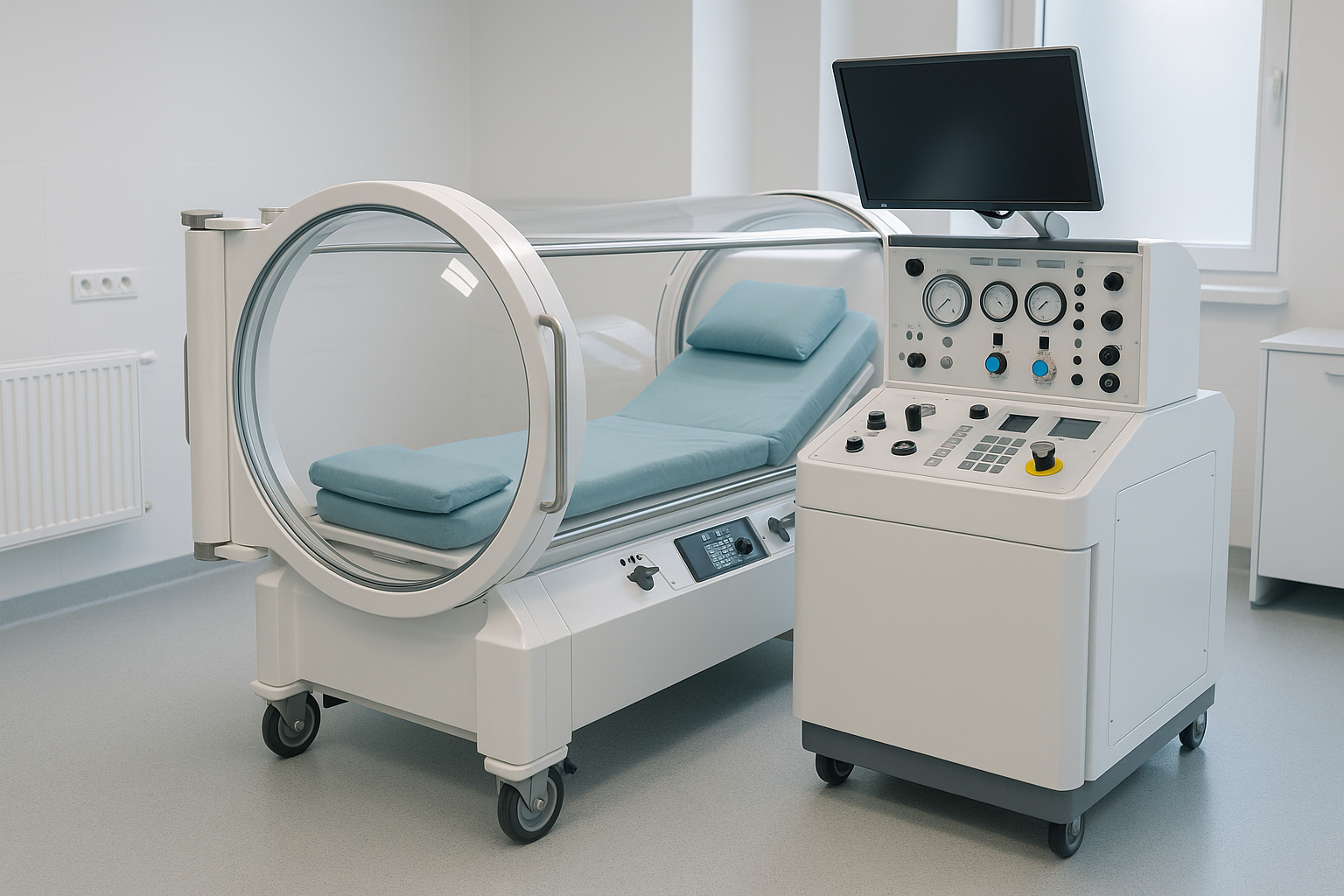
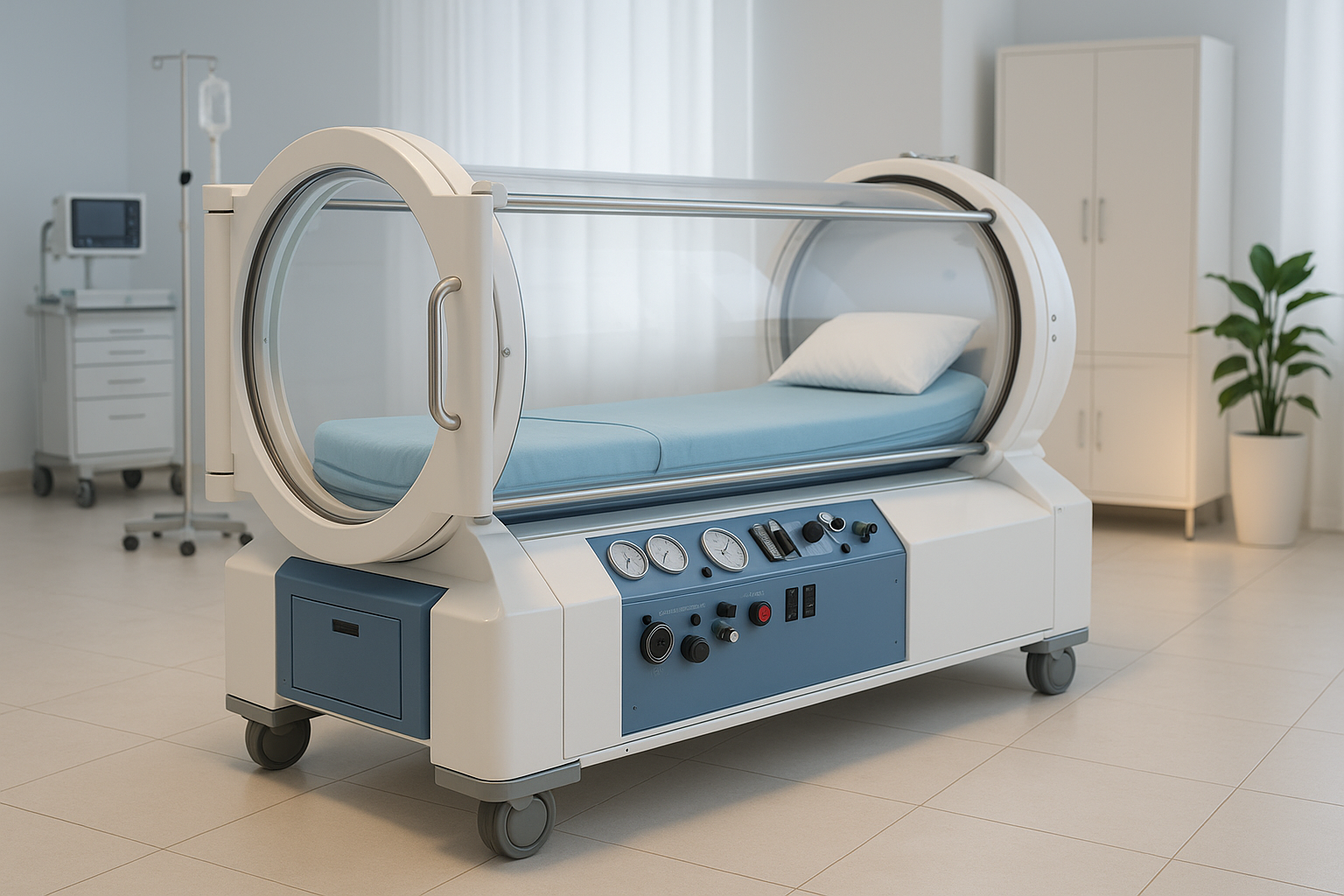
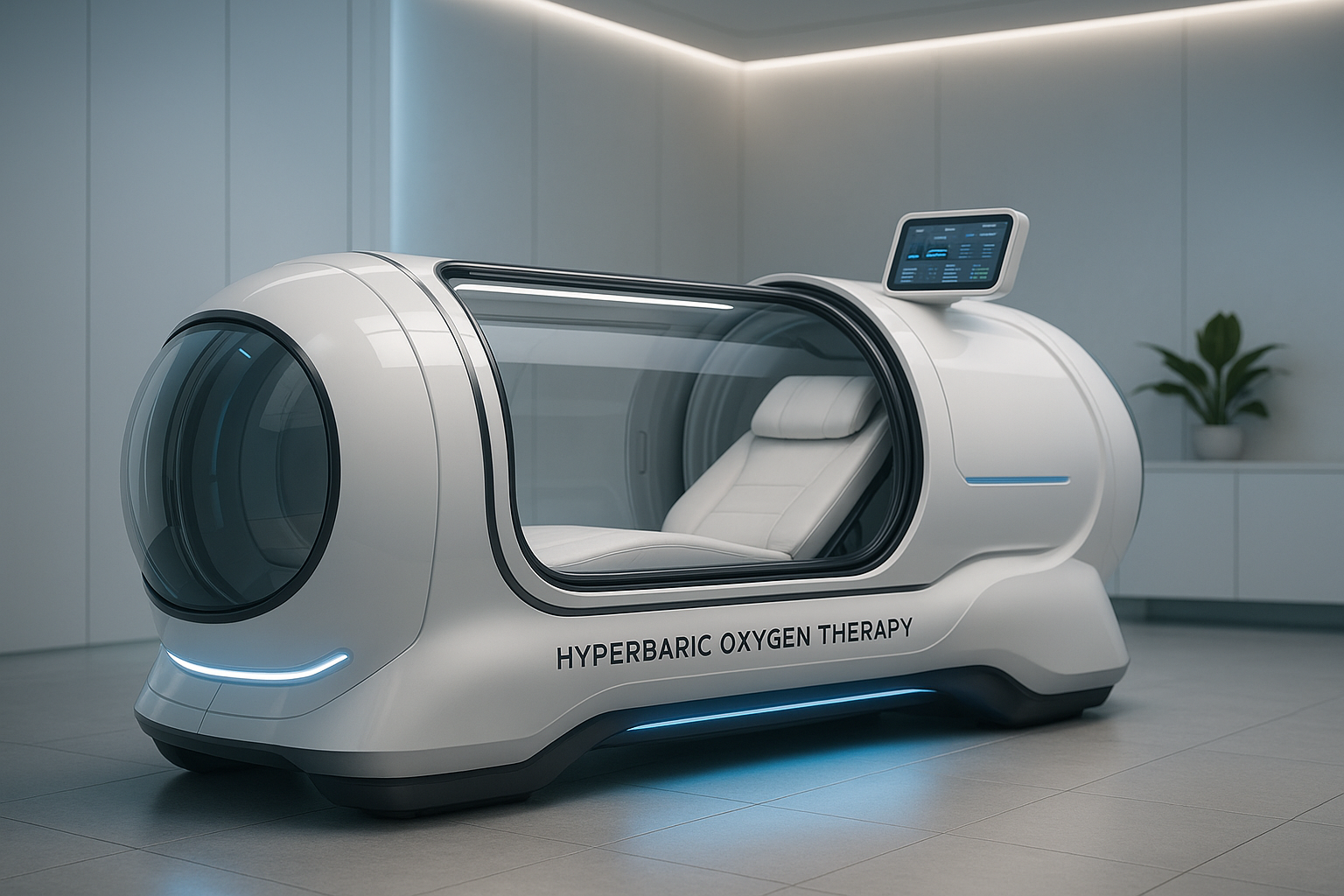
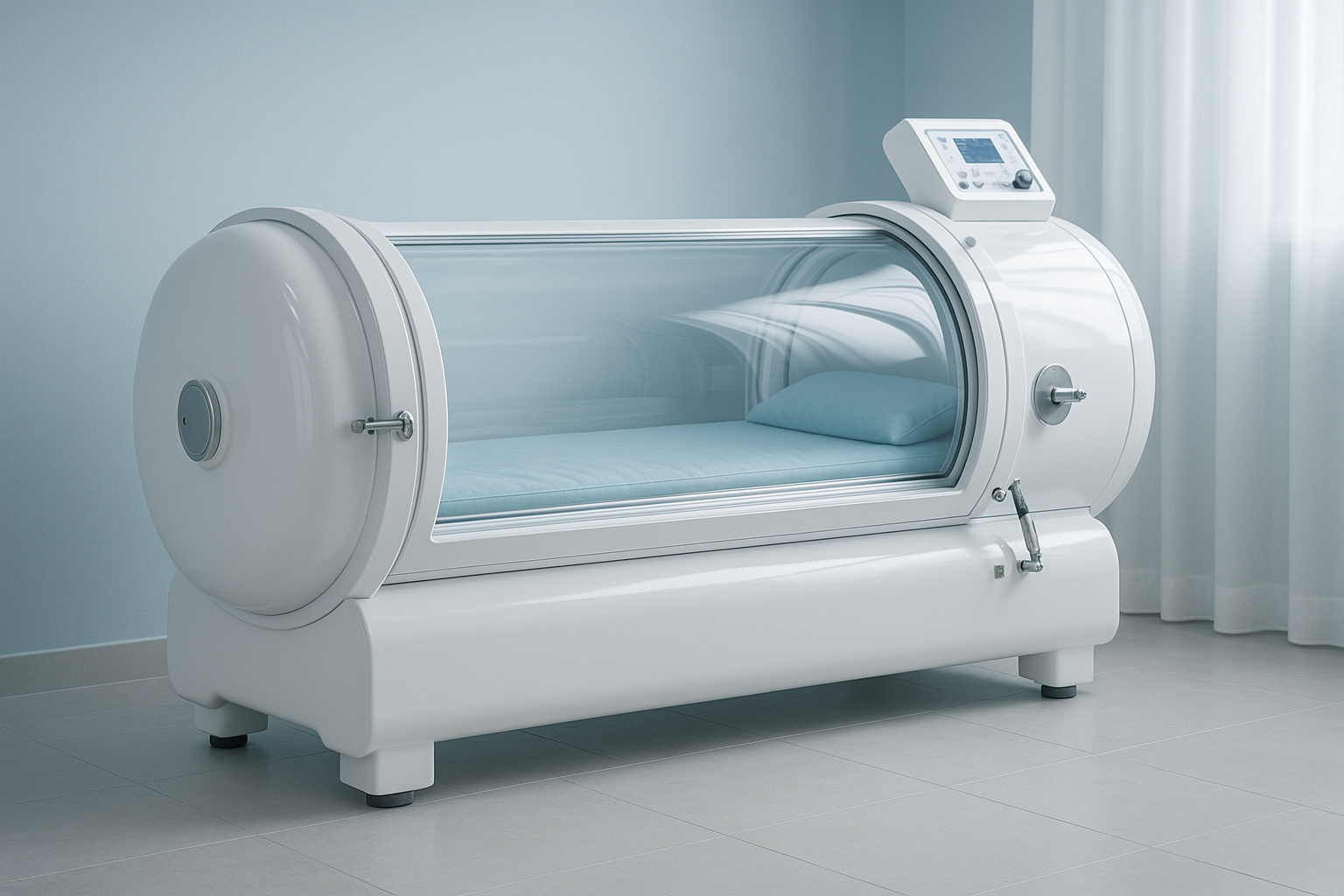
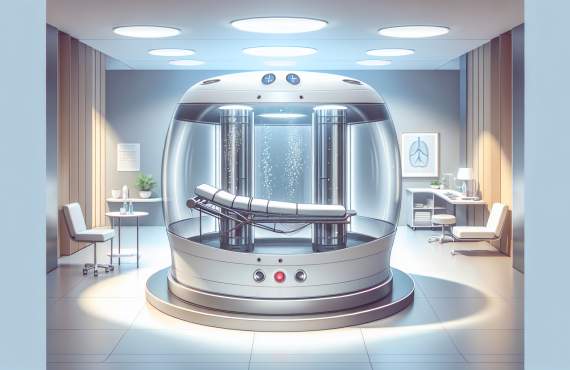
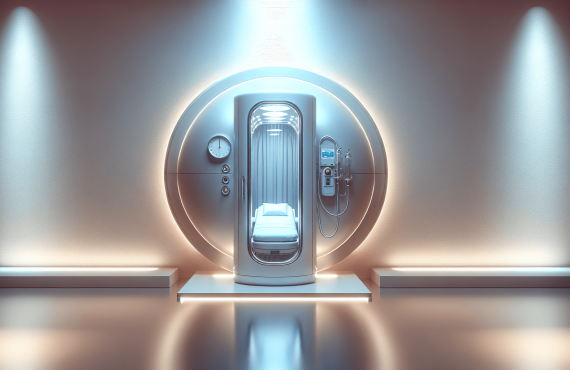
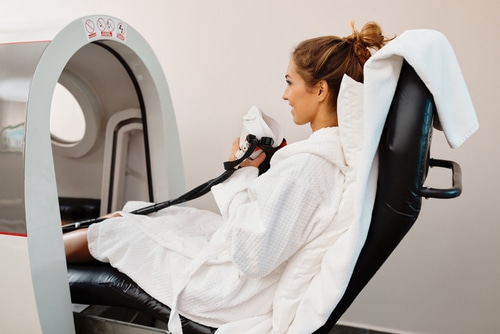
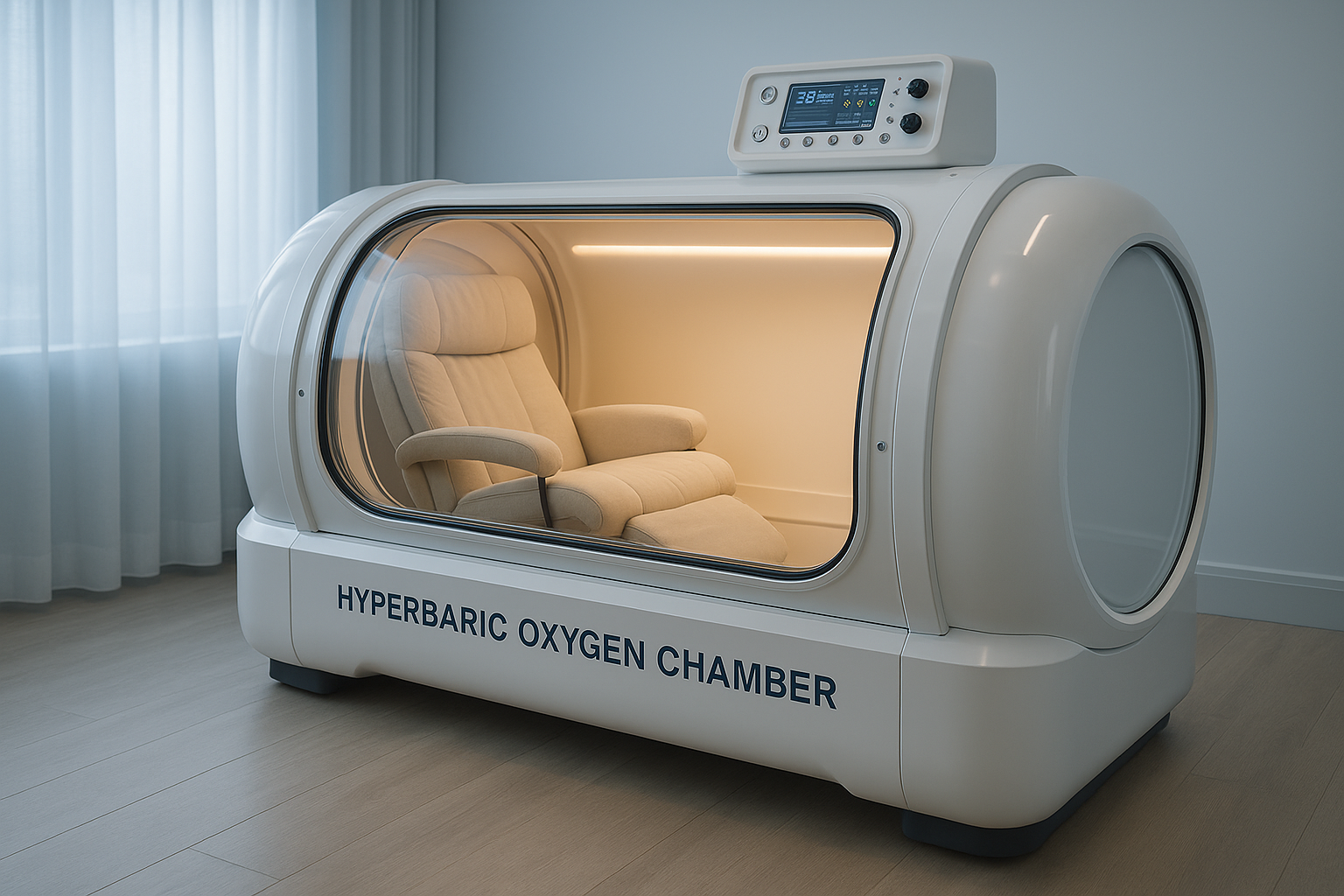
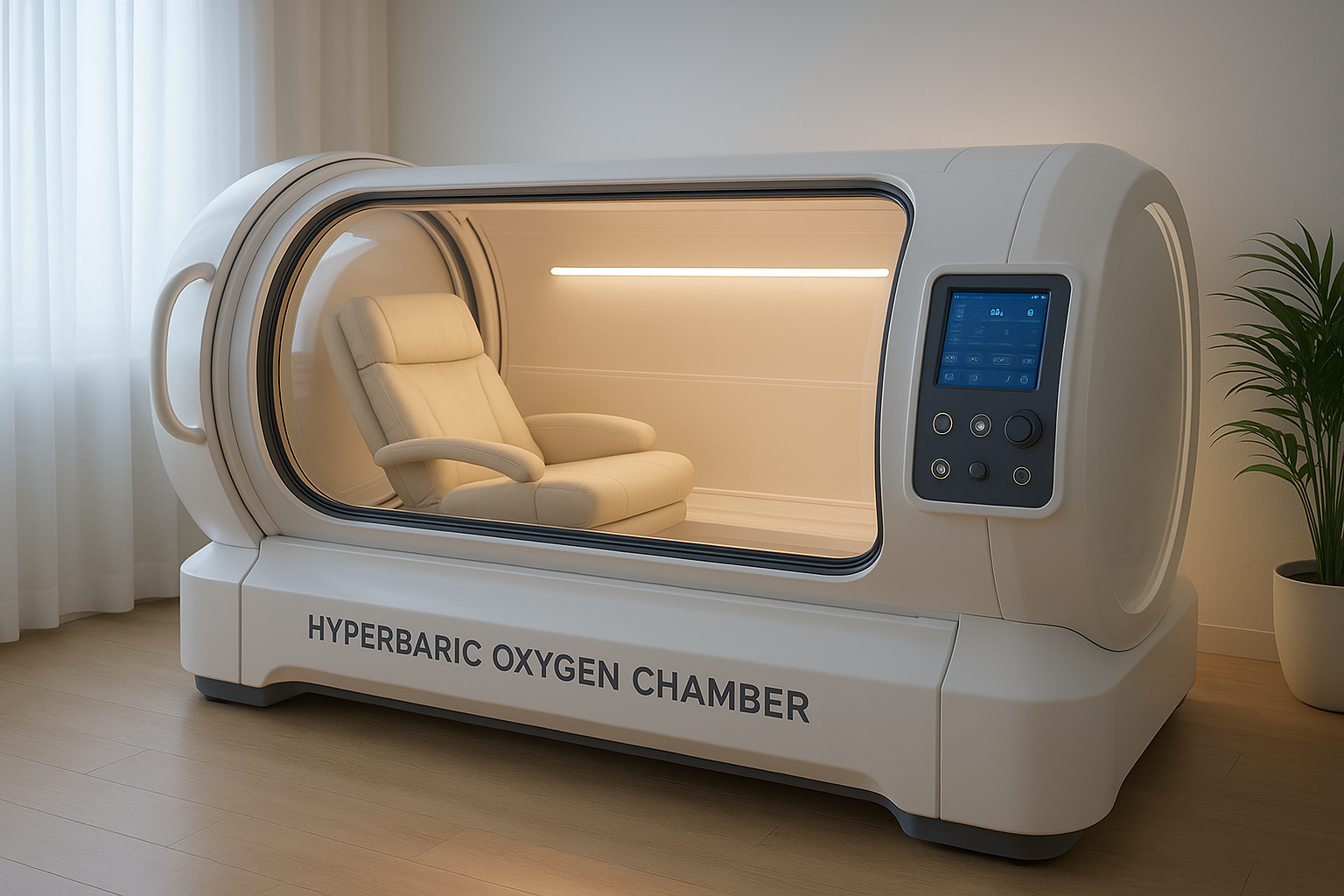
Entering the chamber is akin to stepping into a sci-fi movie set, where everything appears more dramatic than it feels. The machinery looks serious, because it is, but the process itself is usually orderly and predictable. If you want the clearest answer to What to expect during hyperbaric oxygen therapy?, it helps to break the session into steps.
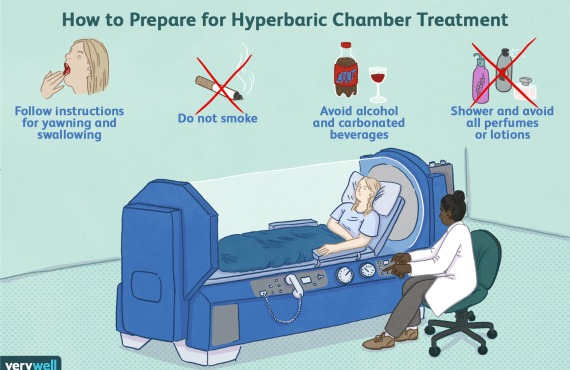
- Check-in and screening: You’ll review your medical history, medications, ear health, and any recent symptoms such as congestion or fever. If you can’t equalize ear pressure well that day, staff may delay treatment.
- Clothing and safety prep: You may be asked to change into clinic-approved cotton garments and remove prohibited items. Many centers restrict lotions, perfumes, electronics, and anything flammable.
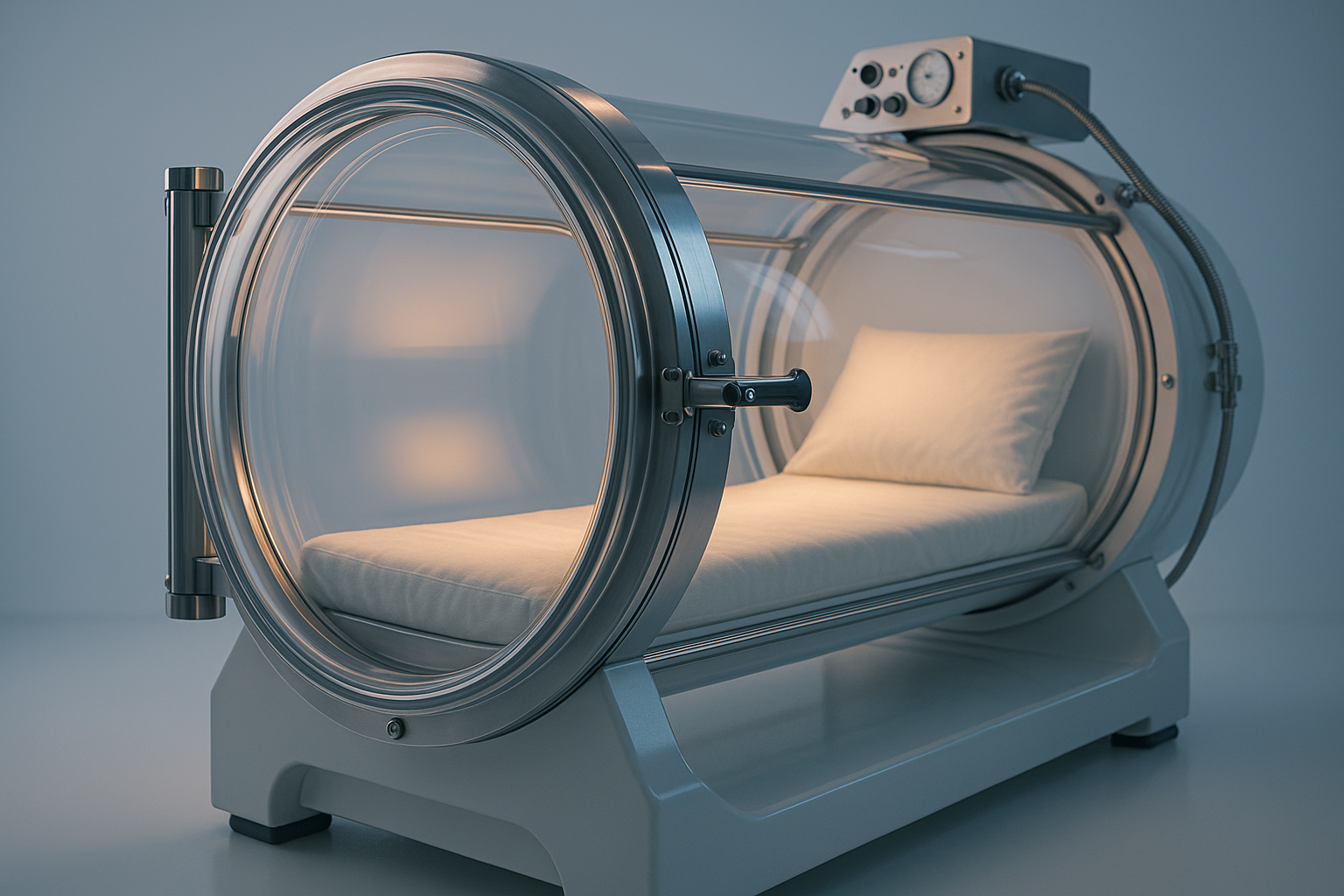
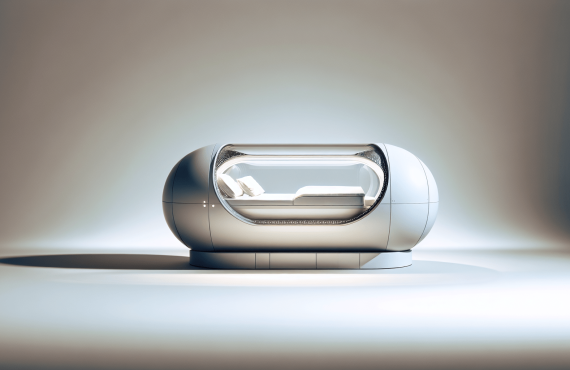
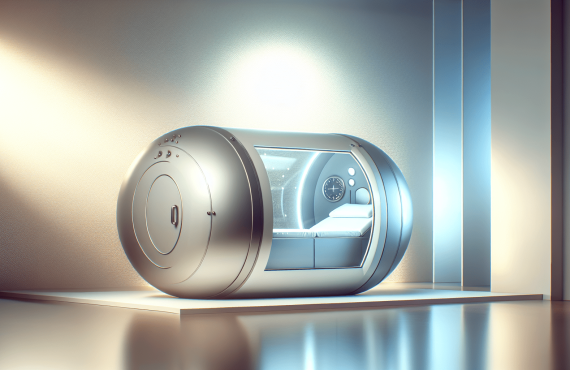
- Chamber entry: Depending on the facility, you may enter a monoplace chamber for one person or a multiplace chamber with several patients. Staff explain how to communicate during the session.
- Pressurization: Over about 10 to 15 minutes, the chamber pressure gradually increases. This is when your ears may pop, much like descending in an airplane.
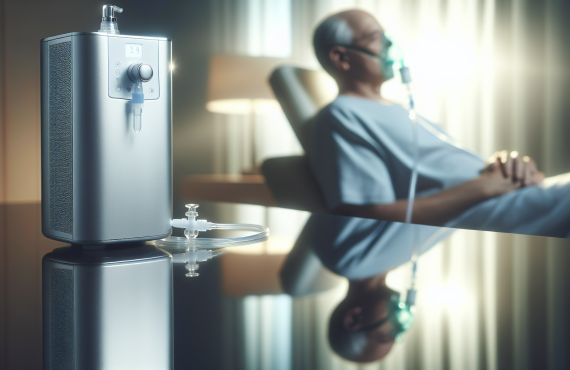
- Treatment phase: You breathe oxygen while resting. Sessions commonly last 60 to 120 minutes. Some patients nap; others watch a screen or simply lie there thinking about errands.
- Depressurization and exit: Pressure is slowly reduced, and you leave the chamber. Staff check how you feel and note any symptoms.
We recommend eating a light meal beforehand, staying hydrated, and arriving a few minutes early so you’re not beginning treatment in a fluster. According to the U.S. Food and Drug Administration, HBOT should be delivered for approved or medically appropriate uses in a properly supervised setting. In our experience, patients do best when they treat the first session as orientation rather than a test of bravery. You are not expected to be heroic. You are expected to breathe, communicate, and let the protocol do its work.
Feeling the Pressure: Physical Sensations
If you’re wondering whether the chamber feels bizarre, the honest answer is yes, but only briefly and not in a way that usually alarms people after the first few minutes. The most common sensation is ear pressure, often compared to taking off in a plane or driving down a steep hill. You may also notice warmth during pressurization, slight fullness in the ears, or a mild cooling effect later as the pressure changes.
Some patients describe the first session with the kind of tone usually reserved for tax audits: not pleasant, exactly, but manageable. One patient being treated after a slow-healing surgical procedure said the chamber felt “odd for ten minutes and then surprisingly boring,” which, in medicine, is often the dream. Another patient with a chronic foot wound reported that swallowing and yawning relieved the pressure almost immediately. We found that patients who are coached in advance about ear-clearing techniques report less anxiety than those who walk in blind.
If discomfort arises, say so right away. Staff can slow the rate of compression, pause the process, or coach you through equalizing pressure with simple maneuvers such as swallowing, yawning, or gently pinching your nose and exhaling. According to clinical reviews, middle ear barotrauma is the most common side effect of HBOT, which is precisely why communication matters. What to expect during hyperbaric oxygen therapy? Mostly mild, temporary sensations that are monitored closely, not a stoic endurance contest.
Some people feel pleasantly tired afterward. Others feel no different at all after one session. That isn’t a verdict on whether the treatment is working. Healing, maddeningly, often proceeds at the pace of paperwork.
Who Can Benefit from Hyperbaric Therapy?
HBOT is not a miracle coupon you wave over every complaint, but it does have well-established uses. The Undersea and Hyperbaric Medical Society’s indications include conditions such as chronic non-healing wounds, certain serious infections, radiation tissue injuries, decompression sickness, arterial gas embolism, and carbon monoxide poisoning. These are not fringe uses. They are recognized applications in mainstream medicine.
Statistics help cut through the fog. Hyperbaric oxygen therapy accounts for more than 2 million treatments annually in the United States, according to widely cited industry and clinical estimates. The Centers for Medicare & Medicaid Services also recognize coverage for selected HBOT indications, which tells you this is not merely a wellness trend wearing a lab coat. In wound care, HBOT is often used as an adjunct rather than a stand-alone fix, particularly for diabetic foot ulcers that have failed to improve with standard treatment.
Post-surgical recovery is another area where patients ask sensible questions. When tissue has poor oxygenation, healing can lag, infection risk may rise, and inflammation can linger like an unwanted houseguest. Based on our research, HBOT may support post-surgical recovery in selected cases by increasing oxygen delivery to compromised tissue and helping the body lay down new blood vessels. We recommend looking at it as one tool in a broader plan that may also include wound care, nutrition, mobility work, and mechanical support.
What to expect during hyperbaric oxygen therapy? If you are a good candidate, you can expect a treatment aimed at improving tissue oxygenation where the body is struggling to do that on its own. That’s the plain version, and it’s often the most useful one.
Risks and Considerations
Every legitimate medical treatment has a caution label, and HBOT is no exception. The most common side effect is barotrauma, especially to the ears and sinuses, because pressure changes can irritate those spaces if they don’t equalize properly. Temporary vision changes, often a mild shift toward nearsightedness, have also been reported after a series of treatments. These changes usually resolve, but they should still be discussed before you begin.
Less common but more serious risks include oxygen toxicity affecting the lungs or central nervous system, though this is uncommon in modern supervised protocols. The absolute contraindication most often cited is untreated pneumothorax, which means trapped air in the chest. If that’s present, pressurization can be dangerous. The NCBI clinical review and FDA safety materials both emphasize screening, because the right patient selection makes the treatment considerably safer.
Here are sensible precautions before a session:
- Report congestion, fever, or sinus pressure before treatment.
- Disclose all medications, especially recent chemotherapy drugs or changes in prescriptions.
- Avoid prohibited products such as petroleum-based lotions, hair sprays, and certain cosmetics.
- Do not hide claustrophobia; there may be strategies to make treatment easier.
- Follow chamber instructions exactly, even if they seem fussy.
In our experience, patients get into trouble less from the therapy itself than from trying to be agreeable and silent when something feels off. Speak up. Good HBOT care is interactive. What to expect during hyperbaric oxygen therapy? A treatment with real benefits, yes, but also one that deserves screening, supervision, and common sense.
Meet the Experts: Dr. Craig Henry and Dr. Aaron Hixon
At Henry Chiropractic, the HBOT conversation is not detached from the rest of your body, which is refreshing. Dr. Craig Henry, owner and operator of Henry Chiropractic, is a licensed chiropractor serving Pensacola and surrounding Florida communities. His practice focuses on improving health and wellness across daily life, whether you’re dealing with back pain, neck pain, poor recovery, or that miserable feeling of waking up less refreshed than when you went to bed.
Dr. Aaron Hixon brings a strong movement and rehabilitation background. A Florida native raised in Milton, he earned a Bachelor of Science in Exercise Science from Florida Atlantic University and attended Palmer College of Chiropractic in Port Orange. He is a board-certified chiropractor and licensed chiropractic physician in Florida. His training includes Diversified, Gonstead Spinal Manipulation, IASTM, and Myofascial Release Technique, among others.
Why does that matter in a discussion about HBOT? Because recovery is rarely one-note. A patient dealing with post-surgical stiffness, chronic inflammation, or slow tissue healing may also have movement restrictions, spinal dysfunction, or muscular compensation patterns. We analyzed how integrative practices approach this, and we found that combining appropriate supportive therapies can make care more practical and individualized. Rather than treating oxygen like a magical mist and ignoring biomechanics, Henry Chiropractic looks at the whole recovery picture.
Visit Henry Chiropractic for a consultation. You can reach the clinic at 1823 N 9th Ave, Pensacola, FL 32503, call (850) 435-7777, or learn more at https://drcraighenry.com/.
The Cost of Hyperbaric Oxygen Therapy
The cost of HBOT can feel like one of those conversations people start with a throat-clear and a fixed smile. Prices vary by diagnosis, facility type, geographic area, and whether treatment is delivered in a hospital-based setting or an outpatient clinic. A single session may range from roughly $250 to $600 in some outpatient settings, while hospital-based care can be substantially higher. A full course of 20 to 40 sessions can therefore amount to several thousand dollars.
Insurance coverage is where things become less romantic and more useful. Medicare and many private insurers may cover HBOT for approved conditions, such as diabetic wounds that meet specific criteria, radiation tissue injury, and decompression sickness. They generally do not cover experimental or off-label uses just because a treatment sounds promising over coffee. We recommend verifying benefits in writing before the first session, including copays, deductibles, and prior authorization requirements.
If you’re seeking affordable options in Pensacola, FL, take these steps:
- Ask whether your diagnosis is covered under current insurer guidelines.
- Request a written estimate for the full treatment plan, not just one visit.
- Compare facility types, since hospital and private clinic pricing may differ.
- Ask about package rates or payment plans if multiple sessions are recommended.
- Factor in transportation and time away from work, because the true cost is not only the invoice.
As of 2026, price transparency has improved somewhat, though not enough to deserve applause. Based on our research, the smartest patients are the ones who ask blunt questions early. What to expect during hyperbaric oxygen therapy? Some financial homework, certainly, but that homework can spare you a very expensive surprise.
Real-Life Success Stories
Success stories are useful only when they are specific. Nobody needs another testimonial that says a treatment was “amazing” in the same vague tone used for scented candles. What patients want are examples they can measure against their own experience.
Consider a patient recovering from surgery whose incision was healing slowly because of poor local circulation and persistent inflammation. After a planned series of HBOT sessions combined with standard wound care and follow-up monitoring, healing improved enough to reduce complications and move recovery forward. Or take a patient managing chronic pain alongside tissue irritation and delayed recovery from overuse. In some cases, better oxygen delivery and reduced inflammatory stress can help calm the environment enough for rehab to work more effectively.
Published research on patient-reported outcomes has shown encouraging satisfaction rates in selected populations. Some studies report satisfaction and perceived improvement figures above 70% in wound-care cohorts, though rates vary by indication and severity. We found that patients are most satisfied when expectations are realistic: they understand whether HBOT is expected to save tissue, accelerate closure, reduce pain, or support healing as part of a larger program rather than perform sorcery.
What to expect during hyperbaric oxygen therapy? Sometimes subtle changes at first. Less drainage. Better tissue appearance. Lower swelling. A physician noting progress where the chart had previously become a long, depressing poem about “minimal improvement.” Those are not flashy outcomes, but they’re meaningful. In medicine, progress often arrives dressed as modesty.
Taking the Next Step
By now, the chamber should feel less mysterious and more like what it is: a medical tool with specific uses, measurable effects, and a process you can prepare for. You can expect screening before treatment, ear pressure during compression, a monitored oxygen session that often lasts 60 to 120 minutes, and a plan tailored to the condition being treated. We found that patients do best when they understand both sides of the equation: the promise of improved tissue oxygenation and the practical need for proper diagnosis, safety screening, and follow-through.
If you’re considering HBOT for wound healing, post-surgical recovery, inflammation-related concerns, or another medically appropriate reason, the next step is straightforward. Speak with professionals who can evaluate whether the therapy fits your situation rather than simply your hopes.
Henry Chiropractic
1823 N 9th Ave
Pensacola, FL 32503
(850) 435-7777
https://drcraighenry.com/
Schedule a consultation and ask the plain questions: Am I a candidate? How many sessions might I need? What should I expect after treatment? What to expect during hyperbaric oxygen therapy? Ideally, clarity before you begin and confidence while you’re inside. That alone can make the first session feel far less like a sealed chamber and far more like a sensible next move.

Frequently Asked Questions
What is the duration of a typical HBOT session?
A typical HBOT session lasts about 60 to 120 minutes, depending on your diagnosis and treatment plan. Many wound-care protocols use daily sessions over several weeks, while some patients need fewer visits.
Can HBOT help with sports injuries?
Yes, HBOT may support recovery from some sports injuries by improving oxygen delivery to stressed tissue and potentially reducing inflammation. We recommend pairing it with a proper rehab plan so you are not treating the symptom while ignoring the mechanics that caused it.
Is hyperbaric therapy safe for children?
HBOT can be safe for children when it is medically indicated and supervised by qualified professionals. The child’s condition, ability to equalize ear pressure, and overall medical history all need careful review before treatment.
How soon can results be expected from HBOT?
Results vary quite a bit. Some people notice less swelling or discomfort after a few sessions, while chronic wounds and radiation injuries often require 20 to 40 treatments before measurable progress becomes obvious.
What should I wear during a session?
Most clinics ask you to wear clean, comfortable cotton clothing and avoid perfumes, hair products, and petroleum-based lotions. Safety rules matter in a pressurized oxygen-rich environment, so always follow the clinic’s clothing instructions exactly.
Key Takeaways
- HBOT involves breathing 100% oxygen in a pressurized chamber, which can increase oxygen delivery to tissues and support healing in approved medical conditions.
- Most sessions last 60 to 120 minutes and commonly involve mild ear pressure, careful monitoring, and a series of treatments rather than a one-time fix.
- The therapy may benefit chronic wounds, certain infections, radiation injuries, and some post-surgical recovery cases, but it requires proper screening and medical oversight.
- Risks such as ear barotrauma, temporary vision changes, and contraindications like untreated pneumothorax make professional evaluation essential.
- If you are in Pensacola, scheduling a consultation with Henry Chiropractic is the clearest next step for determining whether HBOT fits your treatment plan.