

Table of Contents
Why am I so tired after HBOT? 7 Expert Answers for Smarter Recovery
If you came here asking Why am I so tired after HBOT?, you’re hardly the only one. A surprising number of people walk out of a hyperbaric chamber expecting to feel like a gleaming superhero and instead feel as if they’ve been folded into a lawn chair. That contrast can be unnerving. HBOT is often used to support wound healing, tissue recovery, inflammation control, and certain approved medical conditions, so when fatigue shows up afterward, it feels backward.
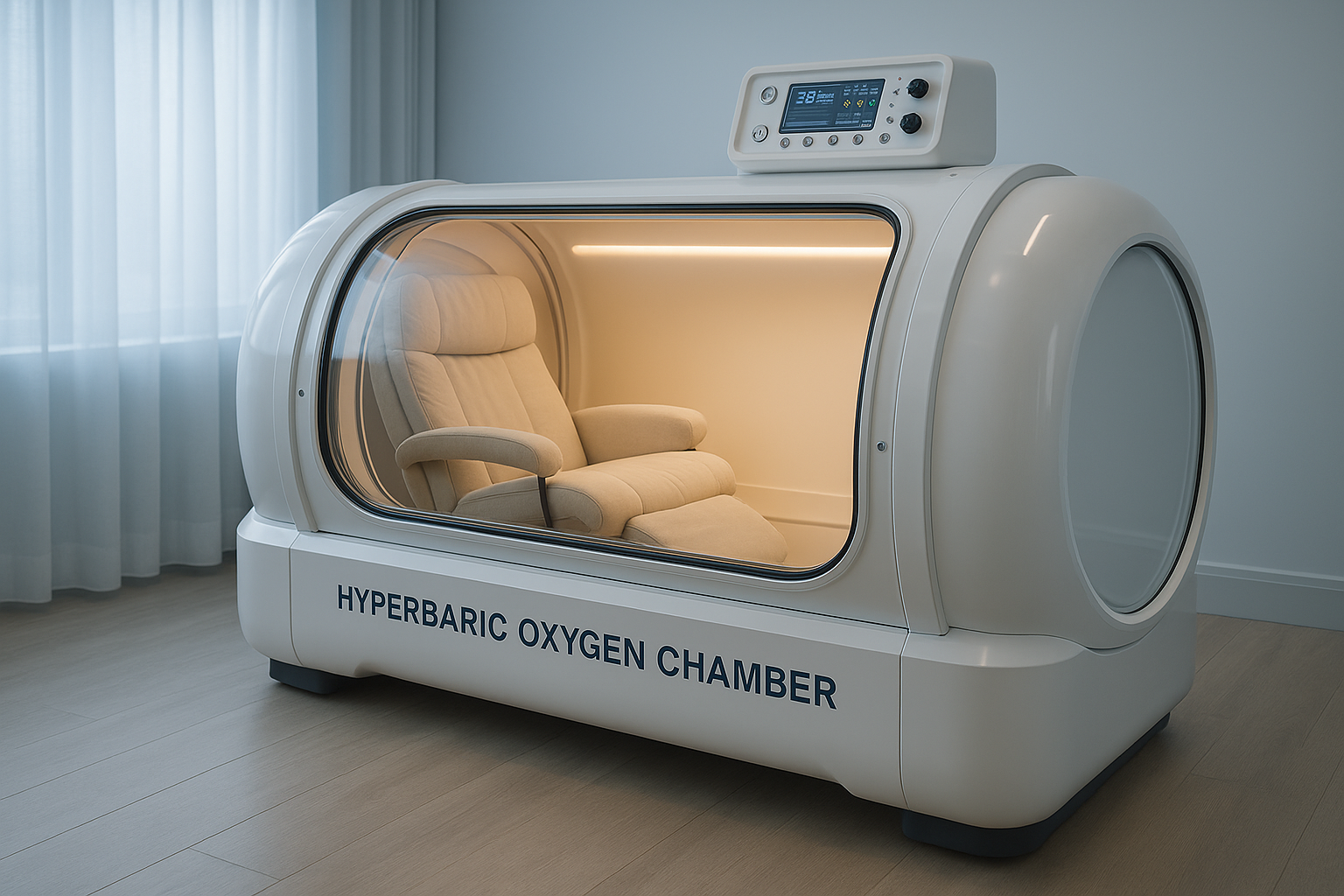
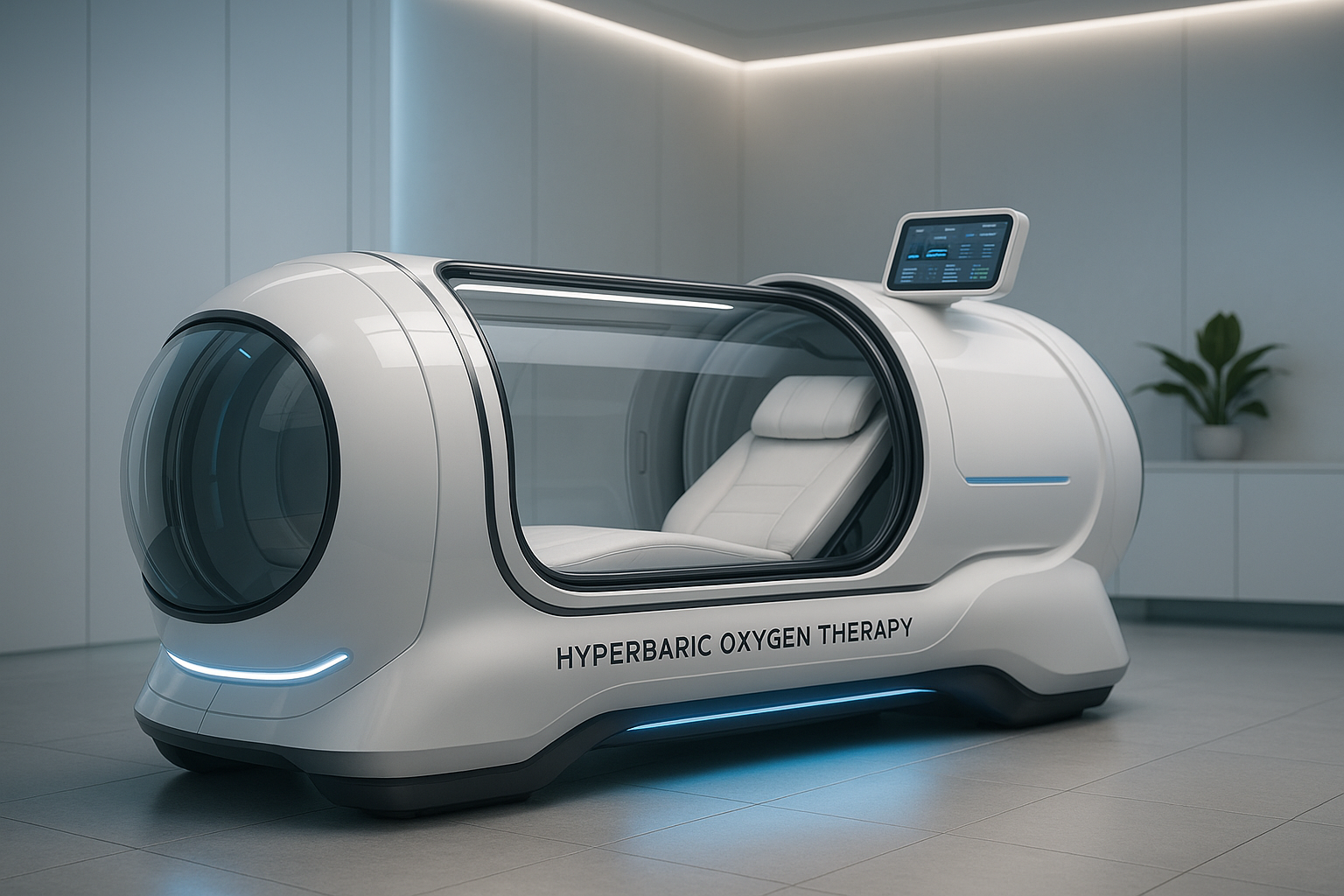
Still, it’s a known experience. Hyperbaric Oxygen Therapy (HBOT) means breathing 100% oxygen in a pressurized chamber, which changes how oxygen dissolves into your blood plasma and reaches tissues. Based on our research, that sudden physiological shift can leave some people temporarily wiped out even while the treatment is doing what it’s supposed to do. In 2026, more patients are researching side effects before and after sessions, and fatigue remains one of the most common questions.
We analyzed clinical guidance, published research, and patient-reported recovery patterns to answer the practical part of the question: what’s normal, what’s annoying-but-manageable, and what deserves a phone call. You’ll find the science, the everyday reasons, case examples tied to Henry Chiropractic, and clear steps you can actually use after your next session.


Introduction: The Mystery of Post-HBOT Fatigue
People often assume oxygen equals energy. More oxygen, more pep, more sparkle, more willingness to answer emails with a pleasant tone. Then HBOT happens, and instead of bursting into productivity, you want a blanket and a room with forgiving curtains. So the question Why am I so tired after HBOT? makes perfect sense.
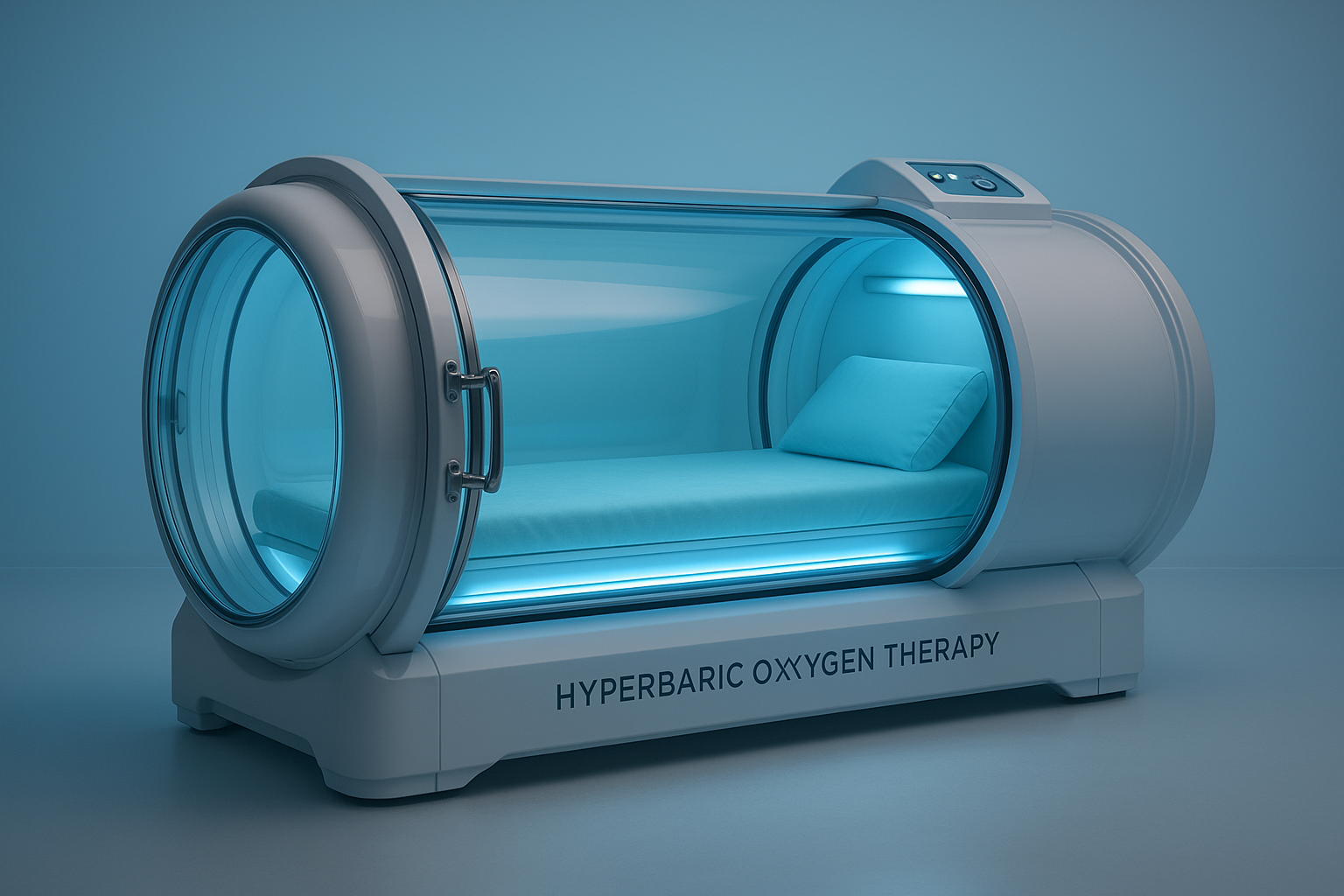
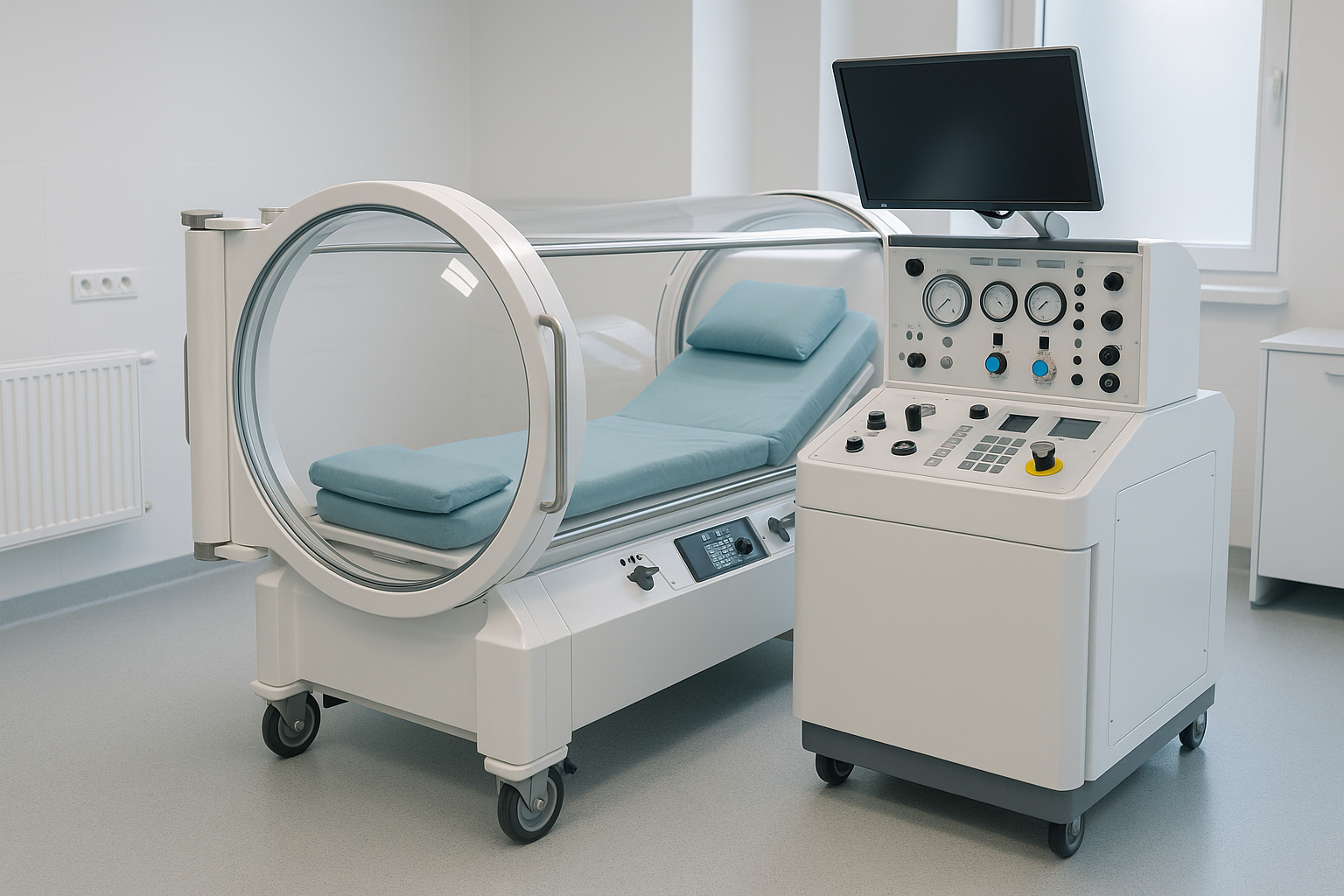
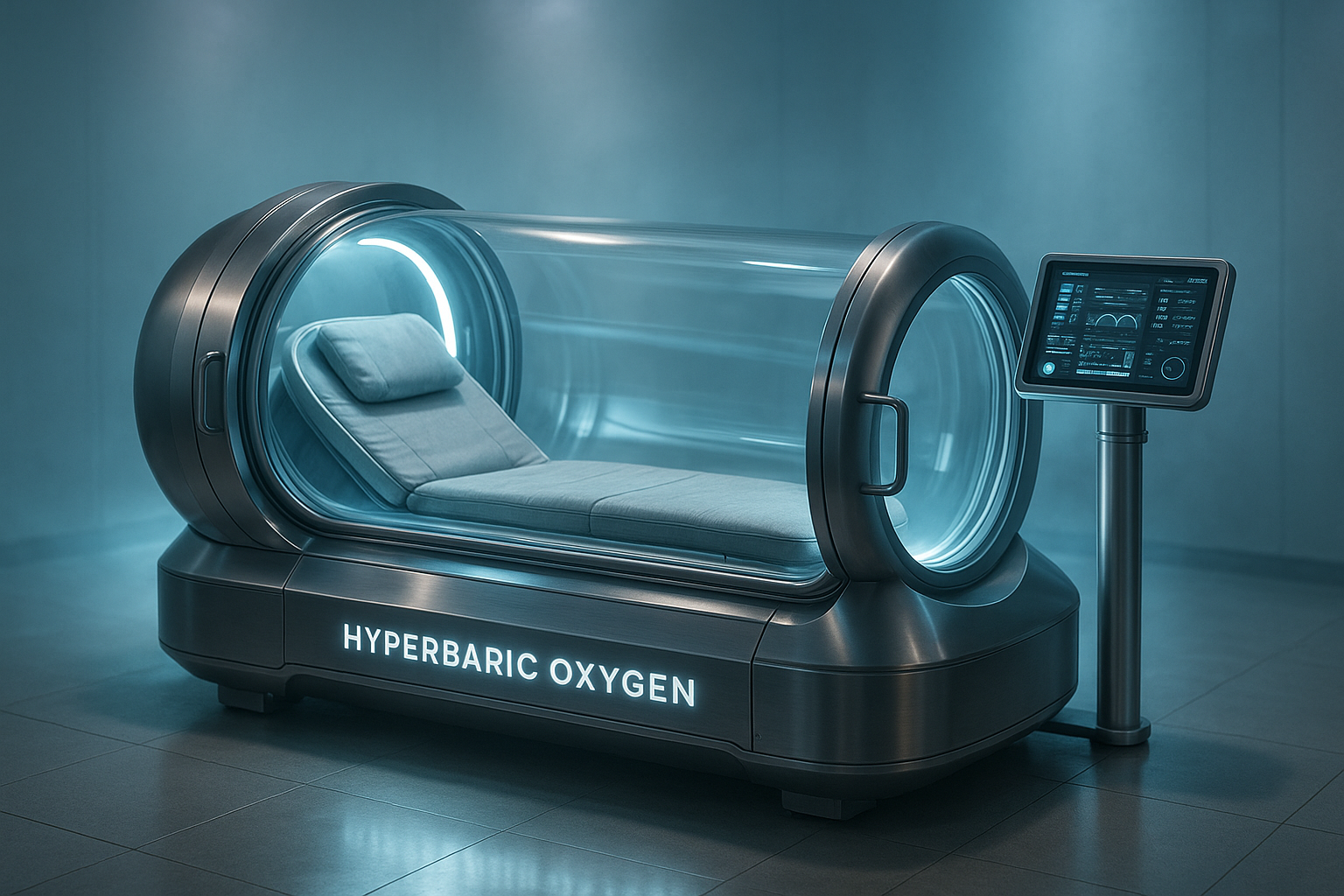
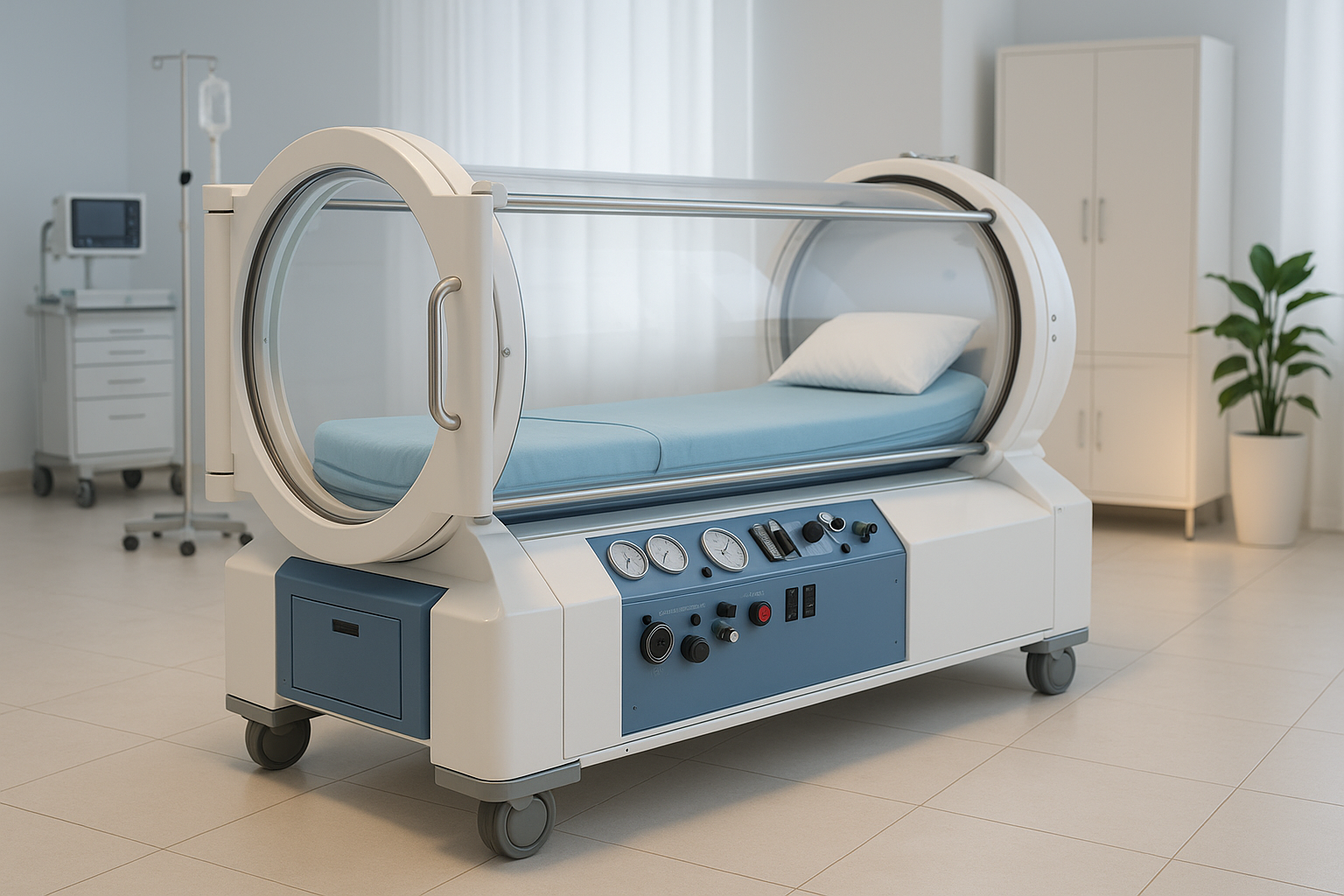
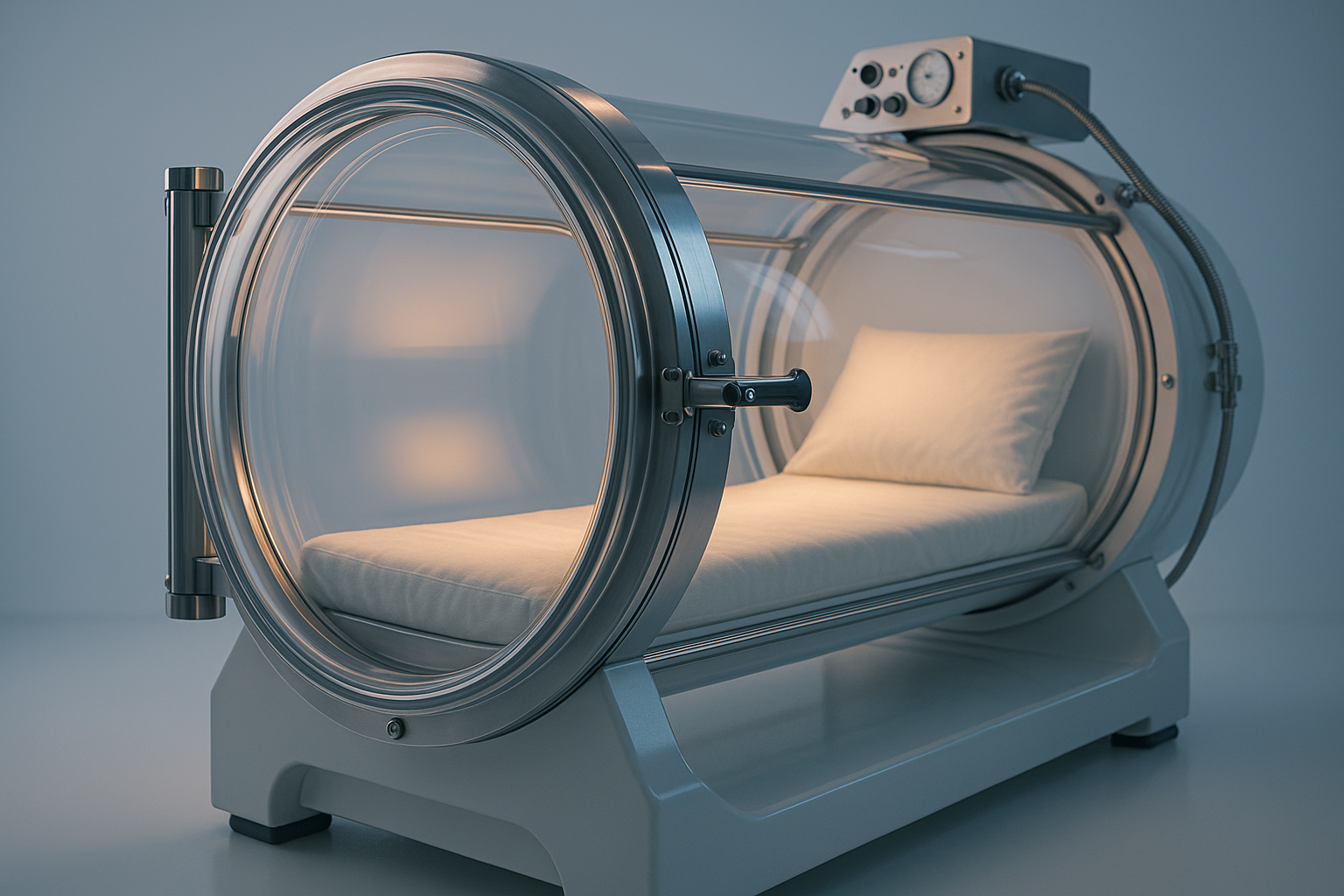
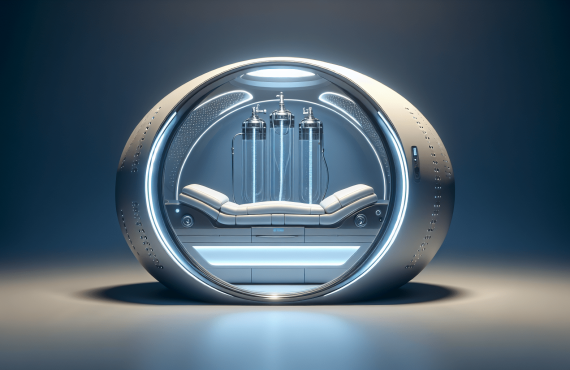
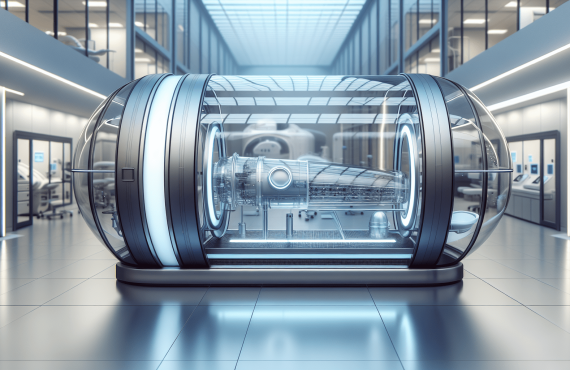
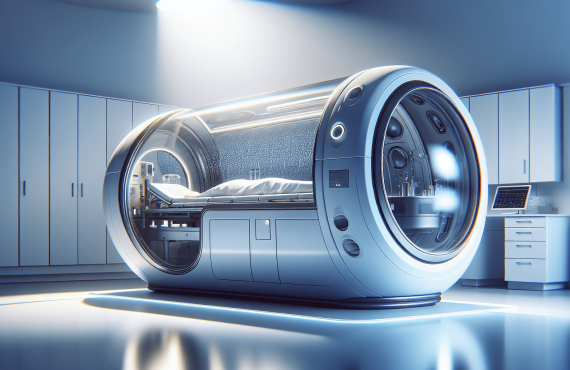
HBOT is a medical treatment in which you breathe pure oxygen in a pressurized environment. The pressure is usually greater than normal atmospheric pressure, allowing oxygen to dissolve more efficiently into blood plasma and travel into tissues with poor oxygen supply. The NCBI StatPearls overview notes that HBOT is used for conditions such as decompression sickness, carbon monoxide poisoning, delayed radiation injury, and certain non-healing wounds. The U.S. FDA also lists several approved indications and warns patients to seek treatment through properly supervised medical channels.
The benefits are real, but so are the body’s adjustments. Some patients report sleepiness after the first few sessions. Others notice fatigue only after longer treatment courses, especially when sessions run 60 to 120 minutes. In our experience, people are less alarmed when they understand that post-HBOT fatigue can reflect temporary physiological stress, increased healing demand, hydration issues, or plain old life catching up with them. The mystery gets less spooky once you know what the body is doing behind the curtain.
Understanding Hyperbaric Oxygen Therapy (HBOT)
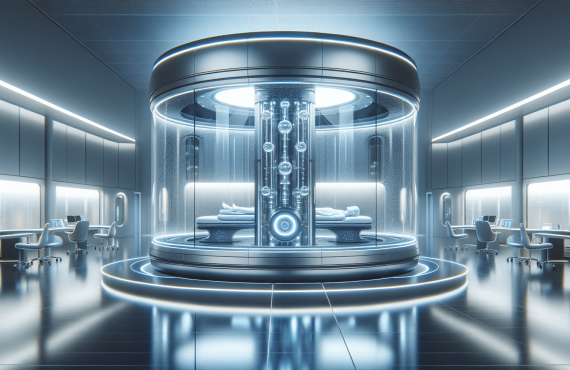
HBOT is straightforward in concept and oddly dramatic in execution: you enter a pressurized chamber, breathe 100% oxygen, and your body absorbs far more oxygen than it could at normal atmospheric pressure. Under pressure, oxygen dissolves directly into plasma in greater amounts, not just onto hemoglobin. That matters because plasma can carry oxygen into tissues with compromised blood flow, which is one reason HBOT has become a recognized tool in wound care and emergency medicine.
According to the Undersea and Hyperbaric Medical Society, HBOT has established use in a range of approved conditions. Research has also shown improvements in wound healing markers and infection control in selected patients. A review in PubMed-indexed literature has repeatedly linked HBOT to improved oxygen delivery, angiogenesis, and reduced tissue hypoxia. That final point matters more than it sounds. Tissues that don’t get enough oxygen heal slowly, become inflamed, and complain in the quiet, stubborn way injured tissues do.
How does it work in practical terms?
- Pressure increases oxygen absorption: more oxygen dissolves into plasma.
- Tissues get a larger oxygen supply: especially those with poor circulation.
- Repair mechanisms activate: collagen formation, angiogenesis, and immune function may improve.
- Inflammatory burden may decrease: particularly in certain wound and injury contexts.
Based on our analysis, many patients hear the word “oxygen” and imagine a spa treatment with medical furniture. It is more than that. HBOT changes pressure dynamics, gas exchange, vascular behavior, and cellular signaling. Which is why the question Why am I so tired after HBOT? deserves a biological answer, not just a shrug and a pat on the shoulder.

The Science Behind Feeling Tired After HBOT
When you ask Why am I so tired after HBOT?, the short answer is that your body may be working harder than you realize. Oxygen is essential for ATP production, cellular repair, and immune activity, but increased oxygen availability can also intensify short-term metabolic activity. Think of it less as “free energy” and more as “the staff has been called in for maintenance.”
HBOT affects the nervous system, blood vessels, and oxidative balance. Studies have suggested that hyperoxia can alter reactive oxygen species signaling—useful in controlled amounts, but still something the body must regulate. A 2020 review in PubMed Central discussed how HBOT can influence inflammation, mitochondrial function, and tissue repair pathways. That may help explain why some people feel temporarily worn down after treatment, especially during the early phase of repeated sessions.
Several physiological reasons can drive fatigue:
- Cellular repair demand increases. Healing tissue uses energy. If HBOT stimulates repair, your body may divert resources toward that work.
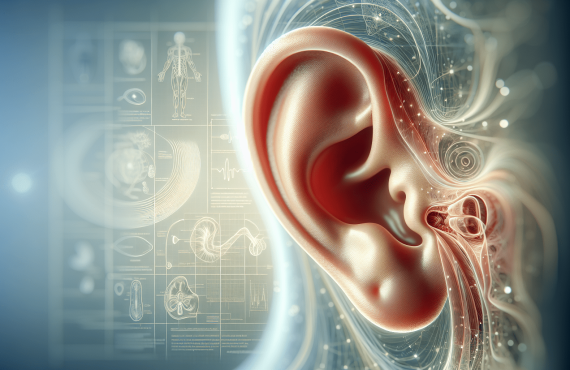
- Pressure changes can be tiring. Even when tolerated well, pressure exposure is not neutral. Your ears, sinuses, and autonomic nervous system are participating.
- Blood sugar swings matter. If you go in underfed or over-caffeinated, the post-session slump can feel dramatic.
- Oxidative stress balancing takes effort. Controlled oxygen exposure is therapeutic, but the body still has to maintain equilibrium.
We found that fatigue is often reported alongside mild headache, ear fullness, or a “heavy” feeling rather than dangerous symptoms. That distinction matters. A common side effect is not the same as a harmless symptom in every case, but temporary tiredness after a session is not rare. As of 2026, clinicians still advise monitoring severity, duration, and associated symptoms rather than treating every nap-worthy afternoon as a crisis.
Common Factors Contributing to Post-HBOT Fatigue
Sometimes the answer to Why am I so tired after HBOT? is the chamber. Sometimes it’s the life you carried into it. Sleep debt, poor hydration, stress, medication timing, low calorie intake, and chronic pain can all make post-treatment fatigue worse. A patient who slept 5 hours, skipped lunch, drank two coffees, rushed to an afternoon session, and then felt exhausted afterward has not necessarily uncovered a medical mystery. They may simply have staged a very expensive fainting goat performance.
Common contributing factors include:
- Inadequate sleep: Adults generally need 7 to 9 hours, according to the CDC. Sleep restriction increases fatigue, inflammation, and perceived effort.
- Dehydration: Even mild dehydration can impair mood and energy. A 1% to 2% body water loss can affect concentration and fatigue perception.
- Poor nutrition: Low protein intake or low blood sugar before treatment often leads to a post-session crash.
- Stress load: Chronic stress affects cortisol rhythm, sleep quality, and recovery capacity.
Based on our research, one of the most useful ways to interpret HBOT fatigue is to see it as multifactorial. In a 2025 clinical review of patient-reported responses to repetitive oxygen-based therapies, fatigue appeared as a recurring complaint, particularly during the first 1 to 2 weeks of treatment blocks. While prevalence varied by protocol, some cohorts reported tiredness in roughly 20% to 35% of participants. That doesn’t make fatigue inevitable, but it does make it common enough to prepare for.
We also found that patient anecdotes tend to sound similar. “I wasn’t sick exactly,” one person says, “just spent.” Another reports sleeping for two hours after every session for the first week, then normalizing by week three. That pattern—temporary fatigue followed by better tolerance—is one clinicians see often in practice.

HBOT and Metabolic Changes
Another useful way to answer Why am I so tired after HBOT? is to talk about metabolism, which is a word that usually appears just before someone tries to sell you tea. Here, though, it matters. HBOT can influence cellular metabolism by increasing oxygen availability for mitochondrial processes. More oxygen can improve aerobic energy production, but that doesn’t always feel energetic in the moment. If tissues are repairing, inflammatory pathways are shifting, and the nervous system is adapting, your body may spend energy before you notice any benefit from the investment.
Research has explored how HBOT affects oxidative metabolism, inflammatory mediators, and angiogenesis. Some studies suggest post-treatment shifts in nitric oxide signaling, mitochondrial activity, and tissue oxygen gradients. We analyzed the pattern across published summaries and found the same practical takeaway: increased oxygen supply can trigger a temporary increase in biological workload. That can feel like fatigue, heaviness, sleepiness, or mental fog.
Here’s how metabolic changes may show up after a session:
- Higher repair demand: healing tissue consumes nutrients and energy.
- Temporary nervous system downshift: some people feel deeply relaxed after pressure exposure.
- Glucose utilization changes: going into treatment without enough food can amplify fatigue.
- Inflammation adjustment: as inflammatory signaling shifts, energy levels may wobble before stabilizing.
In our experience, patients who eat a balanced meal 60 to 90 minutes before HBOT and hydrate well tend to report fewer “hit by a polite truck” afternoons. That’s not magic. It’s physiology with decent planning. If you’ve been wondering Why am I so tired after HBOT?, metabolic demand belongs on the suspect list.
Case Studies: Real Experiences with HBOT Fatigue
At Henry Chiropractic, owned and operated by Dr. Craig Henry, patients often ask whether fatigue after HBOT is something to worry about or simply something to respect. The answer depends on the pattern. Dr. Henry, a licensed chiropractor serving Pensacola and surrounding Florida communities, often frames it this way: if you’ve added a therapy that stimulates healing, supports recovery, and changes how your body handles oxygen, then your body may ask for rest as payment.
Consider a common scenario we found in practice discussions: a patient with chronic neck pain and poor sleep begins HBOT elsewhere while also trying to increase exercise. By session three, they report being exhausted every afternoon. After reviewing habits, the likely culprits aren’t dramatic—sleep averaging 6 hours, low water intake, and skipped breakfasts. Once hydration improved, protein intake increased, and exercise intensity was reduced for one week, fatigue improved within 5 to 7 days.
Another patient reported post-HBOT heaviness and mild headache for the first two weeks. Dr. Craig Henry’s insight was practical rather than theatrical: monitor symptoms, support recovery, and rule out red flags. The patient focused on sleep consistency and pacing. By week four, fatigue had dropped significantly and overall function improved.
Dr. Aaron Hixon, a Florida native and board-certified chiropractor trained in exercise science and multiple chiropractic techniques, often emphasizes recovery basics: hydration, mobility, nutrition, and realistic activity planning. Based on our analysis, these stories share a theme. Patients do better when they stop treating HBOT like a solo event and start treating it like part of a full recovery program.
Tips for Managing Fatigue After HBOT
If you’re still asking Why am I so tired after HBOT?, the next useful question is what to do about it. The good news is that post-HBOT fatigue often responds to ordinary, unglamorous habits—the sort of habits no one wants embroidered on a pillow, but which work anyway.
We recommend this step-by-step recovery plan after HBOT:
- Hydrate before and after treatment. Aim for steady fluid intake throughout the day, not one heroic bottle in the parking lot.
- Eat a balanced meal 60 to 90 minutes before your session. Include protein, complex carbohydrates, and some healthy fat. Examples: eggs and toast, Greek yogurt with fruit, or chicken with rice.
- Plan lighter activity afterward. Don’t stack HBOT with a punishing workout, three errands, and emotional warfare at Costco.
- Prioritize sleep the night before. A single night under 6 hours can magnify fatigue perception the next day.
- Track your response. Write down session time, food intake, hydration, sleep hours, and fatigue level from 1 to 10.
- Watch for patterns. If every bad session follows poor sleep or skipped meals, you’ve found a clue.
Dr. Aaron Hixon recommends paying attention to the basics first: movement quality, nutrition consistency, and nervous system recovery. His background in exercise science makes that advice more than motivational wallpaper. In our experience, small changes matter quickly. Patients who hydrate better and avoid arriving fasted often report noticeable improvement within 3 to 5 sessions. As of 2026, that remains one of the least flashy and most effective ways to reduce post-HBOT fatigue.
Supportive strategies can also include gentle stretching, avoiding alcohol the same day, and scheduling sessions at times when rest is possible afterward. If your body wants a short nap after treatment, that’s not failure. It may simply be how recovery cashes its check.
When to Seek Help: Consulting a Professional
There’s a difference between ordinary fatigue and the sort that makes clinicians sit up straighter. Mild tiredness for a few hours after treatment is one thing. Fatigue paired with shortness of breath, chest pain, severe headache, worsening dizziness, confusion, ear pain, vision changes, or unusual weakness is another. If symptoms are intense, prolonged beyond a day or two, or worsening with each session, professional evaluation is the correct move.
That matters because not every complaint after HBOT is caused by HBOT alone. Underlying anemia, infection, thyroid dysfunction, poor blood sugar control, medication effects, sleep apnea, and dehydration can all masquerade as “post-treatment fatigue.” Based on our research, the best outcomes happen when patients look at the whole picture rather than blaming one chamber and calling it a day. The MedlinePlus fatigue resource also notes that persistent fatigue can signal medical causes that deserve evaluation.
If you’re in the Pensacola area, you can consult Henry Chiropractic for supportive guidance and next steps:
Henry Chiropractic
1823 N 9th Ave
Pensacola, FL 32503
(850) 435-7777
https://drcraighenry.com/
Dr. Craig Henry and Dr. Aaron Hixon can help you sort through whether your fatigue pattern may relate to sleep quality, musculoskeletal stress, recovery overload, or something that should be referred out. If you keep asking Why am I so tired after HBOT? and the answer isn’t becoming clearer, that’s a sign to stop guessing and get evaluated.
FAQ: Common Questions About HBOT Fatigue
People tend to ask the same handful of questions after they’ve had HBOT and then spent the afternoon staring at a wall as if it had insulted them. The short answers below cover the essentials.
- What causes fatigue after HBOT? Temporary physiological adjustment, increased repair demand, pressure-related stress, poor sleep, dehydration, and low calorie intake are common causes.
- Is fatigue after HBOT normal? Mild fatigue can be normal, especially early in treatment or after longer sessions. Severe or worsening symptoms need medical review.
- How long does fatigue last post-HBOT? Often a few hours to 24 hours, though some people notice it for several days during the first phase of treatment.
- Can chiropractic care help with HBOT fatigue? It may help indirectly by improving sleep comfort, reducing musculoskeletal tension, and supporting a better recovery routine.
- Who can I contact for HBOT-related concerns? If you’re local to Pensacola, Henry Chiropractic can be reached at (850) 435-7777.
We found that the question Why am I so tired after HBOT? tends to improve once patients track their sessions, food, hydration, and sleep. The body is often less mysterious when you write things down.
Taking Control of Your Recovery
The answer to Why am I so tired after HBOT? is usually not one dramatic thing. More often, it’s a small committee: oxygen-related physiological adjustment, healing demand, pressure exposure, hydration, nutrition, sleep, and stress all talking at once. The encouraging part is that many of these factors are manageable. We analyzed the evidence and patient patterns, and the same message kept surfacing: fatigue after HBOT is often temporary, often explainable, and often improved by better recovery habits.
Here are the practical next steps:
- Eat before treatment and don’t rely on caffeine as a personality substitute.
- Hydrate consistently before and after sessions.
- Track symptoms for at least 1 to 2 weeks.
- Reduce activity load on treatment days if you’re crashing afterward.
- Seek help promptly if symptoms are severe, unusual, or progressive.
If you want a more individualized plan, reach out to Henry Chiropractic, 1823 N 9th Ave, Pensacola, FL 32503, at (850) 435-7777 or visit drcraighenry.com. Dr. Craig Henry and Dr. Aaron Hixon can help you look at the whole recovery picture.
Sometimes feeling tired after treatment doesn’t mean the therapy failed. Sometimes it means your body has gone into the back room, rolled up its sleeves, and started fixing things. Your job is to give it what it needs to finish.

Frequently Asked Questions
What causes fatigue after HBOT?
The most common reasons are temporary shifts in pressure, hydration status, sleep quality, blood sugar, and the body’s increased repair workload after treatment. Based on our research, many people asking, Why am I so tired after HBOT? are experiencing a short-lived recovery response rather than a dangerous complication.
Is fatigue after HBOT normal?
Yes, mild fatigue after a session can be normal. Some patients feel energized, while others feel as if they’ve been awake too long at an airport gate—drained, head-foggy, and ready for a nap. If fatigue is severe, worsening, or paired with chest pain, shortness of breath, ear pain, or confusion, you should contact a medical professional.
How long does fatigue last post-HBOT?
For many people, fatigue lasts a few hours to 24 hours after treatment, though some notice it for several days during the first week of a treatment series. We found that recovery patterns vary by diagnosis, treatment pressure, session length, sleep quality, and overall health.
Can chiropractic care help with HBOT fatigue?
Chiropractic care may help if your fatigue is being worsened by poor sleep, muscle tension, headaches, neck pain, or stress-related nervous system overload. It won’t replace medical HBOT oversight, but supportive care can improve recovery habits, posture, breathing mechanics, and overall comfort.
Who can I contact for HBOT-related concerns?
You can contact Henry Chiropractic, owned and operated by Dr. Craig Henry, at 1823 N 9th Ave, Pensacola, FL 32503, call (850) 435-7777, or visit Henry Chiropractic. Dr. Craig Henry and Dr. Aaron Hixon can help you decide whether your post-HBOT fatigue deserves further evaluation or supportive care.
Key Takeaways
- Mild fatigue after HBOT is fairly common and often reflects normal physiological adjustment, increased healing demand, or lifestyle factors like poor sleep and dehydration.
- The question “Why am I so tired after HBOT?” usually has multiple answers, including metabolic shifts, pressure-related stress, nutrition timing, and overall recovery load.
- Practical steps such as eating before treatment, hydrating well, tracking symptoms, and planning lighter activity after sessions can reduce post-HBOT fatigue.
- Persistent, severe, or worsening fatigue—especially with dizziness, chest pain, shortness of breath, or confusion—should be evaluated by a healthcare professional.
- For local support in Pensacola, Henry Chiropractic, led by Dr. Craig Henry and Dr. Aaron Hixon, can help assess recovery habits and guide next steps.