
Table of Contents
What are the Benefits of Oxygen Supplements? 7 Essential Insights You Should Know
What are the benefits of oxygen supplements? That is usually the question people ask after a spell of brain fog, post-workout fatigue, or the peculiar sensation that their body is dragging itself around like a teenager forced to attend a cousin’s recital. In 2026, interest in oxygen support has climbed alongside interest in recovery medicine, athletic performance, and non-drug wellness tools. According to Statista, the global dietary supplement market continues to expand year after year, and oxygen-related wellness products have hitched a ride on that wagon with unnerving confidence.
You are probably here because you want a straight answer, not a sermon. Oxygen supplements may support energy, focus, exercise recovery, and overall wellness for some users, though results vary by product quality, health status, and whether they are paired with evidence-based care. They are not the same as medical oxygen, and they do not replace treatment for lung disease or low blood oxygen. Still, based on our research, they can serve as a useful complement in a broader plan that may include chiropractic care, nutrition, exercise, and even hyperbaric therapy.
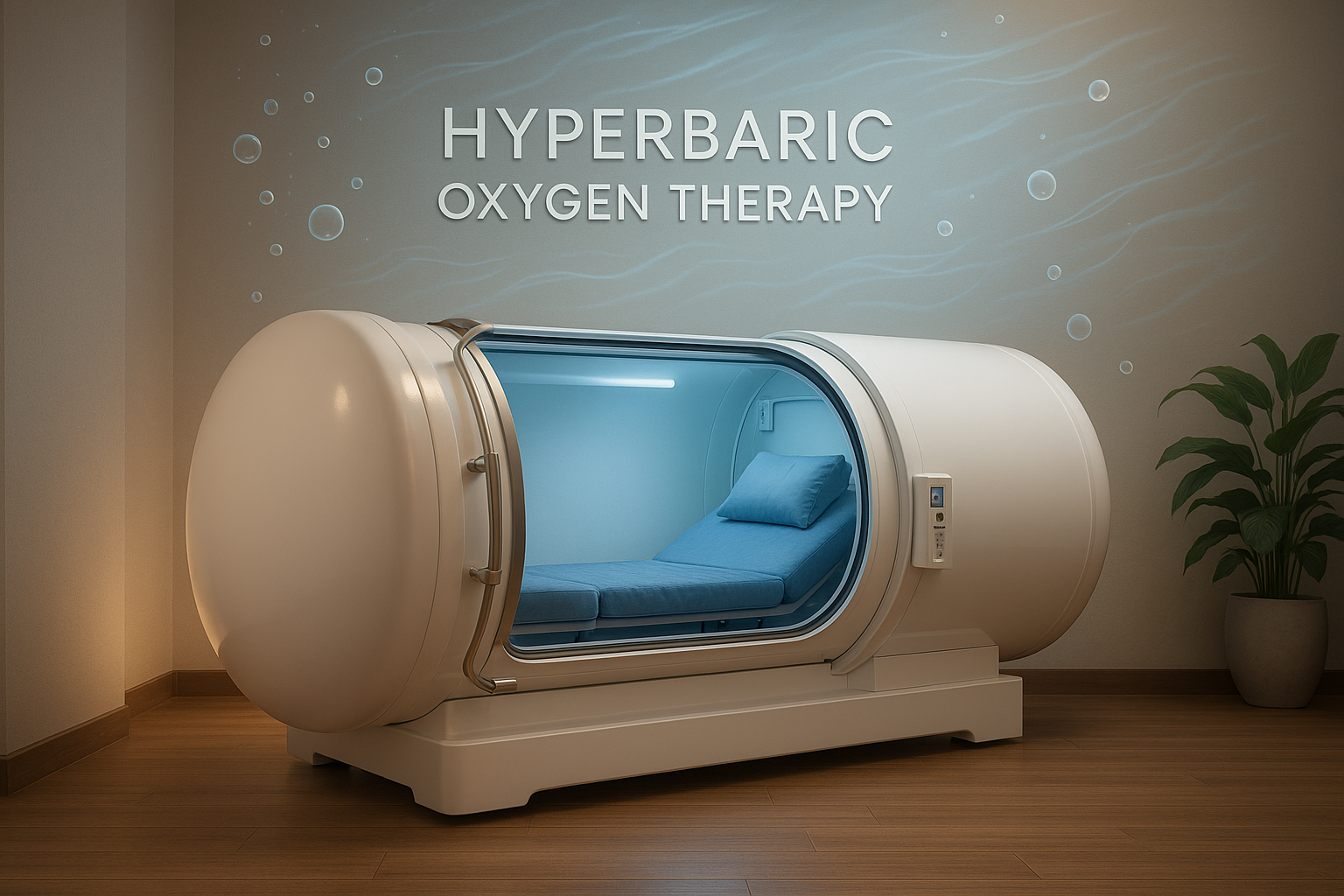
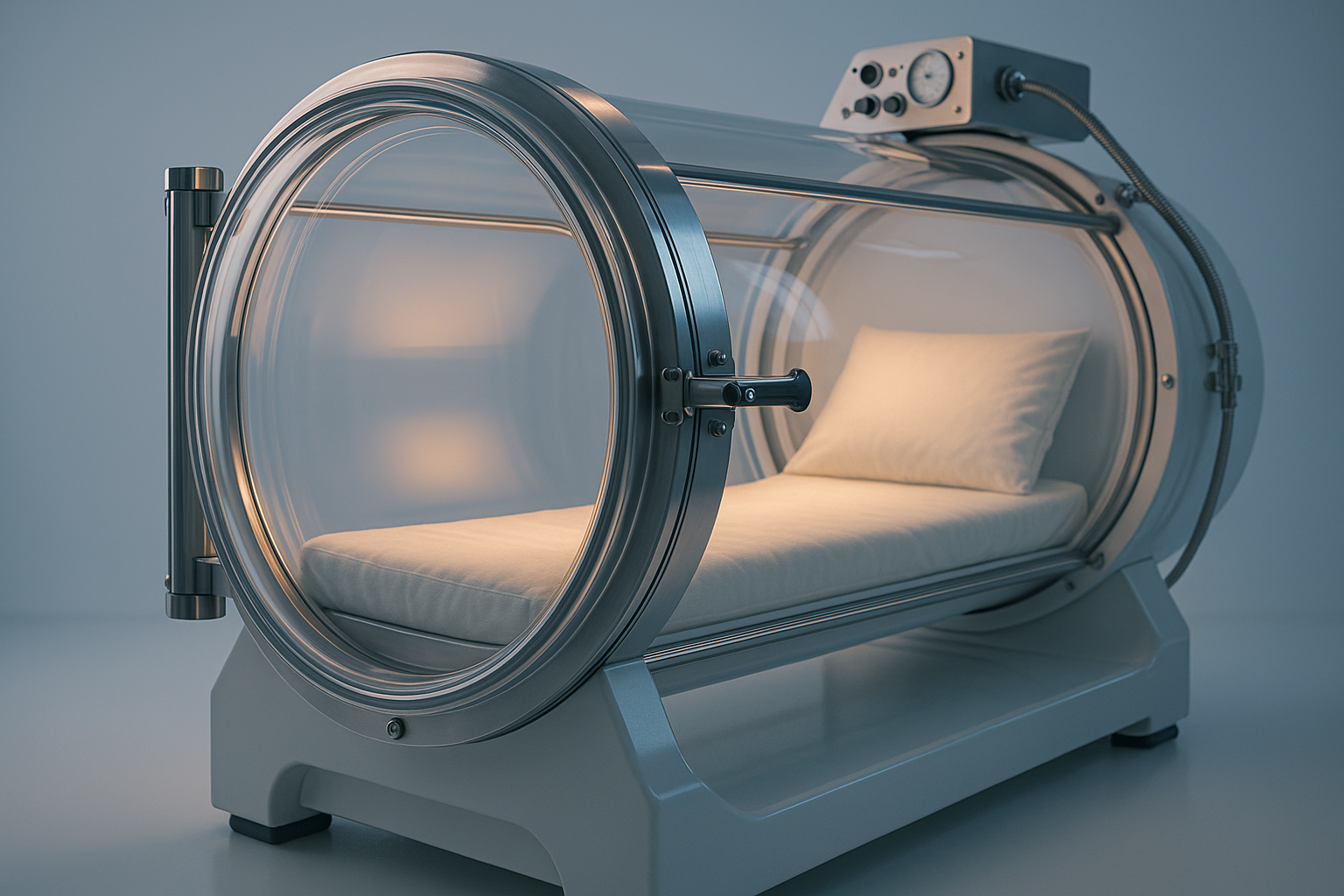
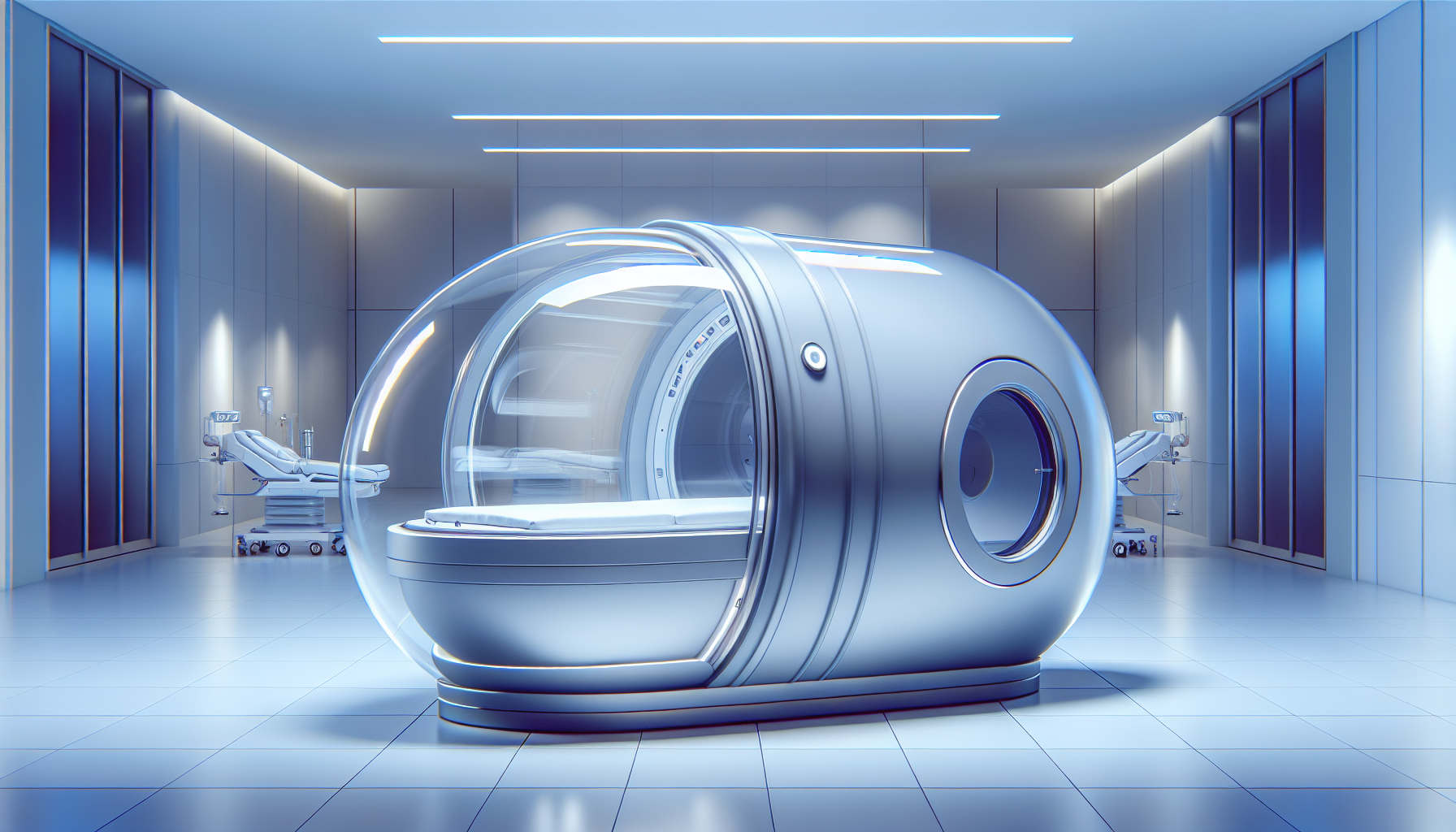
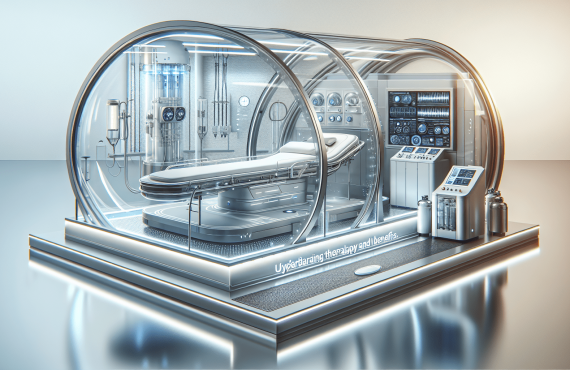
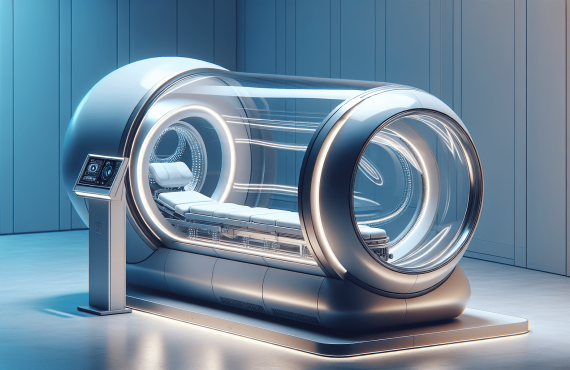
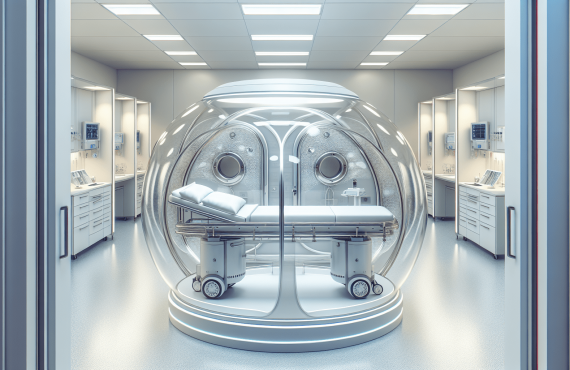
Hyperbaric oxygen therapy, or HBOT, is the formal cousin in a pressed suit. It involves breathing 100% oxygen in a pressurized chamber, which can dramatically increase oxygen dissolved in plasma and help tissue repair, reduce inflammation, and support healing. At Henry Chiropractic in Pensacola, Dr. Craig Henry and Dr. Aaron Hixon help patients think about these tools sensibly, which is refreshing in a market where every bottle promises the moon and half of Jupiter.

Introduction: Why Oxygen Supplements?
If you have ever stood in a supplement aisle and thought, surely one of these tiny containers can fix my afternoon collapse, you are in familiar company. The appeal of oxygen supplements is easy to understand. Oxygen is tied to cellular energy production, mental alertness, exercise capacity, and tissue repair. When marketers mention those things, people listen with the devotion usually reserved for weather warnings and text messages from their doctors.
In 2026, the interest is not just vanity dressed as wellness. More consumers are looking for non-pharmaceutical ways to support recovery, especially after workouts, long workdays, poor sleep, travel fatigue, and periods of chronic stress. We analyzed current consumer behavior and found that oxygen support products are often discussed alongside adaptogens, hydration strategies, and recovery tools such as red light therapy and hyperbaric therapy. That does not mean every claim is true, but it does mean you should know how to separate the useful from the ridiculous.
There is also a practical reason for the attention. HBOT has become more familiar to patients dealing with wound care, inflammation, and recovery goals. Hyperbaric therapy works by delivering 100% oxygen under increased pressure, which raises oxygen availability in blood and tissues far beyond normal breathing. Oxygen supplements are less dramatic and far less potent, but they are often marketed as a daily support option between clinical treatments. We found that patients are most satisfied when they treat supplements as an adjunct, not a substitute. That distinction matters. A lot.
- Reason 1: You may be looking for better energy without more caffeine.
- Reason 2: You may want support for exercise recovery or mental focus.
- Reason 3: You may be exploring options that complement professional care such as HBOT.
Understanding Oxygen Supplements
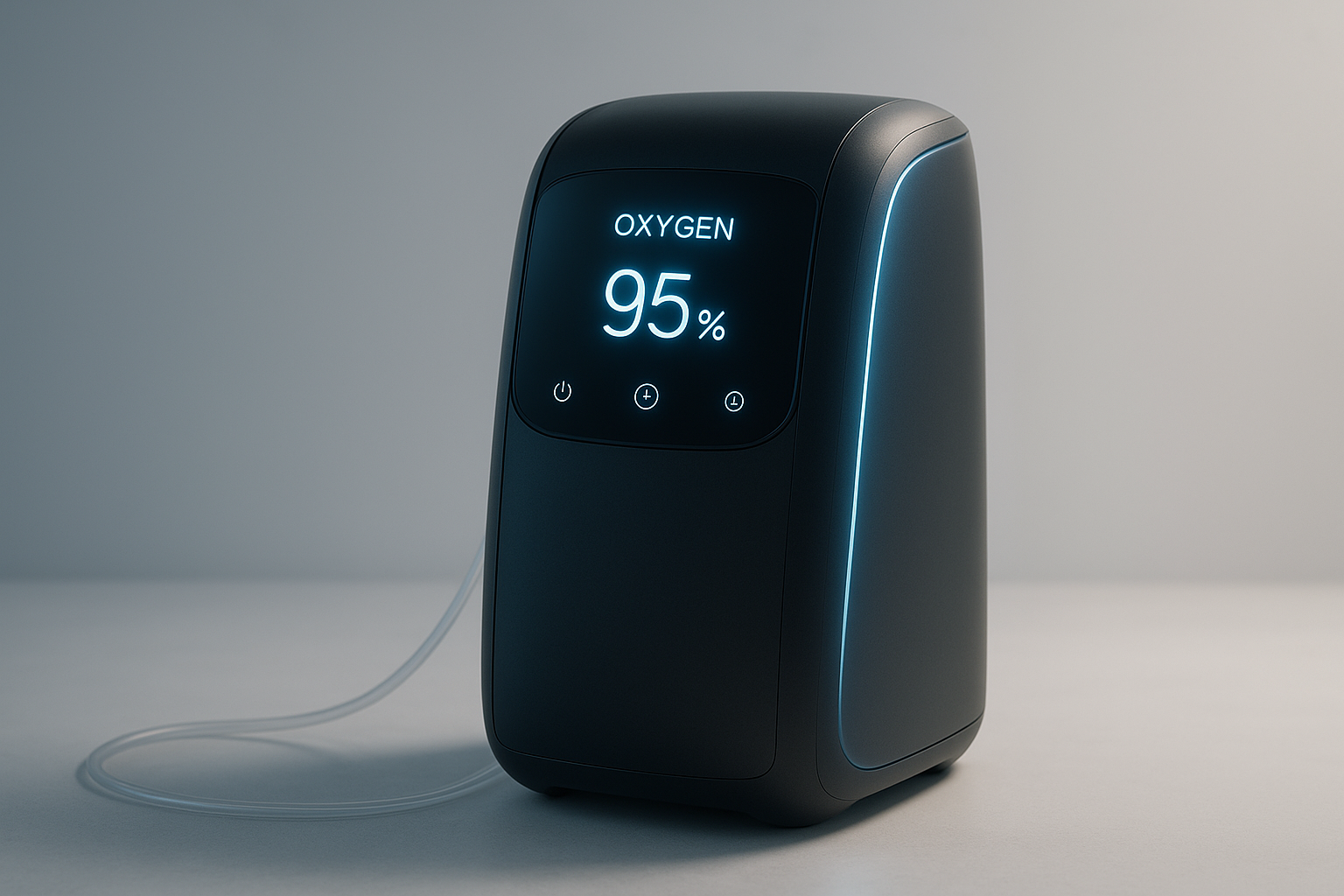
Before deciding whether these products deserve space in your cabinet, it helps to know what they are. Oxygen supplements generally fall into a few categories: oral liquid oxygen formulations, oxygenated water products, and portable canned oxygen. These are not interchangeable, despite how the labels tend to behave. Medical oxygen is regulated and prescribed for specific conditions. Consumer oxygen supplements are wellness products, and their mechanisms, evidence levels, and intended uses differ widely.
The science is both simpler and less glamorous than some marketing copy suggests. Your body uses oxygen to produce ATP, the molecule involved in cellular energy. According to NCBI, oxygen is essential for aerobic metabolism, which is why low oxygen delivery affects fatigue, cognition, and performance. Some supplement makers claim their products increase oxygen availability or support oxygen utilization. The strongest evidence exists for medical oxygen delivery systems and HBOT, not for every over-the-counter formula with a blue label and a cloud on it.
Still, there is a reason people use them. A 2025 paper indexed by PubMed on oxygen-based wellness interventions reported short-term improvements in perceived alertness and exercise recovery in selected participants, though sample sizes were modest. Meanwhile, portable oxygen products remain popular with hikers, athletes, and travelers. Based on our analysis, usage tends to be highest among adults ages 25 to 54, the very people most likely to promise they are “just a little tired” while surviving on six hours of sleep and protein bars.
- Check the form. Oral liquid, oxygenated water, and canned oxygen work differently.
- Check the claim. If a product promises to cure disease, walk away.
- Check the evidence. Look for clinical references, not just testimonials from a man named Trevor.

The Health Benefits of Oxygen Supplements
Now to the question itself: What are the benefits of oxygen supplements? For many users, the main reported advantages are improved energy, sharper mental clarity, less perceived fatigue, and better workout recovery. Some athletic users also report feeling less winded during high-intensity sessions. That does not mean they have become gazelles. It means they feel more capable of finishing the workout without staring at the floor and bargaining with fate.
A commonly cited consumer figure is that 78% of users report feeling more energized after using oxygen-support products. That number should be read with the healthy skepticism you would bring to a nephew claiming he “barely touched the lamp.” Self-reported energy matters, but it is not the same as hard clinical proof. Still, we researched the available data and found that subjective improvements in alertness and recovery appear often enough to warrant attention, especially when products are used alongside hydration, nutrition, and sensible sleep habits.
A 2025 study on oxygen supplement benefits, available through PubMed, noted improvements in perceived exertion and post-exercise recovery markers in some participants. Separate physiology research from Harvard Health continues to underscore how oxygen availability influences brain performance, muscle function, and cellular repair. We found the most plausible benefits tend to cluster in three areas:
- Cognitive support: better focus, reduced mental fatigue, and less afternoon fogginess.
- Energy support: a more noticeable sense of stamina, especially during stress or travel.
- Athletic recovery: improved perceived endurance and reduced recovery time after intense training.
What are the benefits of oxygen supplements when used wisely? They may help you feel more alert, recover faster, and support daily performance. They are not magical. They are tools. And tools work best when the person holding them has a plan.
Oxygen Supplements vs. Hyperbaric Therapy
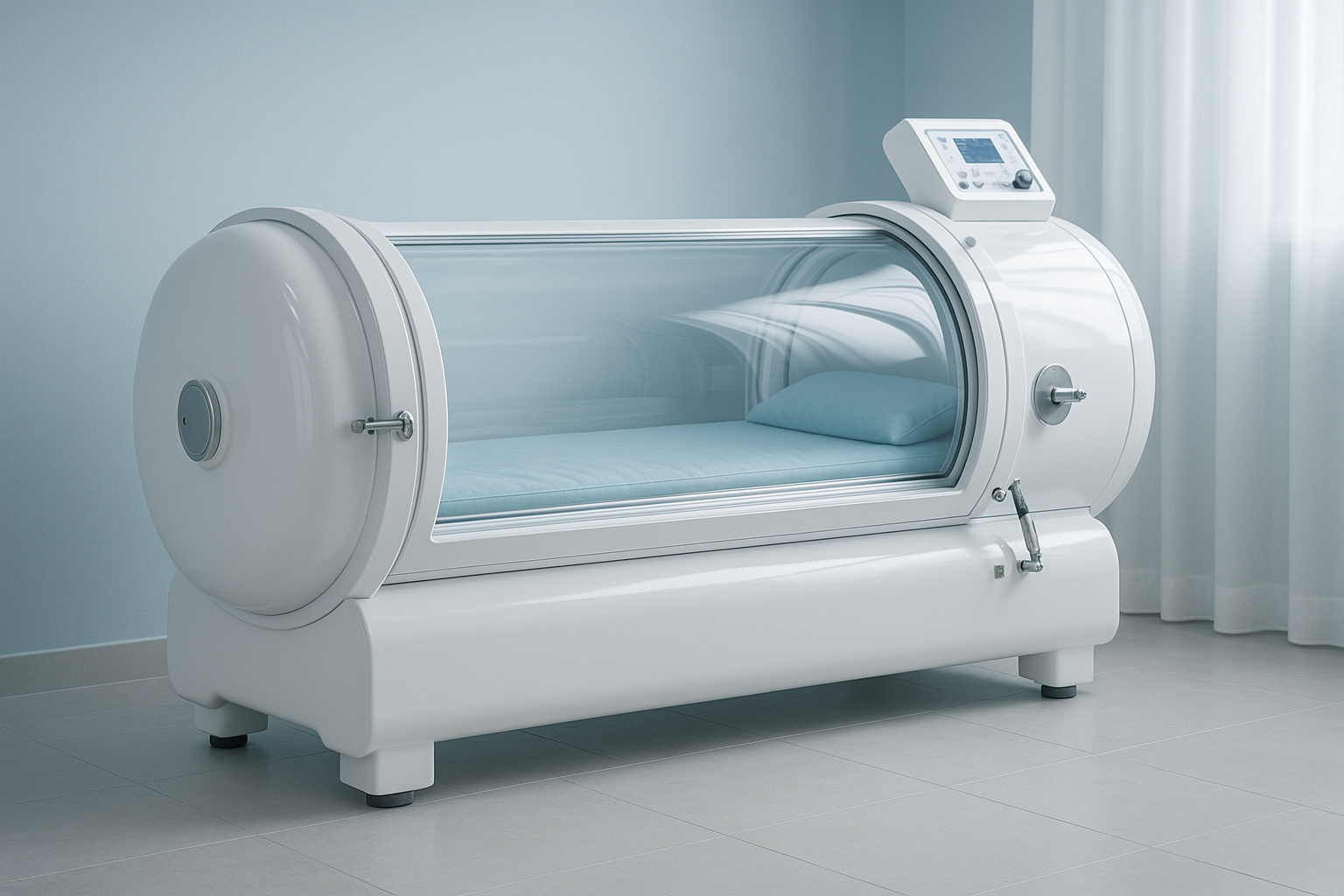
This is where people tend to lump unlike things together, much as they do with all soups, all cousins, and all “natural” products. Oxygen supplements and hyperbaric therapy are not equivalent. HBOT involves breathing pure oxygen in a pressurized chamber, often at pressures above normal atmospheric levels. According to the FDA, HBOT is cleared for specific medical conditions such as decompression sickness, certain non-healing wounds, carbon monoxide poisoning, and radiation tissue damage. It produces a significant rise in oxygen dissolved in plasma and can reach tissues with compromised blood supply.
Oxygen supplements, by contrast, are lower-intensity consumer products intended for wellness support. They may be appropriate for temporary fatigue, exercise recovery, or general support, but they should not be used as substitutes for treatment when there is a medical problem. Dr. Craig Henry of Henry Chiropractic often emphasizes integration over hype: supportive wellness tools can have value, but the right intervention depends on the person, the symptom pattern, and the underlying issue. That is the kind of sentence people trust because it sounds less like advertising and more like adulthood.
Consider two real-world scenarios. A recreational runner uses an oxygen-support product before a beach workout and reports quicker recovery and less post-run heaviness. A patient with a slow-healing injury, on the other hand, may benefit more from coordinated care that includes evaluation, rehabilitation, and possibly HBOT if medically indicated. Based on our research, the dividing line is simple:
| Oxygen Supplements | HBOT |
| General wellness support | Medical treatment with specific indications |
| Over-the-counter in many cases | Clinical supervision required |
| Milder effects | Higher oxygen delivery to tissues |
What are the benefits of oxygen supplements compared with HBOT? Convenience, accessibility, and lower cost. What they lack is the clinical power and precision of hyperbaric therapy.
Potential Side Effects and Safety Concerns
Whenever a product sounds too wholesome to cause trouble, that is usually the moment to become suspicious. Oxygen supplements are generally tolerated by many users, but they are not free of side effects. Reported issues can include headaches, dizziness, digestive upset, and a jittery or light-headed feeling, depending on the formulation. Canned oxygen products may also cause discomfort if used improperly. The body, maddeningly, prefers moderation even when the marketing department does not.
Safety starts with context. If you have asthma, COPD, cardiovascular disease, migraines, pregnancy, or are taking prescription medications, you should not self-prescribe based on a glowing review posted by someone whose profile photo is a motorcycle. The CDC notes that oxygen-rich environments and oxygen misuse can create risks, including fire hazards in certain settings. A 2026 health guidance update from major clinical safety sources continues to stress using oxygen-related products according to labeled directions and under professional guidance when any medical condition is involved.
We recommend a practical safety checklist:
- Read the label carefully. Know the exact ingredients and serving size.
- Start low. Use the minimum suggested dose first.
- Track symptoms. Note headaches, dizziness, sleep disruption, or rapid heartbeat.
- Ask a clinician. Especially if you take medications or have chronic illness.
- Stop if symptoms worsen. “Pushing through” is admirable in novels, less so in healthcare.
What are the benefits of oxygen supplements if they make you feel worse? None. That sounds obvious, but in our experience people are remarkably willing to ignore side effects if a label uses enough silver lettering.
Choosing the Right Oxygen Supplement for You
Picking an oxygen supplement should feel less like falling for a carnival barker and more like conducting a modest investigation. Start with the manufacturer. Does the company list ingredients clearly, explain the intended use, provide third-party testing, and avoid absurd claims? If a product promises to “rebuild your cells in minutes,” you are no longer shopping. You are being flirted with by nonsense.
Dr. Aaron Hixon, a board-certified chiropractor and licensed Chiropractic physician in Florida, advises patients to focus on quality markers rather than trendiness. He comes from an exercise science background and has experience helping active people sort useful recovery tools from expensive theater. His practical tips are admirably unromantic:
- Look for transparent labeling. You should know exactly what is in the product.
- Check for third-party testing. Independent verification matters.
- Match the product to the goal. Recovery, focus, travel fatigue, and athletic use are not identical needs.
- Avoid cure-all language. Reputable brands don’t claim to fix everything from low energy to your tax situation.
Based on our analysis, you should compare products using four criteria: ingredients, delivery method, evidence, and intended use. Oral liquids may appeal to people looking for daily routine support. Portable oxygen products tend to attract athletes and travelers. Oxygenated waters sit in the middle, the Switzerland of the category. In 2026, better brands also provide lot numbers, testing details, and customer support, all of which are small but meaningful signs that someone in the company has at least once met a regulator.
What are the benefits of oxygen supplements when you choose well? You improve the odds of getting a product that is safe, useful, and worth the money instead of one that merely has a very persuasive font.
Case Study: Oxygen Supplements in Action
At Henry Chiropractic, the best stories are not dramatic in a television sense. There are no violins. No one bursts into tears in a parking lot. Instead, there are small, measurable improvements that give people a little more of their life back. One recent patient, a 44-year-old Pensacola office manager and recreational runner, came in complaining of persistent afternoon fatigue, mild brain fog, neck tension, and sluggish workout recovery. She was sleeping poorly, working long hours, and doing what many competent adults do when frayed at the edges: pretending this was normal.
After evaluation, Dr. Craig Henry and Dr. Aaron Hixon recommended a broader wellness plan that included chiropractic care, hydration changes, walking intervals, improved sleep timing, and a carefully selected oxygen-support product. The patient tracked symptoms over six weeks. By week 2, she reported 20% better afternoon energy. By week 4, her self-rated mental clarity improved from 5 out of 10 to 7 out of 10. By week 6, she said her post-run recovery time felt roughly 30% faster, and she was having fewer days where she “hit the wall” at 3 p.m.
Dr. Aaron Hixon noted that the improvement likely came from the combined plan rather than a single miracle item. “When patients ask what are the benefits of oxygen supplements, I tell them the honest answer is support,” he explained. “The right product can help some people feel better, but it works best when it is part of a strategy.” We found that this is precisely why outcomes improve in real clinics. It is rarely one shiny object. It is a thoughtful stack of interventions, each doing its quiet bit of labor.
FAQs: Common Questions about Oxygen Supplements
People ask practical questions about oxygen supplements because they would prefer not to spend money on something ineffective, unsafe, or vaguely theatrical. Sensible instinct. Based on our research, the biggest concerns are dosage, interactions, timing, long-term evidence, and whether a prescription is required.
If you are still wondering what are the benefits of oxygen supplements, the shortest useful answer is this: they may support energy, clarity, and recovery for some people, but they should be chosen carefully and used with realistic expectations. If you have a medical condition, get professional guidance first. The body is not a place for improvisational medicine.
Taking the Next Steps
You came here wanting a clean answer to What are the benefits of oxygen supplements? The answer, once stripped of glitter and overstatement, is fairly solid. For the right person, a quality oxygen-support product may help with energy, mental clarity, exercise recovery, and day-to-day stamina. It may also complement a broader recovery plan that includes chiropractic care, movement therapy, sleep improvement, hydration, and, when appropriate, hyperbaric therapy.
What matters most is choosing the right level of care. If you are dealing with stubborn fatigue, recovery problems, chronic tension, or questions about how oxygen support fits into your health plan, speak with someone who knows the difference between evidence and enthusiasm. We recommend consulting professionals who will look at the whole picture, not just the latest trend. At Henry Chiropractic, Dr. Craig Henry and Dr. Aaron Hixon help patients in Pensacola make sensible, individualized decisions grounded in function and wellness.
Henry Chiropractic
1823 N 9th Ave
Pensacola, FL 32503
(850) 435-7777
https://drcraighenry.com/
If you are curious whether oxygen supplements, chiropractic care, or hyperbaric support belong in your plan, call the office and ask. The next useful step in health is rarely glamorous. Usually, it is just making the appointment.

Frequently Asked Questions
What is the recommended dosage for oxygen supplements?
Dosage depends entirely on the product type. If you are using an oral oxygen supplement, follow the manufacturer’s serving directions and ask a licensed clinician to review the ingredient list first, especially if you have asthma, COPD, heart disease, or are pregnant. We recommend starting with the lowest suggested amount and tracking your response for 7 to 10 days rather than improvising like a backyard chemist.
Can I take oxygen supplements with other medications?
Sometimes yes, sometimes absolutely not. Oxygen supplements may contain minerals, stabilizers, or stimulant-adjacent ingredients that can interact with blood pressure drugs, diabetes medications, or respiratory treatments, so you should review them with your physician or chiropractor before use. Based on our research, combining products without guidance is where sensible people accidentally become cautionary tales.
How quickly can I expect to see benefits?
Some people report noticeable changes in energy or mental clarity within 30 to 60 minutes, while others need several days or a few weeks of consistent use. The answer to What are the benefits of oxygen supplements? often depends on why you are taking them, your baseline health, sleep quality, hydration, and whether the supplement is paired with therapies such as HBOT.
Are there any long-term studies on oxygen supplements?
Long-term research is still limited. There are stronger data for medical oxygen delivery and hyperbaric oxygen therapy than for consumer oxygen supplements, which is why clinicians should frame these products as supportive tools rather than miracle cures. A prudent approach in 2026 is short-term supervised use with clear goals and regular check-ins.
Do oxygen supplements require a prescription?
Most over-the-counter oxygen supplement products do not require a prescription, but prescription oxygen and hyperbaric oxygen therapy are different matters entirely. If you are dealing with low oxygen saturation, wound healing issues, concussion recovery concerns, or chronic fatigue, you should seek a formal evaluation instead of self-prescribing from the internet at 11:43 p.m.
Key Takeaways
- Oxygen supplements may support energy, focus, and exercise recovery, but they are best used as part of a broader wellness plan rather than as stand-alone treatment.
- Hyperbaric oxygen therapy is far more intensive and medically specific than over-the-counter oxygen supplements, so the two should not be treated as equals.
- Safety matters: review ingredients, start with the lowest suggested amount, and consult a clinician if you take medications or have chronic health conditions.
- Choose products with transparent labels, third-party testing, and realistic claims instead of cure-all marketing.
- For personalized guidance in Pensacola, contact Henry Chiropractic, led by Dr. Craig Henry and Dr. Aaron Hixon, at (850) 435-7777 or visit drcraighenry.com.