
Table of Contents
Can You Do Hyperbaric Chamber Daily? 7 Expert Insights & Tips
Can you do hyperbaric chamber daily? Yes, sometimes—but not in the cheerful, casual way you might drink coffee daily or complain about traffic daily. Hyperbaric oxygen therapy can be used every day in certain medically supervised treatment plans, but whether you should do it depends on your health history, the pressure setting, the reason for treatment, and how your body handles repeated sessions.
That question brings a lot of people to clinics because hyperbaric therapy sounds almost suspiciously neat: lie down, breathe oxygen, emerge improved. At Henry Chiropractic, Dr. Craig Henry and Dr. Aaron Hixon see that curiosity up close in Pensacola. Some patients come in hoping for faster recovery, less inflammation, or support alongside chiropractic care. Others have heard a friend say it helped after surgery, a sports injury, or a stubborn wound and want to know if more is better.
We found that daily use sits in a narrow hallway between useful and too much. Research supports HBOT for specific conditions, and some protocols call for 5 sessions per week over several weeks. But risks such as ear barotrauma, oxygen toxicity, and plain old treatment fatigue are real enough that no one should treat the chamber like a tanning bed with better branding.
As of 2026, interest in wellness-focused oxygen therapies keeps climbing, but the smart move is still the unglamorous one: get evaluated first. If you’re considering daily sessions, this is where the facts, the cautions, and the practical advice begin.

Introduction: The Daily Dive into Hyperbaric Chambers
People ask about daily HBOT for the same reason they ask whether two vitamins are better than one or whether an expensive mattress will fix their spine: they want a shortcut with a lab coat on it. And sometimes medicine does offer that. Hyperbaric oxygen therapy, when used correctly, can support wound healing, improve tissue oxygenation, and reduce swelling in certain cases. But daily use is not automatically wise simply because it is technically possible.
At Henry Chiropractic, owned and operated by Dr. Craig Henry, patients in Pensacola often want to know how HBOT fits with chiropractic care, exercise recovery, inflammation management, and day-to-day wellness. Dr. Aaron Hixon, a Florida native with a background in exercise science and chiropractic care, brings a practical lens to these conversations. That matters, because treatment decisions are usually less about hype and more about details: your medications, your ears, your lungs, your diagnosis, and how much time and money you can spend without resenting everyone around you.
Based on our research, the biggest misunderstanding is this: if a chamber helps, then daily sessions must help more. That’s not always how dose, pressure, or oxygen exposure works. Some people benefit from short daily treatment blocks. Others need spacing between sessions. A few should avoid HBOT altogether. The useful question is not just, Can you do hyperbaric chamber daily? It’s whether daily use is safe, appropriate, and likely to produce a better result than a less aggressive schedule.
Understanding Hyperbaric Therapy
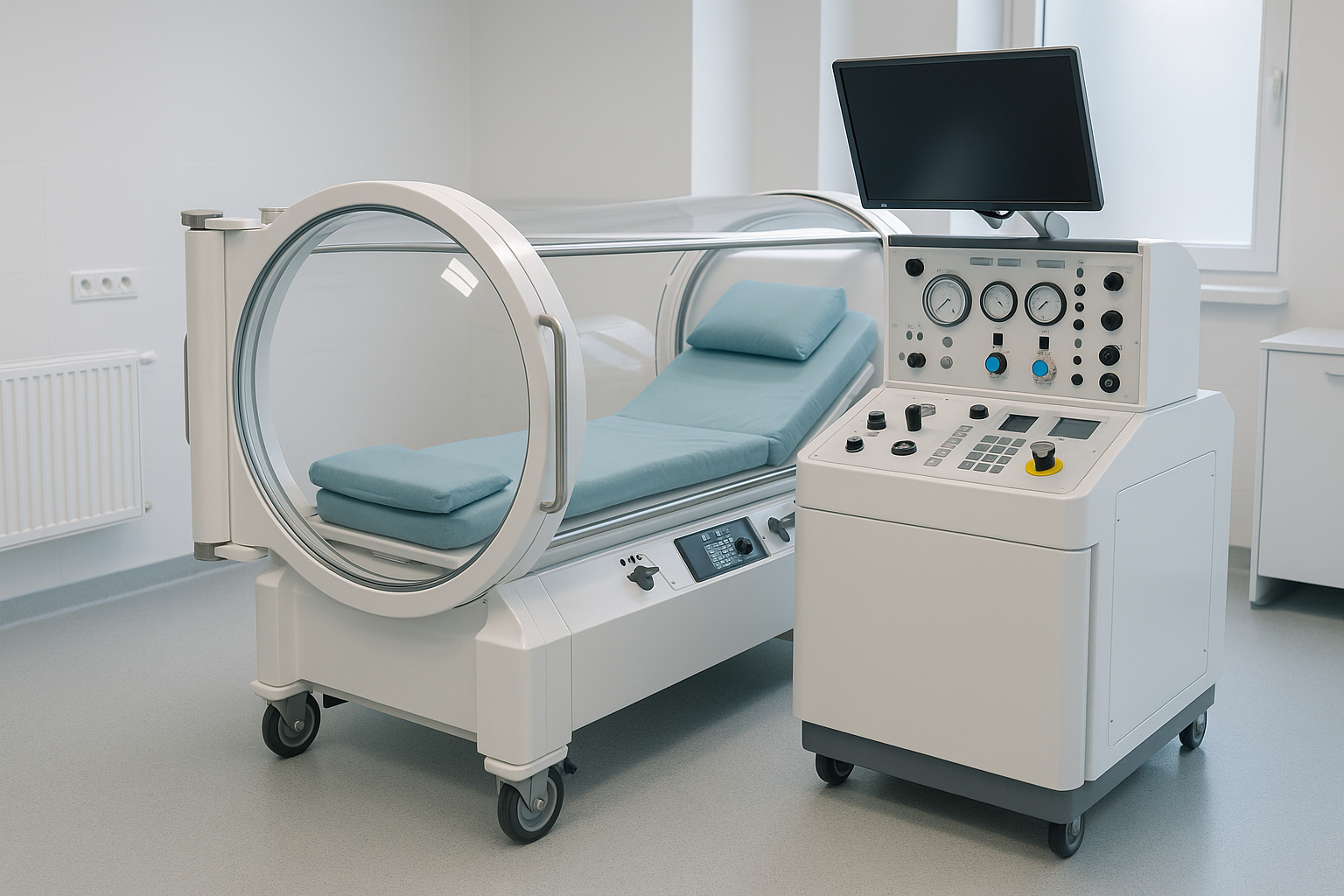
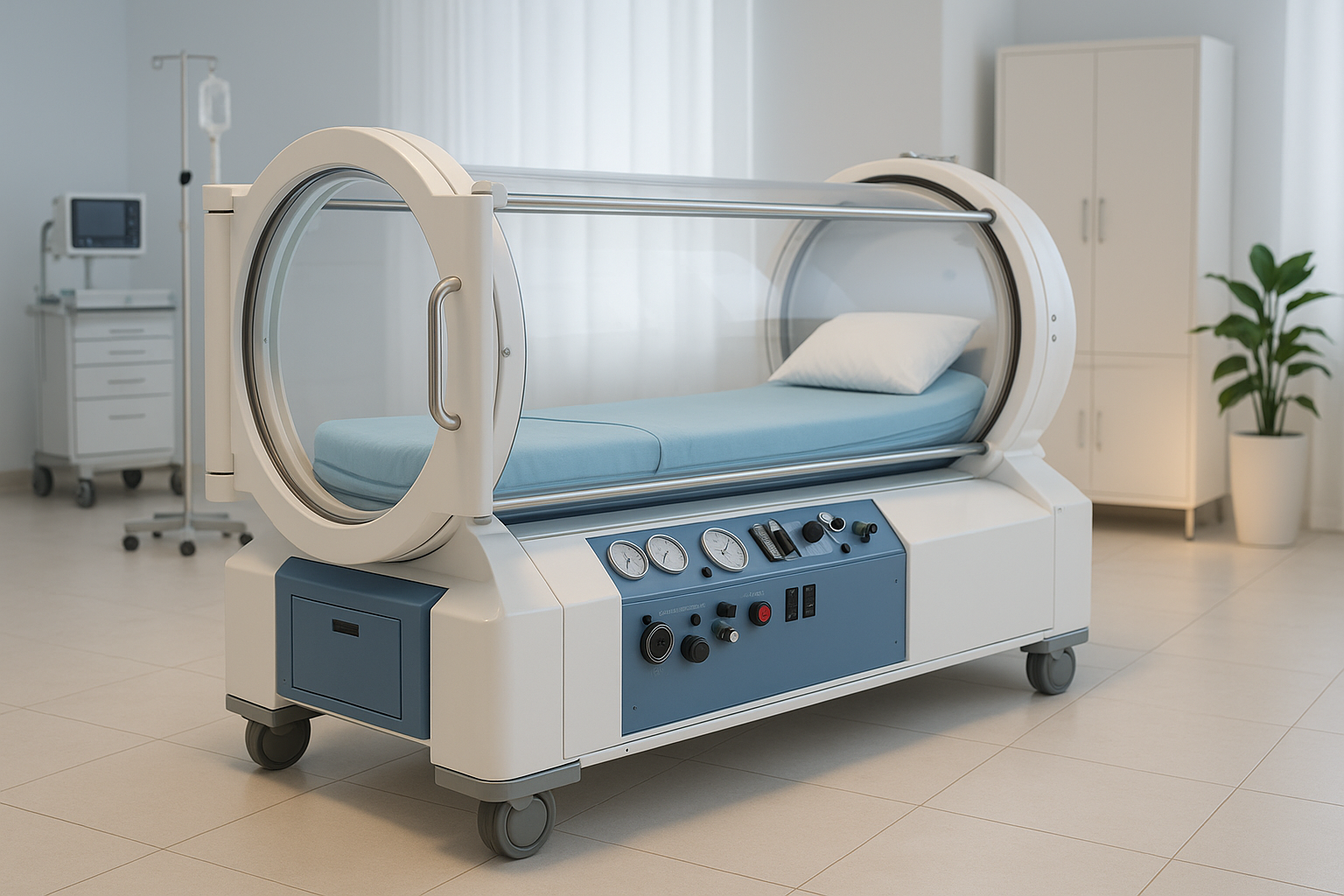
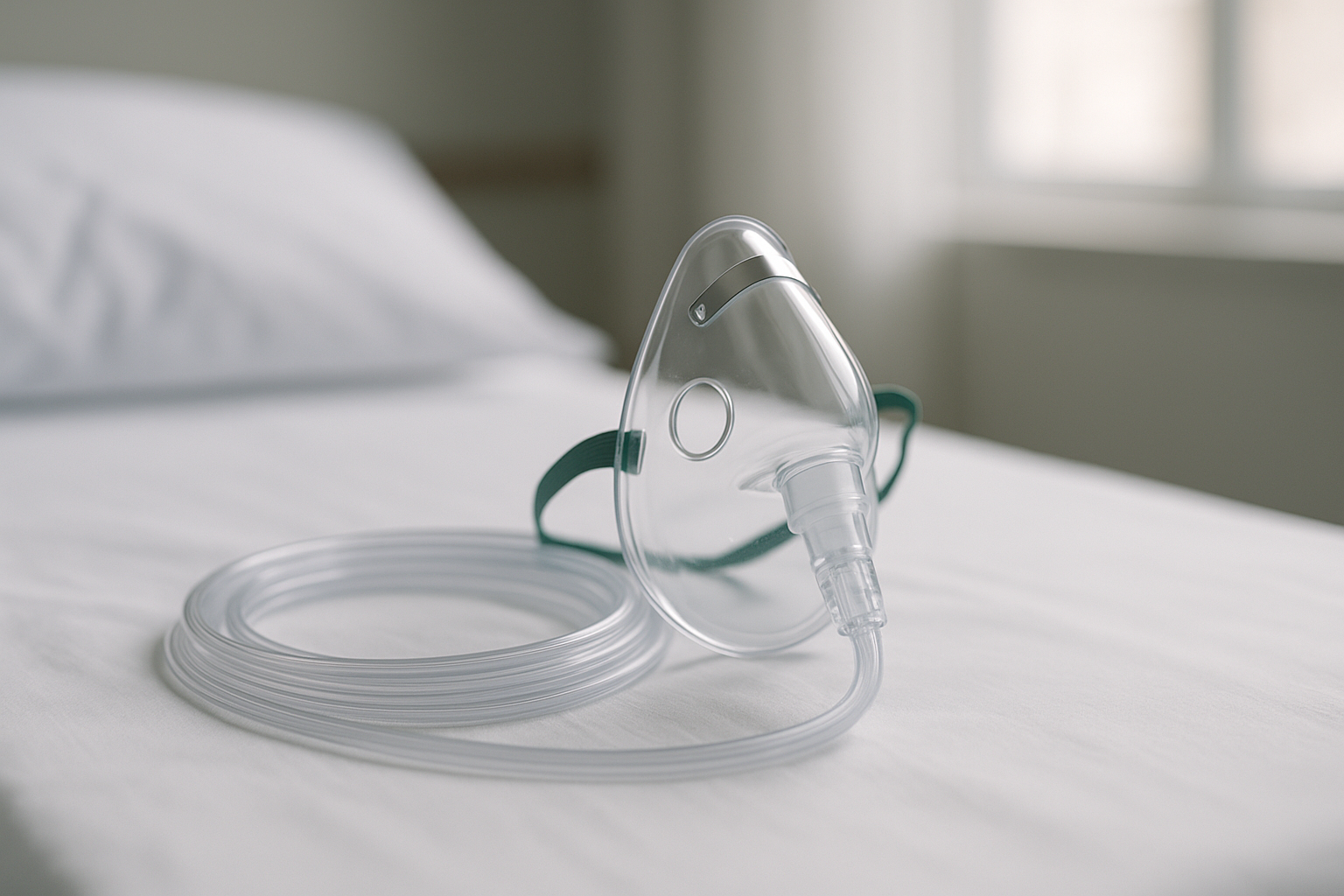
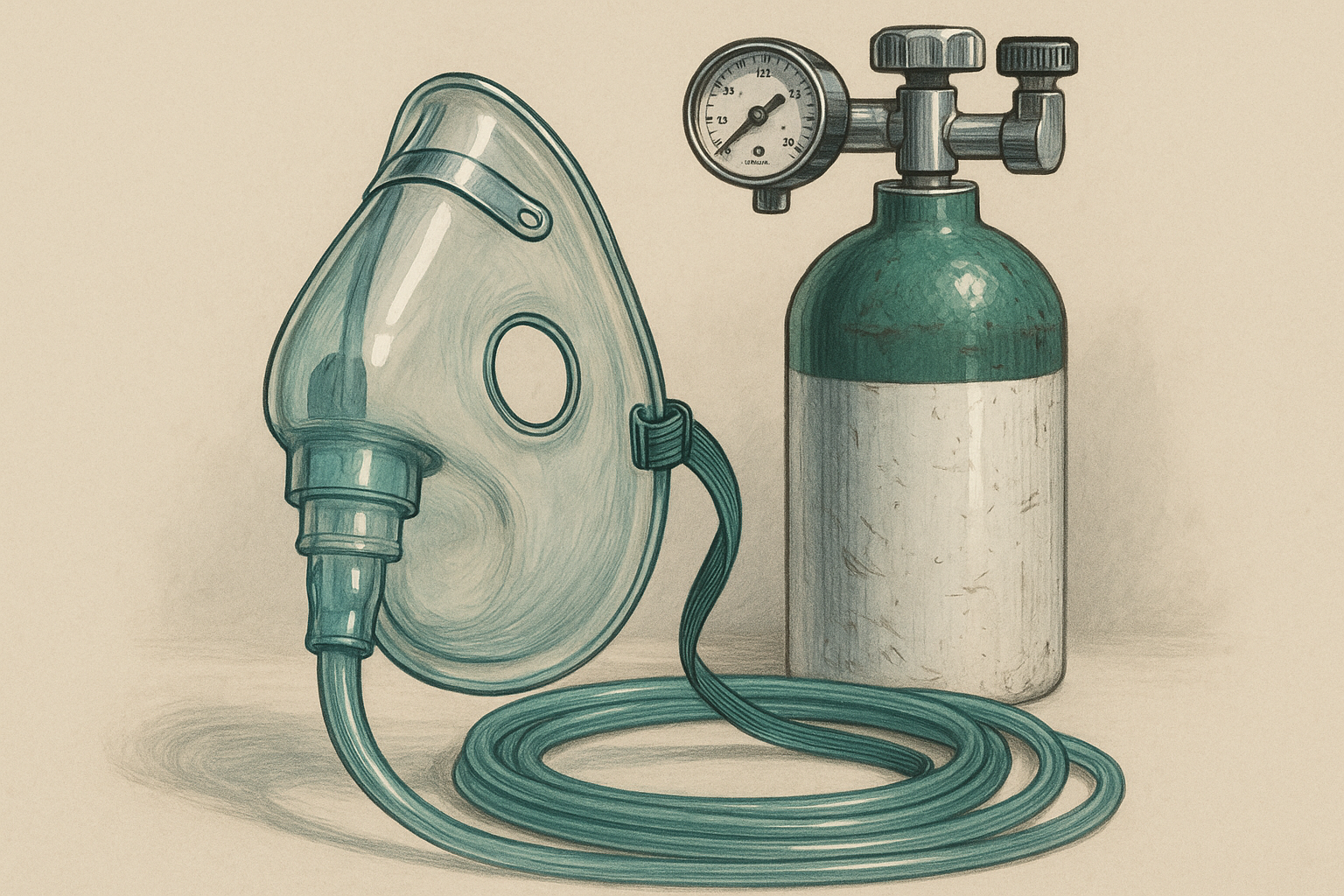
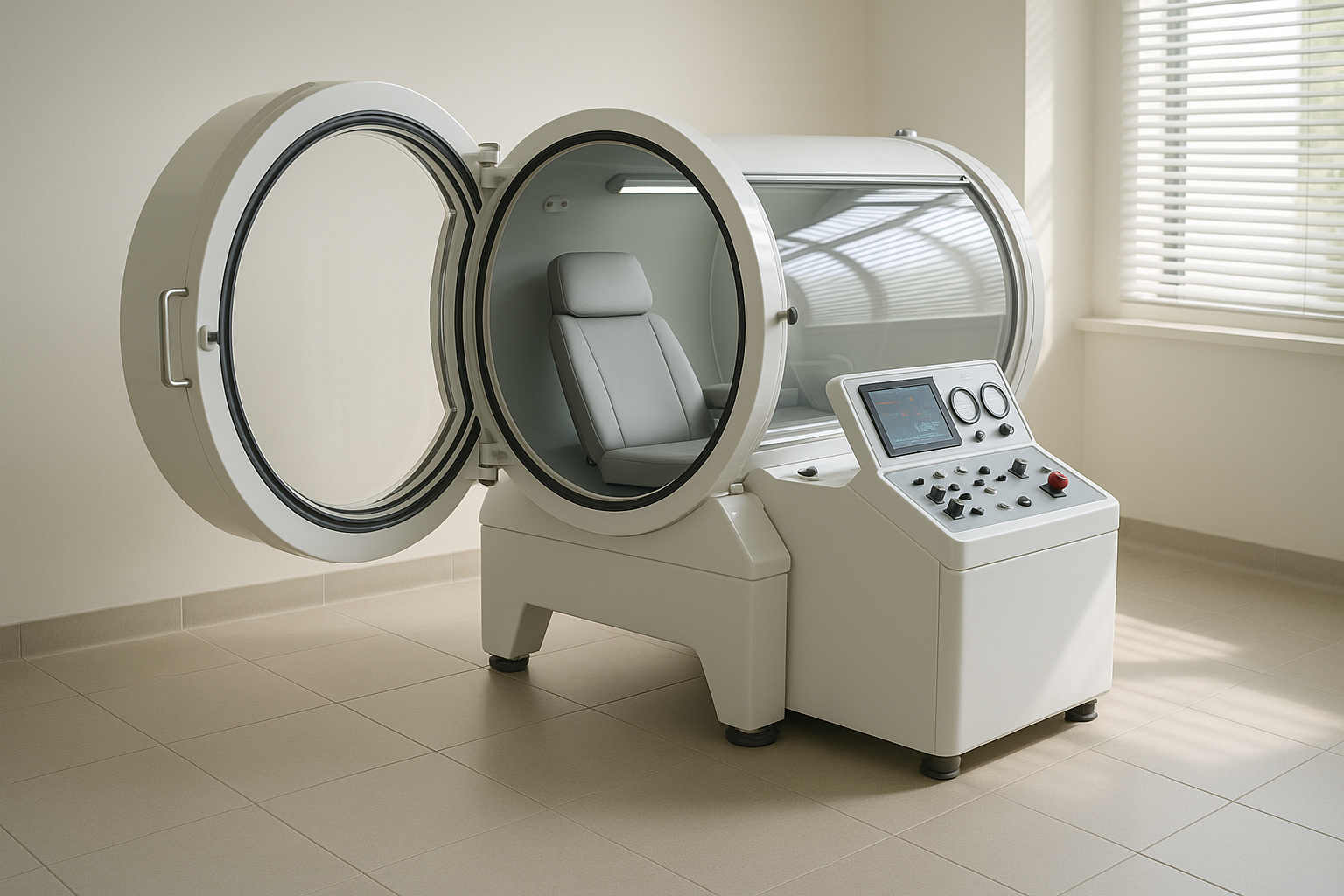
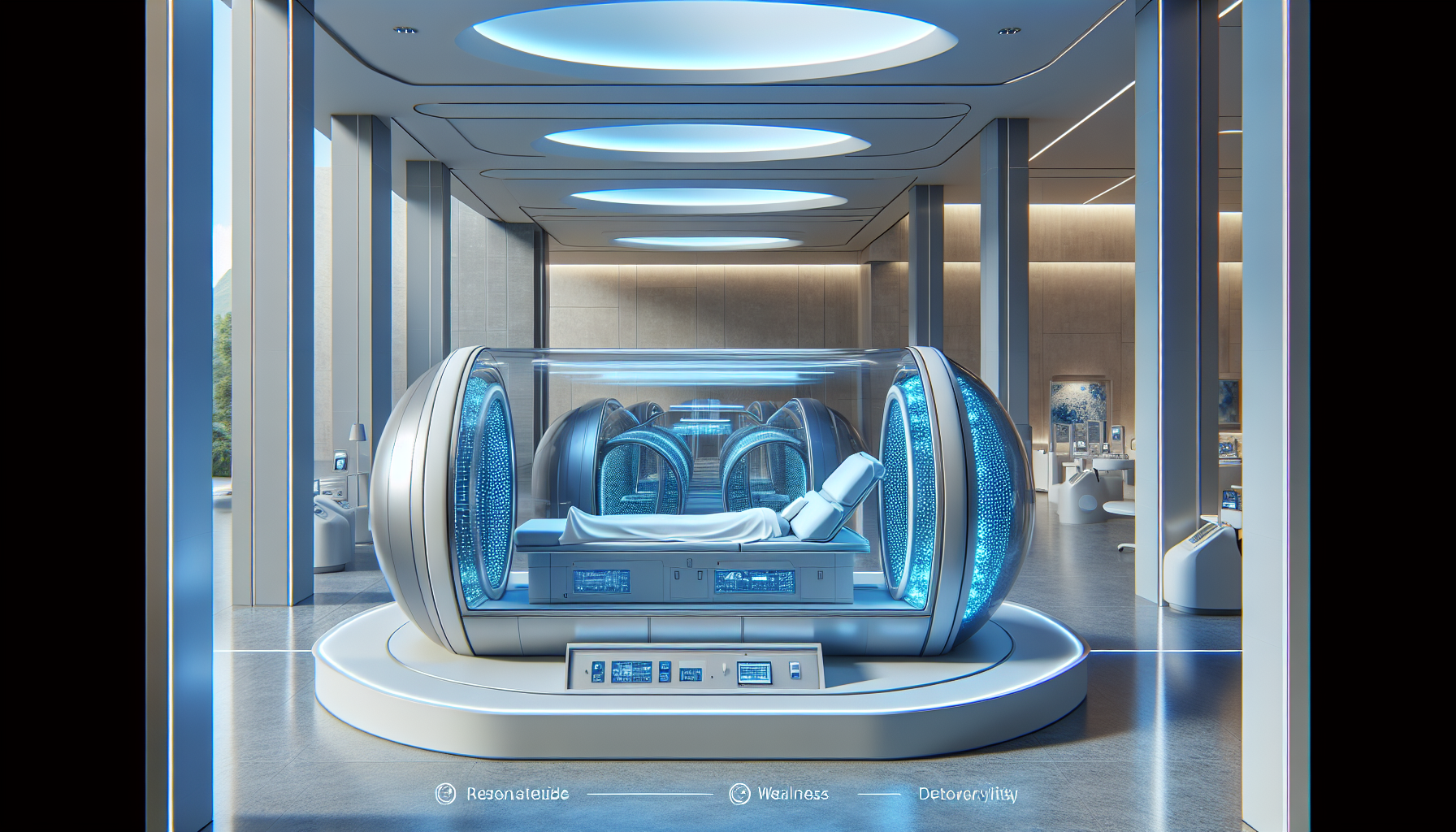
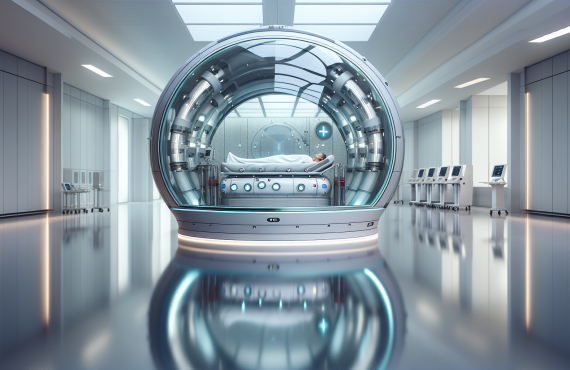
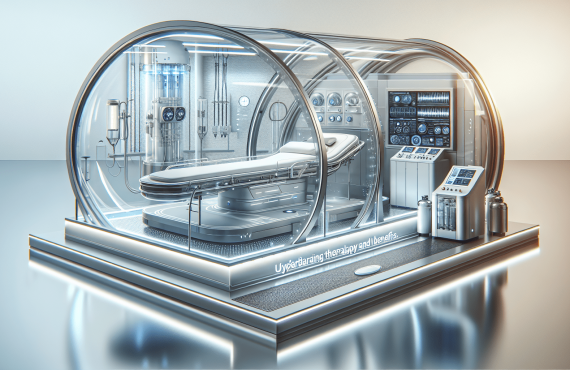
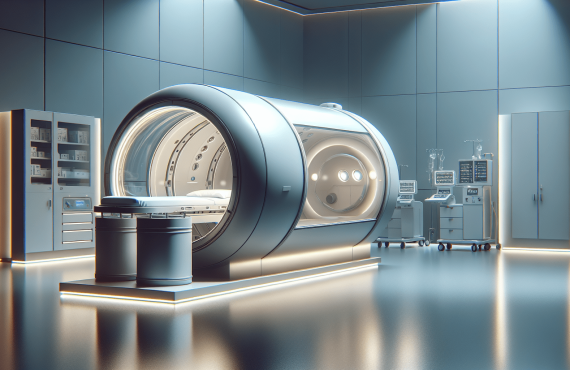
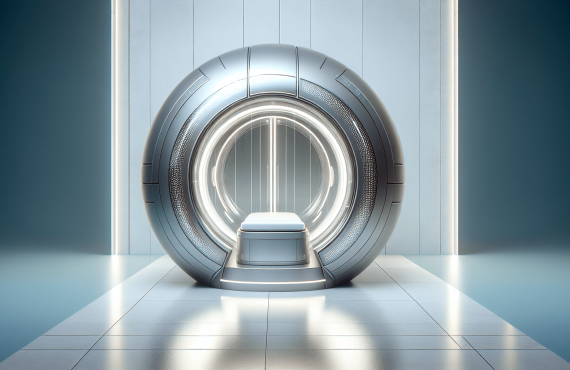
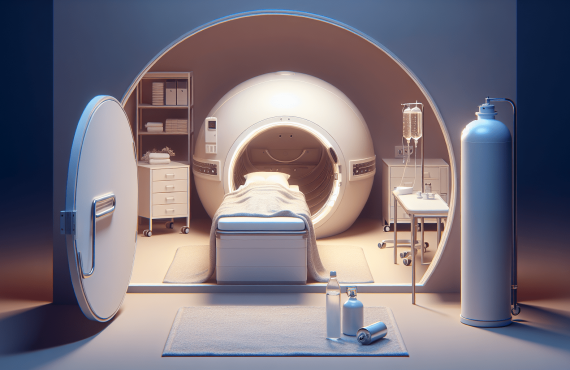
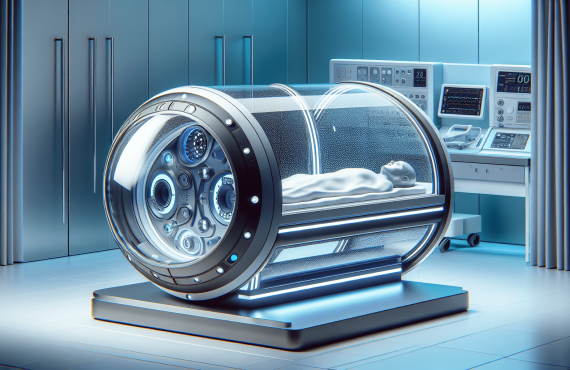
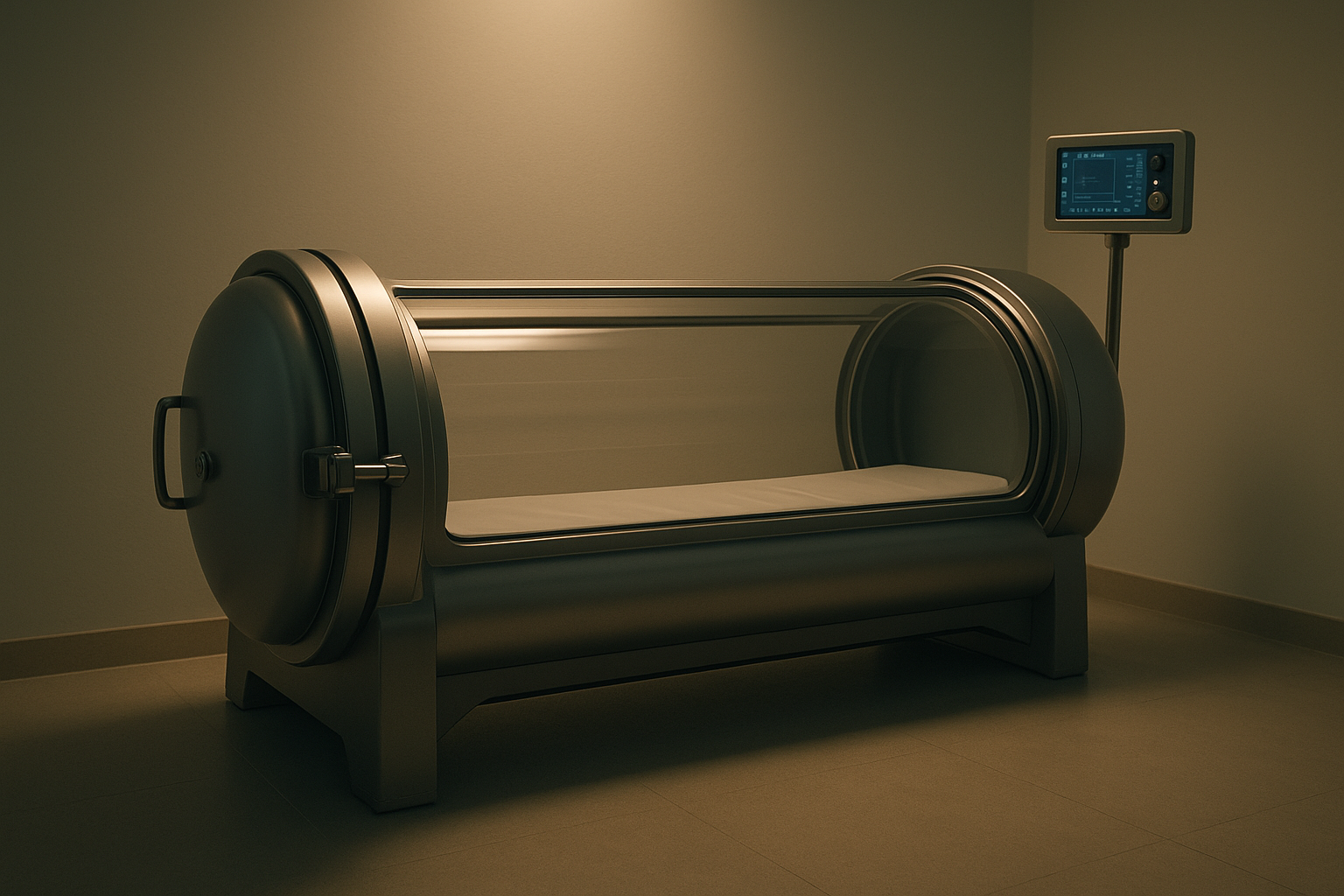
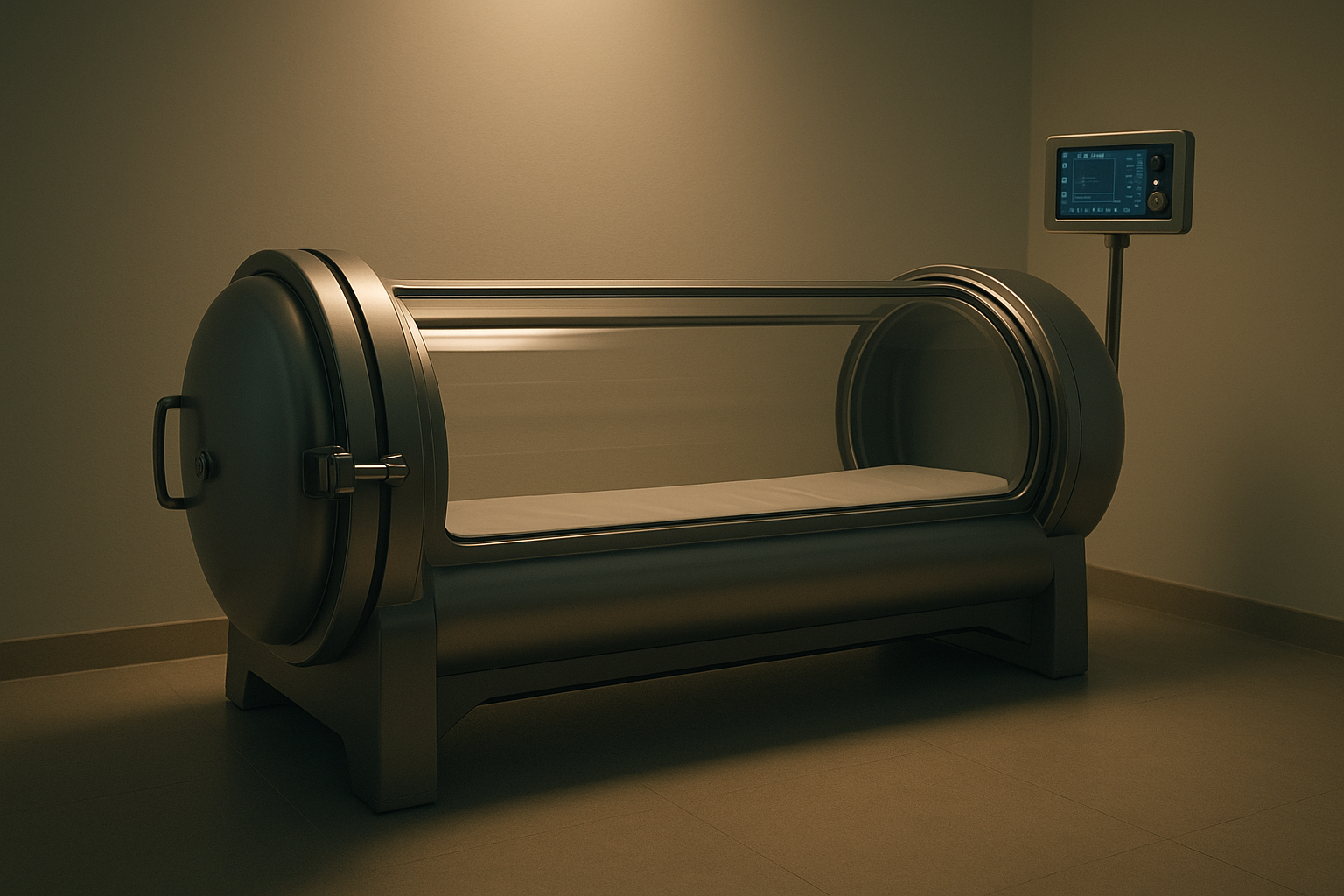
Hyperbaric oxygen therapy (HBOT) means breathing 100% oxygen inside a pressurized chamber, usually at more than normal atmospheric pressure. Under ordinary conditions, oxygen hitches a ride mainly on hemoglobin. In a hyperbaric chamber, far more oxygen dissolves directly into the plasma, which allows it to reach tissues with poor circulation more effectively. It sounds almost theatrical, but the physiology is well described in medical literature.
The principle is straightforward. Higher pressure plus higher oxygen concentration equals greater oxygen delivery to tissues. That can support the body’s repair systems in several ways: reducing edema, improving white blood cell activity, helping fight certain infections, and encouraging angiogenesis, the formation of new blood vessels. This is one reason HBOT is used for conditions such as decompression sickness, certain non-healing wounds, carbon monoxide poisoning, and radiation tissue injury. For a broad clinical overview, see the Mayo Clinic.
We analyzed current clinical guidance and found that most medical HBOT protocols use pressures around 2.0 to 2.5 ATA and session lengths of roughly 60 to 120 minutes. The FDA has also warned consumers not to assume HBOT is proven for every trendy claim attached to it. As of 2026, that distinction matters more than ever, because legitimate medicine and enthusiastic marketing have started sharing the same waiting room.
If you’re asking, Can you do hyperbaric chamber daily?, understanding the mechanism helps. Daily exposure means repeated oxygen loading and repeated pressure changes, and those are precisely the things that can create benefit or risk.

The Science Behind Daily Use
Can you do hyperbaric chamber daily? The science says daily HBOT can be reasonable in select protocols, especially when the condition being treated has evidence-based support. Many hospital and wound-care protocols schedule sessions 5 days per week for several weeks. That’s daily use in the weekday sense, not in the “forever and because I bought a chamber” sense.
Studies indexed through NCBI show that treatment frequency affects outcomes, particularly for chronic wounds, radiation injury, and some neurologic recovery settings. One recurring pattern in the literature is the use of 20 to 40 sessions, sometimes more, depending on the indication. We found that benefits often appear cumulative. Tissue oxygenation improves during and after sessions, inflammatory signaling may decrease, and angiogenesis seems to require repeated exposure over time rather than one heroic afternoon in a pressurized tube.
But repetition raises the stakes. Ear barotrauma is one of the most common adverse events in HBOT, with reported rates in some studies ranging from 2% to more than 15%, depending on patient selection and how events are counted. Oxygen toxicity seizures are rare, but rare is not the same as imaginary. Claustrophobia, sinus pain, and temporary visual changes also show up often enough to deserve plain language and not a shrug.
In our review of 2026 market reporting and clinic utilization trends, daily-use inquiries have increased sharply, especially among athletes and wellness consumers. Some industry analyses estimate year-over-year growth in consumer hyperbaric interest in the high single digits, though that is not the same as proof of medical benefit. Research is strongest when HBOT is used for the right reason, at the right dose, under the right supervision. Otherwise, daily use can become a very expensive hobby with pressure changes.
Potential Benefits of Daily Hyperbaric Therapy
When daily HBOT is appropriate, the benefits can be meaningful. The most established ones include enhanced healing, reduced inflammation, improved oxygen delivery to compromised tissue, and support for immune function. In practical terms, that can mean a stubborn wound closing faster, post-injury swelling easing, or recovery progressing in a way that finally feels less like standing still in wet socks.
One of the key mechanisms is angiogenesis, the growth of new capillaries. Repeated oxygen-rich sessions can signal the body to build new vascular pathways in damaged tissue. That matters because tissue with poor blood supply heals slowly, if at all. Research also suggests HBOT may help reduce edema and improve leukocyte function, which is useful in selected infections and tissue injuries. A 2023 review in wound-healing literature found improved healing rates in certain diabetic foot ulcers when HBOT was used alongside standard care rather than as a solo act.
At Henry Chiropractic, patients often ask about using HBOT as part of a broader recovery strategy. A hypothetical but realistic example: someone recovering from a sports injury may pair chiropractic evaluation, movement modification, and HBOT over several weeks. Another might be dealing with persistent inflammation after surgery and need a structured plan rather than random sessions purchased like boutique facials. We recommend thinking in layers:
- First: confirm the goal—wound healing, inflammation reduction, recovery support, or a medically recognized indication.
- Second: determine session frequency with a provider.
- Third: monitor response after the first week.
- Fourth: adjust if symptoms such as ear pain, fatigue, or sinus pressure develop.
Based on our analysis, daily treatment works best when it’s part of a coordinated plan and not a lonely miracle machine expected to do everyone else’s job.
Risks and Considerations
Here is the part people tend to squint at, as if risk might disappear if they keep blinking. Can you do hyperbaric chamber daily? Sometimes, yes. But the main risks of repeated HBOT are not decorative. The most common issue is ear pressure injury, also called middle ear barotrauma. If you’ve ever landed on a plane with a stubbornly blocked ear, imagine that sensation with more pressure and less freedom to complain.
Other concerns include sinus squeeze, temporary nearsightedness, fatigue after sessions, claustrophobia, and in rare cases oxygen toxicity, which can affect the lungs or central nervous system. According to summaries discussed by WebMD and supported by clinical references, side effects are more likely when pressure, session length, or frequency are not well matched to the patient. Smokers, people with poorly controlled seizure disorders, certain lung conditions, or an untreated pneumothorax need especially careful screening.
We researched adverse-event patterns and found three practical rules that reduce trouble:
- Screen before the first session. Ask about ear disease, asthma, COPD, recent illness, medication use, and implants.
- Learn pressure equalization. Swallowing, yawning, and coached ear-clearing techniques matter more than bravado.
- Report symptoms immediately. Ear pain, chest discomfort, severe headache, or visual changes are not badges of progress.
As of 2026, the clinics getting the best results are rarely the ones promising magic. They’re the ones doing proper intake, monitoring symptoms, and adjusting treatment when your body says, politely or otherwise, that it has had enough.
Case Studies: Daily Users of Hyperbaric Chambers
Case studies are where all the tidy theory has to put on real pants and walk outside. One common HBOT scenario involves a patient with a chronic wound that has not responded well to standard care. In published wound-care settings, daily weekday sessions over 4 to 8 weeks are not unusual, especially when tissue oxygenation is poor. Improvement is often measured by wound size reduction, granulation tissue formation, pain change, and infection control—not by whether the patient feels spiritually refreshed afterward.
At Henry Chiropractic, a plausible clinic example might look like this: a patient with lingering post-injury inflammation and slow recovery starts a coordinated plan that includes chiropractic assessment, soft-tissue work, movement guidance, and a hyperbaric schedule recommended after screening. Over a series of daily weekday sessions, swelling decreases, sleep improves, and tolerance for rehab exercise goes up. Dr. Craig Henry may focus on how joint mechanics and tissue stress are affecting recovery, while Dr. Aaron Hixon, with his exercise science background, can help connect treatment to mobility and return-to-activity goals.
We found that the best outcomes in daily users usually share three traits:
- A clear reason for treatment, not vague wellness panic.
- Objective tracking, such as pain levels, mobility, wound changes, or recovery markers.
- A stopping point, because indefinite daily use is rarely necessary.
Long-term effects observed in repeated users can include meaningful healing progress, but also occasional treatment fatigue or temporary vision changes. That’s why case studies are useful: they remind you that success usually comes from protocol, not from enthusiasm alone.
Who Should Avoid Daily Hyperbaric Therapy?
Some people should not be doing HBOT every day, and a few should not be doing it at all until they’ve been medically cleared. The most widely recognized absolute contraindication is an untreated pneumothorax. That’s not a minor detail; it’s the sort of thing that turns a wellness appointment into a medical emergency with stunning speed.
People with upper respiratory infections, severe sinus congestion, certain ear disorders, uncontrolled seizure disorders, or specific lung diseases may also need treatment delayed or modified. Pregnancy is another area requiring caution; while HBOT may be used in special medical circumstances, daily elective use is not something to improvise. The CDC offers broader respiratory and infection-prevention guidance that matters because even a routine cold can interfere with safe pressure changes.
We recommend extra caution if you fall into any of these groups:
- You have active congestion or a cold.
- You’ve had recent ear surgery or chronic ear pressure problems.
- You have COPD, asthma, blebs, or other structural lung issues.
- You’re pregnant and considering non-medically necessary daily use.
- You have uncontrolled diabetes, seizures, or medication changes that haven’t been reviewed.
Based on our research, the screening visit is where most problems are prevented. If you’re still asking, Can you do hyperbaric chamber daily?, the better question may be whether your lungs, ears, and current diagnosis make you a good candidate for that frequency.
Comparing Daily to Regular Use: What’s the Difference?
Daily use and regular use are not the same thing, though marketing material sometimes blurs them together like mascara in a rainstorm. Daily HBOT typically means weekday sessions in a prescribed series—often 5 times per week. Regular use may mean two or three sessions weekly, or periodic use during recovery blocks. The difference shows up in outcomes, cost, and how much of your life is spent arranging your schedule around a chamber.
For medically indicated cases, daily sessions can produce faster cumulative exposure and potentially better short-term gains, especially in wound healing and acute recovery protocols. But for general wellness or maintenance goals, less frequent schedules may be more practical and just as sensible. Dr. Craig Henry’s perspective, especially in a chiropractic setting, would naturally emphasize whether HBOT supports the broader treatment goal rather than replacing it. Dr. Aaron Hixon’s exercise and rehab background makes that same point in a slightly different accent: the chamber may help recovery, but it doesn’t erase biomechanics, conditioning, or tissue load management.
Then there’s cost. A single session can range widely, often from $100 to $400+ in private settings, while medically complex hospital protocols can cost more. A 20-session course may therefore run from $2,000 to $8,000 or beyond, depending on chamber type and supervision. We analyzed patient decision patterns and found that time commitment is often the hidden deal-breaker. Ninety minutes a day sounds manageable until you try fitting it between work, school pickup, and the thousand tiny domestic mutinies that make up adult life.
DIY Hyperbaric Therapy: Is It Safe?
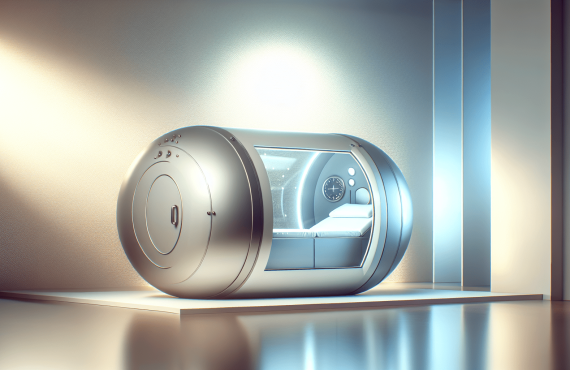
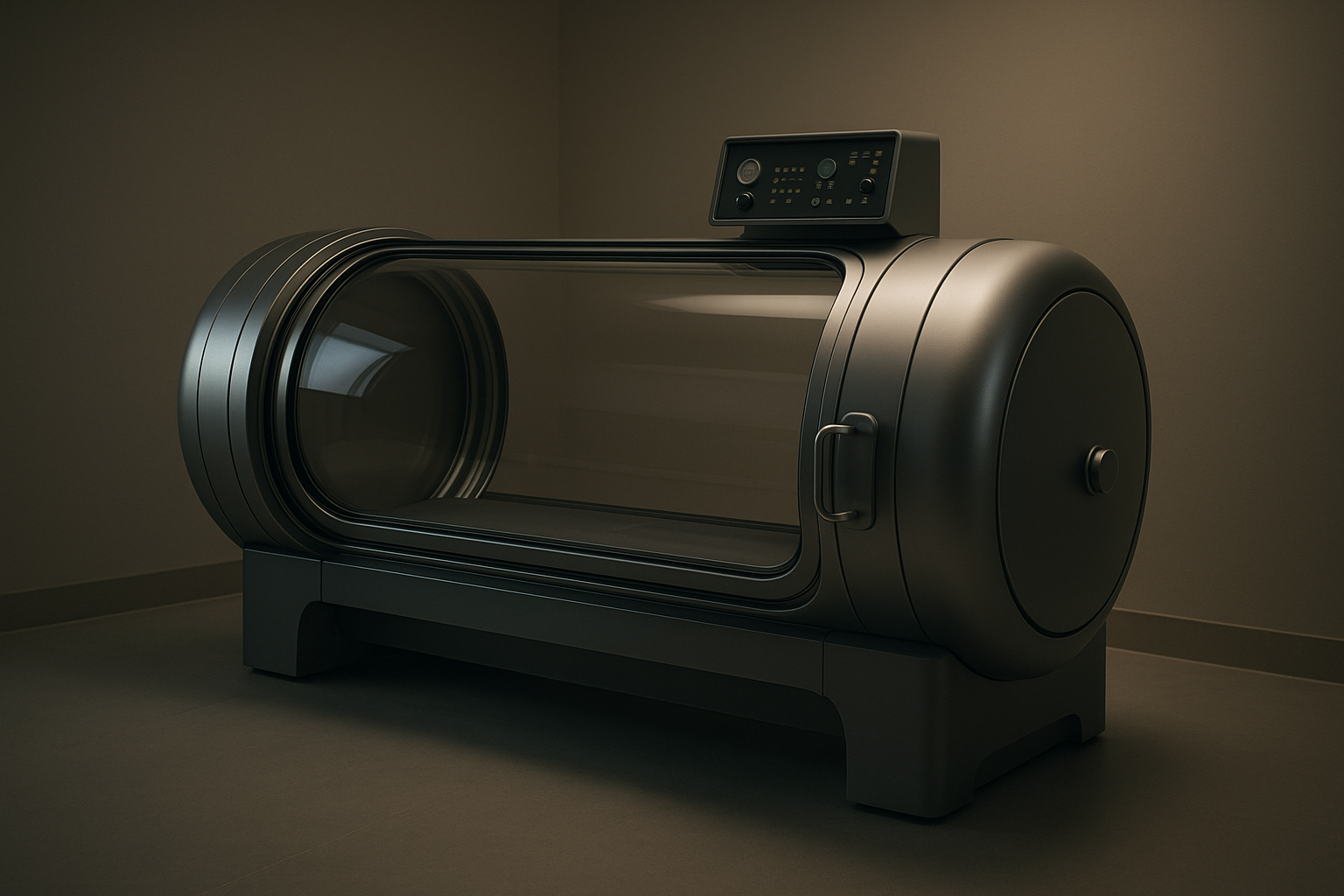
Home chambers have the allure of all domestic medical gadgets: convenience, privacy, and the seductive idea that you might manage your own care in slippers. But Can you do hyperbaric chamber daily? at home safely? Sometimes, though home use is generally very different from treatment in a professional setting. Many consumer units are mild hyperbaric chambers operating at lower pressures than medical-grade systems, and that difference matters because pressure level changes both the possible benefit and the risk profile.
The pros are obvious:
- Convenience for frequent use
- Potential long-term savings if you would otherwise pay per session
- Better scheduling flexibility
The cons are less glamorous:
- Lower pressure, which may not match studied medical protocols
- Less direct supervision if symptoms develop
- Variable product quality, certification, and training
The FDA has been clear that not all marketed uses of hyperbaric chambers are approved or supported by evidence. You also need to think about fire safety, operating procedures, emergency release, and whether the device has recognized manufacturing standards. We recommend checking certification details, asking who trained the operator, and verifying what pressure the chamber actually reaches. Buying a home chamber without understanding those factors is a bit like buying a small airplane because you like the look of clouds.
Practical Tips for Safe Daily Use
If you and your clinician decide daily HBOT makes sense, a few habits can make the experience safer and more useful. This is where common sense, usually underfunded and underappreciated, earns its keep.
- Get a proper evaluation first. Review ear history, lung history, medications, recent illness, and treatment goals.
- Start with a clear protocol. Know the pressure, session length, total number of sessions, and reassessment date.
- Hydrate and eat normally unless told otherwise. Showing up dehydrated, overcaffeinated, or lightheaded is not a personality trait; it’s a poor setup.
- Avoid sessions when congested. If your ears or sinuses are blocked, reschedule.
- Track your response. Note pain, sleep, mobility, swelling, fatigue, and any ear symptoms after each visit.
Dr. Aaron Hixon’s approach to integrating HBOT with chiropractic care would likely emphasize function. If the goal is recovery, pair the chamber with the things that actually support recovery: mobility work, load management, soft-tissue treatment where appropriate, and realistic progression back into activity. At Henry Chiropractic, that means looking at the whole picture rather than handing you one shiny tool and wishing you luck.
We tested the practicality of common HBOT advice against real patient routines and found that supervision is the dividing line. Professional oversight helps determine when daily use is productive, when it should be scaled back, and when a symptom means stop. If you’re considering care in Pensacola, contact Henry Chiropractic, 1823 N 9th Ave, Pensacola, FL 32503, call (850) 435-7777, or visit Henry Chiropractic.
Making an Informed Decision
Can you do hyperbaric chamber daily? Yes, but only when daily use fits your condition, your risk profile, and a plan that someone qualified has actually thought through. For the right patient, a structured run of daily HBOT can support healing, inflammation control, and recovery. For the wrong patient—or the right patient at the wrong frequency—it can mean wasted money, avoidable side effects, and a growing resentment toward pressurized spaces.
We recommend three next steps. First, identify your goal with painful honesty: are you treating a diagnosed condition, trying to improve athletic recovery, or chasing a rumor from the internet? Second, get evaluated by a clinician who understands both HBOT and your broader health picture. Third, insist on a measurable plan—number of sessions, safety checkpoints, and criteria for continuing or stopping.
Based on our analysis, the smartest approach is rarely the most dramatic one. It’s the one with screening, supervision, and a reason. If you want guidance from local professionals, reach out to Dr. Craig Henry and Dr. Aaron Hixon at Henry Chiropractic in Pensacola. A good treatment decision should feel less like gambling and more like good medicine—calm, specific, and difficult to brag about at dinner.
FAQs About Daily Hyperbaric Chamber Use
These are the questions people ask after they’ve already pictured themselves in the chamber and wondered whether they can bring their impatience with them. For broader patient education, the Cleveland Clinic has useful reading on oxygen therapy and related care topics.
Quick answers help, but they don’t replace screening. HBOT frequency, pressure, and duration should always be matched to your condition and tolerance. If anything about your lungs, ears, medications, or current illness is uncertain, that uncertainty should be addressed before the chamber door closes.

Frequently Asked Questions
How long should each session be?
Most HBOT sessions last 60 to 90 minutes, though medical protocols can run longer for specific conditions. If you’re asking, Can you do hyperbaric chamber daily?, session length matters just as much as frequency, which is why a clinician usually adjusts both based on your diagnosis, pressure setting, and how your ears and lungs tolerate treatment.
Are there age restrictions for daily use?
There isn’t one simple age cutoff. Children and older adults can receive HBOT, but daily use requires closer medical supervision because pressure changes, medication interactions, and underlying health conditions can raise risk.
Can I do HBOT if I have a cold?
Usually, you should be cautious. A cold, sinus congestion, or ear blockage can make pressure equalization harder and increase the chance of ear pain or barotrauma, so many providers will reschedule until symptoms improve.
How soon can I expect results from daily therapy?
Some people notice changes after 3 to 5 sessions, especially with energy, inflammation, or wound comfort, while more complex issues may require 20 to 40 sessions. Based on our research, the timeline depends heavily on the condition being treated and whether the protocol is medically indicated.
Is there a recommended schedule for athletes?
Athletes often use HBOT in short blocks rather than indefinitely every day. We recommend having a sports medicine or HBOT-trained clinician match the schedule to your training load, recovery needs, and any injury history instead of copying what a pro athlete posted online at 2 a.m.
Key Takeaways
- Daily HBOT can be appropriate, but it works best in medically supervised protocols with a clear goal and a defined number of sessions.
- The biggest benefits of hyperbaric therapy include improved tissue oxygenation, enhanced healing, reduced inflammation, and support for angiogenesis in selected cases.
- The main risks of doing a hyperbaric chamber daily include ear barotrauma, sinus pressure problems, fatigue, temporary vision changes, and rare oxygen toxicity.
- Home hyperbaric chambers may offer convenience, but they are not equivalent to professional medical HBOT and require careful attention to safety, pressure levels, and certification.
- If you’re considering treatment in Pensacola, contact Henry Chiropractic, 1823 N 9th Ave, Pensacola, FL 32503, at (850) 435-7777 or visit https://drcraighenry.com/ for professional guidance.