
Table of Contents
How Many HBOT Sessions Can You Do in a Day? 7 Expert Insights
Meta Description: Discover expert insights on how many HBOT sessions you can safely do in a day. Learn from real examples and expert advice from Henry Chiropractic.

Introduction: The Quest for Oxygen
If you landed here wondering How many HBOT sessions can you do in a day?, you’re not alone. It’s the sort of question people ask when they’ve heard oxygen can help the body repair itself and suddenly want to know whether more is better, or whether that idea belongs in the same category as eating six multivitamins because one seemed lonely.
Hyperbaric oxygen therapy, usually shortened to HBOT, has become markedly more visible over the last few years. Interest has climbed as athletes, post-surgical patients, and people dealing with stubborn inflammation look for ways to support healing. According to NCBI StatPearls, HBOT works by delivering near-100% oxygen at pressures greater than normal atmospheric pressure, increasing dissolved oxygen in plasma well beyond what you get from ordinary breathing. That matters because oxygen is not just a guest in the body; it’s the staff.
Based on our research, the real search intent behind How many HBOT sessions can you do in a day? is usually threefold:
- Safety: Can you do one, two, or more sessions without overdoing it?
- Results: Will extra sessions speed recovery?
- Suitability: Does the answer change based on your condition?
At Henry Chiropractic in Pensacola, patients are often balancing recovery goals with practical life: work schedules, pain levels, fatigue, and a perfectly human desire to feel better by Tuesday. In 2026, that question is even more common because people are reading more, hearing more, and, naturally, believing half of what they hear from a neighbor who once sat in a chamber and now swears his shoulder feels twenty-three years old.
The short answer: most people do one HBOT session per day, while some medical protocols may allow two under supervision. The longer answer is where the useful part lives, and that depends on pressure, condition, tolerance, and professional oversight.
What is Hyperbaric Oxygen Therapy (HBOT)?
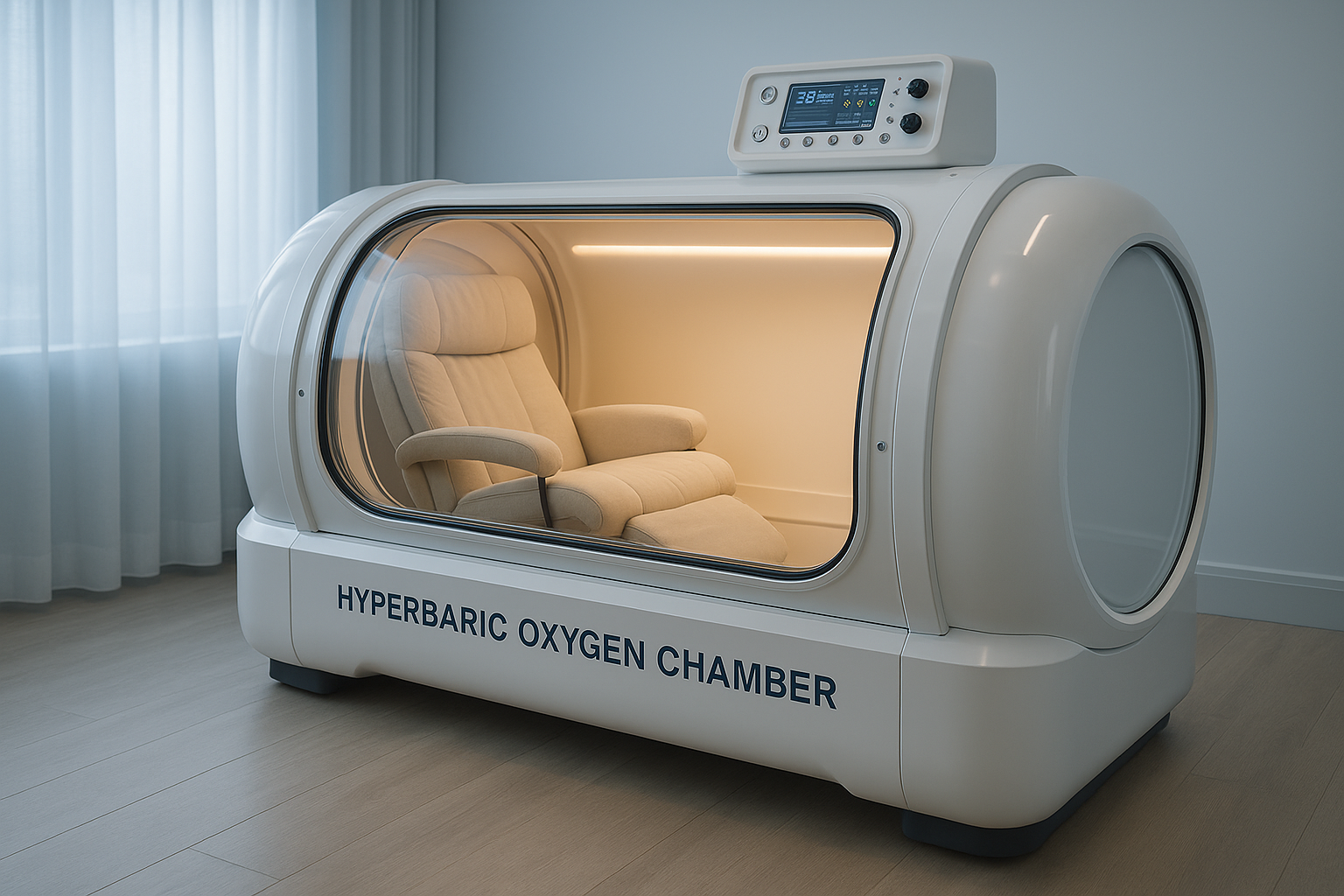
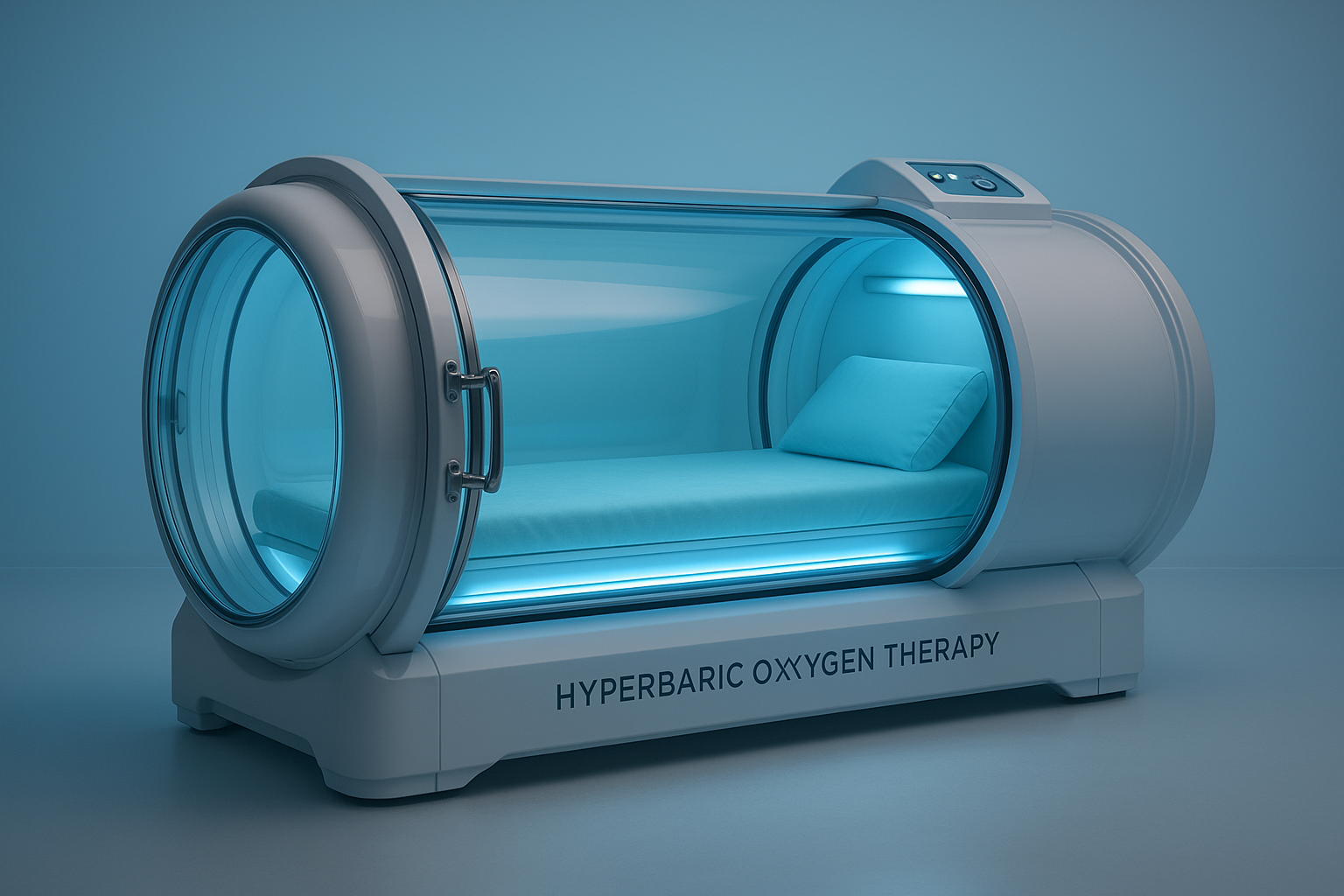
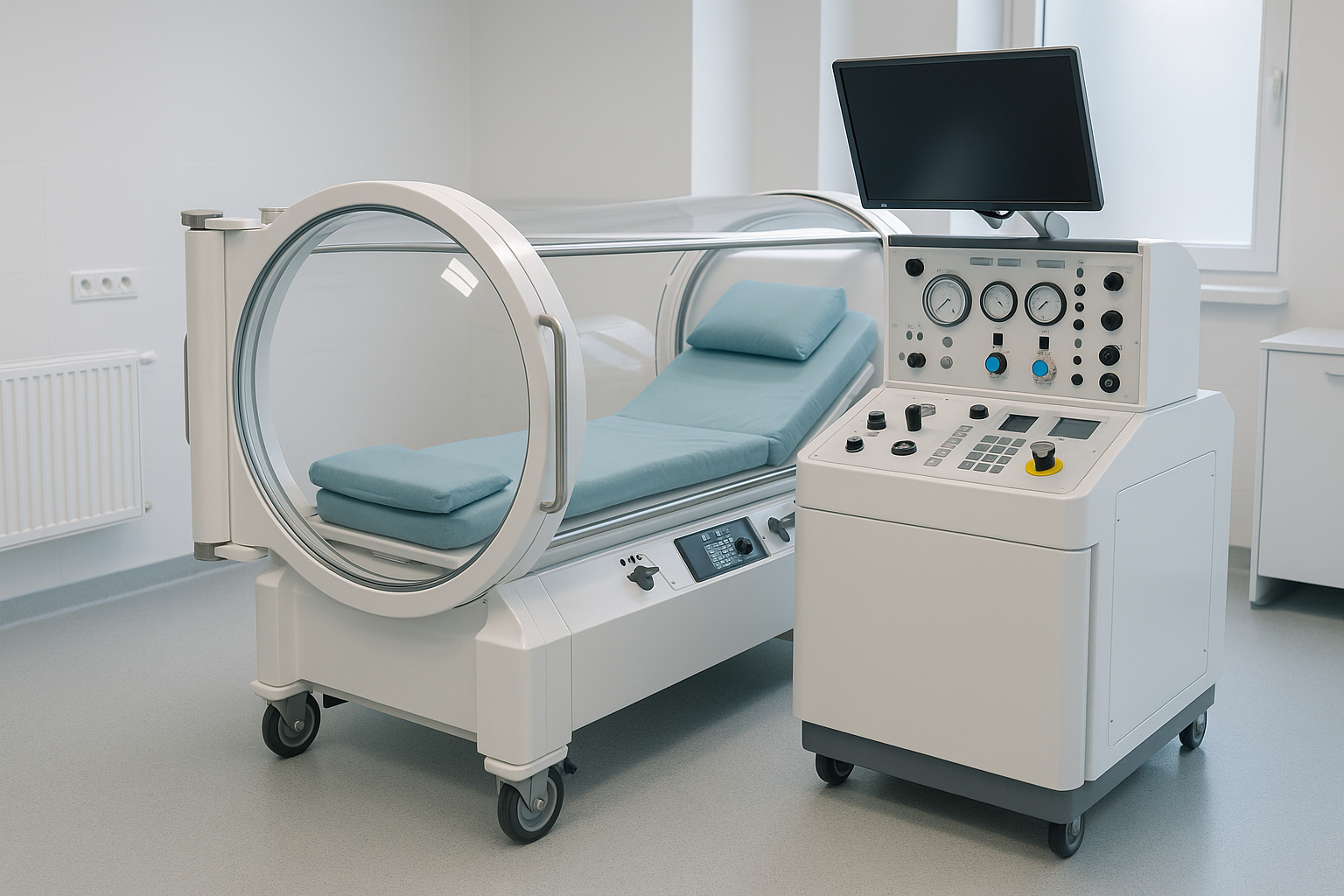
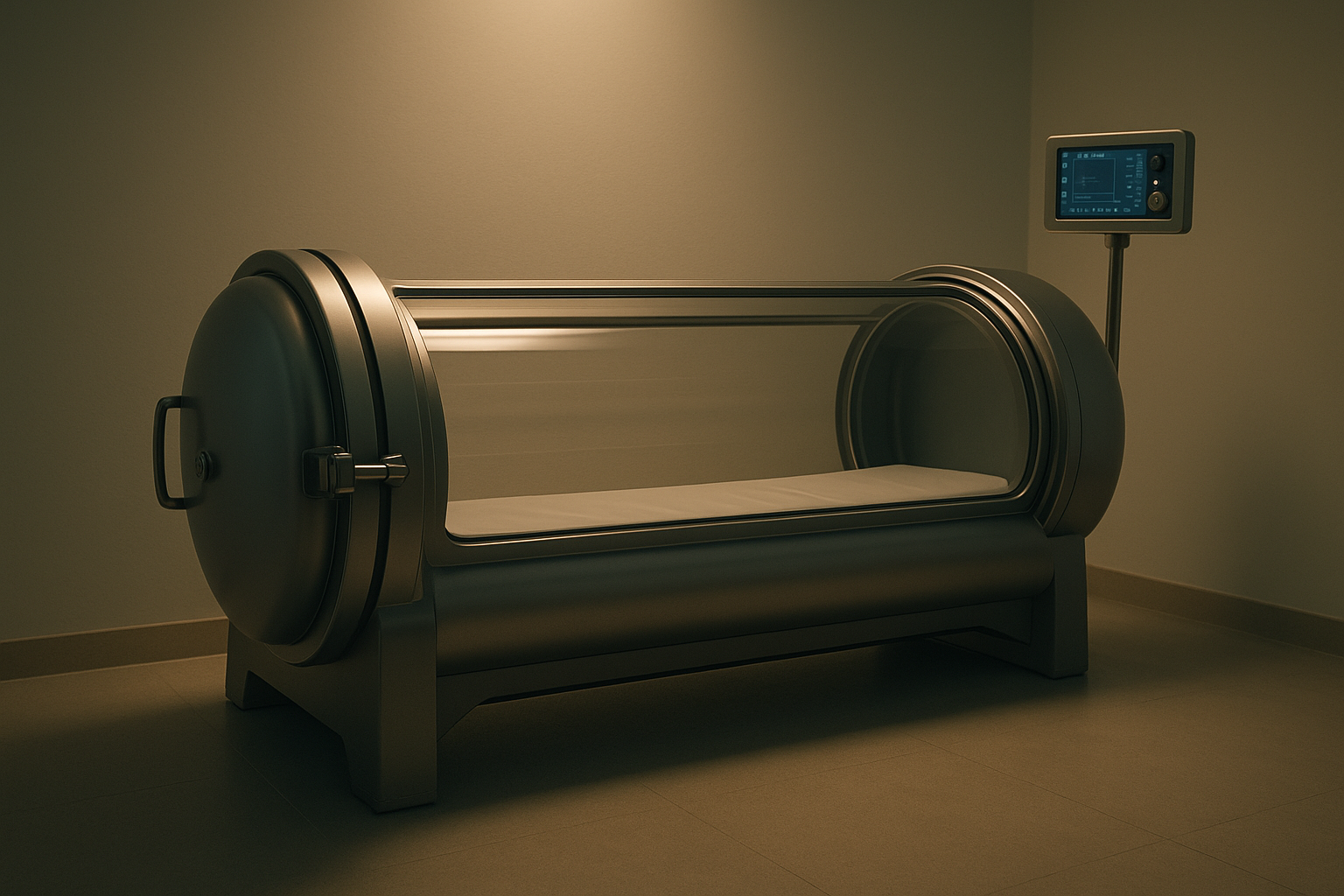
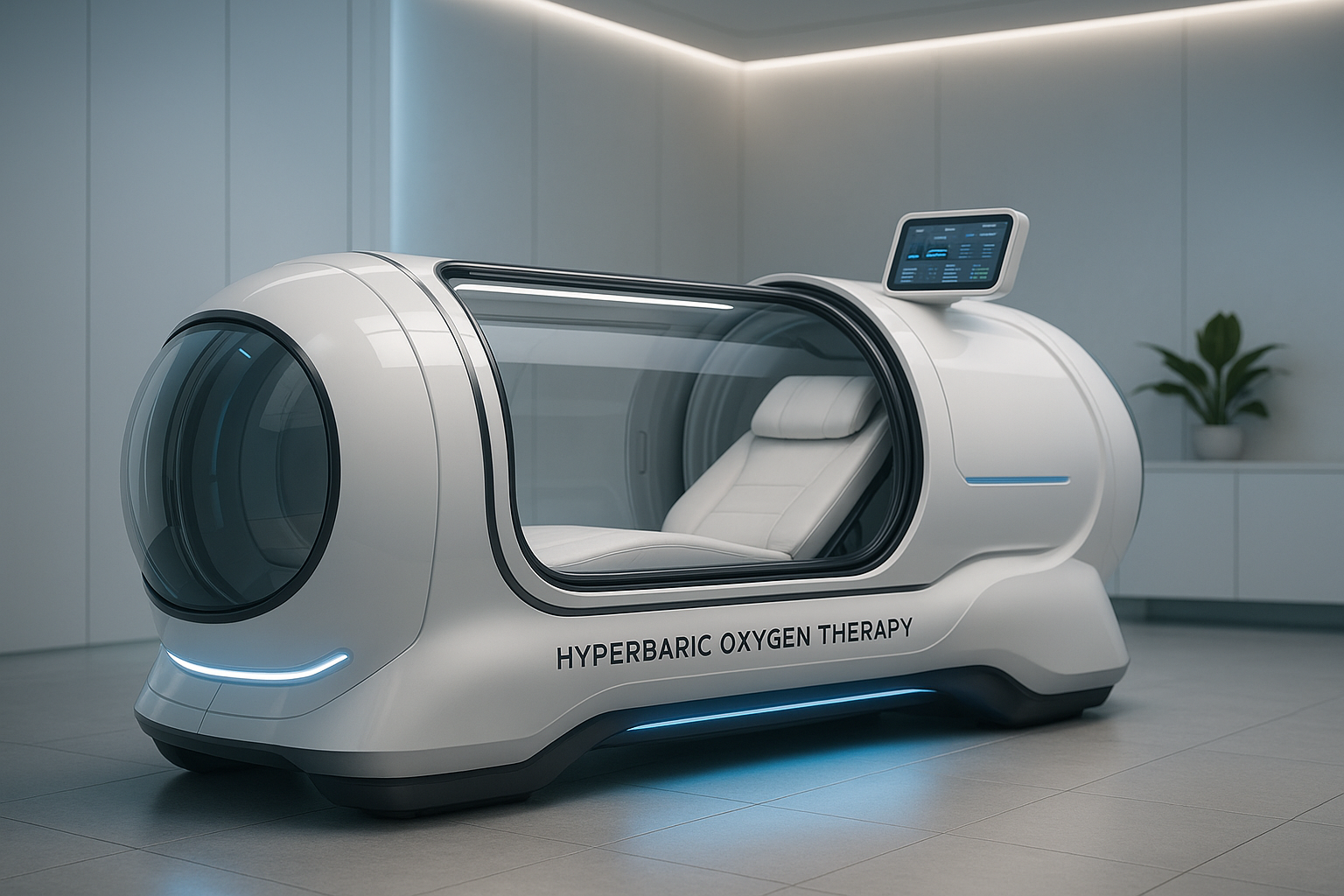
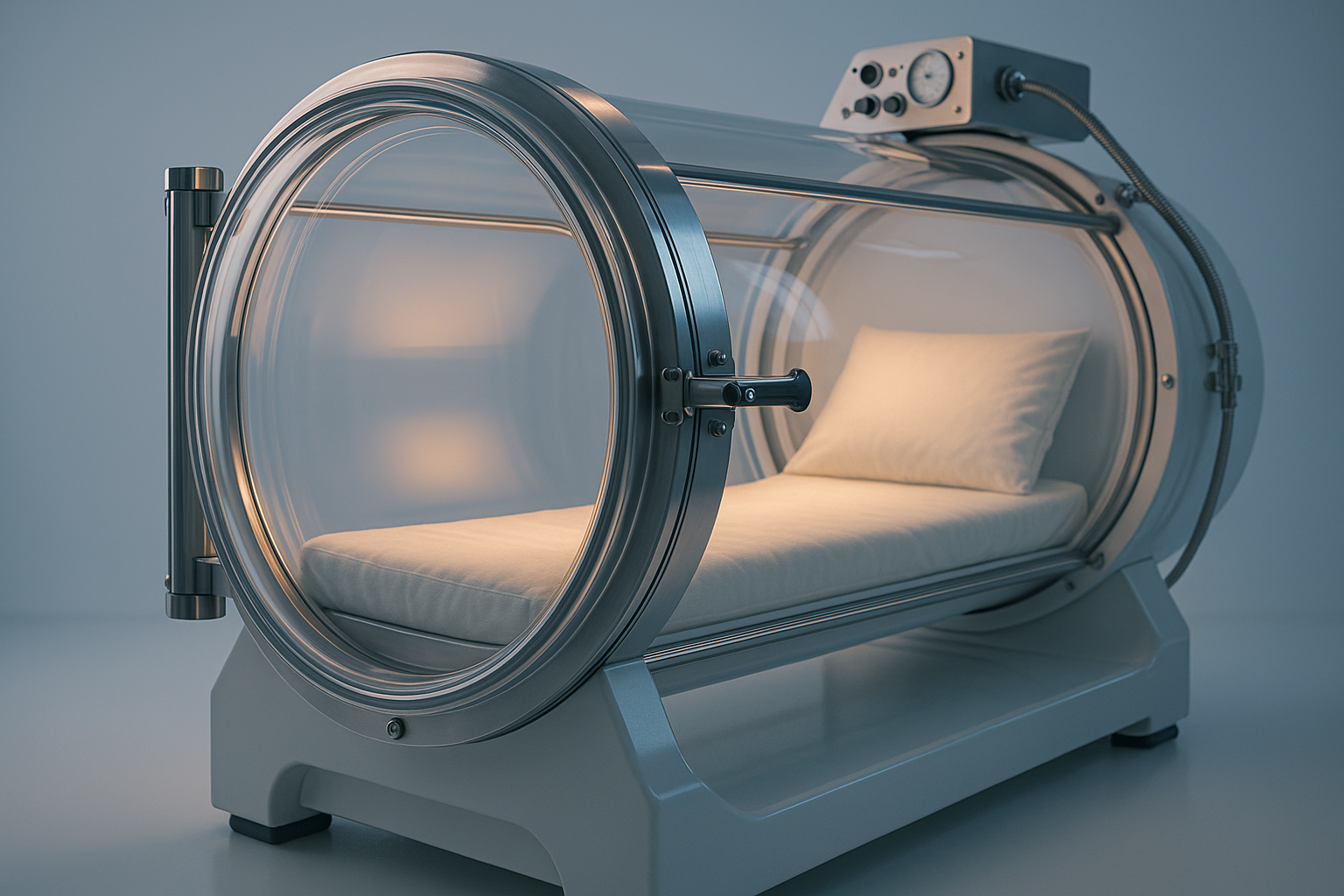
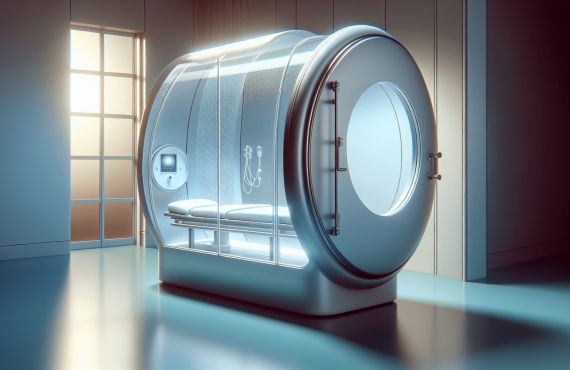
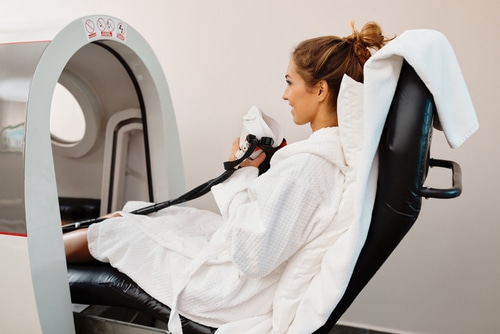
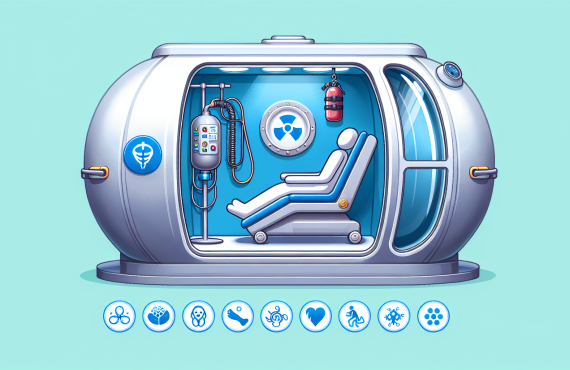
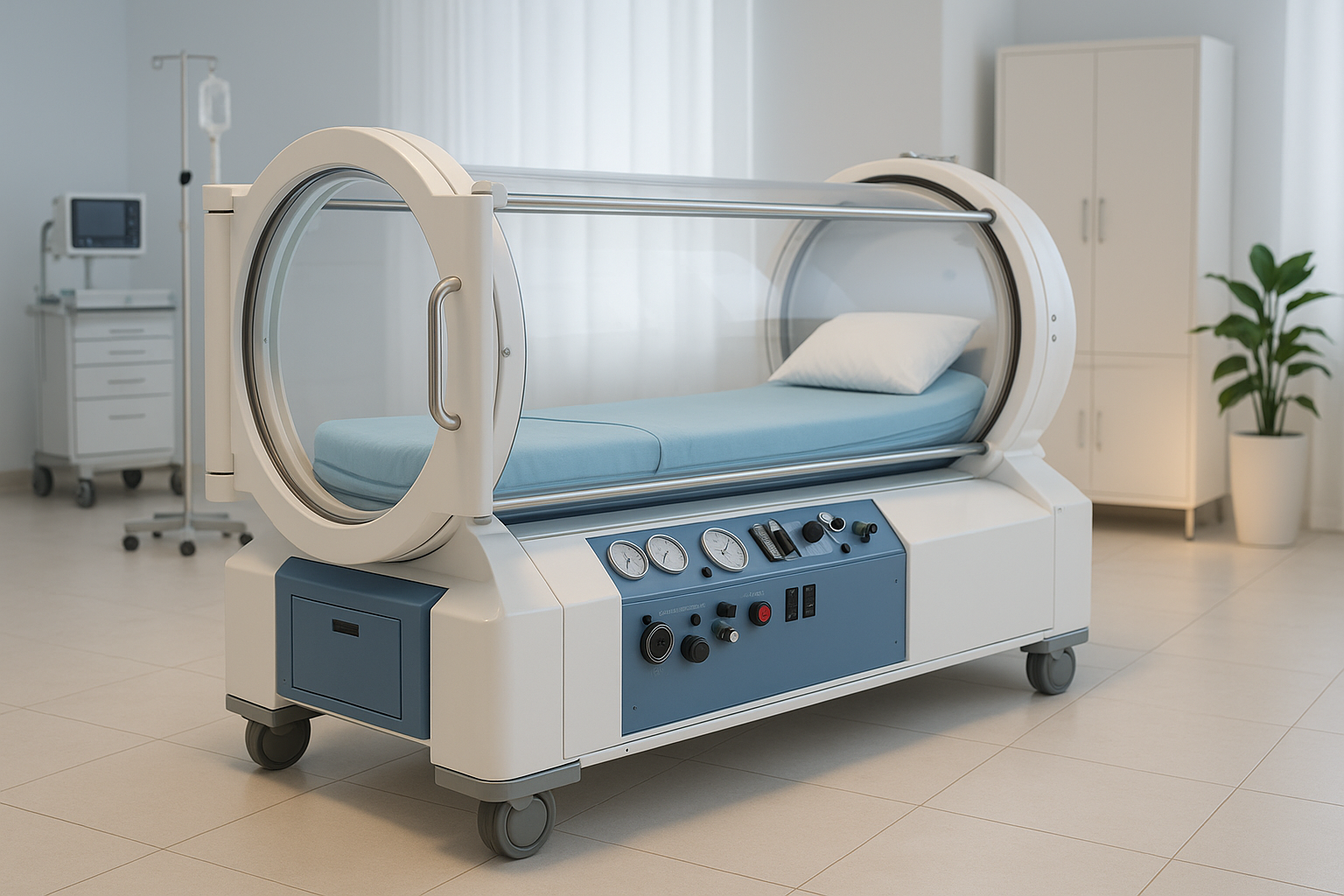
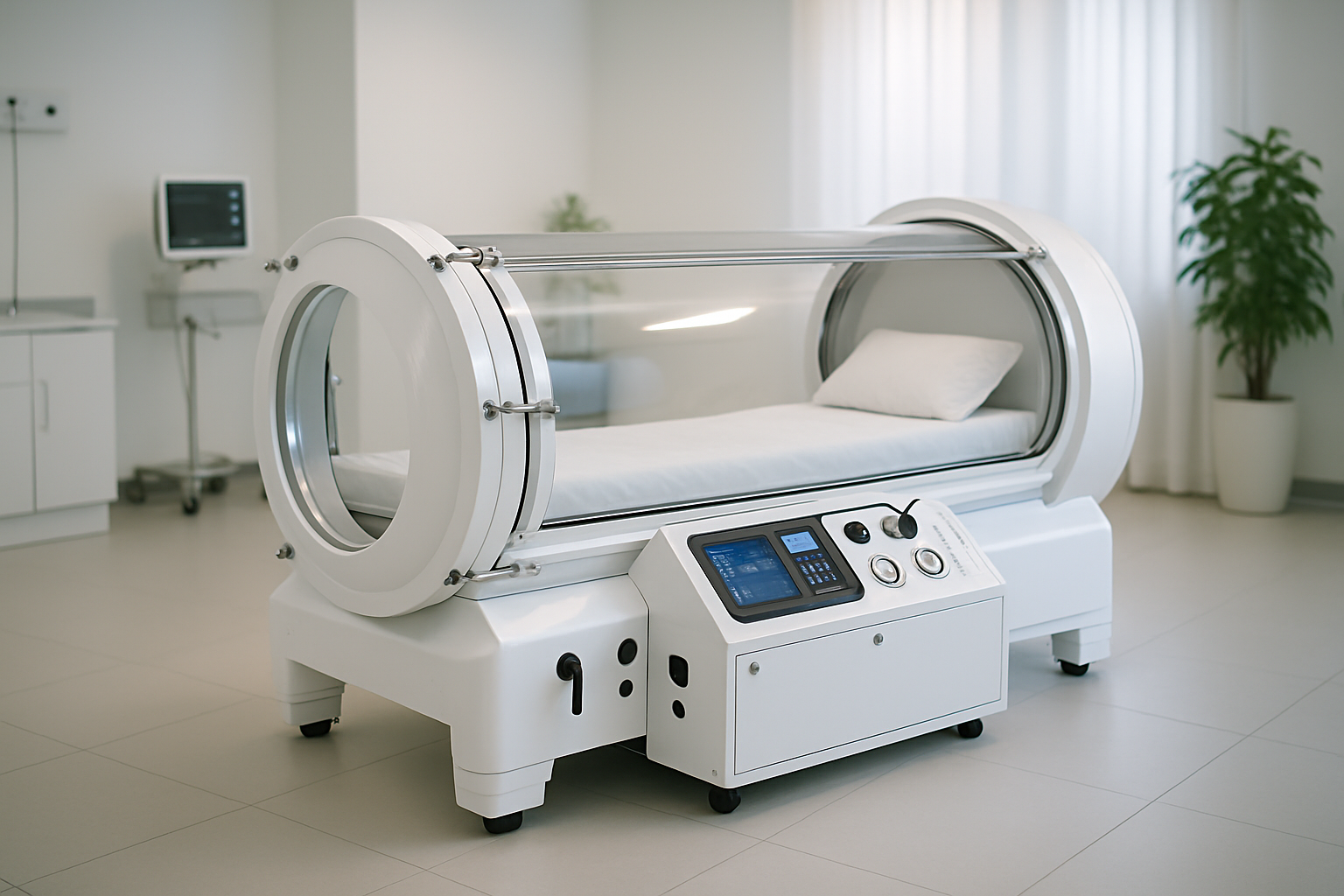
Hyperbaric oxygen therapy is a treatment in which you breathe pure oxygen in a pressurized chamber. Under ordinary conditions, your lungs load oxygen onto red blood cells and send them through the bloodstream with all the ceremony of a city bus route. Under HBOT, pressure increases the amount of oxygen dissolved directly into the plasma, which allows oxygen to reach tissues that may be swollen, poorly perfused, or slow to heal.
The medical basis is straightforward and well documented. The U.S. Food and Drug Administration notes that HBOT is cleared for specific conditions, including decompression sickness, certain non-healing wounds, carbon monoxide poisoning, and radiation injury. Pressure in medical chambers is commonly set around 2.0 to 3.0 atmospheres absolute (ATA), though protocols vary. At those levels, oxygen delivery to tissues rises dramatically compared with breathing room air at sea level.
How many HBOT sessions can you do in a day? Before you can answer that, you have to understand that HBOT isn’t one-size-fits-all. A session for a diabetic wound is not automatically the same as a session for post-exercise recovery or inflammation support. We analyzed current treatment standards and found that frequency is tied not only to diagnosis, but also to chamber pressure, duration, and symptom response.
Henry Chiropractic, located at 1823 N 9th Ave, Pensacola, FL 32503, provides care with this kind of individualized lens. The practice is owned and operated by Dr. Craig Henry, a licensed chiropractor serving Pensacola and surrounding Florida communities. Dr. Aaron Hixon, a Florida native and board-certified chiropractor, also brings a background in exercise science and hands-on rehabilitation methods. That matters because HBOT, when offered as part of a broader recovery plan, works best when someone is paying attention to your whole picture rather than treating you like an oxygen-shaped errand.

The Science Behind HBOT: Oxygen and Healing
The body uses oxygen the way a carpenter uses nails: not glamorous, maybe, but try building anything without it. HBOT raises tissue oxygen levels enough to influence several healing pathways at once. Studies show increased oxygen availability can support angiogenesis, which is the formation of new blood vessels, and improve fibroblast activity, collagen synthesis, and bacterial control in certain wound environments.
According to the National Library of Medicine, hyperoxygenation may reduce edema through vasoconstriction while still delivering more oxygen to tissues. That’s a neat trick, almost unfair. One 2024 review in wound care literature reported improved healing outcomes in selected chronic wound populations when HBOT was added to standard treatment. The Undersea and Hyperbaric Medical Society has long included diabetic lower-extremity wounds among accepted indications, and diabetes remains a major concern: the CDC estimates that 38.4 million Americans have diabetes, or about 11.6% of the U.S. population, based on recent national data from CDC.
How many HBOT sessions can you do in a day? The science suggests that more oxygen can help, but only within a sensible therapeutic frame. We found that the goal isn’t to drown the body in oxygen until it sends a formal complaint. The goal is to create repeated, controlled exposures that stimulate repair without pushing beyond tolerance.
Success rates vary by condition, which is exactly why sweeping claims should be treated the way you’d treat a stranger offering driveway surgery. For example:
- Diabetic foot ulcers: some studies have shown improved healing and reduced amputation risk when HBOT is added to standard care.
- Radiation tissue injury: published evidence supports symptom improvement in selected patients after a course of treatments.
- Decompression sickness and carbon monoxide poisoning: HBOT remains a recognized medical treatment with established emergency use.
Based on our analysis, the strongest benefit tends to appear when HBOT is matched to the right indication, delivered at the right dose, and combined with a broader treatment plan.
How Many HBOT Sessions Can You Do in a Day?
Here’s the answer most reputable providers will give you: for most people, one HBOT session per day is standard; in some cases, two sessions in a day may be used under medical supervision. The phrase worth underlining is under medical supervision. Not because anyone enjoys being stern, but because your condition, pressure level, treatment length, and side effects all matter.
How many HBOT sessions can you do in a day? In routine outpatient care, one session daily is common, often five days per week, over several weeks. Many protocols involve 20 to 40 sessions, and some complex cases go to 60 or more. Emergency conditions are different. In hospital settings, acute issues such as carbon monoxide poisoning or decompression illness may require more than one treatment in a 24-hour period. That’s not a wellness hack; that’s medicine responding to urgency.
At Henry Chiropractic, Dr. Craig Henry emphasizes individualized planning rather than chasing arbitrary numbers. In our experience, patients do best when session frequency is built around recovery markers: sleep, energy, ear comfort, pressure tolerance, symptom change, and the pace of tissue healing. Dr. Aaron Hixon similarly recommends respecting your body’s response. If a patient finishes one session feeling well, recovered, and clinically appropriate for more frequent care, that may shape the schedule. If the same patient has ear pressure issues, unusual fatigue, or anxiety in the chamber, the sensible answer is not to add another session because optimism had a free afternoon.
As of 2026, patient demand for faster results is increasing, but the evidence still supports a measured approach. We recommend asking three direct questions before increasing frequency:
- What condition are we treating?
- What pressure and duration are being used?
- What signs tell us this schedule is helping rather than stressing the body?
That’s the practical answer to How many HBOT sessions can you do in a day?: usually one, sometimes two, and almost never “as many as your calendar can emotionally tolerate.”
Factors Influencing HBOT Session Frequency
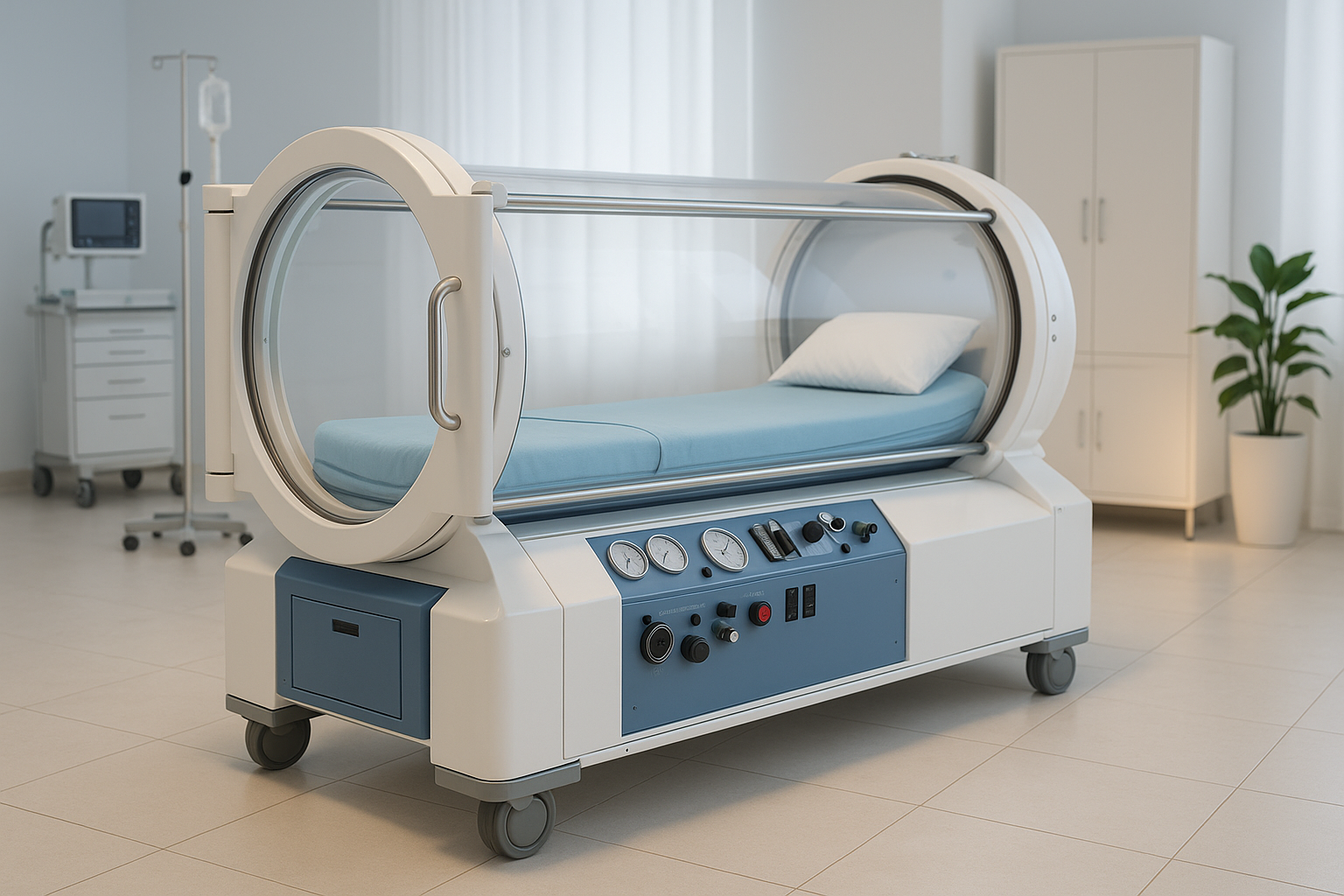
How many HBOT sessions can you do in a day? This is where the answer starts behaving like a relative at Thanksgiving: specific, unpredictable, and impossible to settle with one sentence. Frequency depends first on the medical condition. Someone being treated after radiation tissue injury may follow a very different protocol than someone using HBOT as part of sports recovery or post-surgical support.
Patient-specific variables matter too. Age, weight, lung health, sinus congestion, medication use, claustrophobia, blood sugar control, and overall cardiovascular status can all affect tolerance. A healthy 32-year-old athlete and a 71-year-old with chronic wound healing issues should not be scheduled by the same horoscope. We researched recent clinical discussions and found a clear theme: tolerance, not enthusiasm, should guide frequency.
Emerging 2026 discussions around HBOT dosing continue to focus on precision. Several recent reviews have explored how pressure, duration, and spacing influence outcomes, especially in neurological recovery and wound care. While not every 2026 study agrees on ideal intensity, the trend is toward individualized dosing rather than blanket protocols. That’s good medicine and, frankly, a relief.
Key factors that influence session frequency include:
- Diagnosis: acute emergency care may justify more than one session in a day.
- Pressure level: higher ATA may require more caution and recovery time.
- Session length: 60-minute dives differ from 120-minute protocols.
- Ear and sinus tolerance: barotrauma risk rises when equalization is poor.
- Overall recovery load: surgery, injury, sleep debt, and stress all matter.
Based on our research, the safest schedule is the one that improves healing while keeping side effects minimal. That sounds almost disappointingly reasonable, which is usually a sign it’s true.
Potential Risks and Side Effects
If you ask How many HBOT sessions can you do in a day? without asking about risk, that’s a little like shopping for a ladder based only on height. HBOT is generally well tolerated, but it is still a medical treatment, not a scented candle with aspirations. The most common side effects are ear discomfort, sinus pressure, temporary vision changes, and fatigue. According to the FDA and major hyperbaric references, middle ear barotrauma is among the most frequent complications because pressure changes stress the ears if equalization is difficult.
Rare but serious risks include oxygen toxicity seizures, pulmonary barotrauma, and worsening of untreated pneumothorax. The Mayo Clinic notes that most complications are uncommon when treatment is properly supervised, but that supervision is doing a lot of work in that sentence. Smoking, fever, upper respiratory congestion, and certain medications may affect safety or results. So can poor chamber screening.
Safety precautions should include:
- Pre-treatment assessment for lung issues, ear problems, medications, and contraindications.
- Clear instructions on equalizing ear pressure during compression.
- Strict chamber rules on clothing, electronics, and flammable products.
- Monitoring during treatment for anxiety, discomfort, or unusual symptoms.
For authoritative reading, review FDA guidance, NCBI StatPearls, and Mayo Clinic. We recommend treating frequency decisions with the same seriousness as the therapy itself. More sessions are not inherently better if your ears, lungs, or nervous system are waving little white flags.
Real-World Examples: HBOT in Practice
Theory is lovely, but people usually want stories. They want to know what happens when a real person with a real knee, or wound, or nagging post-injury fog, actually climbs into the chamber and waits. At Henry Chiropractic, treatment plans are built around the patient in front of the provider, not a generic flowchart pretending to know your life.
Consider a post-surgical recovery case: a patient managing swelling and delayed soft-tissue healing after an orthopedic procedure may begin with one session per day, five days per week. Over several weeks, the patient reports reduced swelling, easier mobility, and less end-of-day pain. In our experience, this kind of steady protocol often outperforms the impatient wish for double sessions right out of the gate, because consistency beats bravado.
Another example is a patient with chronic inflammation and musculoskeletal strain who is also receiving chiropractic care. After a coordinated plan involving spinal support, soft tissue work, and HBOT, improvements may include better sleep, less stiffness, and faster recovery after activity. We found that patients often describe the benefit in practical language rather than scientific poetry: “I got out of bed and didn’t make that old-man noise,” which, medically speaking, is progress.
Henry Chiropractic patients have also shared that what they value most is clarity. They want someone to say, plainly, whether How many HBOT sessions can you do in a day? means one, two, or “not for you right now.” Specific outcomes vary, but the best stories have a pattern:
- Measured scheduling instead of aggressive overbooking
- Better tolerance when sessions are spaced appropriately
- Stronger results when HBOT is paired with a broader recovery plan
That last point matters more than the internet tends to admit.
How to Prepare for Your HBOT Sessions
If you prepare well for HBOT, the session tends to go more smoothly. If you don’t, you may spend part of it wondering why no one told you a stuffy nose could feel like a tiny committee hammering inside your face. Dr. Aaron Hixon recommends treating preparation as part of the therapy, not an optional prelude.
Here’s a practical step-by-step guide:
- Confirm your medical history with your provider, including medications, sinus congestion, asthma history, and any recent illness.
- Avoid arriving congested. If you can’t clear your ears well on land, pressure changes in a chamber may be uncomfortable.
- Eat a light meal beforehand unless your provider tells you otherwise. Going in overly hungry or overly full can make the session harder.
- Wear approved clothing and skip petroleum-based products, hairspray, perfumes, and other restricted items.
- Hydrate normally, but don’t overdo caffeine before treatment.
- Practice ear clearing methods such as swallowing or gentle Valsalva techniques.
During the session, you’ll usually feel pressure changes in your ears during compression, much like descending in an airplane, only with less luggage and more purpose. Afterward, some people feel relaxed; others feel mildly tired. Temporary fatigue doesn’t necessarily mean anything is wrong. Based on our analysis, it often reflects the body adapting to treatment, especially early in a care plan.
How many HBOT sessions can you do in a day? Preparation helps answer that question because tolerance is easier to judge when each session starts on solid footing. We recommend keeping a simple symptom log after each visit: energy, pain, ear comfort, sleep, and any unusual sensations. Patterns tell the truth better than memory does.
HBOT and Chiropractic Care: A Perfect Pair
HBOT and chiropractic care make sense together for the same reason soup and winter do: each helps with what the other alone can’t fully solve. HBOT may support oxygen delivery, tissue recovery, and inflammation control, while chiropractic care focuses on movement, alignment, neuromuscular function, and mechanical stress. One addresses the healing environment; the other addresses the structure living in it.
At Henry Chiropractic, this pairing is especially relevant for patients dealing with neck pain, back pain, soft tissue strain, sports recovery, and post-injury healing. Dr. Craig Henry has long focused on improving health and wellness in practical terms: helping people move better, hurt less, and wake up without feeling as though they slept folded in a drawer. Dr. Aaron Hixon adds training in techniques such as Diversified, Gonstead spinal manipulation, IASTM, and myofascial release, which can complement a recovery strategy supported by HBOT.
We analyzed how combined care tends to help patients and found three recurring benefits:
- Reduced inflammation and soreness, making manual care easier to tolerate
- Improved recovery between visits, especially for active patients
- Better functional progress when tissue healing and biomechanics are addressed together
How many HBOT sessions can you do in a day? When HBOT is combined with chiropractic care, the answer should still be conservative and personalized. The point is not to stuff the week with appointments until healing gets stage fright. The point is to create a coordinated plan that respects the body’s timing. In 2026, patients increasingly want integrated care, and the best clinics are the ones that can explain not only what to do, but why.
Frequently Asked Questions about HBOT
People bring excellent questions to HBOT, along with a few that sound as though they were assembled in a panic at 2:00 a.m. That’s normal. What matters is getting clear, medically grounded answers.
How many HBOT sessions can you do in a day? Usually one, sometimes two if a provider determines it’s appropriate and safe. The right number depends on your diagnosis, treatment goals, and how well you tolerate pressure and oxygen exposure.
How long does each treatment course last? Many care plans run from 20 to 40 sessions, though some conditions require fewer and others more. Acute medical cases may be treated on a tighter schedule than wellness or recovery-focused plans.
Can HBOT be done every day? Yes, daily HBOT is common in structured protocols, often five days per week. Daily does not automatically mean multiple sessions in one day.
Is HBOT covered by insurance? It can be, particularly for approved medical indications. Coverage depends on diagnosis, documentation, and your insurer’s policy.
When do people notice results? Some notice changes in swelling, recovery, or energy within the first several sessions, while tissue healing often takes longer. We recommend judging progress over a series, not a single visit, because the body rarely performs on command just because you’re watching.
Breathing New Life with HBOT
If you came here asking How many HBOT sessions can you do in a day?, the most honest answer is this: usually one, sometimes two, and always according to your condition, tolerance, and provider guidance. That answer may lack the thrill of a miracle headline, but it has the superior quality of being useful.
Based on our research, the smartest next steps are simple:
- Get evaluated for your specific condition rather than copying someone else’s protocol.
- Ask about pressure, session length, and total treatment course, not just daily frequency.
- Track your response so decisions are based on evidence, not guesswork.
- Consider integrated care if you’re also dealing with pain, mobility limits, or post-injury dysfunction.
We recommend speaking directly with the team at Henry Chiropractic for personalized guidance. You can reach them at 1823 N 9th Ave, Pensacola, FL 32503, call (850) 435-7777, or visit Henry Chiropractic. Dr. Craig Henry and Dr. Aaron Hixon can help you understand whether HBOT makes sense for your goals and what a safe schedule could look like.
Oxygen has a way of sounding simple until you realize how much of healing depends on it. Then it begins to feel less like air and more like opportunity, carefully measured, properly timed, and far too valuable to waste on guesswork.

Frequently Asked Questions
How long does each HBOT session last?
Most HBOT sessions last between 60 and 120 minutes, depending on the pressure used, your diagnosis, and the clinic protocol. Many outpatient centers schedule a 90-minute session plus time for compression and decompression, so you should plan for closer to 2 hours door to door.
Can HBOT be done at home?
Home chambers exist, but they are not the same as medically supervised HBOT used for approved conditions. We recommend that you talk with a licensed provider first, because pressure level, oxygen delivery, and safety monitoring matter a great deal.
Is HBOT covered by insurance?
Insurance may cover HBOT for certain approved medical conditions such as diabetic foot ulcers, radiation tissue injury, carbon monoxide poisoning, and decompression sickness. Coverage varies by plan, so Henry Chiropractic can help you understand what questions to ask before you start.
What conditions can HBOT effectively treat?
HBOT is used for a defined list of conditions in conventional medicine, and many clinics also use it as part of recovery plans for inflammation, soft tissue healing, and wellness support. Common reasons include wound healing, post-surgical recovery, sports injuries, and circulation-related tissue stress.
How soon can results be expected?
Some people notice changes after 1 to 5 treatments, especially in energy, swelling, or discomfort, while tissue-level healing often takes a longer series. If you’re asking How many HBOT sessions can you do in a day?, the better question is often how many sessions your condition actually needs over several weeks.
Key Takeaways
- For most patients, one HBOT session per day is standard; two sessions may be appropriate in select supervised cases.
- The right HBOT frequency depends on your diagnosis, pressure level, treatment duration, and individual tolerance.
- HBOT works best as part of a personalized care plan, especially when paired with chiropractic and recovery-focused treatment.
- Safety matters: ear pressure issues, fatigue, and contraindications should always be reviewed before increasing session frequency.
- Henry Chiropractic in Pensacola can help you determine a safe, effective HBOT schedule tailored to your needs.