
Table of Contents
Can You Live a Normal Life on Oxygen? The Essential Guide
Meta description: Discover if you can live a normal life on oxygen. Explore therapy types, daily tips, and expert insights to maintain a fulfilling life.

Introduction: Breathing Life into Normalcy
Can you live a normal life on oxygen? Yes, often you can, though “normal” may need a bit of tailoring, like a suit altered by a relative who means well but owns only one pin. Most people asking this question have one fear tucked under all the others: Will oxygen take over my identity? Will you become “the person with the tubing,” the one everyone watches as if you might float away like a parade balloon?
Based on our research, the better question is not whether life ends when oxygen therapy begins. It’s how life changes, what improves, what becomes inconvenient, and what practical steps help you keep your routines, relationships, and independence. That’s where things get useful. We found that oxygen therapy can reduce shortness of breath, improve sleep in some patients, and help protect organs from chronic low oxygen levels when used correctly.
This matters because chronic lung disease is common. The CDC reports that chronic obstructive pulmonary disease, or COPD, affects millions of adults in the United States. Low blood oxygen can also occur with interstitial lung disease, severe asthma, pneumonia recovery, heart failure, and sleep-related breathing disorders. As of 2026, home oxygen technology is smaller, quieter, and more travel-friendly than it was even five years ago.
You’ll also see where expert support fits in. Dr. Craig Henry and Dr. Aaron Hixon at Henry Chiropractic in Pensacola work with patients trying to move better, breathe easier, and preserve quality of life rather than surrender it. That distinction matters. One path feels like a sentence. The other feels like a plan.
Understanding Life on Oxygen Therapy
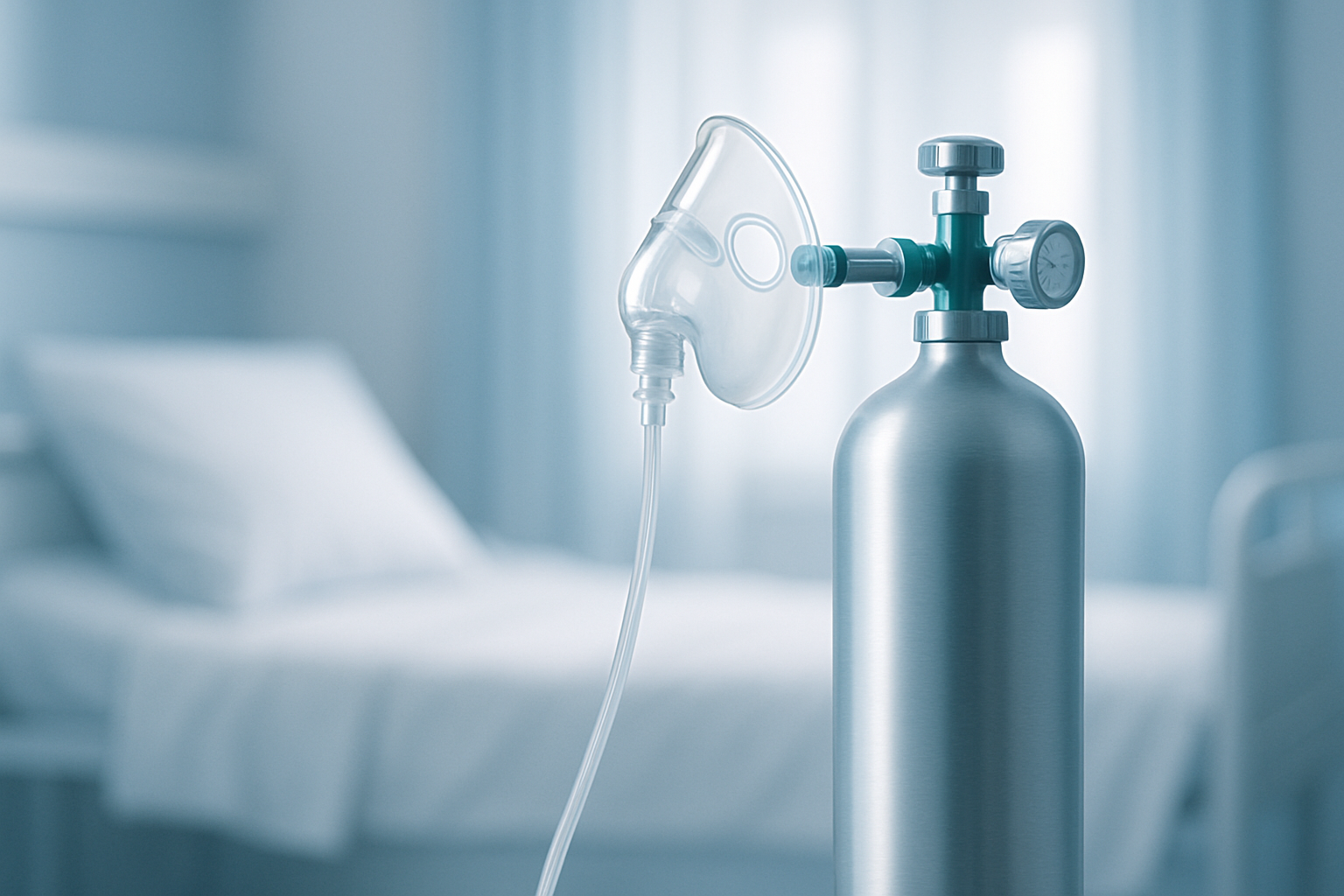
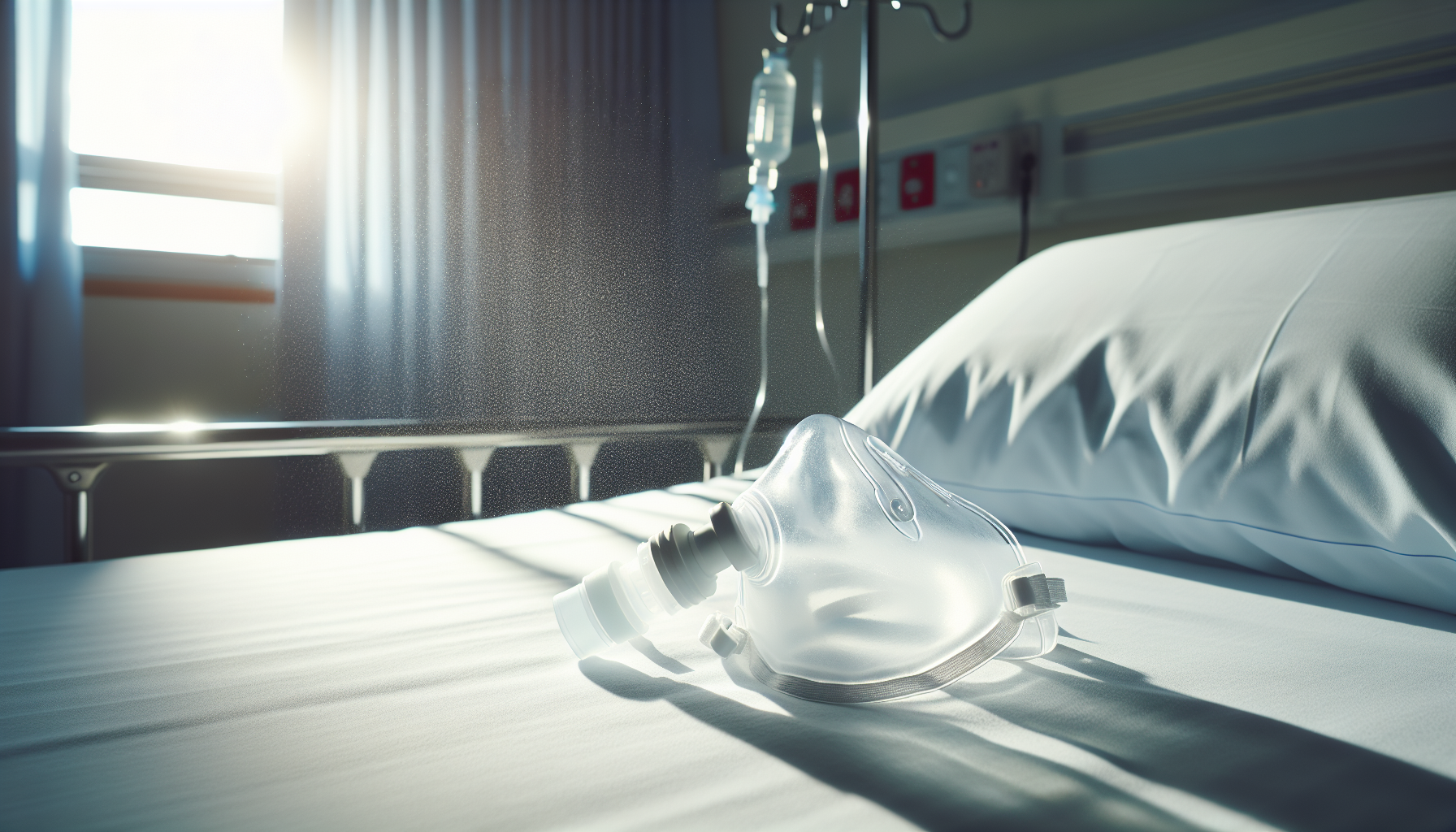
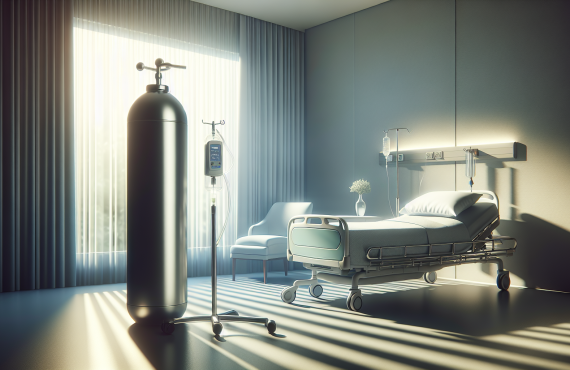
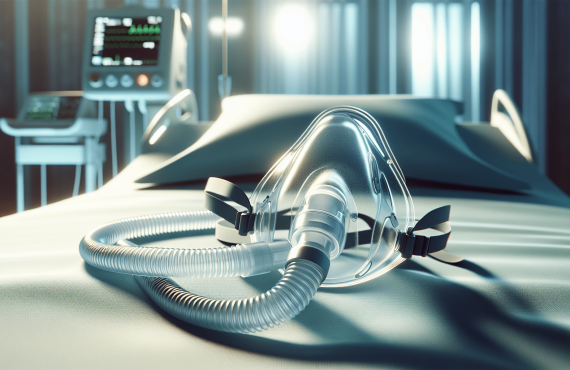
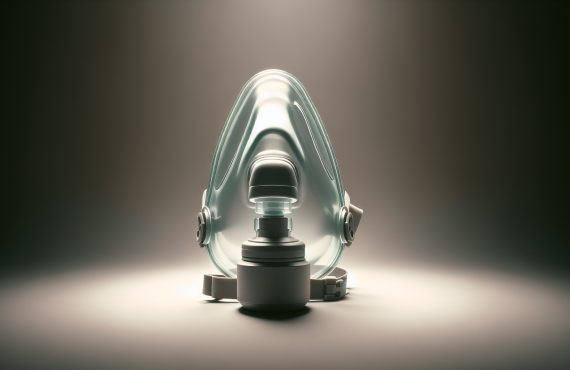
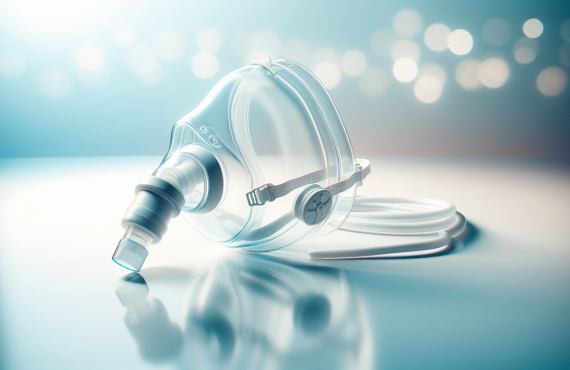
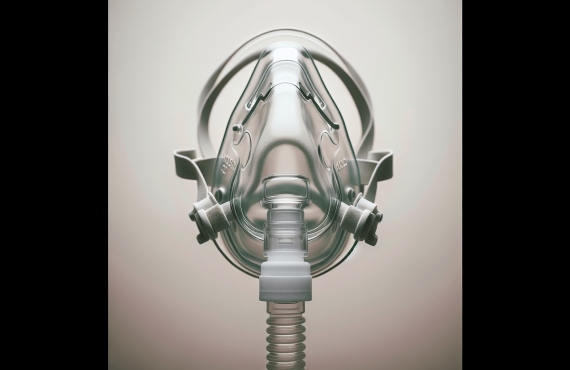
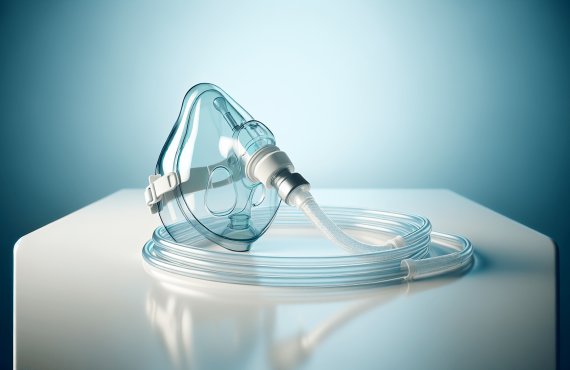
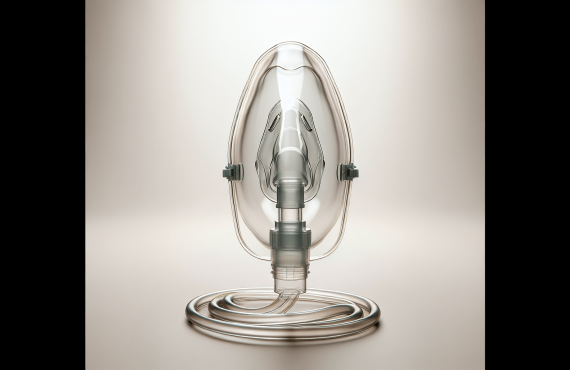
Oxygen therapy is the medical use of supplemental oxygen to raise the amount of oxygen available in your blood and tissues. It is commonly prescribed when your oxygen saturation falls below safe targets, often measured by pulse oximetry or arterial blood gas testing. The usual reasons include COPD, pulmonary fibrosis, emphysema, severe pneumonia recovery, and some heart conditions. If you’ve asked, Can you live a normal life on oxygen? this is where the answer starts: oxygen is not a punishment. It’s a tool.
The Mayo Clinic explains that oxygen therapy can improve energy, sleep, mental alertness, and survival in certain patients with chronically low oxygen. WebMD notes that oxygen may be used continuously, during activity, or only during sleep. According to a frequently cited analysis in respiratory medicine, more than 1.5 million Americans use supplemental oxygen, and global need continues to rise as populations age. In 2026, industry estimates place the worldwide oxygen therapy market above $4 billion, a sign not of panic but of scale.
We analyzed current clinical guidance and found three points readers tend to miss:
- Prescription matters: too little oxygen may leave you symptomatic; too much can also be risky for some patients.
- Usage patterns differ: some people need it while walking, others only at night.
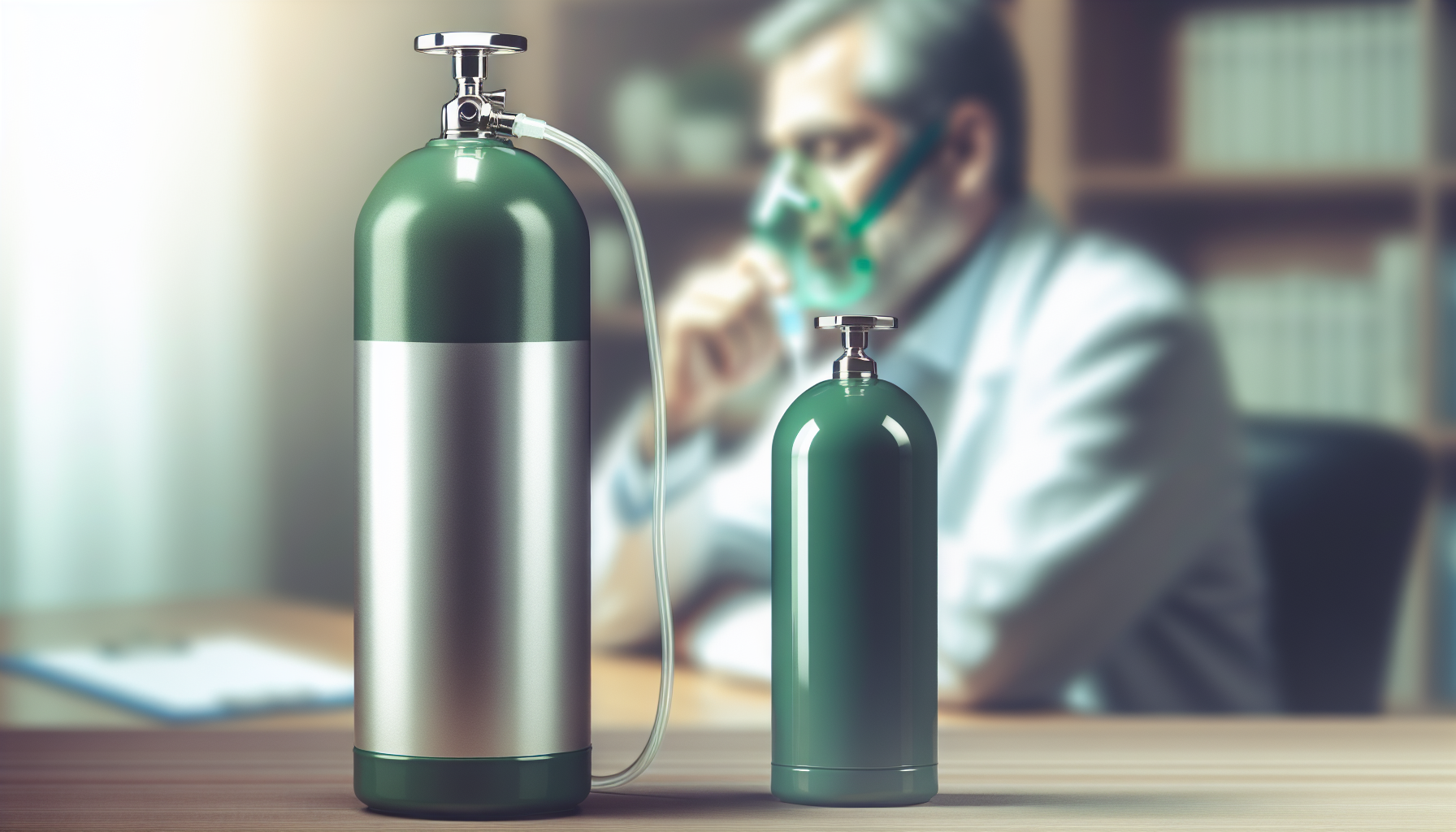
- Equipment choice changes daily life: tanks, stationary concentrators, and portable concentrators each have tradeoffs.
The practical takeaway is simple. Use the oxygen exactly as prescribed, track your symptoms, and ask for reassessment when your routine changes. A person who needs oxygen at rest has different needs than someone who desaturates only when climbing stairs or carrying groceries that seemed, at the store, emotionally reasonable.

Hyperbaric Oxygen Therapy: A Deeper Dive
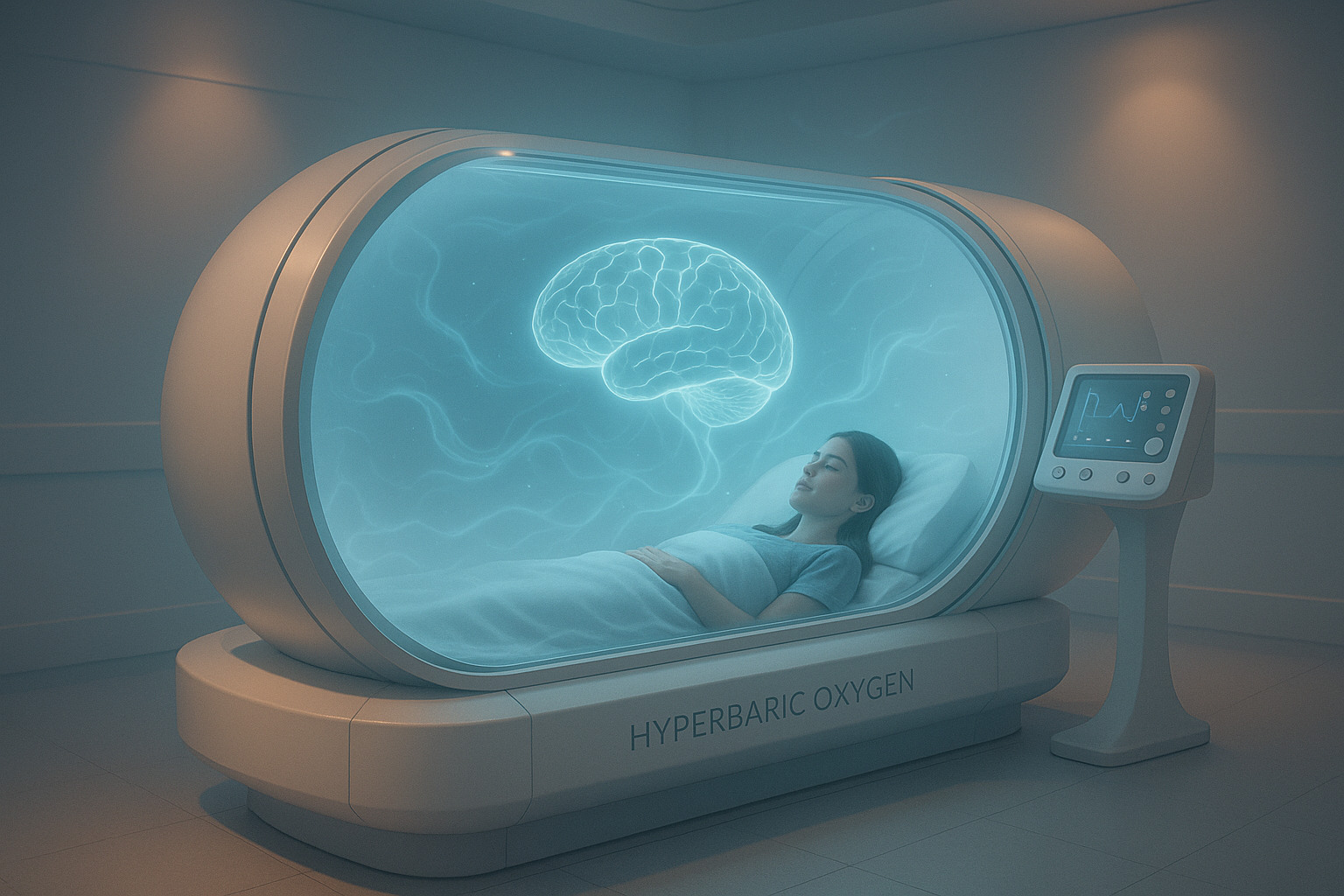
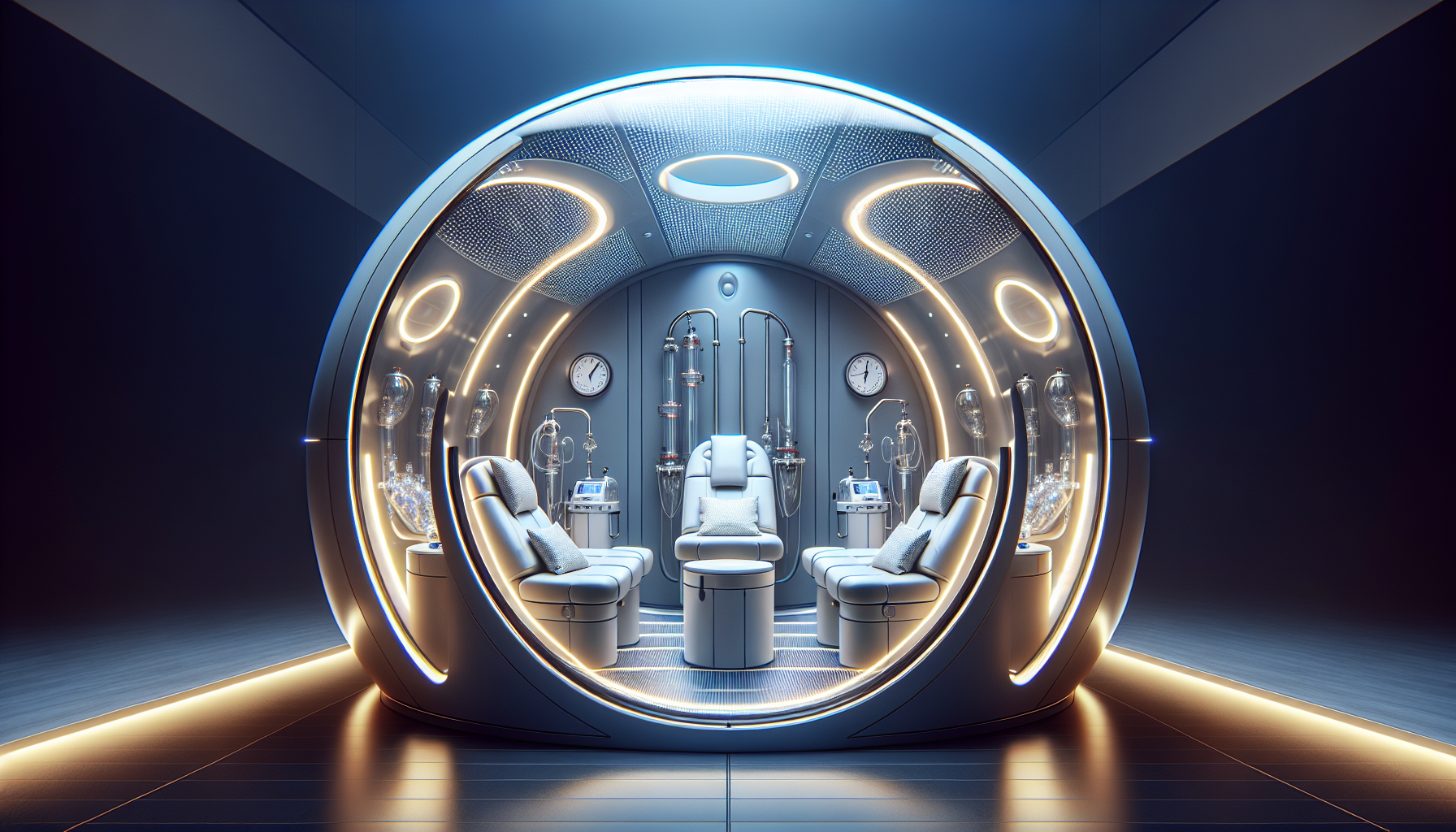
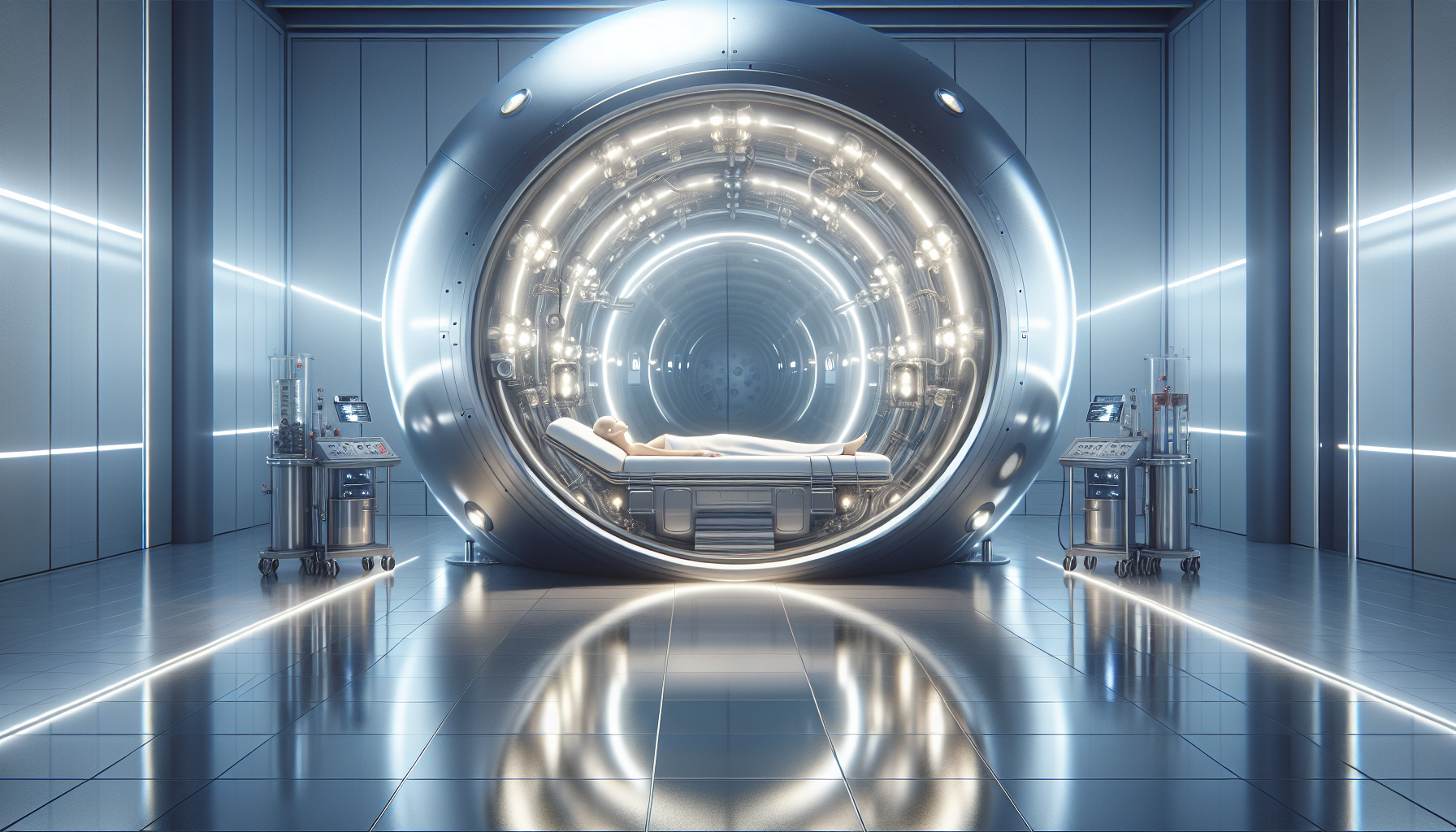
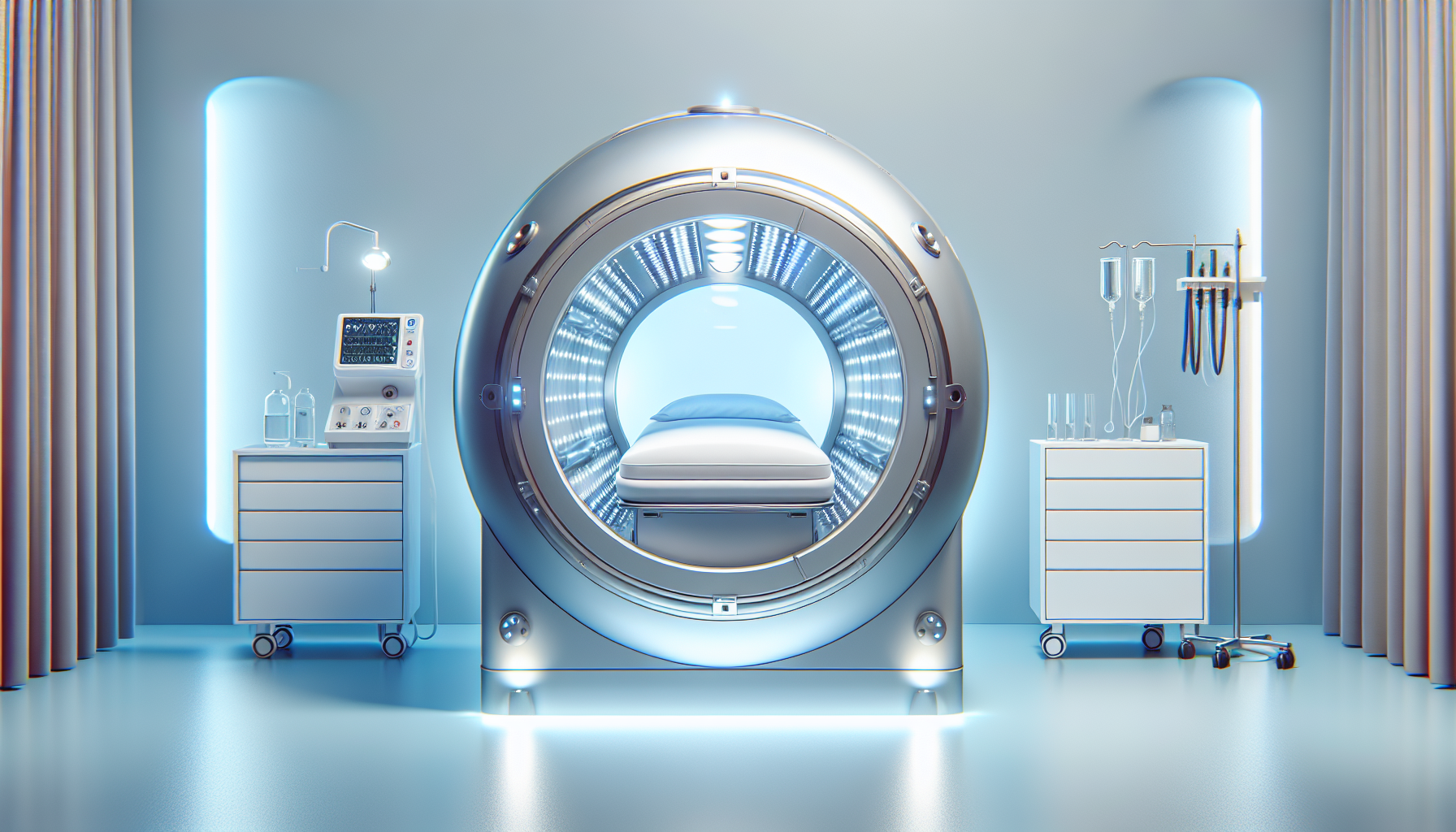
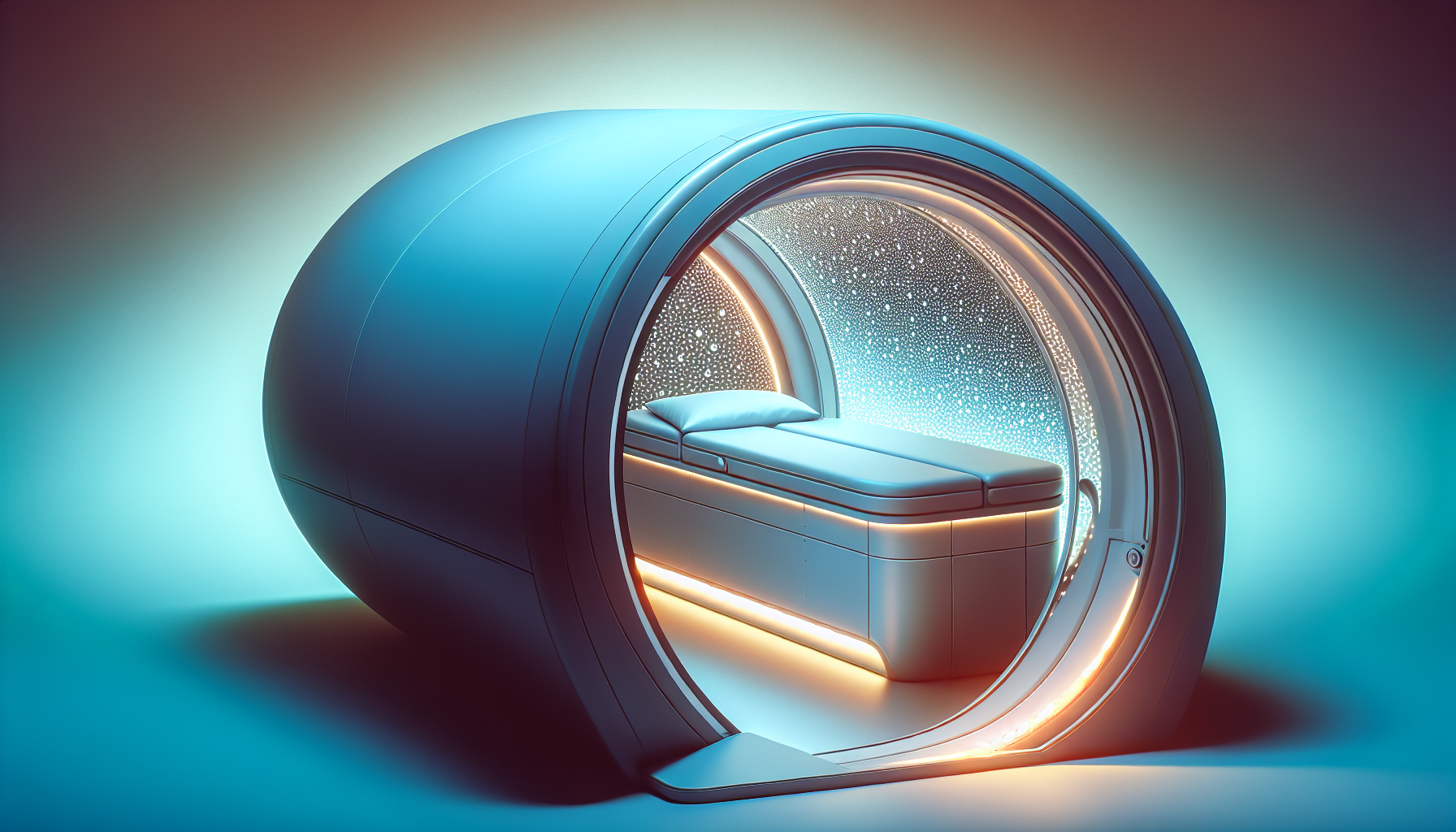
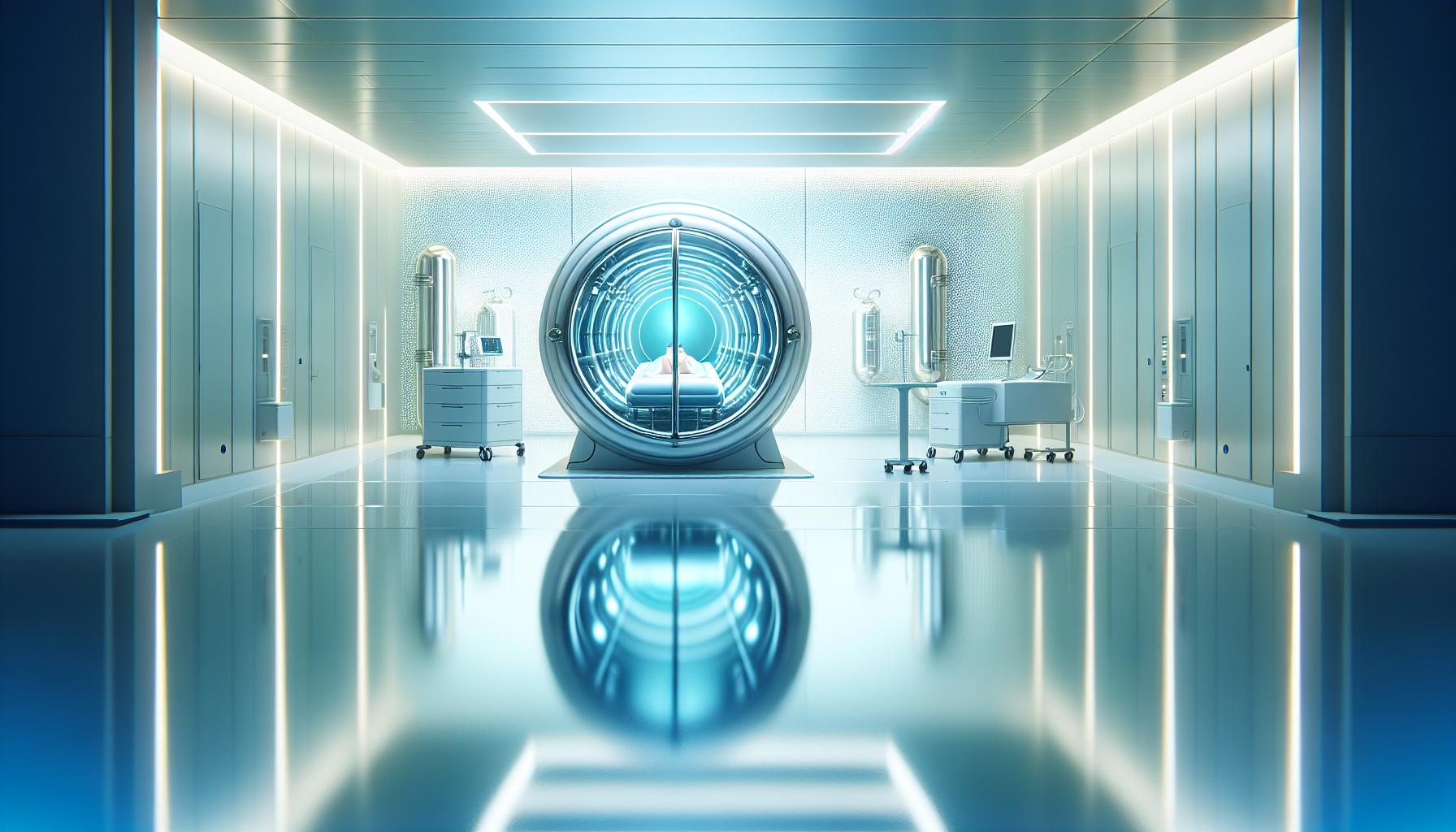
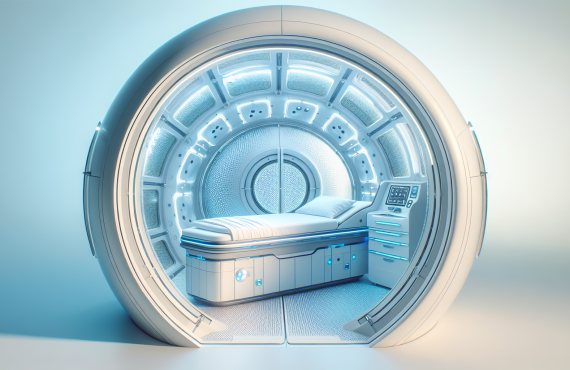
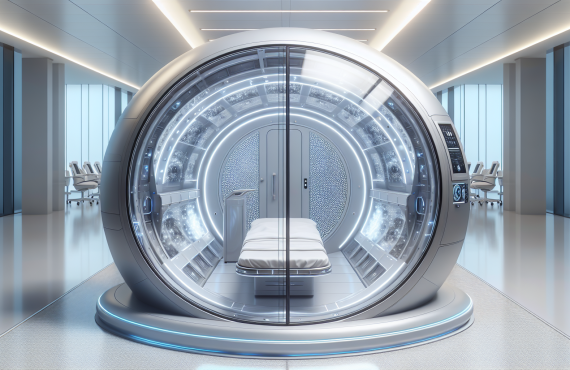
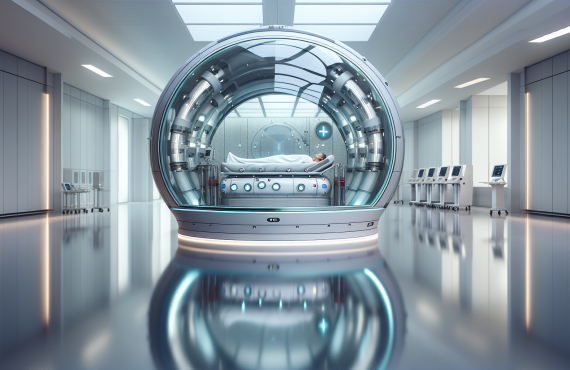
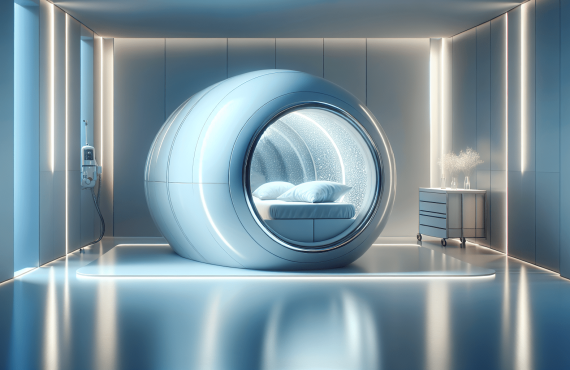
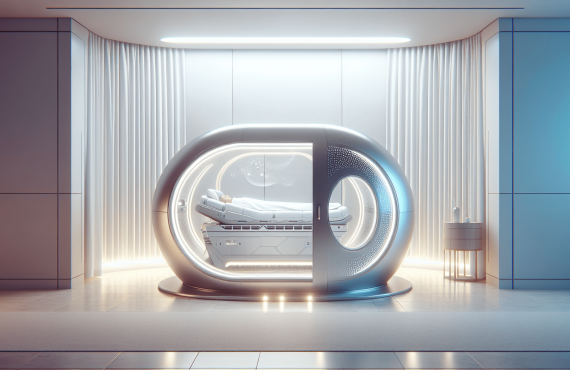
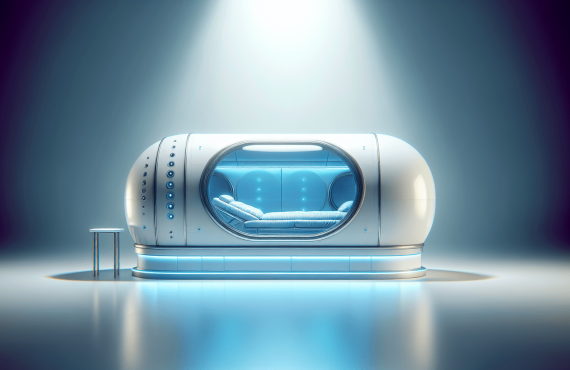
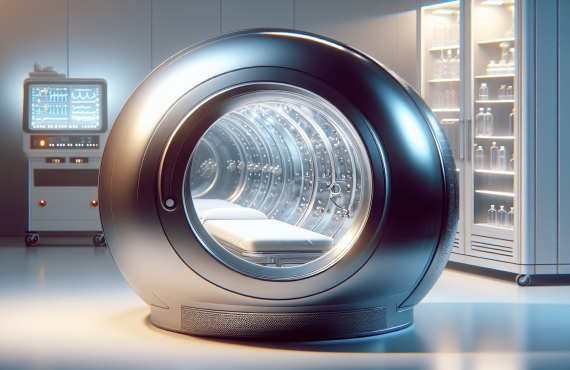
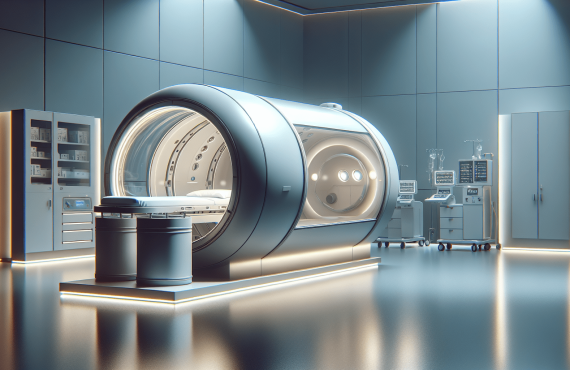
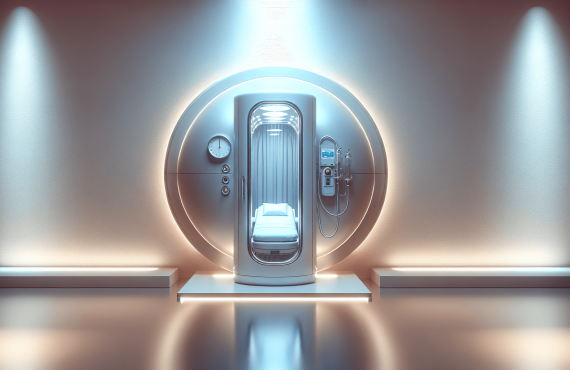
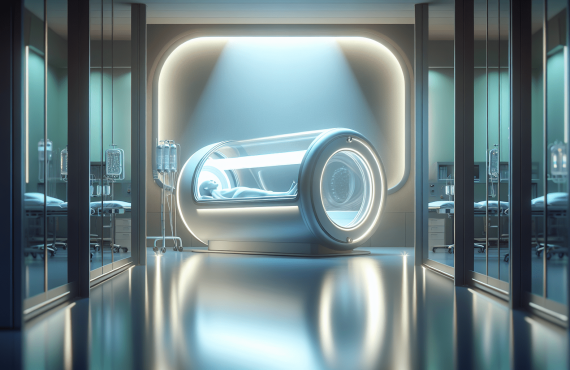
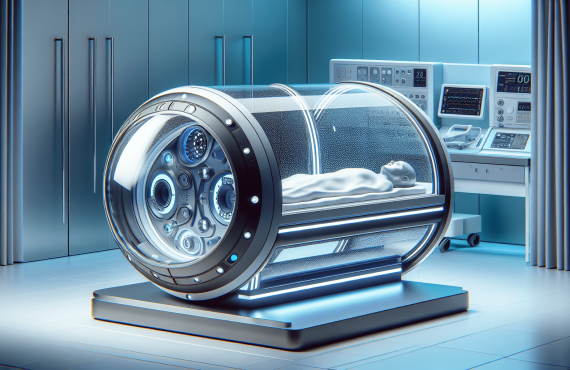
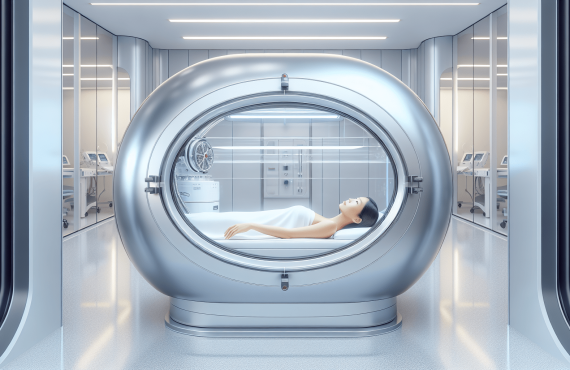
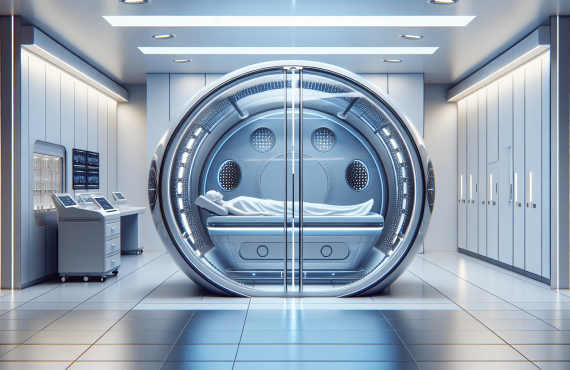
Hyperbaric oxygen therapy, usually shortened to HBOT, is different from standard home oxygen therapy. In HBOT, you breathe 100% oxygen inside a pressurized chamber, typically at pressures greater than normal atmospheric pressure. The point is to dissolve more oxygen into the plasma so it can reach tissues that are inflamed, injured, infected, or poorly supplied. It sounds vaguely theatrical, as though Jules Verne had gone to medical school, but it is a real treatment with specific uses.
According to the Undersea and Hyperbaric Medical Society, HBOT is used for approved conditions such as decompression sickness, carbon monoxide poisoning, certain non-healing wounds, radiation tissue injury, and severe infections. The FDA also warns that HBOT should be used for evidence-based indications, not as a catchall miracle. That distinction is useful in 2026, when wellness marketing has become so enthusiastic it would probably try to sell a helmet to a lamp.
How does HBOT work? Increased pressure allows oxygen to saturate blood plasma more effectively. That may support angiogenesis, reduce swelling, and help white blood cells fight certain infections. Based on our analysis of major clinical sources, HBOT can be especially valuable when tissue oxygenation is poor and conventional healing has stalled.
A real-world scenario helps. Consider a patient with a diabetic foot ulcer that had resisted standard wound care for months. After a physician-directed HBOT course combined with debridement and glucose control, wound depth decreased and tissue viability improved enough to avoid further deterioration. Not every case looks so tidy, but studies have shown improved healing rates in selected wound patients. If you’re wondering, Can you live a normal life on oxygen? HBOT answers a related question: sometimes oxygen isn’t merely support; it becomes part of active tissue repair.
Daily Life on Oxygen: What to Expect
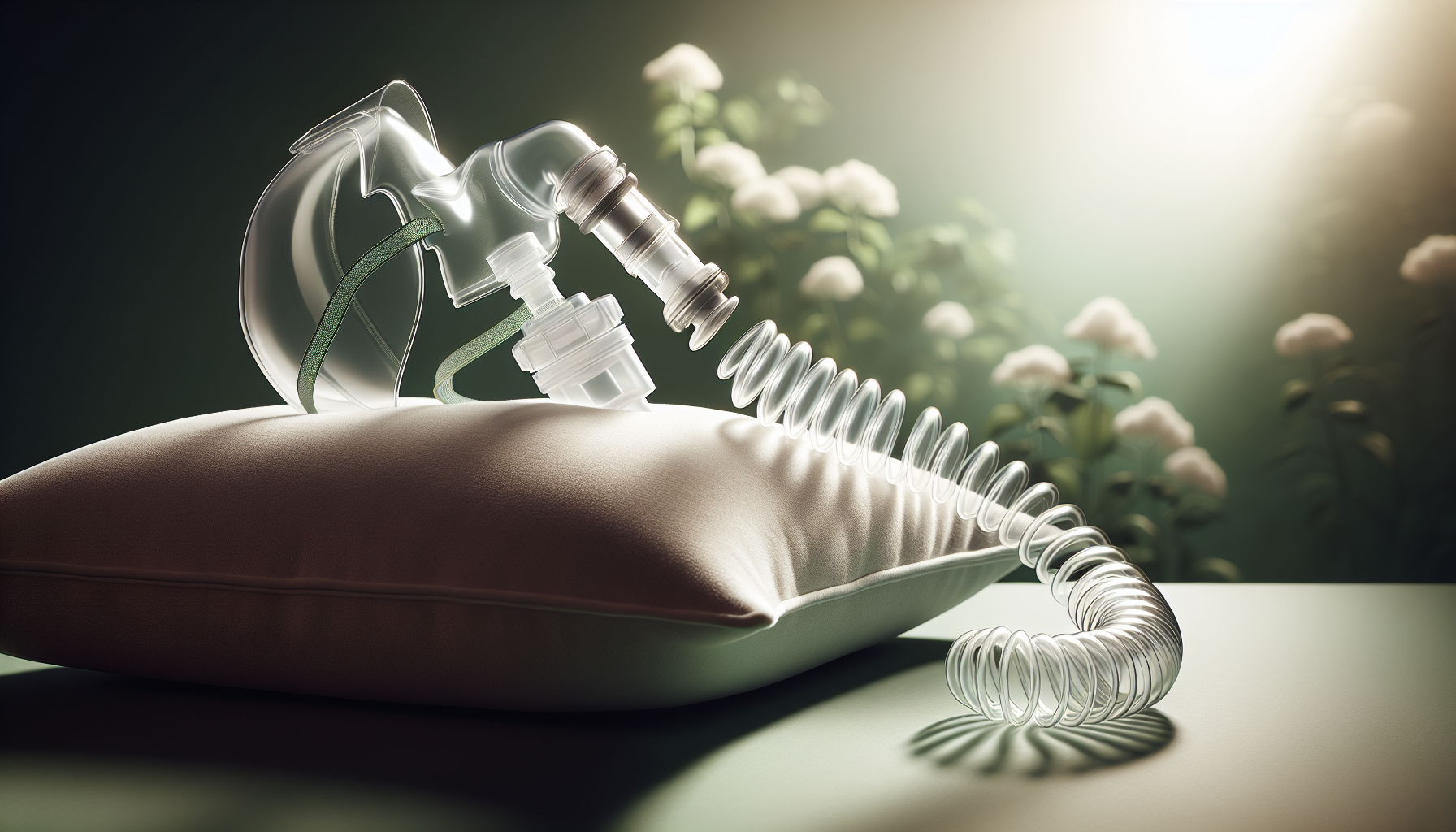
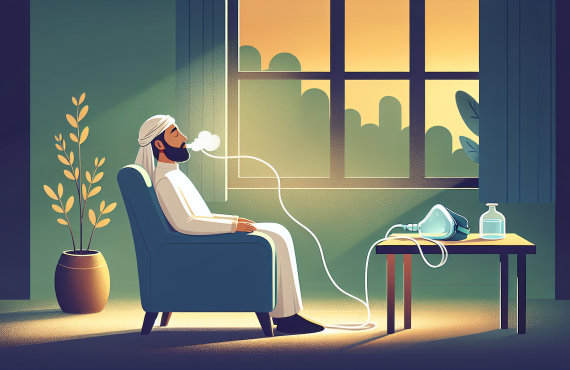
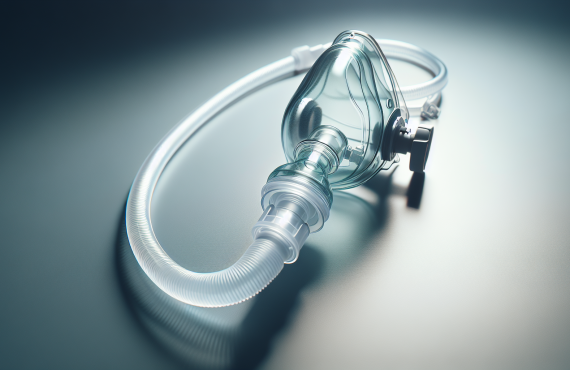
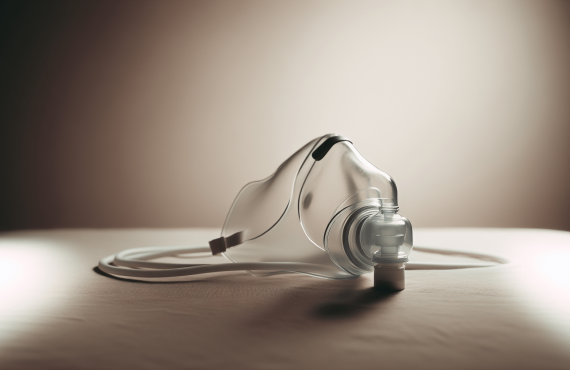
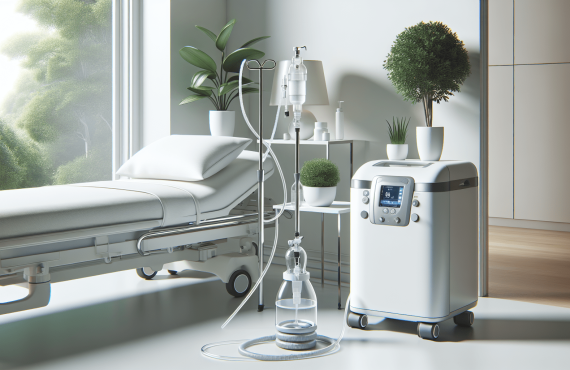
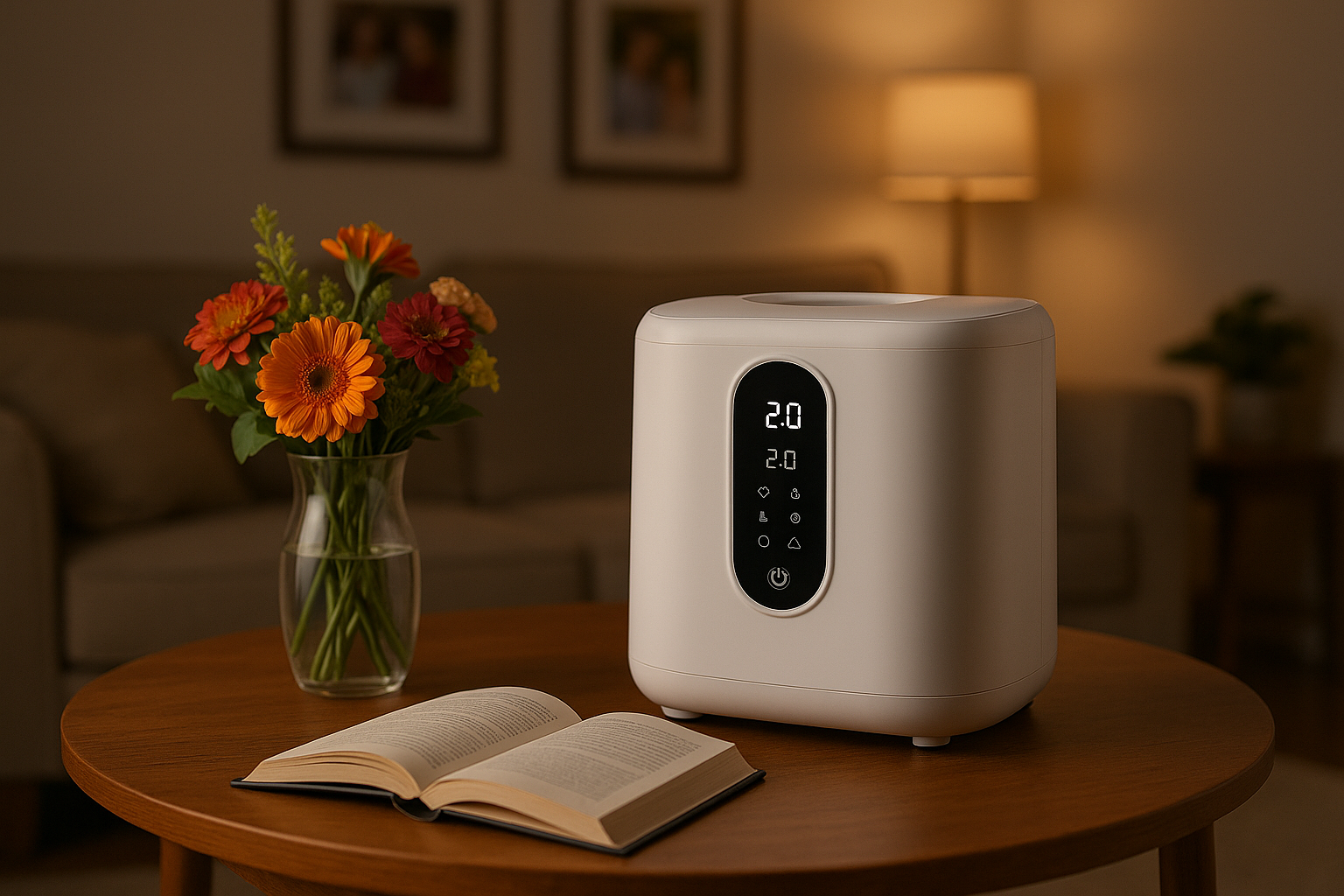
Daily life on oxygen is less dramatic than people fear and more logistical than they expect. The equipment becomes part roommate, part pet, part extension cord. You notice tubing length, battery life, refill schedules, humidification, and whether your dog views the cannula as a personal insult. Still, routine settles in faster than most people imagine.
We recommend starting with a home setup review. Walk through your living space and identify where you sit, sleep, shower, and charge devices. Then check where tubing might snag on corners, recliners, or the drawer handle that has always, frankly, had a vindictive streak. The National Heart, Lung, and Blood Institute stresses home oxygen safety, especially keeping equipment away from flames and heat sources.
| Device Type | Best For | Pros | Limits |
|---|---|---|---|
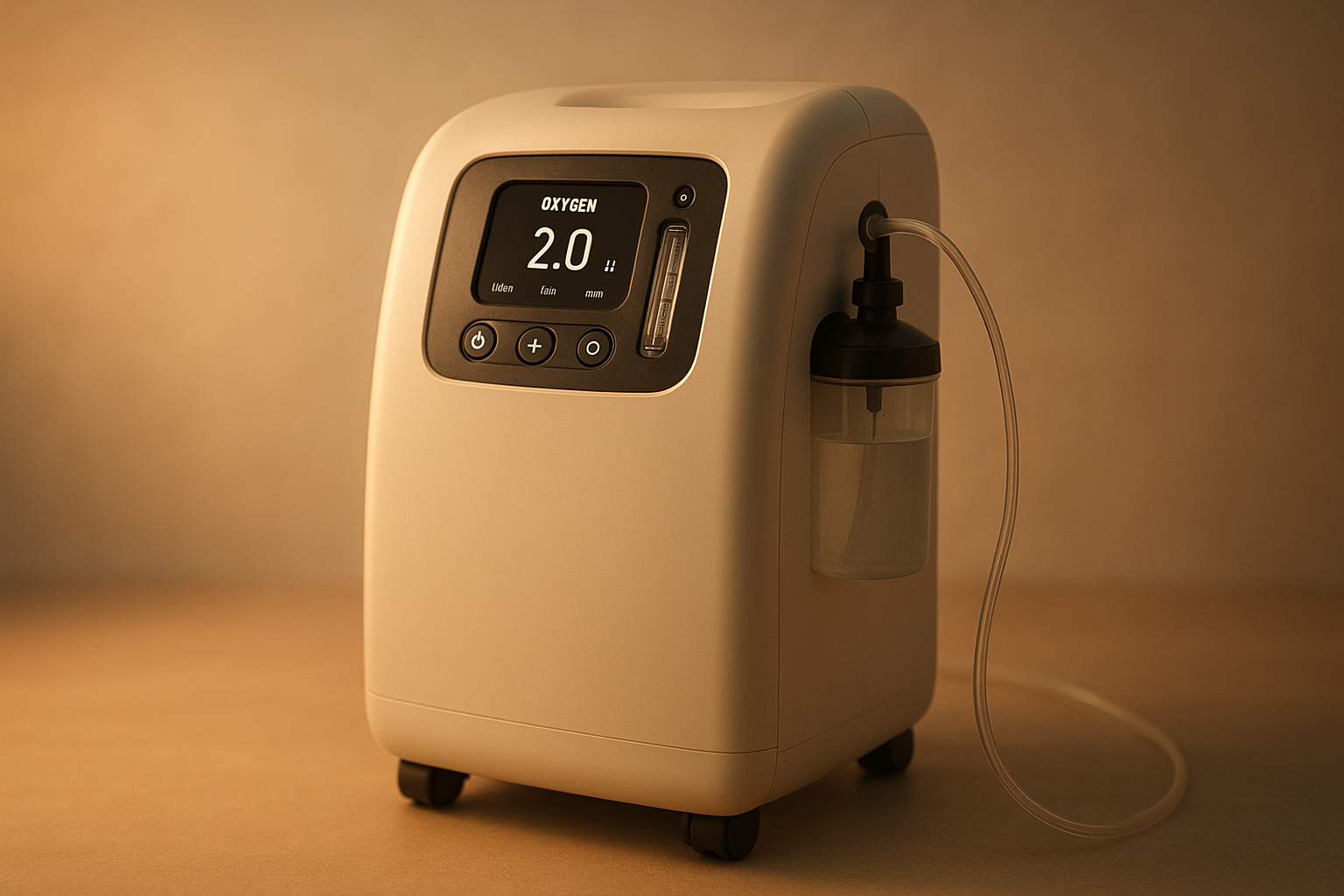
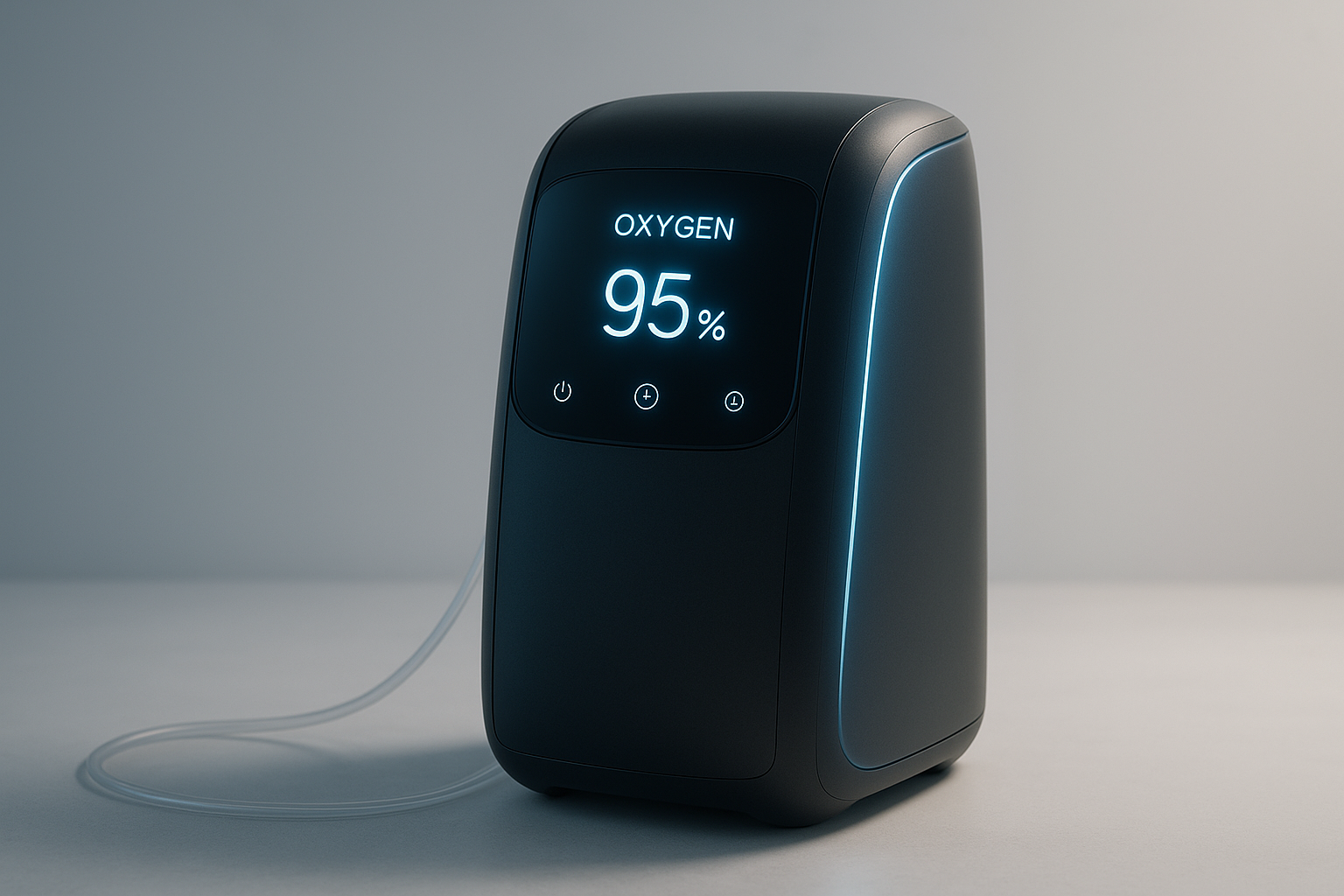
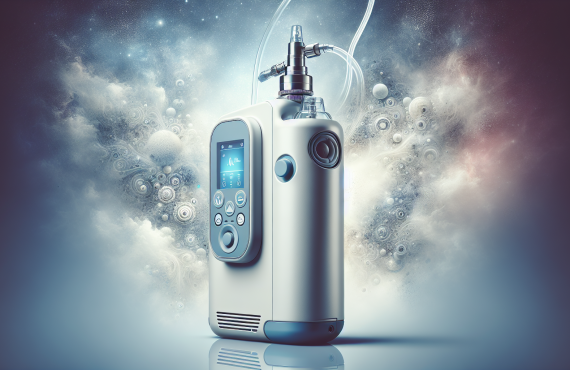
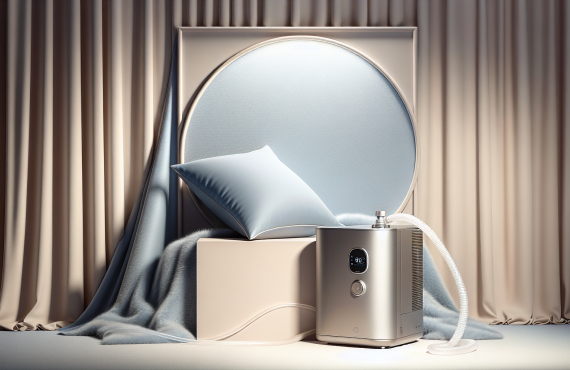
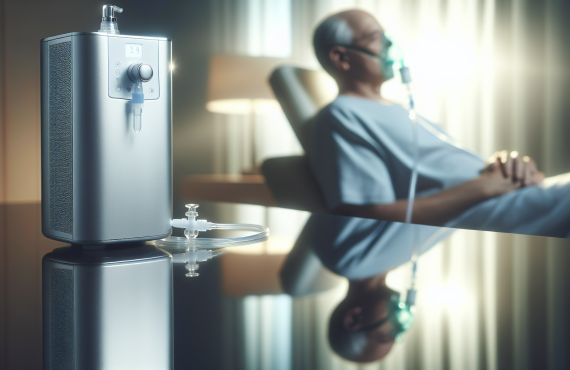
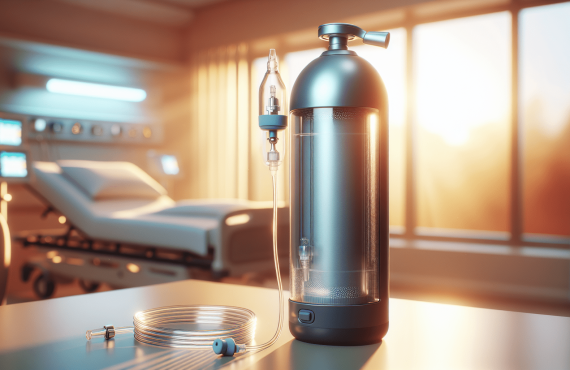
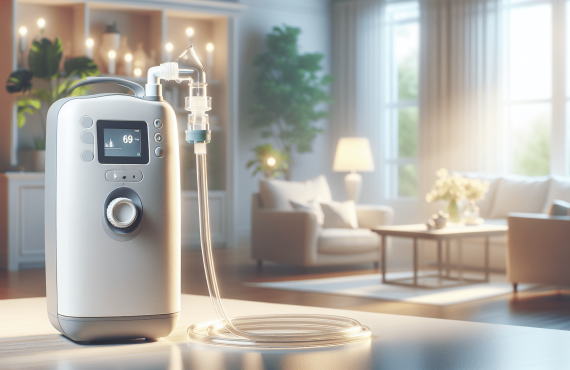
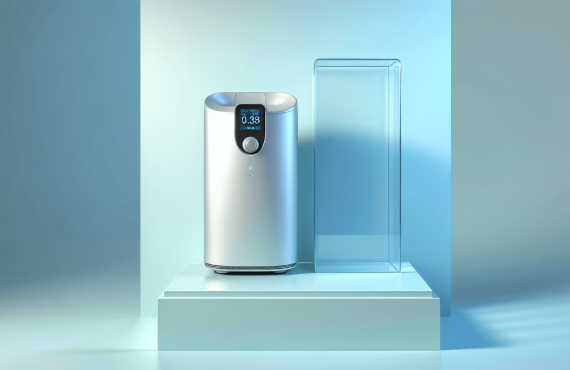
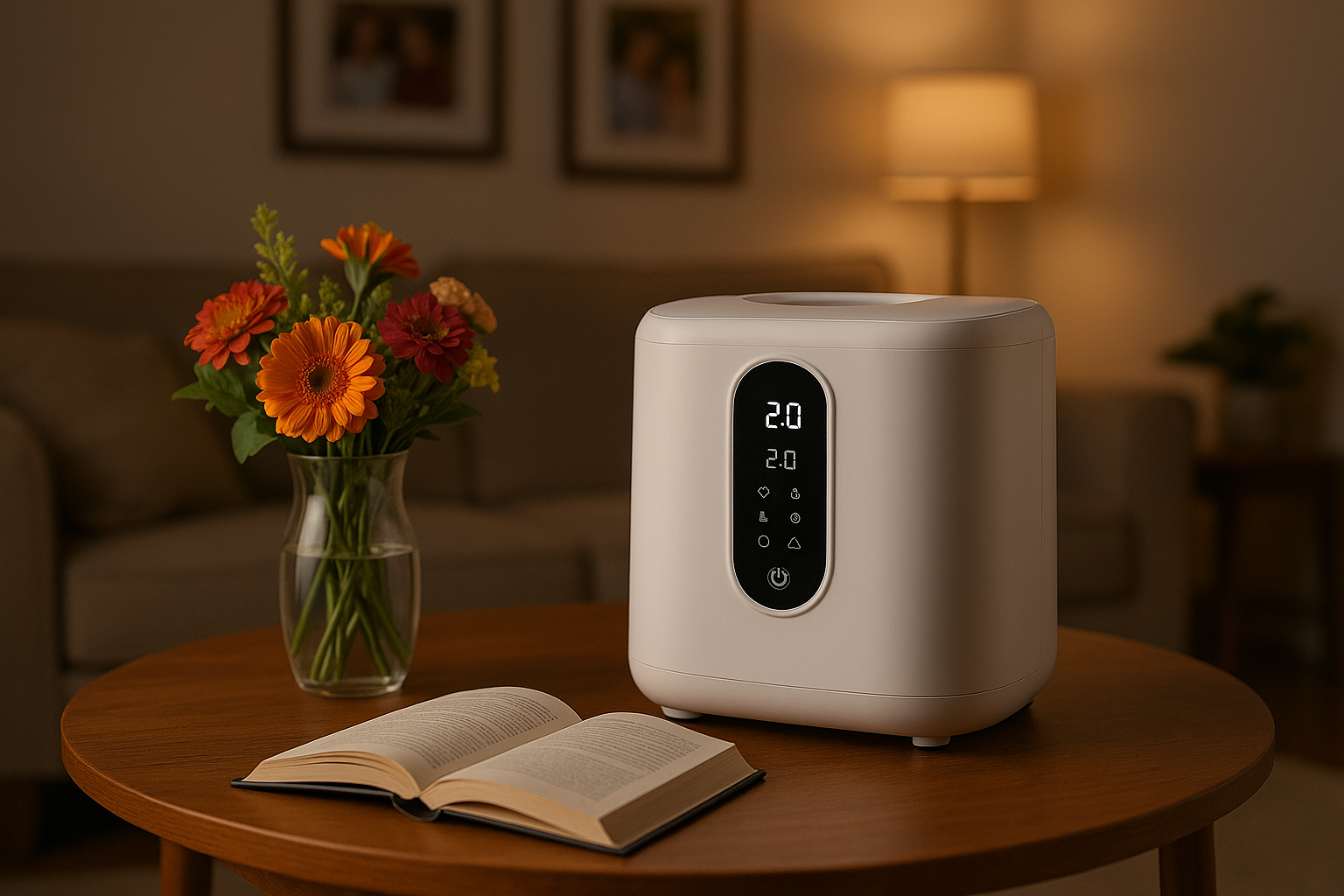
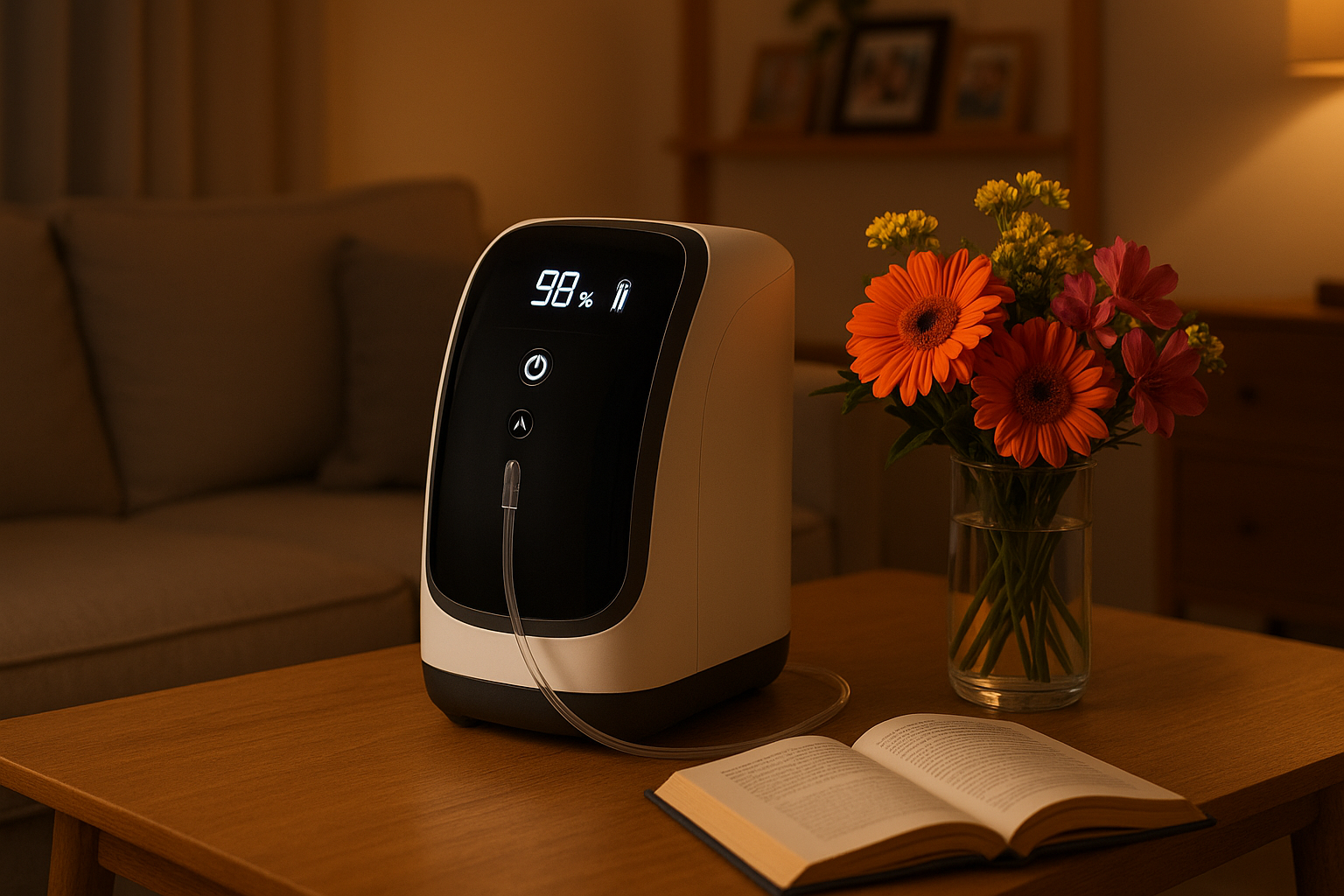
| Portable oxygen concentrator | Errands, appointments, travel | Lighter, battery powered, more independence | Limited battery life, prescription settings vary |
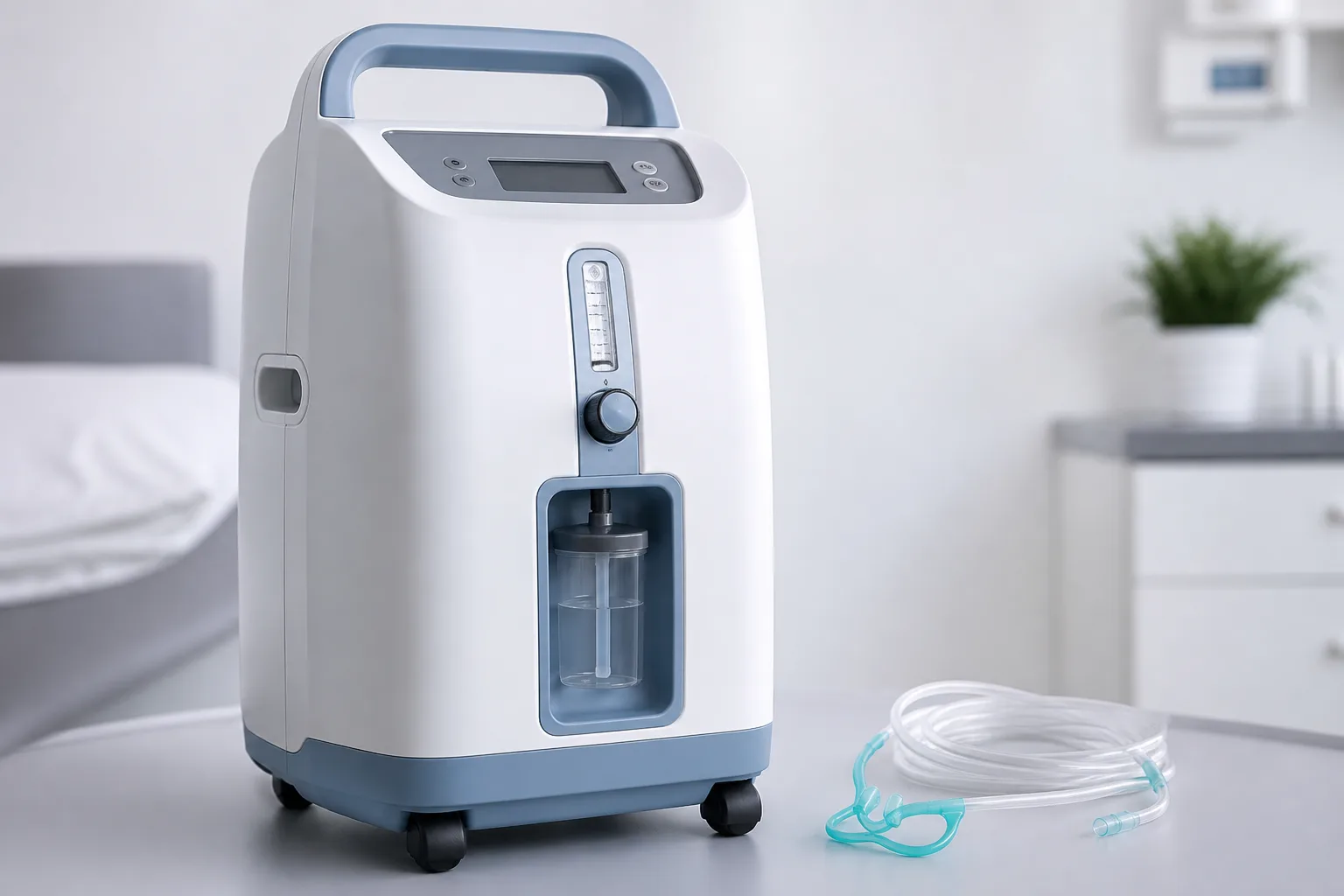
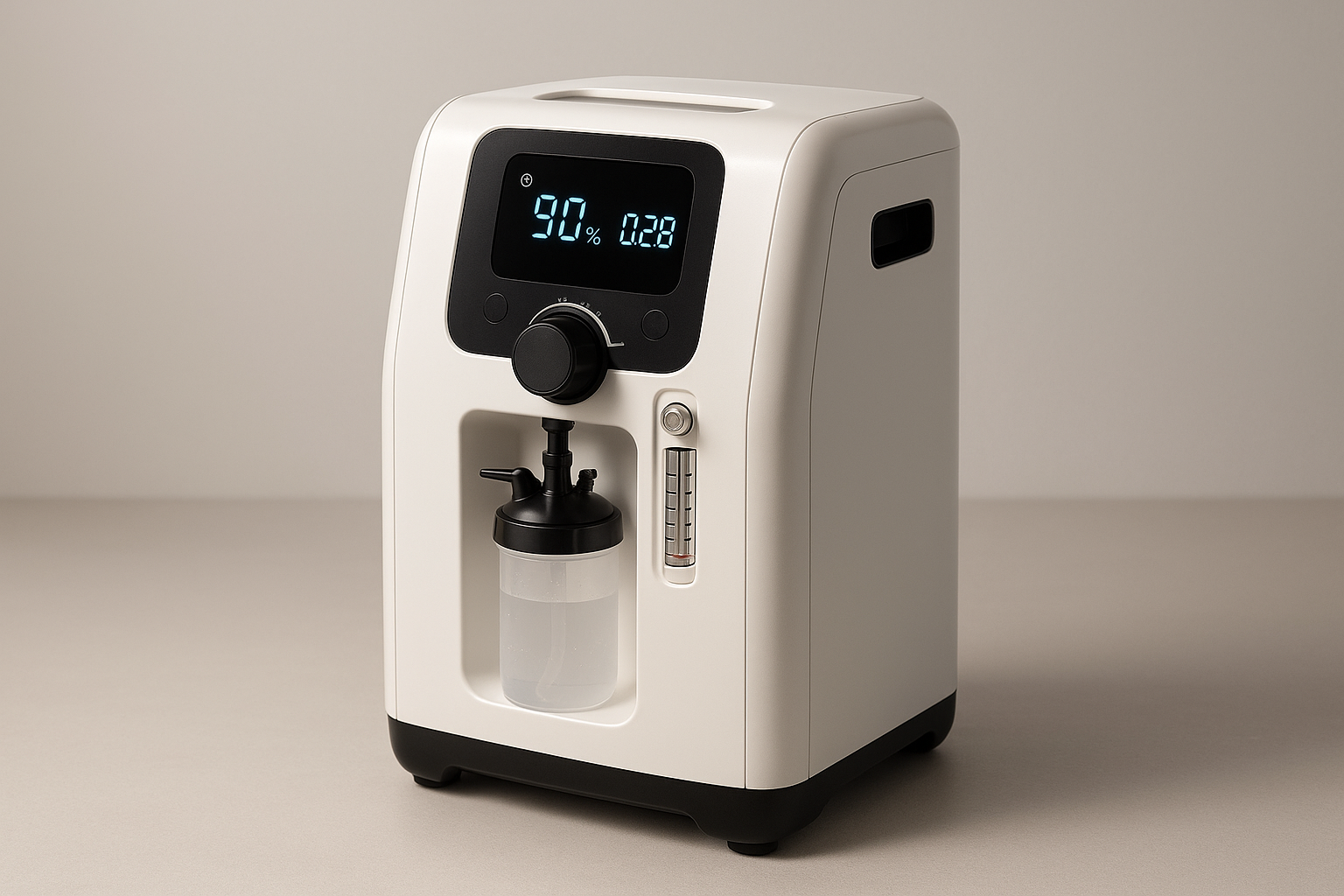
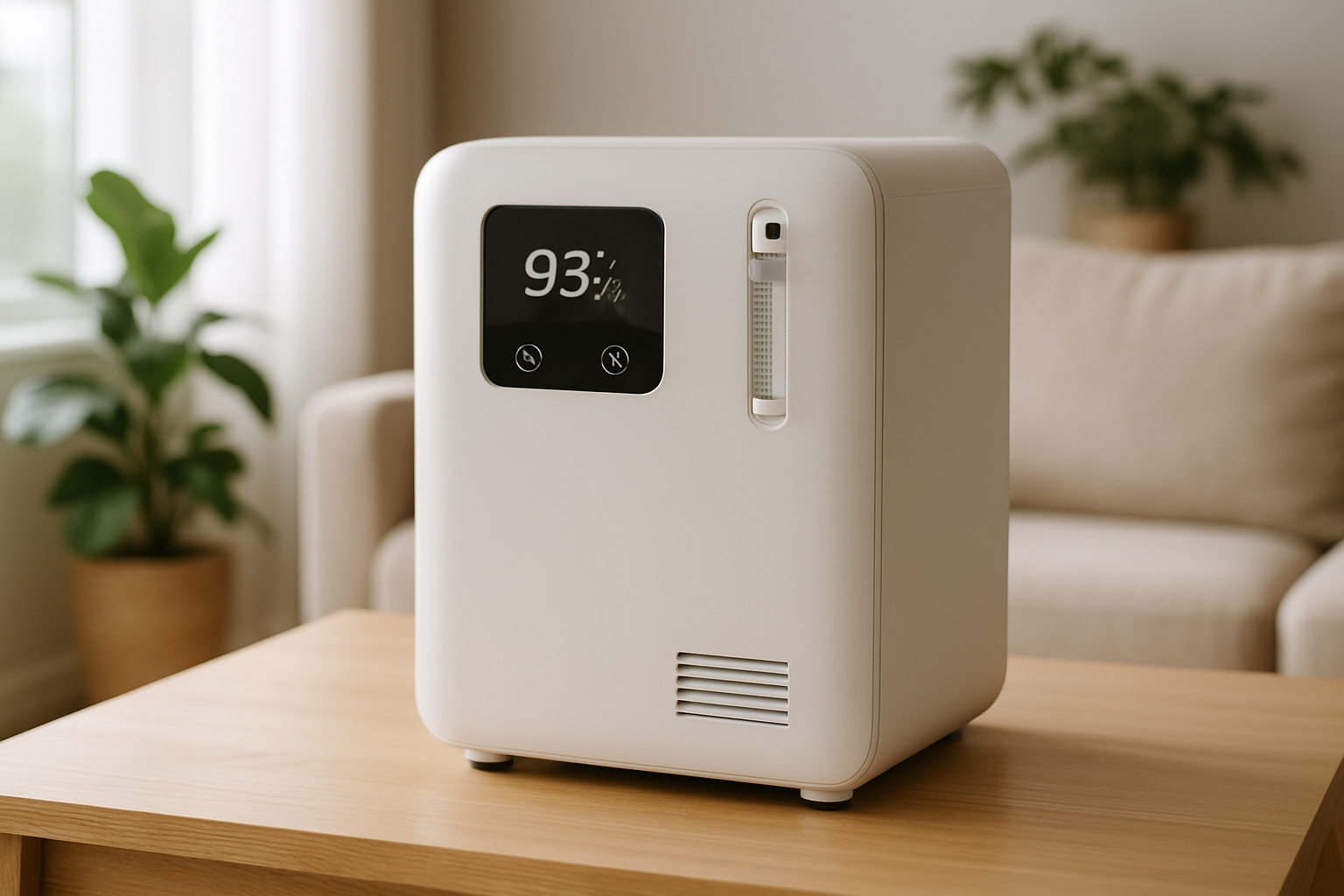
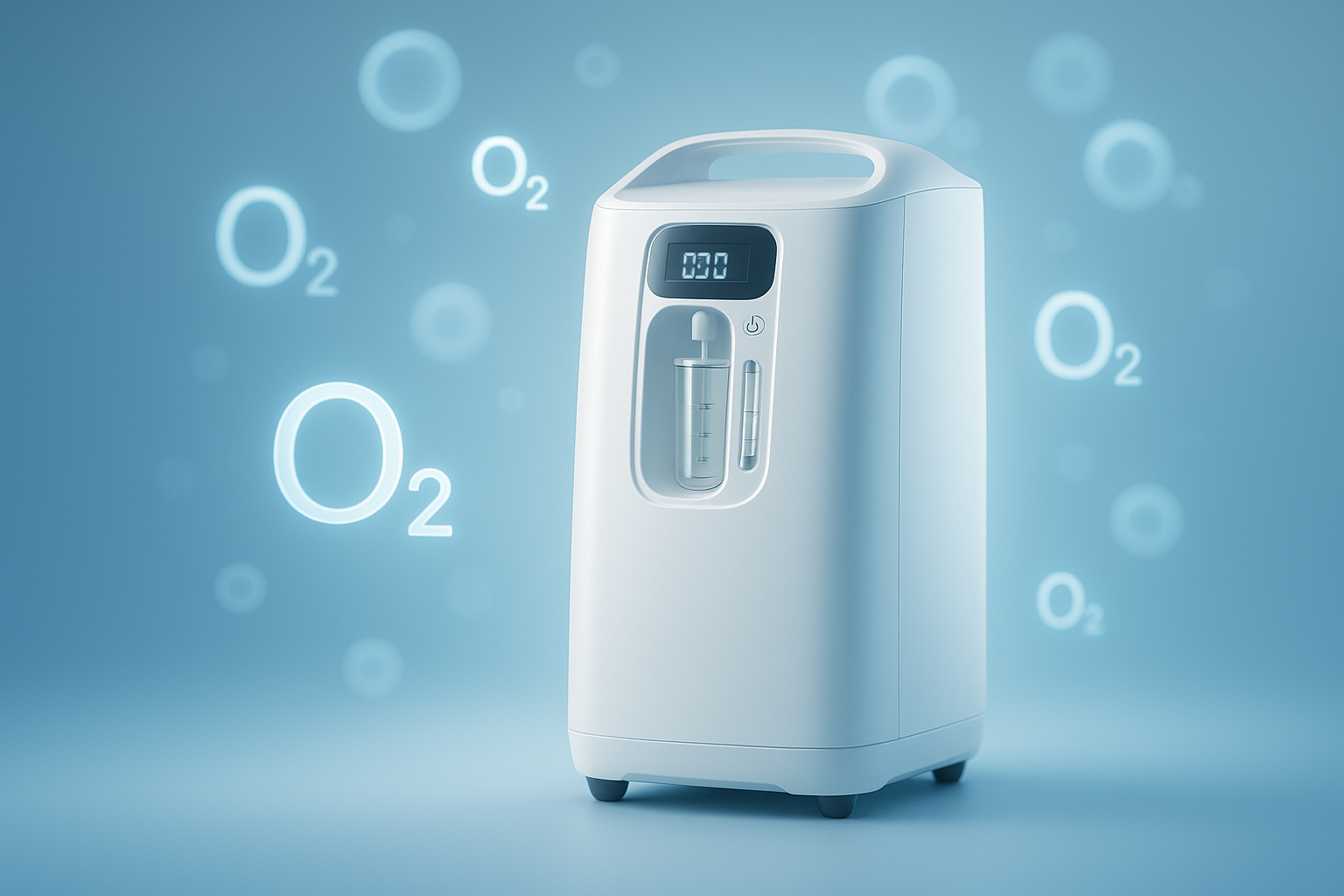
| Stationary oxygen concentrator | Home use, long daily wear | Continuous supply, no tank refills, dependable | Requires power outlet, less mobile |
To make oxygen therapy fit daily life, use these steps:
- Create stations for charging, storage, and extra cannulas.
- Schedule maintenance and filter cleaning on your calendar.
- Keep backup supplies for storms, outages, and travel delays.
- Practice movement routes through your home with tubing in place.
- Carry a written prescription summary in your bag or wallet.
We found that people who build oxygen into a routine early report less frustration than those who treat it as a temporary invader. Once your setup is sensible, your day can feel surprisingly ordinary: coffee, errands, calls, appointments, supper, television, sleep. Which is to say, life.
Physical and Emotional Well-being
The physical effects of oxygen therapy can be significant. If your oxygen level has been low, using supplemental oxygen as prescribed may reduce breathlessness, improve exercise tolerance, decrease morning headaches related to nocturnal hypoxemia, and lessen fatigue tied to poor tissue oxygenation. Long-term oxygen therapy has shown survival benefit in carefully selected patients with severe resting hypoxemia, especially in classic COPD studies. That’s not poetry, but it is good news.
There’s also the emotional side, which is often louder than the machine. People worry about appearance, dependence, intimacy, and being treated as fragile. A 2024 review in chronic respiratory disease literature noted that stigma and social self-consciousness remain common among oxygen users, with anxiety and depression rates significantly higher in chronic lung disease populations than in the general public. Some studies place anxiety symptoms in COPD populations near 40% and depression near 36%, depending on severity and screening method.
Dr. Aaron Hixon’s perspective is useful here: when people move less because they’re afraid, they often feel worse physically and emotionally. That becomes a loop. As one patient sentiment often goes, “I thought oxygen meant my world would shrink, but it actually let me walk farther without panicking.” That sentence carries more weight than a brochure ever could.
We recommend a three-part check-in each week:
- Physical: Are you less breathless doing basic tasks?
- Emotional: Are you avoiding people because of the device?
- Practical: Is your current equipment making life harder than necessary?
If the answer to the last two is yes, speak up. The fix may involve counseling, a pulmonary rehab referral, or simply better equipment. Plenty of suffering comes from silence, and silence is a poor medical device.
Exercise and Activity with Oxygen Support
If you’ve been asking, Can you live a normal life on oxygen? exercise is often the hidden test. People don’t just want to survive. They want to walk the dog, climb porch steps, lift groceries, and maybe, if feeling grand, attend a grandchild’s school event without sounding like an accordion being sat on.
Staying active on oxygen is possible for many users, but it should be done with medical guidance. The NHLBI supports pulmonary rehabilitation because supervised exercise improves endurance, reduces symptoms, and boosts quality of life. Research on pulmonary rehab commonly shows meaningful gains in six-minute walk distance and lower dyspnea scores after structured programs. In plain English: people often move farther and feel less miserable doing it.
Dr. Aaron Hixon, with his background in exercise science, is especially relevant here. We recommend his common-sense framework:
- Get clearance from the prescribing clinician before starting.
- Use your prescribed oxygen flow rate during exertion—don’t improvise.
- Start with short intervals, such as 5 to 10 minutes of walking.
- Monitor symptoms: dizziness, chest pain, severe breathlessness, or saturation drops mean stop and reassess.
- Progress gradually by time first, then intensity.
A success story might look refreshingly ordinary. One older adult with COPD began with hallway walks twice a day while using portable oxygen. After six weeks, she managed a grocery trip without needing to sit in the pharmacy aisle pretending to study vitamins. This is how progress often looks: not cinematic, just useful. And useful, when you’ve been short of breath for months, can feel downright glorious.
Social Life and Relationships
Social life on oxygen can become awkward, though not always for the reasons you expect. Friends may overhelp. Strangers may stare. Family members may speak to you in the bright, cautious tone usually reserved for toddlers and people carrying soups. Some oxygen users pull back from dinners, church, birthdays, or dating because they think the equipment arrives first and they, as a person, trail behind it.
Research on chronic respiratory disease and quality of life repeatedly shows social limitation as a common complaint. In some patient surveys, more than 50% of oxygen users report embarrassment or reduced social participation tied to visible equipment. That’s not trivial. Isolation is associated with worse health outcomes, poorer mood, and lower adherence to treatment. We found that the people who adapt best tend to explain their oxygen use simply and early rather than apologizing for it.
Try this approach:
- Use one sentence: “This helps me keep my oxygen up so I can stay active.”
- Set boundaries: “I’m okay carrying this myself, but thank you.”
- Plan seating and battery needs before social outings.
- Keep going out even if the first few trips feel clumsy.
Relationships also need candor. Tell close family what helps and what irritates you. Tell a partner if the tubing makes sleep, intimacy, or body image harder. Small annoyances have a way of growing antlers when nobody names them. The kindest social strategy is often the plainest one: explain the equipment, keep the plans, and refuse to disappear.
Traveling with Oxygen: Tips and Tricks
Travel with oxygen is possible, though it requires the sort of planning usually associated with military operations and large weddings. The good news is that many people continue to fly, drive, cruise, and visit family while using oxygen. The bad news is that improvisation is not your friend here.
The TSA provides guidance for portable oxygen concentrators, and airlines maintain their own lists of approved devices. Federal Aviation Administration rules also shape what can be used onboard. As of 2026, most major airlines require advance notice, battery documentation, and enough charge to cover the flight plus delays. Many ask for 150% of expected flight time in battery power. That’s not a suggestion; that’s the difference between confidence and chaos.
Use this travel checklist:
- Call the airline before booking and confirm approved equipment.
- Bring extra batteries and chargers in carry-on luggage.
- Pack your prescription and doctor contact information.
- Arrange oxygen for your destination if needed.
- Label all equipment clearly with your name and phone number.
- Arrive early for security screening and device inspection.
We analyzed common travel complaints and found the most preventable problems were dead batteries, poor paperwork, and assuming the airport would somehow “figure it out.” One traveler with a portable concentrator described the first flight as nerve-racking but the second as almost boring, which is exactly what you want from air travel. Boring is underrated. Boring gets you there.
Chiropractic Care and Oxygen Therapy
Chiropractic care is not a substitute for oxygen therapy, and sensible practitioners will tell you that plainly. Still, if you live with chronic pain, posture problems, neck stiffness, thoracic restriction, or muscular tension, supportive care may make breathing and movement feel less laborious. A rib cage that doesn’t move well and a body that hurts every time it stands are not exactly invitations to take healthy walks around the neighborhood.
Henry Chiropractic, owned and operated by Dr. Craig Henry, serves Pensacola and surrounding Florida communities. Dr. Henry focuses on improving health and wellness in daily life, whether you’re dealing with back pain, neck pain, or simply want to wake up feeling less like you spent the night folded into a carry-on bag. Dr. Aaron Hixon, a Florida native raised in Milton, holds a Bachelor of Science in Exercise Science from Florida Atlantic University and studied at Palmer College of Chiropractic in Port Orange. He is trained in Diversified technique, Gonstead Spinal Manipulation, Instrument Assisted Soft Tissue Mobilization, Myofascial Release Technique, and more.
Based on our research, patients on oxygen may benefit from complementary care that focuses on:
- Posture and thoracic mobility to support easier chest expansion
- Neck and back pain management so movement feels less punishing
- Activity guidance that fits oxygen use and energy limitations
We recommend discussing your full medical history, oxygen prescription, and any dizziness or exertional symptoms before beginning care. Good coordination matters. When clinicians communicate and treatment stays in its proper lane, you’re more likely to feel supported rather than shuffled from one office to another like a library book no one remembers requesting.
Innovations and Future of Oxygen Therapy
Oxygen therapy in 2026 is far less bulky than many people imagine. Portable concentrators are lighter, quieter, and smarter than older models, with some units integrating Bluetooth data tracking, battery-life analytics, and easier pulse-dose adjustment. That may sound modest, but when you’re carrying a device through a parking lot in Florida heat, a few pounds matter more than any glossy brochure ever admits.
Recent market and technology reporting from outlets like Forbes and medical device publications has tracked rising demand for remote monitoring, wearable sensors, and AI-assisted adherence tools in respiratory care. At the same time, academic research continues to explore better cannula comfort, quieter compressors, and more efficient oxygen delivery systems. We found that the most meaningful innovations are often the least glamorous: longer battery life, fewer alarms, easier maintenance, and equipment that doesn’t announce itself like a blender at a funeral.
HBOT is evolving too. Research in wound healing, radiation injury, and selected neurologic recovery contexts continues, though experts remain careful about overstatement. That caution is healthy. The future of oxygen therapy will likely involve more personalized prescriptions, better remote saturation tracking, and tighter coordination between pulmonology, rehabilitation, and supportive care providers.
If you’re still asking, Can you live a normal life on oxygen? the answer in 2026 is more encouraging than it was a decade ago. Devices are improving. Data is better. And care is slowly shifting from “keep this person alive” to “help this person live well,” which is the wiser ambition and the one most patients wanted all along.
Conclusion: Embracing Normalcy with Oxygen
Can you live a normal life on oxygen? For many people, yes—but normal may become more intentional. You plan batteries the way other people plan snacks. You think about tubing before you stand up. You leave the house with one extra checklist item and, in exchange, may get back stamina, safety, and the ability to do things that low oxygen had quietly stolen.
The most useful next steps are practical:
- Use oxygen exactly as prescribed.
- Choose equipment that matches your real life, not your imagined one.
- Stay active with supervision and gradual progression.
- Address emotional strain early, before isolation takes root.
- Build a care team that looks at function, not just numbers.
If pain, mobility limits, or posture issues are making daily life harder, consider speaking with the team at Henry Chiropractic. Dr. Craig Henry and Dr. Aaron Hixon work with patients who want to move better and feel more capable in everyday life. For personalized support, contact:
Henry Chiropractic
1823 N 9th Ave
Pensacola, FL 32503
(850) 435-7777
https://drcraighenry.com/
Oxygen may change the mechanics of your day, but it does not get to define the size of your life. That part, thankfully, is still yours.
FAQ: Common Questions About Oxygen Therapy
Quick answers help, especially when your concentrator is humming nearby like it expects a tip.

Frequently Asked Questions
Can you live a normal life on oxygen?
Yes, many people do. Can you live a normal life on oxygen? In many cases, yes—especially when your oxygen prescription is correct, your equipment matches your routine, and you follow safety guidance. We found that people often return to shopping, family events, exercise, and travel with planning and the right support.
Can you exercise while on oxygen?
Usually, yes, with your clinician’s approval. Dr. Aaron Hixon’s exercise-focused background makes this point especially practical: light walking, stationary cycling, and supervised strength work are often possible when your oxygen flow rate is set properly and your saturation is monitored.
How do you choose the right oxygen equipment?
The right setup depends on your prescription, mobility, home layout, and how often you leave the house. A stationary concentrator works well for home use, while a portable oxygen concentrator may be better if you drive, attend appointments, or want more independence.
What are the costs associated with long-term oxygen therapy?
Costs vary by device type, insurance coverage, and whether you need tanks, tubing, maintenance, and backup supplies. Medicare and many insurers cover home oxygen when medical criteria are met, but out-of-pocket costs can still include copays, travel accessories, and replacement parts.
Can you travel by plane with oxygen equipment?
Yes, but you can’t simply carry any oxygen device onto a plane and hope for the best. Airlines generally require advance notice, and the TSA provides specific screening guidance for portable oxygen concentrators; always confirm your airline’s approved device list before booking.
Is chiropractic care beneficial for those on oxygen therapy?
It can be, especially when musculoskeletal pain, posture issues, or restricted movement make breathing mechanics worse. Chiropractic care does not replace oxygen therapy, but Dr. Craig Henry and Dr. Aaron Hixon may help improve mobility, comfort, and overall function so daily life feels less like a chore and more like a life.
Key Takeaways
- Many people can maintain an active, fulfilling routine on prescribed oxygen with the right equipment, planning, and clinical follow-up.
- Hyperbaric oxygen therapy is different from home oxygen therapy and is best used for evidence-based medical indications under professional supervision.
- Portable and stationary concentrators serve different needs; matching the device to your lifestyle can improve adherence and independence.
- Exercise, travel, and social activities are often still possible on oxygen when you prepare properly and follow safety guidelines.
- Supportive care from experienced providers like Dr. Craig Henry and Dr. Aaron Hixon may help improve comfort, mobility, and quality of life alongside oxygen therapy.