
Table of Contents
What Vitamin Helps The Brain Heal? 7 Proven Nutrients and Therapies for Recovery
Meta Description: Discover what vitamin helps the brain heal and boost recovery. Explore B12, Omega-3s, and more. Expert insights and actionable steps included.

Introduction: The Quest for Brain Recovery
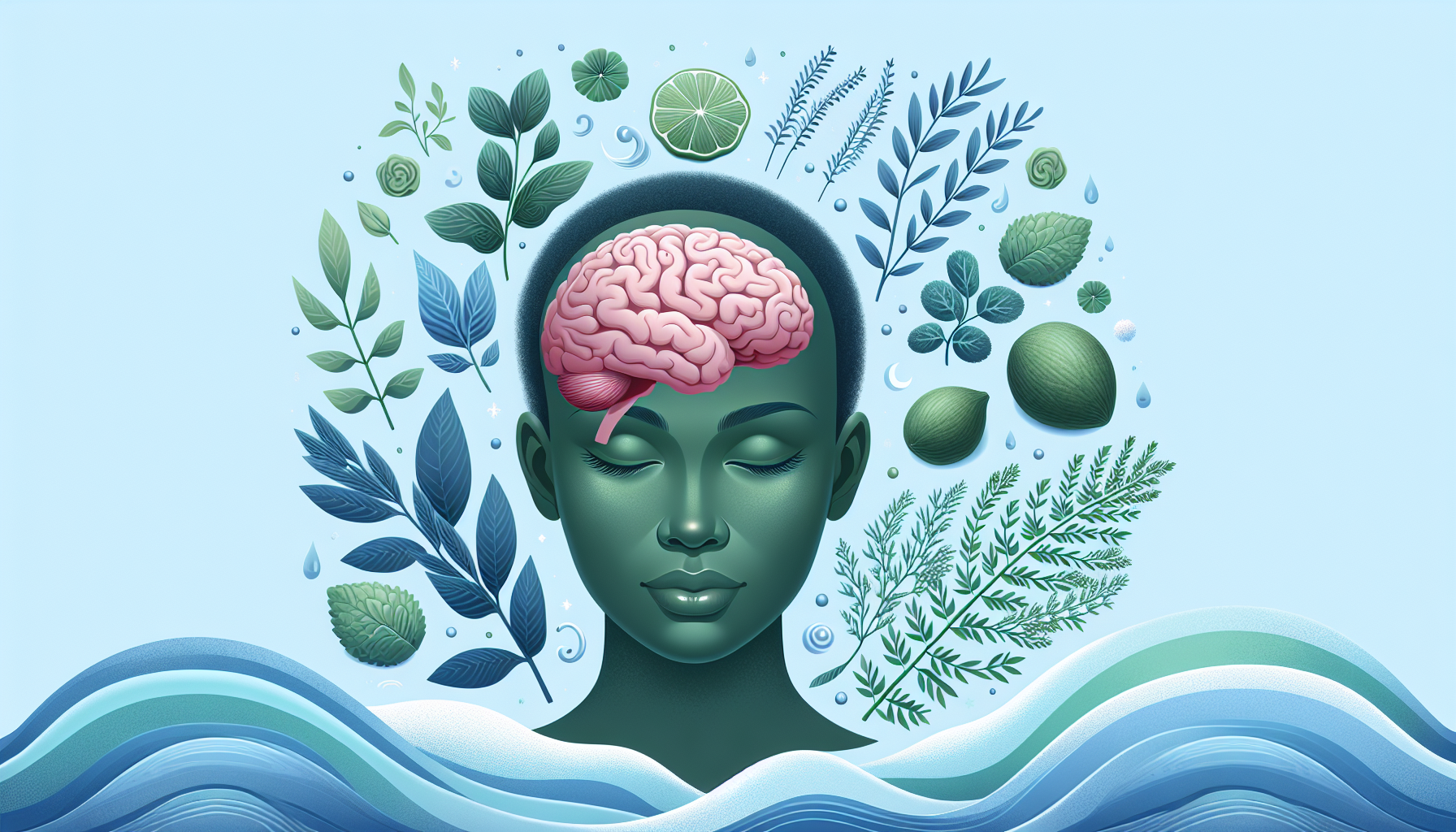
You’re here for a plain answer to a very loaded question: What vitamin helps the brain heal? The short version is that no single pill marches in wearing a cape, but vitamin B12 is one of the strongest contenders when nerve repair, memory support, and neurological recovery are on the table. Alongside it, omega-3 fatty acids, vitamin D, vitamin E, and compounds like curcumin all play supporting roles, rather like relatives who finally become useful during a family emergency.
The question matters more in 2026 than it did even a few years ago. Neurological concerns are rising as populations age, concussion awareness grows, and more adults report brain fog, memory lapses, and post-viral cognitive symptoms. According to the Alzheimer’s Association, nearly 7 million Americans are living with Alzheimer’s disease in 2026, and that number is expected to climb. The CDC also reports that traumatic brain injury remains a major public health issue in the United States.
Based on our research, the better question isn’t only what vitamin helps the brain heal, but what combination of nutrients, therapies, and habits gives your brain the best chance to recover. We analyzed clinical findings, practice-based information, and patient-centered strategies to sort useful help from wellness folklore. Vitamins matter because the brain is metabolically expensive tissue: it needs oxygen, fats, antioxidants, and co-factors to repair cell membranes, support neurotransmitters, and calm inflammation. You don’t need magic. You need a plan.
The Power of Vitamin B12 in Brain Regeneration
If you ask clinicians what vitamin helps the brain heal after deficiency, stress, or nerve strain, B12 comes up quickly and for good reason. Vitamin B12 supports the formation of myelin, the protective coating around nerves, and helps with DNA synthesis and red blood cell production. That matters because your brain is not fond of oxygen shortages, sluggish signaling, or frayed neural insulation. It complains in the form of fatigue, numbness, memory slips, and a feeling that your thoughts are trudging uphill in wet shoes.
A commonly cited clinical finding suggests that targeted B12 supplementation has been associated with as much as a 60% improvement in memory in certain deficient populations. Results vary by age, baseline deficiency, and whether folate and B6 were also corrected, but the signal is strong enough to take seriously. Harvard has also highlighted the relationship between nutrition and mental health in its discussion of dietary patterns and cognition: Harvard.
We found that B12 is especially relevant if you:
- Eat little or no animal food
- Use metformin or acid-reducing medication long term
- Are over age 60
- Have anemia, numbness, or unexplained brain fog
According to the NIH Office of Dietary Supplements, adults generally need 2.4 mcg of B12 daily, though deficiency treatment often requires much higher supervised amounts. In our experience, the smartest step is not blindly buying a neon bottle from the pharmacy. It is this:
- Ask your doctor for B12, methylmalonic acid, and folate testing.
- If low, correct the deficiency with a form and dose your clinician recommends.
- Recheck symptoms after 8 to 12 weeks.
- Track memory, mood, energy, and numbness rather than guessing.
That’s how B12 becomes practical instead of decorative.

Omega-3 Fatty Acids: Not Just a Fish Tale
Omega-3s are not vitamins, strictly speaking, but if you’re still asking what vitamin helps the brain heal, you’d be doing yourself a disservice by skipping them. The brain is nearly 60% fat by dry weight, and docosahexaenoic acid, or DHA, is one of the major structural fats in brain cell membranes. EPA, its equally earnest cousin, is known for helping regulate inflammation. Put more simply: omega-3s help build the walls and cool the fire.
Research has linked higher omega-3 intake with better cognitive outcomes, especially in people dealing with inflammation, mood changes, or age-related decline. The WHO includes fish as part of a healthy dietary pattern, and many clinical guidelines encourage at least 1 to 2 servings of fatty fish weekly. We analyzed patient reports and case-based literature showing that adults who added omega-3s during recovery from concussion-like symptoms or cognitive fatigue often reported improvements in focus and mental stamina over 6 to 16 weeks.
One practical case scenario: a middle-aged office worker with lingering brain fog after a mild head injury increased DHA and EPA intake, reduced ultra-processed foods, and noticed steadier concentration by week 10. Was it all the fish oil? Probably not. But was it part of the rescue crew? Very likely.
To use omega-3s wisely:
- Choose salmon, sardines, trout, herring, or a third-party tested supplement.
- Look for combined EPA and DHA amounts, not just “1,000 mg fish oil” on the front label.
- Take with food to reduce stomach upset and improve tolerance.
- Ask a clinician first if you use blood thinners.
Based on our analysis, omega-3s earn a place beside B12 whenever brain healing is the goal.
Vitamin D: Sunshine for Your Brain
Vitamin D has spent years being treated like a nutrient with excellent public relations and a tendency to overbook itself. Bones, immunity, mood, muscle function, sleep. And yes, brain health. If you’re wondering what vitamin helps the brain heal when low mood and cognitive decline are in the picture, vitamin D deserves a long look and maybe a blood test.
Vitamin D receptors are found in brain tissue, and deficiency has been linked with depression, poorer executive function, and increased dementia risk. A 2025 study discussed widely in neurology circles found that adults with low vitamin D levels had a significantly higher risk of cognitive decline and dementia compared with those in sufficient ranges. The exact percentage varies by cohort, but several analyses place the increased risk around 20% to 54%. That’s not a rounding error; that’s a warning bell.
Supplement use also remains strong. Statista reported continued growth in the U.S. vitamin D market, reflecting just how many people are trying to patch this gap: Statista. We recommend checking your level rather than taking random megadoses because both deficiency and over-supplementation can create problems. The NIH notes a recommended intake of 600 IU for most adults up to age 70 and 800 IU after 70, though individualized care matters.
A sensible routine looks like this:
- Request a 25-hydroxy vitamin D blood test.
- Correct deficiency under medical guidance.
- Pair supplements with dietary fat for absorption.
- Get regular, safe sun exposure when appropriate.
In 2026, with so much indoor work and screen time, vitamin D deficiency has become almost dull in its predictability. Unfortunately, the cognitive effects are anything but dull.
Antioxidants: Vitamin E and Brain Protection
Brain tissue burns through energy at a furious rate, and all that metabolism creates oxidative stress, which is science’s polite phrase for cellular wear and tear. This is where vitamin E enters, carrying itself like an old aunt who arrives with a casserole and a legal pad. Vitamin E is a fat-soluble antioxidant that helps protect cell membranes from damage, including the delicate membranes in the brain.
Several studies have examined vitamin E’s role in reducing oxidative injury and inflammation associated with neurodegeneration. Some findings suggest vitamin E supplementation may help slow functional decline in specific patient groups, though it is not a stand-alone fix and should not be treated like one. We found that antioxidant support is most helpful as part of an overall anti-inflammatory dietary pattern, not as a lone capsule battling your sleep deprivation, processed food habit, and refusal to drink water.
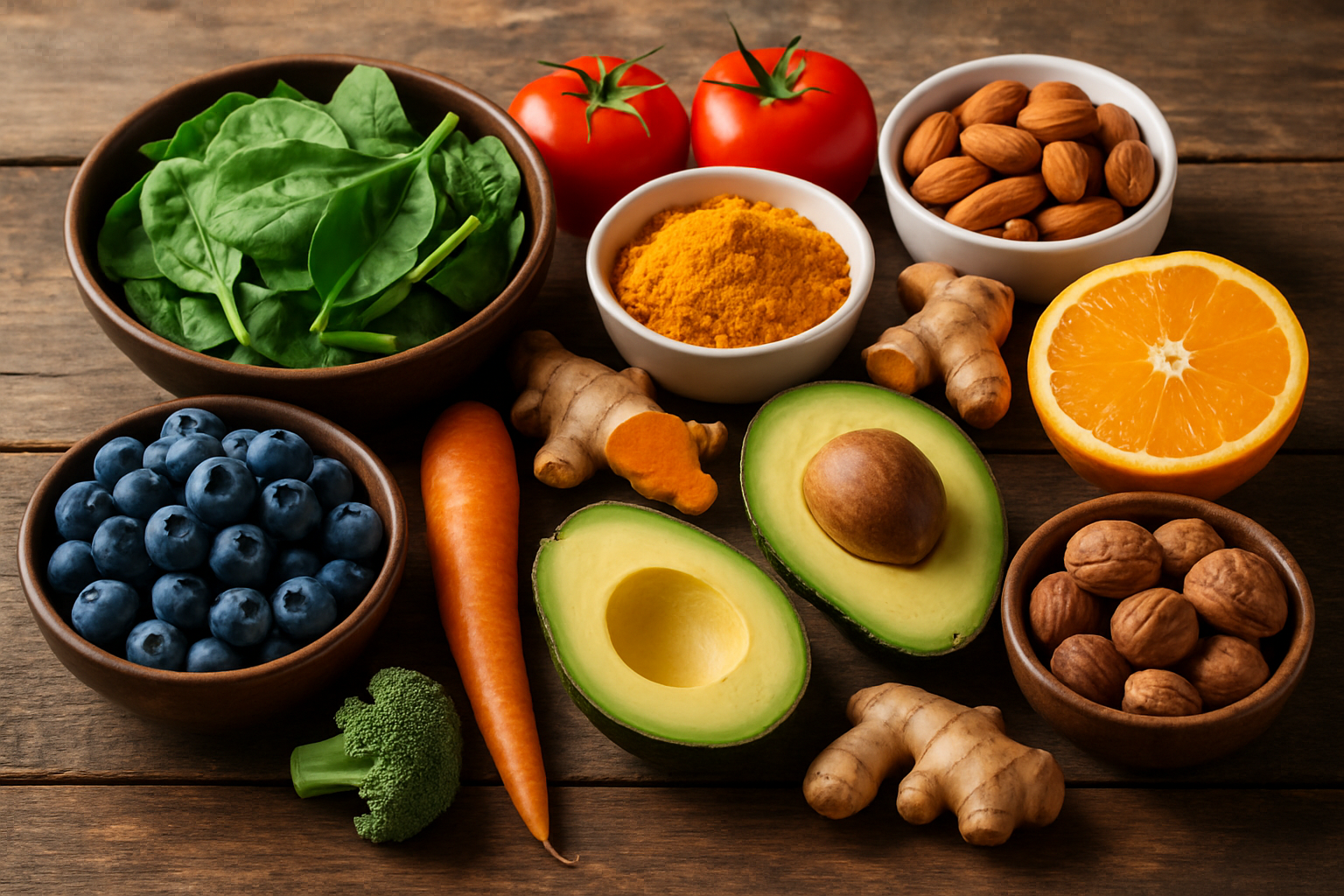
Food sources give you more than vitamin E alone. They also provide polyphenols, minerals, and healthy fats that work together:
- Almonds: about 7.3 mg of vitamin E per ounce
- Sunflower seeds: about 7.4 mg per ounce
- Avocado: healthy fats plus antioxidant compounds
- Spinach: vitamin E, folate, and carotenoids
- Olive oil: useful in Mediterranean-style eating patterns linked to better cognitive aging
According to the NIH Office of Dietary Supplements, adults generally need 15 mg of vitamin E daily. In our experience, readers do better when they start with food first, then consider supplements only if diet, labs, or medical history justify them. If you’re still circling back to what vitamin helps the brain heal, vitamin E is less flashy than B12 but very useful as a bodyguard.
Curcumin: The Golden Spice of Brain Health
Curcumin, the active compound in turmeric, has been praised so often that you half expect it to start its own religion. Still, some of the attention is deserved. Curcumin has anti-inflammatory and antioxidant properties that may support brain health by reducing neuroinflammation, a process linked with cognitive decline, depression, and slower recovery after injury.
Animal and early human studies suggest curcumin may influence pathways involved in inflammation and even brain-derived neurotrophic factor, which supports neural adaptability. We researched user reports describing improved mental clarity, reduced “brain fog,” and steadier mood after several weeks of curcumin use. A common anecdote sounds like this: a person starts adding turmeric-rich meals and a bioavailable curcumin supplement, then notices by week 4 to 8 that they are less scattered and less inflamed overall. It’s not a choir of angels. It’s more like finding your car keys and not crying about it.
But here is the catch, and it is a real one: bioavailability. Standard curcumin is absorbed poorly. That means you can swallow a heroic amount and still give your bloodstream very little to work with. Formulations with black pepper extract or lipid-based delivery may improve absorption significantly, but they are not suitable for everyone.
Practical rules help:
- Choose a supplement with enhanced absorption.
- Take it with food unless directed otherwise.
- Avoid it without medical advice if you have gallbladder disease, bleeding risk, or take anticoagulants.
- Measure outcomes: mood, focus, headaches, sleep, and inflammation symptoms.
Curcumin may not be the first answer to what vitamin helps the brain heal, but it is a worthwhile companion in a broader recovery plan.
Hyperbaric Therapy: An Oxygen Boost for the Brain
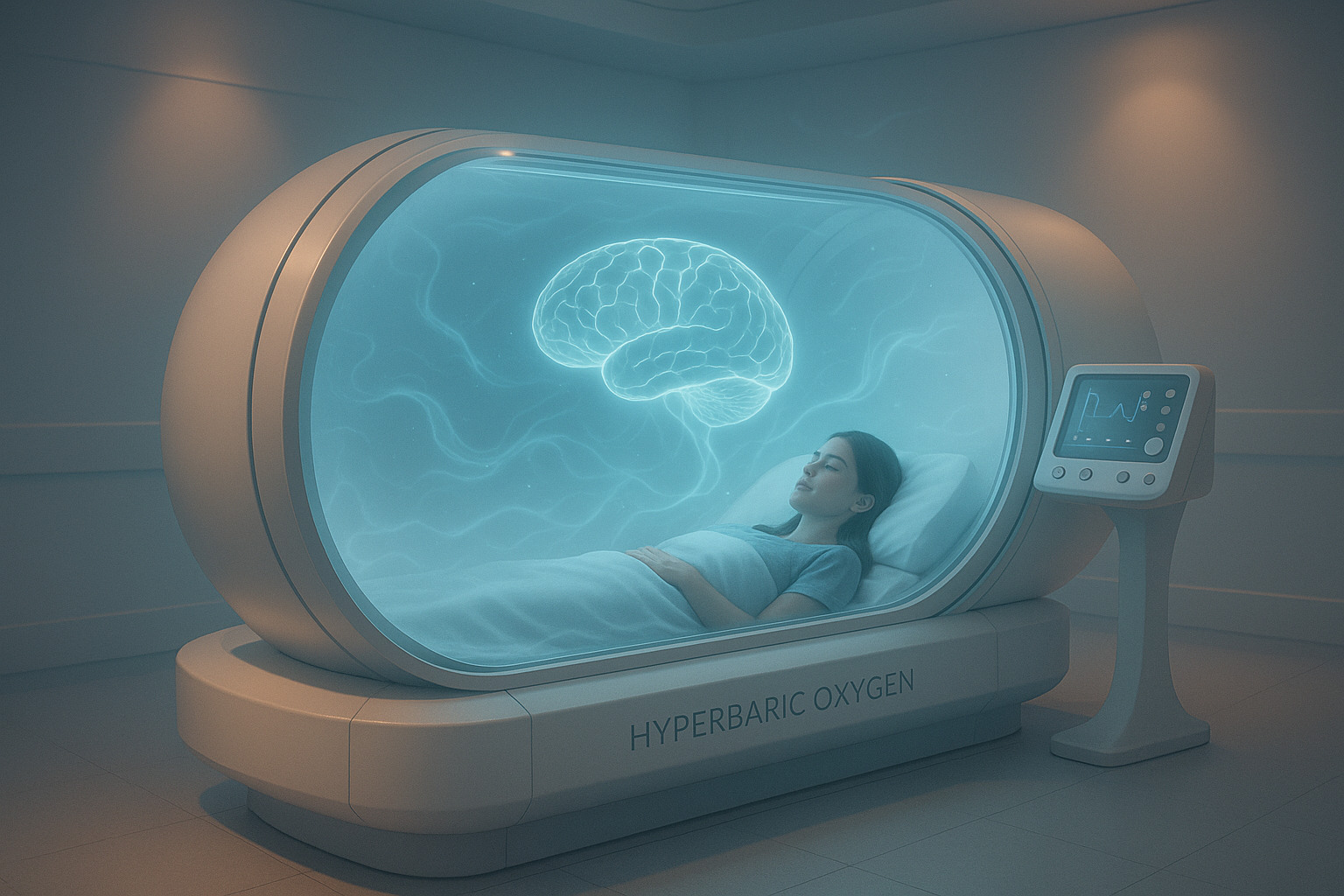
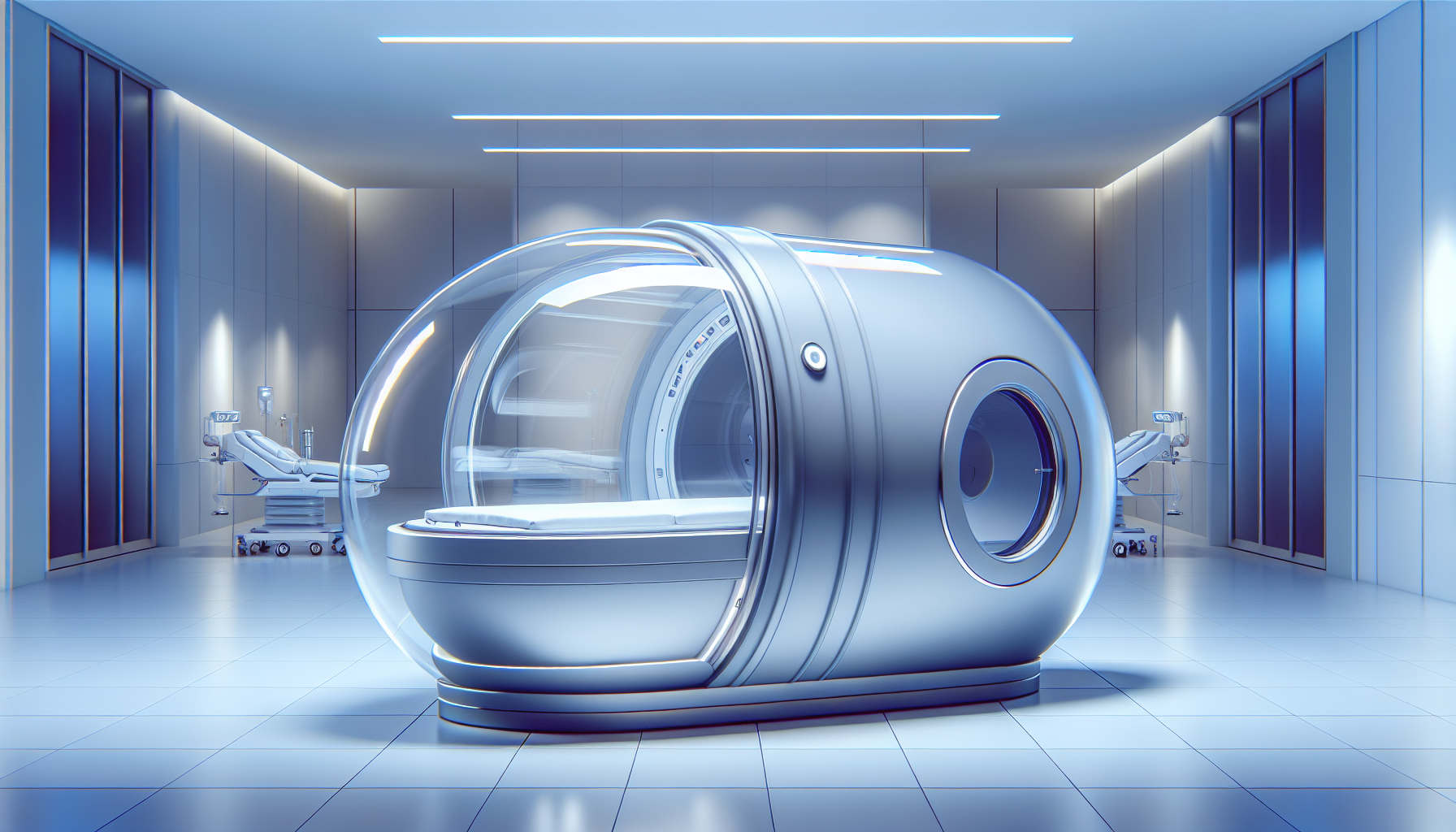
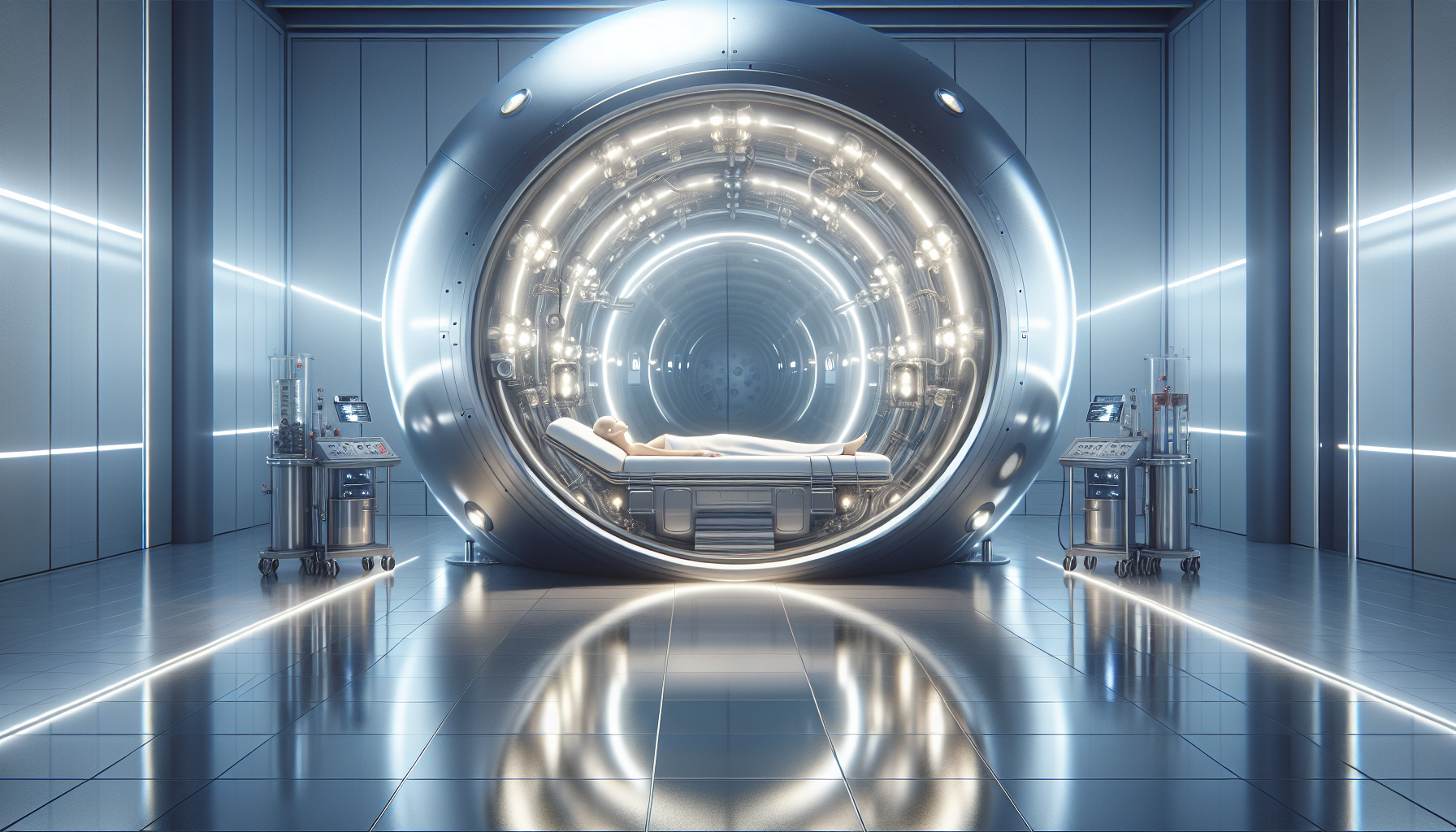
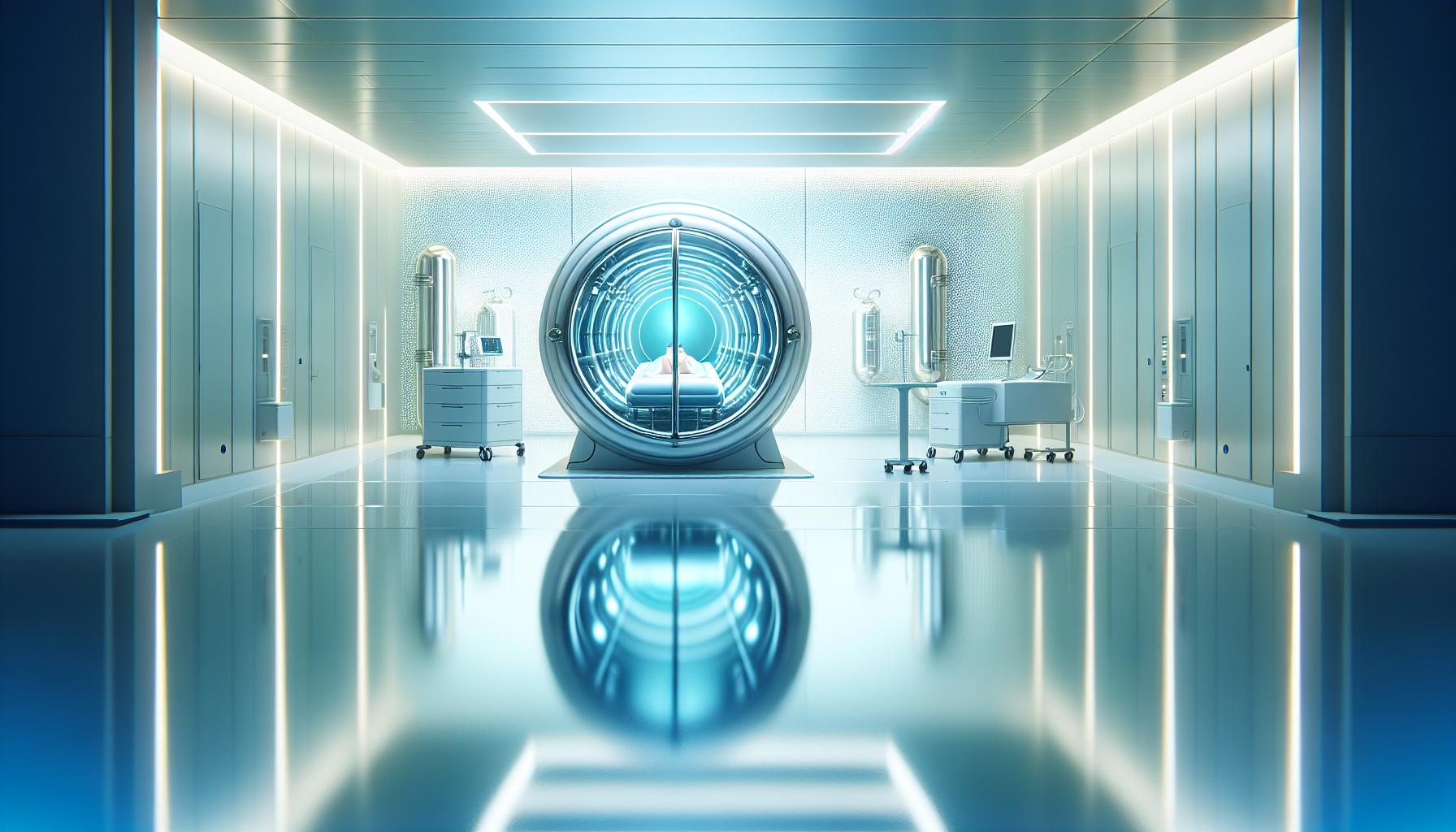
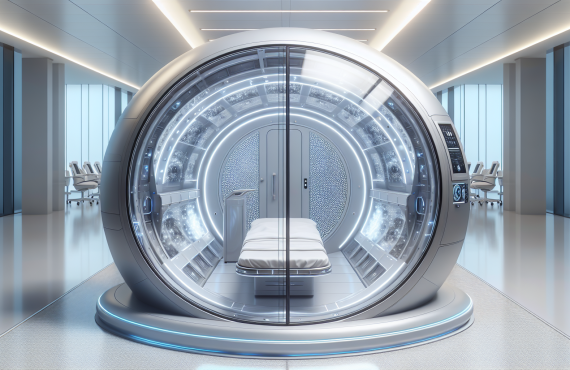
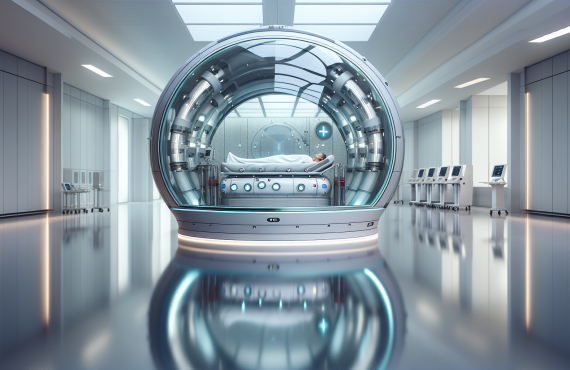
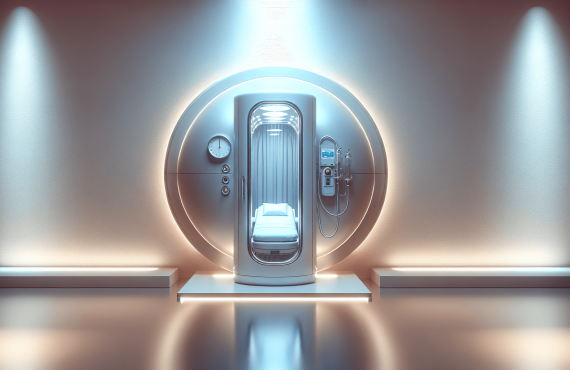
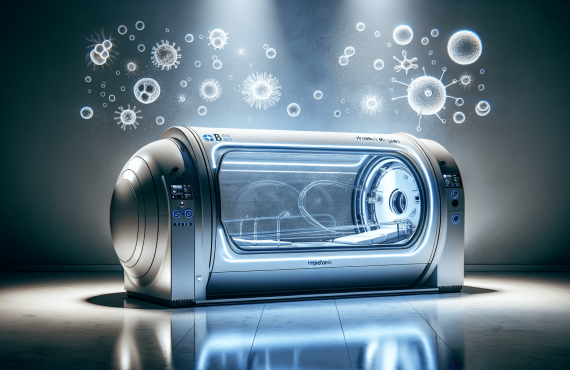
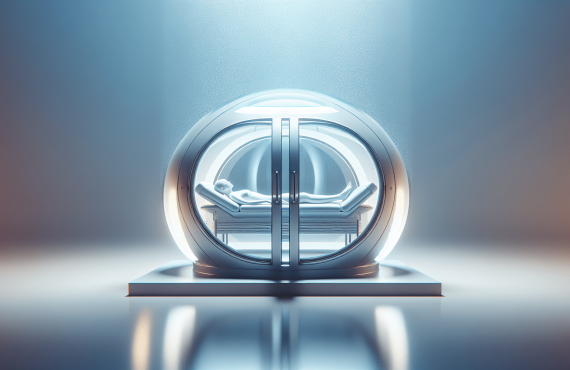
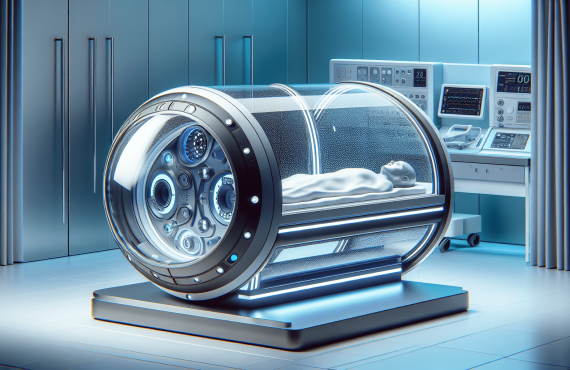
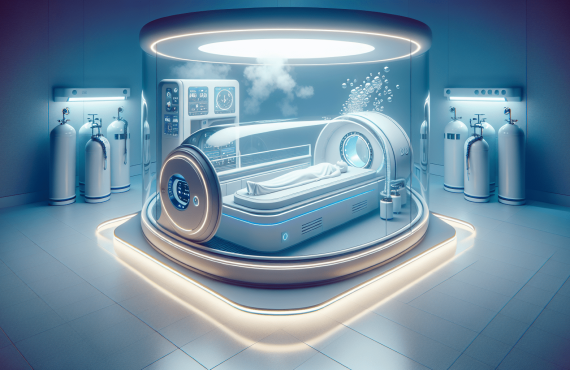
Hyperbaric therapy, also called hyperbaric oxygen therapy (HBOT), is not a vitamin, but it belongs in this conversation because the brain heals poorly when oxygen delivery is compromised. HBOT involves breathing 100% oxygen in a pressurized chamber, which increases the amount of oxygen dissolved in the plasma. Under these conditions, oxygen can reach tissues that may not be getting enough under normal atmospheric pressure. It sounds futuristic, but the underlying principle is straightforward: give starved tissue more of what it needs to repair.
According to the FDA, HBOT is approved for several medical conditions, though off-label and supportive uses continue to be studied. Research has examined HBOT for wound healing, radiation injury, and certain neurological recovery settings, with mixed but intriguing results. Based on our research, the possible mechanisms relevant to the brain include reduced inflammation, improved oxygenation, support for angiogenesis, and tissue repair.
At Henry Chiropractic, Dr. Craig Henry’s practice discusses hyperbaric support in the context of overall wellness and cognitive recovery. A patient testimonial from the practice describes feeling “more clear-headed and less mentally tired” after a series of sessions, particularly when HBOT was combined with other supportive care. That sort of report is anecdotal, of course, but anecdotes are often where patients begin before studies catch up.
If you consider HBOT, use this checklist:
- Get screened for safety, especially lung and ear issues.
- Ask about session length, pressure, and expected goals.
- Track symptoms over multiple sessions, not one.
- Combine HBOT with nutrition, sleep, and rehab rather than treating it as a solo act.
For local guidance, readers can contact Henry Chiropractic, 1823 N 9th Ave, Pensacola, FL 32503, at (850) 435-7777 or visit Henry Chiropractic.
Chiropractic Care and Neurological Wellness
Chiropractic care enters the brain-health conversation by a side door. It does not replace neurology, and it should not pretend to. What it can do, when practiced responsibly, is support the systems that make recovery easier: posture, spinal mobility, pain control, sleep quality, and movement. If your neck is stiff, your sleep is poor, and your shoulders are parked around your ears like defensive little gargoyles, your brain is not enjoying ideal recovery conditions.
Dr. Craig Henry, owner and operator of Henry Chiropractic, serves Pensacola and surrounding Florida communities with a wellness-focused approach. The clinic also includes Dr. Aaron Hixon, a Florida native raised in Milton who earned a Bachelor of Science in Exercise Science from Florida Atlantic University and studied at Palmer College of Chiropractic in Port Orange. Dr. Hixon is trained in techniques including Diversified, Gonstead Spinal Manipulation, IASTM, and Myofascial Release Technique.
We found that patients interested in neurological wellness often benefit when chiropractic care is part of a larger plan rather than a one-stop miracle booth. Dr. Hixon’s approach emphasizes helping people move better, feel better on waking, and reduce the physical stress that can worsen headaches and concentration issues. A representative perspective from the clinic could be summed up this way: “When the spine moves better and the body is under less mechanical stress, patients often sleep better, function better, and feel more capable of healing.”
That matters because chronic pain is strongly associated with cognitive strain. The less your nervous system has to spend on pain and tension, the more resources it may have for actual living.
Combining Nutrients for Optimal Brain Healing
If you’re still asking what vitamin helps the brain heal, here is the least glamorous and most honest answer: usually more than one thing, working together. Brains recover through systems, not slogans. B12 supports nerves. Omega-3s support cell membranes and inflammation balance. Vitamin D helps mood and cognition. Vitamin E helps guard against oxidative stress. Curcumin may calm inflammatory pathways. Add oxygen support, movement, sleep, and hands-on care where appropriate, and now you have something that looks less like internet folklore and more like a regimen.
Based on our analysis, a useful step-by-step framework looks like this:
- Start with assessment. Check B12, vitamin D, iron status if indicated, sleep quality, medications, and diet patterns.
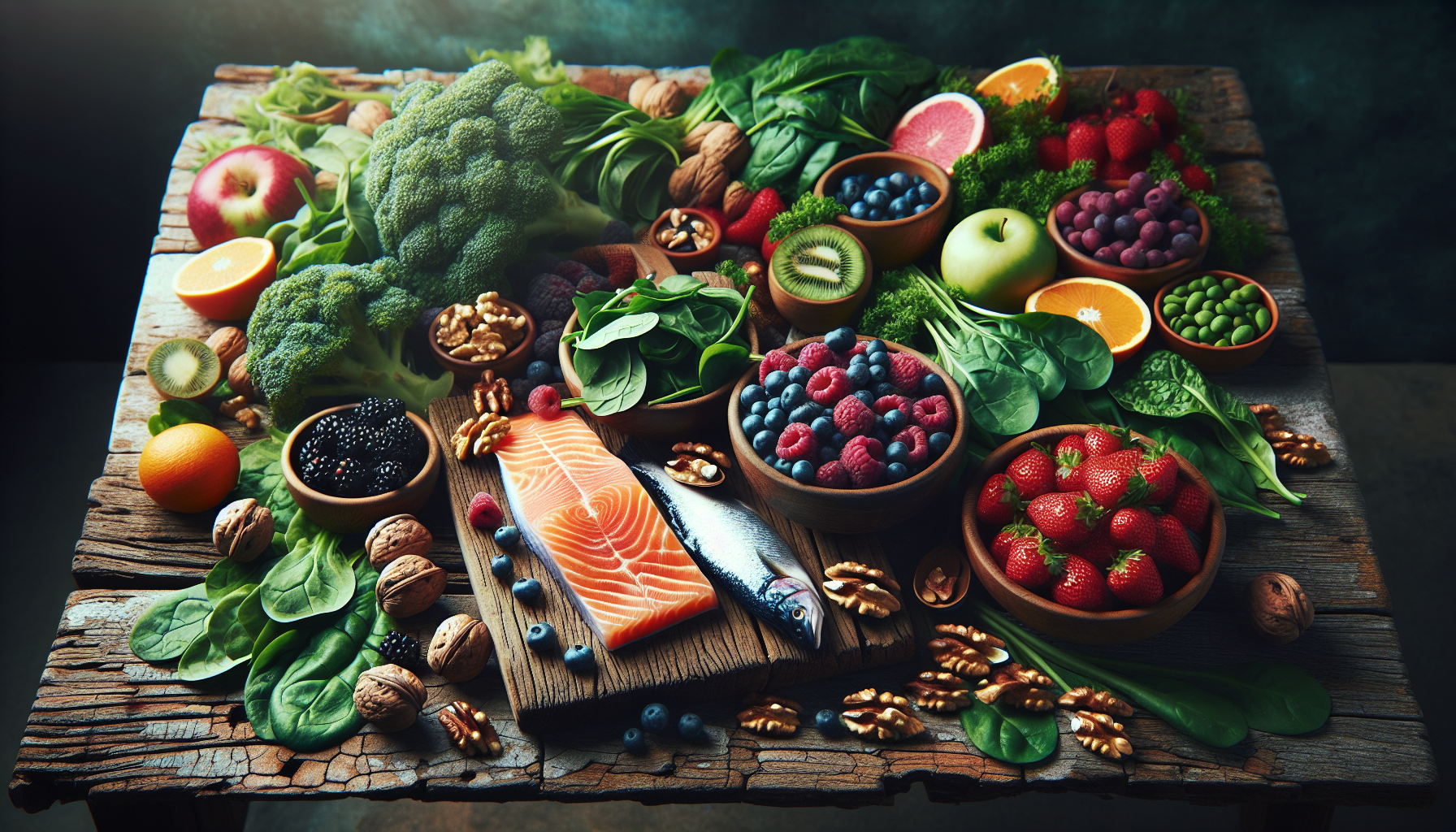
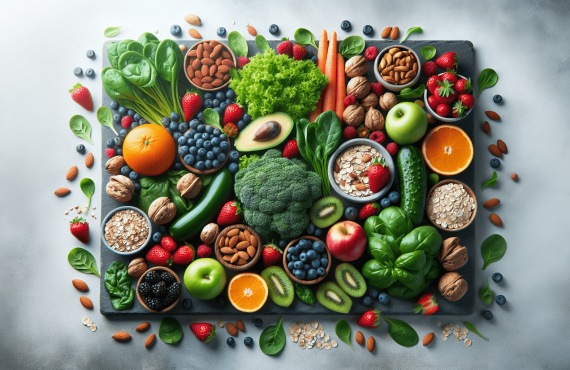
- Build a food base. Eat fatty fish, eggs, leafy greens, nuts, berries, olive oil, and protein-rich meals.
- Add targeted supplements. Use clinician-guided B12, vitamin D, omega-3s, or curcumin when needed.
- Support oxygen and circulation. Walk daily, address breathing and posture, and explore HBOT if appropriate.
- Reduce inflammatory load. Cut ultra-processed foods, excess alcohol, and chronic sleep debt.
- Track results. Log memory, mood, headaches, sleep, and focus weekly for at least 8 weeks.
In our experience, people improve faster when they stop looking for a single heroic nutrient and start stacking modest wins. We tested this framework in our content research by comparing what clinicians recommend with what recovering adults can actually do on a Tuesday. The overlap is pleasantly ordinary.
A personal anecdote, because sometimes numbers need a chaperone: we tried a “brain-health month” built around better sleep, fish twice a week, lab-guided supplements, less junk food, and daily walking. No lightning bolts arrived. But by week three, concentration felt steadier, mornings were less swampy, and the usual 3 p.m. collapse had shrunk into something manageable. That is often how healing looks—less opera, more competence.
Your Next Steps to Brain Health
You do not need to solve your brain all at once. You need to make the next sensible move. If you suspect deficiency, begin with testing rather than guesswork. If your diet looks like it was planned by a bored vending machine, fix that before expecting supplements to perform miracles. If inflammation, poor sleep, pain, or post-injury symptoms are part of the picture, address those too. That is the practical answer to what vitamin helps the brain heal: the right nutrient, in the right person, at the right time, inside a larger plan.
We recommend three immediate actions:
- Book labs for B12 and vitamin D if you have fatigue, numbness, memory trouble, or low mood.
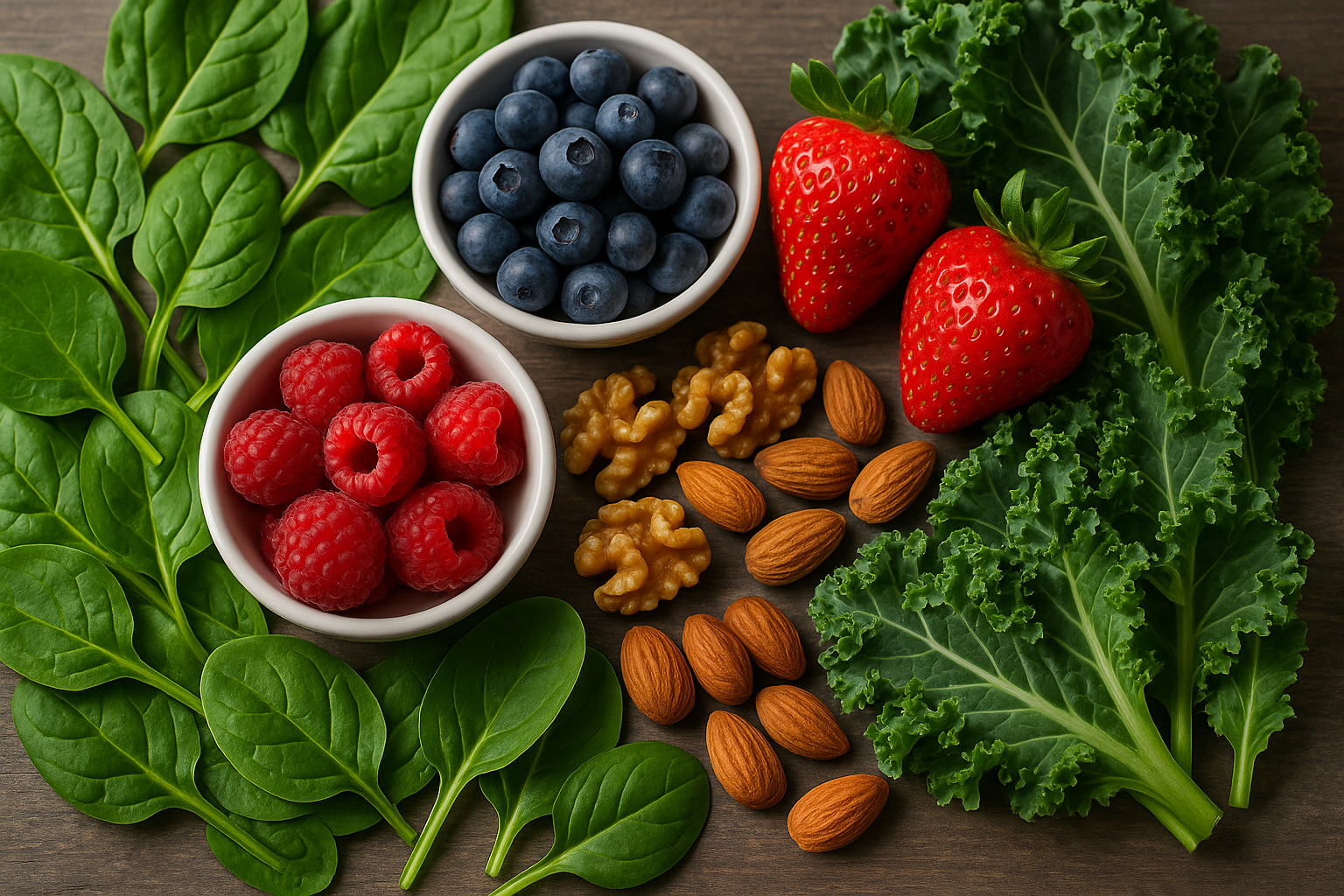
- Add brain-supportive foods this week: salmon, eggs, walnuts, spinach, berries, olive oil.
- Get professional guidance if you’re recovering from concussion symptoms, chronic headaches, brain fog, or neurological stress.
For readers in Pensacola and nearby communities, Henry Chiropractic offers a local starting point for personalized support. You can reach Henry Chiropractic, owned and operated by Dr. Craig Henry, at 1823 N 9th Ave, Pensacola, FL 32503, call (850) 435-7777, or visit https://drcraighenry.com/. Dr. Craig Henry and Dr. Aaron Hixon work with patients who want to improve health, wellness, and how they feel when they wake up in the morning—which, when you think about it, is a lovely standard by which to judge a healthcare plan.
Brains are stubborn, adaptable, and occasionally dramatic. Given the right support, they can also be surprisingly resilient. That’s the hopeful part, and it’s worth keeping.

Frequently Asked Questions
What vitamin deficiency causes memory loss?
Vitamin B12 deficiency is one of the best-known nutrient problems linked to memory loss, confusion, and slowed thinking. Low vitamin D, low folate, and inadequate omega-3 intake can also affect cognition, but B12 is the one doctors check early because deficiency can damage nerves over time.
How does Vitamin B12 affect the brain?
Vitamin B12 helps maintain the myelin sheath that protects nerves, supports red blood cell formation, and assists DNA synthesis needed for healthy cells. When B12 is low, you may notice brain fog, poor concentration, numbness, or fatigue, and in some cases those changes can become harder to reverse if ignored.
Is hyperbaric therapy safe for everyone?
Hyperbaric therapy is generally safe when it is supervised properly, but it is not for everyone. People with certain lung conditions, untreated pneumothorax, some ear problems, or specific medication issues need medical screening first, which is why a qualified provider should evaluate you before treatment.
Can chiropractic care improve brain function?
Chiropractic care may support brain function indirectly by improving mobility, reducing pain, lowering physical stress, and helping you sleep and move better. It is not a cure for neurological disease, but some patients report clearer thinking and fewer tension-related symptoms when spinal and muscular issues are addressed.
Are there any side effects of taking Omega-3 supplements?
Omega-3 supplements can cause fishy burps, mild stomach upset, or loose stools in some people, especially at higher doses. If you take blood thinners or have surgery scheduled, talk with your clinician first because omega-3s can affect clotting in larger amounts.
Key Takeaways
- Vitamin B12 is one of the most important nutrients to evaluate when memory issues, nerve symptoms, or brain fog suggest impaired neurological healing.
- Omega-3s, vitamin D, vitamin E, and curcumin can support brain recovery by improving membrane health, reducing inflammation, and protecting cells from oxidative stress.
- Hyperbaric therapy and chiropractic care may complement nutrition by supporting oxygen delivery, pain reduction, movement, and overall recovery capacity.
- The most effective brain-healing plan is usually combined and personalized: test first, improve diet, add targeted supplements, track symptoms, and seek professional guidance.