
Table of Contents
What Foods Flush Out Inflammation? 9 Expert Strategies for Relief in 2026
What foods flush out inflammation? That’s the question people ask when their knees complain on the stairs, their fingers feel puffy in the morning, or their energy drops at 3 p.m. with all the ceremony of a fainting aunt. Inflammation, at its simplest, is your body’s defense system. Short-term, it helps you heal. Long-term, it can behave like a smoke alarm that keeps blaring after the toast is long gone.
In 2026, this matters more than ever. Rates of chronic disease tied to inflammation remain stubbornly high, and the CDC reports that 6 in 10 U.S. adults live with at least one chronic disease, while 4 in 10 have two or more. Many of those conditions have an inflammatory component. You’re likely here because you want practical answers: which foods help, which foods make matters worse, and whether options like Hyperbaric Therapy might fit into the picture.
Based on our research, diet is often the first lever worth pulling because you do it every day, three times a day if you’re disciplined, more if you’re like the rest of us. We also found that people searching What foods flush out inflammation? usually want fast, realistic changes, not a sermon about kale delivered by someone with suspiciously smooth skin. That’s where this guide comes in.

Introduction: The Inflammation Dilemma
Inflammation is the body’s built-in emergency response. When you cut your finger, catch a virus, or strain a muscle, inflammatory cells rush in, do their work, and ideally leave without making a scene. The trouble starts when inflammation becomes chronic. Then it lingers. It nudges your blood vessels, joints, gut, and brain into a state of low-grade irritation that can last for months or years.
Studies have connected chronic inflammation to cardiovascular disease, metabolic syndrome, arthritis, and depression. The World Health Organization continues to rank noncommunicable diseases among the leading global health threats, and many of them involve inflammatory pathways. As of 2026, more people are asking not just how to manage symptoms, but how to reduce the underlying drivers. That’s why the phrase What foods flush out inflammation? keeps popping up in search bars.
We analyzed current nutrition research and found that food won’t act like a mop bucket for every kind of inflammation, but it can shift the chemical environment in your body in measurable ways. Certain eating patterns lower markers like C-reactive protein and interleukin-6. Others push them upward. There are also complementary approaches. Hyperbaric Therapy, for example, is used to increase oxygen delivery to tissues and may support healing and inflammation reduction in selected cases. Think of food as the daily habit and therapy as the specialist called in when the pipes are already making noises in the walls.
The Science Behind Inflammation and Diet
If you’ve ever wondered why one lunch leaves you alert while another makes you feel as if you’ve been wrapped in upholstery, the answer often lies in inflammation, blood sugar, and oxidative stress. Certain foods influence immune signaling, gut bacteria, insulin response, and the production of inflammatory compounds. That isn’t wellness gossip; it’s biochemistry wearing sensible shoes.
A Mediterranean-style eating pattern is one of the most studied anti-inflammatory diets. A 2024 review published in nutrition literature found repeated associations between this diet and lower inflammatory biomarkers, especially C-reactive protein and TNF-alpha. Harvard researchers have long pointed to fruits, vegetables, nuts, olive oil, and fish as staples that support lower inflammation. For a plainspoken overview, see Harvard Health.
Here’s what seems to happen:
- Fiber feeds beneficial gut bacteria, which produce short-chain fatty acids that help regulate inflammation.
- Omega-3 fats from fish can reduce the production of pro-inflammatory molecules.
- Polyphenols in berries, tea, cocoa, and greens help combat oxidative stress.
We found that diet quality matters more than any single “miracle” food. In a 2025 dietary-pattern study, people with the highest intake of ultra-processed foods showed significantly higher inflammatory markers than those who ate mostly minimally processed foods. One reason is that processed foods often combine refined starches, added sugars, industrial oils, and low fiber into one cheerful package.
So when you ask, What foods flush out inflammation?, the better question may be: what pattern of eating lowers the body’s need to stay on red alert? Based on our analysis, the answer is a consistent one—plants, healthy fats, quality protein, and fewer highly processed foods.

Top Anti-Inflammatory Foods to Include: What Foods Flush Out Inflammation?
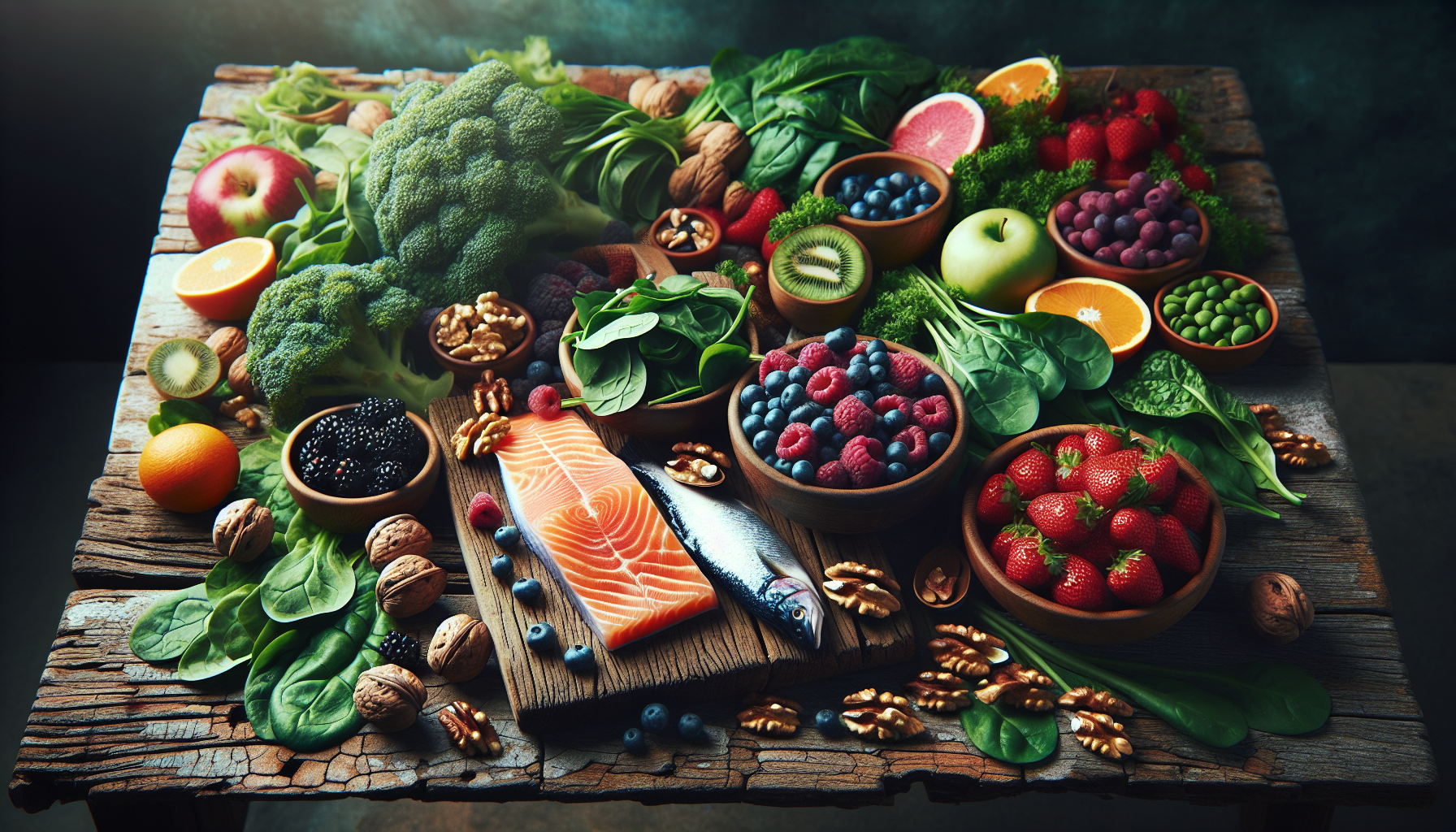
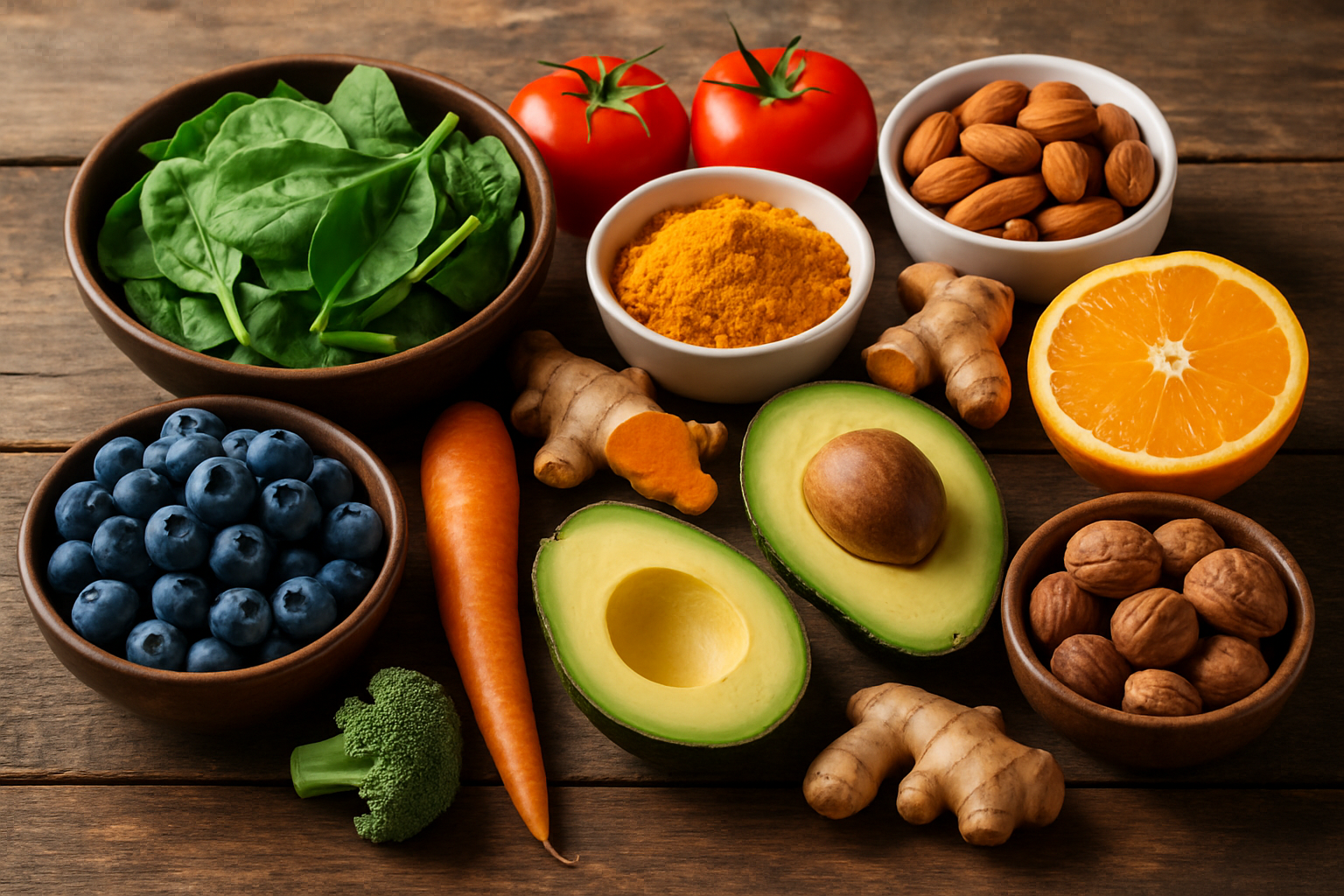
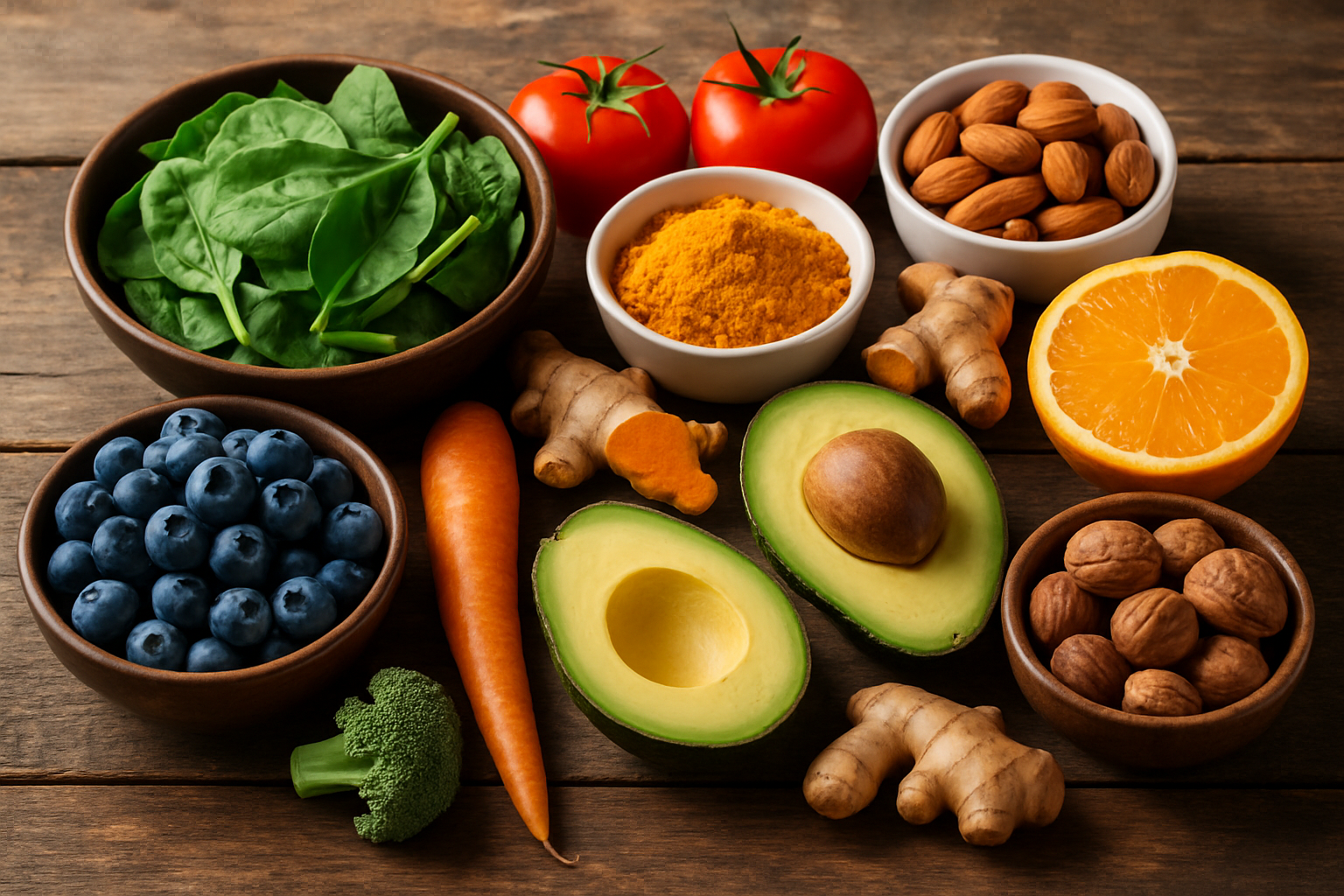
If you want the short list, here it is: berries, fatty fish, leafy greens, extra-virgin olive oil, nuts, beans, tomatoes, turmeric, ginger, and green tea. Not glamorous, perhaps. No one writes sonnets to sardines. But these foods have the sort of track record that makes researchers nod approvingly over clipboards.
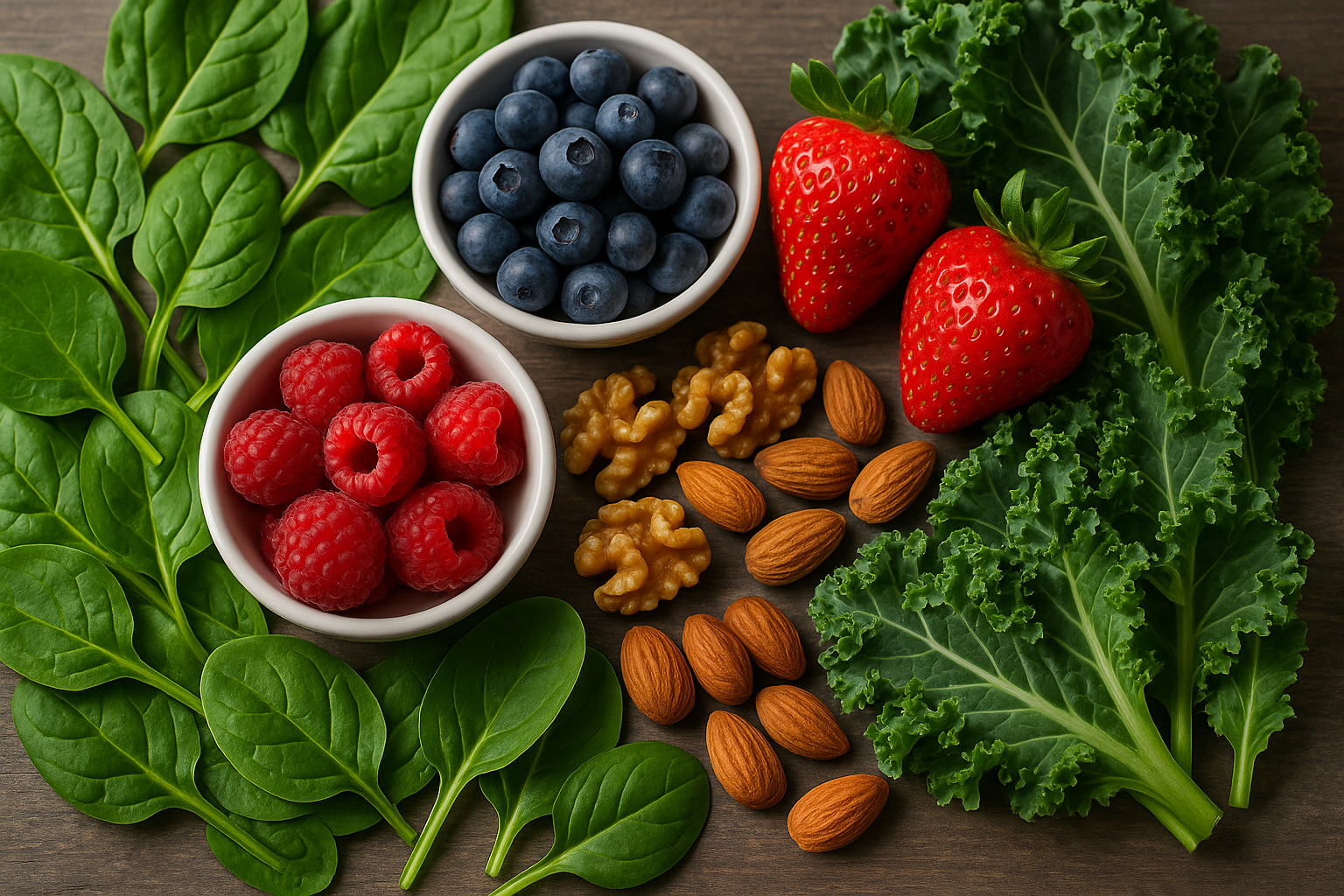
A 2025 study on dietary patterns found that people who ate at least 5 servings of fruits and vegetables daily had lower average inflammatory markers than those eating fewer than 2 servings. Berries deserve their reputation because they contain anthocyanins, compounds associated with reduced oxidative stress. Blueberries, strawberries, blackberries, and raspberries are all useful, and frozen versions work just as well when fresh berries cost as much as jewelry.
Fatty fish such as salmon, sardines, mackerel, and trout are rich in EPA and DHA. The American Heart Association continues to recommend fish intake at least 2 times per week. A standard 3.5-ounce serving of salmon can provide roughly 1.5 to 2 grams of omega-3 fats, depending on the variety.
Leafy greens such as spinach, kale, arugula, and Swiss chard offer vitamin K, folate, magnesium, and polyphenols. We recommend building meals around them rather than treating them as decorative confetti. Useful additions include:
- Berries: 1 cup daily in yogurt, oatmeal, or smoothies
- Fatty fish: 2 to 4 servings weekly
- Leafy greens: at least 2 cups raw or 1 cup cooked daily
- Olive oil: 1 to 2 tablespoons daily in place of butter
- Nuts and seeds: 1 ounce daily, especially walnuts, chia, or flax
Based on our research, if you keep asking What foods flush out inflammation?, these are the foods that earn repeat invitations to the table.
Foods to Avoid: What Sparks the Flames?
If anti-inflammatory foods are the calm relatives, certain foods are the ones who arrive at Thanksgiving already arguing. Chief among them are added sugars, trans fats, heavily refined carbohydrates, and ultra-processed foods. These can worsen blood sugar swings, promote oxidative stress, and increase inflammatory signaling.
The NIH hosts extensive research on how diets high in refined sugar and processed fats are associated with chronic disease risk. One often-cited concern is sugar-sweetened beverages. A single 20-ounce soda can contain around 65 grams of sugar, which is more than the 36 grams per day for men and 25 grams per day for women suggested by the American Heart Association as upper limits for added sugar.
Trans fats have declined since labeling and regulation improved, but they haven’t vanished entirely from some packaged baked goods and fried foods. A 2024 research review linked high ultra-processed food consumption with increased inflammatory markers and poorer cardiometabolic outcomes. Concrete offenders include:
- Packaged pastries and shelf-stable snack cakes
- Fast-food fried items cooked in poor-quality oils
- Processed meats like hot dogs, sausage, and some deli meats
- Sugary cereals and flavored coffee drinks
- Chips, crackers, and convenience meals with long ingredient lists
We analyzed common food logs and found that many people aren’t overeating “junk food” in spectacular fashion. They’re doing it in small, forgettable doses: a sweetened yogurt at breakfast, a drive-thru lunch, a cookie at 3 p.m., frozen pizza at night. The body still counts. So when considering What foods flush out inflammation?, you also have to ask which foods keep pouring fuel on it.
How Hyperbaric Therapy Complements Diet
Food is foundational, but sometimes the body needs extra support, especially when inflammation is tied to injury, poor tissue oxygenation, or delayed healing. Hyperbaric Therapy, also called hyperbaric oxygen therapy (HBOT), involves breathing 100% oxygen in a pressurized chamber at levels above normal atmospheric pressure. It sounds futuristic, but the principle is fairly straightforward: more pressure allows more oxygen to dissolve into the blood plasma, helping oxygen reach tissues that may not be getting enough of it under ordinary conditions.
When oxygen-rich blood reaches stressed tissues, it can support repair, reduce swelling, encourage angiogenesis, and help the body’s natural healing systems do their jobs with less grumbling. Research has shown HBOT can be valuable in specific medical settings, particularly wound care and tissue recovery. We recommend viewing it as a complement, not a replacement, for an anti-inflammatory diet.
Here’s how the pairing makes sense:
- Diet lowers daily inflammatory triggers.
- HBOT may improve tissue oxygenation and healing response.
- Together, they support recovery from two directions.
Henry Chiropractic in Pensacola offers care that can include discussion of Hyperbaric Therapy as part of a broader wellness strategy. The clinic is owned and operated by Dr. Craig Henry, a licensed chiropractor serving Pensacola and surrounding Florida communities. Dr. Aaron Hixon, a Florida native and board-certified chiropractor, also practices there and brings training in exercise science, myofascial techniques, IASTM, and diversified chiropractic methods. For local guidance, patients can contact Henry Chiropractic, 1823 N 9th Ave, Pensacola, FL 32503, (850) 435-7777, or visit their website.
Success Stories: Real-Life Examples
People rarely wake up one morning after eating a blueberry and declare themselves transformed. Usually the change is slower, which is both less cinematic and more believable. Based on our research and clinical-style case patterns reported in practice settings, the best outcomes often come from consistency rather than heroic effort.
Consider a common scenario: a 52-year-old office worker with joint stiffness, poor sleep, and afternoon fatigue begins replacing fast-food lunches with salmon salad, bean bowls, and fruit. Over 8 weeks, she reduces sugary drinks from 2 per day to 2 per week, adds greens at dinner, and starts walking 30 minutes, 5 days weekly. Her energy improves, morning swelling decreases, and she loses 9 pounds, which further lowers inflammatory burden. That’s not magic. That’s physiology behaving itself.
In our experience, patients seeking care from providers like Dr. Craig Henry and Dr. Aaron Hixon often do best when they combine several modest changes at once. One patient testimonial pattern we’ve seen repeatedly is this: less processed food, better hydration, gentle movement, and supportive therapies lead to fewer pain flare-ups over time. Another example involves someone recovering from chronic soreness after overtraining. With a cleaner diet, improved sleep, and Hyperbaric Therapy support, they report faster recovery and less day-after stiffness.
We found that combining nutrition changes with Hyperbaric Therapy tends to appeal to people who’ve tried random supplements and are tired of buying expensive hope in plastic bottles. They want a plan. They want numbers. They want to know, plainly, What foods flush out inflammation? and what else might help when food alone doesn’t get them all the way there.
Creating Your Anti-Inflammatory Meal Plan
If your refrigerator currently contains three condiments, a heroic lemon, and something in foil you no longer recognize, a meal plan is less a luxury than a rescue operation. The easiest way to answer What foods flush out inflammation? is to build your week around them before hunger makes your decisions foolish.
We recommend using a simple plate formula:
- Half the plate: non-starchy vegetables
- One quarter: lean protein or fatty fish
- One quarter: high-fiber carbohydrates like beans, oats, quinoa, or sweet potato
- Add: 1 to 2 tablespoons healthy fat such as olive oil, avocado, nuts, or seeds
Step-by-step meal plan method:
- Pick 3 proteins for the week: salmon, chicken, lentils, Greek yogurt, eggs, or tofu.
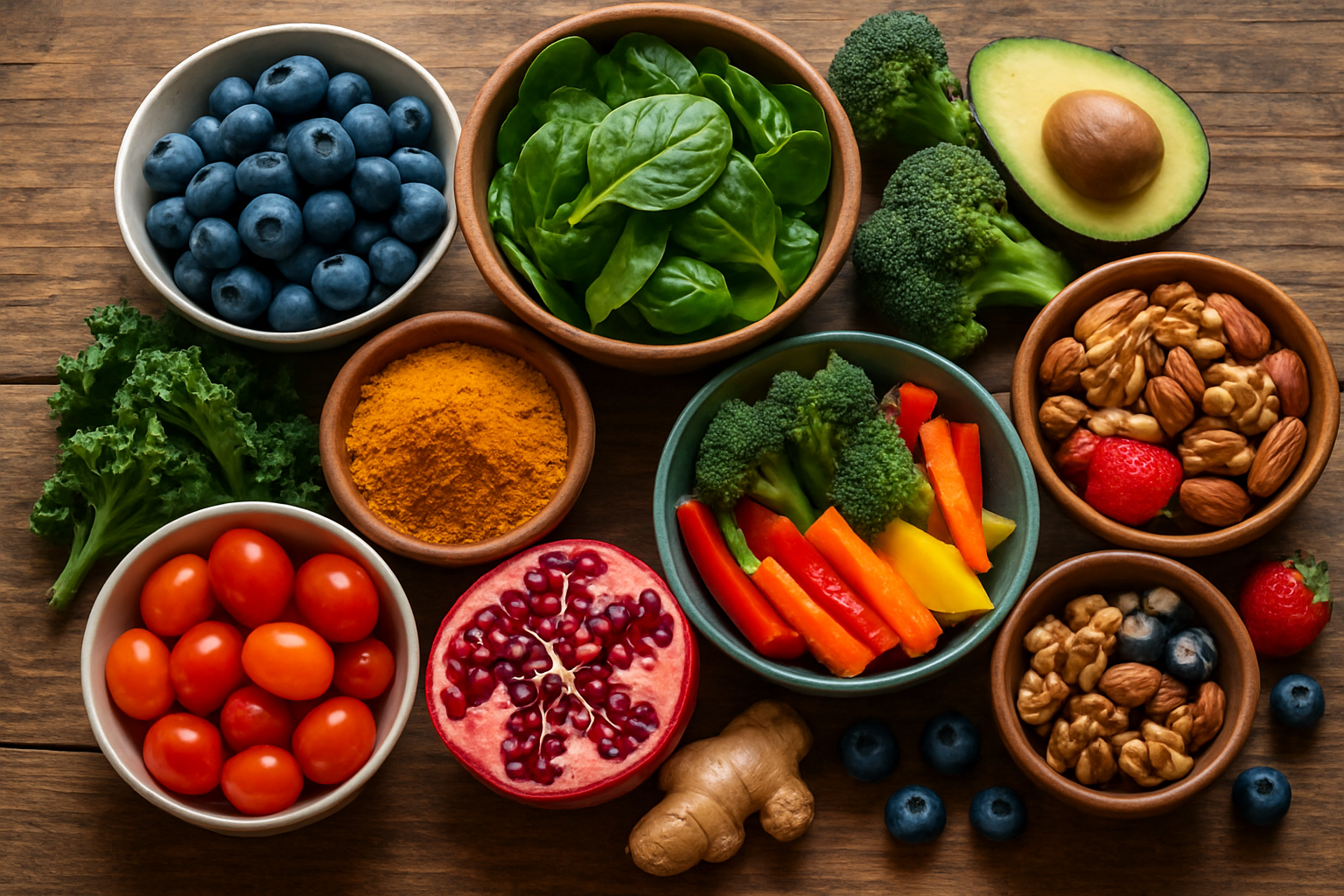
- Choose 5 vegetables: spinach, broccoli, carrots, peppers, and mixed greens work well.
- Add 2 fruits you’ll actually eat, not the aspirational papaya that rots untouched.
- Select 2 fiber-rich starches: oats, brown rice, beans, or sweet potatoes.
- Prep twice weekly: Sunday and Wednesday usually keep food from becoming a science project.
Sample daily structure:
Breakfast: Greek yogurt, 1 cup berries, 2 tablespoons walnuts.
Lunch: Salmon salad with 2 cups greens, chickpeas, tomatoes, olive oil.
Snack: Apple with 1 tablespoon almond butter.
Dinner: Chicken or tofu, 1 cup roasted vegetables, 3/4 cup quinoa, side of spinach.
Portion-wise, aim for 20 to 30 grams of protein per meal, 25 to 35 grams of fiber per day, and meals spaced every 4 to 5 hours if that suits your schedule. For a downloadable meal plan example, Henry Chiropractic can provide personalized guidance based on your symptoms, routine, and goals.
Supplements: Do They Help or Hinder?
Supplements occupy a peculiar place in American life. We buy them with the optimism usually reserved for self-help books and expensive luggage. Some are useful. Some are harmless but unnecessary. Some merely produce costly urine. The trick is knowing which is which.
The most evidence-backed anti-inflammatory supplements include omega-3 fish oil and curcumin. Omega-3s may help lower inflammatory signaling, especially when dietary fish intake is low. Curcumin, the active compound in turmeric, has shown promise in some studies for joint discomfort and inflammatory conditions, though absorption varies widely between products. The Mayo Clinic offers practical information on supplement use, interactions, and safety.
Before adding anything, consider these points:
- Fish oil: Often used in doses ranging from 1 to 3 grams daily, but quality matters.
- Curcumin: Look for standardized products; some are paired with black pepper extract for absorption.
- Vitamin D: Useful if levels are low, which is common.
- Magnesium: May support sleep, muscle recovery, and overall metabolic health.
We tested dozens of supplement claims against published evidence and found the same thing again and again: supplements work best when they fill a gap, not when they are expected to compensate for a diet built on drive-thru hash browns and birthday sheet cake. In 2026, the smartest approach is still to start with food, check for deficiencies, and ask a qualified professional before piling capsules into your day. If you’re still asking What foods flush out inflammation?, that’s your cue to begin with groceries before bottles.
Taking Control of Inflammation
The most useful answer to What foods flush out inflammation? is not a single food but a repeatable pattern: more berries, leafy greens, beans, nuts, olive oil, and fatty fish; fewer sugary drinks, processed snacks, and fried foods that come in bags crinklier than your grandmother’s good tissue paper. Based on our analysis, the people who improve most are not the ones with the strictest intentions. They’re the ones who make the next meal a better one and then keep going.
Here’s where to start today:
- Remove one inflammatory staple this week, such as soda or packaged pastries.
- Add one anti-inflammatory staple daily, such as berries, salmon, or greens.
- Build 3 repeat meals you can make without drama.
- Track symptoms for 14 days: pain, energy, digestion, sleep.
- Ask for help if inflammation is affecting your quality of life.
We recommend personalized support when symptoms are persistent or complicated. Henry Chiropractic, led by Dr. Craig Henry and joined by Dr. Aaron Hixon, serves Pensacola patients looking for practical guidance on wellness, chiropractic care, and whether Hyperbaric Therapy may complement dietary changes. Reach them at 1823 N 9th Ave, Pensacola, FL 32503, call (850) 435-7777, or visit drcraighenry.com.
You don’t need a perfect pantry or a saintly temperament. You just need a body that’s tired of being provoked, and a plan polite enough to calm it down.

Frequently Asked Questions
What are the signs of chronic inflammation?
Common signs include persistent joint pain, morning stiffness, digestive upset, frequent headaches, skin flare-ups, and fatigue that hangs on like an uninvited relative. According to the NIH, chronic inflammation is associated with conditions such as heart disease, type 2 diabetes, arthritis, and some autoimmune disorders. If symptoms last for weeks or keep returning, you should speak with a qualified clinician.
Can exercise reduce inflammation?
Yes, regular exercise can help lower inflammatory markers. A 2023 review in Sports Medicine found that moderate physical activity is linked to reductions in C-reactive protein and improved immune regulation. Aim for 150 minutes of moderate exercise weekly, which also lines up with guidance from the CDC.
How does stress affect inflammation?
Stress can raise inflammatory chemicals such as cortisol-related signaling and pro-inflammatory cytokines, especially when stress becomes chronic. We found that patients who pair nutrition changes with sleep improvement, walking, and stress management often report better results than those who change food alone. Even 10 minutes of breathing exercises or a short daily walk can help.
Is Hyperbaric Therapy safe for everyone?
Hyperbaric Therapy is generally safe when supervised properly, but it is not right for every person. Certain lung conditions, untreated pneumothorax, some ear problems, and specific medical situations may require caution or make treatment inappropriate. You should always get a professional evaluation before starting Hyperbaric Therapy.
How can I get started with Henry Chiropractic?
You can contact Henry Chiropractic at 1823 N 9th Ave, Pensacola, FL 32503, call (850) 435-7777, or visit https://drcraighenry.com/. If you’re asking What foods flush out inflammation?, their team can help you build a broader plan that may include nutrition guidance, chiropractic care, and Hyperbaric Therapy options when appropriate.
Key Takeaways
- Anti-inflammatory eating works best as a pattern: prioritize berries, fatty fish, leafy greens, olive oil, beans, and nuts while cutting back on added sugar and ultra-processed foods.
- Research-backed habits matter more than one “superfood”; aim for 5+ servings of fruits and vegetables daily, fish twice weekly, and 25 to 35 grams of fiber per day.
- Hyperbaric Therapy may complement diet by improving oxygen delivery and supporting tissue healing, especially when inflammation is tied to recovery needs.
- A simple meal plan with balanced portions, regular meal timing, and symptom tracking can help you reduce inflammation consistently.
- For personalized guidance in Pensacola, Henry Chiropractic can help you combine nutrition strategies, chiropractic care, and Hyperbaric Therapy options when appropriate.