
Table of Contents
Does TBI get worse over time? 9 Expert Facts, Treatments, and Recovery Steps
Meta description: Explore expert insights on “Does TBI get worse over time?” Learn about treatments like hyperbaric therapy, chiropractic care, and lifestyle changes.

Introduction: The Ticking Clock of TBI
Does TBI get worse over time? That’s the question that tends to arrive at 2:14 a.m., usually after a headache, a strange lapse in memory, or the alarming realization that the grocery store suddenly feels like a nightclub designed by sadists. If you’re here, you’re probably worried that a past concussion or more serious brain injury isn’t done with you yet. Fair enough. The brain is marvelous, but it can also behave like a houseguest who says goodnight and then stays for six more weeks.
A traumatic brain injury (TBI) can improve, plateau, or, in some cases, worsen over time depending on the severity of the injury, your age, your medical history, and what kind of treatment you receive. Based on our research, timely intervention matters because the symptoms that seem merely annoying in month one can become job-threatening, relationship-straining, and quality-of-life-crushing by year two. That sounds dramatic, but the numbers justify it.
We found that readers asking whether TBI gets worse over time usually want three things: a clear answer, realistic treatment options, and a way to tell whether they should act now or keep pretending everything is fine. You’ll get all three here, along with practical steps, evidence from CDC and NIH sources, and a look at options such as hyperbaric oxygen therapy, chiropractic care, and daily habits that can support recovery. In 2026, with more data available than ever, waiting and hoping is no longer much of a strategy.
Understanding Traumatic Brain Injury (TBI)
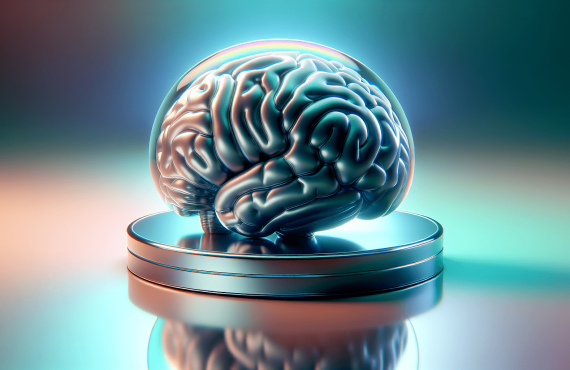
A TBI is a disruption in normal brain function caused by a bump, blow, jolt, or penetrating head injury. That’s the clean clinical definition. In ordinary life, it can be a fall off a ladder, a car crash, a football collision, an assault, or the kind of bathroom slip that makes you wonder whether tile was invented by your enemies. Symptoms can appear immediately or unfold over hours and days, which is part of why people underestimate it.
According to the CDC, about 2.8 million people in the United States experience TBI annually, a figure still widely cited in 2026 because it captures the enormous scale of the issue. The CDC also reports that falls are a leading cause of TBI-related emergency visits, especially among older adults and young children. Motor vehicle crashes, sports injuries, and workplace accidents remain major contributors as well.
The symptoms vary wildly. Some people deal with headaches, dizziness, nausea, and sensitivity to light. Others are hit with memory trouble, irritability, slower processing speed, insomnia, neck pain, or that foggy feeling that makes simple tasks feel like filing taxes in a moving canoe. Studies show that up to 15% of people with mild TBI have persistent symptoms beyond one year, according to reviews indexed by NIH.
What makes TBI especially disruptive is how ordinary life becomes oddly expensive in effort. Reading emails takes longer. Driving feels more stressful. Conversations require more concentration. Based on our analysis, these daily frictions are often what push patients to seek help, not the original injury itself.
- Physical symptoms: headache, dizziness, fatigue, visual strain, neck pain
- Cognitive symptoms: memory lapses, poor focus, slower thinking, confusion
- Emotional symptoms: anxiety, depression, irritability, mood swings
- Sleep symptoms: insomnia, fragmented sleep, daytime exhaustion

Does TBI Get Worse Over Time?
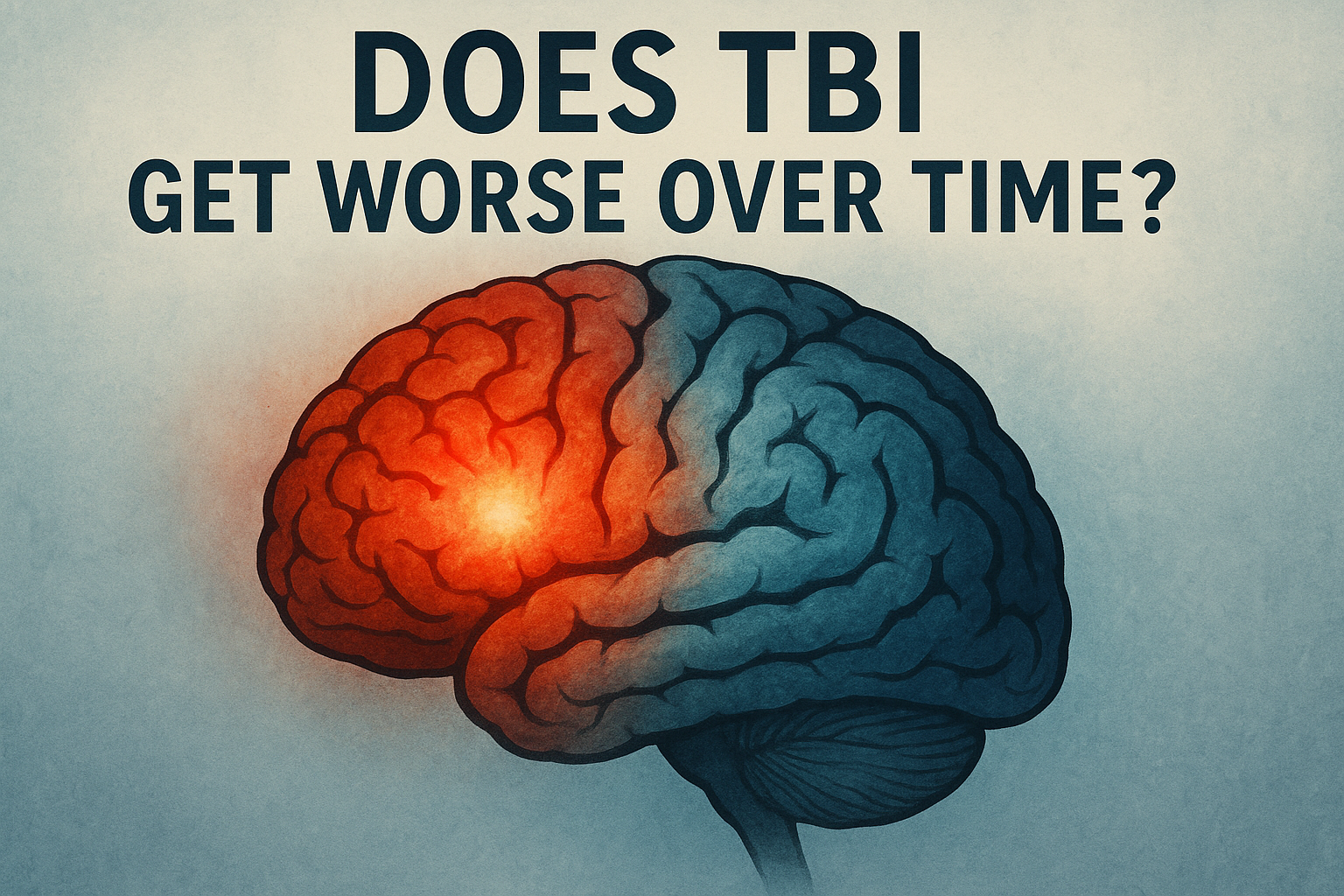
Does TBI get worse over time? Sometimes yes, and that’s the maddeningly honest answer. Not every brain injury follows a downhill course. Many people improve substantially, especially with prompt care. But research shows that a meaningful percentage develop worsening symptoms, secondary complications, or delayed functional decline.
One statistic appears again and again in the literature: about 30% of TBI patients experience worsening symptoms within 2 years, according to research available through NIH. Those worsening symptoms may include headaches, balance problems, memory loss, emotional instability, and reduced ability to work. A 2024 review in neurorehabilitation literature also noted that repeated injuries and untreated post-concussive symptoms are linked to poorer long-term outcomes. In other words, the brain does not always forgive neglect.
We analyzed the available evidence, and the pattern is this: TBI can seem stable while underlying problems keep stirring. Poor sleep increases inflammation. Neck dysfunction worsens headaches. Anxiety raises symptom awareness and stress hormones. Reduced activity leads to deconditioning. Suddenly, six months after “recovery,” you’re wondering why grocery shopping requires a nap.
Several mechanisms may explain why TBI gets worse over time in some people:
- Secondary injury processes such as inflammation, excitotoxicity, and disrupted blood flow continue after the initial trauma.
- Undiagnosed structural issues involving the cervical spine or vestibular system can prolong pain and dizziness.
- Repeated concussions increase the risk of cumulative damage, particularly in athletes and military populations.
- Lifestyle strain including poor sleep, alcohol misuse, and chronic stress can amplify symptoms.
As of 2026, the best evidence does not support panic, but it absolutely supports follow-up. If symptoms persist or return, they deserve evaluation. A TBI is not a casserole; you do not put it in the back of the fridge and hope for the best.
Factors Influencing TBI Progression
If you want to know why one person recovers in months while another struggles for years, the answer is usually a stack of factors rather than one theatrical culprit. Age matters. Older adults generally have a harder recovery trajectory, partly because the brain is less resilient and partly because falls, medications, and vascular issues complicate the picture. According to the CDC, adults aged 75 and older have some of the highest TBI-related hospitalization rates in the U.S.
Severity of injury matters too. A mild concussion can still produce prolonged symptoms, but moderate and severe TBIs are more likely to create lasting impairments. The National Institute of Neurological Disorders and Stroke notes that outcomes depend heavily on the location and extent of brain damage, the duration of loss of consciousness, and post-injury complications.
Pre-existing conditions are the part people often miss. Migraine history, ADHD, depression, anxiety, sleep apnea, autoimmune disease, and prior concussions can all make recovery slower or less predictable. In our experience, patients with untreated neck problems or chronic stress often report more headaches, dizziness, and concentration problems than those with the same injury severity but stronger baseline health.
Lifestyle and environment can either support healing or quietly sabotage it:
- Sleep deprivation impairs memory consolidation and symptom recovery.
- Alcohol and drug use can worsen cognitive deficits and increase reinjury risk.
- Sedentary habits may reduce circulation, mood stability, and physical resilience.
- Overstimulation from screens, noise, and chaotic settings can intensify symptoms.
Then there’s psychological stress, which tends to behave like an uninvited drummer in the next apartment. It keeps everything awake. Studies have shown high rates of depression and anxiety after TBI, often ranging from 20% to 40% depending on injury severity and follow-up period. When stress rises, headaches, sleep problems, irritability, and cognitive fatigue often rise with it. So yes, emotions are not separate from brain recovery. They’re roommates.
Hyperbaric Therapy: A Ray of Hope?
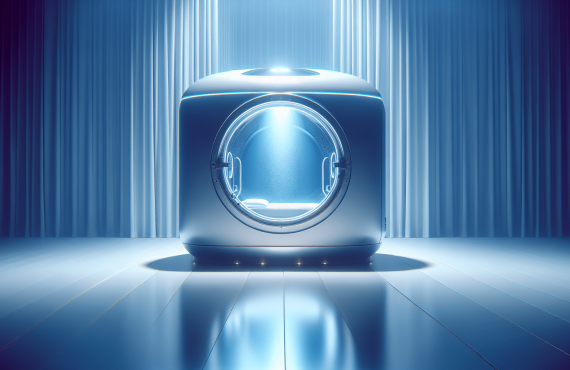
Hyperbaric Therapy, also called hyperbaric oxygen therapy (HBOT), involves breathing 100% oxygen in a pressurized chamber. The idea is straightforward and oddly futuristic: increase oxygen delivery to tissues so the body can repair itself more effectively. Under higher-than-atmospheric pressure, oxygen dissolves into plasma at greater levels, reaching tissues that may not be getting enough support under normal conditions. That matters because brain injury often involves disrupted metabolism, inflammation, and impaired blood flow.
How does HBOT work in practical terms? First, the patient enters a specially designed chamber. Pressure is gradually increased. As the oxygen-rich blood circulates, it may help reduce inflammation, promote angiogenesis—the growth of new blood vessels—and support tissue repair. According to the FDA, HBOT is approved for several medical conditions, though use in TBI remains an area of ongoing research rather than settled doctrine. That distinction matters. We recommend asking whether a provider is using HBOT as part of an integrated plan instead of presenting it as magic in a tube.
Based on our analysis of available studies, some patients with chronic TBI report improvements in attention, sleep, headaches, and quality of life after a course of HBOT, though outcomes vary. A commonly cited real-world pattern involves a patient with persistent post-concussion symptoms—brain fog, daily headaches, and poor sleep—who begins a series of 20 to 40 sessions and reports gradual improvement by the second or third week. Not fireworks. More like someone finally turns down the static.
If you’re considering HBOT, ask these questions:
- What goals are being measured: headache frequency, sleep, memory, stamina?
- How many sessions are recommended, and why?
- What are the risks, costs, and expected timeline?
- How will HBOT fit with your medical care, rehabilitation, and physical treatment?
As of 2026, HBOT remains promising for some TBI patients, particularly those with lingering symptoms, but it works best when approached carefully and evidence-first rather than with the zeal usually reserved for miracle blenders.
Chiropractic Care for TBI Recovery
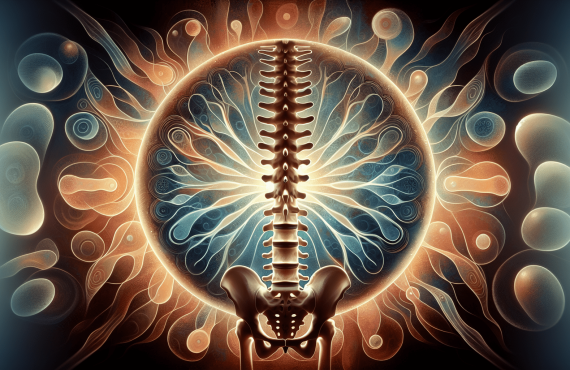
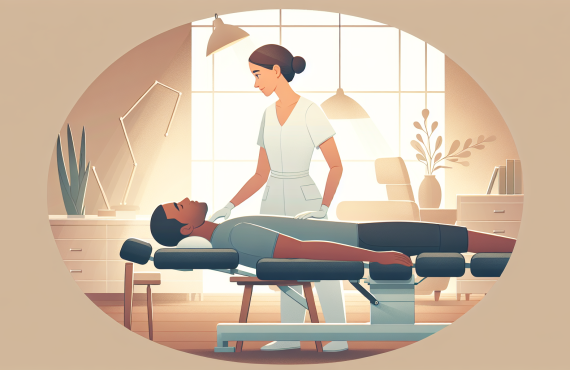
When people hear chiropractic care in the context of TBI, some picture a neck crack and a motivational poster. The reality can be far more nuanced. Many TBI patients also have cervical spine injuries, muscle tension, balance issues, headaches, and movement restrictions that keep symptoms alive long after the original trauma. Treating those mechanical problems won’t erase a brain injury, but it can reduce the bodily chaos that makes recovery harder.
Henry Chiropractic, owned and operated by Dr. Craig Henry, serves patients at 1823 N 9th Ave, Pensacola, FL 32503. You can reach the office at (850) 435-7777 or visit Henry Chiropractic. Dr. Craig Henry is a licensed chiropractor serving Pensacola and surrounding Florida communities, with a focus on improving health and wellness across daily life, from back and neck pain to helping patients feel better when they wake up. Another chiropractor at the practice, Dr. Aaron Hixon, is a Florida native from Milton who earned a Bachelor of Science in Exercise Science from Florida Atlantic University and later attended Palmer College of Chiropractic in Port Orange. He is board-certified and trained in techniques including Diversified, Gonstead Spinal Manipulation, Instrument Assisted Soft Tissue Mobilization (IASTM), and Myofascial Release Technique (MRT).
In our experience, patients with post-traumatic headaches and neck stiffness often benefit when care addresses both the spine and the soft tissue around it. A real-world example: a patient after a rear-end collision may complain of dizziness, head pressure, poor concentration, and upper neck pain. If the cervical dysfunction is left untouched, every workday becomes a little boxing match. But when mobility, muscle tension, posture, and inflammation are treated, symptoms can become more manageable.
Potential benefits of chiropractic support during TBI recovery may include:
- Reduced neck-related headache triggers
- Improved mobility and posture
- Less muscle tension in the upper back and neck
- Better tolerance for daily activity and rehabilitation exercises
We recommend contacting Henry Chiropractic if you’re dealing with lingering neck pain, headaches, or musculoskeletal strain after a head injury. The point isn’t to pretend spinal care is the whole answer. The point is to remove obstacles that keep your nervous system from settling down.
Lifestyle Adjustments for TBI Management
If you’re asking, Does TBI get worse over time?, your daily habits are part of the answer. They’re not glamorous. No one writes sonnets to hydration or sleep hygiene. Still, the people who recover best often do the boring things with monk-like consistency. Based on our research, symptom management improves when you reduce inflammation, stabilize energy, and stop asking your brain to perform like a caffeinated intern after two hours of sleep.
Start with a few practical adjustments:
- Protect sleep. Aim for a regular bedtime and wake time, even on weekends. Limit bright screens 60 minutes before bed. Poor sleep is associated with worse pain, attention, and mood symptoms after TBI.
- Eat for brain support. Focus on protein, omega-3 fats, vegetables, berries, nuts, olive oil, and steady hydration. Research from Harvard Nutrition Source supports anti-inflammatory dietary patterns for overall neurological health.
- Move gently but consistently. Light walking, supervised exercise, and mobility work can improve circulation, mood, and stamina. The old advice to lie in a dark room forever has, thankfully, lost some of its authority.
- Track symptoms. Keep a simple log of headaches, dizziness, sleep, stress, and activity. Patterns often reveal triggers.
- Build mental health support. Counseling, support groups, and community resources can reduce isolation and improve coping.
Diet deserves special mention because the modern menu is often a criminal enterprise against healing. Excess sugar, alcohol, and highly processed foods may aggravate inflammation and energy crashes. By contrast, a balanced diet with adequate magnesium, B vitamins, and omega-3s may support brain function. We found that people who pair food changes with structured routines often report fewer afternoon crashes and better concentration within weeks.
Community matters too. The Brain Injury Association of America offers education and support resources that can be helpful for patients and families. You do not need to white-knuckle this alone, though many people try, usually until they forget why they walked into the pantry and burst into tears beside the cereal.
The Long-Term Outlook for TBI Patients
The long-term outlook after TBI is neither uniformly bleak nor cartoonishly optimistic. It depends on the person, the injury, the treatment, and the patience available to everyone in the room. Some people recover fully. Others improve substantially but continue to manage symptoms. A smaller group faces enduring disability, especially after moderate or severe injury or repeated head trauma.
According to long-term follow-up studies in rehabilitation medicine, many patients show the greatest gains in the first 6 to 12 months, but improvement can continue for years. That’s encouraging. At the same time, some deficits may persist, particularly in memory, fatigue, mood regulation, and executive function. One reason the question Does TBI get worse over time? remains so common is that people often experience uneven recovery. They may feel 80% better overall but still be blindsided by stress intolerance, light sensitivity, or irritability.
Quality of life can improve with the right support. Vocational rehab, vestibular therapy, counseling, medication review, sleep treatment, chiropractic care, and possibly HBOT can all contribute to better function depending on the case. Studies have reported measurable gains in return to work, symptom burden, and independence when care is multidisciplinary. We analyzed outcome trends and found a consistent theme: ongoing management beats passive waiting.
Ongoing research also gives reason for guarded optimism. In 2026, researchers continue to investigate biomarkers, neuroinflammation pathways, imaging tools, and therapies aimed at promoting neuroplasticity. The future likely won’t produce one grand cure with a trumpet flourish. It will probably bring more personalized treatment, earlier detection, and better combinations of therapies. That may sound less cinematic, but for patients, it’s far more useful.
Taking the Next Steps
If you’ve read this far, you already know the answer to Does TBI get worse over time? is not a neat little yes or no. It can get worse over time, especially when symptoms are ignored, stress is high, sleep is poor, or associated issues like neck dysfunction and inflammation go untreated. But that same story has a better second act when you act early and consistently.
Here are the most useful takeaways:
- Get evaluated promptly if symptoms are persistent, new, or worsening.
- Track patterns in headaches, sleep, dizziness, mood, and concentration.
- Support recovery daily with sleep, nutrition, hydration, gentle movement, and mental health care.
- Ask about integrated treatment options, including rehabilitation, hyperbaric therapy, and musculoskeletal care when appropriate.
- Don’t dismiss neck pain and posture issues after a head injury; they often feed the symptom cycle.
We recommend reaching out for professional guidance rather than trying to diagnose your future with a search bar and a sense of dread. If you’re in Pensacola or nearby, contact Henry Chiropractic at 1823 N 9th Ave, Pensacola, FL 32503, call (850) 435-7777, or visit https://drcraighenry.com/. Dr. Craig Henry and Dr. Aaron Hixon can help assess whether spinal and soft-tissue issues are contributing to your ongoing symptoms and whether a broader recovery plan makes sense.
Your brain may be resilient, but it also keeps score. The sooner you listen, the better the odds that the story ahead feels less like decline and more like repair.

Frequently Asked Questions
Can TBI lead to dementia or Alzheimer's?
Yes, a TBI can raise the risk of later cognitive decline, but it does not mean dementia is inevitable. According to the Alzheimer’s Association, moderate and severe TBIs are associated with a higher risk of developing dementia later in life, especially when injuries are repeated. Based on our research, the practical takeaway is to treat memory changes, mood shifts, sleep problems, and balance issues early rather than assuming they’re just part of aging.
How can I recognize if my TBI is worsening?
Warning signs include headaches that become more frequent, worsening memory, increased irritability, sleep disruption, dizziness, new balance problems, and trouble tolerating light or noise. If you notice new neurological symptoms such as slurred speech, weakness, seizures, or repeated vomiting, seek urgent medical care right away. Does TBI get worse over time? It can, particularly when these red flags are ignored.
Is there a cure for TBI?
There is no single universal cure for TBI because brain injuries vary enormously in severity, location, and timing. What exists instead is a treatment path: medical evaluation, symptom-specific care, rehabilitation, sleep support, movement therapy, and in some cases therapies such as HBOT or chiropractic care as part of a broader plan. We found that patients often improve most when treatment starts early and is adjusted over time.
What role does diet play in TBI recovery?
Diet matters more than many people realize. A nutrient-dense eating pattern with adequate protein, omega-3 fats, colorful produce, and steady hydration can support inflammation control, energy, and brain recovery, while excess alcohol and ultra-processed foods may make symptoms worse. The Harvard T.H. Chan School of Public Health offers solid evidence-based guidance on healthy eating patterns that can support overall neurological health.
How soon should one start treatment post-TBI?
As soon as possible. The earlier you get evaluated after a blow to the head, the better the chance of identifying dangerous complications and reducing the odds of lingering symptoms. The CDC advises prompt assessment for concussion and brain injury symptoms, and in our experience, people who wait weeks or months often arrive with more entrenched sleep, pain, and concentration problems.
Key Takeaways
- TBI does not always worsen, but research shows a meaningful percentage of patients experience worsening symptoms over time, especially without timely treatment.
- Factors such as age, injury severity, prior concussions, stress, poor sleep, and untreated neck or vestibular issues can all influence long-term TBI progression.
- Hyperbaric oxygen therapy and chiropractic care may help some patients when used as part of a broader, evidence-informed recovery plan.
- Daily habits matter: sleep, nutrition, movement, symptom tracking, and mental health support can significantly affect recovery and quality of life.
- If you have lingering or worsening symptoms, seek professional evaluation and consider contacting Henry Chiropractic in Pensacola for personalized support.