
Table of Contents
Are personality changes after a TBI permanent? 9 Expert Facts on Recovery, HBOT, and Real Hope
Meta Description: Explore if personality changes after a TBI are permanent. Learn about TBI effects, treatments like HBOT, and expert insights from Henry Chiropractic.

Introduction: The Curious Case of TBI and Personality
Are personality changes after a TBI permanent? Sometimes yes, often no, and nearly always not in the neat little way people hope for when they type that question into a search bar at 2:14 a.m. after a loved one snaps at dinner, forgets a birthday, or starts acting like a stranger wearing a familiar face. The short answer is that some changes fade, some improve with treatment, and some can linger for years.
That uncertainty is exactly why this matters in 2026. Traumatic brain injury is still one of those conditions people think they understand until it lands in their own house and begins rearranging the furniture. Based on our research, families are not just asking about headaches or memory; they want to know whether kindness, patience, humor, judgment, and self-control come back too.
At Henry Chiropractic, Dr. Craig Henry and Dr. Aaron Hixon are part of the larger conversation around supportive recovery care in Pensacola, Florida. Dr. Henry, owner and operator of Henry Chiropractic, works with patients seeking better function, less pain, and improved day-to-day well-being. Dr. Hixon, a Florida native with training in Diversified technique, Gonstead spinal manipulation, Instrument Assisted Soft Tissue Mobilization (IASTM), and Myofascial Release Technique (MRT), brings a movement-based and hands-on perspective to care.
We analyzed current clinical guidance and long-term outcome data and found a fairly hopeful pattern: the brain can change after injury, but it can also adapt. That doesn’t mean every symptom disappears. It means your next step should be guided by evidence, not panic.
Understanding Traumatic Brain Injury (TBI)
A traumatic brain injury, or TBI, happens when an external force disrupts normal brain function. That can mean a fall in the shower, a car crash at an intersection, a football collision that seemed heroic on Friday night and less charming by Monday morning, or a blunt hit during military service. TBIs range from mild concussions to severe injuries involving bleeding, swelling, and prolonged loss of consciousness.
The numbers are not small. The CDC has reported over 2.8 million TBI-related emergency department visits, hospitalizations, and deaths in the United States each year, a figure widely cited in public health tracking. For children ages 0 to 17, falls remain a leading cause. For older adults, falls are especially significant, and for teens and young adults, sports injuries and vehicle crashes still account for a large share. You can review public health guidance at the CDC.
In practical terms, a TBI can affect:
- Thinking: memory, attention, planning, speed
- Emotion: irritability, anxiety, depression, emotional outbursts
- Physical function: headaches, dizziness, sleep disruption, balance issues
- Behavior: impulsivity, poor judgment, social withdrawal
We found that many people misunderstand the word “mild” in mild TBI. Mild refers to initial clinical severity, not the life disruption that may follow. A person can have a so-called mild concussion and still struggle with work performance 6 months later. That point matters because when families ask, Are personality changes after a TBI permanent? they are often really asking whether this version of life is the new forever. The answer starts with understanding the injury itself, not just the behavior it leaves behind.

How TBIs Affect Personality
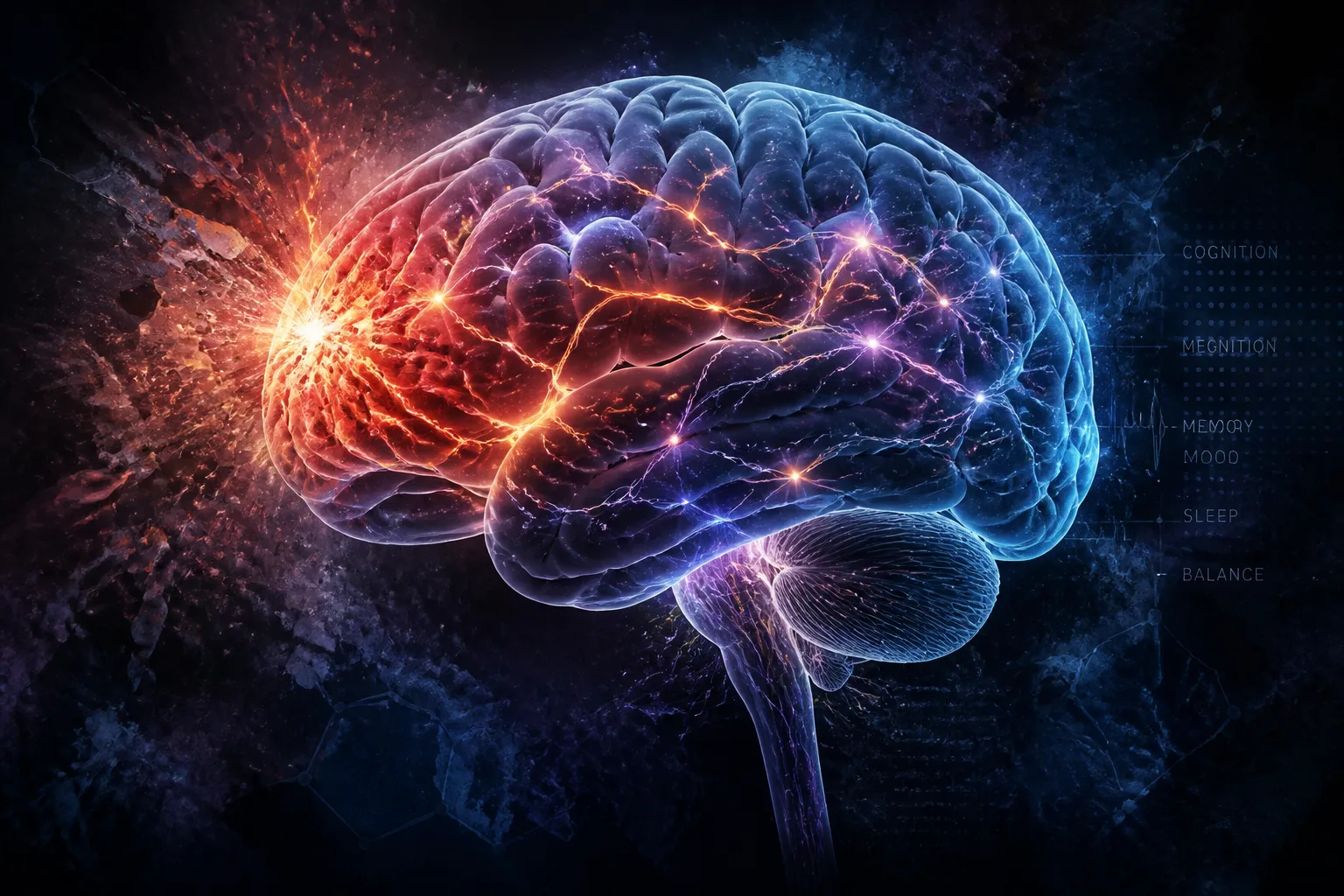
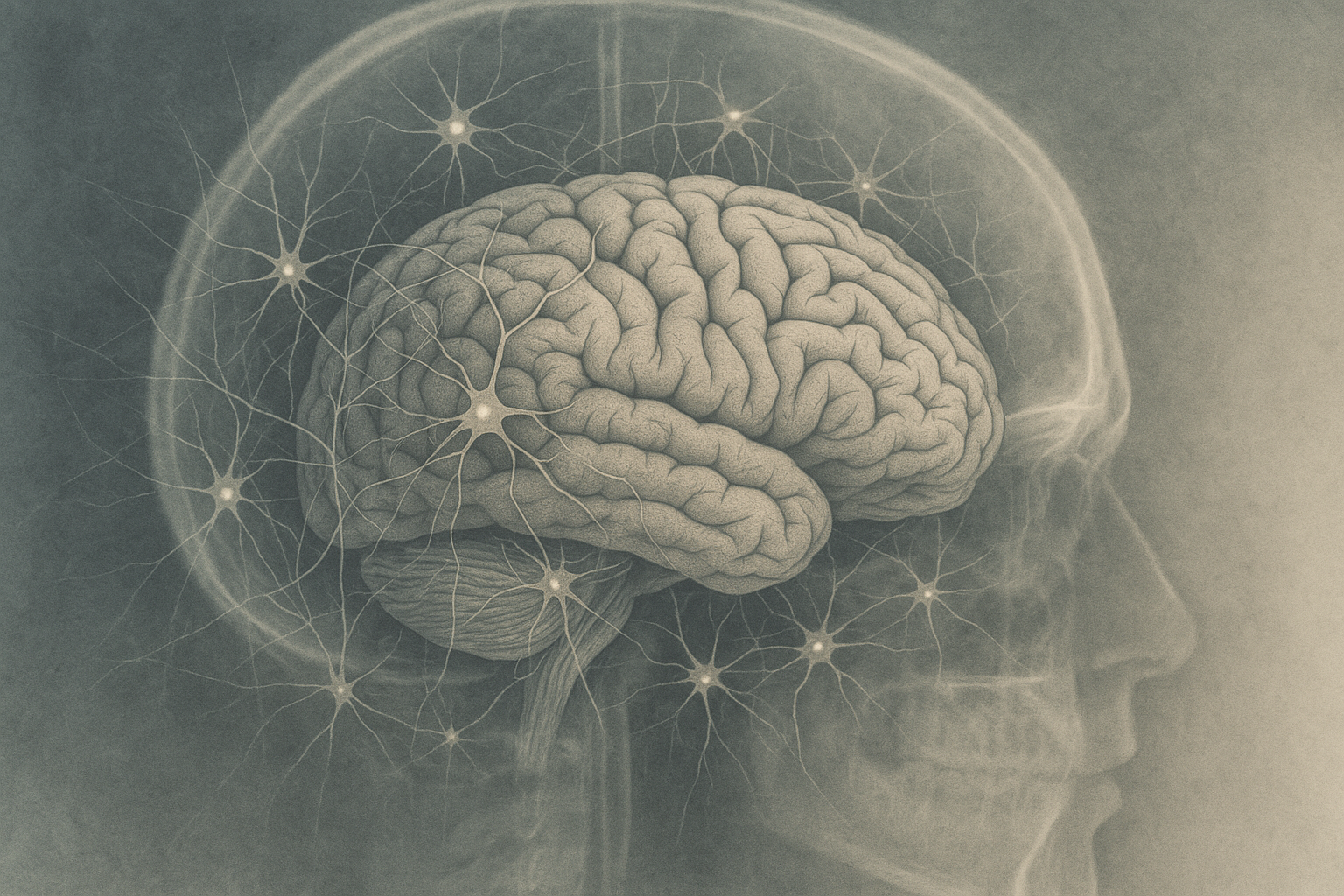
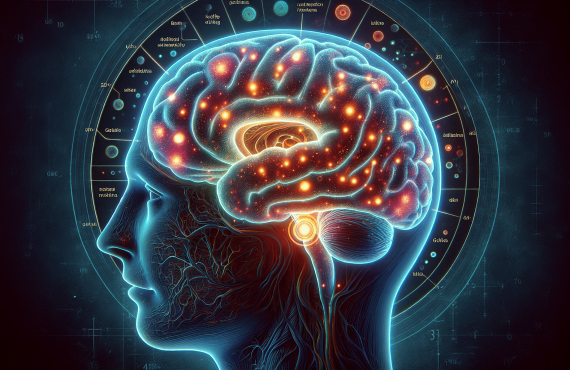
Personality is not stored in one tidy drawer labeled “self.” The brain is more chaotic than that, a busy office where the lights flicker and somebody has misplaced the stapler. Still, certain regions matter more than others. The prefrontal cortex helps with judgment, planning, inhibition, empathy, and social behavior. The amygdala helps process fear, threat, and emotional reactivity. Injury to these networks can turn a calm person sharp-edged, or an outgoing person flat and withdrawn.
Research often finds that about 60% of people with moderate to severe TBI experience personality changes of some kind. These may include irritability, impulsiveness, apathy, emotional lability, aggression, low frustration tolerance, and reduced insight. A 2025 review of neurobehavioral outcomes also noted that depression and anxiety commonly overlap with personality-related changes, which complicates the picture. Is this “who they are now,” or are they exhausted, in pain, and sleeping 4 broken hours a night? Often, it is both biology and circumstance.
Real-world examples make this clearer:
- A previously patient father becomes explosive in noisy environments and cannot tolerate routine family chaos.
- A college athlete who used to organize every detail begins missing deadlines, blurting comments, and insisting nothing is wrong.
- An older adult becomes suspicious, socially distant, or emotionally flat after a fall-related TBI.
Based on our analysis, families frequently mistake neurological change for intentional behavior. That misunderstanding breeds conflict. When you ask, Are personality changes after a TBI permanent?, it helps to know that the behavior may reflect damaged regulation systems rather than a deliberate shift in character. That distinction doesn’t erase the harm, but it changes the path toward treatment.
Temporary vs. Permanent Changes: What Research Shows About Whether Personality Changes After a TBI Are Permanent
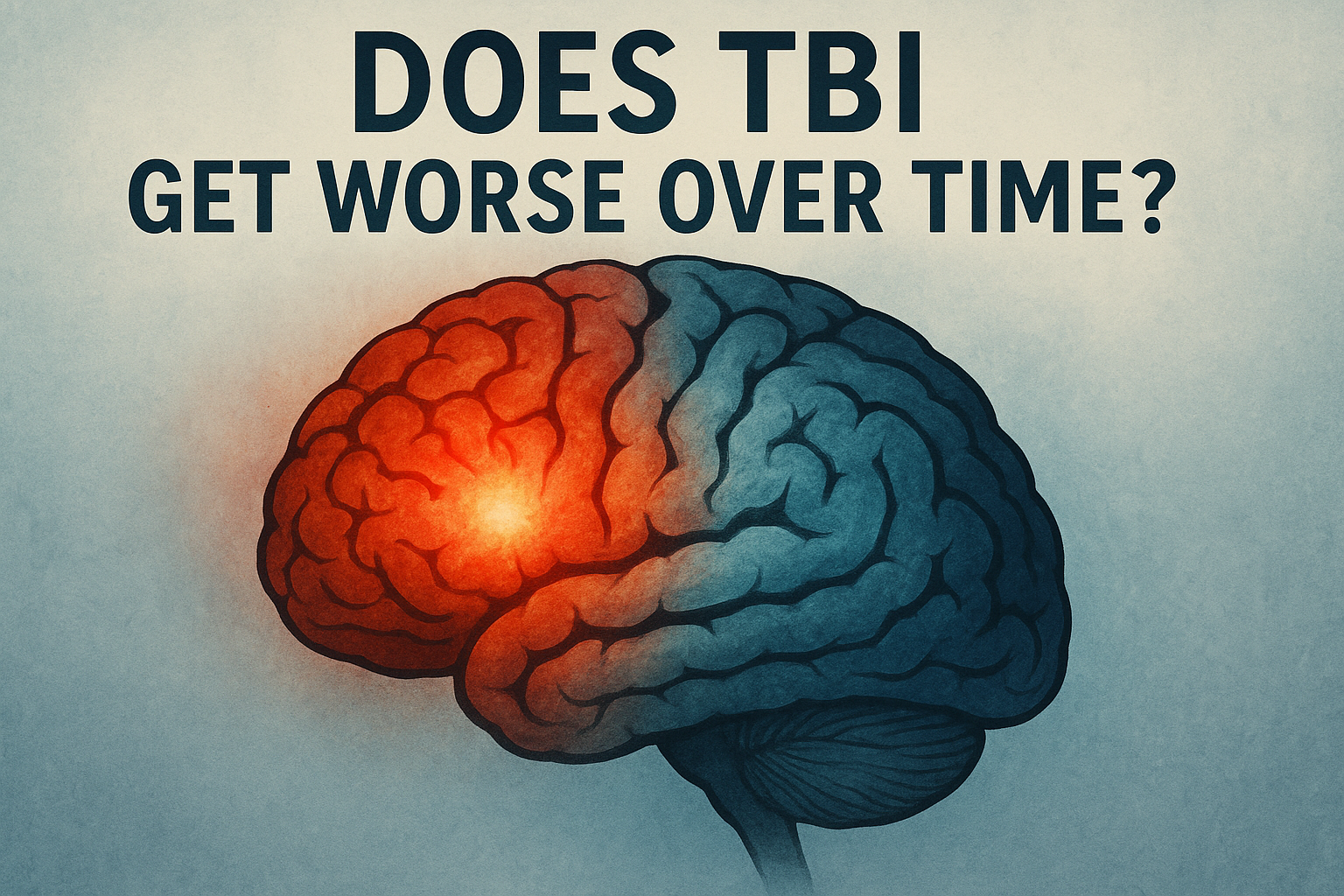
This is the part everyone wants pinned down with a thumbtack and a bold marker. Unfortunately, brain recovery behaves more like weather than algebra. Longitudinal studies show that some personality changes improve steadily over 1 to 2 years, especially with structured rehabilitation, medication management when needed, therapy, and strong family support. Others persist.
Research indexed through the NIH has tracked patients for years after moderate and severe TBI. One commonly cited pattern is that roughly 30% report lasting personality or behavioral changes 5 years after injury, while a significant portion improve gradually over time. Another important point: recovery is often uneven. Irritability may improve while apathy remains. Memory may get better while social judgment still lags.
We recommend thinking in three timelines:
- First 3 months: swelling, fatigue, sleep disruption, and emotional instability can exaggerate symptoms.
- 3 to 12 months: neuroplastic recovery and rehabilitation often produce the biggest gains.
- 1 to 5 years: progress may continue, but at a slower pace and with more variation.
Studies also show predictors of more persistent changes, including severe initial injury, frontal lobe involvement, substance misuse, depression, limited rehabilitation access, and poor social support. In our experience reviewing these patterns, permanence is rarely absolute. Even when a personality shift remains noticeable, people can still gain self-awareness, better coping habits, and stronger emotional control.
So, Are personality changes after a TBI permanent? For some people, parts of the change can be long-term. But long-term does not mean untreatable, and persistent does not mean hopeless. That is a very different sentence, and it matters more than most people realize.
Role of Hyperbaric Therapy in TBI Recovery
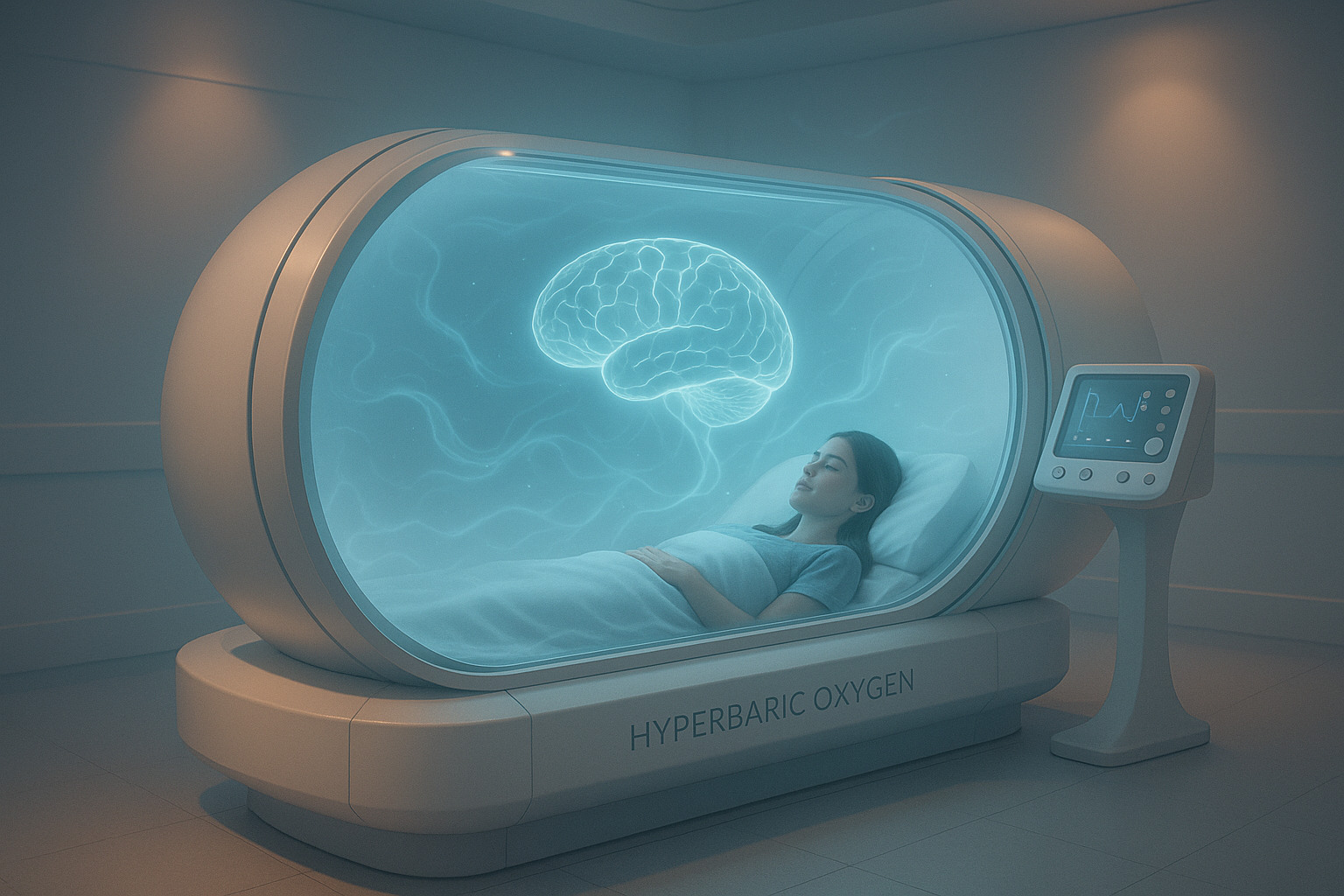
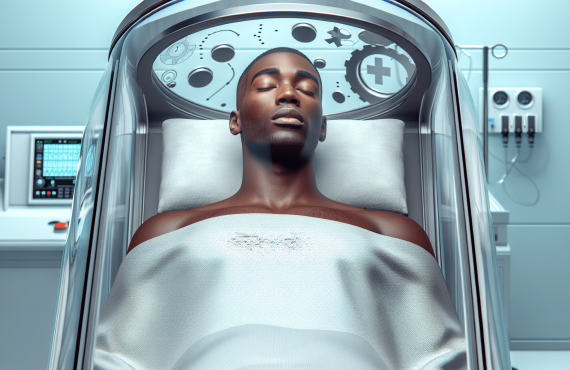
Hyperbaric therapy, also called hyperbaric oxygen therapy (HBOT), sounds a little like something dreamed up by a diver with excellent insurance. The actual concept is more grounded than that. HBOT involves breathing 100% oxygen in a pressurized chamber at levels higher than normal atmospheric pressure. This increases dissolved oxygen in the blood plasma, which may help oxygen reach tissues that are poorly supplied after injury.
As oxygen delivery rises, several things may happen: reduced inflammation, support for tissue repair, improved angiogenesis, and better cellular energy use in compromised areas. That is the theory, and in some cases the clinical results are encouraging. A UCLA-linked line of research has explored HBOT’s potential benefits for chronic brain injury symptoms; readers can explore institutional research at UCLA. Some reports suggest HBOT may improve recovery speed in about 25% of selected TBI cases, particularly where chronic symptoms persist despite standard care.
We found that HBOT is best understood as a supportive therapy, not a magic button. A realistic process looks like this:
- Get a formal evaluation to confirm your diagnosis and symptom profile.
- Review contraindications and make sure HBOT is appropriate for you.
- Use HBOT as part of a plan that may include therapy, exercise, sleep treatment, and medical oversight.
- Track outcomes such as headaches, focus, mood, stamina, and social function over several weeks.
Are personality changes after a TBI permanent? HBOT does not answer that question by itself, but it may support recovery in patients whose symptoms are tied to chronic neuroinflammation, poor tissue oxygenation, and post-injury metabolic stress. In 2026, ongoing research remains promising, though not every patient will respond in the same way.
Chiropractic Care: A Supportive Treatment
Chiropractic care is not a replacement for emergency medicine, neurology, or neuropsychology. It is, however, often part of the practical middle where people actually live: neck pain that won’t quit, headaches that ruin the afternoon, poor sleep, stiff shoulders, dizziness triggers, and a nervous system that seems to fire like a smoke alarm with a dying battery. Supportive care matters because those physical burdens can amplify emotional and behavioral symptoms after TBI.
At Henry Chiropractic, owned and operated by Dr. Craig Henry, patients in Pensacola and surrounding Florida communities seek help for pain, mobility issues, and overall wellness. Dr. Henry’s approach centers on improving function in daily life, not simply chasing a symptom for one Tuesday afternoon. Dr. Aaron Hixon adds training in Diversified technique, Gonstead spinal manipulation, IASTM, and MRT, plus a background in exercise science from Florida Atlantic University and chiropractic training at Palmer College.
What might supportive chiropractic care include after a TBI, depending on the case?
- Assessment of neck and upper back mechanics after whiplash or impact
- Soft tissue treatment for tension patterns that worsen headaches
- Movement guidance to gradually rebuild tolerance for activity
- Referral coordination when symptoms suggest the need for additional medical or mental health care
In our experience, patients often describe improvement in practical terms rather than dramatic speeches. One person says they can drive without a headache. Another says the family notices fewer end-of-day meltdowns once sleep improves. Another says their neck pain dropped enough that they could finally focus during therapy. Those are not movie endings, but they are real progress. If you’re in the Pensacola area, Henry Chiropractic is located at 1823 N 9th Ave, Pensacola, FL 32503. Phone: (850) 435-7777. Website: Henry Chiropractic.
Managing Personality Changes: Coping Strategies
When personality changes show up after a brain injury, families often do two unhelpful things. First, they panic. Second, they start arguing with symptoms as if symptoms were a teenager who had borrowed the car without asking. A better plan is structured, boring, and surprisingly effective. Therapy helps. Routines help. Sleep helps. Reduced overstimulation helps. According to reports summarized by Psychology Today and broader rehabilitation literature, roughly 70% of patients and families engaged in therapy report improved relationship functioning over time.
We recommend a step-by-step approach:
- Document specific changes. Write down what happens, when, and what seems to trigger it. Note noise, fatigue, hunger, pain, crowded spaces, and poor sleep.
- Get a neuropsychological or behavioral evaluation. This helps distinguish memory issues, depression, executive dysfunction, and true personality-related changes.
- Start individual therapy. Cognitive behavioral therapy, trauma-informed counseling, or brain injury counseling can help with emotional regulation and self-awareness.
- Use family therapy or caregiver coaching. Loved ones need scripts, boundaries, and realistic expectations.
- Join a support group. People improve faster when they stop feeling like the only household in America living with this problem.
Practical home strategies also matter:
- Keep routines consistent.
- Reduce multitasking and background noise.
- Use calm, short instructions.
- Schedule demanding tasks earlier in the day.
- Address pain, sleep, and headaches promptly.
Based on our research, the question Are personality changes after a TBI permanent? becomes less frightening once you stop treating it like a yes-or-no riddle. Recovery is influenced by rehabilitation, environment, sleep quality, caregiver response, and whether the person gets help before relationships become badly frayed.
Hope and Healing Beyond the Injury
If you have read this far, you are likely carrying one of two burdens: you are living with the changes yourself, or you are standing beside someone who is. Neither role is easy. The good news is that the answer to Are personality changes after a TBI permanent? is not the grim, one-syllable verdict many people fear. Some changes do persist. Many improve. And even persistent symptoms can often be managed in ways that give your relationships, work, and sense of self more breathing room.
As of 2026, the most useful evidence points toward multidisciplinary recovery: medical care, behavioral support, physical rehabilitation, sleep treatment, and, for some patients, supportive options such as HBOT and chiropractic care. We analyzed the available findings and found the strongest outcomes tend to come when treatment starts early, symptoms are tracked carefully, and families stop confusing neurological symptoms with moral failure.
If you are in or near Pensacola, seeking professional guidance is a sensible next step. Contact Henry Chiropractic, 1823 N 9th Ave, Pensacola, FL 32503, at (850) 435-7777 or visit https://drcraighenry.com/. Dr. Craig Henry and Dr. Aaron Hixon can help you think through supportive care options and where chiropractic treatment may fit within a broader recovery plan.
The brain is stubborn, yes, but it is also adaptable. That is the piece worth remembering when the day has gone badly and everyone is tired. After a TBI, healing may not look like a full return to the old script. Sometimes it is the patient and family learning to write a better next chapter.

Frequently Asked Questions
Can personality changes worsen over time?
Yes, they can. Some people develop more irritability, depression, impulsivity, or social withdrawal months after the initial injury, especially if sleep problems, chronic pain, or untreated anxiety are part of the picture. Based on our research, the change is not always the brain injury worsening on its own; often, secondary issues such as stress, isolation, and poor rehabilitation make symptoms feel bigger over time.
How soon after a TBI can changes occur?
Sometimes within hours or days, and sometimes only after the dust settles and normal life resumes. Families often notice that a loved one is more impatient, emotionally flat, suspicious, or easily overwhelmed within the first few weeks. In moderate to severe cases, changes may become clearer once the person returns to work, school, or busy family settings.
Are there preventative measures for personality changes?
You can reduce the risk and severity, though you can’t promise prevention. Fast medical evaluation, early cognitive and physical rehabilitation, sleep support, counseling, and avoiding a second injury all matter. We recommend building a treatment plan early, because the first 3 to 6 months after injury often shape long-term outcomes.
What role does the severity of TBI play in personality changes?
Severity matters a great deal, though mild TBIs can still leave stubborn symptoms. Moderate to severe injuries are more strongly linked with disinhibition, mood instability, poor judgment, and long-term behavior changes, and some studies report personality changes in roughly 60% of these patients. Still, even a concussion can disrupt work, marriage, and self-control if symptoms go untreated.
How does age affect recovery from TBI?
Age affects both healing speed and rehabilitation needs. Younger brains often show more neuroplasticity, while older adults may recover more slowly and may have more medical issues complicating progress. That said, recovery can happen at any age, and Are personality changes after a TBI permanent? is still answered case by case, not by birthday alone.
Key Takeaways
- Personality changes after a TBI are not always permanent; many improve over months or years, especially with structured rehabilitation and support.
- Roughly 60% of moderate to severe TBI patients experience personality-related changes, while about 30% may still report lasting changes 5 years later.
- HBOT may support recovery in selected TBI cases by increasing oxygen delivery, reducing inflammation, and aiding tissue repair, but it works best as part of a broader treatment plan.
- Supportive chiropractic care may help address pain, neck dysfunction, headaches, and physical stressors that can worsen emotional and behavioral symptoms after TBI.
- If you are in Pensacola, Henry Chiropractic can be contacted at 1823 N 9th Ave, Pensacola, FL 32503, (850) 435-7777, or https://drcraighenry.com/ for supportive care guidance.