
Table of Contents
What is life like for a person with a traumatic brain injury? 10 Expert Truths About Recovery, Work, and Daily Life
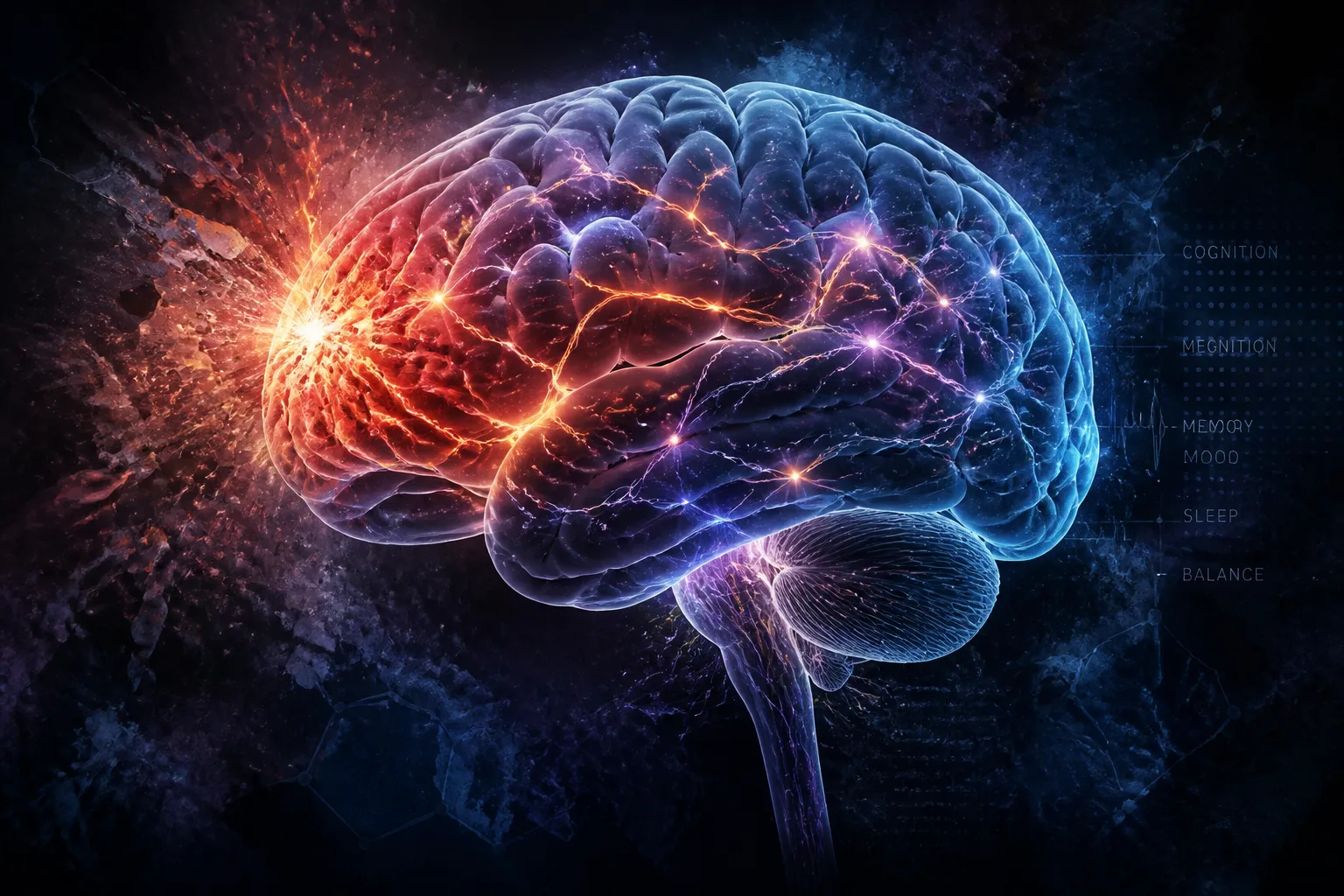
What is life like for a person with a traumatic brain injury? Often, it is life with the volume turned oddly high in some places and completely off in others. A simple grocery run can feel like a relay race. A conversation can vanish mid-sentence like a sock in the dryer. According to the CDC, traumatic brain injury, or TBI, is caused by a bump, blow, or jolt to the head that disrupts normal brain function, and it remains a major public health issue in the United States.
We researched the latest guidance and found that TBI ranges from mild concussion to severe injury with long-term disability. The CDC reports that in 2021 there were more than 69,000 TBI-related deaths in the U.S., which works out to roughly 190 deaths per day. Nonfatal cases are far more common, with emergency visits, hospitalizations, and rehabilitation affecting people of every age, from teen athletes to older adults who fall in the bathroom and then spend months pretending they are fine.
What is life like for a person with a traumatic brain injury? It can mean changes in memory, sleep, mobility, mood, work, and relationships, all at once. Based on our research, the biggest shock for many survivors is that recovery is rarely neat. It does not arrive with a ribbon. It comes in pieces: a better morning, a terrible afternoon, and one glorious day when you remember your password without weeping. As of 2026, better rehabilitation models, improved screening, and wider awareness have helped, but the lived experience still depends on injury severity, support systems, and access to treatment.
You are likely here because you want the truth, not the brochure version. So what follows is the practical version: hospitalization, physical symptoms, cognitive changes, emotional strain, work, money, family life, and where therapies such as hyperbaric oxygen therapy may fit. We also include guidance on local support, including Henry Chiropractic in Pensacola, led by Dr. Craig Henry, with Dr. Aaron Hixon also serving patients in the practice.

Introduction: Understanding Life with a Traumatic Brain Injury
A traumatic brain injury changes life in ways that are obvious and ways that are maddeningly invisible. One person may struggle to walk across a room. Another may look perfectly healthy and yet forget appointments, lose words, cry over a dropped spoon, or need two hours of rest after answering email. That mismatch is part of what makes TBI so difficult for survivors and families alike.
The scale of the issue is not small. According to the National Institute of Neurological Disorders and Stroke, TBI can be mild, moderate, or severe, and symptoms may affect physical, cognitive, emotional, and behavioral function. The CDC has also identified falls, motor vehicle crashes, and assaults as leading causes, with older adults and young children facing particularly high risk from falls.
What is life like for a person with a traumatic brain injury? For many, it means rebuilding routines from scratch. You may need calendars for tasks you once handled by instinct. You may discover that fluorescent lights feel like personal insults. You may also learn, slowly and with some resentment, that the brain heals on its own schedule.
In our experience reviewing survivor accounts and clinical guidance, three themes appear again and again:
- Recovery is uneven. Progress can be real and still feel frustratingly slow.
- Invisible symptoms are often the hardest to explain. Memory trouble and fatigue do not show up on your face.
- Support matters. People with structured care and family involvement often do better over time.
As of 2026, clinicians increasingly treat TBI as a long-term condition that may need ongoing rehabilitation, not just a short burst of crisis care. That shift matters because it reflects real life, which tends to keep showing up every day whether your brain feels ready or not.
The Initial Impact: Hospitalization and Recovery
The first hours after a traumatic brain injury are often a blur of sirens, scans, and someone asking the injured person what year it is. If the answer is 1987, and it is in fact 2026, everyone becomes very interested very quickly. Hospitalization depends on injury severity, but even a so-called mild TBI can require careful monitoring for bleeding, swelling, vomiting, worsening confusion, or loss of consciousness.
According to the CDC, emergency evaluation after head injury often includes neurological exams and imaging when indicated. Severe TBI may involve ICU care, surgery, ventilation support, or inpatient rehabilitation. A 2023 analysis in TBI outcomes literature found that early specialized rehab is associated with better functional recovery, especially when started soon after stabilization. That is not magic. It is timing, repetition, and a great deal of stubbornness.
Statistics tell part of the story. Studies cited by major rehabilitation programs show that most concussion symptoms improve within days to weeks, but a meaningful minority have symptoms lasting 3 months or longer. For moderate to severe TBI, recovery may continue for months to years. The Model Systems Knowledge Translation Center notes that many survivors continue making gains well beyond the first year, especially in community participation and daily function.
We found that survivor anecdotes tend to sound less clinical and more like this: “I woke up and everyone kept saying I was lucky. Then they handed me a plastic spoon and I could not figure out why it felt unfamiliar.” Another patient may remember the hospital not as pain but as noise. Beeping. Bright lights. Repeated questions. The body is in one crisis; the mind is in another.
If you or a loved one is in this stage, a few practical steps help:
- Ask for a discharge plan in writing. Memory is often unreliable after TBI.
- Track symptoms daily. Headache, sleep, mood, dizziness, and confusion matter.
- Schedule follow-up fast. Don’t wait for symptoms to “just settle.”
- Limit overstimulation. Reduce screen time, noise, and unnecessary travel early on.
That first chapter is not the whole story, but it sets the tone. Recovery begins before anyone feels ready for it.

Physical Challenges: Mobility and Daily Activities
When people ask what is life like for a person with a traumatic brain injury, they often picture memory loss first. Yet for many survivors, the body stages its own protest. Balance can disappear. Coordination becomes unreliable. Fine motor tasks, such as buttoning a shirt or slicing a tomato without drama, may suddenly require all the concentration of bomb disposal.
Physical effects vary by injury location and severity. Common problems include dizziness, headaches, weakness, tremors, sensitivity to light and noise, poor balance, fatigue, vision changes, and slower reaction time. According to rehabilitation data from the BrainLine educational resource and clinical literature, post-TBI fatigue is one of the most common long-term complaints. In some studies, more than 50% of survivors report persistent fatigue. Balance problems are also frequent, particularly in older adults and those with moderate to severe injury.
Real life tends to expose these issues without mercy. A shower becomes risky because closing your eyes while shampooing feels like standing on a boat. Grocery stores become obstacle courses full of bright light, sharp corners, and children with the speed of unleashed ferrets. In our experience reviewing patient reports, the most discouraging losses are often ordinary ones: carrying laundry downstairs, driving at night, or standing long enough to cook dinner.
Adaptation helps, though it rarely feels glamorous. We recommend starting with the tasks that most affect safety and independence:
- Use grab bars, shower chairs, and non-slip mats if balance is poor.
- Ask for a physical therapy evaluation to improve gait, endurance, and transfer safety.
- Try occupational therapy for dressing, bathing, meal prep, and home setup.
- Use energy budgeting: do one demanding task, then rest before the next.
The encouraging part is that physical recovery can continue over time. Neuroplasticity, strength training, repetition, and supportive rehab all matter. You may not wake up one day and declare yourself transformed, but you may notice that the staircase no longer feels like an insult from architecture itself. That counts.
Cognitive and Emotional Changes: Relearning Life
This is where TBI becomes especially cruel. The injured person may know something is wrong, yet not have the words, energy, or patience to explain it. Memory glitches, slower processing, poor concentration, impulsivity, and executive dysfunction can make daily life feel like a badly organized office where every file has been put in the wrong drawer. You know the information is somewhere. Good luck finding it before dinner.
According to the National Institute of Mental Health and TBI rehabilitation research, depression and anxiety are common after brain injury. Some studies estimate that up to 50% of people with TBI experience depression within the first year. Irritability, sleep disturbance, and emotional lability are also frequent. That means crying at a car commercial, snapping at a spouse, then feeling guilty enough to cry again. The brain, having suffered an injury, may not excel at moderation.
What is life like for a person with a traumatic brain injury? Often it means relearning how to think, not just what to think. Cognitive rehabilitation may include memory drills, speech therapy, calendars, routines, environmental cues, and task chunking. Based on our research, structured therapy works best when paired with simple home systems. Complex planners tend to be abandoned. One notebook, one whiteboard, one alarm system. Keep it humble.
Experts often recommend these practical strategies:
- Use one calendar only. Paper or digital, but not six competing systems.
- Reduce cognitive load. One task at a time beats multitasking every time.
- Build rest into the day. Mental fatigue is still fatigue.
- See a counselor familiar with TBI. Standard talk therapy may need modification.
- Track triggers. Noise, crowds, poor sleep, and hunger often worsen symptoms.
We analyzed recurring expert guidance and found a plain truth: emotional symptoms are not character flaws. They are symptoms. That distinction matters to the patient, the spouse, the employer, and the friend who thinks saying “just push through it” is somehow useful. It is not.
Social and Relationship Dynamics
Relationships after TBI can become strange little negotiations. The survivor may feel misunderstood. The partner may feel shut out. Friends may disappear after the casseroles stop. A person who was once witty, energetic, and socially fluent may now tire quickly, miss cues, forget names, or avoid noise because restaurants feel like being trapped inside a blender full of silverware.
Research on social participation after TBI shows that isolation is common. The National Library of Medicine hosts multiple studies showing reduced community engagement and strain in intimate relationships after moderate and severe brain injury. Some long-term studies report lower rates of social participation years after injury, especially when depression, cognitive impairment, or unemployment are also present. That cluster matters because each problem feeds the next like a very rude chain reaction.
Families often need a translation guide. If someone repeats a story three times, it may be memory impairment, not vanity. If they cancel plans at the last minute, it may be fatigue, dizziness, or sensory overload. In our experience, successful social reintegration usually depends on expectations being adjusted, not abandoned.
Here is what helps:
- Keep gatherings shorter. Ninety minutes may be manageable when four hours is not.
- Choose quieter spaces. Coffee shop corners beat sports bars.
- Use direct communication. Hinting is unreliable when processing speed is slower.
- Join a brain injury support group. Shared experience reduces shame.
Case studies from rehabilitation programs often show better outcomes when survivors participate in community-based support, structured volunteering, or adapted work programs. We found that people reconnect more successfully when they have roles, not just sympathy. Nobody wants to be the tragic figure at Thanksgiving. They want to pass the rolls, tell a story, and be treated like a person again.
The Role of Hyperbaric Therapy in TBI Recovery
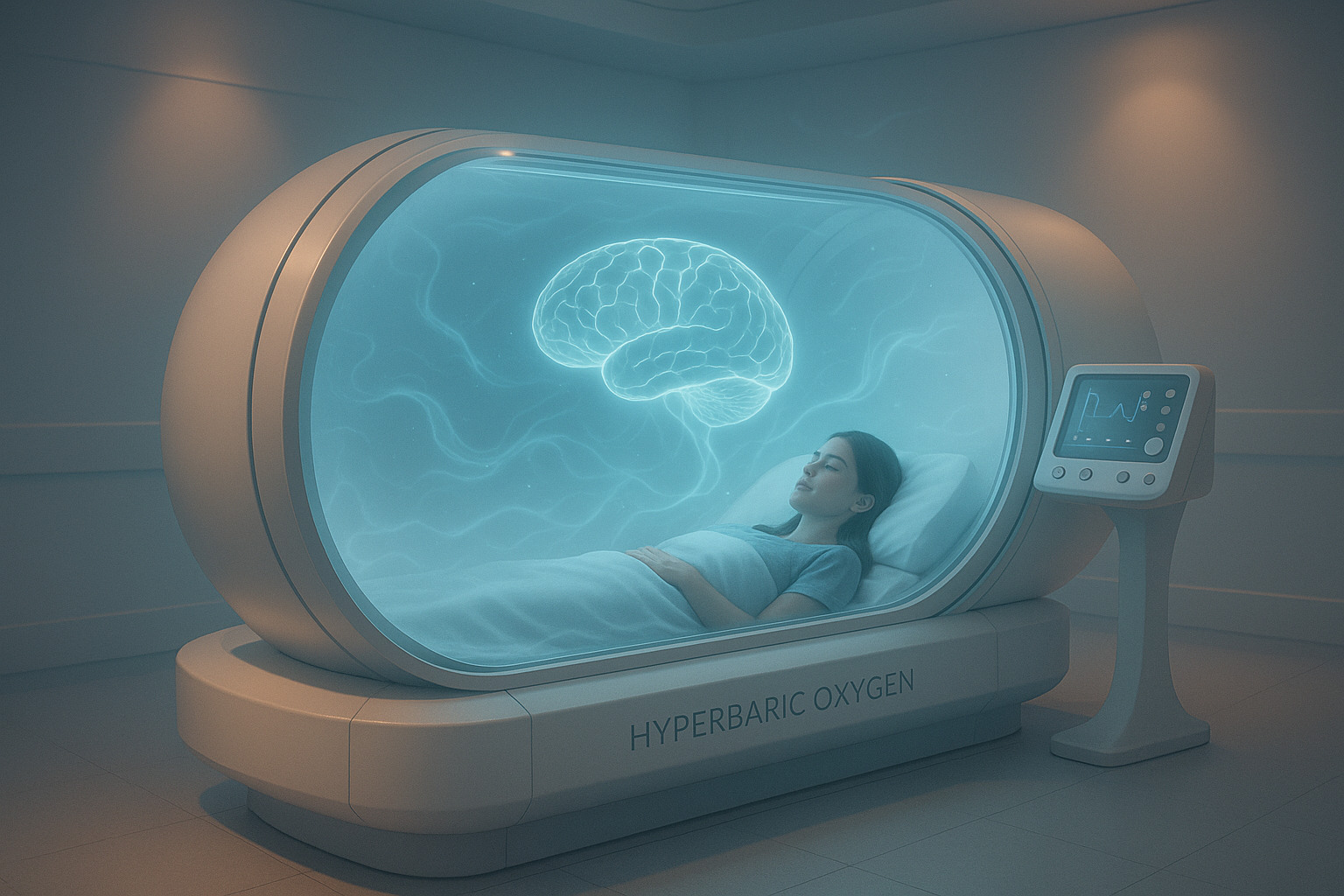
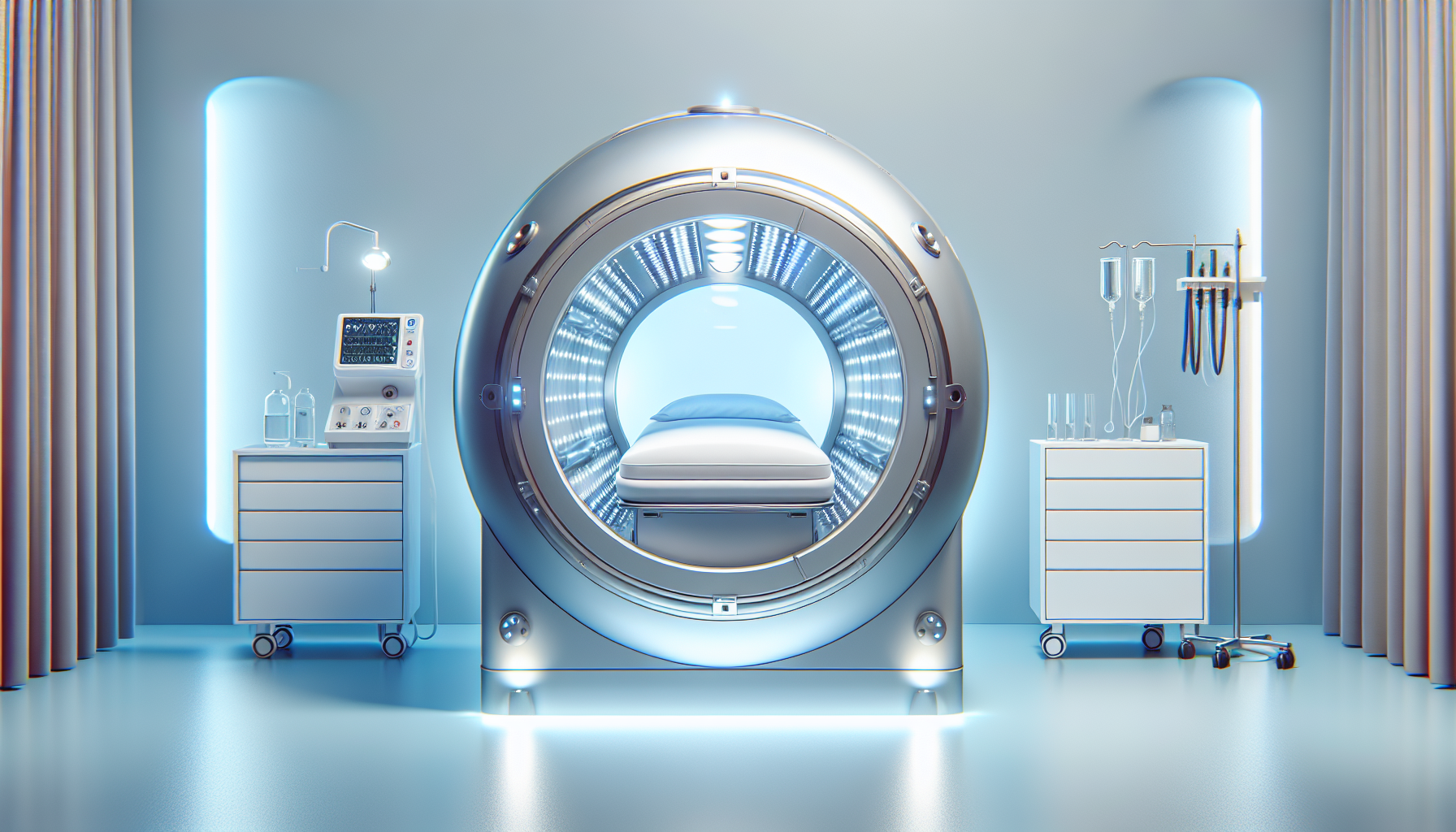
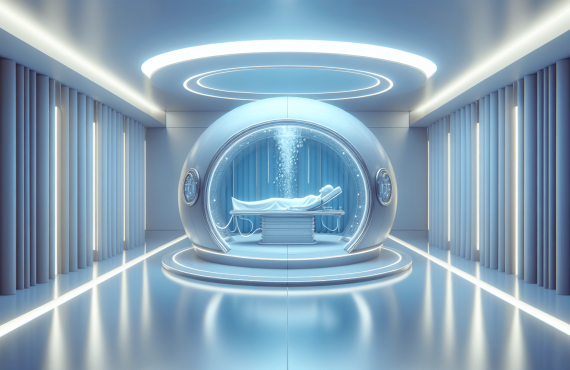
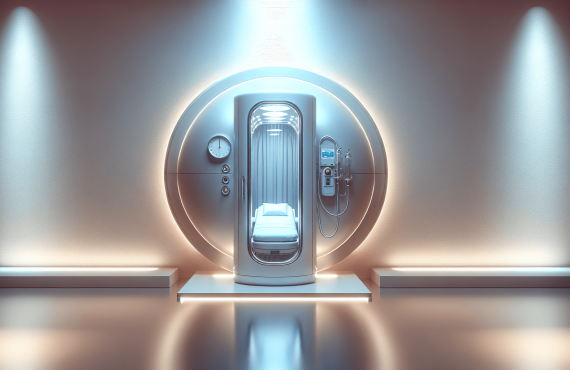
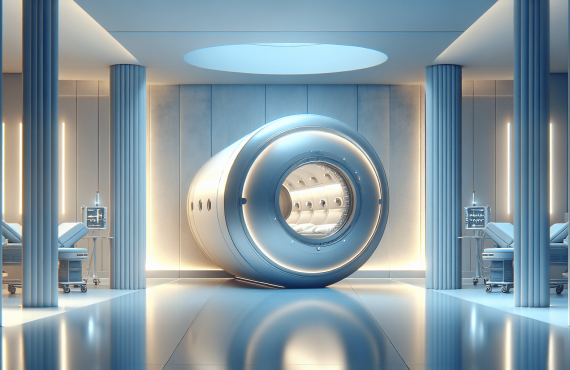
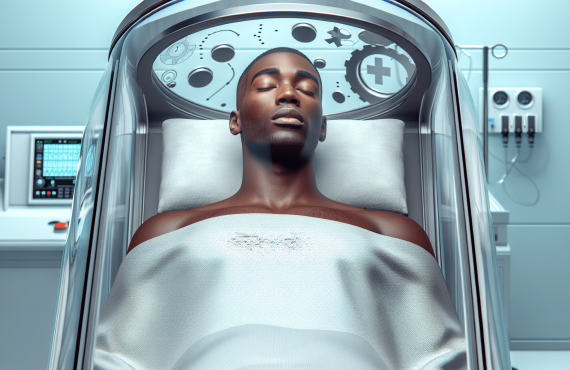
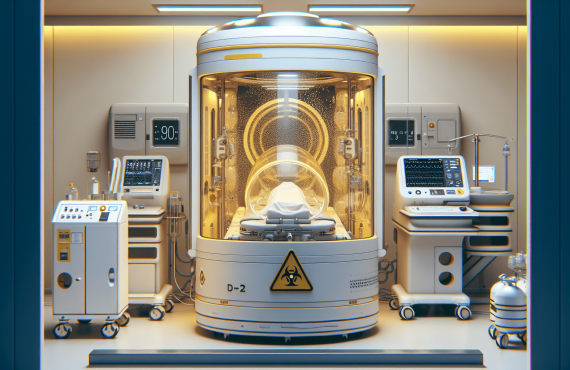
Hyperbaric therapy sounds, at first, like something invented by a Victorian uncle with sideburns and too much confidence. In fact, hyperbaric oxygen therapy (HBOT) is a medical treatment in which you breathe 100% oxygen in a pressurized chamber. The idea is straightforward enough: by increasing both pressure and oxygen concentration, the body can dissolve more oxygen into the blood plasma and deliver it to tissues that may not be getting enough under normal conditions.
What is life like for a person with a traumatic brain injury? Sometimes it includes exploring therapies that may support healing, reduce inflammation, and improve function when used appropriately. Based on our research, HBOT is discussed in TBI care because oxygen delivery can influence tissue repair, angiogenesis, and recovery processes. The mechanism is supported by basic physiology: increased oxygen availability may help injured tissues by promoting new blood vessel growth, supporting cellular repair, and reducing certain inflammatory effects.
The evidence is still being studied, and honest providers should say so plainly. The FDA recognizes HBOT for specific approved conditions, while use for brain injury-related symptoms may depend on clinical judgment and case selection. That is why professional oversight matters. We recommend asking detailed questions about goals, expected number of sessions, possible side effects, and how HBOT fits with physical, cognitive, and medical rehab.
At Henry Chiropractic, Dr. Craig Henry serves Pensacola and surrounding Florida communities. If you are exploring supportive care options, you can contact Henry Chiropractic, 1823 N 9th Ave, Pensacola, FL 32503, at (850) 435-7777 or visit Henry Chiropractic. Dr. Henry owns and operates the practice, and his team also includes Dr. Aaron Hixon. If hyperbaric therapy or related supportive services are part of your plan, seek a provider who explains both potential benefits and limitations without acting like they are selling miracle rainwater from a wagon.
Financial and Employment Considerations
Money, after TBI, has a way of becoming both very boring and very frightening. Recovery can mean ambulance bills, imaging, rehabilitation, medications, transportation costs, missed work, reduced hours, and the sort of insurance paperwork that makes a healthy person want to lie down on the floor. For a survivor with memory or attention problems, managing finances may become a second injury layered on top of the first.
Employment outcomes after TBI are often difficult. Studies published through rehabilitation databases and public health sources show that return-to-work rates vary widely by injury severity, age, education, and support, but unemployment and underemployment remain common after moderate to severe TBI. Some long-term studies report that fewer than 50% of severe TBI survivors return to competitive employment in the first years after injury. Even among those who do return, many need modified duties, reduced schedules, or job coaching.
What is life like for a person with a traumatic brain injury? It may mean discovering that eight hours in an office now feels like sixteen, or that multitasking, once a point of pride, has become impossible. We analyzed common barriers and found these are the usual troublemakers:
- Fatigue that worsens as the day goes on
- Slow processing speed during meetings and customer interactions
- Memory problems with deadlines, passwords, and instructions
- Sensory overload in noisy or bright workplaces
Practical steps can help protect income and stability:
- Request written accommodations. Reduced hours, noise control, and task lists can help.
- Meet with a vocational rehabilitation counselor. Many states offer support.
- Automate bills and use shared oversight. Late fees are expensive teachers.
- Document all symptoms and treatment. This matters for disability and insurance claims.
We recommend involving a trusted family member early if money management is slipping. Pride is lovely, but unpaid electric bills are not.
Long-term Care and Support Systems
After the dramatic phase passes, families often discover the real challenge: not the first week, but the 187th day. Long-term care for TBI can include outpatient rehab, in-home help, assisted living, residential neurorehabilitation, counseling, transportation support, and family education. The right setup depends on safety, independence, behavior changes, and how much support the household can realistically give without collapsing into mutual resentment.
According to rehabilitation organizations and public health reporting, many people with moderate to severe TBI continue to need support with daily activities long after discharge. Some need supervision for medication management or fall risk. Others need help with cooking, appointments, transportation, or emotional regulation. The burden on caregivers is substantial; studies have repeatedly found elevated stress, depression, and burnout among family caregivers of TBI survivors.
As of 2026, support systems work best when they are layered. You may need more than one thing. Not a heroic spouse alone. Not a once-a-week appointment alone. A practical mix often works better:
- In-home care for bathing, meals, or supervision
- Outpatient rehab for PT, OT, speech, and cognitive therapy
- Support groups for survivors and caregivers
- Local clinicians who can coordinate care and monitor progress
For local support in Pensacola, Henry Chiropractic includes care from Dr. Craig Henry and Dr. Aaron Hixon. Dr. Hixon, a Florida native raised in Milton, earned his Bachelor of Science in Exercise Science from Florida Atlantic University and attended Palmer College of Chiropractic in Port Orange. He is trained in techniques including Diversified, Gonstead Spinal Manipulation, IASTM, and Myofascial Release Technique. Those details matter because credentials and training are not decorative. They tell you whether a provider actually knows what they are doing.
Based on our research, the best long-term support plan is written down, shared with the family, and reviewed often. Otherwise everyone starts guessing, and guessing is a terrible care model.
Personal Narratives: Stories of Resilience
If statistics are the skeleton, personal stories are the part with blood in it. They show what is life like for a person with a traumatic brain injury when the rehab brochure has been put away and the ordinary world comes back with its bills, children, staircases, and fluorescent lighting. Many survivors describe a split in identity: the before person and the after person, both living in the same body and not always getting along.
One survivor described returning home after a serious car crash and standing in the kitchen, unable to remember how to make coffee. “I knew it involved beans and water,” he said, “but so does gardening.” Another spoke about losing words in social settings. “People thought I was shy. I wasn’t shy. I was buffering.” Those little lines tell the truth in ways a chart cannot.
We found several common themes in survivor narratives and caregiver interviews:
- Grief for the old self often appears alongside gratitude for survival.
- Small wins matter: walking unassisted, remembering appointments, driving again.
- Humor survives, sometimes earlier than confidence does.
- Routine becomes a lifeline, not a dull habit.
Studies on resilience after TBI suggest that social support, access to rehabilitation, realistic goal-setting, and meaning-making all improve long-term adjustment. That sounds academic, but in real life it can mean this: a woman starts volunteering two hours a week because four is too much; a father uses checklists to coach his son’s baseball team; a former nurse cannot return to hospital work but becomes an advocate for brain injury awareness. The life is different. Different is not the same as over.
In our experience, resilience after TBI rarely looks heroic. It looks repetitive. It looks like showing up to therapy, resting before you crash, asking for help before the bills pile up, and letting a new identity form without treating it as a betrayal of the old one.
Conclusion: Navigating Life Post-TBI
What is life like for a person with a traumatic brain injury? It is often a life of adjustment, frustration, unexpected progress, and practical courage. Not movie courage. Not swelling music courage. The kind that keeps a symptom journal, goes to therapy on a Tuesday, asks for a workplace accommodation, and rests before things get bad instead of after they have already fallen apart.
Based on our research, the clearest takeaways are these:
- Get evaluated early and follow up consistently. TBI symptoms can change over time.
- Treat the whole picture. Physical, cognitive, emotional, social, and financial issues overlap.
- Use structured tools. Calendars, alarms, simplified routines, and written plans help.
- Build a care team. Rehab professionals, family, and local providers all matter.
- Consider supportive therapies carefully. Ask direct questions and expect clear answers.
If you or someone you love is dealing with ongoing symptoms, the next step is not to wait for things to magically “go back to normal.” The next step is to book the right appointment, gather records, write down symptoms, and ask what support is available now. For readers in Pensacola and nearby Florida communities, you can contact Henry Chiropractic, owned and operated by Dr. Craig Henry, at 1823 N 9th Ave, Pensacola, FL 32503, call (850) 435-7777, or visit https://drcraighenry.com/. Dr. Aaron Hixon also serves patients there.
The central truth is easy to miss but worth keeping: brain injury recovery is not about becoming the person you were on the exact day before the accident. It is about helping you live as fully, safely, and independently as possible now. That is not a lesser goal. It is the real one.

Frequently Asked Questions
What are the most common symptoms of a traumatic brain injury?
The most common symptoms include headaches, dizziness, nausea, confusion, memory problems, fatigue, mood changes, light sensitivity, and trouble concentrating. More severe traumatic brain injury can also affect speech, balance, vision, sleep, and emotional control. If symptoms appear after a blow to the head, you should get medical care quickly.
How does TBI affect daily life?
TBI can change nearly everything at once. You may need more time to think, more rest to get through the day, and more help with tasks that once felt automatic, like driving, working, cooking, or managing bills. What is life like for a person with a traumatic brain injury? For many people, it feels less like one dramatic event and more like a thousand small adjustments.
What treatments are available for TBI?
Treatment depends on the severity and symptoms. Common options include emergency care, physical therapy, occupational therapy, speech therapy, counseling, medication management, cognitive rehabilitation, and supervised return-to-work planning. Some patients also explore hyperbaric therapy as part of a broader recovery plan under professional guidance.
How can family and friends support someone with a TBI?
Family and friends can help by speaking clearly, keeping routines simple, reducing noise, attending appointments, and avoiding the old and useless phrase, “But you look fine.” Practical help matters too: rides, meal prep, calendar reminders, and patience during emotional swings can make a real difference. Based on our research, steady support often improves recovery more than grand speeches ever do.
Are there any alternative therapies that can aid in TBI recovery?
Some people use alternative or supportive therapies such as hyperbaric oxygen therapy, mindfulness training, supervised exercise, and chiropractic support as part of a larger rehabilitation plan. The evidence varies by condition, so you should discuss risks, benefits, and goals with a qualified clinician. We recommend choosing providers who explain the science plainly and coordinate with your medical team.
Key Takeaways
- TBI affects far more than the brain alone; it can change mobility, memory, mood, relationships, work, and finances all at once.
- Recovery is often uneven but can continue for months or years, especially with structured rehabilitation, practical home systems, and strong social support.
- Hyperbaric oxygen therapy may be considered as part of a broader care plan, but it should be discussed with qualified clinicians who explain benefits and limits clearly.
- Families help most when they simplify routines, reduce overstimulation, communicate directly, and treat emotional symptoms as real medical issues.
- If ongoing symptoms are affecting daily life, the next step is professional evaluation and coordinated care, including local support from Henry Chiropractic in Pensacola.