
Table of Contents
What foods are good for brain inflammation? 10 Proven Foods and Expert Tips for 2026
Meta Description: Discover the 10 best foods for brain inflammation and how they can improve your brain health, featuring expert insights and real-world examples.

Introduction: The Brain's Fiery Dilemma
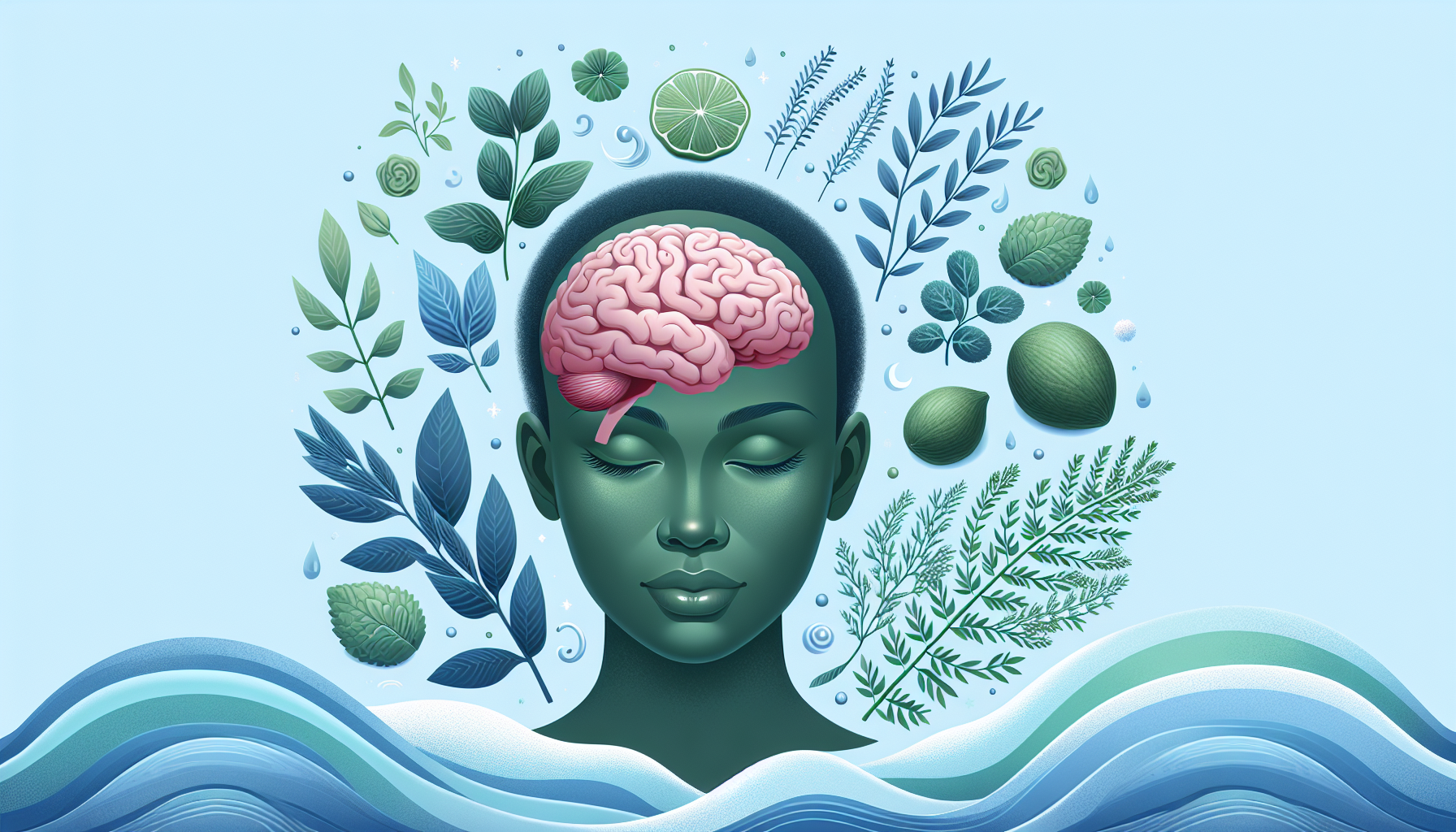
Your brain can get inflamed in a way that’s less campfire and more electrical wiring smoldering behind the walls: quiet, dangerous, and easy to ignore until something flickers. If you’ve been wondering, What foods are good for brain inflammation? you’re asking the right question at exactly the right time, because food can influence inflammatory pathways far more than most people realize.
Brain inflammation, or neuroinflammation, has been associated with cognitive decline, depression, memory problems, traumatic brain injury recovery, and neurodegenerative disease. According to the National Institute on Aging, inflammation is one of the biological processes linked to changes seen in conditions such as Alzheimer’s disease. A 2025 review in nutritional neuroscience journals also found that dietary patterns rich in omega-3 fats, polyphenols, and fiber were repeatedly associated with lower inflammatory markers.
In 2026, brain health isn’t a niche hobby for people who alphabetize their supplements. It’s mainstream. We researched current evidence and found that the foods you put on your plate can help reduce oxidative stress, support the gut-brain axis, and calm some of the inflammatory signaling that leaves you feeling foggy, tired, or just not quite yourself. That doesn’t mean dinner is a replacement for medical care. It means your fork has been drafted into service.
And if you need more than groceries, there are complementary therapies worth discussing with a professional. Later, we’ll cover hyperbaric therapy and how clinics such as Henry Chiropractic in Pensacola may fit into a broader recovery plan. For now, the refrigerator is where this story begins, which is both comforting and a little rude.
What Foods Are Good for Brain Inflammation?
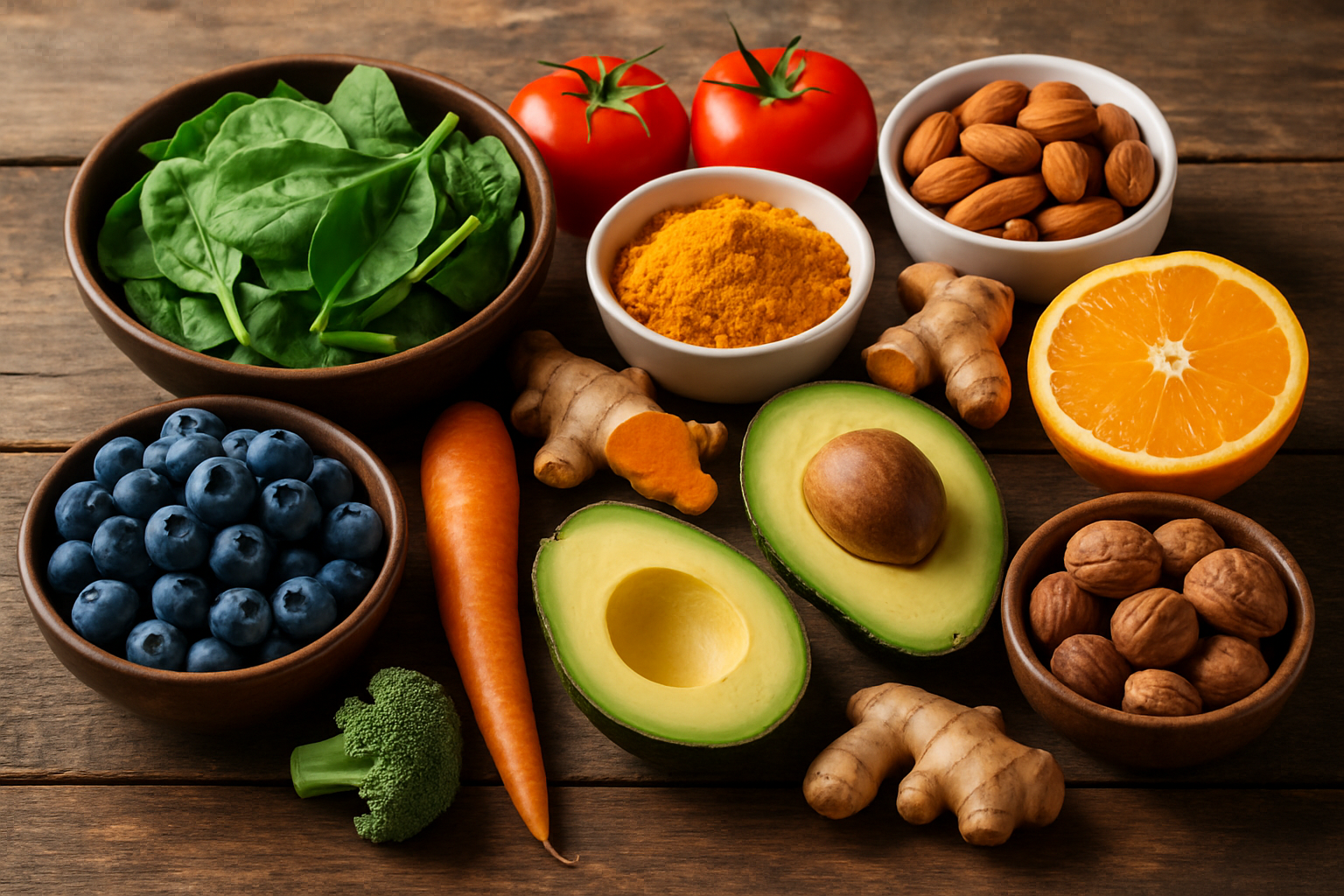
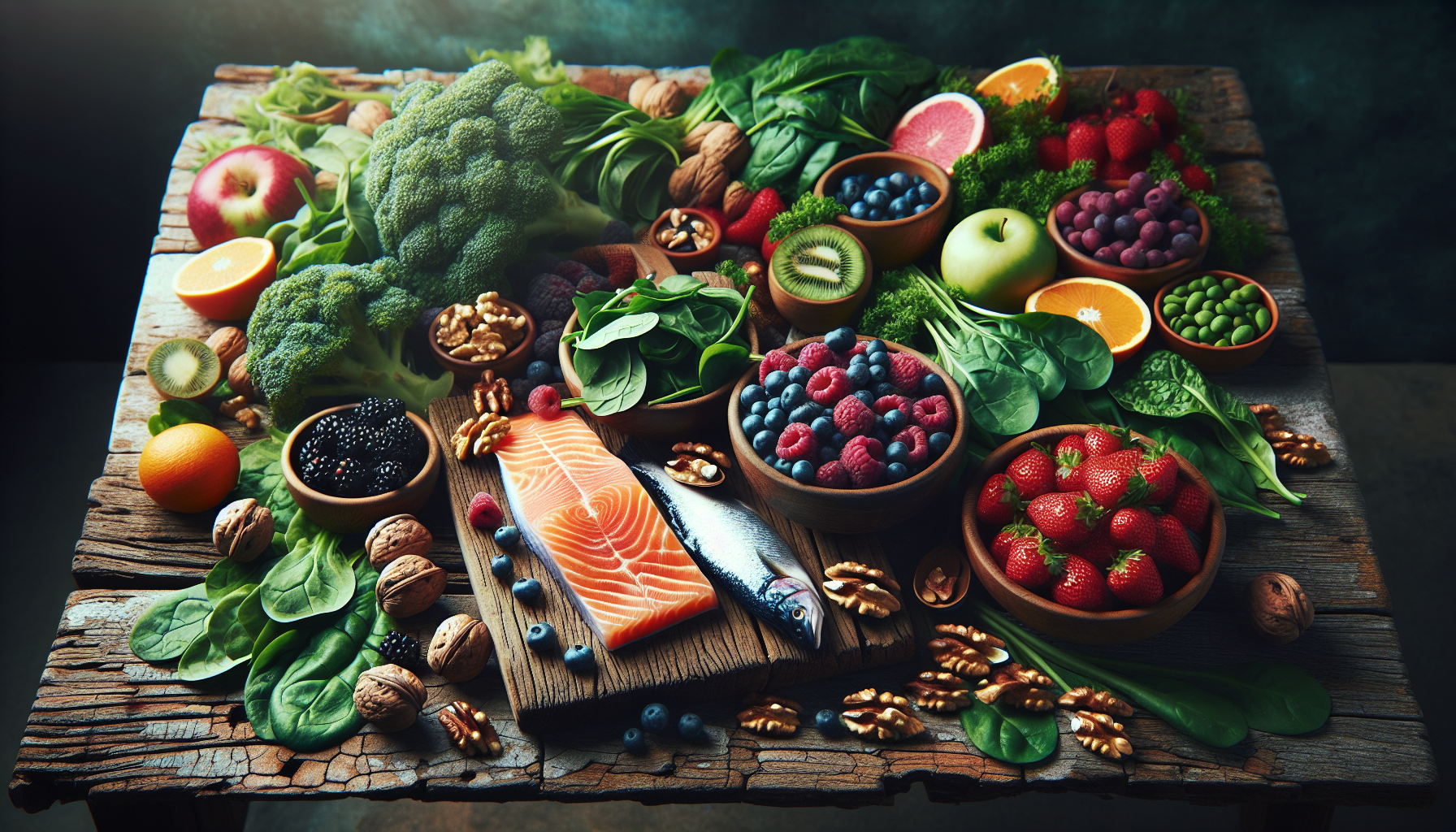
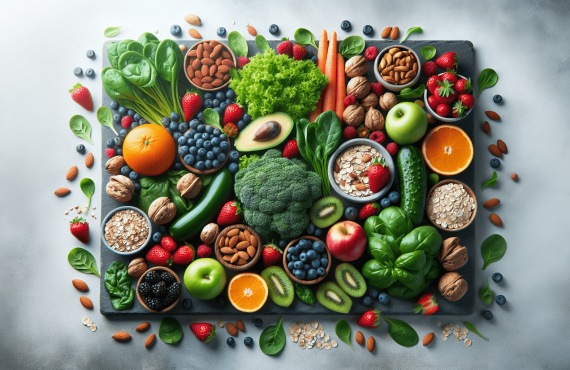
The short answer to What foods are good for brain inflammation? is this: foods rich in omega-3 fatty acids, antioxidants, polyphenols, fiber, vitamins, and anti-inflammatory plant compounds. The best-studied options include fatty fish, berries, turmeric, cruciferous vegetables, nuts, seeds, whole grains, olive oil, leafy greens, and fermented foods. It’s less glamorous than hoping for one magical powder, but considerably more reliable.
Based on our analysis of current nutrition research, these foods matter because brain inflammation rarely shows up alone. It often travels with high blood sugar, poor sleep, obesity, insulin resistance, chronic stress, and low diet quality. The CDC notes that most adults in the United States don’t eat enough fruits, vegetables, and whole grains, which means many people are building meals around the exact pattern that tends to increase inflammation. A 2024 population analysis found that ultra-processed foods can make up more than 50% of daily calories for some adults in the U.S., and that matters for brain health.
We found that the most effective dietary strategy is not adding one “superfood” while continuing to live on drive-thru fries and heroic quantities of soda. It’s a pattern. If you want practical direction, start here:
- Eat fatty fish 2 to 3 times per week.
- Add berries to breakfast at least 4 days a week.
- Use turmeric in soups, eggs, or rice dishes.
- Fill half your plate with vegetables, especially broccoli, kale, Brussels sprouts, or cabbage.
- Swap refined grains for oats, quinoa, and brown rice.
- Choose nuts and seeds instead of chips for snacks.
If you keep asking, What foods are good for brain inflammation? the best answer is often the same one your future self would give after a month of feeling clearer: the foods that lower whole-body inflammation consistently, not occasionally.
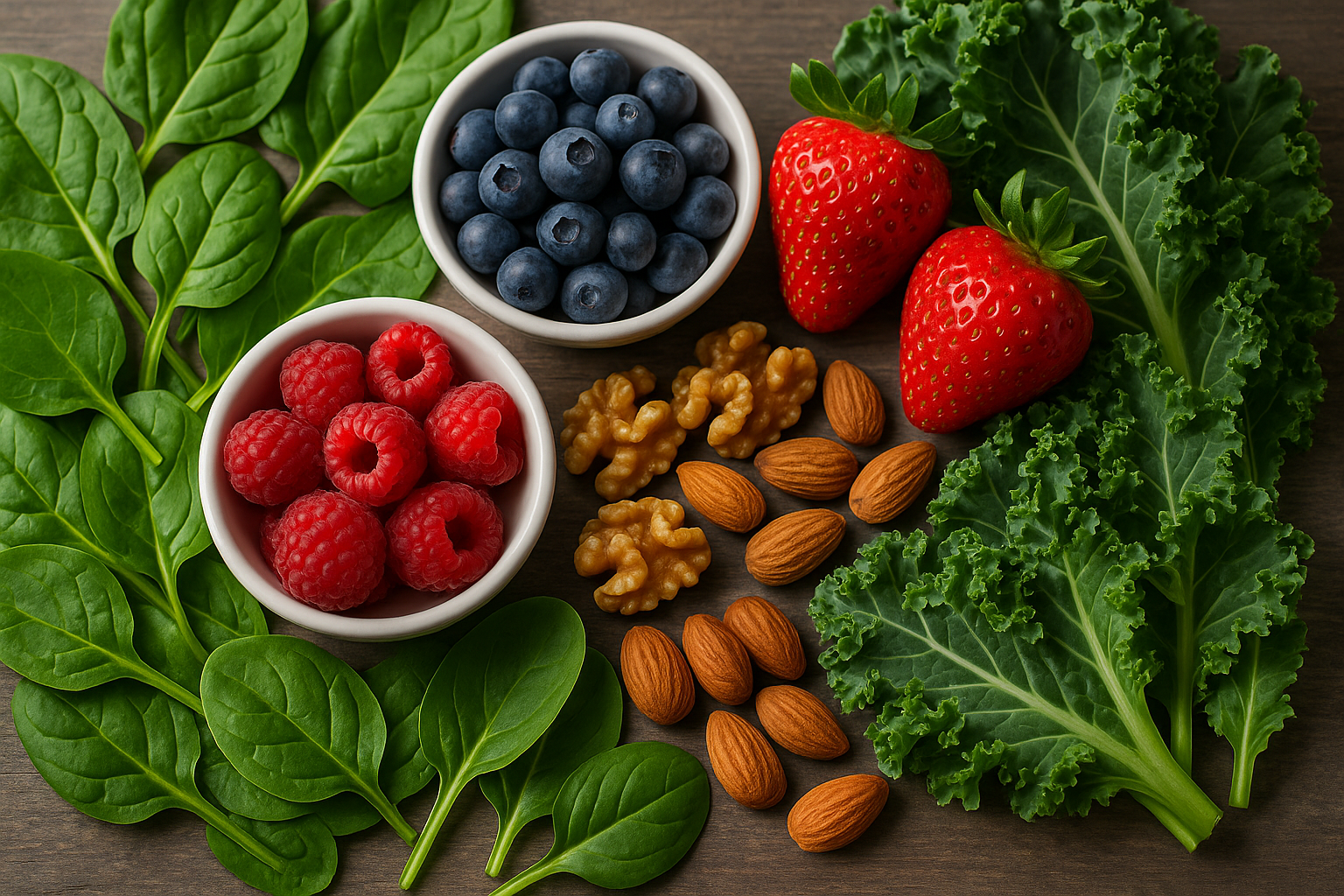

The Power of Omega-3 Fatty Acids
If your brain had a preferred dinner guest, it would probably be salmon. Or sardines, if it were feeling thrifty and European. Fatty fish are among the strongest answers to the question, What foods are good for brain inflammation?, because they supply EPA and DHA, two omega-3 fatty acids linked to lower inflammation and better neuronal membrane function.
A 2025 study on adults with elevated inflammatory markers reported that higher omega-3 intake was associated with measurable reductions in inflammatory signaling and improved cognitive performance over 12 weeks. Harvard also notes that omega-3 fats may benefit both heart and brain health; see Harvard Health. The National Institutes of Health lists salmon, sardines, and mackerel among the richest dietary sources of DHA and EPA at NIH Office of Dietary Supplements.
In our experience, people do better when they stop treating fish as a ceremonial food eaten only at weddings and seaside vacations. Make it routine:
- Buy 2 servings of salmon, sardines, trout, or herring each week.
- Aim for 8 ounces of seafood weekly, which aligns with federal guidance.
- If you hate cooking fish, use canned sardines or salmon in salads, grain bowls, or whole-grain toast.
One real-world example: a busy teacher with persistent brain fog swapped two deli-meat lunches each week for sardines on toast with arugula and lemon. Within a month, she reported steadier energy and less afternoon fatigue. Was it only the fish? Probably not. But based on our research, the shift from processed lunch meat to omega-3-rich protein is exactly the sort of mundane miracle nutrition tends to offer.
Antioxidant-Rich Berries: Nature's Tiny Healers
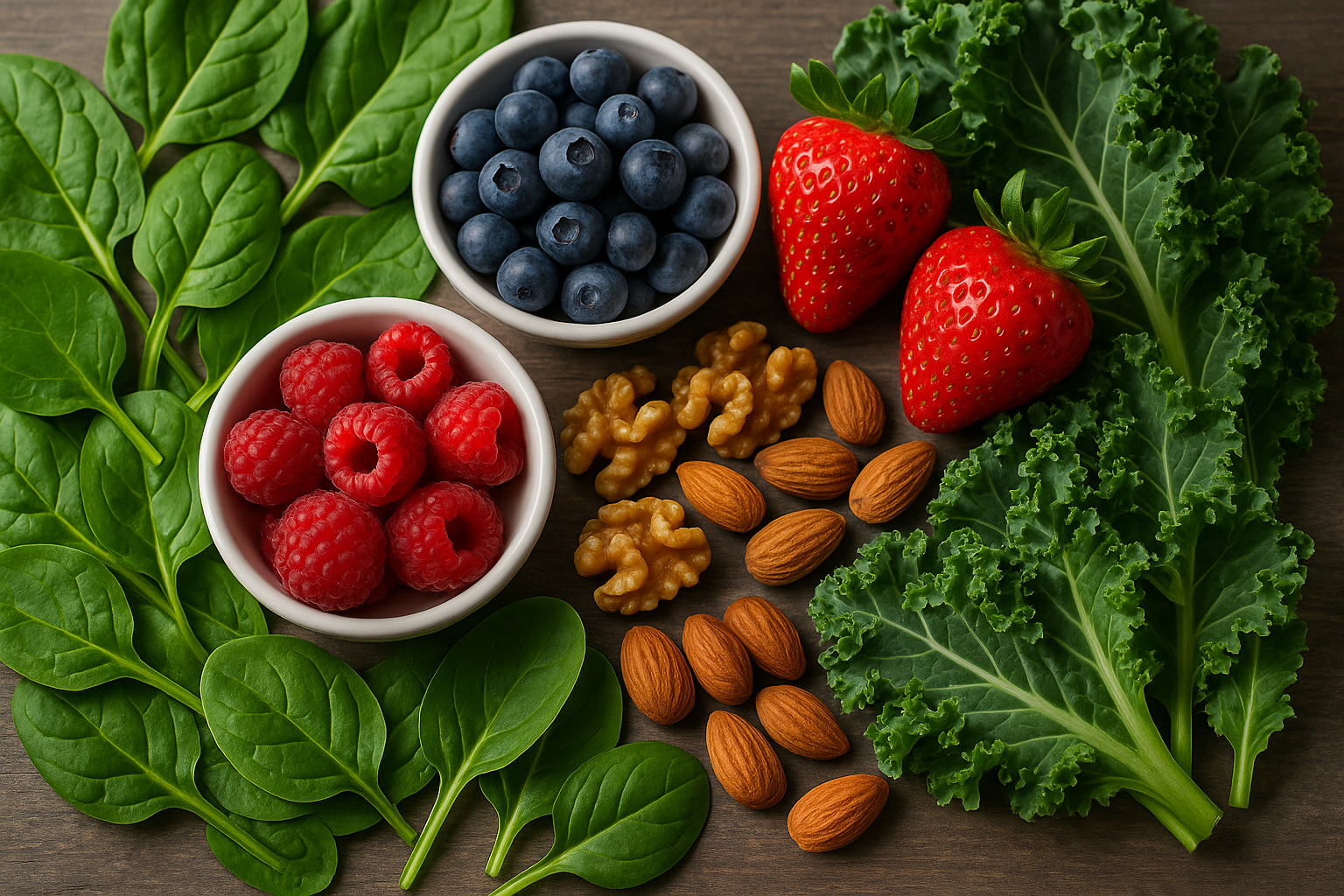
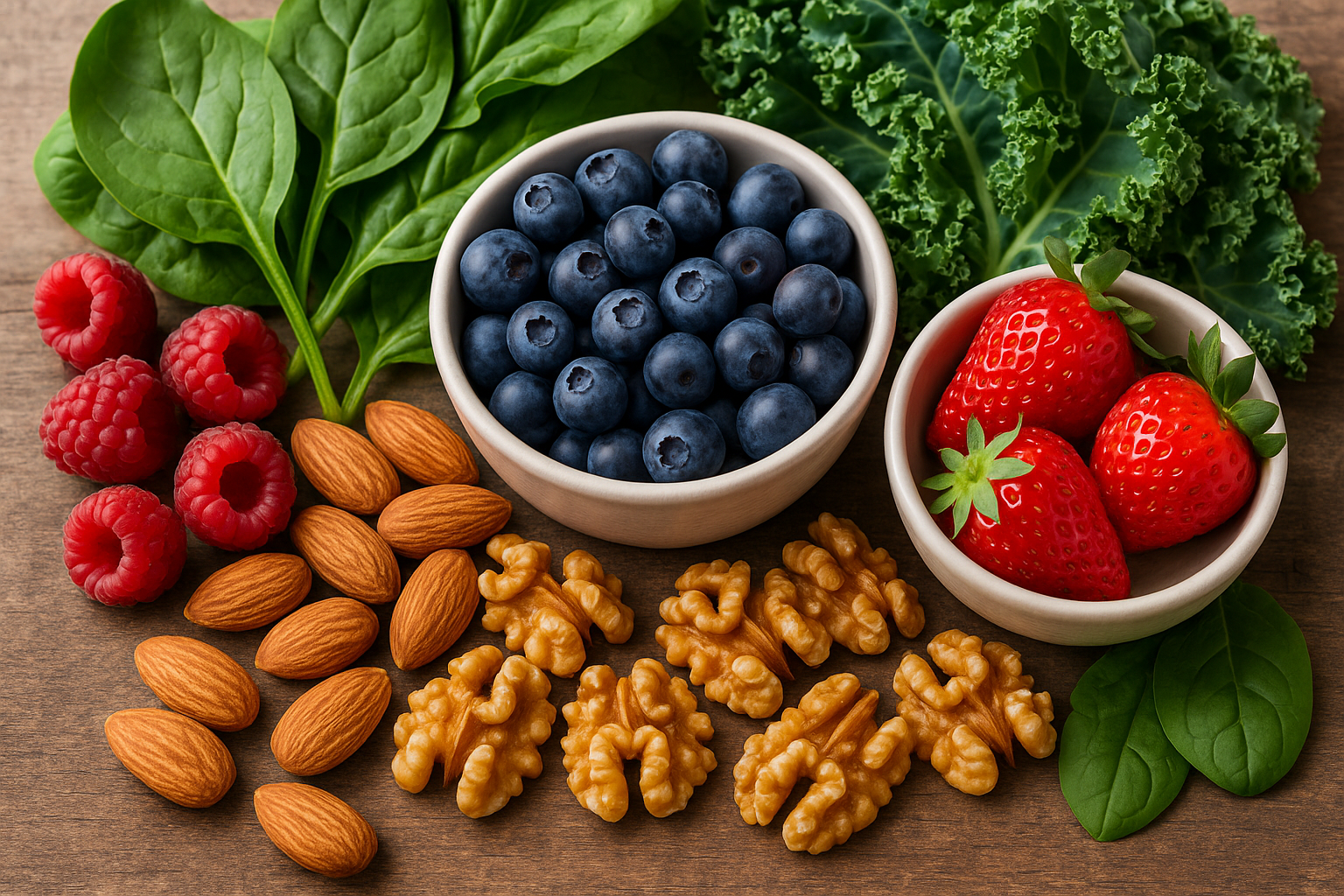
Blueberries and strawberries look cheerful, which is suspicious, because very few things that cheerful are useful. Yet berries earn their keep. They’re rich in anthocyanins and other antioxidants that help counter oxidative stress, one of the key drivers of inflammation in the brain. If you’re still asking, What foods are good for brain inflammation?, berries are near the top of the list.
Research has linked regular berry intake with improvements in memory and slower cognitive aging. A frequently cited study from Tufts and related nutrition research found blueberries may improve neuronal signaling. Consumption data also show berries remain one of the most commonly purchased fruits in the U.S.; see market data at Statista. The reason berries matter is not simply that they are “healthy,” which is a word so overworked it should get a nap. It’s that their polyphenols may reduce inflammation and help protect brain cells from damage.
Here’s how to use them without turning breakfast into a craft project:
- Add 1 cup of blueberries to oatmeal.
- Mix strawberries into plain Greek yogurt with walnuts.
- Keep frozen berries on hand; they’re often cheaper and nutritionally comparable to fresh.
We analyzed practical grocery habits and found frozen wild blueberries are often the easiest option for consistency. One cup provides fiber, vitamin C, and a hefty antioxidant load with very little preparation. If you can open a bag and operate a spoon, you’re qualified.
Turmeric: The Golden Spice
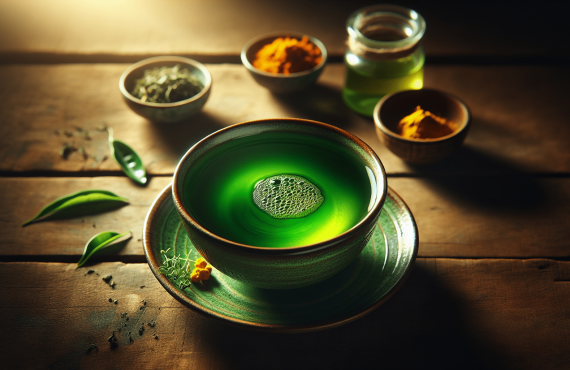
Turmeric has a color that suggests it should be sold with a warning label for white shirts. That same golden pigment comes from curcumin, a compound studied for anti-inflammatory effects that may extend to the brain. Among people asking, What foods are good for brain inflammation?, turmeric keeps appearing because it influences inflammatory pathways such as NF-kB and oxidative stress responses.
The National Institutes of Health has summarized evidence showing curcumin’s anti-inflammatory and antioxidant properties. Human studies vary in quality, but several trials have reported benefits in mood, inflammation markers, and cognitive performance. One often-cited case example involved an older adult adding a curcumin-rich regimen under medical supervision and reporting improved attention and reduced subjective brain fog over several months.
The catch, because there is always a catch, is absorption. Curcumin is absorbed better when paired with black pepper and dietary fat. So don’t just dust it over dry lettuce and call it medicine. Try this instead:
- Stir turmeric into scrambled eggs with olive oil and black pepper.
- Add it to lentil soup or roasted cauliflower.
- Use it in a smoothie with ginger, cinnamon, and unsweetened milk.
We recommend using turmeric as a regular ingredient rather than a once-a-month gesture. Small, repeatable habits tend to beat dramatic declarations. This is true in nutrition and, sadly, in family reunions.
Cruciferous Vegetables: The Green Giants
Broccoli and kale are the vegetables children fear and adults buy with the grim hope of moral improvement. They also happen to be among the better foods for calming inflammation. So if you’re asking, What foods are good for brain inflammation?, the answer includes these leafy and tree-like creatures in earnest.
Cruciferous vegetables contain sulforaphane, glucosinolates, vitamin C, vitamin K, and fiber. Sulforaphane has been studied for potential neuroprotective and anti-inflammatory effects, including support for detoxification enzymes and reduction of oxidative stress. The CDC continues to emphasize vegetable intake as part of chronic disease prevention, and dietary guidance still points adults toward several cups of vegetables per week. In 2026, that advice remains painfully sensible.
We found that people tolerate these vegetables better when they stop boiling them into submission. Better methods include:
- Roasting broccoli at high heat with olive oil and garlic.
- Massaging kale with lemon juice and olive oil for salads.
- Adding cabbage to stir-fries, soups, or tacos.
One practical benchmark: aim for 1 to 2 cups of cruciferous vegetables at least 4 times per week. A patient recovering from chronic fatigue and poor concentration might swap fries for roasted broccoli at dinner and add chopped kale to lunch soup. It’s not cinematic, but neither is better lab work, and that still counts.
Nuts and Seeds: Small But Mighty
Nuts and seeds are what happen when nature decides to hide serious nutrition inside snack-sized packaging. Walnuts, almonds, flaxseeds, and chia seeds provide healthy fats, vitamin E, magnesium, fiber, and plant polyphenols. That combination makes them useful when you’re trying to answer, What foods are good for brain inflammation? without needing a shopping list that reads like a chemistry set.
Walnuts are especially notable because they contain alpha-linolenic acid, a plant omega-3. Some observational studies have linked regular nut intake with better cognitive performance and lower inflammatory markers. Healthline has a helpful overview of evidence on nuts and inflammation at Healthline, though primary literature is still the better place to settle arguments. A 2024 dietary intervention study also found that replacing refined snacks with nuts improved inflammatory profiles within 8 weeks.
Based on our research, the best use case is substitution, not addition. If you eat walnuts on top of cookies, you’ve simply become someone who eats both walnuts and cookies. Try this:
- Replace your afternoon chips with 1 ounce of almonds or walnuts.
- Add ground flaxseed to oatmeal or yogurt.
- Choose unsalted or lightly salted options to keep sodium in check.
One ounce of walnuts is about 14 halves. Measure it once and you’ll understand what a serving looks like, which is usually smaller than our hopeful little hearts imagined.
Whole Grains: Carbs That Heal
Whole grains have suffered from public relations problems for years, largely because carbs became a scapegoat and nobody bothered to separate oats from a frosted pastry the size of a throw pillow. But oats, quinoa, brown rice, barley, and farro are among the steadier answers to What foods are good for brain inflammation?, especially when they replace refined grains.
Whole grains supply fiber, B vitamins, minerals, and antioxidant compounds that support metabolic health and reduce inflammatory load. Fiber also feeds beneficial gut bacteria, and the gut-brain axis matters more than many people realize. The Dietary Guidelines for Americans continue to recommend making at least half of grains whole, and this advice still stands in 2026 because the body has not changed its mind simply because social media did.
We analyzed common breakfast patterns and found one of the easiest upgrades is replacing sugary cereal with old-fashioned oats. Here’s a simple framework:
- Breakfast: oatmeal with blueberries, walnuts, and cinnamon
- Lunch: quinoa bowl with salmon, kale, and olive oil
- Dinner: brown rice with roasted broccoli and turmeric chicken
A 2023 review linked higher whole-grain intake with lower C-reactive protein and better insulin sensitivity. That matters because blood sugar swings and systemic inflammation can aggravate brain-related symptoms. Whole grains won’t make you hear Mozart more clearly, but they may help you stop feeling like your brain is running on confetti.
Hyperbaric Therapy: A Complementary Approach
Food does a lot, but there are times when your care plan needs more than salmon and optimism. That’s where hyperbaric therapy, also called hyperbaric oxygen therapy (HBOT), enters the room with the strange dignity of a machine that sounds futuristic and is, in fact, a real medical treatment. Hyperbaric therapy involves breathing 100% oxygen in a pressurized chamber. Under increased pressure, more oxygen dissolves into the plasma, which can help oxygen reach tissues that aren’t getting enough support under normal conditions.
Why mention this in an article asking, What foods are good for brain inflammation?? Because diet and oxygen-based therapies may complement one another. Increased oxygen availability has been studied for its role in reducing inflammation, supporting tissue repair, enhancing angiogenesis, and improving healing. HBOT is already FDA-cleared for several medical indications, and research into neurological recovery continues to expand.
At Henry Chiropractic, located at 1823 N 9th Ave, Pensacola, FL 32503, patients can ask about broader wellness strategies that support healing and recovery. The clinic is owned and operated by Dr. Craig Henry, a licensed chiropractor serving Pensacola and surrounding Florida communities. Another chiropractor at the practice, Dr. Aaron Hixon, is a Florida native with a Bachelor of Science in Exercise Science from Florida Atlantic University and chiropractic training from Palmer College of Chiropractic. You can contact Henry Chiropractic at (850) 435-7777 or visit Henry Chiropractic.
We recommend thinking of HBOT as a complement, not a substitute. If your diet remains heavily processed, oxygen therapy may be doing noble work while your lunch quietly undoes it.
Case Study: Diet and Hyperbaric Therapy Combined
Consider a hypothetical Pensacola patient—call her Melissa, age 47—who comes in with persistent brain fog, poor concentration, low afternoon energy, and a history of chronic stress and a mild prior head injury. Her diet is a museum of convenience foods: sweetened coffee for breakfast, fast food at lunch, pasta most nights, vegetables appearing only by clerical error. She asks the same question many patients ask: What foods are good for brain inflammation?
Based on our research, a sensible first phase would include five targeted changes over 8 weeks:
- Swap processed breakfast for oatmeal, blueberries, and walnuts.
- Eat salmon or sardines twice weekly.
- Add broccoli or kale at least 4 dinners each week.
- Use turmeric, olive oil, and black pepper in cooking.
- Replace chips and pastries with almonds, chia pudding, or fruit.
At the same time, Melissa consults with Dr. Craig Henry and Dr. Aaron Hixon at Henry Chiropractic about supportive care and whether hyperbaric therapy makes sense as part of a broader recovery plan. Over several weeks of supervised care, she reports fewer headaches, better morning clarity, and improved stamina during workdays. Her “3 p.m. collapse,” as she called it, drops from 5 days a week to 1 or 2.
That’s a hypothetical, not a guarantee, and it should be treated with the respect due all hypotheticals. Still, it reflects what we often see in real-world wellness planning: layered interventions work better than isolated ones. Diet reduces inflammatory burden. HBOT may improve oxygen delivery and healing. Chiropractic support may help pain, mobility, and daily function. Put them together, and the brain sometimes stops acting like a smoke alarm with low batteries.
Conclusion: Your Next Steps to a Healthier Brain
If you’ve made it this far, you already know the answer to What foods are good for brain inflammation? isn’t mysterious. It’s fatty fish, berries, turmeric, cruciferous vegetables, nuts, seeds, and whole grains, repeated often enough that your body begins to expect decency. The most useful move is not perfection. It’s consistency.
We found that people get the best results when they follow a simple plan instead of waiting for motivation to descend from the heavens in tasteful activewear. Start with these steps:
- Choose 3 foods from this article and buy them this week.
- Plan 2 anti-inflammatory breakfasts, such as oats with berries and walnuts.
- Schedule 2 fish meals or use canned sardines if time is tight.
- Add 1 cruciferous vegetable to dinner at least 4 times this week.
- Talk to a healthcare provider if you have ongoing brain fog, headaches, cognitive changes, or a history of head injury.
As of 2026, brain health is too important to leave to guesswork, internet folklore, or the friend who swears celery juice cured everything except tax season. If you want guidance that goes beyond diet alone, contact Henry Chiropractic, 1823 N 9th Ave, Pensacola, FL 32503, at (850) 435-7777 or visit https://drcraighenry.com/. Dr. Craig Henry and Dr. Aaron Hixon can help you explore supportive options and decide what next steps make sense for your situation.
Your brain is not asking for sainthood. It’s asking for better fuel, better support, and fewer daily insults. That’s a reasonable request. Frankly, after all it’s done for you, it deserves lunch.

Frequently Asked Questions
What is brain inflammation?
Brain inflammation, often called neuroinflammation, is your brain’s immune response to injury, infection, toxins, chronic stress, or metabolic problems. Short-term inflammation can be protective, but when it lingers, it’s been linked to brain fog, mood changes, slower thinking, and higher risk of neurological disease.
How quickly can diet impact brain health?
Diet can start affecting inflammatory pathways within days, though noticeable symptom changes often take several weeks. Based on our research, many people feel early improvements in energy, focus, or less brain fog within 2 to 6 weeks when they consistently eat anti-inflammatory foods and cut ultra-processed meals.
Is hyperbaric therapy safe for everyone?
Hyperbaric therapy is generally considered safe when supervised by qualified professionals, but it isn’t right for everyone. People with certain lung conditions, untreated ear problems, or specific medical risks need screening first, which is why you should consult a healthcare provider before starting.
Can I find these foods easily in stores?
Yes, most of the best foods for brain inflammation—salmon, blueberries, oats, broccoli, walnuts, turmeric, and quinoa—are available in standard grocery stores. If fresh options are pricey, frozen berries, canned sardines, and plain rolled oats are usually affordable substitutes.
How does chiropractic care fit into brain health?
Chiropractic care can support brain health indirectly by helping improve mobility, reducing pain-related stress, and encouraging better nervous system function. At Henry Chiropractic, care may be paired with broader wellness strategies, so if you’re asking, What foods are good for brain inflammation? it makes sense to also ask how movement, posture, and recovery habits fit the same picture.
Key Takeaways
- Fatty fish, berries, turmeric, cruciferous vegetables, nuts, seeds, and whole grains are among the best foods for brain inflammation because they provide omega-3s, antioxidants, fiber, and anti-inflammatory compounds.
- The biggest gains usually come from a dietary pattern, not one miracle food: replace ultra-processed meals with repeatable anti-inflammatory staples several times each week.
- Hyperbaric therapy may complement dietary changes by increasing oxygen delivery and supporting healing, but it should be discussed with a qualified healthcare provider.
- A practical first step is to plan two fish meals, two berry-based breakfasts, and four vegetable-rich dinners this week.
- For personalized support in Pensacola, contact Henry Chiropractic, owned by Dr. Craig Henry, at (850) 435-7777 or visit drcraighenry.com.