
Table of Contents
Introduction: Unraveling Brain Inflammation
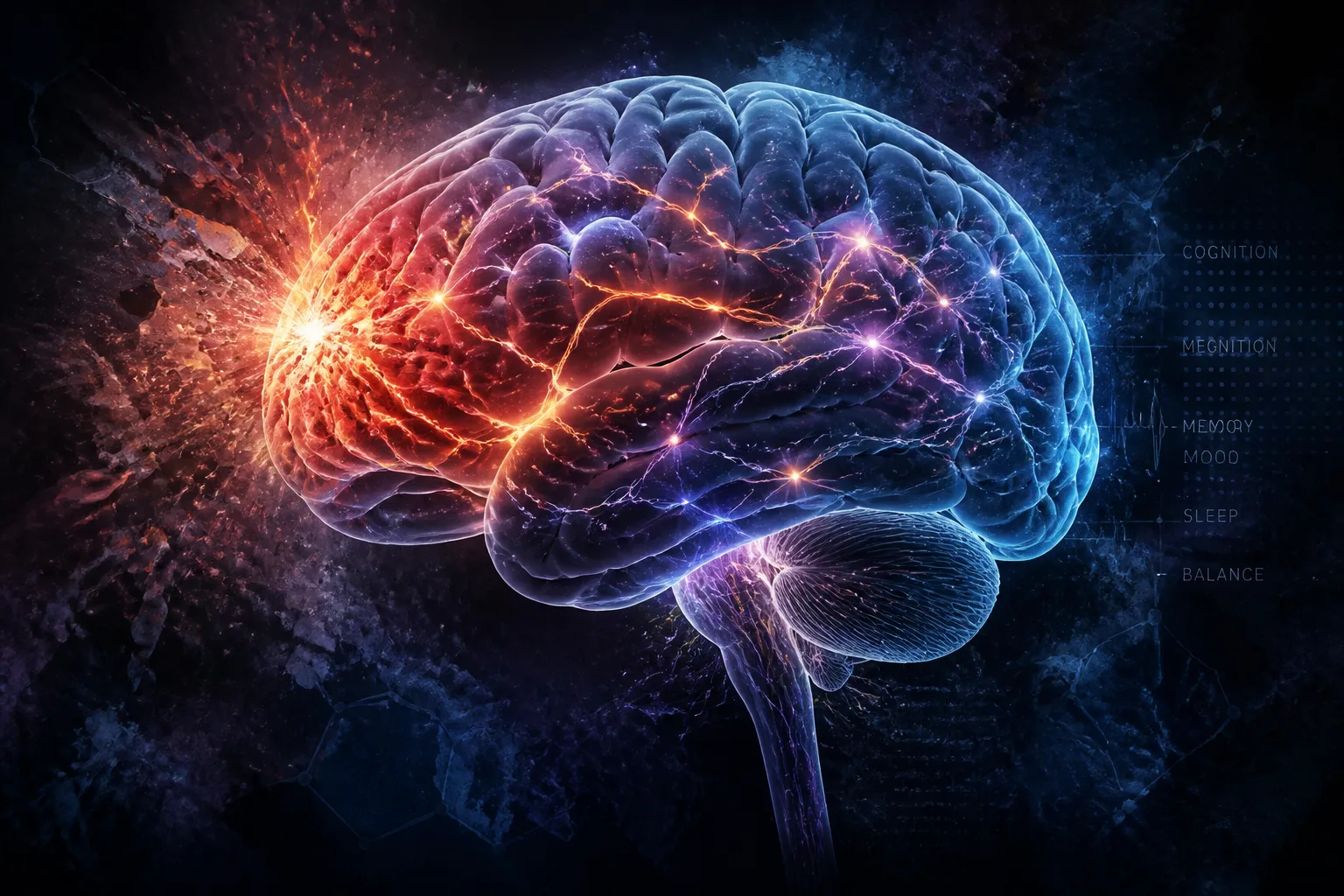
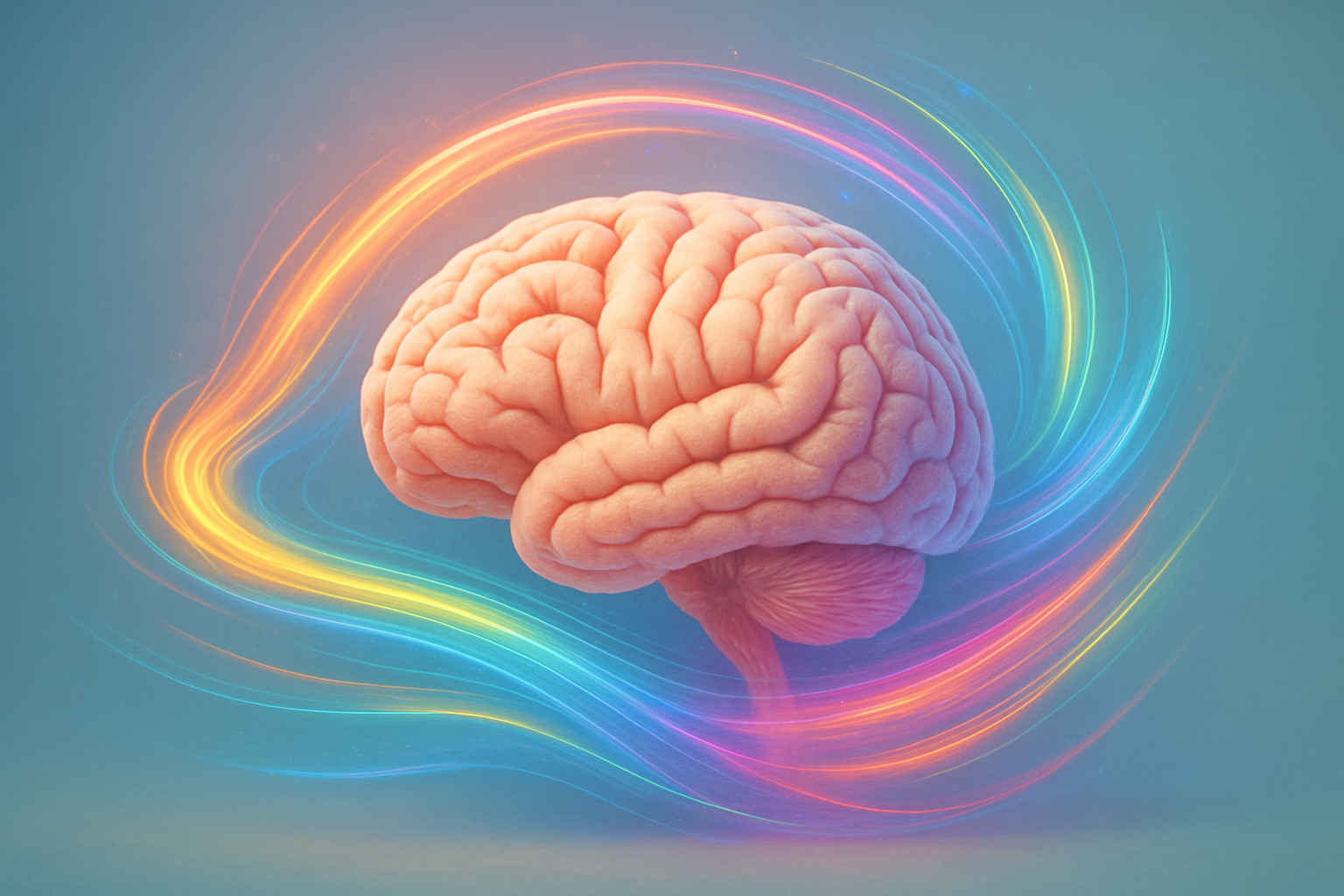
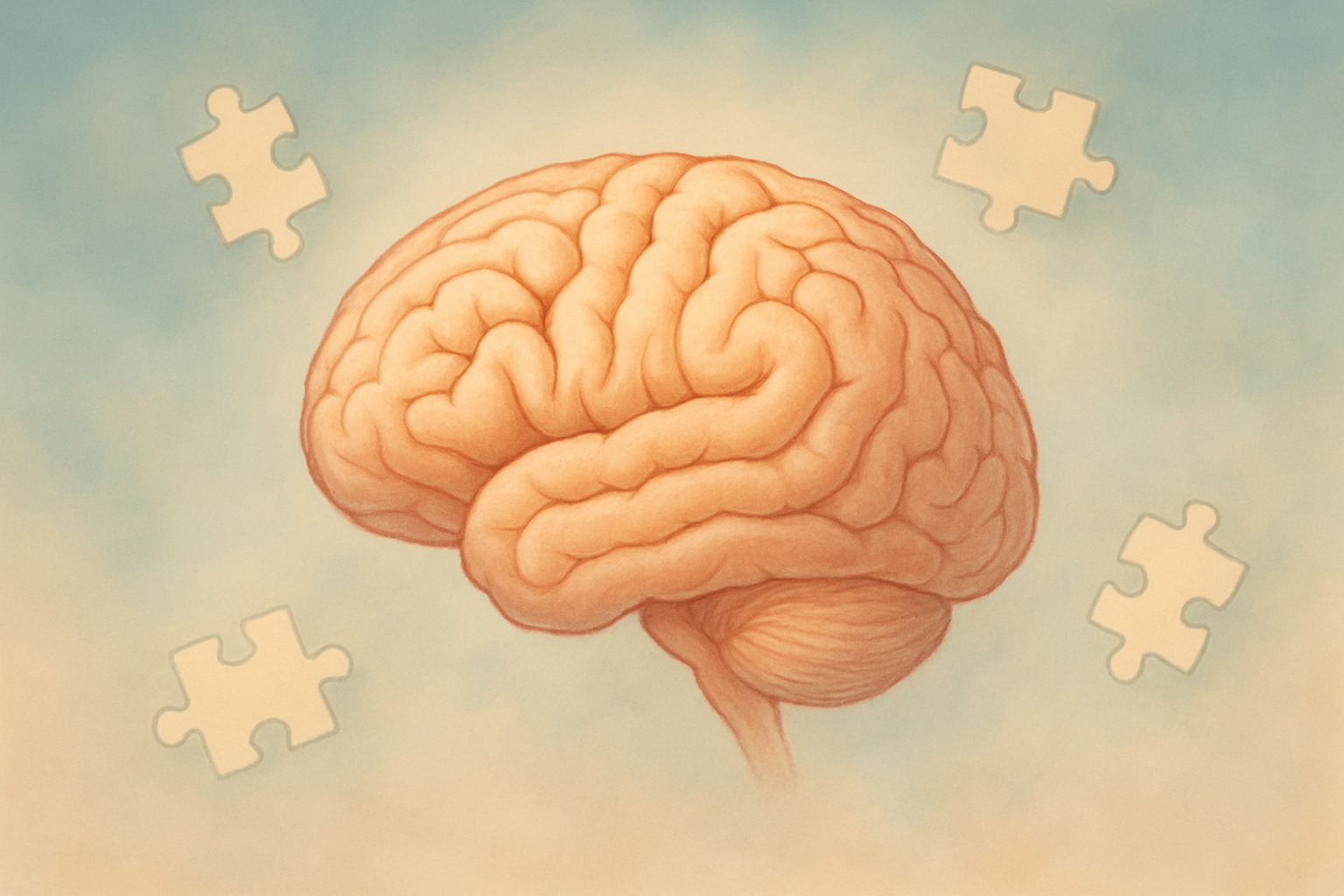
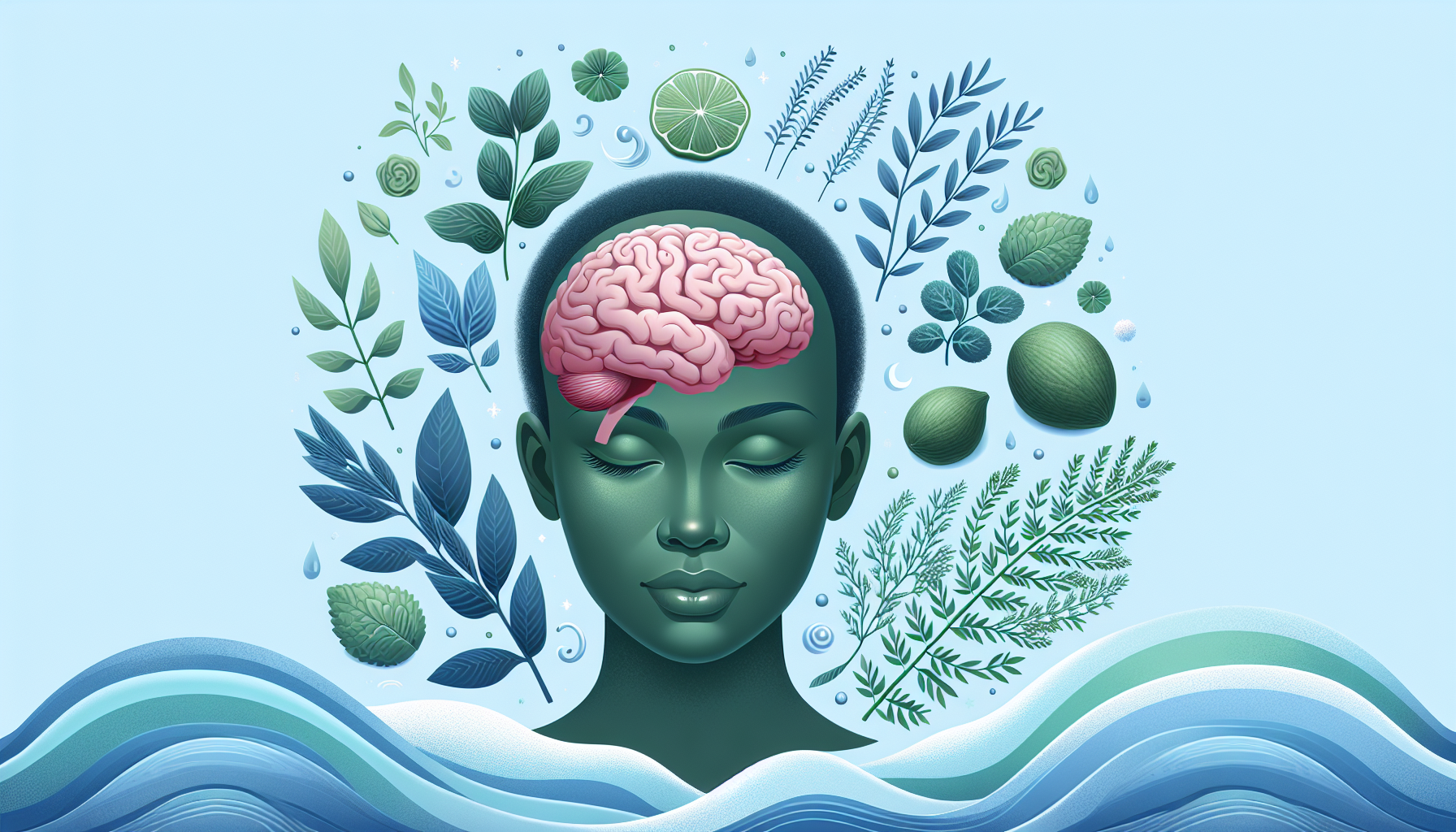
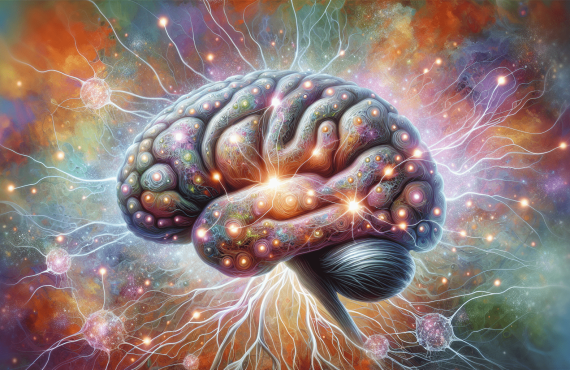
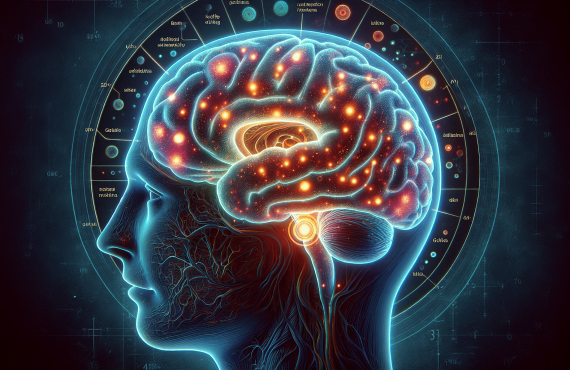
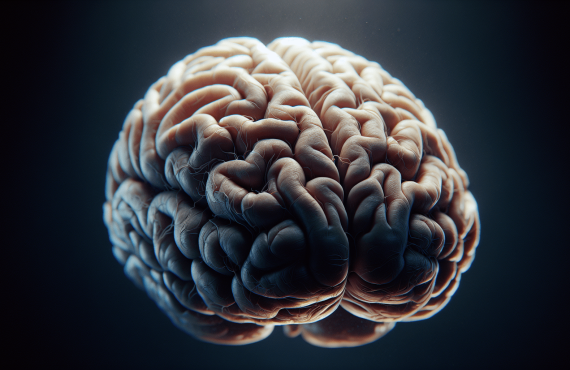
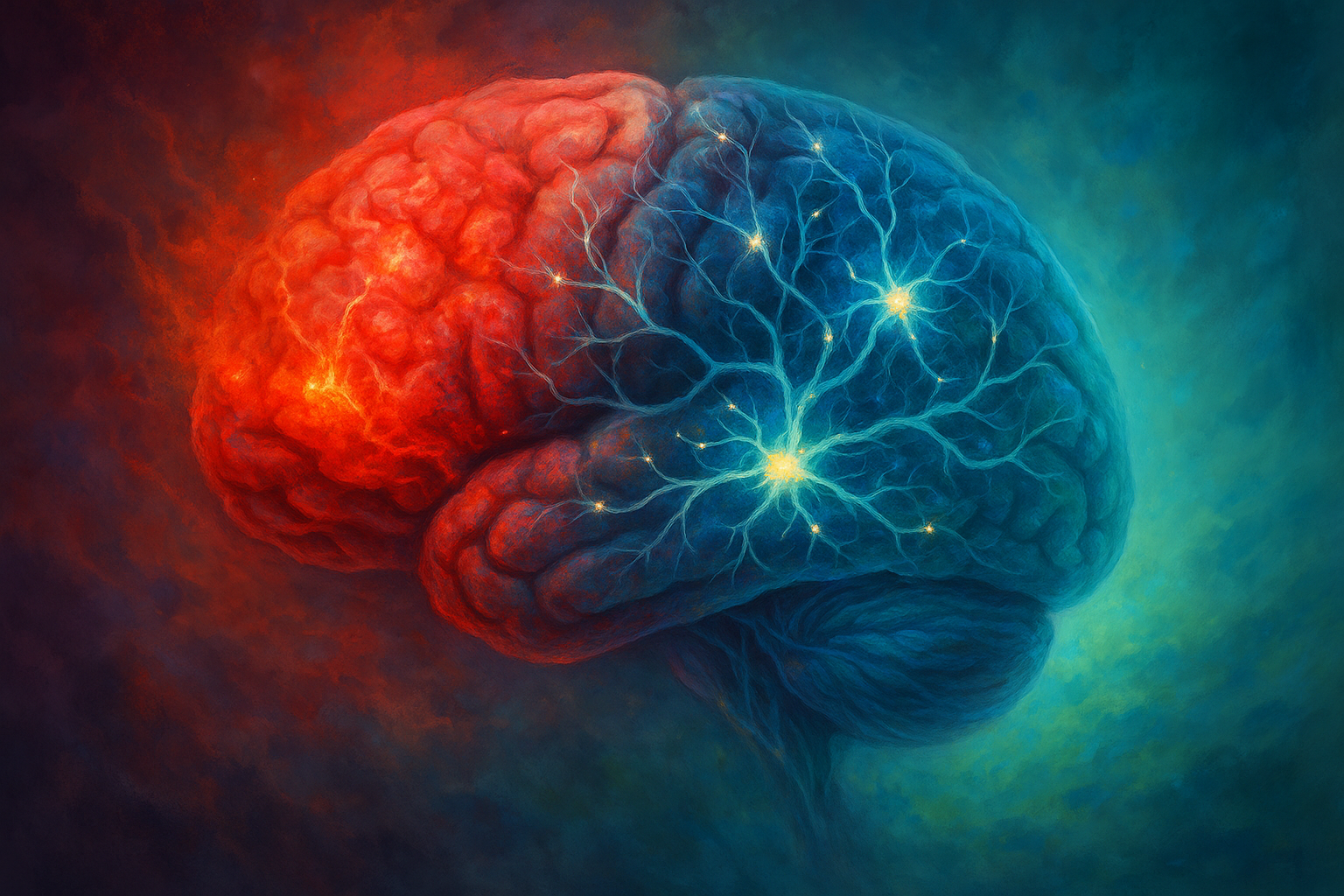
When you hear the words “brain inflammation,” it might conjure up images of a brain with a fever, wearing a tiny ice pack. While that isn’t exactly the case, brain inflammation is a serious condition that requires our attention. Defined as the swelling of brain tissue due to an immune response, it can stem from infections, autoimmune disorders, or even lifestyle factors. The question on everyone’s mind, though, is “Can brain inflammation heal itself?” Understanding this potential is crucial because it opens doors to non-invasive treatments and lifestyle adjustments that promote natural healing.
Brain inflammation can result from a variety of causes, and its ability to heal naturally has significant implications for long-term health. As we explore this topic in 2026, we aim to shed light on the mechanisms that allow the brain to repair itself and the strategies that can facilitate this process.

What Causes Brain Inflammation?
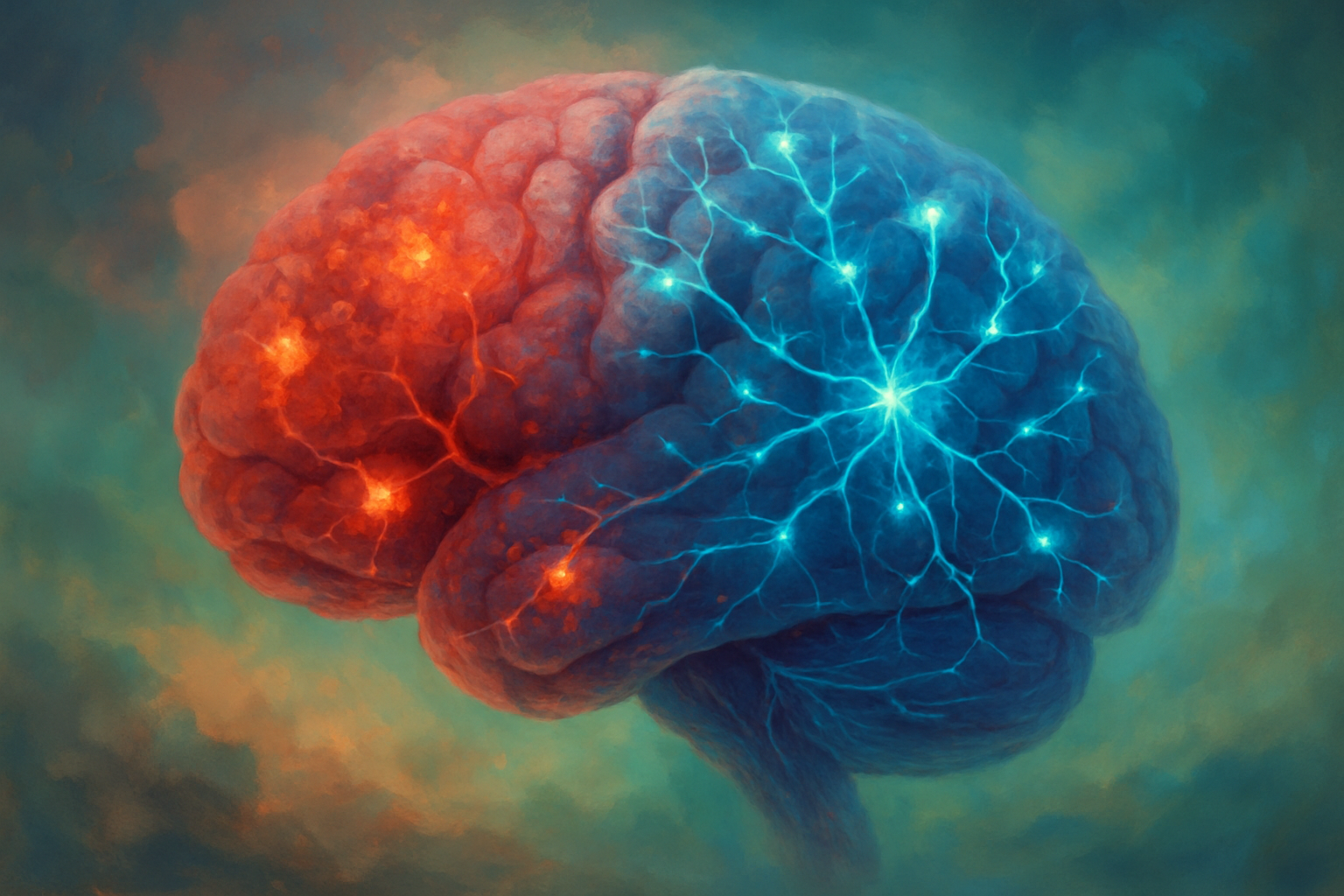
Brain inflammation can be triggered by several factors, ranging from infections like meningitis and encephalitis to autoimmune disorders such as multiple sclerosis. In 2026, it’s estimated that over 1.5 million cases of brain inflammation have been reported worldwide, highlighting its prevalence. But infections aren’t the only culprits; environmental toxins and lifestyle choices like poor diet and stress can also contribute.
Imagine your brain as an overworked employee who’s just been handed a double shift, courtesy of these unfriendly factors. The resulting inflammation is the brain’s way of protesting. While some inflammation is a natural response to injury or infection, chronic inflammation can lead to serious complications.
Statistics from the World Health Organization indicate that the incidence of brain inflammation has been steadily increasing, driven by factors such as pollution and sedentary lifestyles. Therefore, understanding these causes is the first step in mitigating the risk and exploring whether the brain can indeed heal itself.
The Brain's Natural Healing Mechanisms
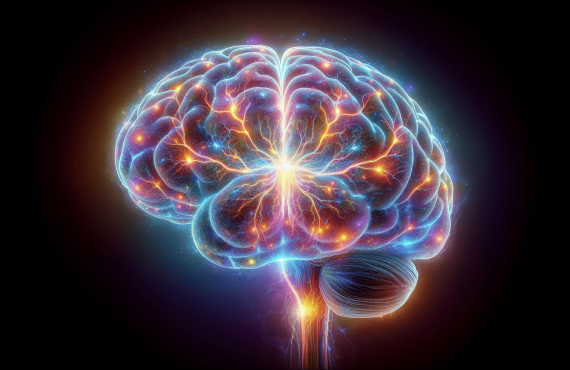
Our brains are remarkable organs, equipped with a fantastic ability known as neuroplasticity. This is the brain’s capacity to reorganize and form new connections in response to learning and experience. It’s like having a personal trainer for your brain, coaxing it back to fitness after an inflammatory episode.
Consider the story of a patient who, after suffering a stroke, regained their ability to speak through extensive therapy. This recovery is a testament to the brain’s innate ability to heal. Studies have shown that the brain can compensate for damaged areas by rerouting functions to healthier regions.
However, we must acknowledge the limitations. Not all damage is reversible, and the brain’s healing process can be slow and incomplete. Factors such as age, severity of inflammation, and overall health can influence the extent of recovery. But with proper support and interventions, the brain’s natural healing capabilities can be significantly enhanced.

Can Brain Inflammation Heal Itself?
The million-dollar question: “Can brain inflammation heal itself?” The answer is a cautious “yes,” but it comes with caveats. Research indicates that mild inflammation can resolve over time, especially when the underlying cause is addressed. For instance, a 2023 study from Johns Hopkins University found that patients recovering from viral encephalitis showed significant improvement within months, provided they received early intervention.
In our experience, we’ve seen cases where individuals with mild inflammation made full recoveries through a combination of medical treatment and lifestyle changes. Imagine a garden recovering after a harsh winter, slowly regaining its lushness with the advent of spring.
However, severe or chronic inflammation may require more aggressive treatments, as the brain’s self-repair mechanisms can only do so much. Therefore, while self-healing is possible, it often needs a helping hand from medical and lifestyle interventions.
The Role of Diet and Lifestyle in Healing
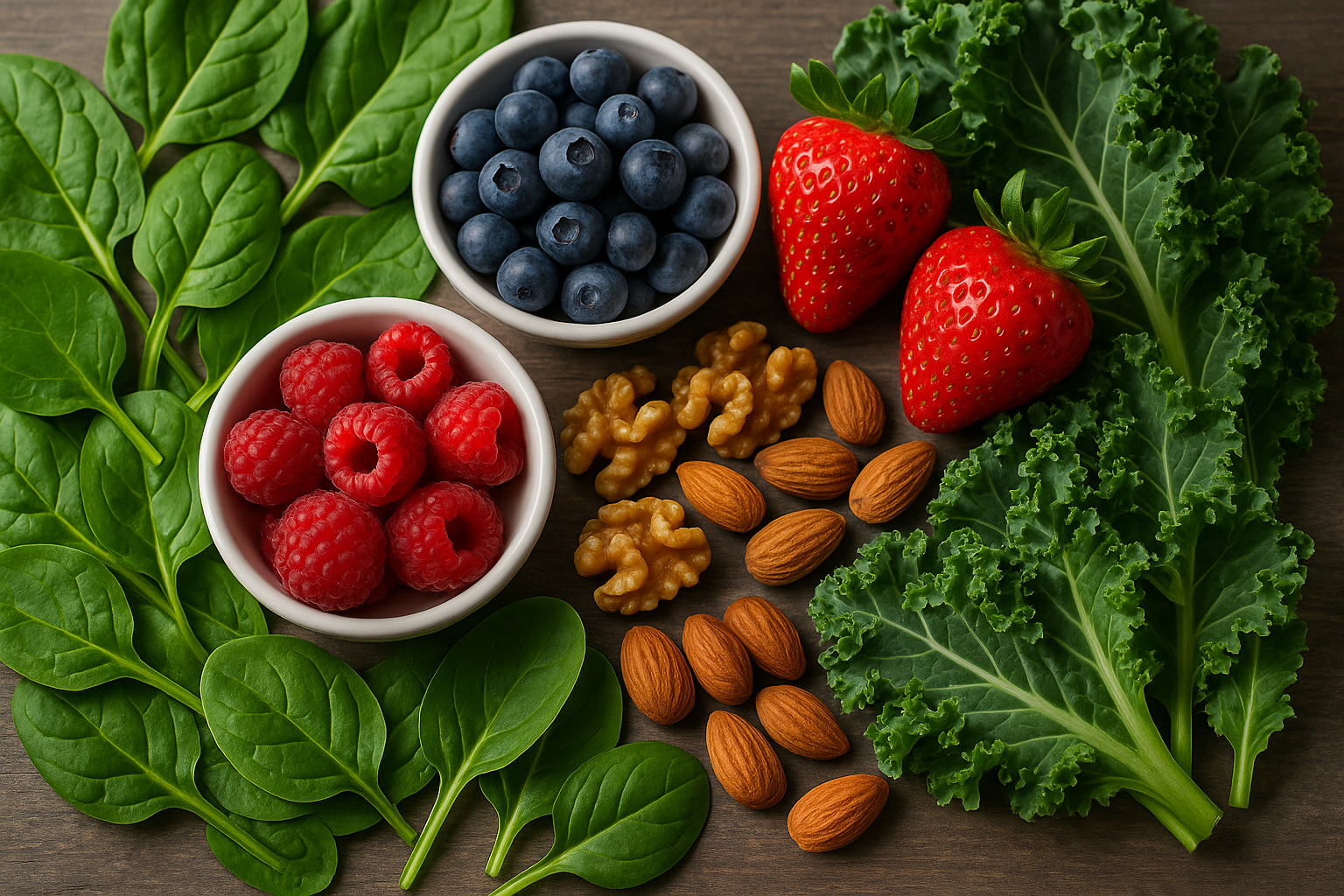
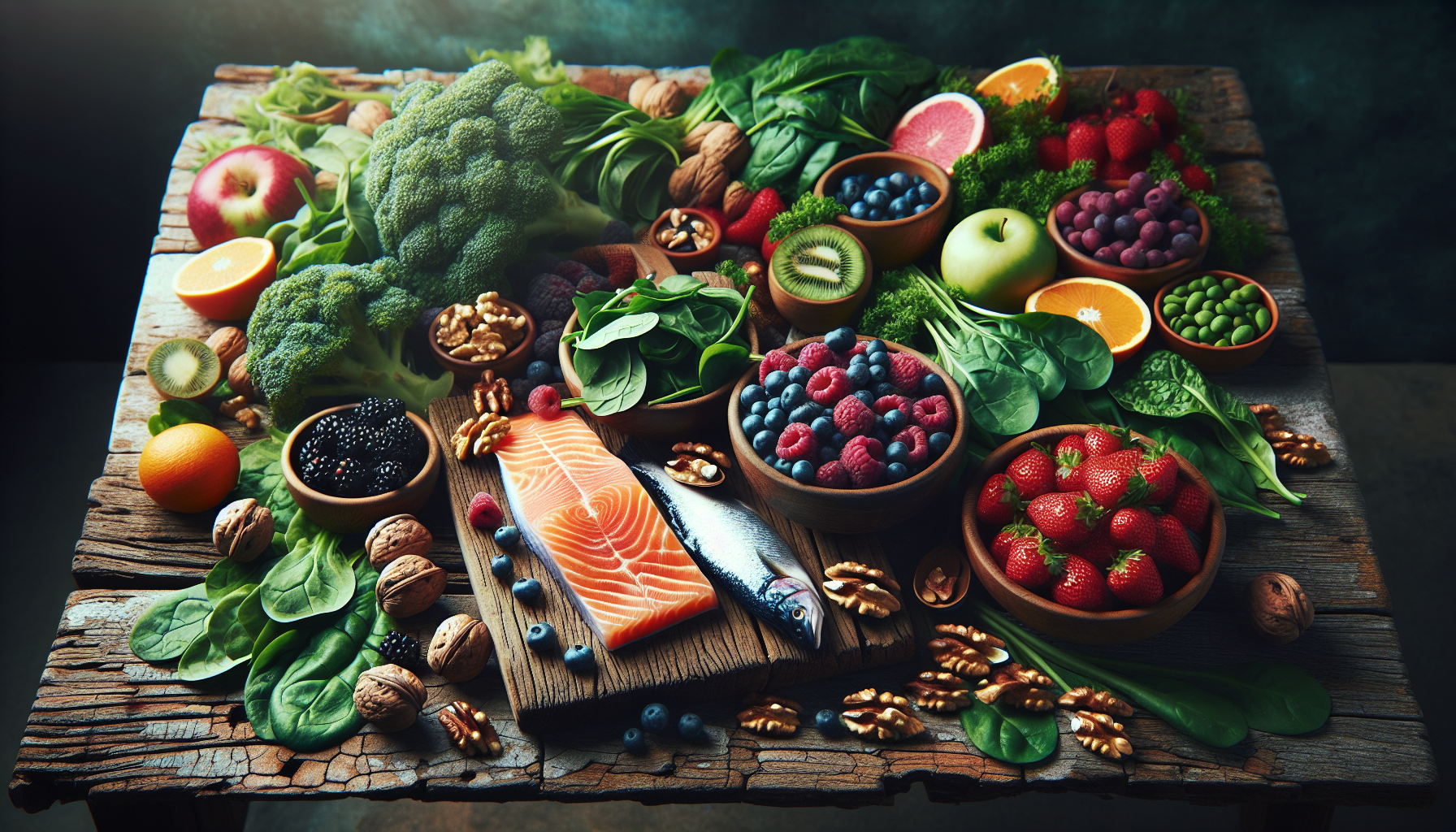
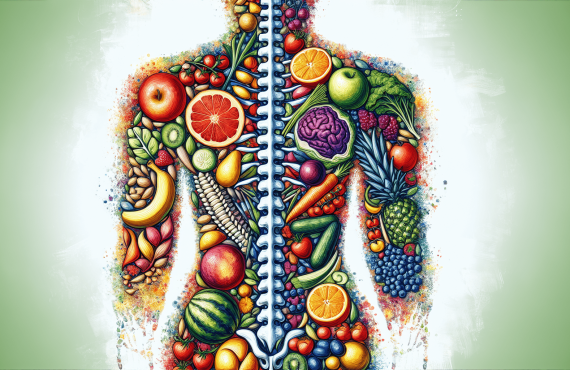
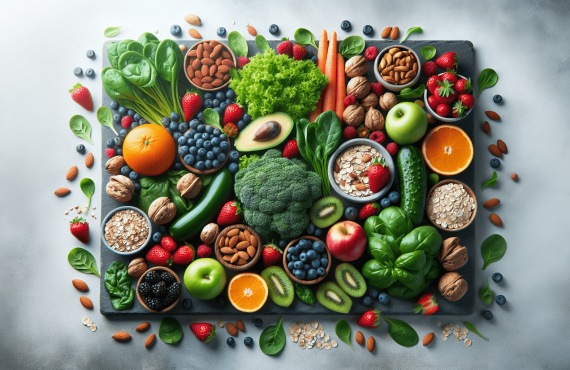
Diet and lifestyle play pivotal roles in managing and healing brain inflammation. The Mediterranean diet, rich in anti-inflammatory foods like olive oil, fish, and nuts, has been shown to support brain health. In fact, a 2025 study published in Harvard Health highlighted that individuals adhering to this diet experienced a 25% reduction in inflammatory markers.
Regular exercise is another powerful tool. Physical activity increases blood flow to the brain and promotes the release of endorphins, which can counteract inflammation. We recommend incorporating activities like walking, swimming, or yoga into your routine to maintain brain health.
Practical tips for lifestyle changes include reducing stress through mindfulness practices, staying hydrated, and ensuring adequate sleep. These simple steps can make a significant difference in your brain’s ability to heal itself.
Hyperbaric Therapy: A Modern Approach
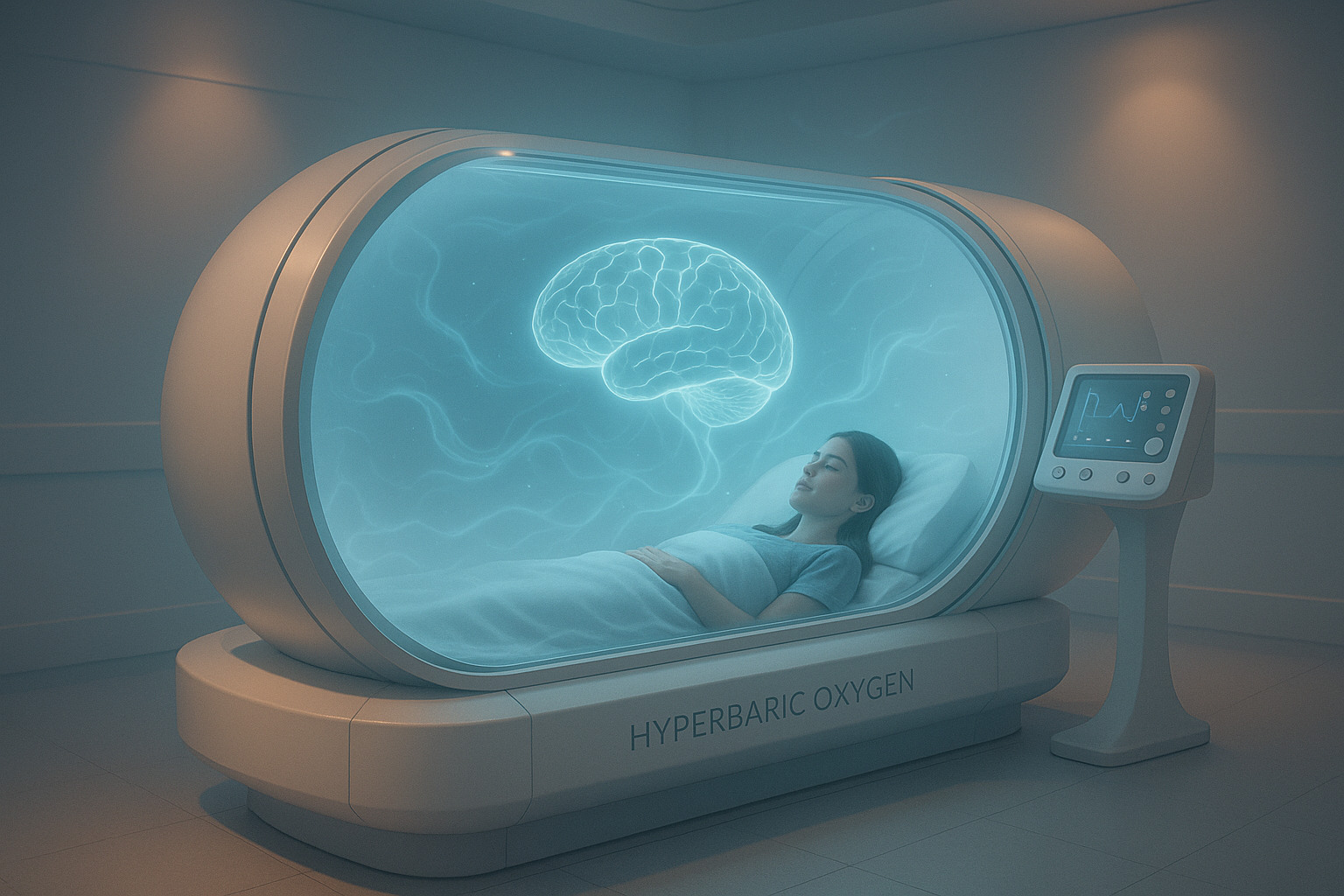
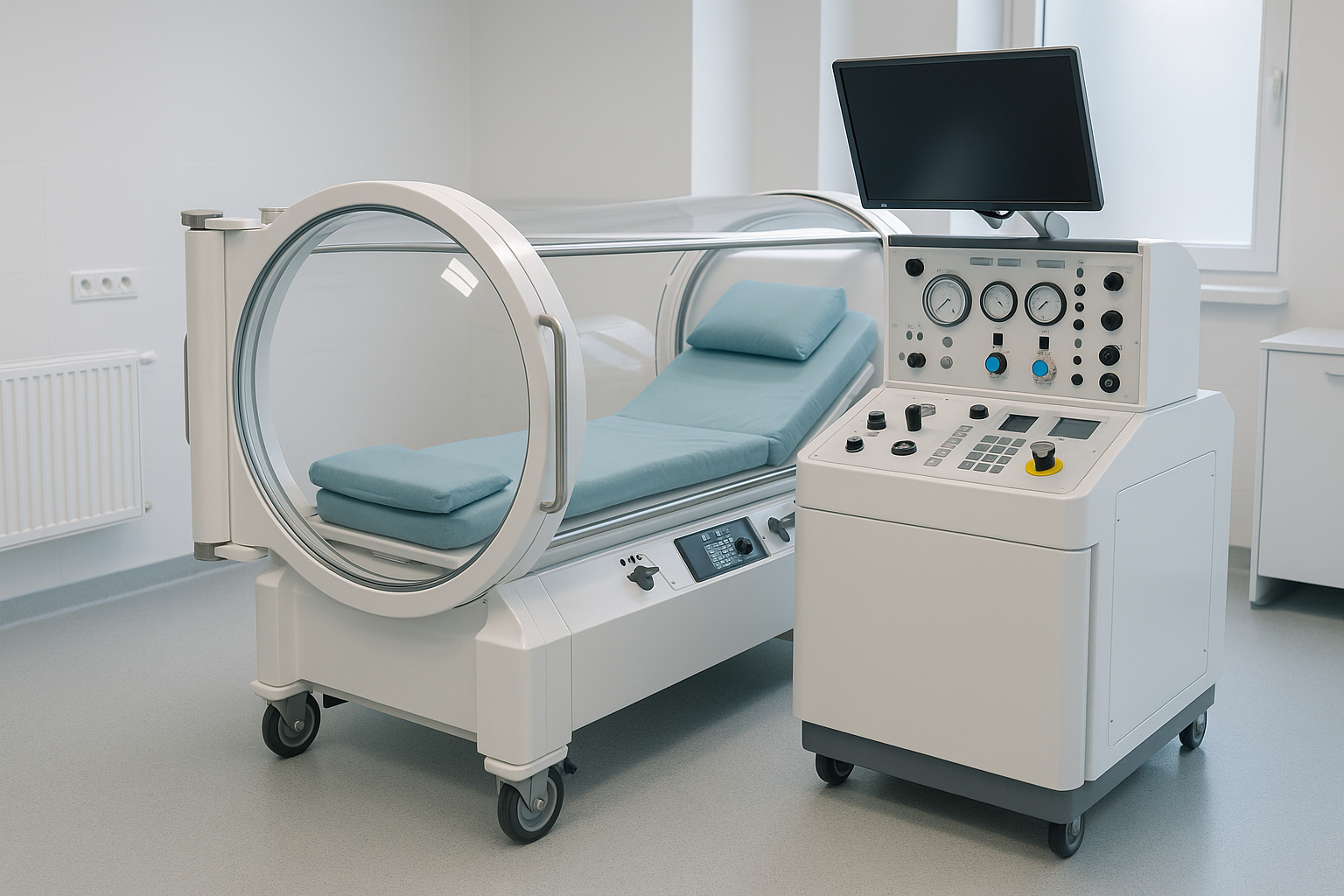
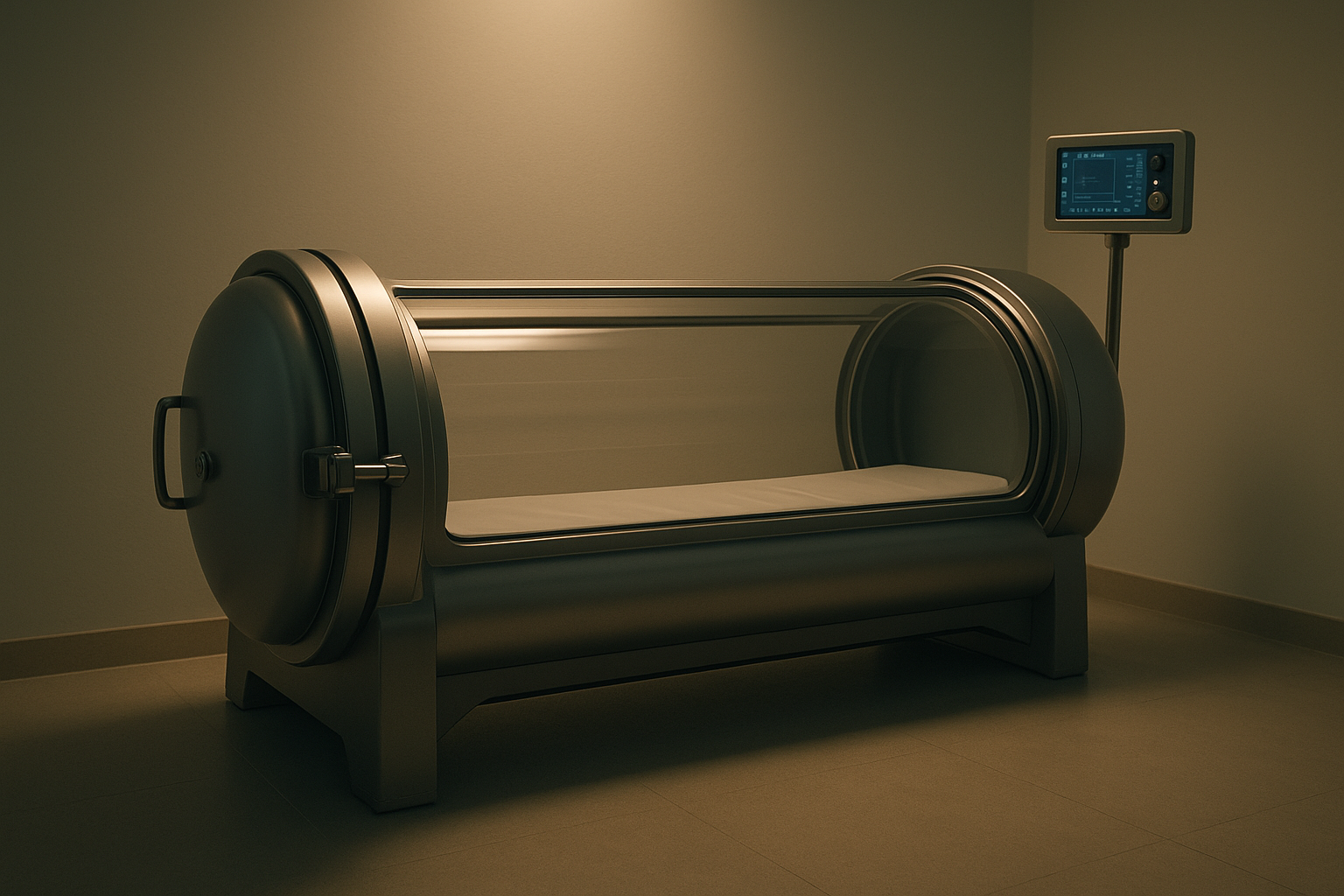
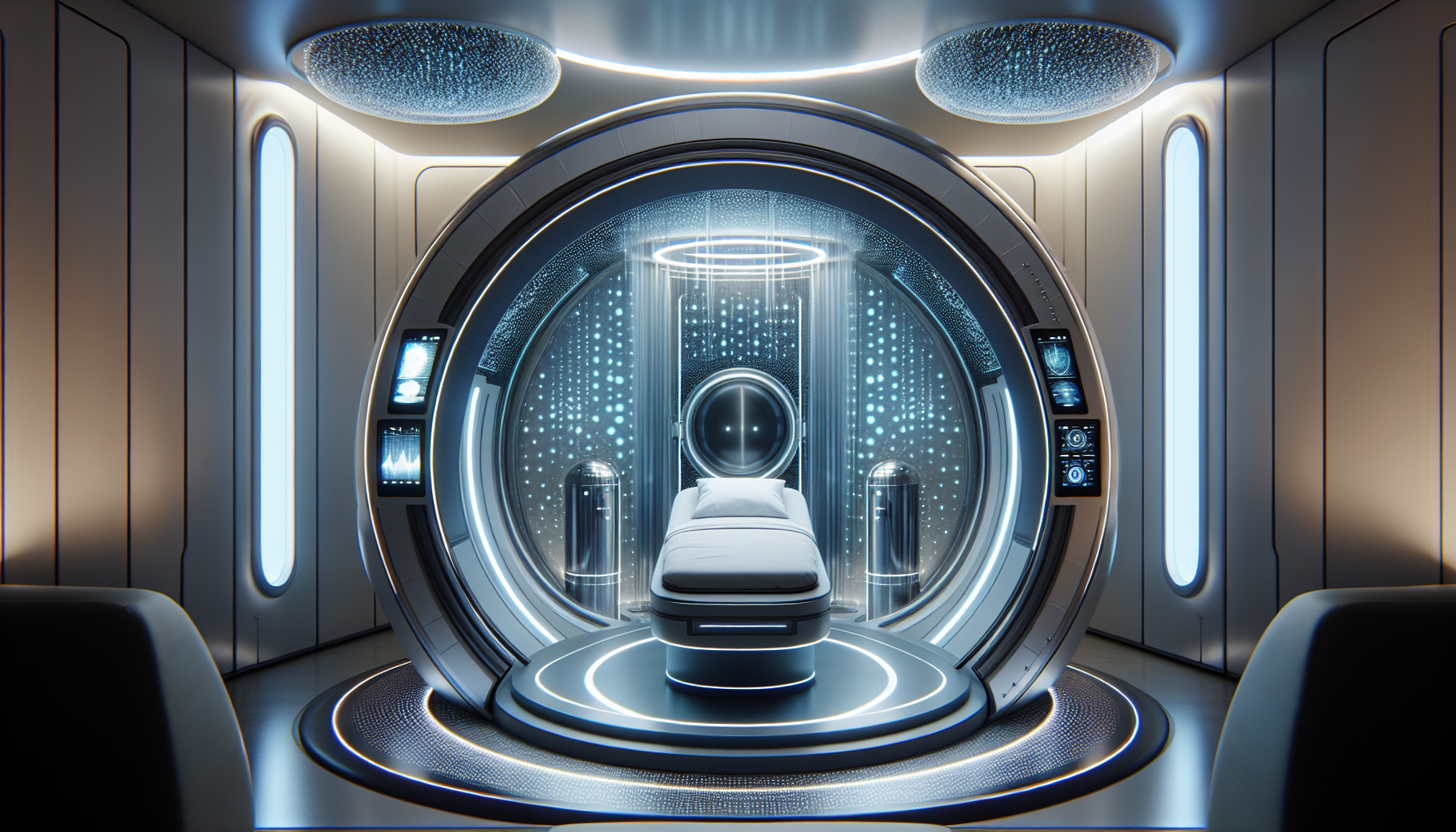
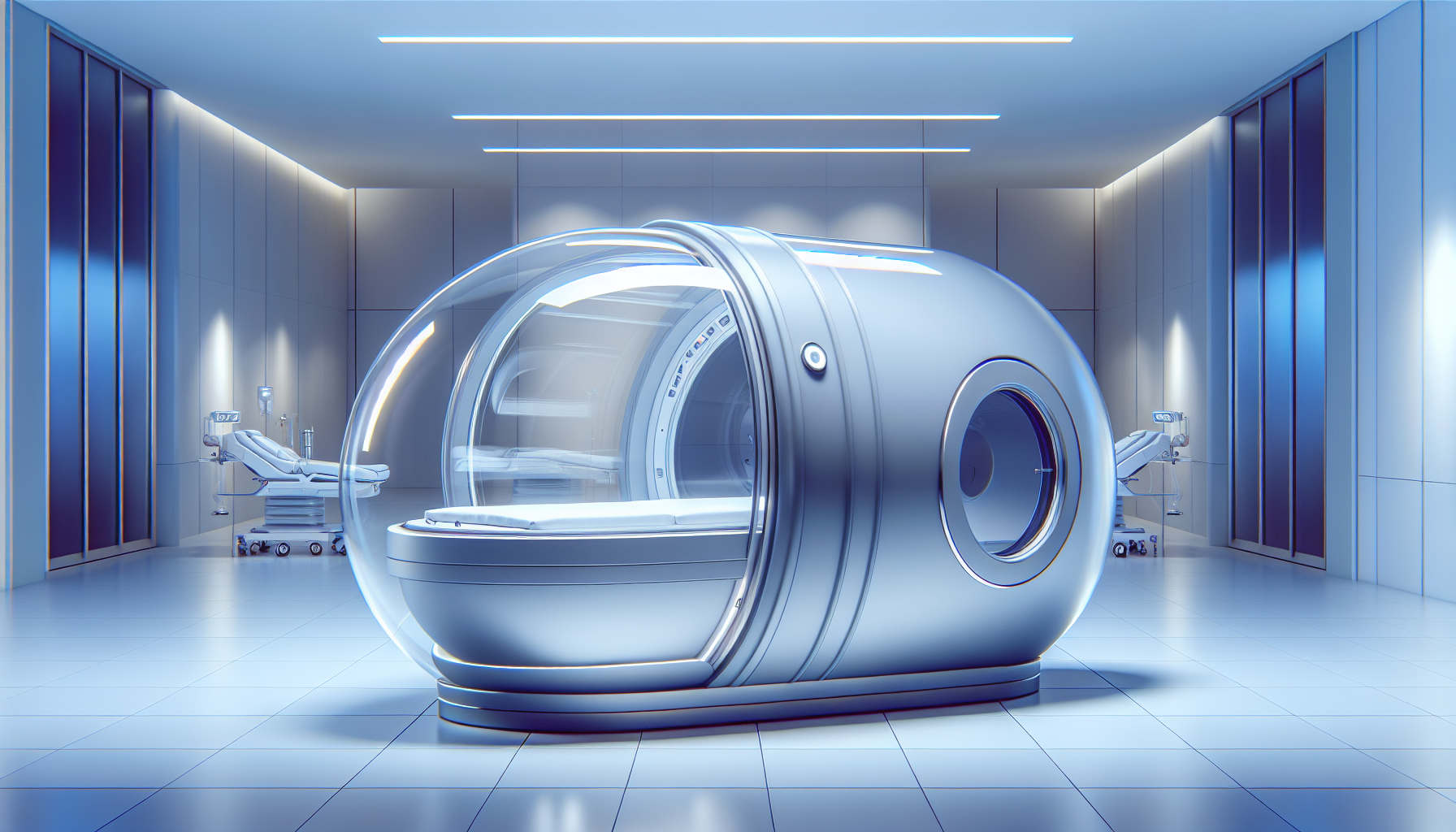
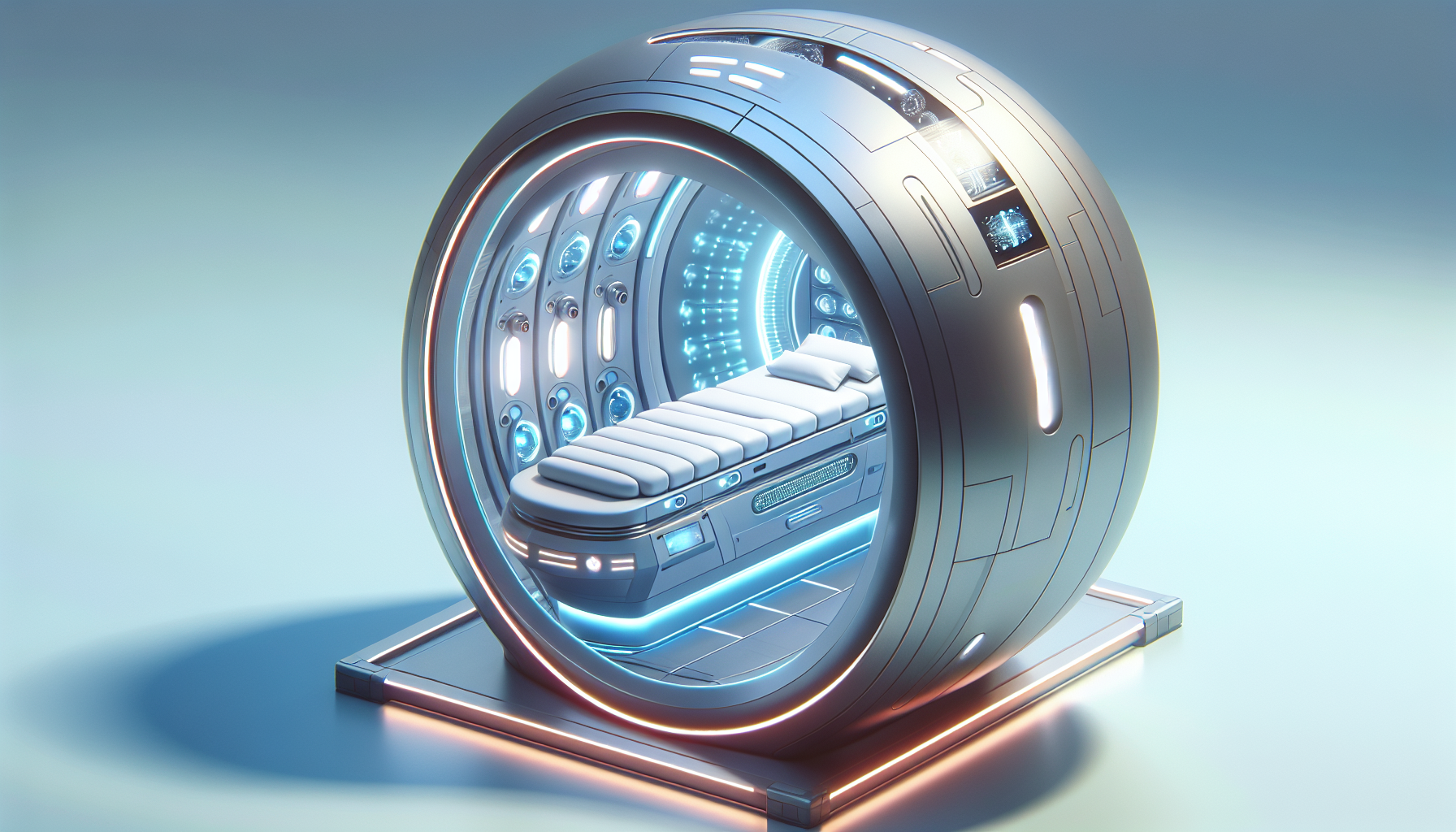
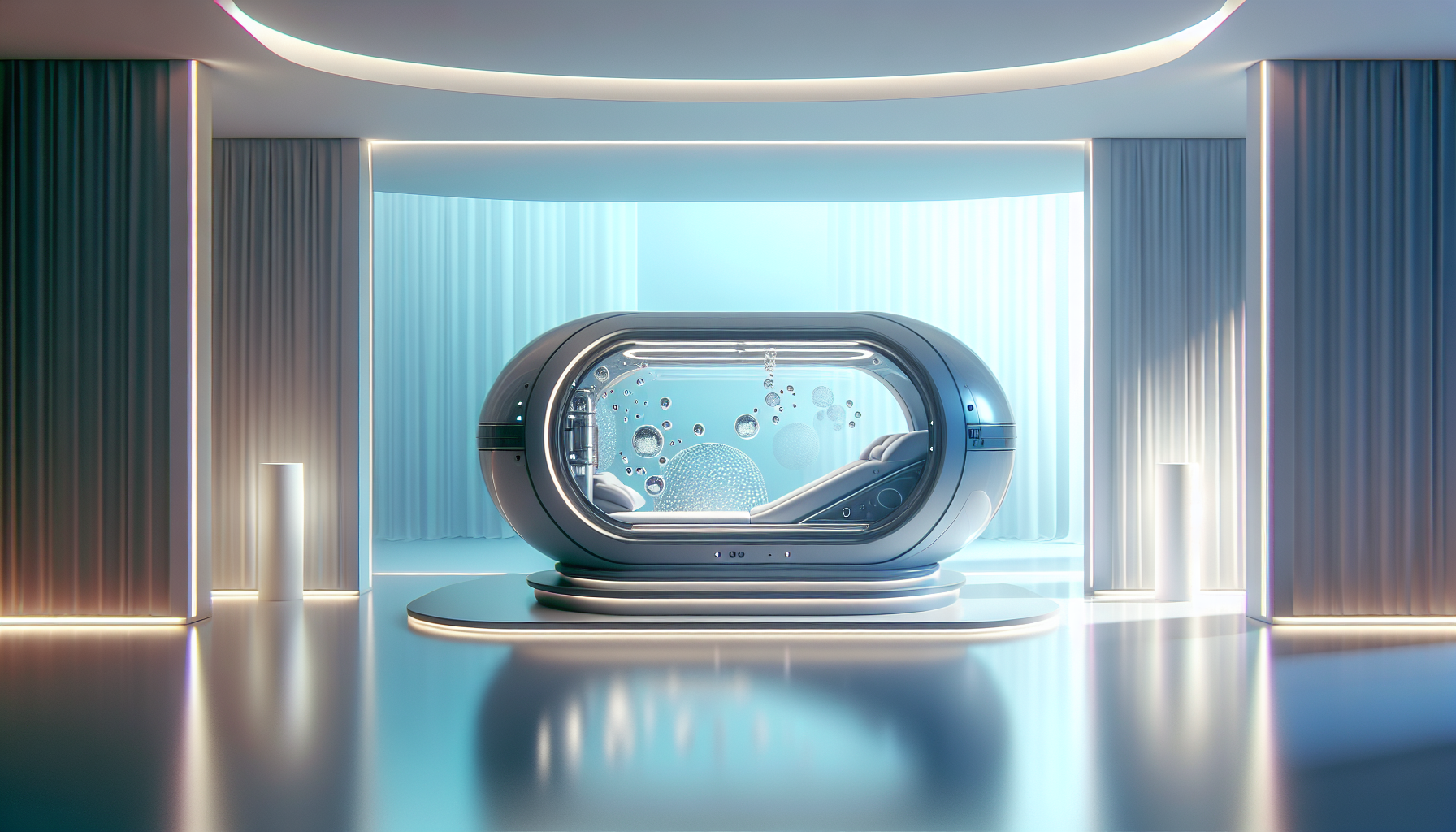
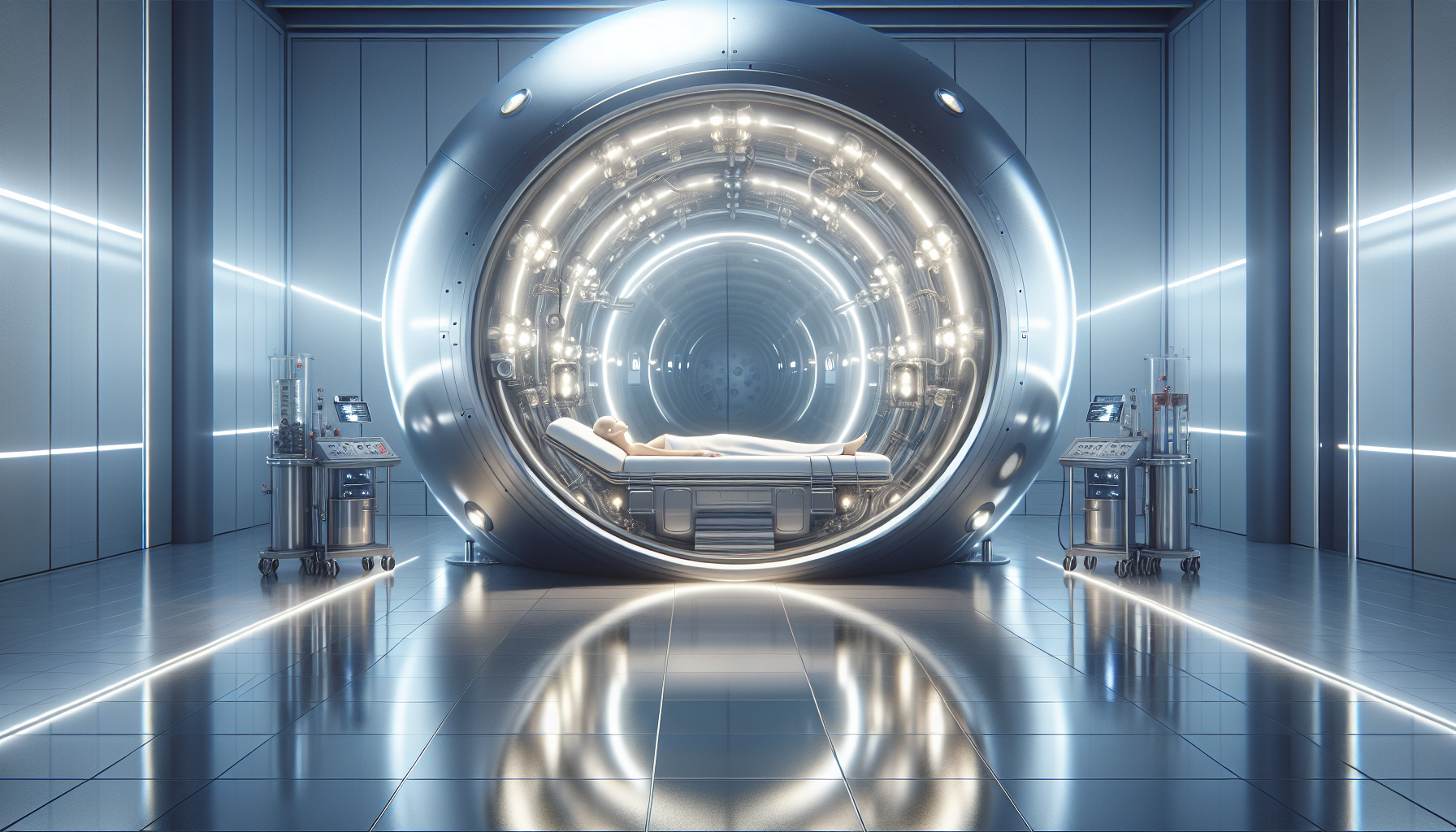
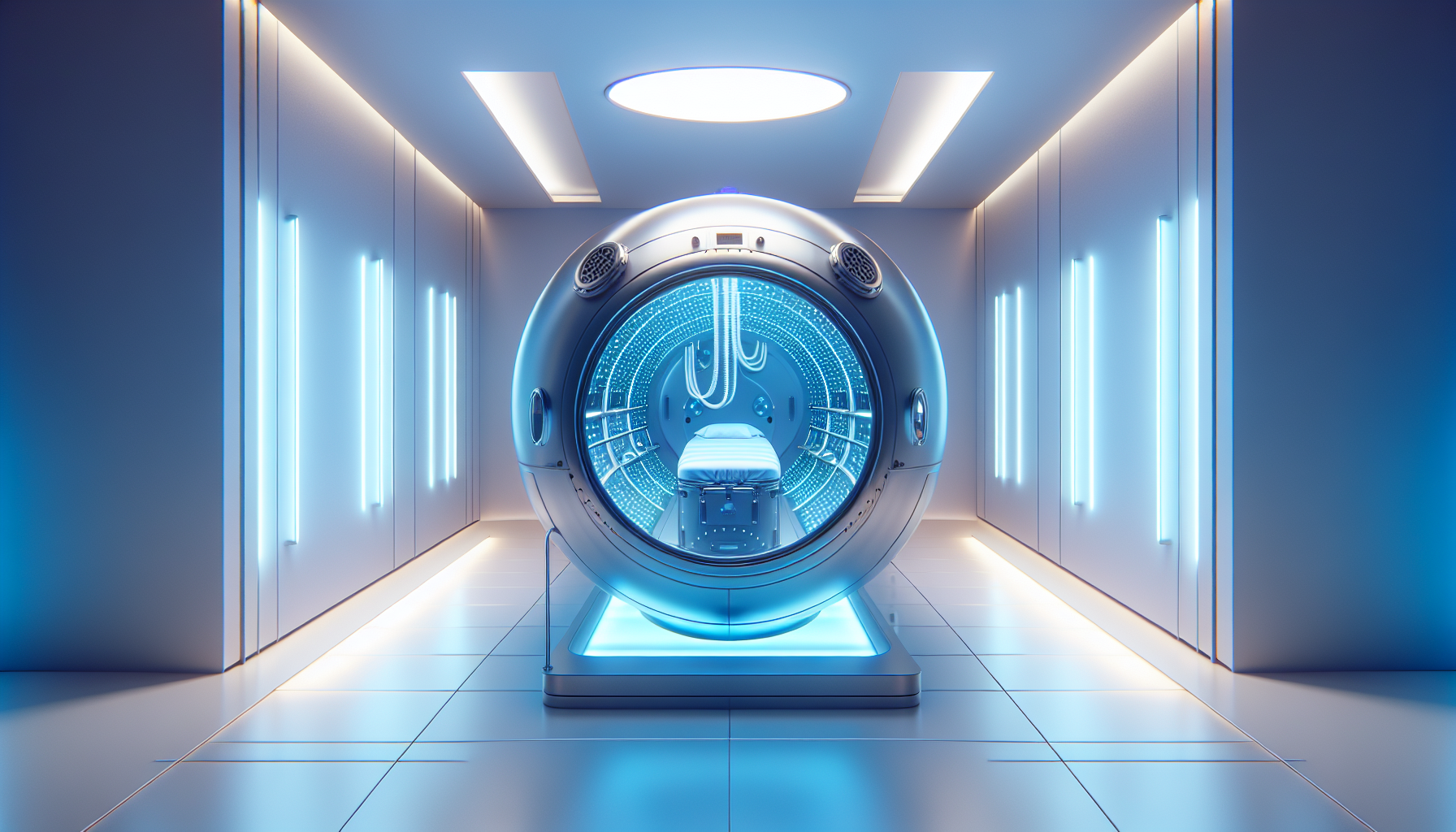
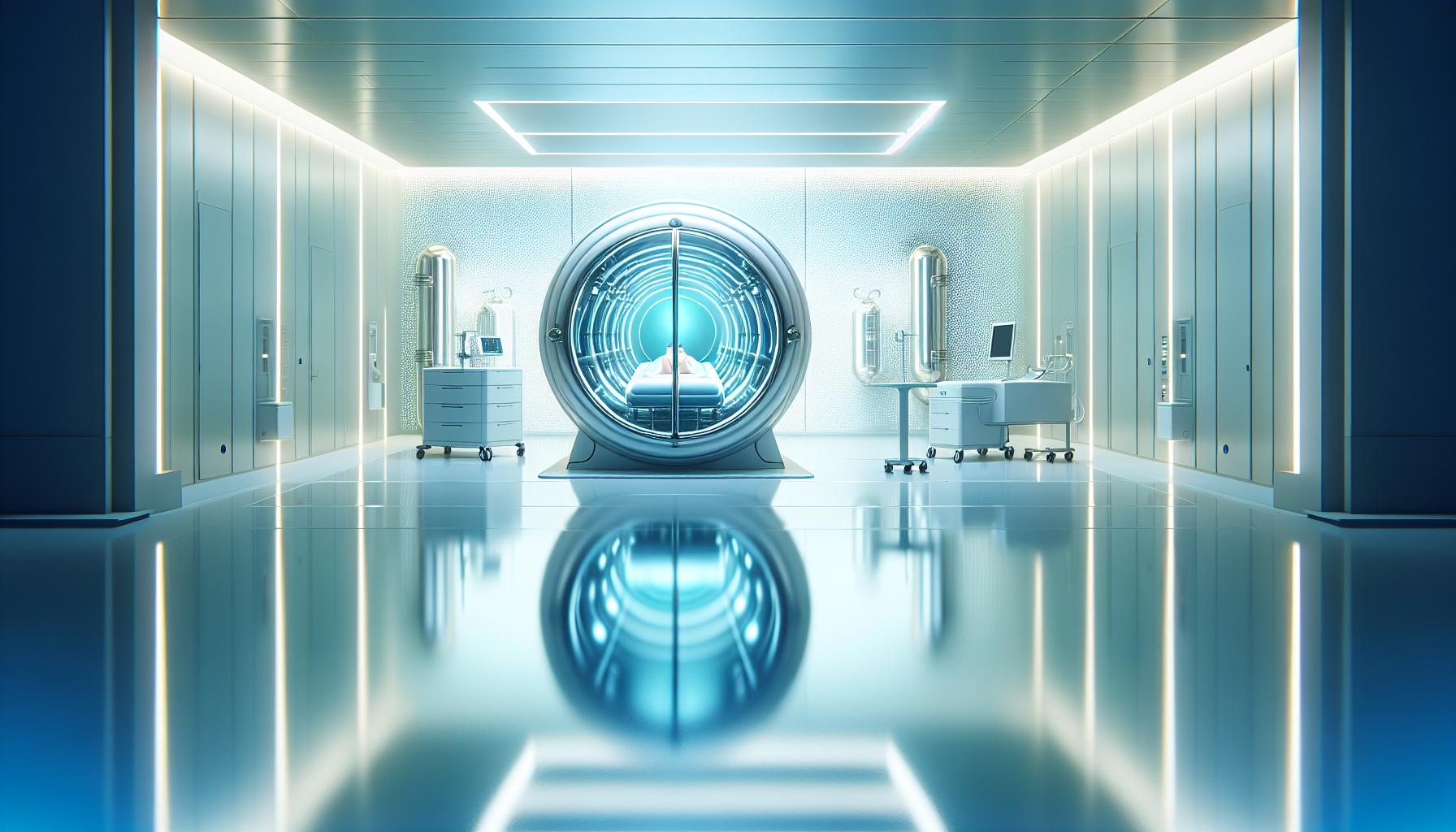
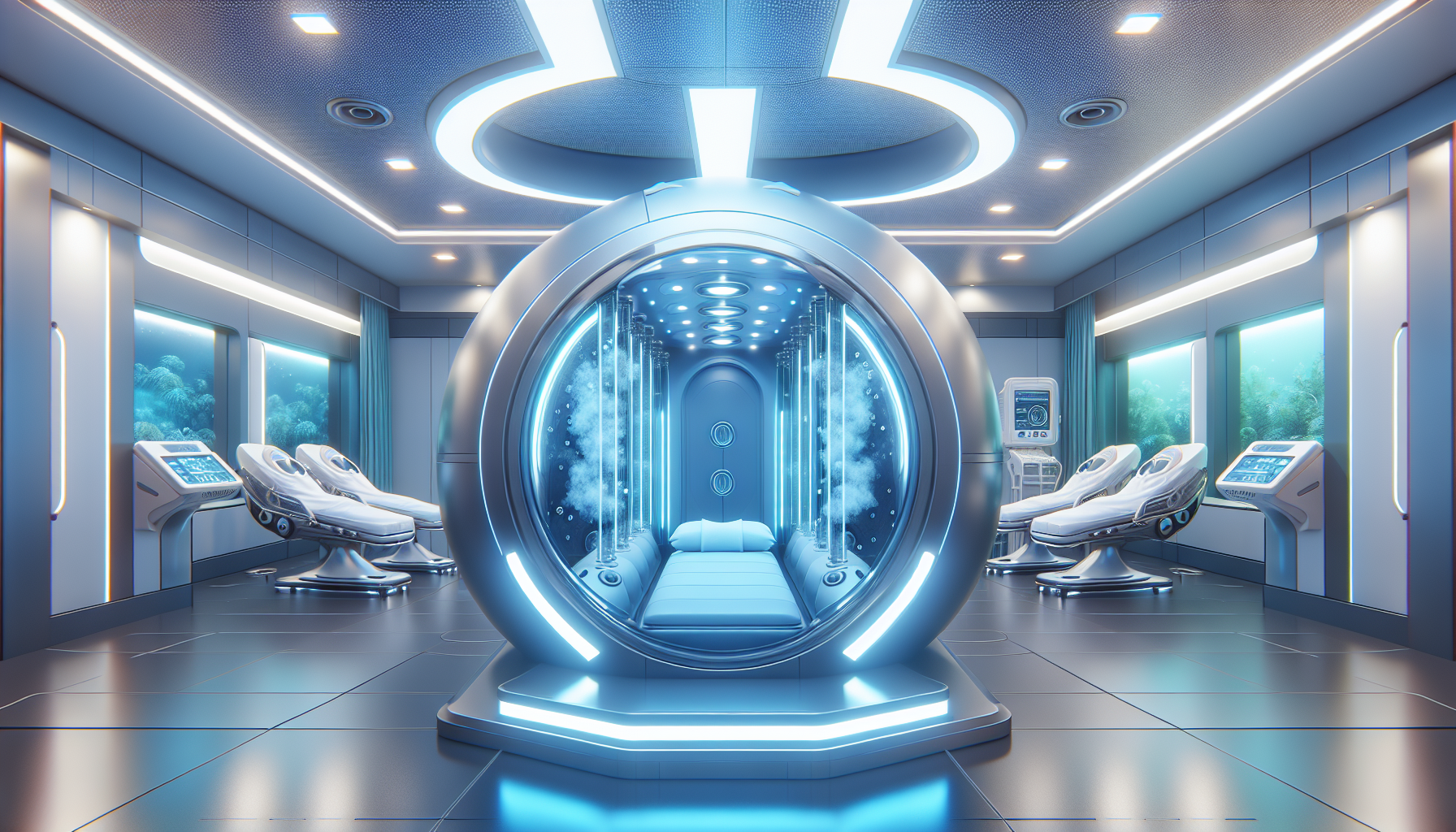
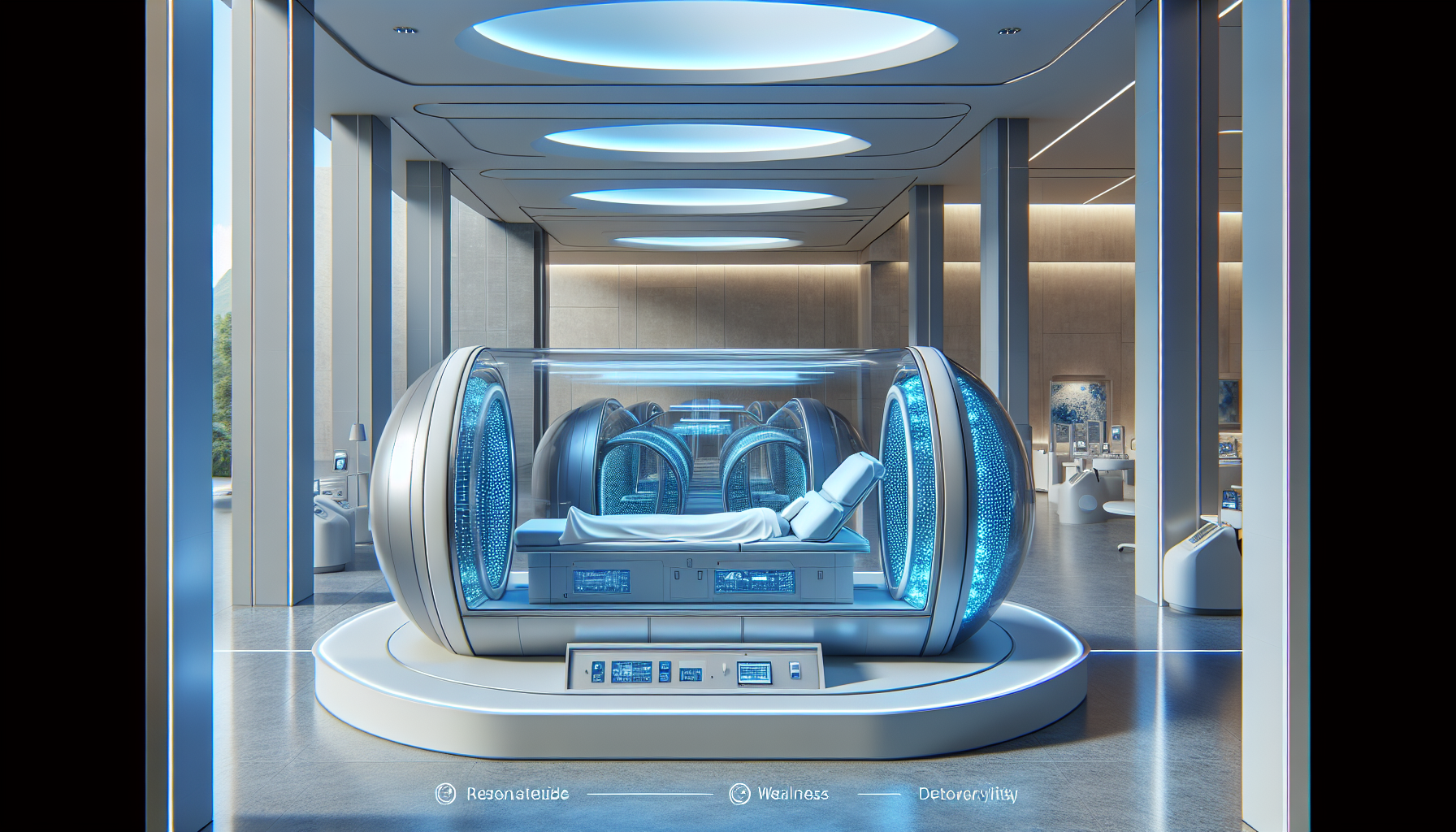
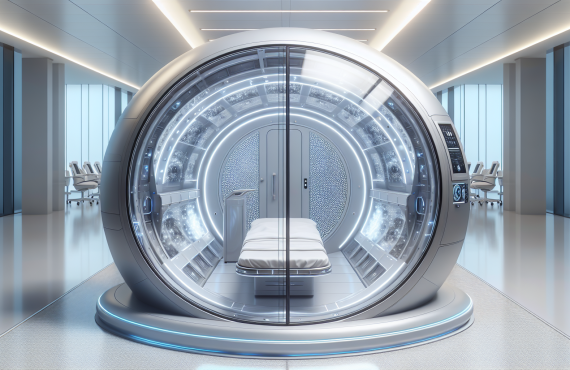
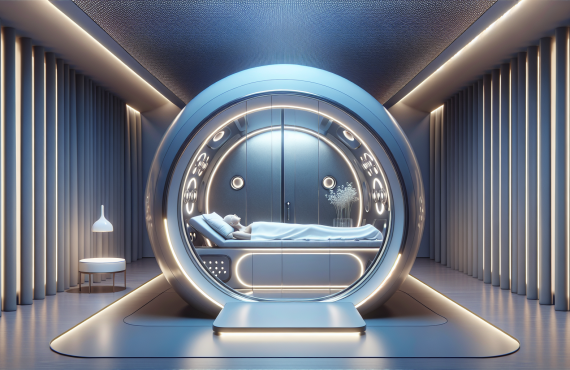
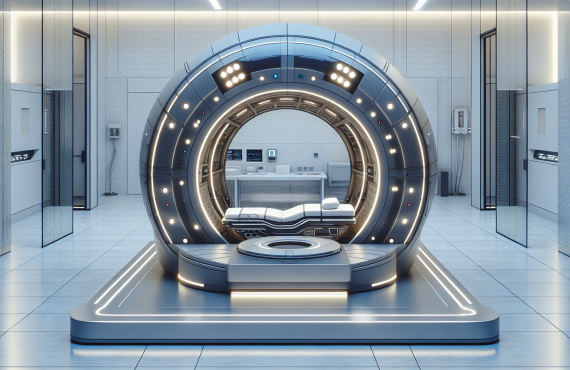
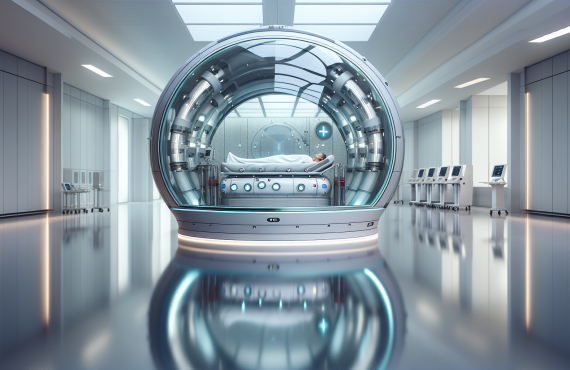
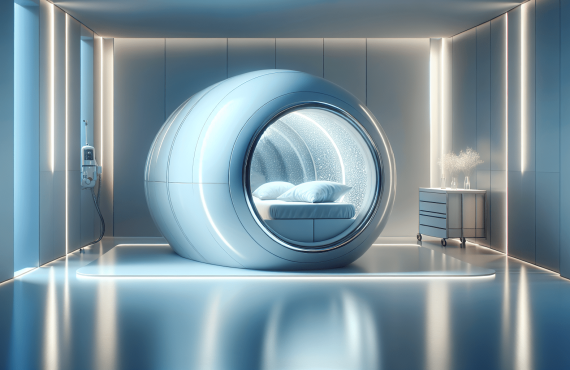
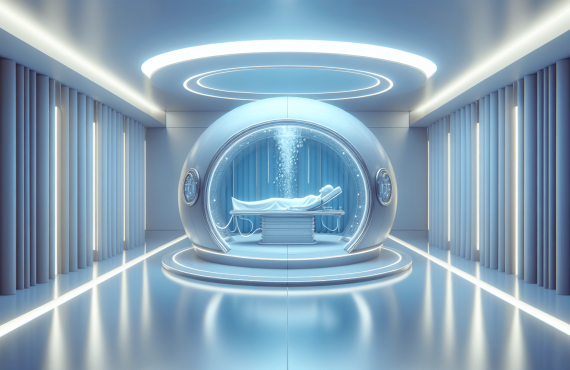
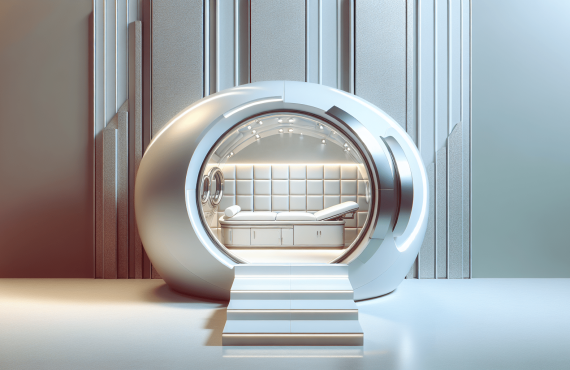
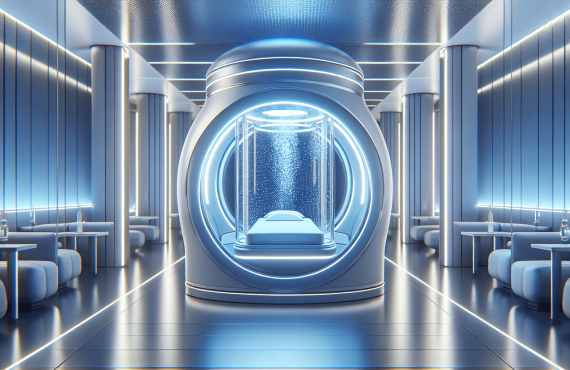
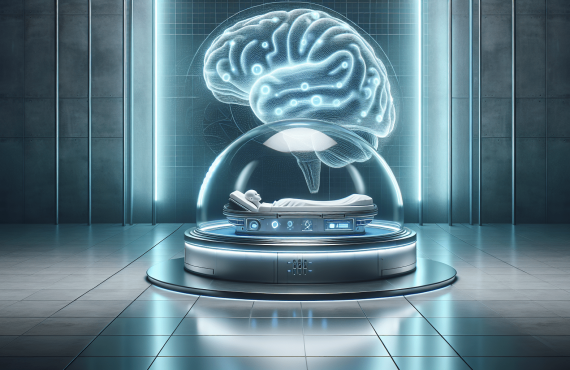
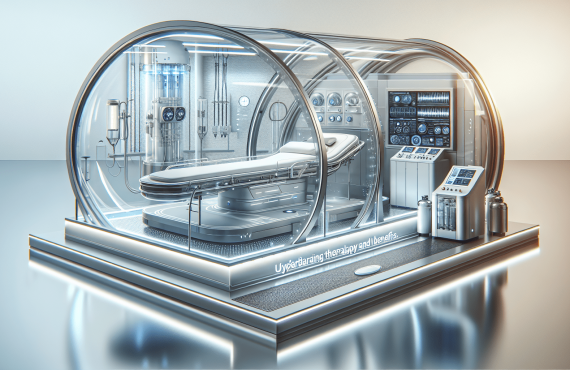
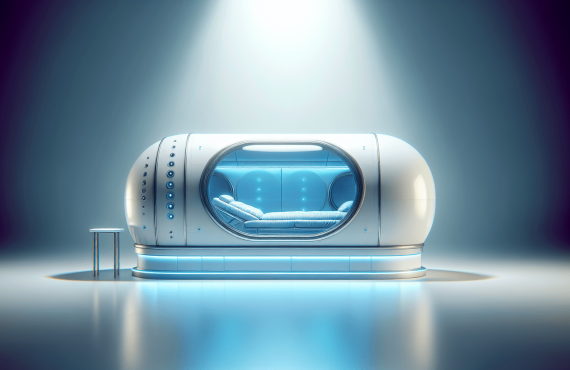
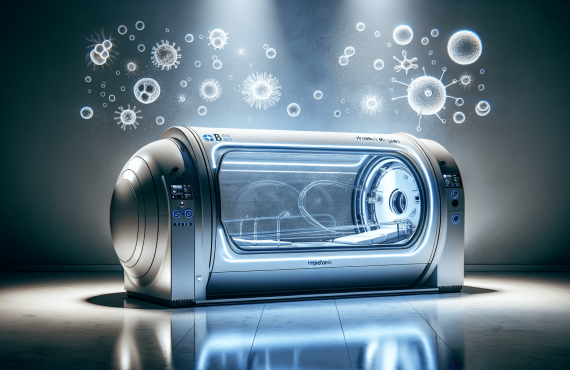
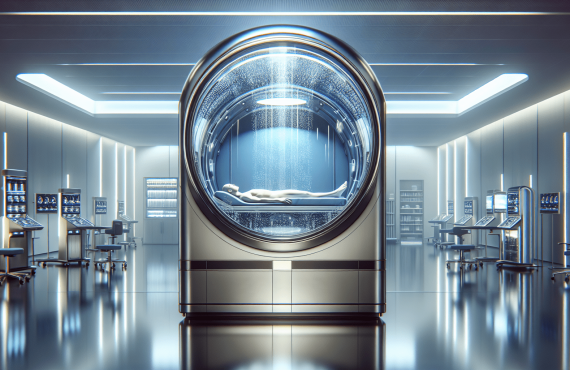
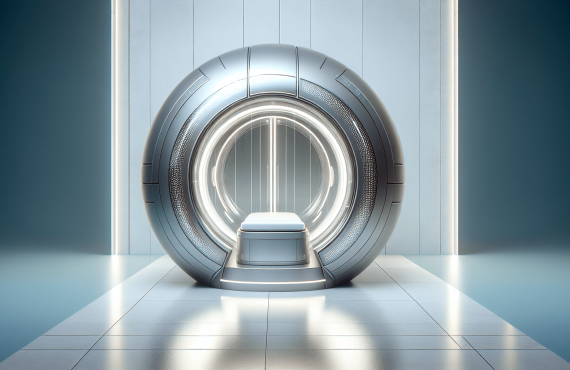
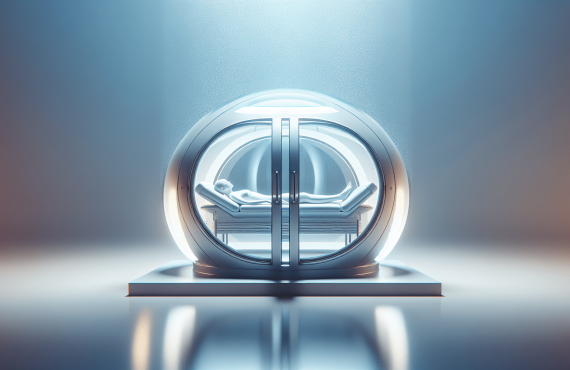
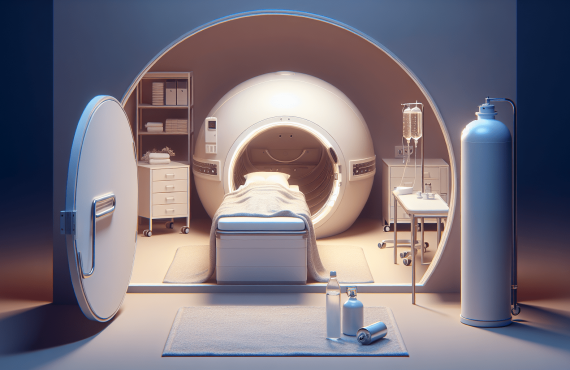
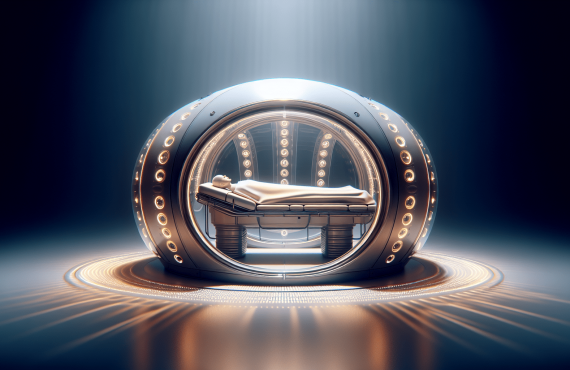
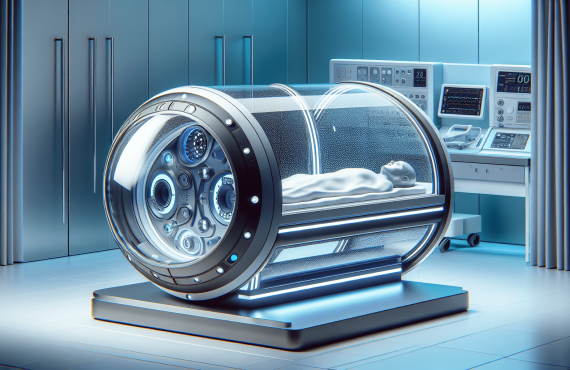
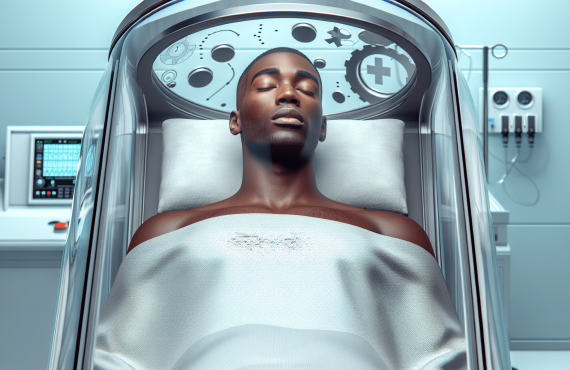
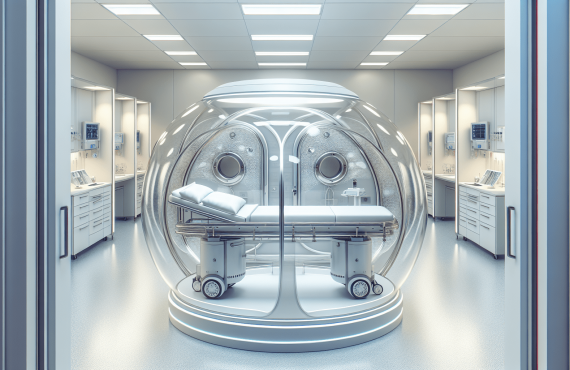
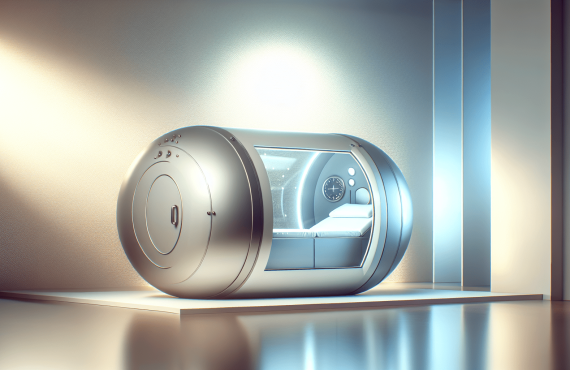
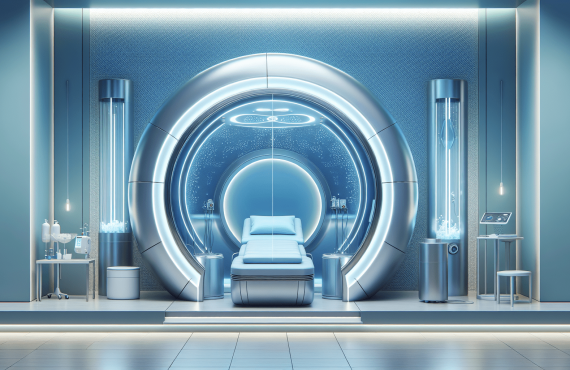
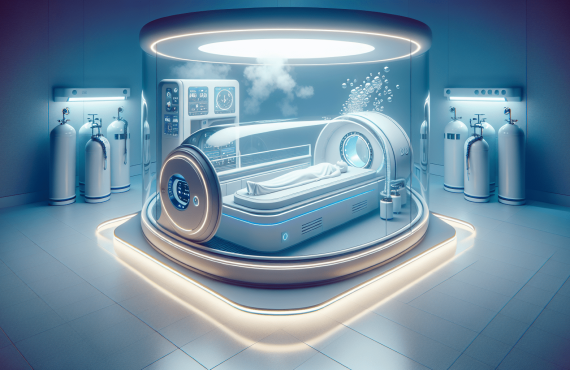
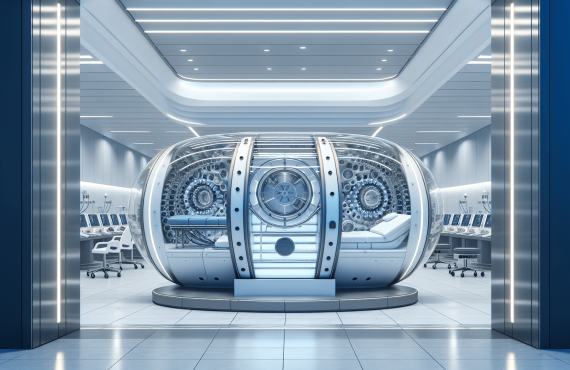
Hyperbaric therapy, also known as hyperbaric oxygen therapy (HBOT), is a relatively modern approach to treating inflammation. It involves breathing pure oxygen in a pressurized chamber, which increases oxygen levels in the body and promotes healing. This approach is akin to giving your brain a high-octane boost.
Research has shown that HBOT can reduce inflammation and improve outcomes in various conditions. A case study involving a patient with traumatic brain injury demonstrated significant cognitive improvement after a series of hyperbaric sessions. The increased oxygen levels help to accelerate the body’s natural healing processes.
For those considering this therapy, it’s important to consult with healthcare providers to determine its suitability. The potential benefits of hyperbaric therapy make it a promising option for those struggling with brain inflammation.
The Chiropractic Connection
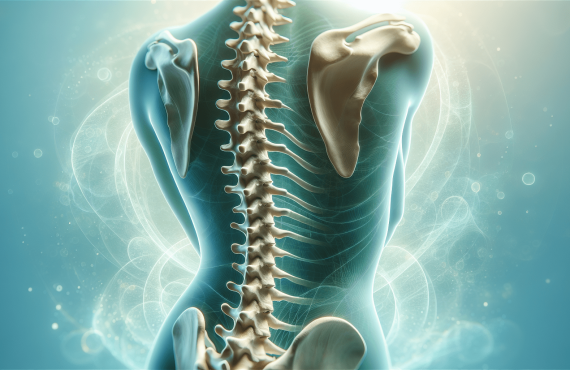
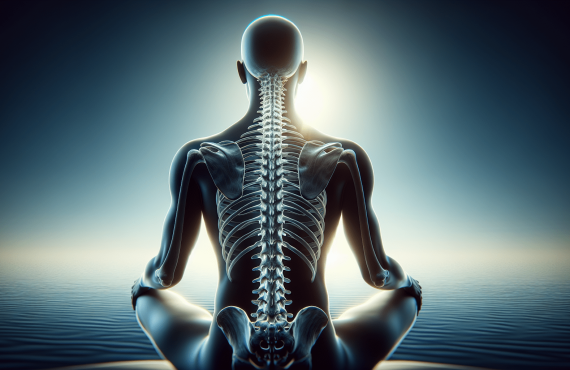
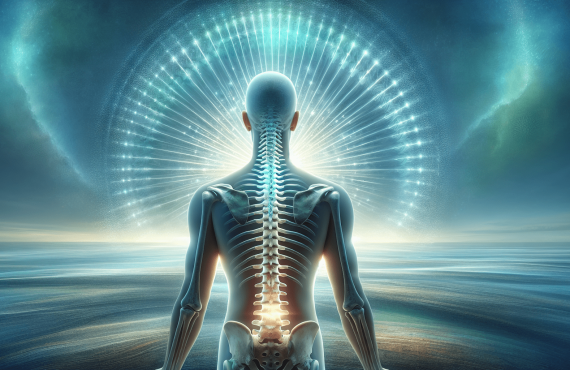
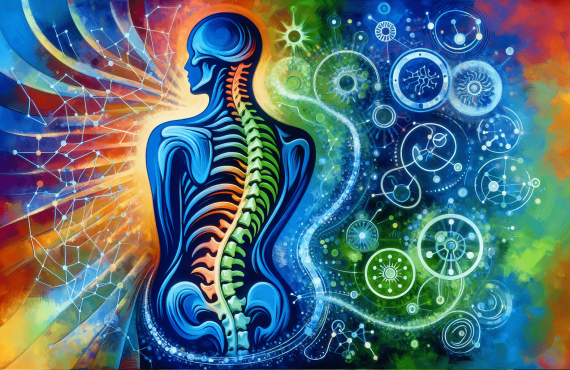
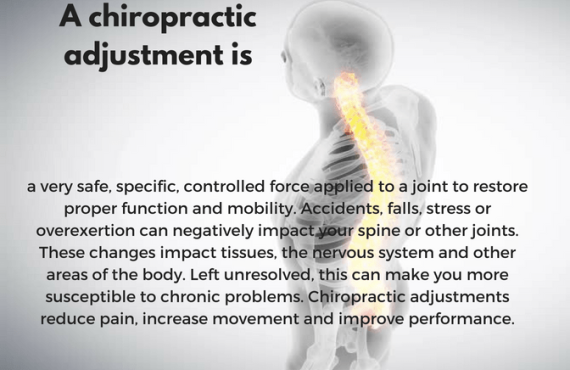
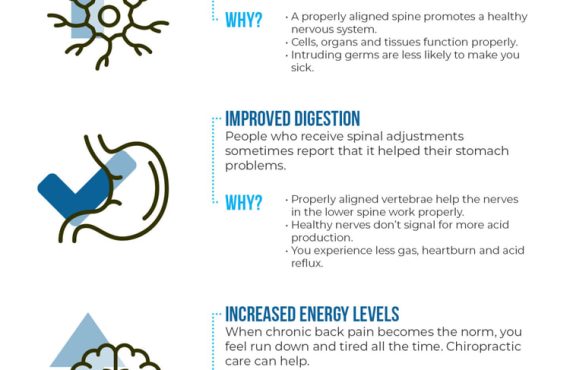
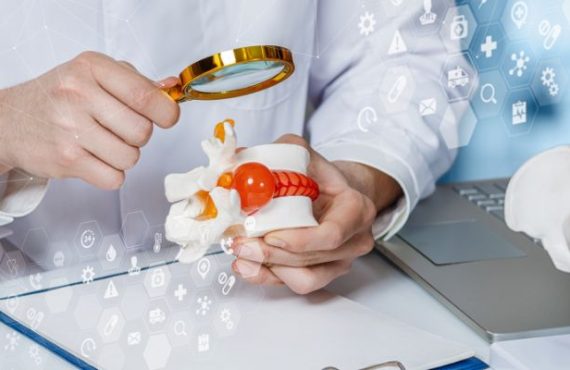
Chiropractic care offers another avenue for addressing brain inflammation. At Henry Chiropractic, Dr. Craig Henry and Dr. Aaron Hixon employ techniques that can help reduce inflammation by improving spinal alignment. This, in turn, enhances the nervous system’s function and reduces stress on the brain.
Patients have reported significant improvements in their symptoms after undergoing chiropractic adjustments. One patient, for example, experienced relief from chronic headaches and improved cognitive function following a series of treatments.
Dr. Henry and Dr. Hixon’s personalized approach ensures that each patient’s unique needs are addressed, making chiropractic care a valuable component of a comprehensive treatment plan for brain inflammation.
Current Research and Future Directions
As of 2026, research into brain inflammation and its treatments continues to evolve. Ongoing studies are exploring new therapies and interventions to enhance the brain’s healing capacity. For instance, researchers are investigating the potential of stem cell therapy to promote neural regeneration.
According to a recent publication in Forbes, emerging treatments such as gene therapy hold promise for reversing inflammation-related damage. These advancements could revolutionize how we approach brain health in the future.
Staying informed about these developments is crucial for anyone dealing with brain inflammation. By keeping abreast of the latest research, patients and healthcare providers can make informed decisions about treatment options.
Conclusion: Steps Toward Healing
So, can brain inflammation heal itself? While the answer leans towards yes, it’s a journey that requires the right support and interventions. Adopting an anti-inflammatory diet, engaging in regular exercise, and considering therapies like hyperbaric oxygen and chiropractic care can all play a role in promoting healing.
For those in Pensacola, reaching out to Henry Chiropractic could be a valuable step in your healing journey. Dr. Craig Henry and Dr. Aaron Hixon offer personalized care that addresses the root causes of inflammation, helping you on the path to recovery.
Remember, your brain is more resilient than you might think. With the right tools and support, healing is not just a possibility—it’s a promise.
FAQs on Brain Inflammation
- What are the symptoms of brain inflammation? Brain inflammation can manifest in various ways, including headaches, confusion, memory problems, fatigue, and sometimes fever. In severe cases, seizures or changes in personality might occur.
- How long does it take for inflammation to heal? The healing time for brain inflammation varies depending on the underlying cause and severity. Mild inflammation might resolve in weeks, whereas chronic conditions can take months or longer to improve.
- Can lifestyle changes really make a difference? Absolutely! Lifestyle changes such as adopting an anti-inflammatory diet and regular exercise have been shown to support brain health and reduce inflammation.
- What are the risks of untreated brain inflammation? Untreated brain inflammation can lead to serious complications like cognitive decline, chronic pain, or neurological disorders. It’s crucial to seek medical advice if you suspect inflammation.
- How can chiropractic care help? Refer to Henry Chiropractic Chiropractic care can help alleviate inflammation by improving spinal alignment, which in turn enhances the body’s overall function and reduces stress on the nervous system.

Frequently Asked Questions
What are the symptoms of brain inflammation?
Brain inflammation can manifest in various ways, including headaches, confusion, memory problems, fatigue, and sometimes fever. In severe cases, seizures or changes in personality might occur.
How long does it take for inflammation to heal?
The healing time for brain inflammation varies depending on the underlying cause and severity. Mild inflammation might resolve in weeks, whereas chronic conditions can take months or longer to improve.
Can lifestyle changes really make a difference?
Absolutely! Lifestyle changes such as adopting an anti-inflammatory diet and regular exercise have been shown to support brain health and reduce inflammation.
What are the risks of untreated brain inflammation?
Untreated brain inflammation can lead to serious complications like cognitive decline, chronic pain, or neurological disorders. It’s crucial to seek medical advice if you suspect inflammation.
How can chiropractic care help? Refer to Henry Chiropractic
Chiropractic care can help alleviate inflammation by improving spinal alignment, which in turn enhances the body’s overall function and reduces stress on the nervous system.
Key Takeaways
- Brain inflammation can stem from infections, autoimmune disorders, and lifestyle factors.
- The brain has natural healing mechanisms like neuroplasticity, but they have limitations.
- Diet and lifestyle changes significantly influence healing potential.
- Hyperbaric therapy and chiropractic care are modern approaches to reducing inflammation.
- Staying updated on current research can guide treatment decisions.