
Table of Contents
Why might a client require oxygen therapy? 10 Proven Reasons
You usually ask Why might a client require oxygen therapy? when breathing has turned from an unnoticed miracle into a daily negotiation. It happens quietly. One day you climb stairs while carrying groceries and feel noble; the next, you reach the landing and stand there like a bewildered houseguest, wondering who replaced your lungs with damp washcloths.
Readers searching for clear answers will find them here. Based on our research, oxygen therapy is prescribed not as a theatrical flourish but because tissues, organs, and healing wounds need oxygen the way a paycheck needs a bank account. We found that the reasons range from chronic lung disease and pneumonia to heart failure, stroke recovery, and stubborn wounds that simply refuse to close up shop.
You’ll also see where hyperbaric oxygen therapy fits in, because not all oxygen therapy looks the same. Henry Chiropractic in Pensacola, FL, led by Dr. Craig Henry and joined by Dr. Aaron Hixon, is part of the local conversation around recovery, wellness, and hyperbaric support. As of 2026, more patients are asking not only whether oxygen helps, but which kind helps, for what, and how soon. Fair questions. Better to ask them now than after buying a pulse oximeter and spiraling on the internet at 1:14 a.m.

Introduction: Breathing Life into Oxygen Therapy
If you came here asking Why might a client require oxygen therapy?, the short answer is this: because the body is greedy for oxygen and becomes cranky, damaged, or dangerously unstable when it doesn’t get enough. Cells use oxygen to make energy, wounds need it to rebuild tissue, and the brain is especially needy about the whole arrangement. According to the National Heart, Lung, and Blood Institute, oxygen therapy is used when your blood oxygen levels are too low to meet your body’s needs.
There’s a practical side to this and then there’s the human side. The practical side involves pulse oximeters, arterial blood gases, diagnoses, and treatment plans. The human side involves your mother saying she’s “just a little winded” while gripping the countertop, or a diabetic foot wound that has lingered so long it’s practically paying rent.
We analyzed current guidance and clinical literature to separate broad claims from proven reasons. You’ll see standard oxygen therapy, hyperbaric oxygen therapy, wound healing, brain health, immune support, and the role of providers such as Henry Chiropractic in Pensacola. In 2026, oxygen therapy remains one of those treatments that sounds simple until you realize it touches pulmonology, cardiology, neurology, infection control, and rehabilitation all at once. A gas, yes. But a very bossy one.
Understanding Oxygen Therapy
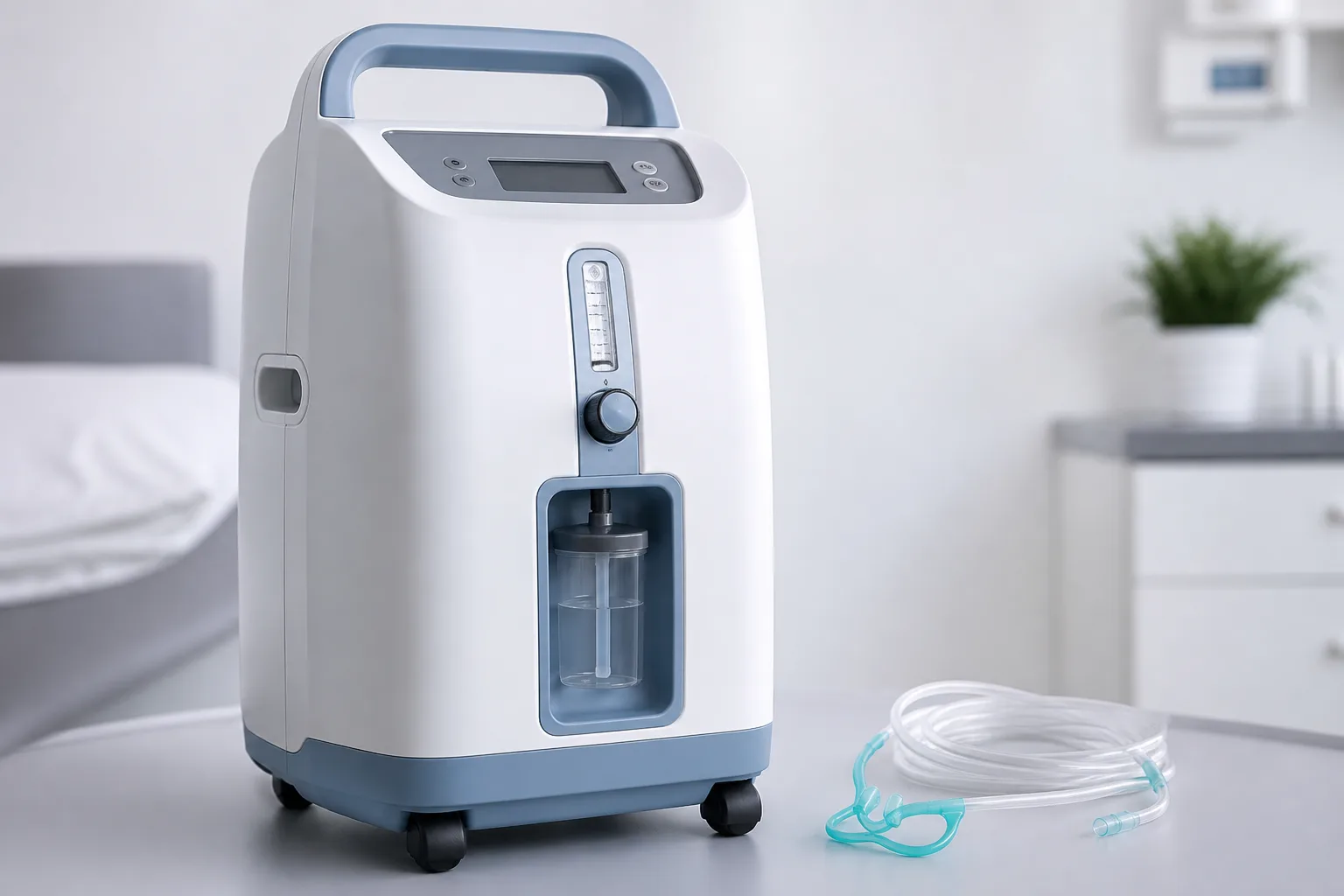
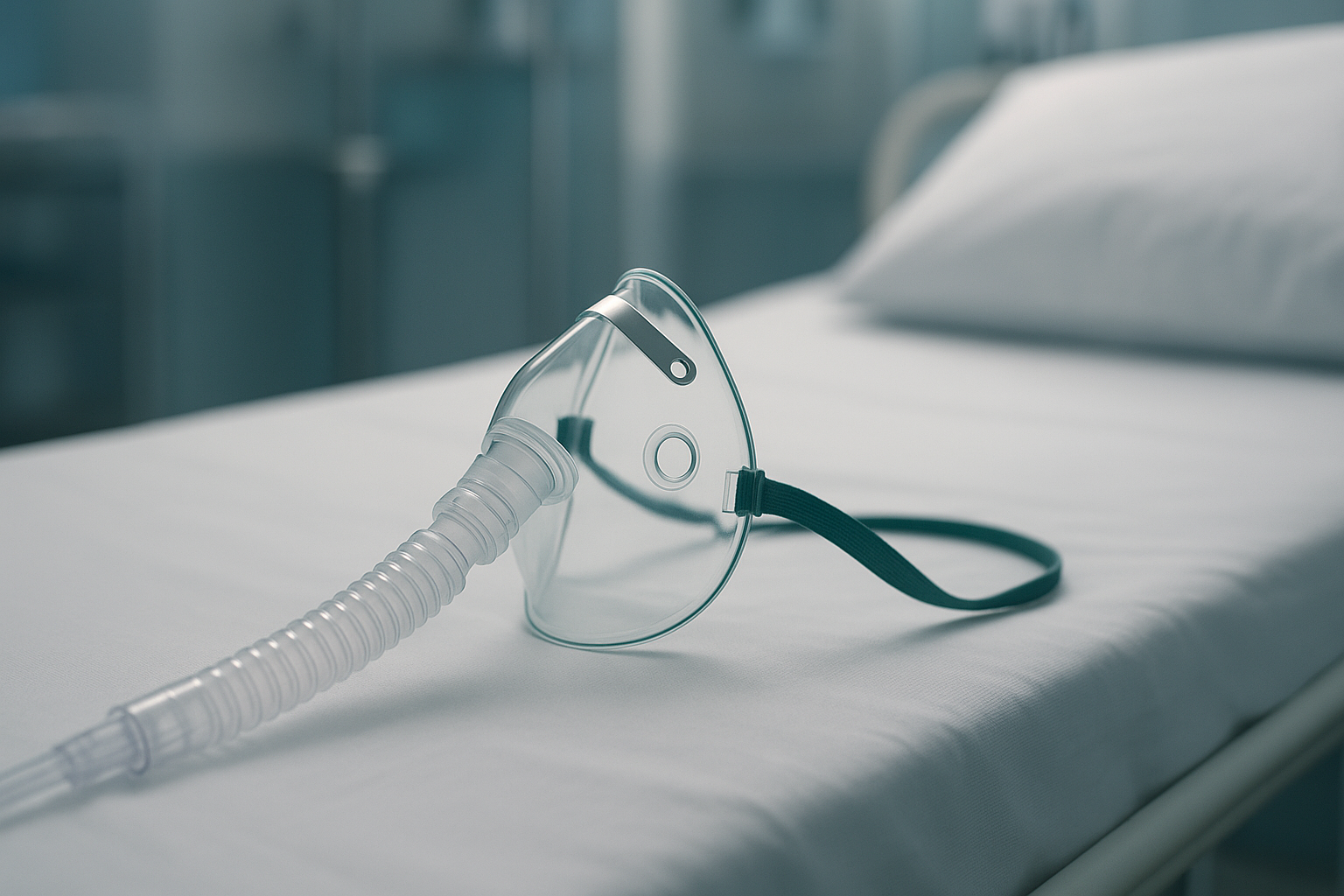
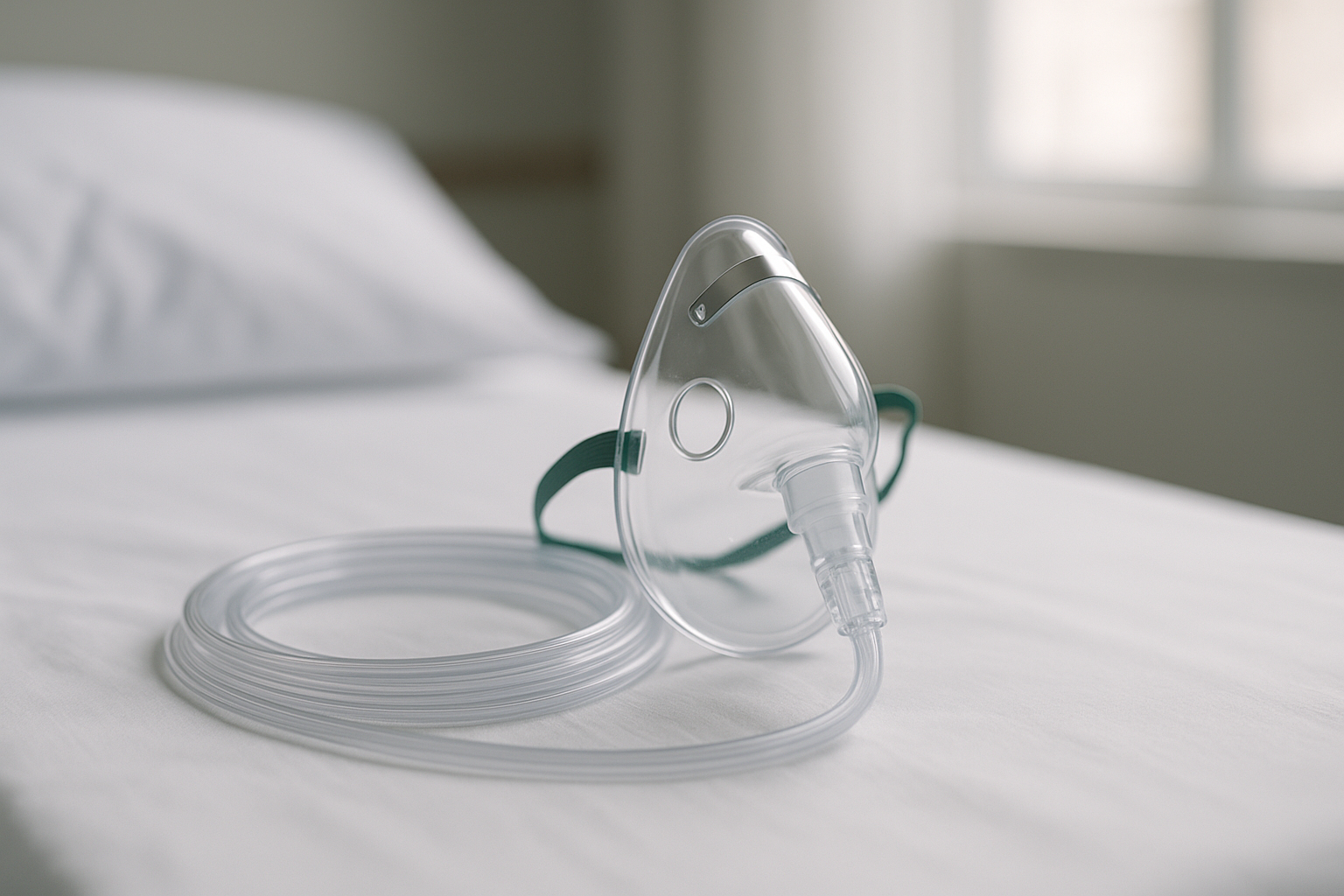
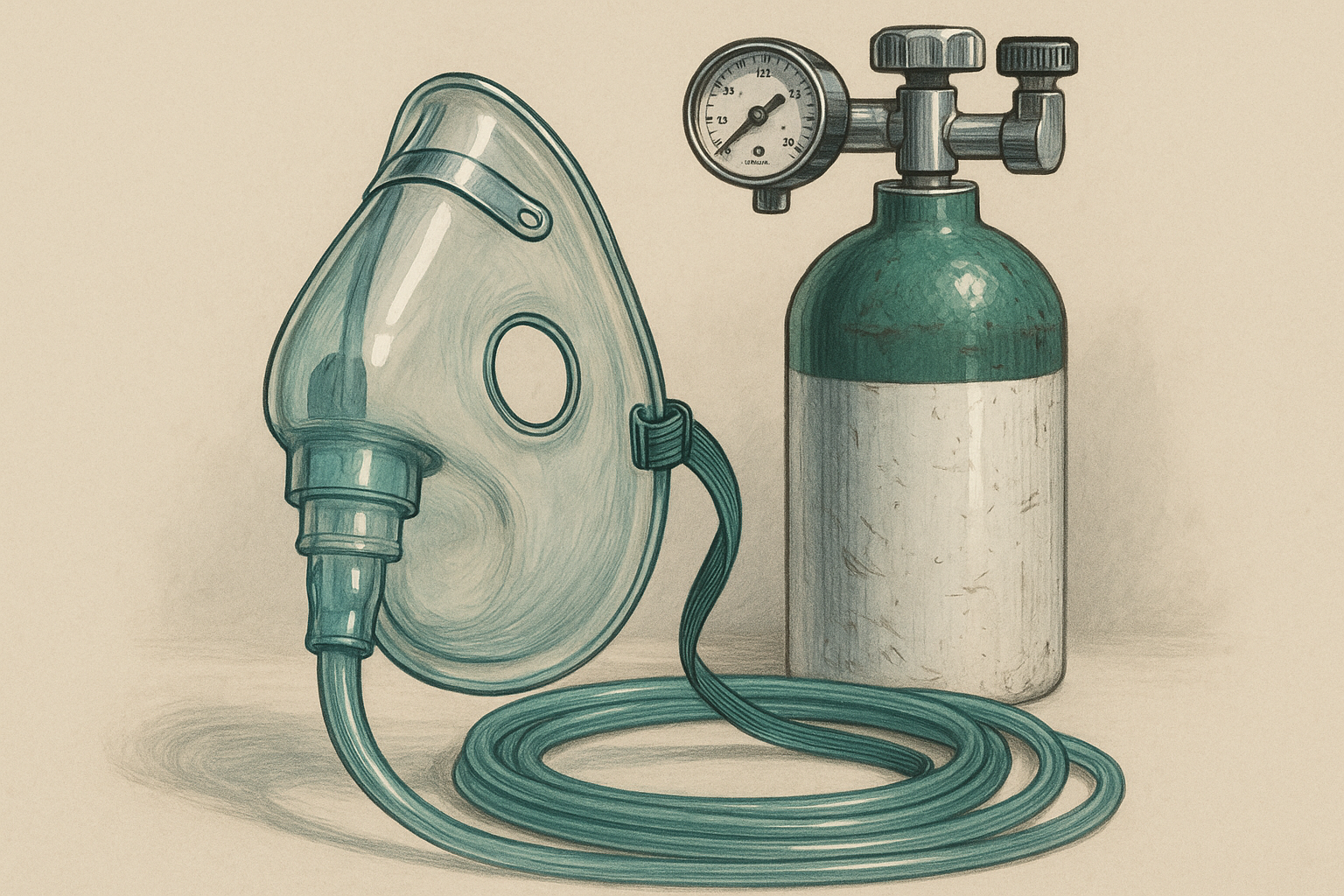
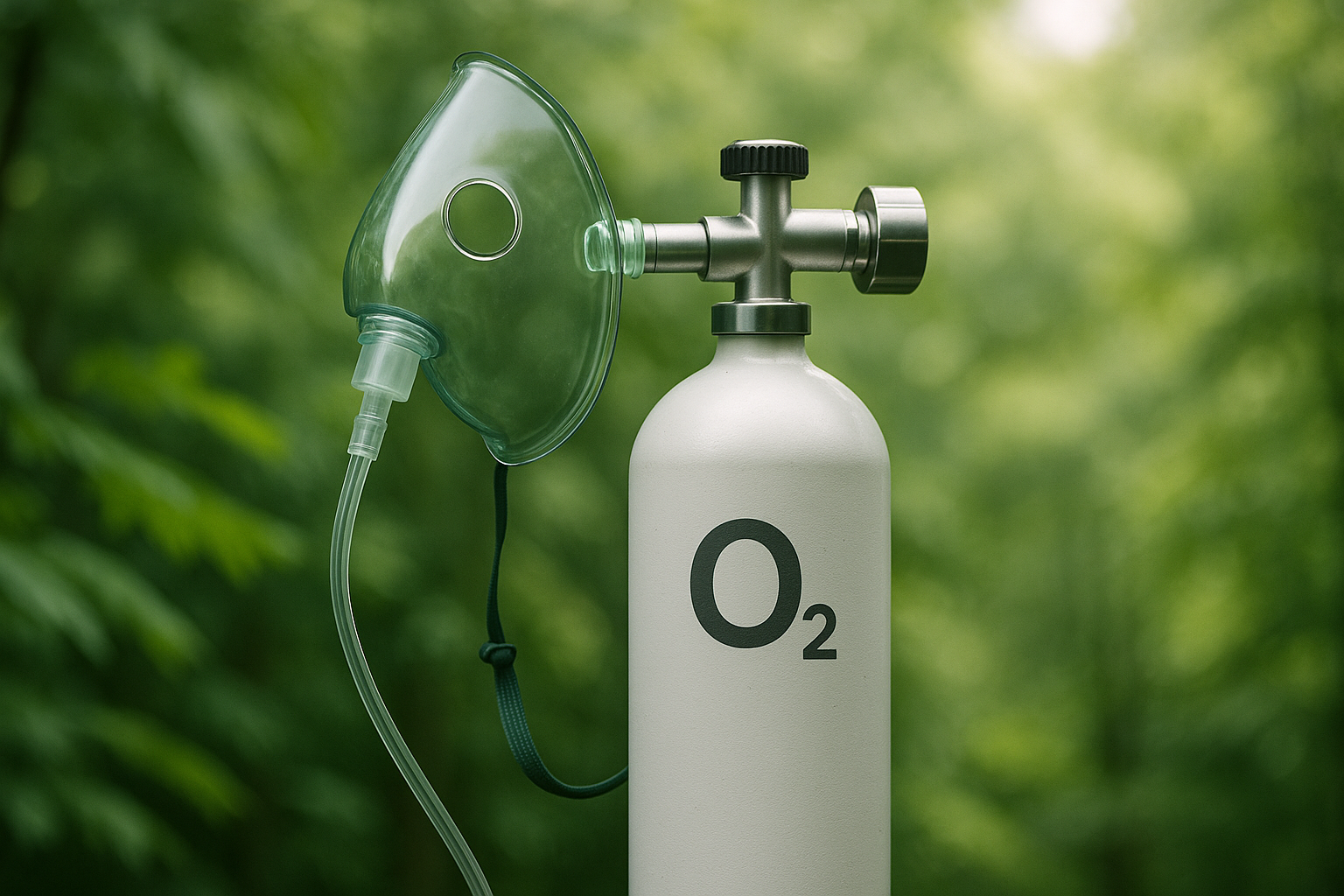
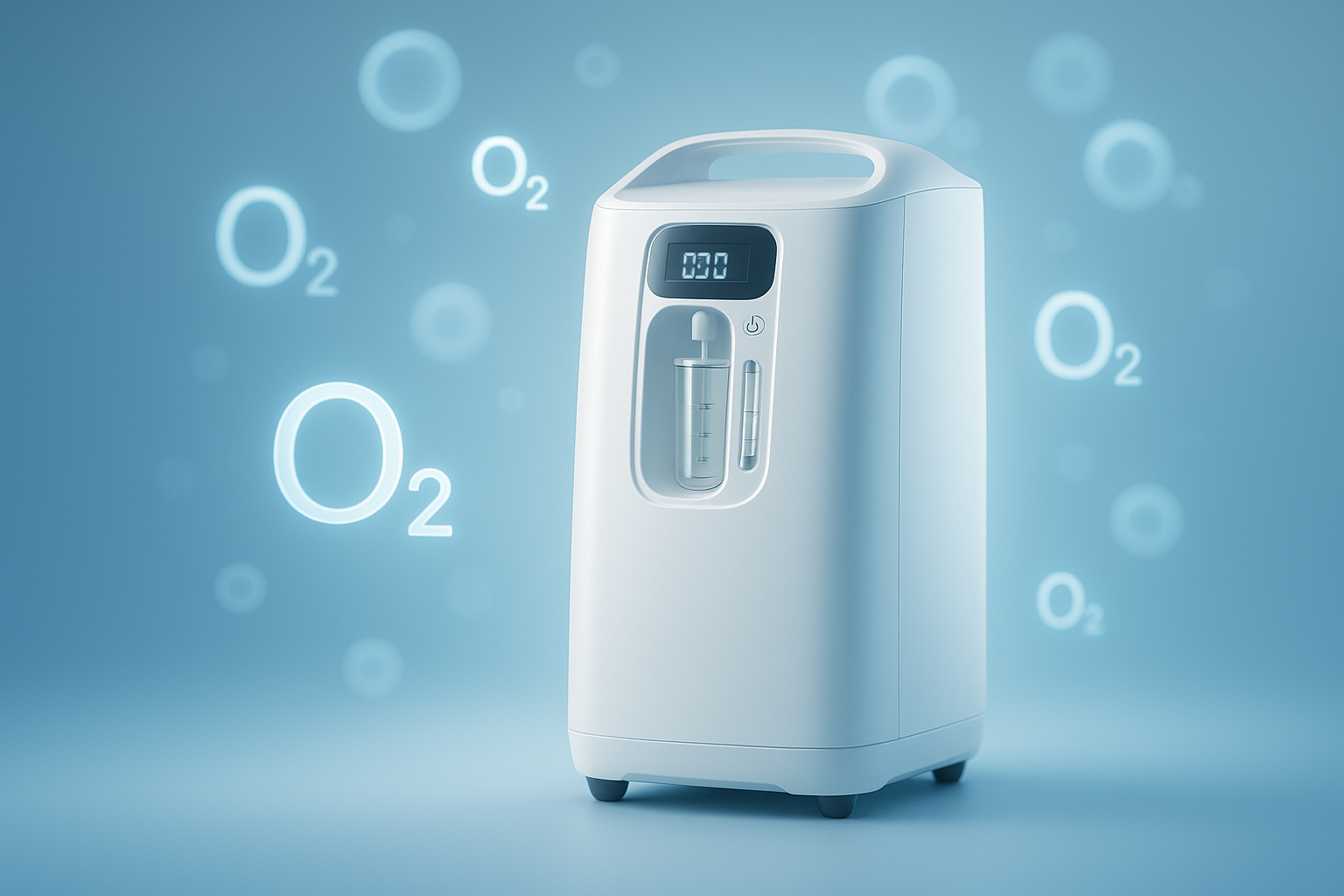
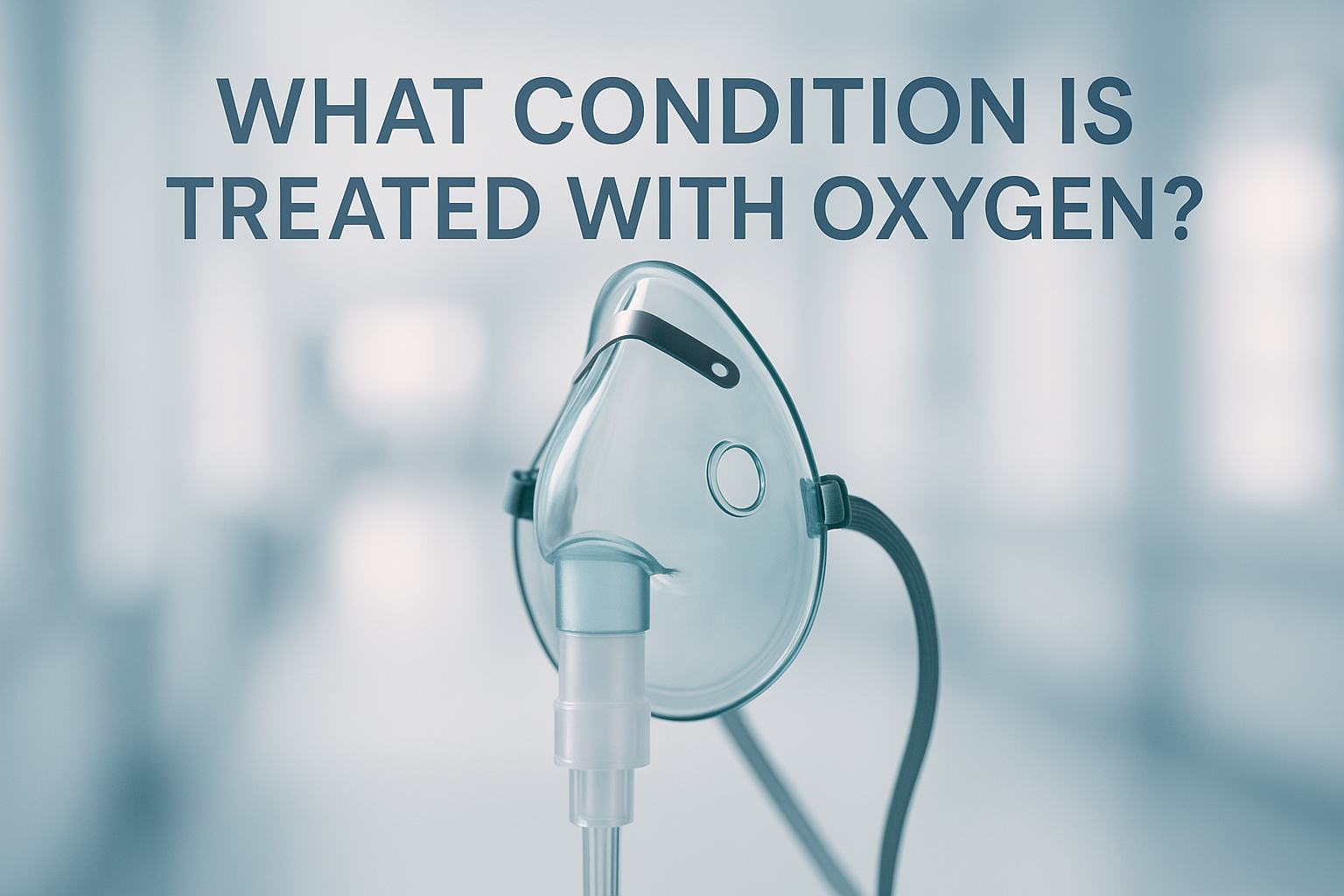
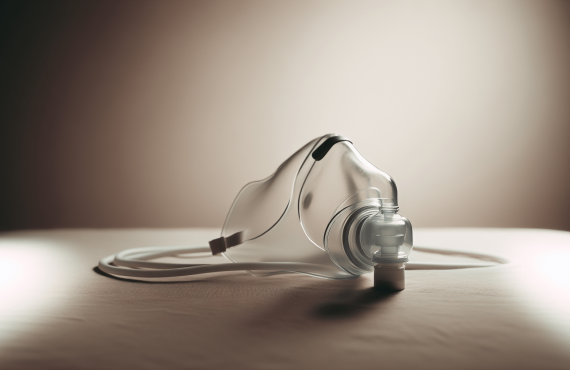
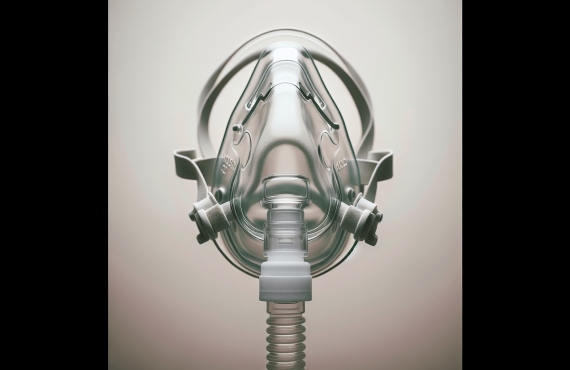
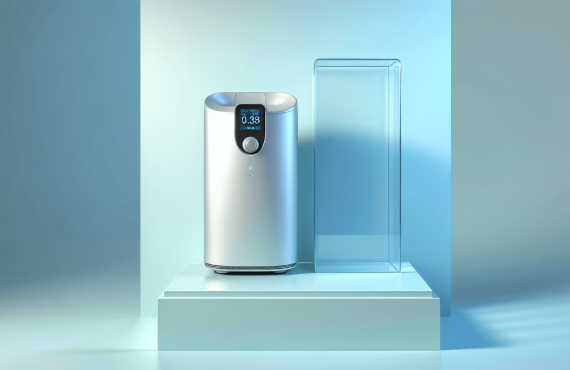
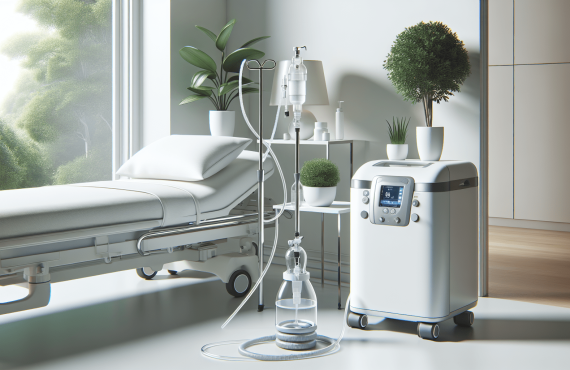
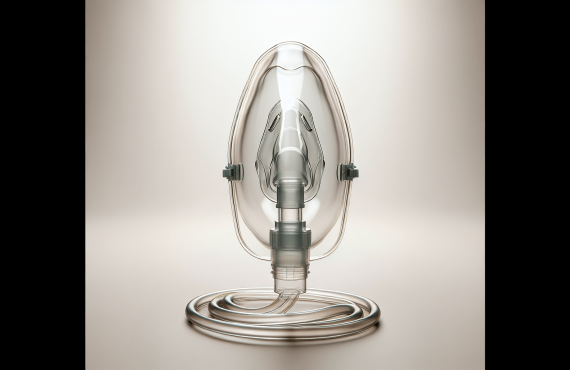
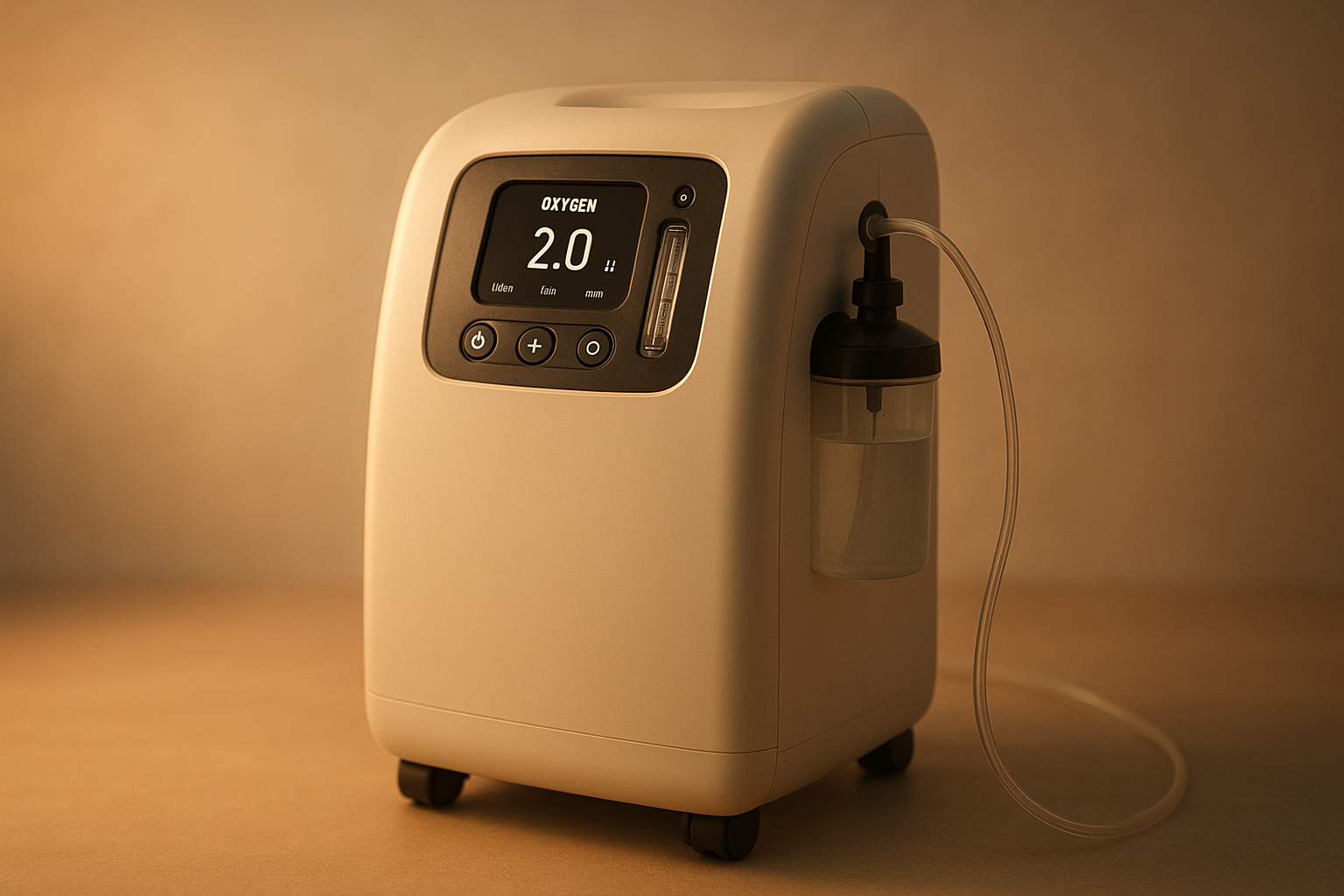
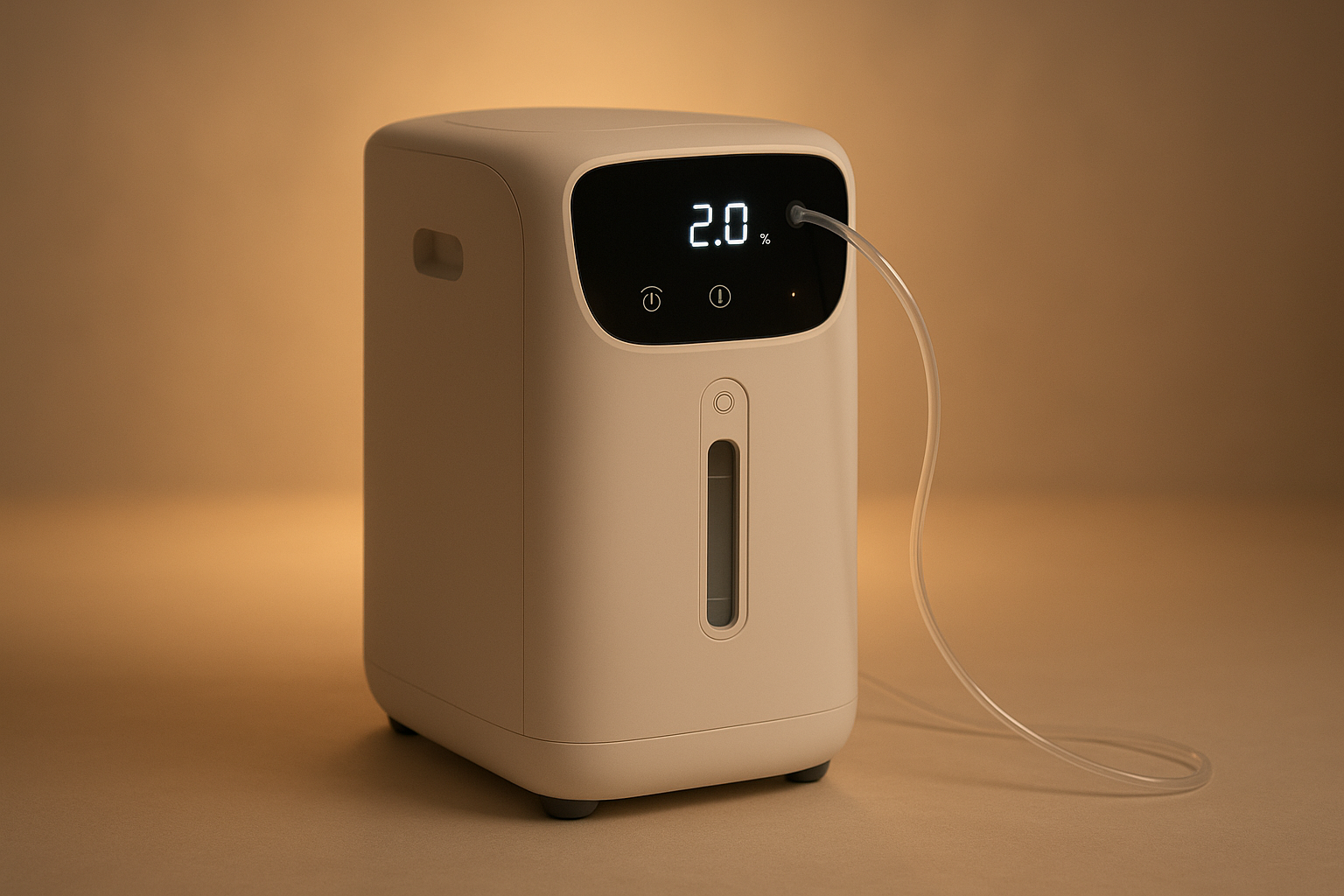
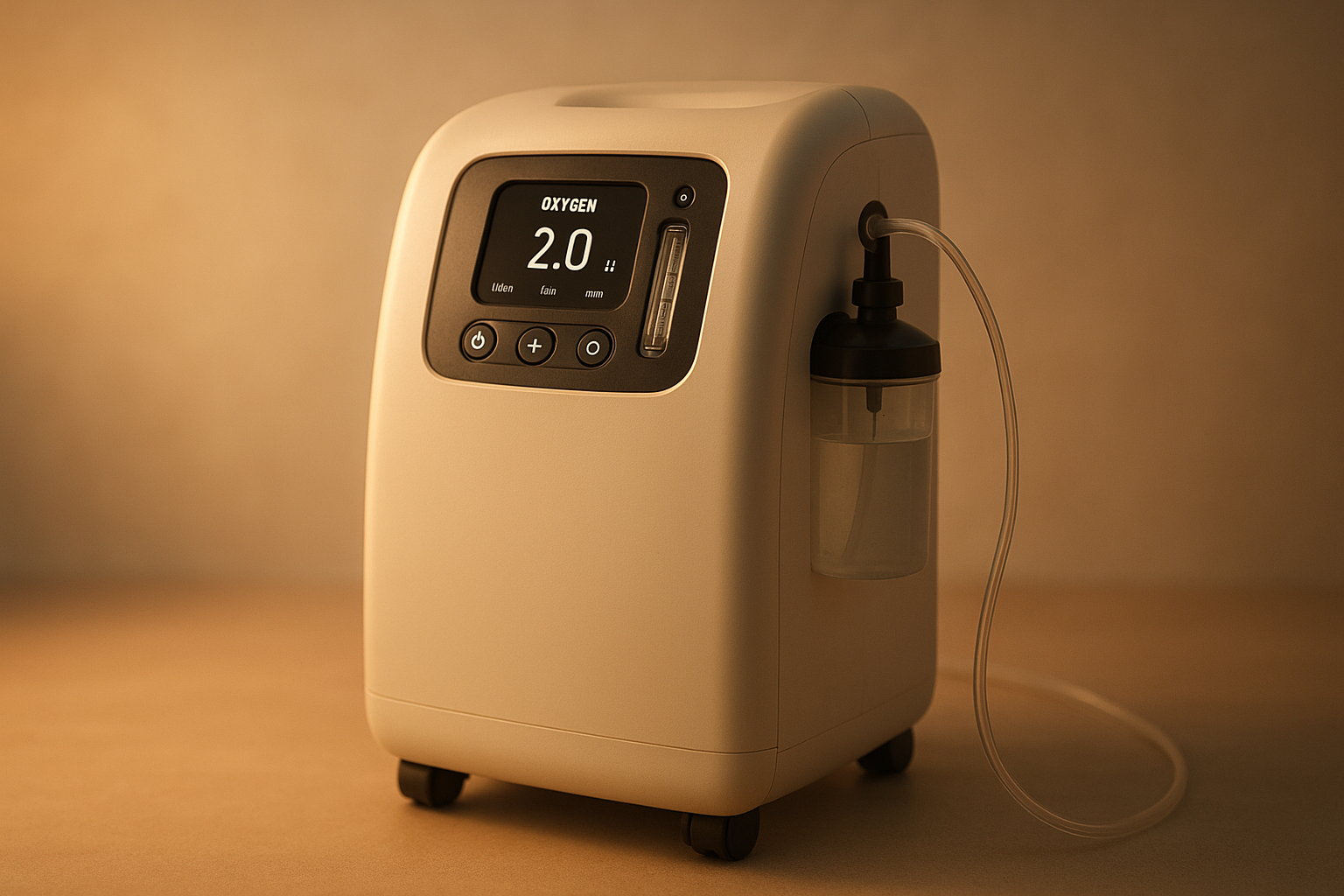
Oxygen therapy means giving you supplemental oxygen when your body can’t maintain healthy oxygen levels on its own. This may happen through nasal cannula, face mask, portable concentrator, or a tank system at home or in a medical facility. The purpose is straightforward: improve oxygen delivery to tissues, reduce strain on vital organs, and prevent complications of hypoxemia. The normal blood oxygen saturation range for many adults is often around 95% to 100%, while values below that can trigger further evaluation depending on the person and the condition.
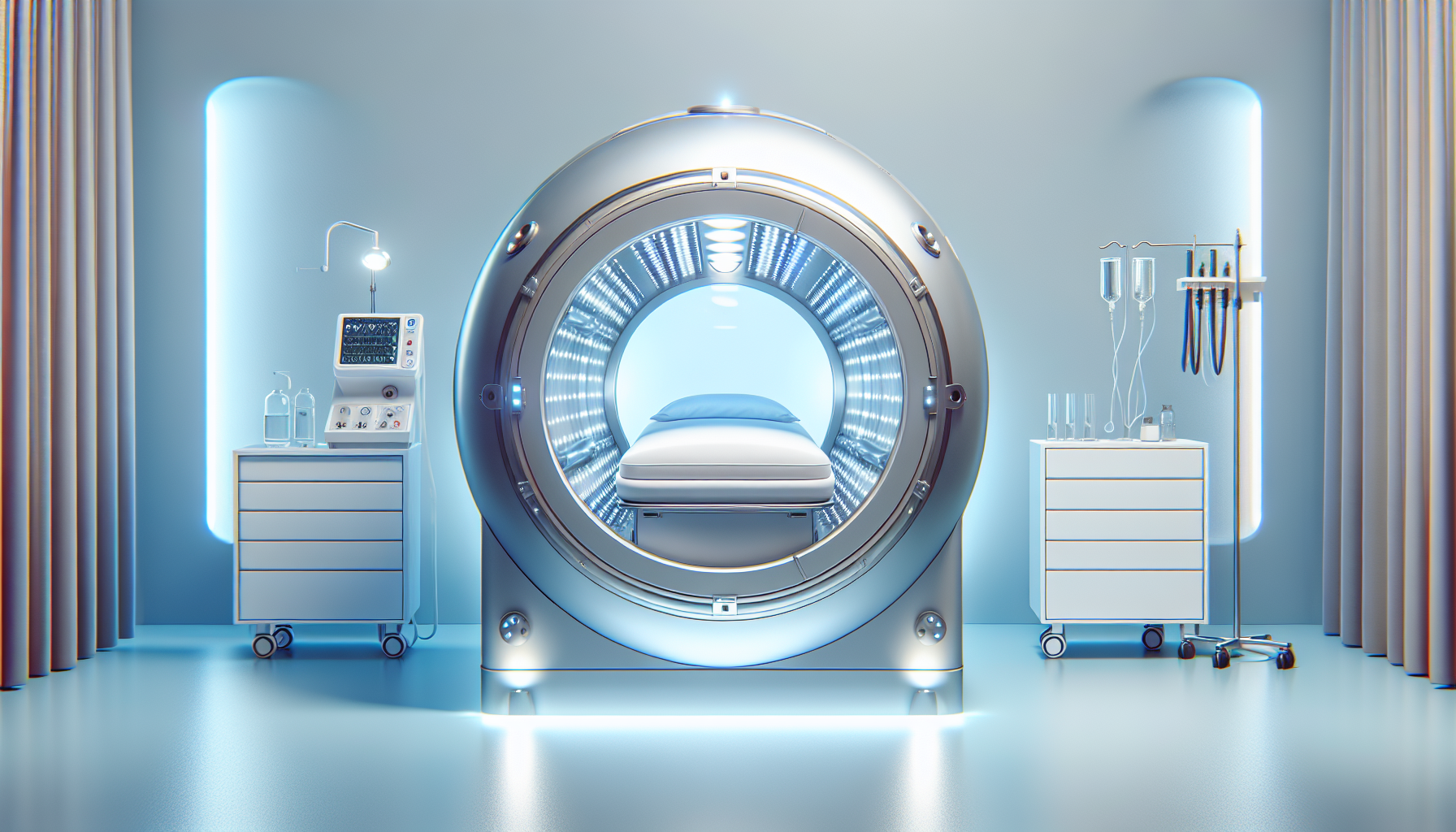
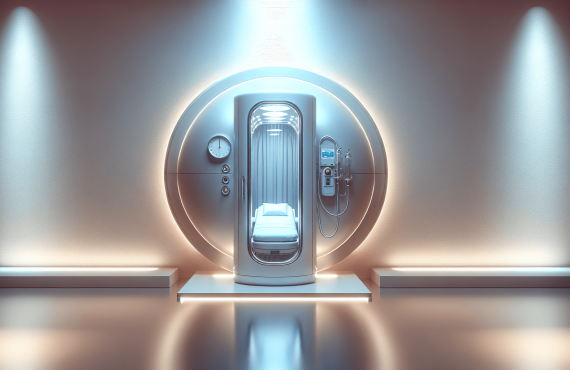
Then there’s hyperbaric oxygen therapy (HBOT), which is the more dramatic cousin. Instead of simply giving oxygen at normal pressure, HBOT places you in a pressurized chamber where you breathe 100% oxygen. Under these conditions, far more oxygen dissolves into the plasma. That matters because plasma can carry oxygen into areas where regular circulation is reduced or where tissue is inflamed, injured, or infected.
Why might a client require oxygen therapy? Sometimes standard oxygen is enough to correct low saturation in lung or heart disease. Other times, HBOT is considered because tissue healing is the real problem. Based on our research, the difference comes down to goal:
- Regular oxygen therapy: supports breathing and blood oxygen levels
- HBOT: increases oxygen delivery under pressure to support tissue repair, angiogenesis, and certain specialized indications
How does HBOT work? Think of it as persuading oxygen to go where it’s been reluctant to travel. As chamber pressure rises above normal atmospheric pressure, oxygen dissolves into the liquid portion of blood more effectively. The Johns Hopkins Medicine overview notes that hyperbaric therapy may be used for conditions such as nonhealing wounds, decompression sickness, and certain infections. Studies and clinical protocols also show it can support angiogenesis, reduce edema, and improve leukocyte function. So yes, it’s oxygen. But with ambition.

Why might a client require oxygen therapy? Top Health Conditions Requiring Oxygen Therapy
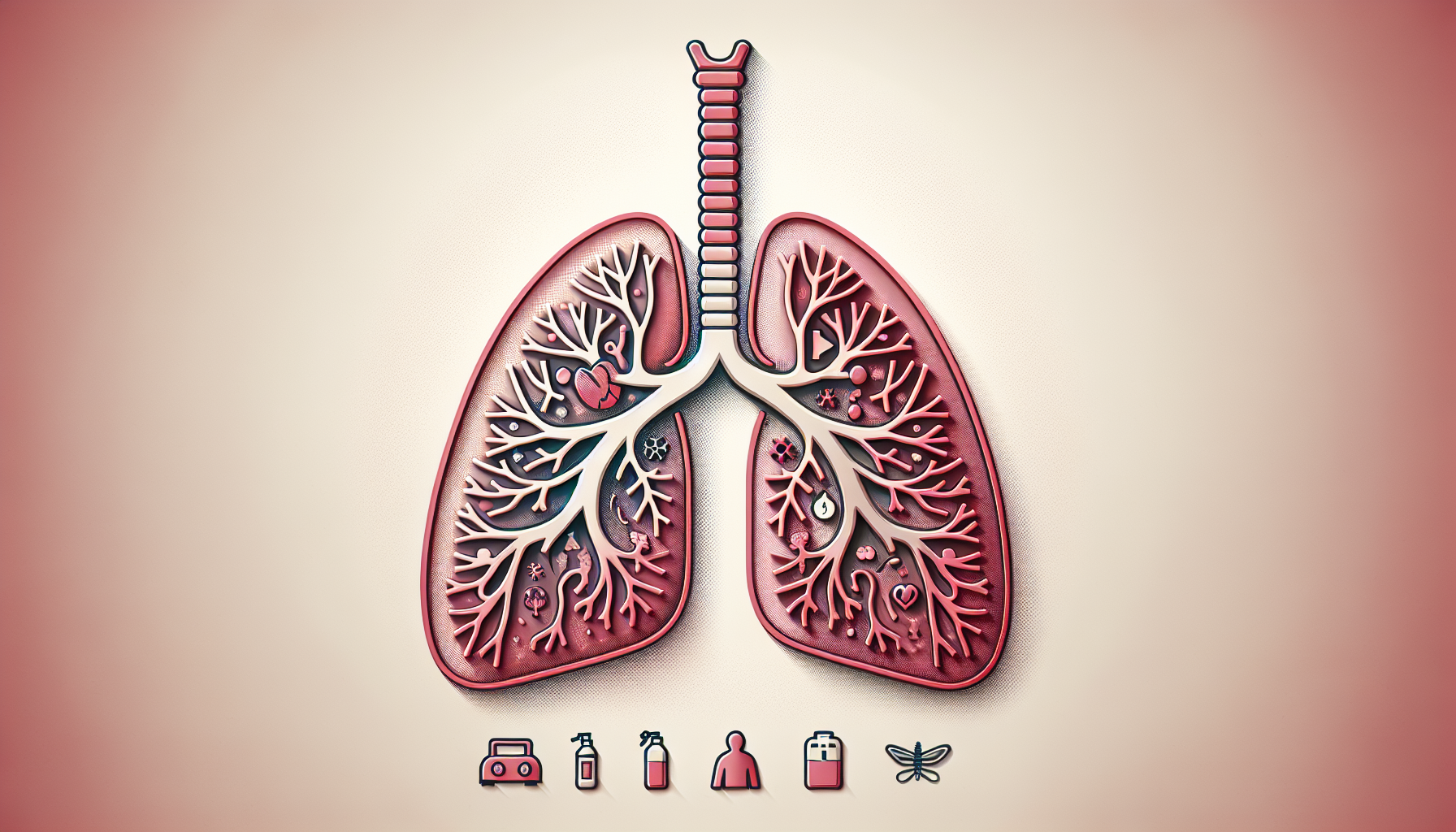
The most common answer to Why might a client require oxygen therapy? is that some disease has made ordinary breathing insufficient for ordinary life. COPD is the headline act here. The CDC reports that chronic obstructive pulmonary disease affects more than 15 million Americans, and many cases may still be undiagnosed. In advanced COPD, damaged airways and air sacs make oxygen transfer inefficient, so you can breathe and still not oxygenate well. It’s the sort of betrayal only a body can manage.
Pneumonia is another major reason, particularly in older adults and medically vulnerable patients. Pneumonia inflames the air sacs and can fill them with fluid or pus, lowering oxygen exchange. The World Health Organization continues to identify pneumonia as a leading infectious cause of death worldwide, especially at the extremes of age. Post-pandemic, clinicians remain alert to lingering respiratory issues, reduced lung reserve, and the need for temporary oxygen support during recovery.
Congestive heart failure can also lead to oxygen therapy needs. When the heart can’t pump efficiently, fluid may back up into the lungs, making oxygen transfer harder and shortness of breath more common. The CDC estimates that about 6.7 million U.S. adults have heart failure. That’s a great many people trying to sleep semi-upright and pretending they don’t mind.
Other conditions that often lead to oxygen prescriptions include:
- Asthma flare-ups severe enough to drop oxygen saturation
- Interstitial lung disease with scarred lung tissue
- Sleep-related breathing disorders causing nighttime desaturation
- Pulmonary fibrosis and pulmonary hypertension
- Acute respiratory infections after surgery or illness
We found that the decision is rarely based on one symptom alone. Clinicians look at oxygen saturation, arterial blood gases, work of breathing, imaging, and function. If you become breathless after walking across the kitchen, wake with headaches, or show saturations persistently under the range your physician considers safe, oxygen therapy may move from idea to necessity very quickly.
The Role of Hyperbaric Oxygen Therapy in Healing
Hyperbaric therapy is a specialized form of treatment in which you breathe pure oxygen in a pressurized chamber, usually at pressures greater than normal atmospheric pressure. The effect is not mystical, though people sometimes talk about it as if the chamber were a polite submarine. The science is cleaner than that. HBOT increases the amount of dissolved oxygen in plasma, which allows oxygen to reach tissues with poor circulation, significant swelling, or active injury more effectively than under normal conditions.
Why might a client require oxygen therapy? In this setting, the answer often involves healing that has stalled. HBOT has unique benefits in tissue repair because oxygen is central to collagen formation, angiogenesis, and immune cell performance. Research discussed by the National Center for Biotechnology Information notes that HBOT can reduce edema, enhance white blood cell activity, and support wound healing in selected cases. It has recognized roles in decompression sickness, carbon monoxide poisoning, certain chronic wounds, radiation tissue injury, and some difficult infections.
A practical example helps. Consider a patient with a diabetic foot ulcer that has not responded fully to standard wound care. The wound is clean but stagnant, the edges pale, and the tissue oxygen levels poor. HBOT may be added to debridement, glucose control, off-loading, and infection management. We recommend thinking of it as an amplifier, not a substitute. One 2021 review in wound care literature found improved healing outcomes in selected diabetic ulcer cases when HBOT was used appropriately, though patient selection remained crucial.
In our experience reviewing these protocols, the strongest outcomes happen when HBOT is part of an organized plan:
- Step 1: confirm the diagnosis and severity
- Step 2: rule out contraindications and safety issues
- Step 3: combine HBOT with standard medical care
- Step 4: monitor progress with objective wound or symptom measures
That last step matters. Healing should become visible, measurable, and a little less theoretical.
How Oxygen Therapy Enhances Immune Function
When people ask whether oxygen therapy helps the immune system, they sometimes imagine oxygen as a kind of sparkling tonic, sold in a Victorian bottle and taken by spoon. The truth is less charming and more useful. Immune cells need oxygen to kill bacteria effectively and to support normal tissue defense. Low-oxygen environments can impair white blood cell function, slow wound healing, and make infection harder to control.
Why might a client require oxygen therapy? Sometimes because infection risk is elevated and tissue oxygenation is poor. In wounds, for example, neutrophils use oxygen-dependent processes to destroy pathogens. HBOT can raise tissue oxygen tension enough to improve that activity. According to clinical discussions from the Undersea and Hyperbaric Medical Society, hyperbaric oxygen may serve as an adjunct in certain serious infections such as necrotizing soft tissue infections. A 2024 review of hyperbaric applications also reported lower complication rates in selected infected wound cases when HBOT was used alongside surgery and antibiotics rather than instead of them.
Based on our research, there are three main immune-related advantages:
- Improved white blood cell performance in oxygen-rich tissue
- Reduced swelling, which may restore microcirculation
- Better support for tissue repair, which lowers the chance of recurring breakdown
At Henry Chiropractic, patients often want to know whether oxygen therapy can help them recover faster after prolonged inflammation or difficult healing. Dr. Craig Henry and Dr. Aaron Hixon would rightly frame this as part of a broader health picture, not a miracle shortcut. We found that oxygen works best when the basics are handled too: circulation, nutrition, mobility, medical diagnosis, and proper follow-up. As of 2026, that’s still the boring truth medicine keeps serving us, and annoyingly, it keeps being right.
Why Oxygen Therapy is Essential for Wound Healing
Wounds heal in stages, and every stage is oxygen-hungry. If there were a union for injured tissue, oxygen would be the shop steward marching around with a clipboard. One of the most important processes is angiogenesis, the formation of new blood vessels. Without sufficient oxygen, angiogenesis falters, collagen synthesis slows, and fibroblasts work like disgruntled employees on a Friday afternoon.
Why might a client require oxygen therapy? Because some wounds cannot heal well in low-oxygen tissue. This is especially true for diabetic foot ulcers, pressure injuries, radiation-damaged tissue, and certain post-surgical wounds. The National Institute of Diabetes and Digestive and Kidney Diseases notes that diabetes-related foot problems are a major cause of hospitalization, and poor circulation plus neuropathy make wound healing harder. The CDC has reported that millions of Americans live with diabetes, and chronic wounds are one of its more miserable side effects.
Picture a patient who has had a lower-leg wound for three months. Dressings are changed, antibiotics have been used appropriately, and off-loading has been discussed so often the patient can recite it like a hymn. Still, progress is slow. In a case like that, tissue oxygenation becomes a serious question. We analyzed wound-care literature and found that oxygen supports:
- New blood vessel growth through angiogenesis
- Collagen production for tissue strength
- Bacterial control through immune cell activity
- Reduction of local swelling in selected cases
A real-world scenario makes this easier to grasp. A patient with diabetes develops a foot ulcer after a blister goes unnoticed. Standard wound care helps, but the wound remains sluggish due to poor oxygen delivery. Supplemental strategies, including HBOT in appropriate cases, may improve the tissue environment enough for healing to move again. That’s not glamorous. It is, however, the difference between “watch and wait” and “finally, something is happening.”
Oxygen Therapy and Brain Health
The brain is a notorious oxygen snob. It represents about 2% of body weight yet uses roughly 20% of the body’s oxygen supply at rest, according to standard physiology references. So when oxygen delivery drops, the brain complains early and dramatically: confusion, fatigue, poor concentration, dizziness, headache, and in serious cases, permanent injury. Why might a client require oxygen therapy? Because when the brain is starved of oxygen, even briefly, the consequences can be severe.
This matters in conditions such as stroke, traumatic brain injury (TBI), carbon monoxide exposure, and post-hypoxic injury. The CDC notes that TBI contributes to a substantial number of emergency visits, hospitalizations, and deaths each year in the United States. Stroke remains a leading cause of disability, and tissue recovery depends heavily on restoring circulation and oxygen delivery in appropriate ways.
HBOT has drawn attention in neurological research because hyperoxygenation may reduce edema, support mitochondrial function, and influence neuroplasticity in selected contexts. The evidence is mixed by condition, which is the adult answer nobody likes. Some studies show promise in specific post-concussion or chronic brain injury populations, while mainstream use remains carefully defined. We found that the strongest claims are not the loudest ones. They are the ones tied to measurable outcomes: improved symptom scores, better wound closure after cranial surgery, or clearer functional gains after structured treatment.
Future applications may expand in 2026 and beyond, particularly for persistent post-concussive symptoms, neuroinflammation, and rehabilitation support. For now, your best move is simple: treat oxygen-related neurological symptoms as urgent and professionally assess them rather than trying to outwit them with hydration, optimism, or internet folklore.
Common Misconceptions About Oxygen Therapy
Oxygen therapy attracts myths the way porch lights attract moths. One common belief is that if oxygen is good, more oxygen must be better. That is not how medicine works. Oxygen is a treatment, not a scented candle. Too little can harm you, but too much, given inappropriately, can also create problems, including oxygen toxicity in certain settings or worsened carbon dioxide retention in select patients with chronic lung disease.
Another misunderstanding is that HBOT and regular oxygen therapy are interchangeable. They are not. Why might a client require oxygen therapy? Sometimes because blood oxygen is low and a nasal cannula solves the immediate problem. Other times, HBOT is considered because the issue is wound healing, tissue damage, or a condition with recognized hyperbaric indications. The FDA warns consumers to understand which uses are established and which claims are unsupported.
Safety is another area where confusion thrives. Properly prescribed oxygen therapy is generally safe, but it comes with rules:
- No smoking or open flames near oxygen equipment
- Follow prescribed flow rates, not guesswork
- Report headaches, confusion, or worsening breathlessness
- Use qualified providers for HBOT screening and treatment
Regulatory standards matter. FDA oversight, Medicare rules for home oxygen, and accepted indication lists from organizations such as UHMS exist for a reason. We recommend skepticism toward any clinic or device seller promising that oxygen treats everything from memory loss to stubborn personality traits. If a treatment is advertised as curing nearly all of modern existence, back away slowly and keep your wallet in your coat pocket.
Exploring the Benefits of Oxygen Therapy at Henry Chiropractic
Henry Chiropractic, located at 1823 N 9th Ave, Pensacola, FL 32503, gives local patients a place to ask practical questions about healing rather than collecting vague assurances from the internet. The clinic is owned and operated by Dr. Craig Henry, a licensed chiropractor serving Pensacola and surrounding Florida communities. He focuses on improving health and wellness in everyday life, whether you’re dealing with back pain, neck pain, or the less glamorous realization that getting out of bed has started to feel like a negotiation.
Dr. Aaron Hixon, also at Henry Chiropractic, brings a strong background in exercise science and chiropractic care. A Florida native raised in Milton, he earned his Bachelor of Science in Exercise Science from Florida Atlantic University and attended Palmer College of Chiropractic in Port Orange. He is board-certified and trained in techniques including Diversified, Gonstead spinal manipulation, IASTM, and myofascial release. That’s a useful mix for patients who need both structural care and a broader conversation about function and recovery.
Why might a client require oxygen therapy? At Henry Chiropractic, that question may come up in conversations about recovery support, tissue healing, inflammation, and whether hyperbaric therapy belongs in a bigger care plan. We found that patients value clinics that explain what oxygen therapy can do and what it cannot do. The useful part is honesty. The even more useful part is having someone nearby who can help coordinate next steps.
For local guidance, you can contact:
- Henry Chiropractic
- 1823 N 9th Ave
- Pensacola, FL 32503
- (850) 435-7777
- https://drcraighenry.com/
Patient stories vary, of course, but the most believable success stories are rarely dramatic. They sound like this: sleeping better, walking farther, healing faster, and feeling less like your body has become an unreliable narrator.
Frequently Asked Questions About Oxygen Therapy
People rarely stop at one question with oxygen therapy, and honestly, they shouldn’t. Once the subject comes up, it tends to bring friends.
1. What side effects can occur with oxygen therapy?
Depending on the type, side effects can include dry nose, skin irritation, headaches, ear pressure, temporary fatigue, or sinus discomfort. Serious risks are uncommon when therapy is prescribed correctly, but incorrect use can cause complications.
2. How long does a typical oxygen therapy session last?
Home oxygen may be used for hours at a time, overnight, or continuously, depending on your prescription. HBOT sessions often run about 60 to 120 minutes and may be repeated over days or weeks.
3. Is oxygen therapy covered by insurance?
Home oxygen is often covered when you meet medical criteria. HBOT may be covered for certain diagnoses, but coverage varies widely, so ask for a benefits check before treatment starts.
4. Can oxygen therapy be combined with other treatments?
Yes. It is commonly paired with pulmonary rehab, medications, wound care, rehabilitation, chiropractic care where appropriate, and physician-directed recovery plans.
5. What are the costs associated with oxygen therapy?
Costs depend on equipment, provider, session count, and insurance. We recommend getting a written estimate and asking exactly which services are included, because “surprise billing” is one medical tradition nobody asked to preserve.
Taking the Next Breaths with Confidence
By now, the answer to Why might a client require oxygen therapy? is no longer a single sentence but a working map. You might need it because of COPD, pneumonia, heart failure, low oxygen saturation, delayed wound healing, serious infection, stroke recovery, traumatic brain injury, radiation injury, or another condition that leaves tissues under-supplied and overworked. Oxygen is not decorative. It is infrastructure.
Based on our analysis, the smartest next step is to get specific. Ask what type of oxygen therapy is being considered, what diagnosis supports it, what numbers or symptoms justify it, and how success will be measured. We recommend writing down these four questions before any consultation:
- What problem is oxygen therapy meant to solve?
- Is standard oxygen or HBOT more appropriate?
- How will progress be tracked?
- What safety rules and costs should I know upfront?
If you’re in Pensacola, FL, and want informed guidance, contact Henry Chiropractic, 1823 N 9th Ave, Pensacola, FL 32503, at (850) 435-7777 or visit drcraighenry.com. Dr. Craig Henry and Dr. Aaron Hixon can help you understand where oxygen-related therapies may fit into a larger recovery plan.
The memorable truth is this: when healing stalls, fatigue deepens, or breathing grows thin, oxygen stops being background scenery and becomes the whole plot. Better to meet that fact with good guidance than with guesswork and crossed fingers.

Frequently Asked Questions
What side effects can occur with oxygen therapy?
Possible side effects depend on the type of treatment. Standard supplemental oxygen can cause nasal dryness, skin irritation from tubing, and, if prescribed incorrectly, headaches or carbon dioxide retention in certain patients. HBOT can cause temporary ear pressure, mild fatigue, or sinus discomfort; the FDA and the Undersea and Hyperbaric Medical Society both stress proper screening and supervision.
How long does a typical oxygen therapy session last?
A typical home oxygen session may last as long as your doctor prescribes, which can mean several hours a day or overnight use. A hyperbaric oxygen therapy session often lasts about 60 to 120 minutes, depending on the condition being treated and the protocol used by the provider. Based on our research, session length matters less than clinical fit, proper monitoring, and consistency.
Is oxygen therapy covered by insurance?
Insurance often covers medically necessary home oxygen when you meet clinical criteria, and Medicare has specific rules for oxygen equipment and testing requirements through Medicare. HBOT coverage is more selective and usually depends on the diagnosis, such as diabetic wounds, radiation injury, or decompression sickness. We recommend asking for a written benefits check before starting care.
Can oxygen therapy be combined with other treatments?
Yes, oxygen therapy is often combined with other treatments. Someone with COPD may use oxygen along with bronchodilators and pulmonary rehab, while a patient with a nonhealing wound may pair HBOT with debridement, infection control, and nutrition support. Why might a client require oxygen therapy? Often because oxygen works best as one part of a larger treatment plan rather than as a solo act.
What are the costs associated with oxygen therapy?
Costs vary widely. Home oxygen expenses depend on equipment type, delivery system, and insurance coverage, while HBOT pricing can range from a few hundred dollars per session to much more in specialty settings. In our experience, the smart move is to ask for a written care plan that lists session count, expected goals, and any out-of-pocket costs before you commit.
Key Takeaways
- Why might a client require oxygen therapy? Most often because low oxygen levels, poor tissue oxygenation, or impaired healing threaten normal function and recovery.
- Regular supplemental oxygen and hyperbaric oxygen therapy are different tools; one supports blood oxygen levels directly, while the other uses pressure to boost oxygen delivery to damaged or poorly perfused tissues.
- COPD, pneumonia, congestive heart failure, chronic wounds, infections, and certain neurological injuries are among the most evidence-based reasons oxygen therapy may be prescribed.
- HBOT may help selected patients by supporting angiogenesis, tissue repair, inflammation control, and immune function, especially when combined with standard medical care.
- If you’re in Pensacola, FL, consult experienced local professionals such as Dr. Craig Henry and Dr. Aaron Hixon at Henry Chiropractic for personalized guidance and next steps.