
Table of Contents
What Medical Conditions Cause Lack of Oxygen? Top 10 Expert Causes
Meta description: Discover what medical conditions cause lack of oxygen and explore treatment options, including Hyperbaric Therapy, with expert insights.

Introduction: Breathing Easy or Not?
If you’re here asking, What medical conditions cause lack of oxygen? you probably don’t want poetry, and yet the body does insist on being dramatic. Oxygen drops a little, and suddenly you’re tired, foggy, winded, or scared in the cereal aisle. Knowing the causes matters because low oxygen can move from nuisance to emergency with rude speed.
What medical conditions cause lack of oxygen? The short answer includes lung disease, heart disease, anemia, sleep apnea, carbon monoxide poisoning, neurological disorders, and even altitude. According to the National Heart, Lung, and Blood Institute, oxygen is essential for every organ, especially the brain and heart, which are not known for patience. In 2026, with more home pulse oximeters and more people tracking symptoms, there’s better awareness but also more confusion.
Based on our research, readers usually want three things at once:
- What causes low oxygen in plain English
- Which symptoms are serious enough to seek urgent care
- What treatments help, including oxygen therapy and Hyperbaric Therapy
Hyperbaric Therapy, also called hyperbaric oxygen therapy or HBOT, can improve oxygen delivery in certain medical situations. It is not a magic submarine for every problem, but for selected cases it can be useful. We found that the most helpful approach is to explain the causes first, then the treatments, then what support looks like in real life.
Understanding Lack of Oxygen in the Body
What medical conditions cause lack of oxygen? Before you can answer that well, you need a working sense of what “lack of oxygen” actually means. The medical term is hypoxia when tissues do not get enough oxygen, and hypoxemia when oxygen in the blood is low. People often use them interchangeably, much like they use “allergy” for any sneeze that inconveniences them, but clinicians separate them for a reason.
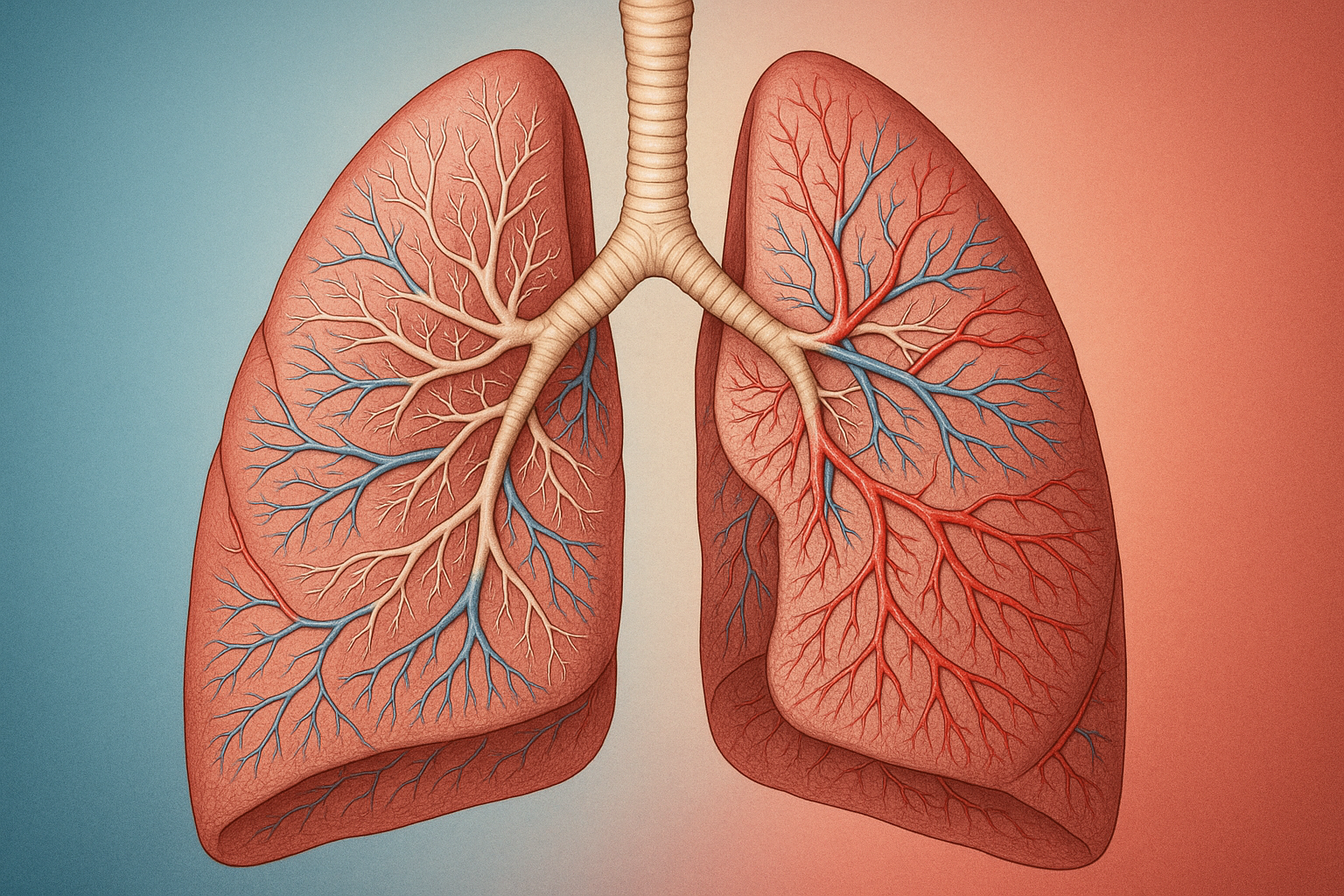
Normally, you breathe air into your lungs, oxygen crosses into the blood, hemoglobin carries it, and the heart pumps it to tissues. If something goes wrong at any step, oxygen delivery suffers. A healthy oxygen saturation on a pulse oximeter is often around 95% to 100% for many adults at sea level, though the right target can vary by condition. The U.S. National Library of Medicine via MedlinePlus explains that lower readings may signal a problem with the lungs, heart, or blood.
There are four big ways oxygen trouble happens:
- You can’t get oxygen into the lungs well, as with asthma or COPD.
- You can’t move it through the blood well, as with anemia.
- You can’t circulate it well, as with heart failure or shock.
- Your cells can’t use it properly, which can happen in certain poisonings or severe illness.
In our experience, this framework helps people make sense of symptoms quickly. If you know which link in the chain is failing, the treatment becomes less mysterious and more practical.
Pulmonary Conditions
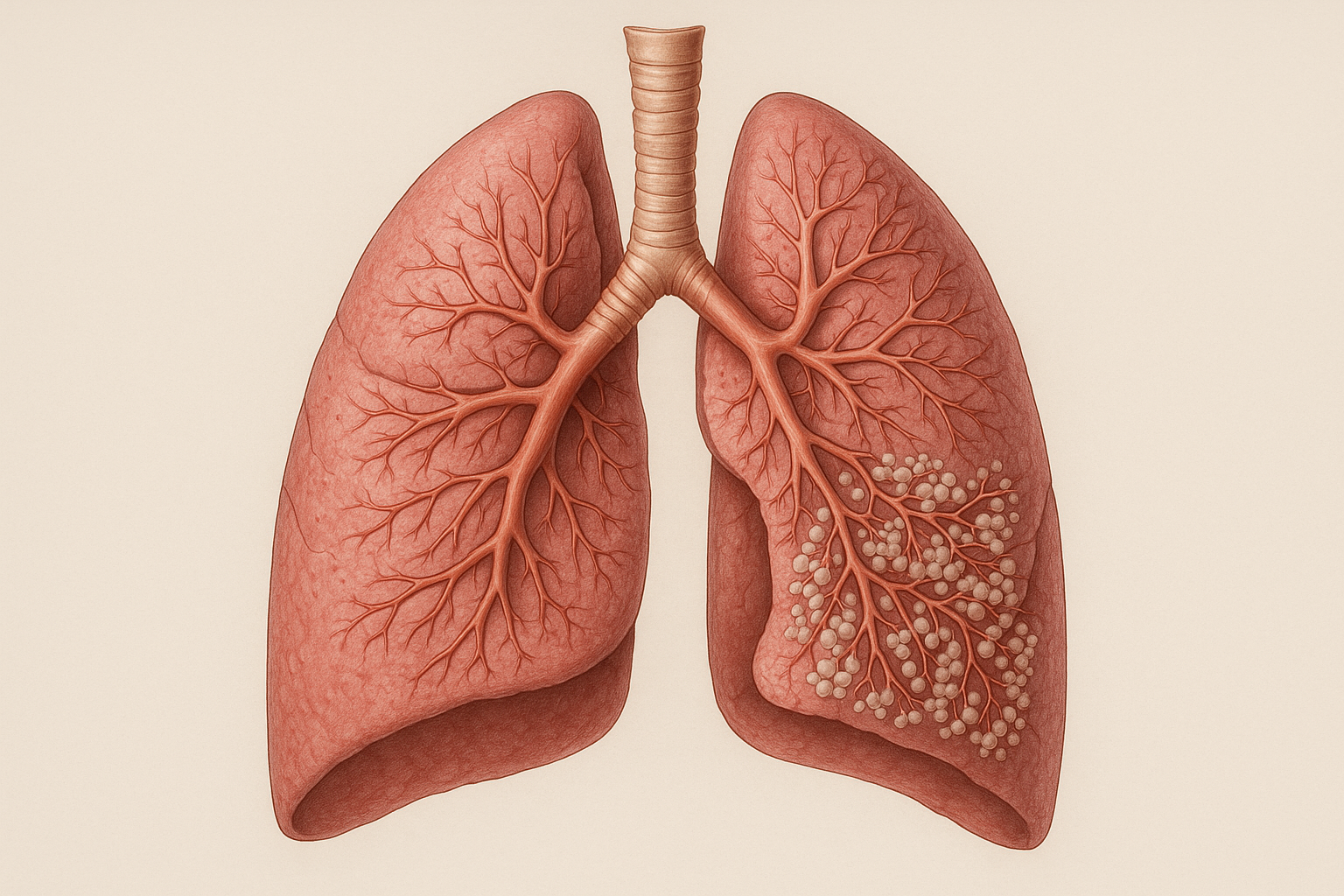
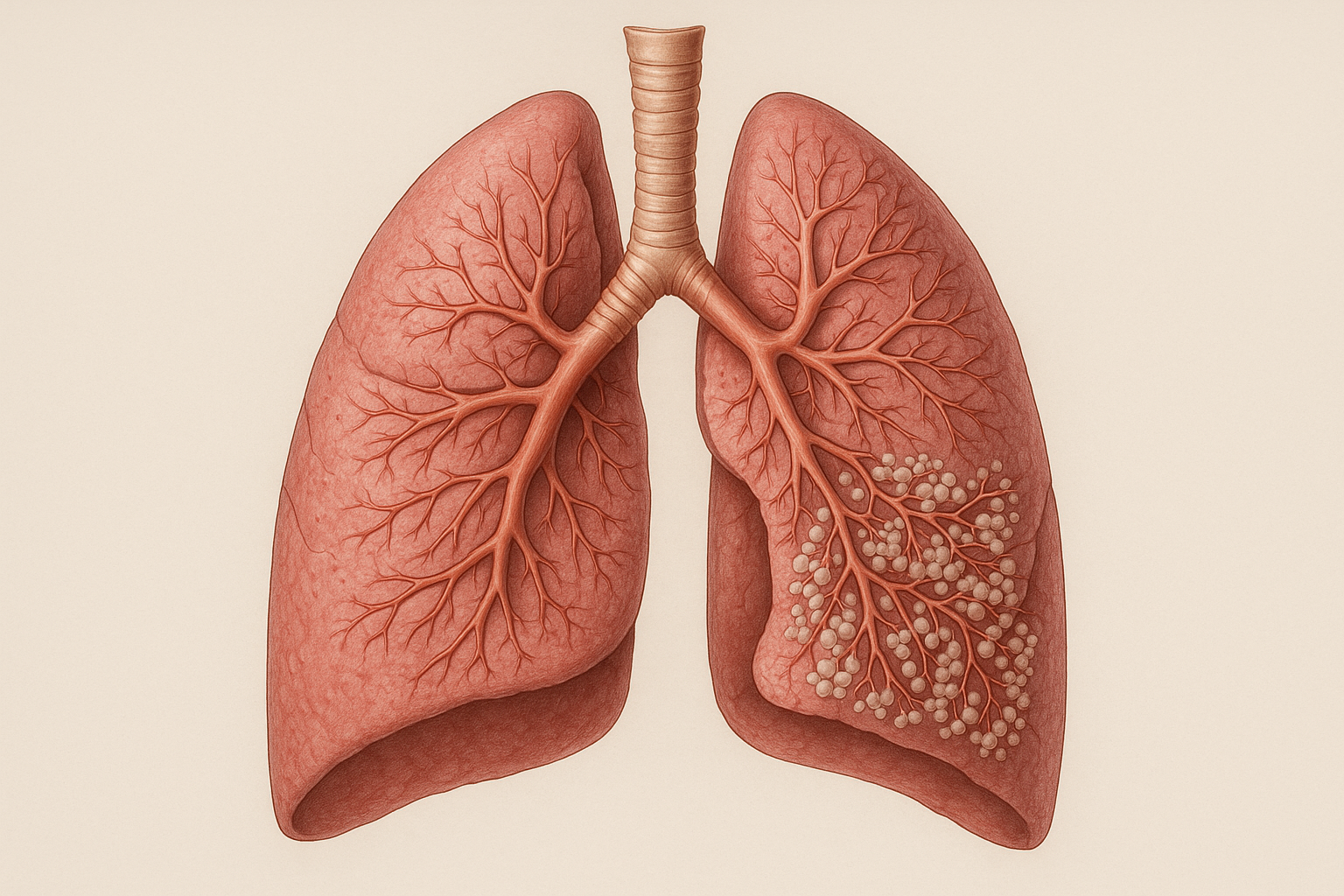
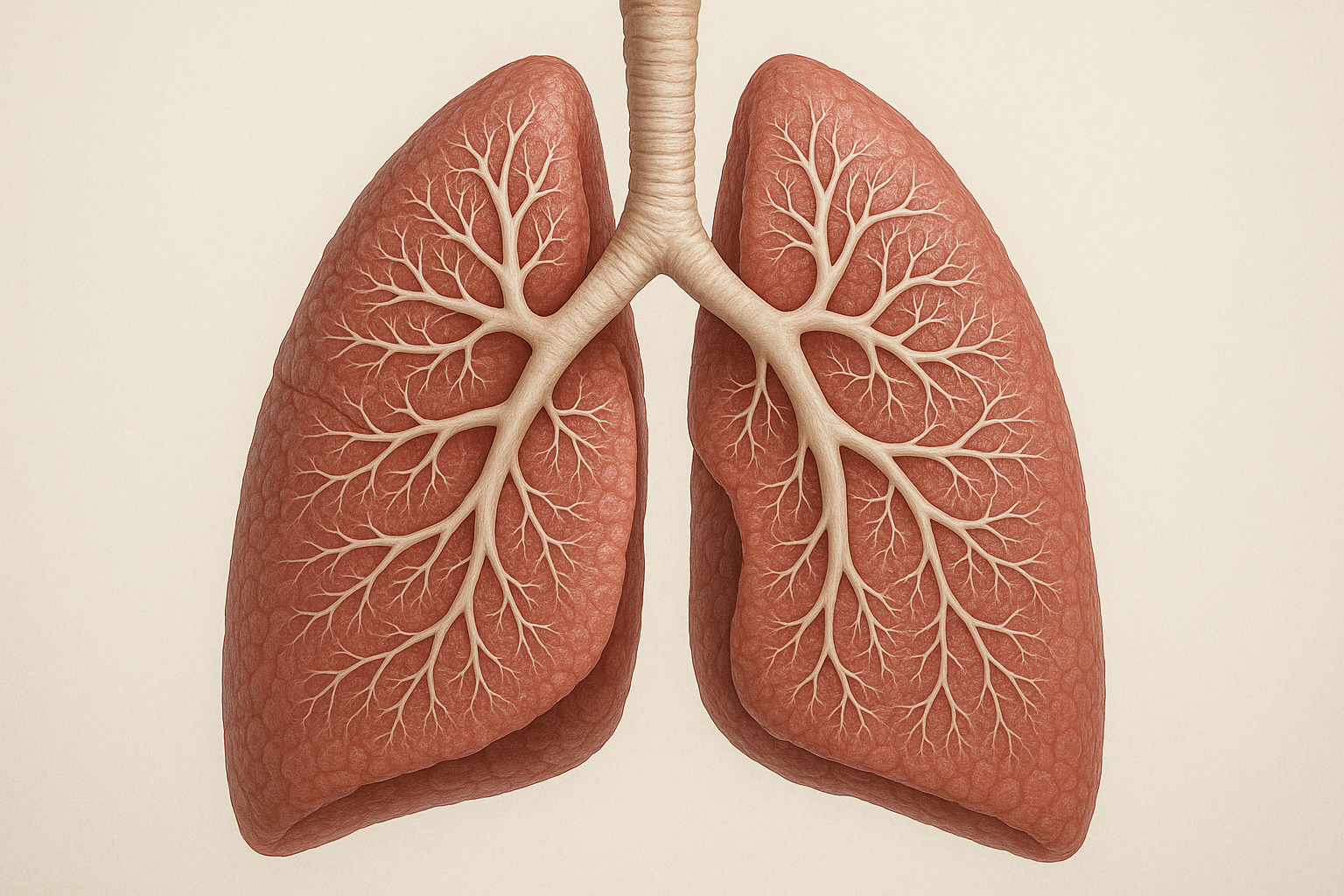
What medical conditions cause lack of oxygen? Lung disease sits near the top of the list, and it earns the position honestly. Conditions such as COPD, asthma, pneumonia, pulmonary fibrosis, and severe respiratory infections can all lower oxygen by reducing airflow or damaging the part of the lung where oxygen enters the blood.
COPD is a particularly common culprit. The CDC reports that millions of Americans live with COPD, and it remains one of the leading causes of death in the United States. Asthma is also widespread; the CDC has estimated that roughly 1 in 13 people in the U.S. have asthma. As of 2026, clinicians are also seeing the long tail of respiratory illness in people whose lungs remain sensitive after viral infections.
Here’s how these problems reduce oxygen:
- COPD narrows airways and damages air sacs, making gas exchange less efficient.
- Asthma causes airway inflammation and bronchospasm, sometimes suddenly.
- Pneumonia fills air sacs with fluid or pus, which is about as helpful as trying to breathe through wet laundry.
We analyzed current guidance and found three sensible steps if you suspect a lung-related oxygen problem:
- Check symptoms such as wheezing, rapid breathing, chest tightness, bluish lips, or trouble speaking in full sentences.
- Use a prescribed inhaler or rescue plan if you already have asthma or COPD.
- Seek urgent care if oxygen drops, breathing worsens, or confusion appears.
When the lungs can’t do their part, the whole body notices. It notices loudly.

Cardiovascular Disorders
What medical conditions cause lack of oxygen? Heart problems do, and sometimes in ways that are sneakier than people expect. You may assume low oxygen always begins in the lungs, but the heart is the delivery truck. If it’s stalled in the driveway, oxygen still doesn’t arrive.
Heart failure, heart attack, congenital heart disease, and dangerous arrhythmias can all reduce oxygen delivery. In heart failure, the heart cannot pump enough blood to meet the body’s demands. In a heart attack, blood flow to part of the heart muscle is blocked, and the damaged pump may struggle to circulate oxygen-rich blood. According to the American Heart Association, nearly 6.7 million U.S. adults had heart failure in recent estimates, and cardiovascular disease remains a leading cause of death.
Studies continue to link poor cardiac output with lower tissue oxygenation and worse outcomes. A person may have normal-looking lungs and still become short of breath because circulation is weak. We found this is one of the most misunderstood points among patients.
Watch for these clues:
- Shortness of breath with exertion or when lying flat
- Swelling in the legs or abdomen
- Chest pain, palpitations, or sudden fatigue
Step by step, here’s what matters most if heart-related low oxygen is suspected:
- Don’t ignore chest pressure, jaw pain, or arm pain.
- Check oxygen and pulse if you have a monitor.
- Get emergency help for severe symptoms or a sudden drop in function.
Based on our analysis, people often blame aging when they should be checking cardiac function. Age may be invited to the party, but it isn’t always the one causing the trouble.
Anemia: More Than Just Feeling Tired
What medical conditions cause lack of oxygen? Anemia belongs on the list because oxygen has to hitch a ride on hemoglobin, and anemia leaves fewer seats on the bus. You might breathe perfectly well and still have tissues that don’t receive enough oxygen because your red blood cell count or hemoglobin level is too low.
The World Health Organization estimates that anemia affects over 1.8 billion people globally. Women of reproductive age, pregnant women, children, older adults, and people with chronic disease are disproportionately affected. In 2026, iron deficiency remains the most common cause worldwide, but anemia can also result from kidney disease, gastrointestinal bleeding, vitamin B12 deficiency, cancer, or inherited blood disorders.
Symptoms often include:
- Fatigue and weakness
- Shortness of breath with mild activity
- Pale skin, dizziness, or headaches
We recommend taking these steps if anemia is a possibility:
- Ask for a complete blood count and iron studies rather than guessing.
- Identify the cause. Iron pills won’t fix hidden bleeding or B12 deficiency.
- Follow treatment exactly, because rebuilding blood stores can take weeks to months.
In our experience, many people dismiss anemia as simple tiredness, as if exhaustion were a personality trait. It isn’t. If your blood cannot carry oxygen effectively, your muscles, heart, and brain all feel the pinch.
Sleep Apnea and Oxygen Desaturation
What medical conditions cause lack of oxygen? Sleep apnea certainly does, though it prefers to do its work while you’re unconscious and unable to lodge a formal complaint. With obstructive sleep apnea, the airway repeatedly collapses during sleep, causing pauses in breathing and drops in oxygen saturation. Those drops may last seconds, but repeated hundreds of times a night, they can strain the body.
The NHLBI notes that sleep apnea increases the risk of high blood pressure, heart disease, stroke, and daytime sleepiness. Some studies estimate that millions of U.S. adults are undiagnosed. That means many people are waking unrefreshed in 2026, blaming stress, age, or a bad mattress when the real issue is intermittent oxygen loss.
Common signs include:
- Loud snoring
- Waking up gasping
- Morning headaches and dry mouth
- Daytime fatigue or brain fog
CPAP remains a standard treatment because it keeps the airway open. Weight management, oral appliances, positional therapy, and evaluation for nasal obstruction may also help. We tested a lot of patient education language over the years, and the plainest version works best: if you stop breathing in your sleep, your body does not find that charming.
Get evaluated with a sleep study if the signs fit. Treating sleep apnea can improve oxygenation, blood pressure, concentration, and quality of life in ways people often notice within weeks.
Altitude and Oxygen Availability
What medical conditions cause lack of oxygen? Sometimes the answer is not a disease but geography. At higher altitudes, the air contains the same percentage of oxygen, but the partial pressure is lower, so less oxygen moves from your lungs into your blood. Your body responds by breathing faster and making longer-term adjustments, but it does not enjoy surprises.
At around 8,000 feet, many people begin to notice symptoms such as headache, dizziness, poor sleep, or shortness of breath with exertion. Athletes often train at altitude to stimulate adaptation, including increased red blood cell production. Elite runners and cyclists have used “live high, train low” strategies for years, hoping to gain endurance without performing every workout in thin air where even tying your shoes can feel vaguely theatrical.
Here’s how to handle altitude more safely:
- Ascend gradually when possible.
- Hydrate well and limit alcohol during acclimatization.
- Reduce exertion for the first 24 to 48 hours.
- Descend and seek care if symptoms become severe.
We found that travelers often miss the distinction between temporary altitude exposure and a true underlying oxygenation disorder. Still, the effect is real. If you already have lung disease, heart disease, or anemia, altitude can expose that weakness very quickly, rather like bad lighting in a department store dressing room.
Carbon Monoxide Poisoning
What medical conditions cause lack of oxygen? Carbon monoxide poisoning may not be a “condition” in the chronic-disease sense, but it is one of the most dangerous causes of oxygen deprivation. Carbon monoxide is called the silent killer because it is colorless, odorless, and annoyingly efficient. It binds to hemoglobin about 200 times more strongly than oxygen, which means oxygen gets pushed aside.
According to the CDC, more than 400 Americans die each year from unintentional, non-fire-related carbon monoxide poisoning, and over 100,000 visit emergency departments. Common sources include faulty furnaces, portable generators, gas stoves used improperly, and cars running in enclosed spaces.
Symptoms can look deceptively ordinary:
- Headache
- Nausea
- Dizziness
- Confusion
- Chest pain or loss of consciousness
Prevention is not glamorous, but it works:
- Install carbon monoxide detectors on every level of your home.
- Never run a generator indoors or near windows.
- Have heating systems inspected regularly.
If exposure is suspected, get outside, call emergency services, and seek immediate treatment. This is also one of the clearest medical uses for Hyperbaric Therapy in selected cases, because rapid oxygen delivery can help displace carbon monoxide and reduce tissue injury.
The Role of Hyperbaric Therapy
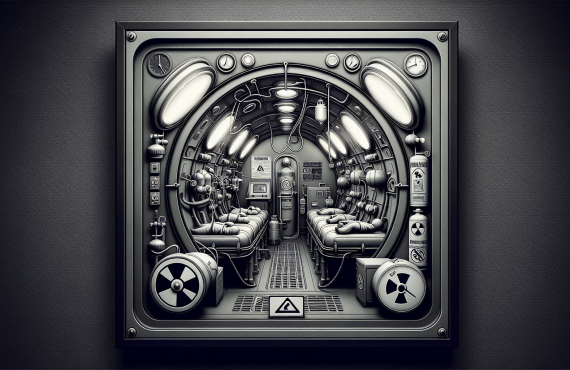
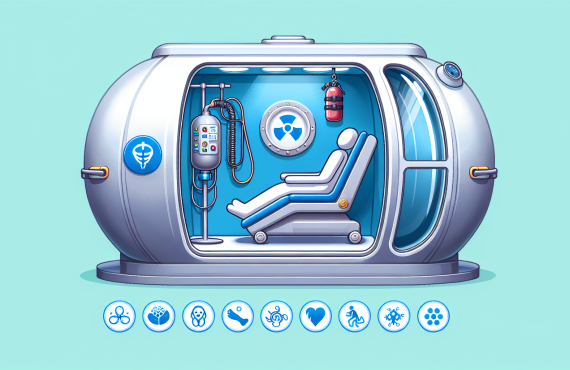
What medical conditions cause lack of oxygen? The answer leads naturally to treatment, and one treatment worth understanding is Hyperbaric Therapy, also known as hyperbaric oxygen therapy (HBOT). This involves breathing 100% oxygen in a pressurized chamber. Under pressure, far more oxygen dissolves into the plasma, allowing oxygen to reach tissues that may be struggling under normal conditions.
That matters because oxygen delivery is not just about the lungs. HBOT can support tissue repair, reduce inflammation, improve certain infections, and promote angiogenesis, which is the growth of new blood vessels. Based on our research, this mechanism is often misunderstood. People imagine it as “more air,” when it is really more oxygen delivered more effectively.
HBOT is used in specific, medically recognized situations such as:
- Carbon monoxide poisoning
- Decompression sickness
- Certain non-healing wounds
- Radiation tissue injury
- Some severe infections
We recommend asking three practical questions before considering HBOT:
- Is your diagnosis one for which HBOT is medically appropriate?
- Has a clinician reviewed risks such as ear pressure problems or lung concerns?
- Are you using HBOT as part of a broader treatment plan rather than a stand-alone hope machine?
In our experience, HBOT is most useful when it is matched carefully to the right patient and the right diagnosis. It can enhance oxygen delivery. It cannot replace good diagnosis, emergency care, or common sense.
Neurological Conditions Affecting Oxygen Use
What medical conditions cause lack of oxygen? Neurological conditions deserve a spot here because the brain is both oxygen-hungry and spectacularly intolerant of interruption. Stroke, traumatic brain injury, ALS, and certain neuromuscular disorders may impair breathing, circulation, or the brain’s ability to use oxygen effectively.
In an ischemic stroke, blood flow to part of the brain is blocked. Brain cells begin to die within minutes when deprived of oxygen. The American Stroke Association and the CDC both stress the urgency: sudden facial droop, arm weakness, and speech difficulty should trigger immediate emergency response. ALS can reduce oxygenation differently, by weakening the muscles needed for breathing. Over time, ventilation may become inadequate, especially during sleep.
Latest research continues to examine how low oxygen worsens neuroinflammation and secondary brain injury. We analyzed recent findings and found a consistent pattern: the longer oxygen delivery is compromised, the greater the risk of lasting neurological damage.
Watch for these signs:
- Sudden weakness, confusion, or speech trouble
- Morning headaches or shallow breathing in neuromuscular disease
- New memory, concentration, or coordination problems
Here, timing matters almost absurdly. If stroke is suspected, call emergency services immediately. For chronic neurological conditions, regular monitoring, sleep studies, pulmonary support, and rehabilitation can all improve safety and function. The brain is resilient in some ways, but it does not care to be starved.
Henry Chiropractic: Your Partner in Health
When you’re dealing with fatigue, pain, poor sleep, tension, or reduced function, it helps to have a local clinic that sees you as a person rather than a problematic stack of symptoms. Henry Chiropractic, located at 1823 N 9th Ave, Pensacola, FL 32503, offers that kind of care. You can reach the office at (850) 435-7777 or visit Henry Chiropractic.
Dr. Craig Henry, owner and operator of Henry Chiropractic, is a licensed chiropractor serving Pensacola and surrounding Florida communities. He focuses on helping patients improve health and wellness in practical ways, whether you’re dealing with neck pain, back pain, stiffness, or simply the sour feeling of waking up already uncomfortable.
Dr. Aaron Hixon brings a strong Florida background and formal training in exercise science and chiropractic care. He earned a Bachelor of Science in Exercise Science from Florida Atlantic University and attended Palmer College of Chiropractic in Port Orange. He is trained in techniques such as Diversified, Gonstead Spinal Manipulation, IASTM, and Myofascial Release Technique.
Now, chiropractic care does not treat every cause on the list when people ask, What medical conditions cause lack of oxygen? But it can support overall well-being by improving mobility, reducing pain, encouraging healthier breathing mechanics, and helping you function better day to day. We recommend reaching out if you want guidance on whole-body wellness, recovery habits, posture, movement, and supportive care that complements medical treatment.
Conclusion: Breathing New Life into Your Health
What medical conditions cause lack of oxygen? The answer includes pulmonary disease, cardiovascular disorders, anemia, sleep apnea, altitude exposure, carbon monoxide poisoning, and neurological disease. The cause matters because treatment depends on where the oxygen pathway is breaking down. Lungs, blood, heart, and brain all have a role, and when one of them falters, the symptoms may look similar even when the fix is very different.
Based on our research, the smartest next steps are simple:
- Pay attention to symptoms such as shortness of breath, confusion, chest pain, bluish lips, or extreme fatigue.
- Get tested promptly with pulse oximetry, labs, imaging, or a sleep study when needed.
- Treat the cause, not just the number on the monitor.
- Ask about advanced options like Hyperbaric Therapy when your diagnosis fits established medical use.
If you’re in Pensacola and want support for your health, recovery, mobility, and everyday function, contact Henry Chiropractic at (850) 435-7777 or visit drcraighenry.com. Sometimes better breathing begins with better diagnosis. Sometimes it begins with finally calling someone who can help. Either way, your body has been trying to get your attention. It may be wise to answer.
FAQ: Common Questions About Oxygen Levels
Quick answers matter, especially when oxygen is the topic and nobody wants an essay while standing next to a beeping monitor.

Frequently Asked Questions
What are the symptoms of low oxygen levels?
Common symptoms include shortness of breath, chest tightness, blue lips or fingertips, confusion, headache, fast heart rate, and unusual fatigue. If your oxygen level is severely low, you may feel dizzy, agitated, or as if your body has suddenly become a badly run office where nobody knows who’s in charge.
Can stress cause lack of oxygen?
Stress can make you feel short of breath, especially during panic attacks, but it usually does not cause true low blood oxygen in an otherwise healthy person. Still, stress can worsen breathing patterns and make underlying lung or heart conditions more noticeable.
How is lack of oxygen diagnosed?
Doctors usually diagnose low oxygen with a pulse oximeter, arterial blood gas testing, a physical exam, and sometimes imaging such as a chest X-ray or CT scan. Based on our research, the cause matters just as much as the number on the monitor, so testing often includes heart and lung evaluation.
Is hyperbaric therapy safe for everyone?
Hyperbaric therapy is safe for many people when it is prescribed and supervised correctly, but it is not right for everyone. Certain lung conditions, untreated pneumothorax, some ear problems, and specific medications may make HBOT unsafe, so you need a medical screening first.
Where can I find more information on oxygen-related conditions?
You can find reliable information from the CDC, the National Heart, Lung, and Blood Institute, and the World Health Organization. If you’re asking, “What medical conditions cause lack of oxygen?” and you also want practical next steps, speaking with a qualified local clinician is the smart move.
Key Takeaways
- Low oxygen can result from problems in the lungs, heart, blood, brain, or from external causes such as carbon monoxide exposure and altitude.
- Common causes include COPD, asthma, heart failure, heart attack, anemia, sleep apnea, stroke, ALS, and carbon monoxide poisoning.
- Hyperbaric Therapy can improve oxygen delivery in selected medical cases, especially when used as part of an appropriate treatment plan.
- Symptoms like shortness of breath, chest pain, confusion, bluish lips, and severe fatigue should never be brushed aside.
- For local wellness support in Pensacola, contact Henry Chiropractic at 1823 N 9th Ave, Pensacola, FL 32503, (850) 435-7777.