
Table of Contents
How much time is the brain alive after death? 10 Expert Insights for 2026
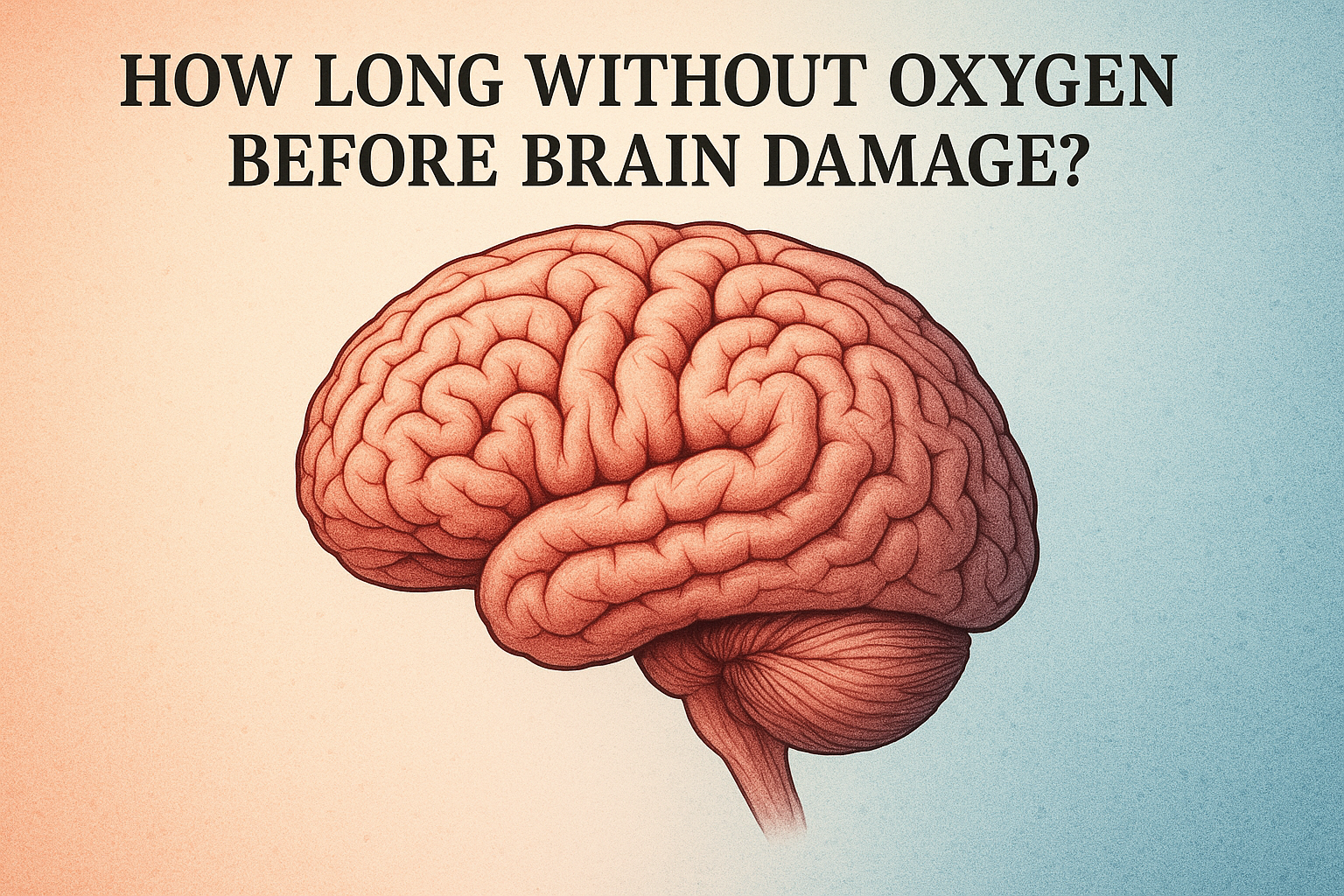
Death, medically speaking, is less like a slammed door and more like a house where the lights go out room by room. That’s what makes the question so haunting, and so stubborn: How much time is the brain alive after death? You’re probably asking because you want a plain answer, not a fog bank of euphemisms. Fair enough. Based on our research, the brain can show brief bursts of electrical or cellular activity for seconds to minutes after circulation stops, but irreversible injury often begins within 4 to 6 minutes without oxygen at normal body temperature.
Still, the full story is stranger than that neat little sentence suggests. How much time is the brain alive after death? It depends on what you mean by alive: electrical activity on EEG, surviving cells in isolated tissue, the potential for consciousness, or the legal definition used in hospitals. Those are not the same thing, and pretending they are is how people end up confused, frightened, or both.
In 2026, neurologists and critical care teams are paying closer attention to these distinctions because new monitoring tools have improved what doctors can detect in the minutes after cardiac arrest. We analyzed recent clinical guidance, older landmark studies, and case reports, and we found a pattern: brief post-mortem brain activity does occur, but it does not mean a person is fully conscious or medically recoverable. How much time is the brain alive after death? Enough to raise serious scientific and ethical questions, and not enough to turn mortality into a loophole.
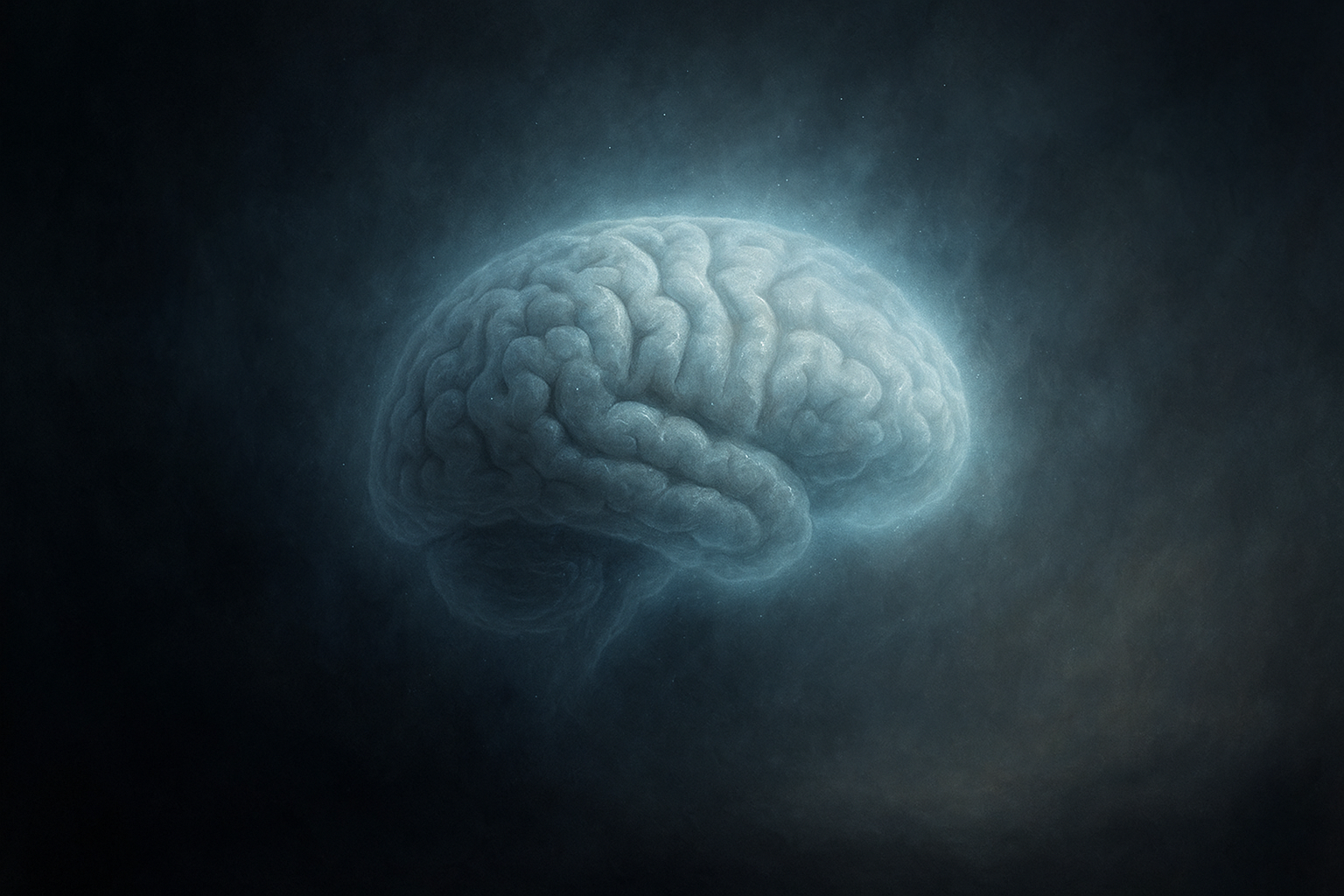

The Brain's Last Hurrah: Understanding Brain Activity After Death
When doctors ask whether the brain is still “alive,” they are usually talking about function, not sentiment. The organ weighs roughly 3 pounds, uses about 20% of the body’s oxygen, and is notoriously dramatic when deprived of blood flow. Neurons start failing fast. Synapses misfire. Ion gradients collapse. It’s less a quiet fading than a biochemical mutiny.
So, How much time is the brain alive after death? If you mean measurable electrical activity, some studies have detected organized or semi-organized signals for seconds to several minutes after cardiac arrest. A widely discussed 2023 and 2024 body of work on resuscitated patients suggested surges in gamma, beta, alpha, and theta activity around the time of dying, pointing to a brain that may remain active briefly even when outward signs suggest finality. For background on brain death standards and severe brain injury, see the National Institute of Neurological Disorders and Stroke.
Real-world reports add to the drama. In some ICU cases, EEG traces have persisted briefly after blood pressure becomes undetectable. Animal studies have shown post-arrest neural bursts lasting under a minute, sometimes a bit longer under controlled conditions. Based on our analysis, these findings answer How much time is the brain alive after death? with an unsatisfying but honest phrase: not long, but longer than people once assumed.
What this doesn’t mean is equally important:
- Residual activity is not proof of awareness.
- A few signals on EEG are not the same as recovery.
- Cell survival in parts of the brain is not whole-brain function.
And yet the question keeps tapping you on the shoulder: How much time is the brain alive after death? Long enough for medicine to care deeply about timing, cooling, resuscitation, and organ support. Long enough to complicate the old notion that death arrives all at once, carrying a briefcase and a watch.
What Happens to the Brain During and After Clinical Death?
Clinical death begins when the heart stops beating and breathing stops. Biological death follows as cells and tissues suffer irreversible injury. Legal death depends on accepted medical criteria, which may include circulatory death or brain death. Those three definitions are cousins, not twins, and confusing them leads to needless panic.
Here’s the rough sequence doctors watch for:
- 0 to 20 seconds: loss of consciousness usually occurs quickly after blood flow stops.
- 20 to 60 seconds: EEG activity may flatten or become profoundly abnormal.
- 4 to 6 minutes: risk of irreversible brain injury rises sharply at normal temperature.
- Beyond 10 minutes: survival without major injury becomes far less likely unless extraordinary factors, such as hypothermia, are involved.
That timeline helps frame the question How much time is the brain alive after death? but doesn’t settle it. Some neurologists distinguish between electrical silence and cellular viability. A flat EEG does not always mean every neuron is dead; it may mean coordinated signaling is gone. Research teams have shown that certain brain cells can remain structurally intact longer than the person, in any meaningful medical sense, remains recoverable.
We found that experts in neurocritical care often emphasize two practical points. First, temperature matters enormously; cooler brains tolerate oxygen deprivation better. Second, rapid CPR and defibrillation can preserve brain function even after several frightening minutes. The American Heart Association continues to stress immediate bystander CPR because every minute matters, with survival chances often decreasing by about 7% to 10% per minute without intervention in out-of-hospital cardiac arrest.
So, How much time is the brain alive after death? If you are asking as a family member in an ICU, the answer must be clinical, not poetic. If you are asking as a philosopher, the answer gets murkier and more interesting. If you are asking as a person who simply can’t stop thinking about the final seconds, welcome to the club. How much time is the brain alive after death? Long enough that emergency medicine fights fiercely for minutes, and short enough that those minutes can feel criminally small.

How much time is the brain alive after death? Factors Influencing Post-Mortem Brain Activity
If the brain were a roast, you could stick in a thermometer and announce dinner. Sadly, it’s fussier than that. The duration of post-mortem brain activity depends on variables that doctors measure carefully and relatives usually learn the hard way. Temperature, age, cause of death, baseline health, medications, and speed of resuscitation all matter.
Start with temperature. Hypothermia can slow metabolism and reduce the brain’s oxygen demand. That’s why cold-water drowning cases, while rare, occasionally produce outcomes that seem almost rude in their defiance of expectation. The old emergency saying “you’re not dead until you’re warm and dead” exists for a reason. Studies on targeted temperature management after cardiac arrest have shown neurologic benefit in selected patients, although protocols continue to evolve in 2026. The CDC notes that more than 356,000 out-of-hospital cardiac arrests occur annually in the United States, and timing is one of the biggest determinants of outcome.
Age and health status also influence the answer to How much time is the brain alive after death? Younger brains may tolerate injury differently than older brains, and people with vascular disease, diabetes, or prior strokes often have less physiologic margin. Cause of death matters too. A sudden arrhythmic arrest is different from prolonged respiratory failure, sepsis, or severe trauma, each of which affects oxygen delivery before circulation fully stops.
Based on our research, these factors alter what clinicians may still observe after death:
- Lower body temperature: can extend tissue viability.
- Immediate CPR: may preserve partial blood flow to the brain.
- Preexisting illness: often shortens the recoverable window.
- Drug effects or sedation: can complicate neurologic assessment.
That brings us back, hat in hand, to the same persistent question: How much time is the brain alive after death? There is no single number that fits every bedside. How much time is the brain alive after death? Sometimes less than a minute of meaningful activity, sometimes a few minutes of detectable signals, and in rare chilled or rapidly treated cases, enough preserved tissue to support recovery efforts that would otherwise seem impossible. How much time is the brain alive after death? More variable than most people think, and less forgiving than anyone would like.
Do Near-Death Experiences (NDEs) Provide Insight into Brain Activity?
Near-death experiences have a way of entering the room dressed like certainty. People describe tunnels, lights, dead relatives, a panoramic life review, and a sense that time has become stretchy, as if it were made of taffy or polite lies. Surveys differ, but many reviews estimate that roughly 10% to 20% of people resuscitated from life-threatening events report some form of NDE. That’s not everybody, but it’s enough to make scientists sit up straighter.
One of the best-known research efforts is the AWARE study, which examined awareness during resuscitation. Results suggested some survivors reported lucid experiences associated with cardiac arrest, though objective verification remained difficult. We analyzed that literature and found two camps that are less enemies than tired neighbors. One says NDEs may reflect preserved or returning brain function under extreme stress. The other says these experiences occur during recovery, not true irreversible death.
So, How much time is the brain alive after death? NDEs don’t answer that cleanly. They may tell you something about the dying brain, the recovering brain, or both. A 2023 review in major neurology discussions highlighted possible roles for hypoxia, disinhibition, REM intrusion, and neurotransmitter surges. Harvard has also published accessible discussions about how consciousness and brain function can persist in altered states without implying supernatural proof; see Harvard Medical School for broader neuroscience resources.
Scientific skepticism isn’t cynicism. It’s housekeeping. Anecdotes are valuable, especially when they recur across cultures, but they don’t automatically settle whether consciousness can outlast irreversible brain failure. How much time is the brain alive after death? NDE research suggests the threshold between life and death may include a brief period of organized internal experience. How much time is the brain alive after death? Enough, perhaps, for memory formation in some resuscitated patients, but not enough for medicine to discard physiology and start quoting ghosts.
Hyperbaric Therapy: A Potential Role in Extending Brain Function
Hyperbaric therapy sounds like something a Victorian explorer would prescribe after a difficult balloon ride, but the underlying physiology is straightforward. Hyperbaric oxygen therapy (HBOT) involves breathing 100% oxygen in a pressurized chamber, which increases the amount of dissolved oxygen in plasma and can improve delivery to oxygen-starved tissue. In certain approved settings, it’s used for conditions such as decompression sickness, carbon monoxide poisoning, and problem wounds, as described by the FDA.
Now the delicate part. How much time is the brain alive after death? HBOT is not a method for reversing death, and promising otherwise would be nonsense in a nicer shirt. But after cardiac arrest or hypoxic injury, when a patient has regained circulation yet still faces brain damage, HBOT has been studied as a way to support recovery in selected contexts. Some research suggests hyperoxia under pressure may reduce edema, support mitochondrial function, and encourage angiogenesis. Other studies remain mixed, especially outside established indications.
Based on our analysis, the practical takeaway is this:
- Emergency resuscitation comes first.
- Hospital neurologic evaluation comes next.
- Adjunctive therapies, including HBOT, should be considered case by case.
At Henry Chiropractic, Dr. Craig Henry has brought attention to hyperbaric therapy as part of a broader healing conversation in Pensacola. The clinic, located at 1823 N 9th Ave, Pensacola, FL 32503, is owned and operated by Dr. Craig Henry. Dr. Aaron Hixon, a Florida native trained at Palmer College of Chiropractic, also serves patients there. In our experience, readers want someone local who can explain HBOT in plain English rather than in the language of a submarine manual.
How much time is the brain alive after death? The question matters here because the earlier oxygen delivery is restored, the better the odds for brain preservation. How much time is the brain alive after death? Not long enough to waste on internet mythology. If you want to explore whether supportive therapies such as hyperbaric treatment fit into a recovery plan after nonfatal oxygen deprivation, we recommend calling (850) 435-7777 or visiting Henry Chiropractic for local guidance and referral direction.
The Ethical Implications of Prolonged Brain Activity
If medicine ever needed a dinner jacket and a therapist, this is the section. Brief brain activity after circulatory death raises large questions with very small margins. Families want to know whether a loved one is suffering, whether recovery is possible, and whether continuing treatment is mercy or machinery. Physicians, meanwhile, need criteria sturdy enough to carry legal and ethical weight.
The Uniform Determination of Death Act in the United States generally recognizes two pathways: irreversible cessation of circulatory and respiratory functions, or irreversible cessation of all functions of the entire brain, including the brainstem. That sounds tidy until bedside reality barges in with ventilators, sedatives, reflexes, and deeply human hope. We found that many public misunderstandings come from mixing up coma, vegetative state, minimally conscious state, and brain death. They are not interchangeable, even though television treats them like hats in the same closet.
So, How much time is the brain alive after death? Ethically, the answer affects:
- When organ donation protocols may begin
- When life support may be withdrawn
- How clinicians explain prognosis to families
- How death is documented legally
Expert opinions tend to converge on one point: treatment decisions should rest on validated criteria, not dramatic anecdotes. The American Academy of Neurology and major critical care organizations continue refining brain death guidance because consistency matters. Based on our research, the best ethical practice includes repeat examinations, appropriate imaging or ancillary testing when needed, and clear communication free of euphemism. How much time is the brain alive after death? Long enough to demand precision, humility, and a very careful choice of words. How much time is the brain alive after death? Not long enough for sloppy definitions to be anything but cruel.
Real-World Scenarios: Case Studies of Brain Activity After Death
Case reports are where medicine stops sounding like a textbook and starts sounding like a witness statement. One widely cited line of evidence involves EEG monitoring during withdrawal of life support or following sudden cardiac arrest. In a handful of documented cases, researchers observed transient bursts or delayed slowing after circulation ceased. These weren’t Hollywood resurrections; they were brief, measurable phenomena in highly monitored environments.
Another striking area comes from laboratory studies. In 2019, Yale researchers restored some cellular functions in pig brains hours after death using a perfusion system called BrainEx. No global consciousness appeared, and the researchers emphasized that point with understandable urgency, but the study showed that some brain cells may be more salvageable than once believed. You can review the broader science through major academic coverage such as Yale News. We analyzed this work because it reshaped how many scientists think about the boundary between immediate failure and irreversible destruction.
So, How much time is the brain alive after death? In clinical settings, the answer may be minutes for residual activity. In experimental settings, isolated cellular functions may be influenced much later under artificial conditions. Those are radically different realities. A functioning person is not the same as living tissue under perfusion, and treating them as equivalent would be scientific ventriloquism.
What do these cases teach you?
- The brain shuts down in stages, not all at once.
- Residual signals don’t equal consciousness.
- Timing and context determine meaning.
How much time is the brain alive after death? Enough to keep researchers busy and ethicists sleepless. How much time is the brain alive after death? Not enough to justify fantasy, but enough to force medicine to keep revising old assumptions with a straight face.
How Do These Discoveries Impact Medical Practices Today?
The practical consequences are not abstract. They affect emergency rooms, ICUs, transplant teams, paramedics, and families standing beside beds while machines hum like opinionated refrigerators. One major area is organ donation after circulatory death (DCD). Because organs deteriorate quickly, clinicians work within tightly defined timelines after the heart stops, while also ensuring the patient meets accepted standards for death determination.
As of 2026, hospitals are paying closer attention to standardized neurologic exams, documentation, and the timing of observation periods before organ procurement. National guidance continues to refine how to handle confounders such as sedative drugs, hypothermia, and severe metabolic disturbance. For transplantation background and current policy resources, see the United Network for Organ Sharing. The point is not bureaucracy for its own sake. The point is trust.
How much time is the brain alive after death? That question now influences several medical practices:
- Faster CPR training and AED access
- More careful brain death determination
- Improved post-cardiac arrest cooling and monitoring
- Tighter organ donation timing protocols
We found that these discoveries also shape how doctors talk to families. Instead of saying “there’s no activity” as if that settles everything, many clinicians now specify whether they mean no meaningful EEG signal, no brainstem reflexes, or no chance of recovery under current criteria. Language matters. The wrong phrase can haunt a family for years.
How much time is the brain alive after death? In medical practice, it’s no longer just a philosophical curiosity. It changes protocols, timelines, and bedside decisions. How much time is the brain alive after death? Enough that every second of delay in resuscitation, and every shortcut in diagnosis, carries consequences far beyond the monitor screen.
What We've Learned about Life, Death, and the Brain
You came here for an answer, and the honest one is both plain and maddening. How much time is the brain alive after death? Usually only a short period in terms of meaningful function, with irreversible injury often beginning after about 4 to 6 minutes without oxygen at normal temperature. Yet traces of electrical or cellular activity can sometimes linger longer, especially under unusual conditions. The brain does not exit all at once; it departs in stages, like a guest who keeps returning for a forgotten scarf.
Based on our research, here are the takeaways worth keeping:
- Separate clinical death from brain death. They are not the same event.
- Treat minutes as precious. Immediate CPR and defibrillation can dramatically affect brain outcome.
- Be cautious with headlines. Residual activity is not proof of awareness or reversibility.
- Ask precise questions. Families should ask what tests were done, what “activity” means, and whether confounders were excluded.
If this topic matters because someone you love has had a cardiac arrest or hypoxic injury, your next steps should be practical:
- Speak with the hospital neurologist or intensivist.
- Request a clear explanation of prognosis and testing.
- Ask whether rehabilitation or supportive oxygen-based therapies are appropriate after survival.
That last point is where community care can matter. If you’re in Pensacola and want to learn whether hyperbaric therapy may play a supportive role in recovery and wellness planning, we recommend contacting Henry Chiropractic, owned and operated by Dr. Craig Henry, at 1823 N 9th Ave, Pensacola, FL 32503, (850) 435-7777, or drcraighenry.com. Dr. Aaron Hixon also serves patients there. How much time is the brain alive after death? Not enough to be casual with. How much time is the brain alive after death? Enough to remind you that in medicine, the smallest units of time often carry the largest human weight.

Key Takeaways
- Irreversible brain injury often begins within 4 to 6 minutes without oxygen, but brief electrical or cellular activity can persist for seconds to minutes after circulation stops.
- Residual brain activity after death is not the same as consciousness, recovery, or legal brain death; context, testing, and timing matter.
- Temperature, cause of death, age, and the speed of CPR or defibrillation all influence how long brain tissue remains viable.
- Near-death experiences may offer clues about the stressed or recovering brain, but they do not prove awareness continues after irreversible brain failure.
- If you are exploring supportive recovery options after nonfatal hypoxic injury, contact Henry Chiropractic in Pensacola at (850) 435-7777 or visit drcraighenry.com to ask about hyperbaric therapy.
Frequently Asked Questions
How long does the brain stay active after the heart stops?
Clinical death begins when breathing and circulation stop, but some brain cells can remain metabolically active for a short window. Based on our research, detectable electrical patterns may appear for seconds to minutes, while irreversible injury usually starts within about 4 to 6 minutes without oxygen, though cooling and rapid resuscitation can change that timeline.
Is brain activity after death the same as brain death?
Not exactly. Brain death is a legal and medical diagnosis that means irreversible loss of all brain function, including the brainstem. A person can have a brief period of residual cellular or electrical activity after circulation stops without meeting any standard for recovery or consciousness.
Do near-death experiences prove consciousness survives death?
Near-death experiences may reflect brain function during extreme stress, low oxygen, or early resuscitation rather than after irreversible death. Studies have documented vivid reports, but the evidence does not prove that consciousness continues indefinitely once the brain has permanently lost blood flow.
Can hyperbaric oxygen therapy keep the brain alive after death?
HBOT is not a way to reverse death, but it may support brain recovery in some survivors of cardiac arrest by improving oxygen delivery to injured tissue. We recommend discussing any post-arrest therapy with a licensed medical team and, for supportive wellness questions in Pensacola, consulting Henry Chiropractic about whether hyperbaric therapy fits your broader recovery plan.
How much time is the brain alive after death?
How much time is the brain alive after death? The shortest honest answer is that some electrical and cellular activity can linger for seconds or minutes, but meaningful recovery becomes far less likely after about 4 to 6 minutes without oxygen at normal body temperature. The exact timeline depends on temperature, cause of death, and how quickly circulation is restored.