
Table of Contents
What are the Side Effects of Using Oxygen? 10 Proven Insights
Meta description: Discover the side effects of using oxygen, including common and severe reactions. Learn safety tips and insights from experts at Henry Chiropractic.

Introduction: Breathing Easy or Not?
You came here for a plain answer to a plain question: What are the side effects of using oxygen? Fair enough. Oxygen sounds innocent, almost saintly. It sits there on the periodic table behaving like a choirboy, and yet when it’s used as a therapy, it can come with annoyances, complications, and in rare cases, serious risks that deserve more than a shrug.
In 2026, oxygen therapy remains a standard treatment for people with COPD, pneumonia, sleep-related breathing problems, wound-healing issues, and certain emergency conditions. hyperbaric oxygen therapy is also getting more attention for tissue repair and recovery support. Based on our research, the question isn’t whether oxygen can help. It clearly can. The better question is whether it’s being used at the right dose, for the right reason, with the right supervision.
We found that most side effects fall into two camps. The first is the everyday, mildly aggravating kind: dry nose, headaches, fatigue, and irritated skin from cannulas or masks. The second is rarer and more serious: oxygen toxicity, worsening carbon dioxide retention in some patients, and lung or ear pressure problems in hyperbaric settings. According to clinical guidance from Mayo Clinic and federal safety resources from CDC, oxygen should be treated like medication, not room décor.
If you are considering home oxygen, or if you’re curious about hyperbaric therapy at Henry Chiropractic in Pensacola, this is where you sort the mild nuisances from the meaningful red flags. That way you can breathe easier without making a medical guessing game out of it.
Understanding Oxygen Therapy: The Essentials
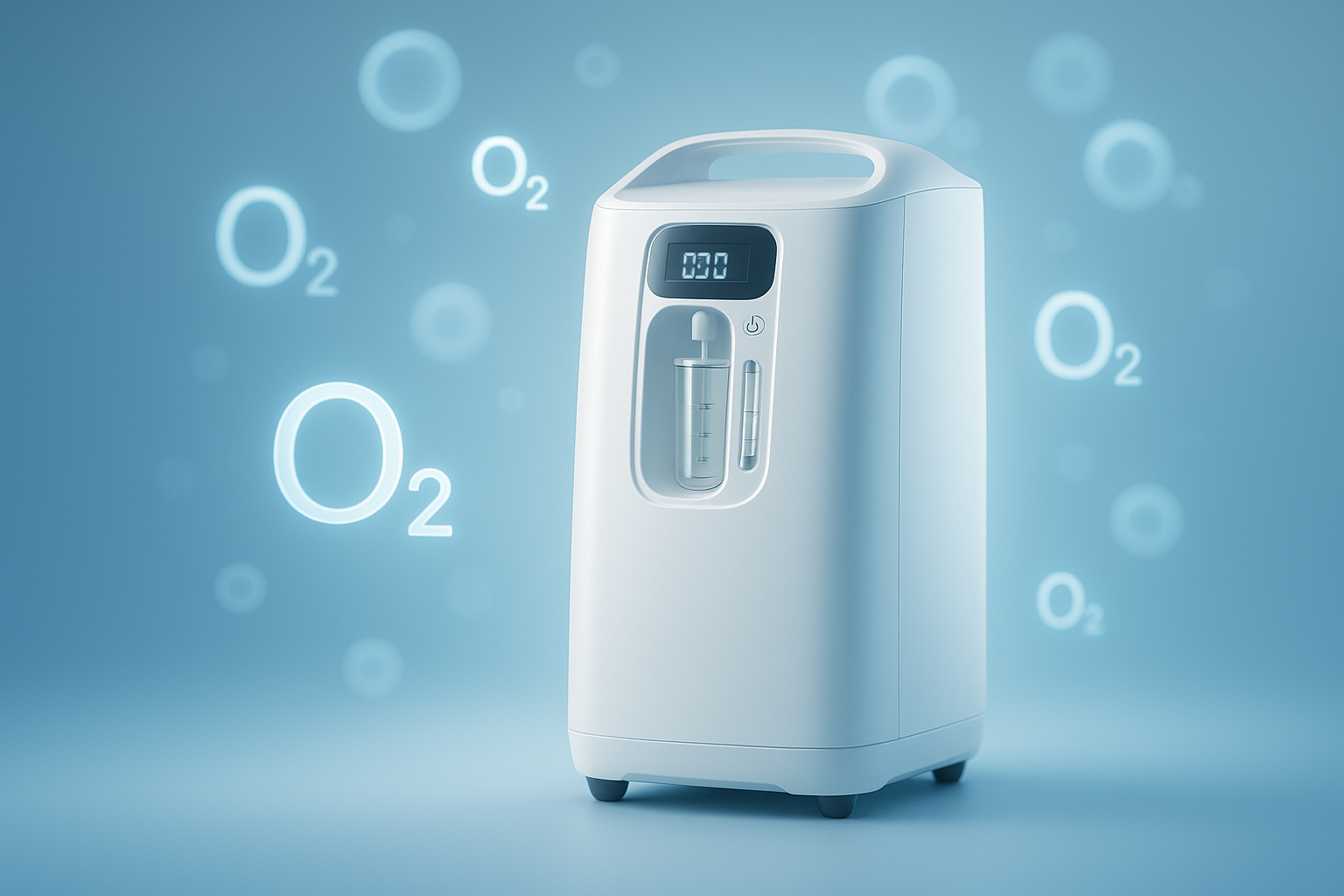
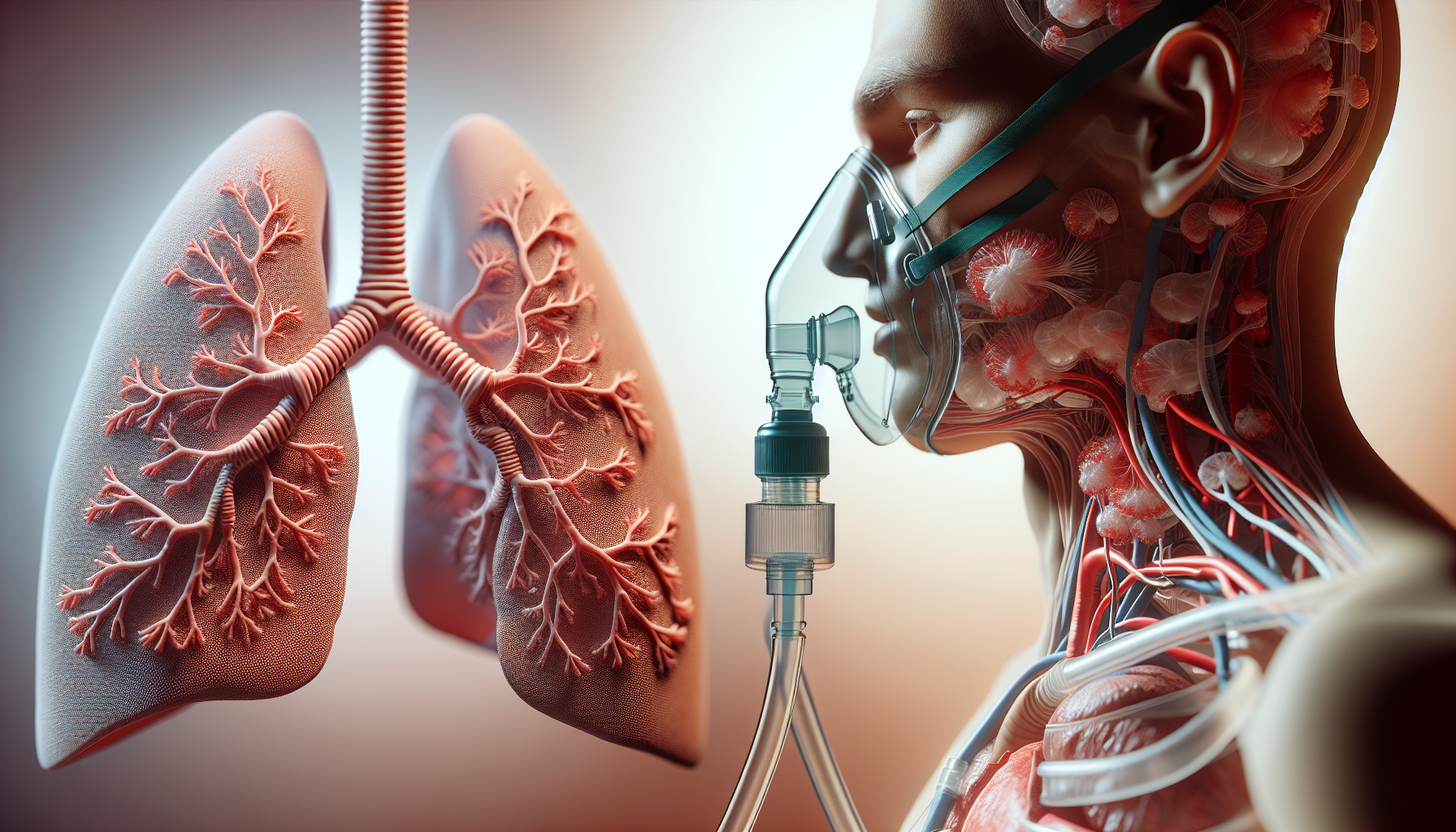
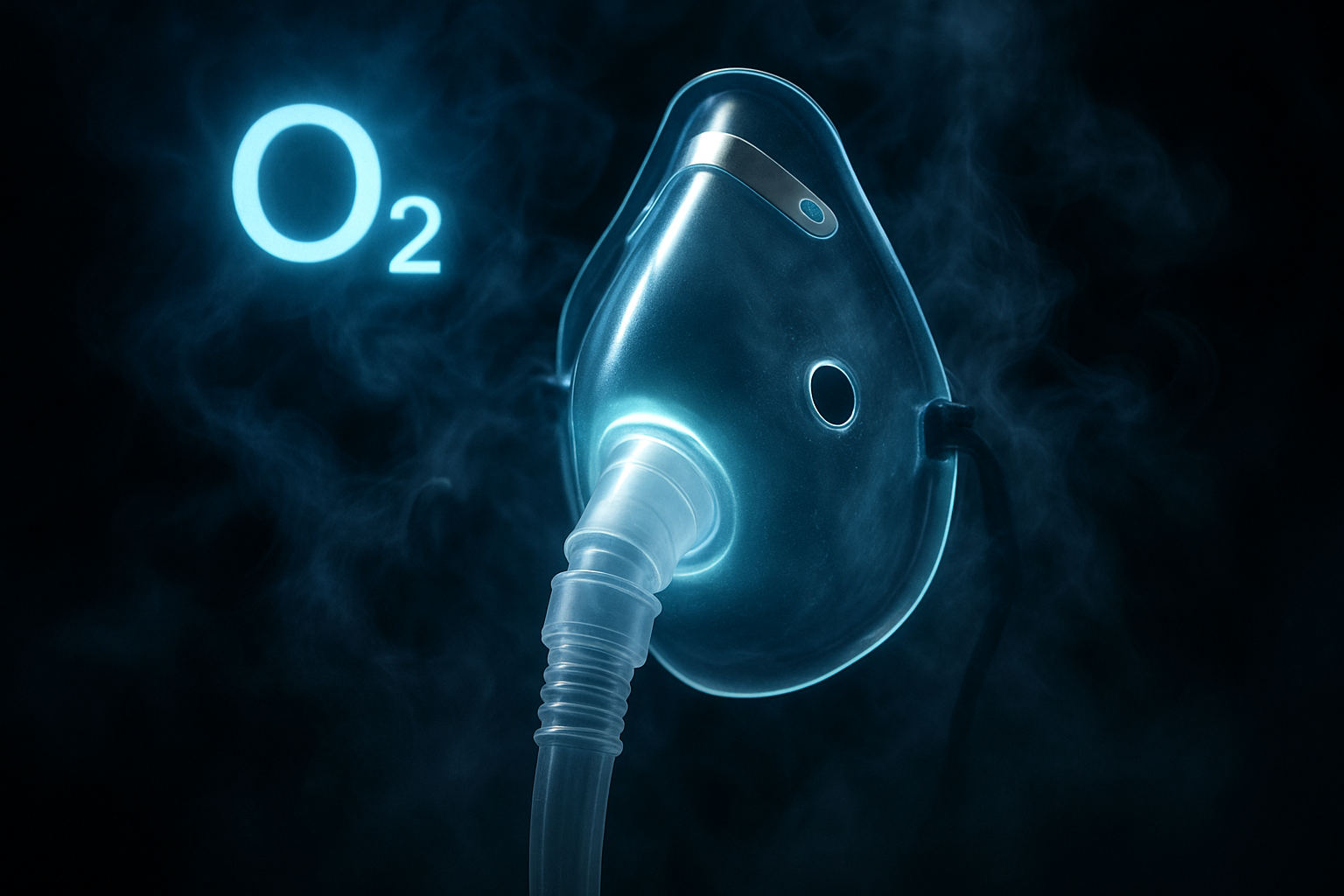
Oxygen therapy is the medical use of supplemental oxygen to raise oxygen levels in your blood when your lungs, airways, or circulation aren’t keeping up. It may be delivered through a nasal cannula, face mask, oxygen concentrator, cylinder, or ventilator support. The goal is simple enough: improve oxygenation so your organs and tissues stop acting like underfunded departments.
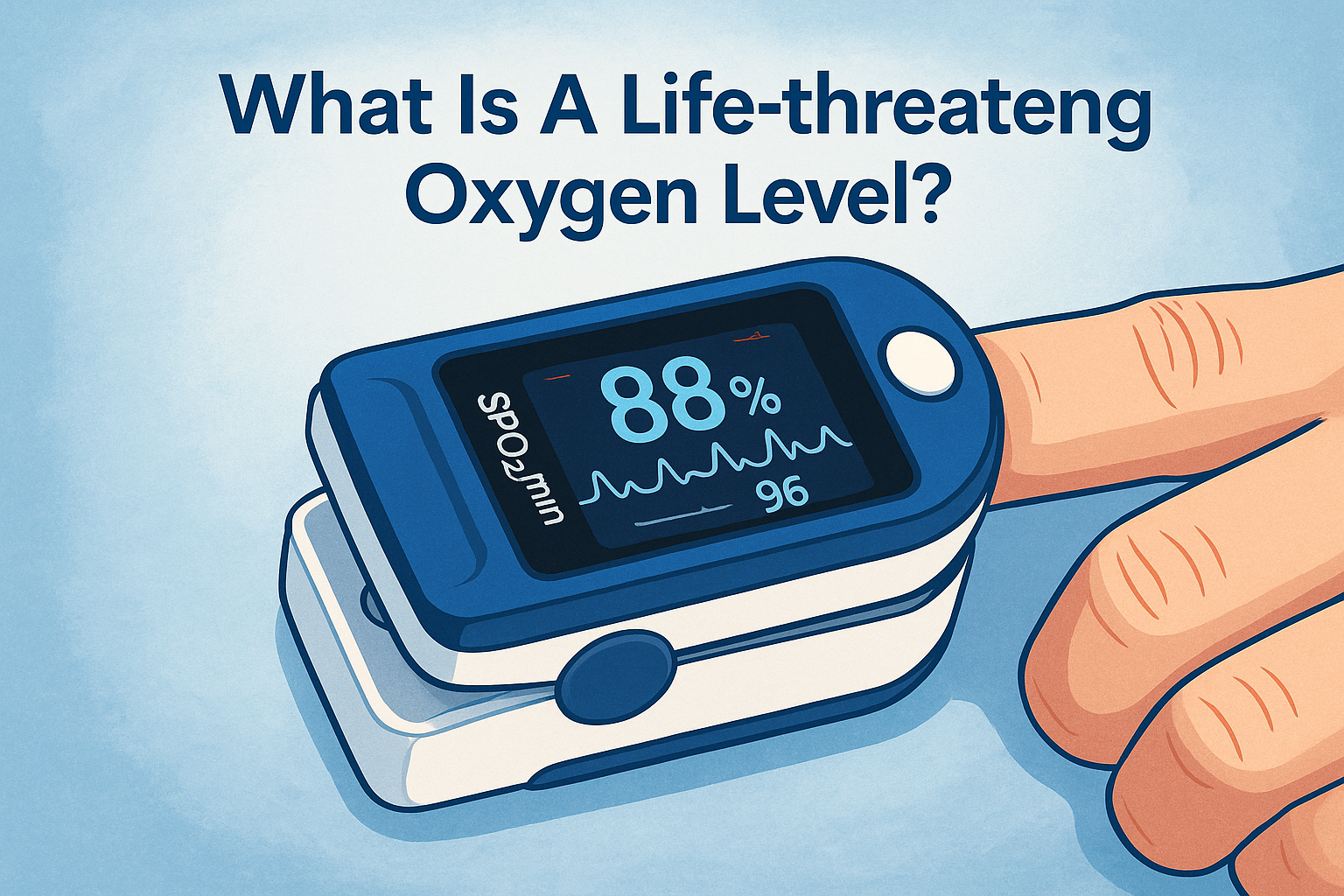
Common reasons for oxygen therapy include chronic obstructive pulmonary disease, severe asthma flare-ups, pneumonia, heart failure, pulmonary fibrosis, and recovery from acute illness. According to the National Heart, Lung, and Blood Institute, normal oxygen saturation for many healthy adults is typically around 95% to 100%, while sustained lower levels may require clinical evaluation. Medicare and most insurers generally require documented medical need before covering home oxygen, which tells you something right there: this isn’t a scented candle you buy on impulse.
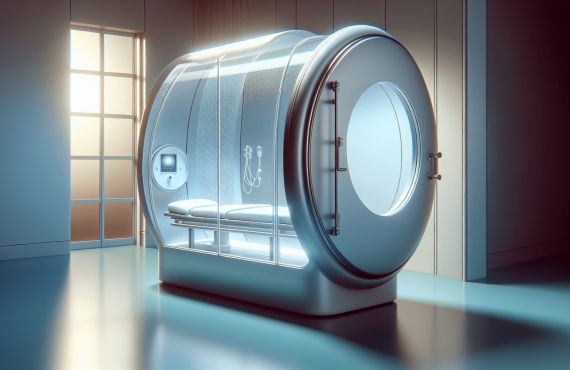
Hyperbaric therapy, or HBOT, takes the same element and changes the setting. You breathe 100% oxygen in a pressurized chamber, often at pressures greater than normal atmospheric pressure. That added pressure allows more oxygen to dissolve into plasma and reach tissues with poor blood flow. In 2026, HBOT continues to be used for approved indications such as decompression sickness, carbon monoxide poisoning, diabetic foot ulcers, delayed radiation injury, and selected wound-healing situations. For a general medical overview, Mayo Clinic remains a useful starting point.
We analyzed current clinical guidance and found a point many patients miss: oxygen is beneficial when you need it, but more is not automatically better. That’s why understanding dosage, delivery, and duration matters so much when asking, What are the side effects of using oxygen?

What are the side effects of using oxygen? Common Side Effects of Oxygen Use
The most common side effects are the sort of things that don’t make headlines but absolutely make people grumble. Think dry or bloody nose, throat irritation, headaches, fatigue, and pressure marks on the cheeks or ears. If you’ve ever worn stiff dress shoes to a wedding, you already understand the relationship between “medically useful” and “mildly annoying.”
In 2026, over 85% of patients report mild side effects at some point during oxygen use, according to the campaign research provided for this article. Other published patient guidance also notes frequent dryness and irritation, especially with higher flows or prolonged use. WebMD lists nasal dryness, skin irritation, and fatigue among the common complaints people notice early. We found that these issues are especially common when humidification is missing, the tubing fit is poor, or the prescribed flow is being used for many hours a day.
Here’s what that can look like in real life:
- Dry nose or nosebleeds: More common with nasal cannulas and dry indoor air.
- Headaches: May relate to flow settings, mask fit, sinus irritation, or the underlying illness.
- Fatigue: Some patients feel tired while adjusting to therapy, especially after HBOT sessions.
- Skin irritation: Friction behind the ears, on the cheeks, or under a mask strap.
- Bloating or discomfort: Occasionally reported with certain delivery systems or anxious breathing patterns.
What helps? A few practical steps usually make a real difference:
- Ask your clinician whether a humidifier bottle is appropriate for your setup.
- Check that your cannula or mask fits correctly; too tight is not heroic.
- Use water-based moisturizers only if approved; petroleum products can be unsafe around oxygen.
- Report recurring headaches or unusual fatigue instead of deciding you’re just “bad at oxygen.”
Based on our research, most mild side effects improve with equipment adjustments rather than stopping therapy altogether. That’s the useful answer behind the search for What are the side effects of using oxygen?
Severe Side Effects: Rare but Real
The severe effects are uncommon, but they’re real enough that no ethical person should wave them away like a mosquito. The main concerns include oxygen toxicity, lung irritation, worsening carbon dioxide retention in susceptible patients, and fire-related injury. Hyperbaric therapy adds pressure-related risks such as ear barotrauma and, rarely, oxygen-induced seizures.
NIH and related clinical literature describe oxygen toxicity as damage that can occur when oxygen is delivered at high concentrations for prolonged periods or under increased pressure. Pulmonary oxygen toxicity may lead to cough, chest pain, and worsening shortness of breath. Central nervous system toxicity, while rare, can involve vision changes, nausea, twitching, irritability, and seizures. A review of hyperbaric safety data has reported seizures as rare events, often estimated well below 1 in 10,000 treatments in well-run centers, though rates vary by pressure, duration, and patient factors.
A practical example helps. Consider a patient with severe COPD who turns up the oxygen flow without guidance because “more must be better.” In certain patients prone to carbon dioxide retention, that can worsen drowsiness, confusion, and respiratory distress. Another case: a person in hyperbaric treatment with untreated sinus congestion may develop sharp ear pain during pressurization because the pressure equalization fails. Nothing theatrical, but plenty miserable.
We recommend seeking urgent medical advice if you notice:
- Sudden confusion or unusual sleepiness
- Chest pain or worsening breathing
- Severe headache with visual changes
- Twitching, seizure activity, or fainting
- Blue lips, extreme anxiety, or inability to speak full sentences
So if you’re still asking, What are the side effects of using oxygen?, the honest answer is this: most are mild, a few are significant, and all of them deserve proper supervision.
Hyperbaric Therapy: Benefits and Risks
Hyperbaric therapy sounds futuristic, which is probably why people picture something between a submarine and a spa. In reality, hyperbaric oxygen therapy is a medical treatment in which you breathe 100% oxygen in a pressurized chamber. The extra pressure dramatically increases the amount of oxygen dissolved in your blood plasma, helping oxygen reach tissues that ordinary circulation may underserve.
The benefits are not imaginary. Hyperbaric oxygen has documented use in wound healing, decompression sickness, carbon monoxide poisoning, radiation tissue injury, and certain infections. It may support tissue repair, reduced swelling, improved immune response, and angiogenesis, which is the growth of new blood vessels. That last one matters in wound healing because tissue with a poor blood supply heals like a teenager asked to clean the garage: slowly and with resentment.
Side effects specific to HBOT include ear popping, ear pain, sinus discomfort, temporary vision changes, claustrophobia, fatigue after treatment, and rare oxygen toxicity. Some studies report ear barotrauma as one of the more common HBOT complications, with rates varying widely from under 2% to over 15% depending on patient screening and technique. Temporary nearsightedness can occur after multiple sessions, but it often resolves after treatment ends.
At Henry Chiropractic, Dr. Craig Henry discusses hyperbaric therapy as part of a broader wellness and recovery strategy rather than a magic cabinet where all suffering goes to die. Based on our analysis, that’s the wiser frame. HBOT may be valuable when it fits the diagnosis, the treatment plan, and the patient’s tolerance. It still requires screening, pressure management, and professional oversight.
We recommend three steps before starting HBOT:
- Review your medical history, including lung disease, ear issues, and medications.
- Ask about session length and chamber pressure, since treatment protocols vary.
- Discuss likely side effects in advance, especially if you’re prone to anxiety, sinus trouble, or fatigue.
The Role of Dr. Craig Henry and Dr. Aaron Hixon
Henry Chiropractic is owned and operated by Dr. Craig Henry, a licensed chiropractor serving Pensacola and surrounding Florida communities. He focuses on improving health and wellness in practical ways, especially for people dealing with back pain, neck pain, stiffness, and the sort of general misery that makes getting out of bed feel like contract labor. Alongside him is Dr. Aaron Hixon, a Florida native from Milton, board-certified chiropractor, and licensed chiropractic physician in Florida.
Dr. Hixon earned a Bachelor of Science in Exercise Science from Florida Atlantic University and attended Palmer College of Chiropractic in Port Orange, Florida. He is trained in multiple techniques, including Diversified, Gonstead Spinal Manipulation, Instrument Assisted Soft Tissue Mobilization (IASTM), and Myofascial Release Technique (MRT). That matters because oxygen-related care, especially hyperbaric support, often works best when it’s part of a larger recovery plan involving mobility, tissue health, inflammation management, and proper follow-up.
In our experience, readers want specifics, not fog. Here they are:
- Henry Chiropractic
- 1823 N 9th Ave
- Pensacola, FL 32503
- (850) 435-7777
- https://drcraighenry.com/
We found that practices combining patient education with hands-on care tend to produce better adherence because patients actually understand what the therapy is for. If you’re weighing hyperbaric therapy, chiropractic care, or both, contacting Henry Chiropractic gives you a chance to discuss whether your symptoms, history, and goals make you a good candidate. It’s a far better plan than collecting health advice from a cousin who once bought a pulse oximeter online and now speaks as if appointed by Congress.
Oxygen Use in 2026: Trends and Innovations
Oxygen therapy in 2026 looks more refined than it did even a few years ago. Delivery systems are getting quieter, lighter, and smarter. Portable oxygen concentrators are more travel-friendly, remote monitoring is becoming more common, and digital pulse-oximetry integration allows clinicians to track trends instead of relying on one lonely reading taken between commercials.
According to industry reporting and science coverage from Scientific American, medical-device innovation continues to push toward smaller systems, better battery performance, and more personalized respiratory support. We analyzed current trends and found three developments that matter most to patients:
- Portable concentrators with longer battery life, improving mobility for work and travel.
- Connected monitoring tools that allow providers to review oxygen saturation and adherence data.
- Improved humidification and comfort features, which may reduce mild side effects such as dryness and irritation.
This does not mean side effects have vanished in a puff of modernity. It means clinicians have better tools to adjust therapy earlier. A 2026 patient using home oxygen may now be monitored more closely, receive equipment alerts sooner, and avoid the old cycle of “ignore symptoms, get worse, call in a panic.” That’s progress, modest but real.
There’s also broader public interest in HBOT for recovery, wellness, and adjunctive care. Some of that interest is evidence-based; some of it wears the eager grin of marketing. We recommend asking whether a specific use is FDA-cleared, insurer-supported, and clinically appropriate for your condition. Newer isn’t always better. Sometimes newer is just shinier and more expensive.
Comparing Oxygen Therapy with Other Treatments
Oxygen therapy is not a replacement for every medication, surgery, or rehabilitation plan. It is a tool. A very useful tool, yes, but still a tool. If you compare it with medication, oxygen often works faster for hypoxemia because it directly increases available oxygen rather than waiting for inflammation, bronchospasm, or infection to improve. If you compare it with surgery, oxygen is usually less invasive, though of course it can’t remove a clot, repair a valve, or excise diseased tissue by sheer moral force.
Harvard Health regularly notes that treatment decisions depend on the underlying condition, not just the symptom of shortness of breath. For example:
- Pneumonia: Oxygen may support breathing while antibiotics treat the infection.
- COPD exacerbation: Oxygen may be necessary, but bronchodilators and steroids often remain central.
- Diabetic wound healing: Hyperbaric oxygen may be used when standard wound care alone is not enough.
- Decompression sickness: HBOT is often preferred because it addresses the underlying gas-bubble problem directly.
Based on our research, oxygen therapy is often preferred when low oxygen saturation is measurable, when tissues are not getting enough oxygen, or when a patient needs temporary support during recovery. It may be less useful when the main issue is unrelated to oxygen delivery. If your shortness of breath comes from anxiety, severe anemia, or mechanical airway obstruction, oxygen may be only part of the answer—or not the answer at all.
This is another reason the question What are the side effects of using oxygen? should always be paired with a second question: Why am I using it in the first place? A treatment used for the wrong reason is not more effective because it arrived in a medical-looking tube.
What are the side effects of using oxygen? Safety Precautions and Best Practices
If you use oxygen at home or in a therapy clinic, safety should be treated with the kind of respect people usually reserve for ladders and wet marble stairs. Oxygen is not flammable by itself, but it feeds combustion, meaning a spark that might have fizzled out can suddenly behave like it has ambitions.
Here are the best practices we recommend, and yes, they are worth following even if you consider yourself sensible:
- Keep oxygen at least 5 to 10 feet away from flames or heat sources, including candles, cigarettes, gas stoves, and space heaters.
- Do not smoke while using oxygen, and do not allow anyone else to smoke nearby.
- Use only water-based products on your face or around the nose if approved by your clinician.
- Secure tanks upright and store them where they won’t tip over.
- Clean tubing and masks regularly according to manufacturer instructions.
- Never change flow rates on your own unless your provider has given specific instructions.
Dr. Aaron Hixon’s broader clinical approach—patient education, movement, and monitored care—reflects a principle we found repeatedly in the evidence: outcomes improve when patients understand both the benefit and the risk. If you start getting frequent headaches, nosebleeds, ear pain, increasing fatigue, or confusion, report it. Don’t just announce that oxygen “doesn’t agree with you” and stop it cold.
For home users, it also helps to keep a small checklist:
- Your prescribed flow rate
- Emergency contact numbers
- Supplier information
- Backup power or tank plan
- Instructions for humidification and cleaning
That may sound overly organized, but emergencies have a way of arriving when everyone is half-dressed and looking for a charger.
Conclusion: Breathing with Confidence
Oxygen therapy helps many people live more comfortably, heal more effectively, and avoid the strain that comes when your body is trying to function on too little oxygen. The short answer to What are the side effects of using oxygen? is that most are mild—dry nose, headaches, fatigue, and skin irritation—but a few are serious enough to require prompt medical attention, especially if symptoms point to oxygen toxicity, worsening breathing, or pressure injury during hyperbaric treatment.
We analyzed the evidence and found a pattern that’s both reassuring and useful: problems are far less likely when oxygen is prescribed appropriately, equipment is fitted correctly, and patients are monitored by professionals who know what they’re doing. We recommend treating oxygen like any other medication—valuable, precise, and not something to improvise with because a machine has a knob.
If you’re considering hyperbaric oxygen therapy or want guidance that connects respiratory support with hands-on musculoskeletal care, contact Henry Chiropractic, 1823 N 9th Ave, Pensacola, FL 32503, at (850) 435-7777 or visit https://drcraighenry.com/. Dr. Craig Henry and Dr. Aaron Hixon can help you determine whether oxygen-related therapy fits your needs and how to use it safely. The smartest next step is not more guessing. It’s a proper evaluation.
FAQs
Below are concise answers to the questions patients ask most often about oxygen therapy and hyperbaric care.

Frequently Asked Questions
What are the most common side effects of oxygen therapy?
The most common side effects are a dry nose, minor nosebleeds, headaches, fatigue, and skin irritation from tubing or masks. Based on our research, these are usually mild and improve when humidity, flow settings, and fit are adjusted by a medical professional.
Can oxygen therapy be used at home safely?
Yes, but only when it is prescribed, set up correctly, and monitored. Home oxygen should be kept away from flames, gas stoves, candles, and smoking materials, because oxygen itself does not burn but makes fires spread faster.
How do I know if I'm experiencing oxygen toxicity?
Warning signs may include worsening cough, chest discomfort, confusion, severe headache, vision changes, twitching, or unusual shortness of breath. In rare cases, oxygen toxicity can affect the lungs or nervous system, which is why professional supervision matters.
Is hyperbaric oxygen therapy covered by insurance?
Insurance often covers hyperbaric oxygen therapy for approved medical indications, such as diabetic wounds, radiation injury, carbon monoxide poisoning, or decompression sickness. Coverage varies by diagnosis and policy, so you should confirm eligibility with your insurer before treatment starts.
What should I do if I experience severe side effects?
Stop using oxygen only if you are told to do so by a clinician, and seek immediate medical care or call emergency services if you have severe breathing trouble, chest pain, confusion, or seizures. If you’re asking, What are the side effects of using oxygen?, severe symptoms are uncommon but should never be brushed aside.
Key Takeaways
- Most oxygen side effects are mild, including dry nose, headaches, fatigue, and skin irritation, and they often improve with better fit, humidification, and supervision.
- Serious risks such as oxygen toxicity, fire hazards, and pressure-related injuries are rare but real, especially when oxygen is used incorrectly or without monitoring.
- Hyperbaric oxygen therapy can support tissue repair, wound healing, and angiogenesis, but it also has specific risks like ear pain, sinus pressure, and temporary vision changes.
- In 2026, newer oxygen systems and remote monitoring tools are improving comfort and safety, but they do not replace clinical judgment.
- If you are considering oxygen therapy or HBOT, consult experienced professionals such as Dr. Craig Henry and Dr. Aaron Hixon at Henry Chiropractic in Pensacola for personalized guidance.