

Have you ever wondered how life expectancy changes when someone sustains a traumatic brain injury (TBI)? It’s a question that’s both important and complex, with answers that depend on a variety of factors. Let’s dive into this topic to understand the realities faced by those living with a TBI, and how it affects their lifespan.

Table of Contents
Understanding Traumatic Brain Injury
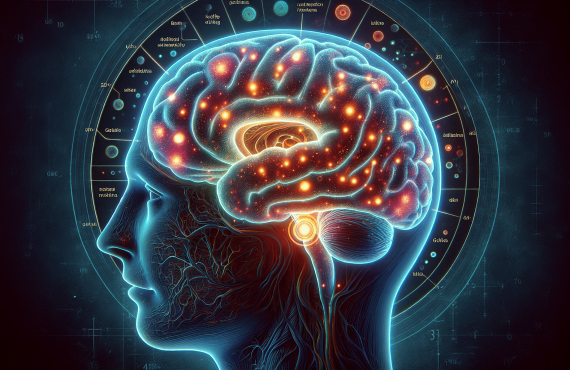
Traumatic brain injury (TBI) occurs when a sudden trauma causes damage to the brain. This can result from falls, vehicle accidents, sports accidents, or any blunt force to the head. TBIs are classified into mild, moderate, and severe, with severity often based on the level of consciousness affected and the initial Glasgow Coma Scale score.
Types of TBI
-
Mild TBI: Often referred to as a concussion, it might cause temporary confusion and headache but doesn’t usually result in lasting physical impairments.
-
Moderate to Severe TBI: These injuries involve loss of consciousness for minutes to hours and can include severe neurological issues. They often require long-term care and rehabilitation.
Factors Influencing Life Expectancy Post-TBI
Several factors influence the life expectancy of TBI survivors. A broad range of elements plays a role, including the injury’s severity, the individual’s age, location of the injury, and overall health before the injury.
Severity of the Injury
The more severe the injury, the more likely there could be significant impacts on life span. A severe TBI can lead to chronic health problems, including seizures, cognitive dysfunction, and psychological disorders, which can impact lifespan.
Age at the Time of Injury
Age is a key factor; younger individuals may recover more fully than older ones due to higher neuroplasticity in their brains. However, older adults can have additional health complications that contribute to a reduced life expectancy post-TBI.
Pre-existing Health Conditions
Someone with pre-existing conditions, such as cardiovascular disease or diabetes, may face a greater risk of complications following a TBI. These conditions can complicate recovery and decrease life expectancy.
Access to and Quality of Healthcare
Quality and timeliness of medical care after a TBI can greatly influence recovery outcomes. Immediate and comprehensive care, including hyperbaric therapy and rehabilitation, can improve quality of life and potentially extend lifespan.

Impact on Quality of Life
The effect of a TBI isn’t limited to physical health. It also affects mental, emotional, and social well-being. Psychological support, cognitive rehabilitation, and adaptations to living and working environments can help improve quality of life.
Emotional and Psychological Effects
Depression, anxiety, and post-traumatic stress disorder (PTSD) are common in TBI survivors. These psychological issues could affect life expectancy if not adequately addressed, as mental health plays a critical role in overall health.
Social and Economic Consequences
TBIs can result in significant changes in employment status and social life. This can lead to economic stress, which can further hinder recovery and contribute to a shortened lifespan.
Hyperbaric Therapy and Its Benefits
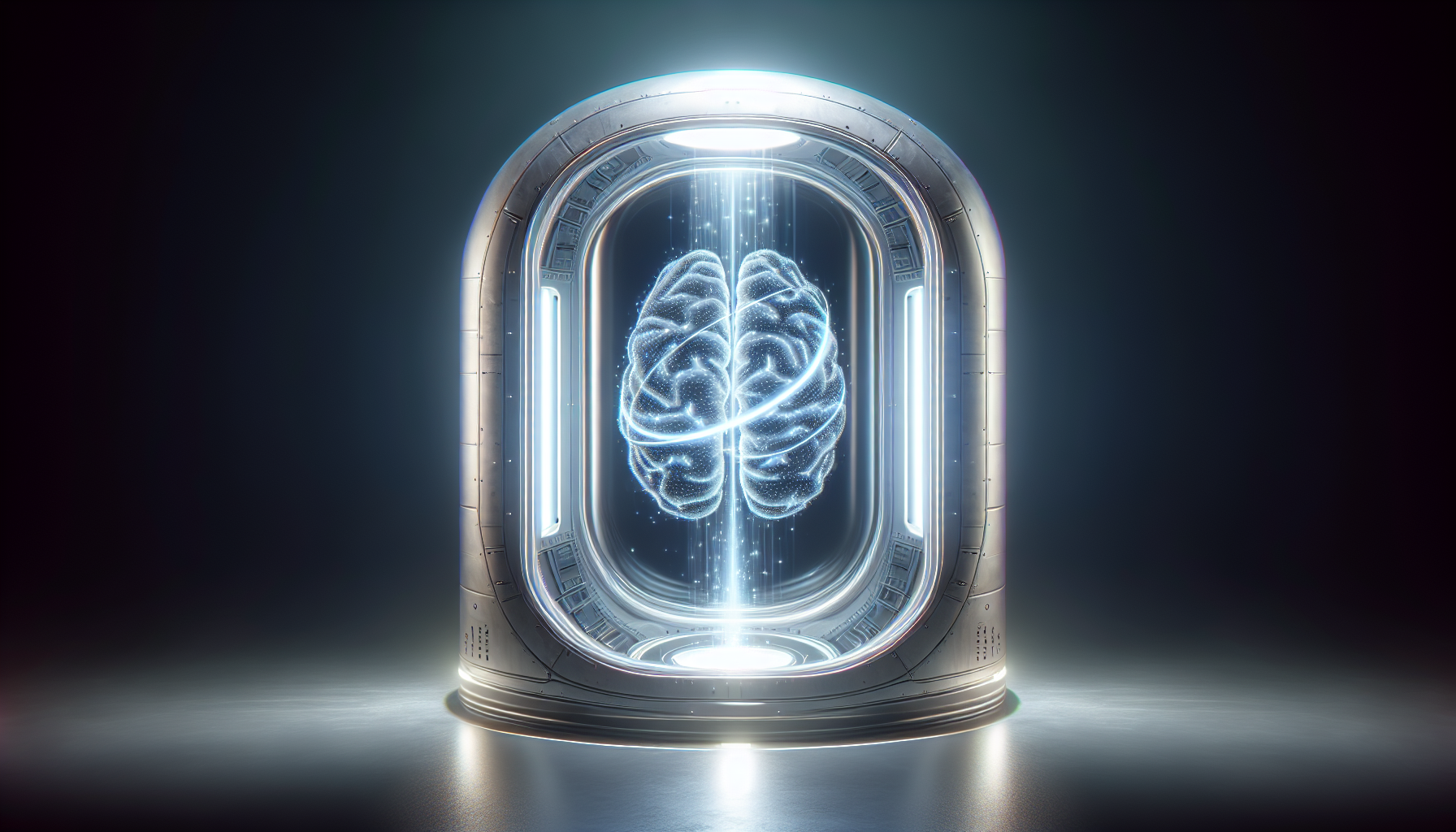
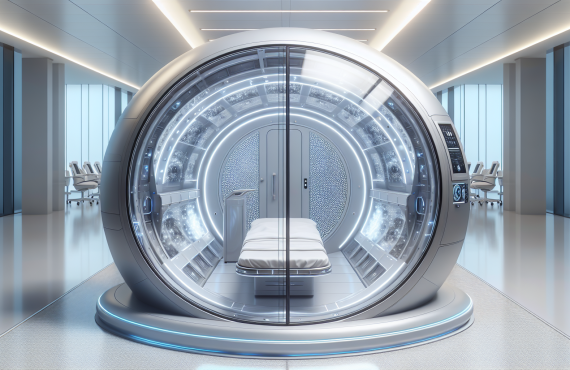
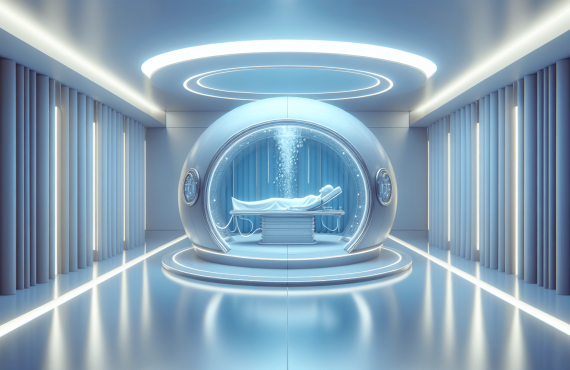
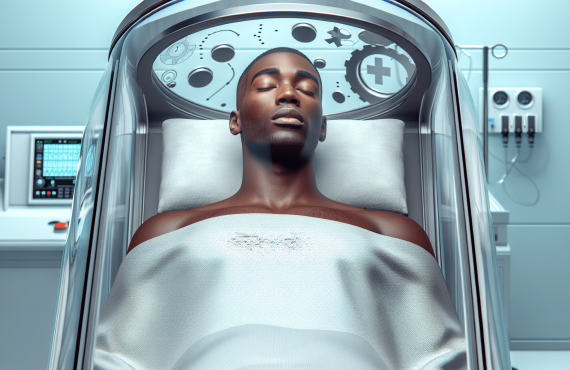
Among the various treatments available, hyperbaric therapy, or hyperbaric oxygen therapy (HBOT), presents a compelling option. It involves breathing pure oxygen in a pressurized chamber, which can potentially aid in the healing process of TBIs.
The Mechanism of Hyperbaric Therapy
In the hyperbaric chamber, the pressure and oxygen levels increase, allowing more oxygen to dissolve into the plasma. This heightened oxygen level supports healing by stimulating natural recovery processes, reducing inflammation, and bolstering the immune system.
Benefits for TBI Recovery
Enhanced oxygenation may aid in the repair and regeneration of brain tissue affected by the injury. This can lead to improvements in cognitive function, mobility, and neurological health, potentially influencing life expectancy positively.

Chiropractic Care’s Role in TBI Recovery
At Henry Chiropractic in Pensacola, FL, practitioners like Dr. Craig Henry and Dr. Aaron Hixon offer chiropractic care that can complement recovery for TBI patients. Chiropractic care focuses on neuromusculoskeletal health, which is crucial in enhancing overall well-being and improving recovery outcomes from TBI.
Role of Chiropractors
Chiropractors focus on spinal alignment and its impact on nervous system function. Proper spinal alignment can help improve physical mobility, relieve pain, and support the body’s natural healing processes, crucial for TBI recovery.
Meet the Practitioners
-
Dr. Craig Henry: A seasoned chiropractor aiming to improve health and wellness in every aspect of life, using various chiropractic techniques.
-
Dr. Aaron Hixon: Passionate about helping others and skilled in multiple chiropractic techniques which may aid in the recovery and quality of life improvement for TBI patients.
Practical Strategies for Improving Life Expectancy After TBI
Improving life expectancy post-TBI often requires a multidisciplinary approach, combining medical care, therapy, and lifestyle adjustments.
Medical and Rehabilitative Strategies
Professional medical care including physical therapy, cognitive rehabilitation, and potential surgical interventions play roles in extending life expectancy.
Lifestyle Adjustments for TBI Survivors
Maintaining a healthy lifestyle, including balanced nutrition, regular exercise, and mental health support, is crucial for recovery and longevity following a TBI. Social support and community engagement also play pivotal roles.
Exercise and Physical Activity
Routine exercise can lead to stronger physical health, better mood regulation, and improved cognitive functions, all beneficial after a TBI.
Nutrition and Diet
Quality nutrition supports brain and body health, while hydration is essential for all bodily functions, potentially impacting recovery and life expectancy positively.
Importance of Family and Support Networks
Family support can greatly influence recovery and quality of life. Emotional, physical, and practical support from family and the larger community can provide motivation and assistance, contributing to improved outcomes.
Building a Strong Support System
Encouraging open communication, creating a supportive environment, and engaging in family therapy or counseling can strengthen family ties and increase the support available to a TBI survivor.
Challenges in Predicting Life Expectancy
Despite the many factors involved, predicting the exact life expectancy after a TBI remains challenging. Each TBI case is unique, with varied outcomes and impacts on life expectancy.
Variability in Outcomes
Two individuals with seemingly similar injuries may experience different recovery trajectories. This variability makes it difficult to generalize or accurately predict life expectancies for TBI survivors across the board.
Frequently Asked Questions
How can hyperbaric therapy improve TBI outcomes?
Hyperbaric therapy increases oxygen availability in blood and tissues, enhancing healing, reducing inflammation, and supporting recovery in brain injuries.
What is the role of chiropractic care in TBI recovery?
Chiropractic care can help realign the spine, improving physical mobility and reducing pain, contributing positively to the overall recovery process.
How does exercise influence life expectancy in TBI survivors?
Exercise improves cardiovascular health, strengthens muscles, and enhances mood, potentially extending life expectancy by promoting overall well-being.
Can emotional support impact the longevity of TBI survivors?
Yes, emotional support from family, friends, and professionals can improve mental health and enhance overall quality of life, positively influencing longevity.
What factors are most crucial in determining life expectancy after a TBI?
Severity of the injury, age at injury time, pre-existing health conditions, access to quality healthcare, and family support are crucial in determining life expectancy for TBI survivors.
In understanding the complexities of life expectancy following a TBI, working with knowledgeable healthcare providers can make a significant difference. At Henry Chiropractic, professionals like Dr. Henry and Dr. Hixon offer expertise and care that can support those on their path to recovery. Whether through chiropractic care or engaging therapies like hyperbaric treatment, these approaches can provide meaningful contributions to improving the lives of those affected by a TBI.
For those seeking more information or care, Dr. Craig Henry invites you to connect with Henry Chiropractic for guidance and support on your path to recovery. Located at 1823 N 9th Ave, Pensacola, FL 32503, they’re ready to assist with personalized care strategies. You can reach them at (850) 435-7777 or visit their website at drcraighenry.com.