

Have you ever wondered what it takes to get oxygen therapy? Whether it’s for medical treatment or wellness purposes, this question opens the door to understanding both simple physiological needs and complex therapeutic methods. Oxygen is not just a basic necessity of life; its supplemental use has remarkable benefits, especially in medical settings.


Table of Contents
Understanding Oxygen Therapy
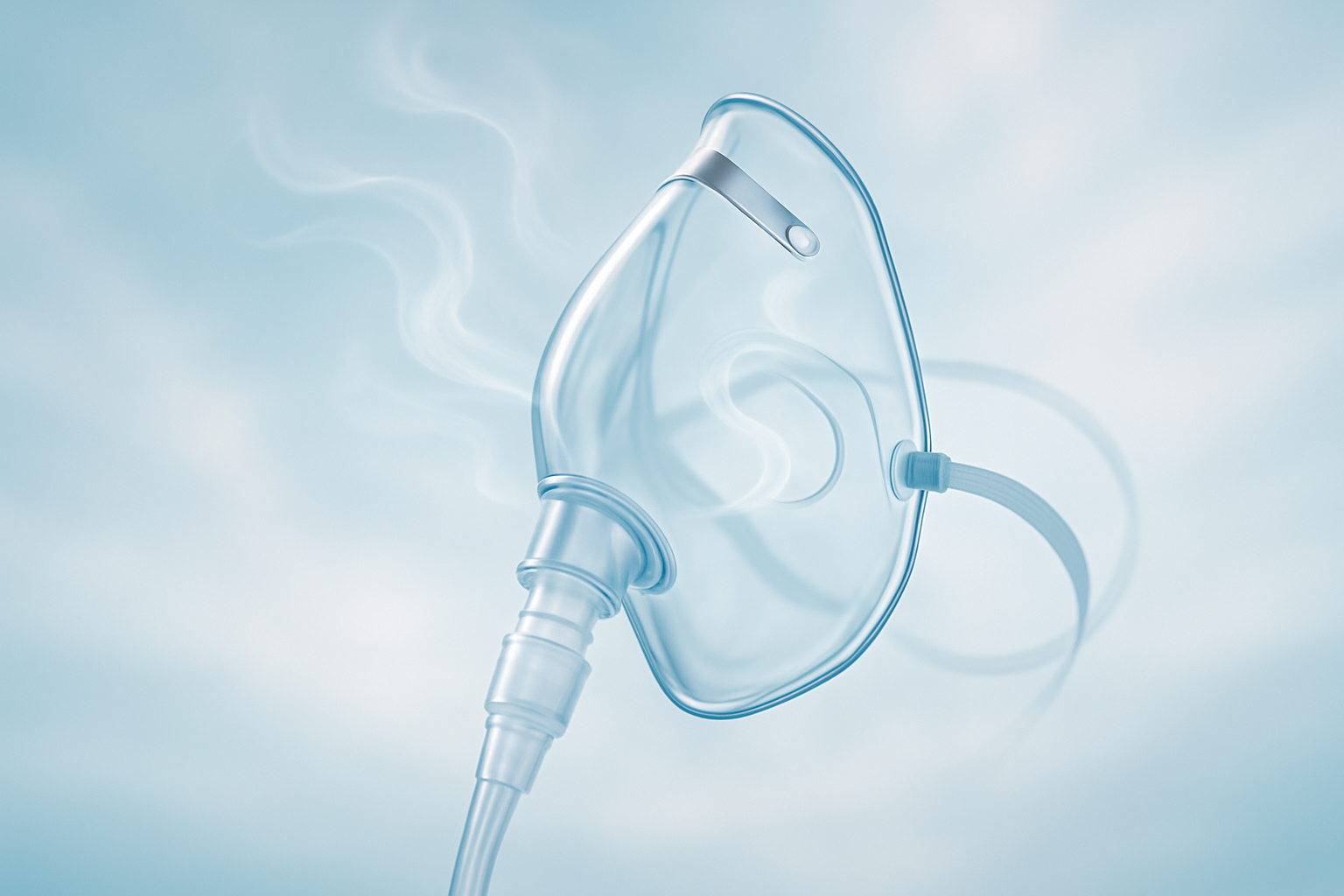
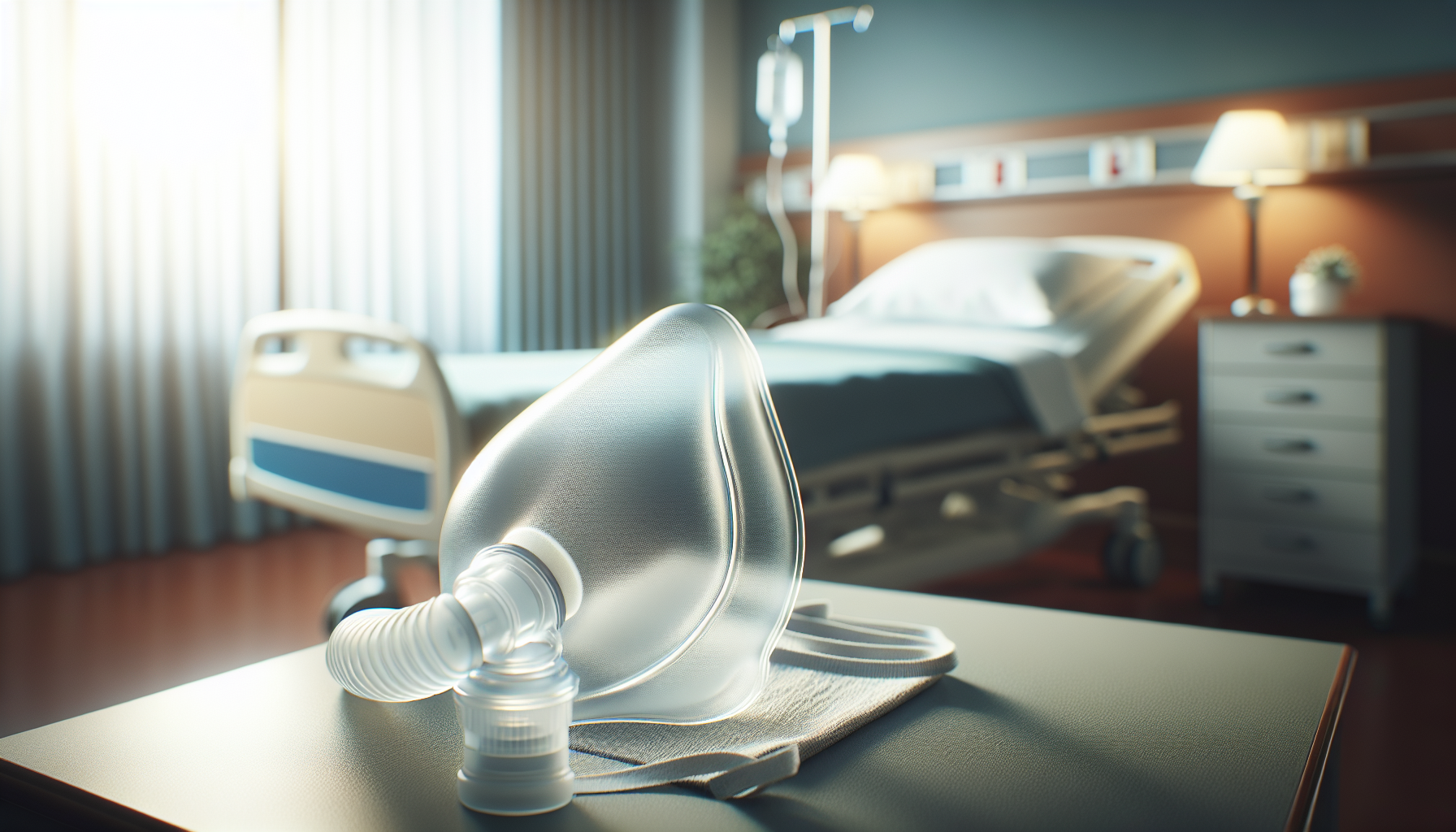
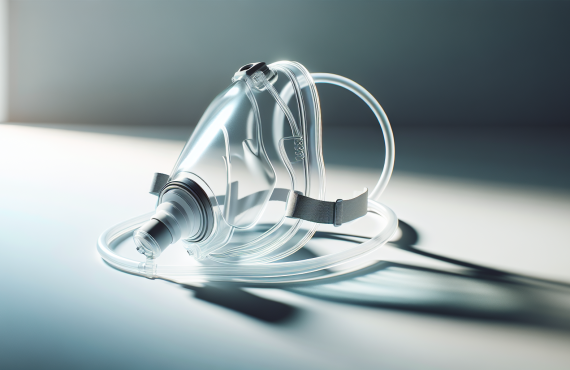
Oxygen therapy is a medical intervention that supplies extra oxygen to individuals who require more than what is available from breathing normal air. The therapy aims to improve tissue oxygenation and assist bodily functions when natural oxygen intake is insufficient.
Why Oxygen Therapy?
The primary goal of oxygen therapy is to maintain adequate oxygen levels to support cellular metabolism, reduce strain on the heart and other organs, and improve overall health outcomes. Whether used periodically or continuously, the therapy can prevent complications resulting from low blood oxygen levels.
Common Uses of Oxygen Therapy
Respiratory Conditions: Chronic obstructive pulmonary disease (COPD), asthma, pneumonia, and cystic fibrosis often require supplemental oxygen.
Post-surgery Recovery: After surgeries, especially those affecting the respiratory system, oxygen therapy aids quicker recovery.
Sleep Apnea: Individuals with sleep apnea might need supplemental oxygen to maintain oxygen levels during sleep.
Enhanced Athletic Performance: Athletes sometimes use supplemental oxygen to reduce recovery times and enhance performance, despite the debate around its efficacy for this purpose.
Medical Requirements for Oxygen
Understanding the needs and protocols for oxygen therapy involves knowing the medical indications and how supplementary oxygen is administrated safely.
Prescription and Evaluation
Before beginning oxygen therapy, a medical evaluation is necessary. A healthcare provider will assess blood oxygen levels using tools like a pulse oximeter or arterial blood gas test. If these levels are low, a prescription for oxygen therapy may be issued.
Equipment
Equipment is selected based on the individual’s needs and lifestyle. Common devices include:
-
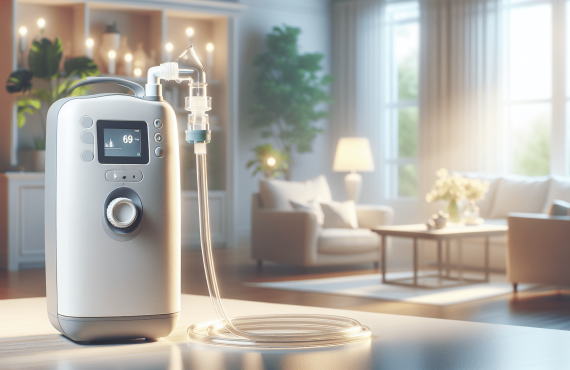
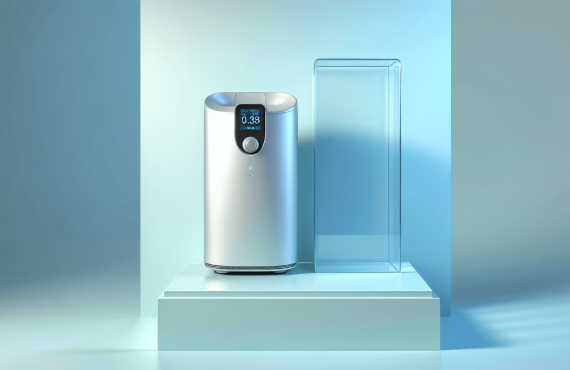
Oxygen Concentrators: Machines that filter surrounding air to produce pure oxygen.
-
Compressed Gas Cylinders: Portable units containing pure oxygen.
-
Liquid Oxygen Devices: Provide a higher volume of oxygen as a liquid form.
Safety and Maintenance
Proper setup and maintenance of oxygen equipment are vital. It’s crucial to avoid smoking and open flames around oxygen equipment due to fire hazards.

Lifestyle Adjustments
Adapting to life on supplemental oxygen can involve several lifestyle changes. Here are a few considerations.
Mobility and Transport
Using portable oxygen units enables greater mobility. Many are lightweight and designed for ease of use, but planning is essential when traveling, especially with changes in altitude during flights.
Home Modifications
Altering living spaces to accommodate equipment and ensuring easy access to power supplies can enhance safety and convenience.
Social and Psychological Impact
Using oxygen therapy can initially affect self-image and social interactions. Support groups and counseling services can be beneficial.
Hyperbaric Oxygen Therapy: A Deep Dive
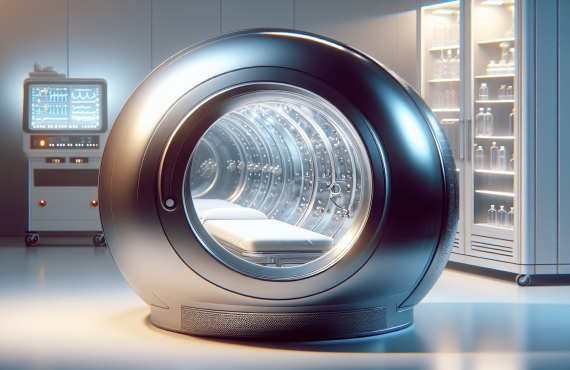
hyperbaric oxygen therapy (HBOT) represents a specialized form of oxygen therapy involving higher-than-atmospheric pressure. This therapy stimulates enhanced oxygen absorption and has unique applications and requirements.
How HBOT Works
Inside a hyperbaric chamber, patients breathe pure oxygen at elevated pressures. This process allows oxygen to dissolve into plasma, reaching even the most deprived tissues and promoting healing.
Medical Uses of HBOT
HBOT can treat various conditions, including non-healing wounds, decompression sickness (common in divers), carbon monoxide poisoning, and radiation injuries.
HBOT Sessions and Safety
HBOT sessions typically last between 30 minutes to two hours. Certain precautions need to be followed to avoid complications, such as oxygen toxicity or barotrauma (injury from pressure changes).

FAQ Section
Q: Can anyone opt for oxygen therapy?
A: Not everyone is a candidate for oxygen therapy. Medical evaluation is essential for determining the need. People with specific health issues benefit most from the therapy.
Q: Is oxygen therapy covered by insurance?
A: Most insurance plans, including Medicare, often cover oxygen therapy if prescribed by a doctor to treat a medical condition.
Q: Are there side effects of oxygen therapy?
A: While generally safe, excessive oxygen can result in lung damage or oxygen toxicity. It’s crucial to adhere to prescribed therapy levels and durations.
Q: Can I travel with oxygen equipment?
A: Yes, traveling with portable oxygen devices is possible. It is important to check transportation regulations and prepare accordingly.
Q: How soon can I expect results from HBOT?
A: Results can vary. Acute conditions might show improvements after a few sessions, while chronic conditions may take longer. Consistent therapy sessions yield best results.
Local Options for Oxygen Therapy
For those in Florida, considering chiropractic care as part of your wellness routine can be beneficial. Henry Chiropractic, led by Dr. Craig Henry and Dr. Aaron Hixon, offers holistic approaches to health. Located at 1823 N 9th Ave, Pensacola, FL 32503, their facility provides services that may aid in maintaining or enhancing health, complementing your oxygen therapy needs. For assistance and appointments, contact them at (850) 435-7777 or visit their website here.
In Conclusion
Understanding the requirements for oxygen therapy can be a critical step toward improving quality of life for individuals with respiratory or other health needs. Whether requiring simple oxygen supplies or more complex treatments like HBOT, each method is a gateway to better health, achieved through precise medical evaluation, appropriate equipment, and comprehensive lifestyle adaptation.