
Table of Contents
Introduction: Why Timing Matters for HBOT
Picture this: You’re sitting in a pressurized chamber, feeling a bit like a deep-sea diver without the water, wondering, “When is the best time to do HBOT?” Well, it turns out, timing is everything with hyperbaric oxygen therapy (HBOT). In our quest to pack as much oxygen into our tissues as possible, the timing of your sessions can make a significant difference.
As of 2026, more people are turning to HBOT for its myriad benefits, but optimizing the timing can be the key to unlocking its full potential. Whether you’re dealing with chronic pain, injuries, or just looking for a bit of a health boost, finding that sweet spot for your HBOT sessions is crucial. Let’s dive into the nitty-gritty of when to schedule your time in the chamber for maximum benefit.


Understanding Hyperbaric Oxygen Therapy (HBOT)
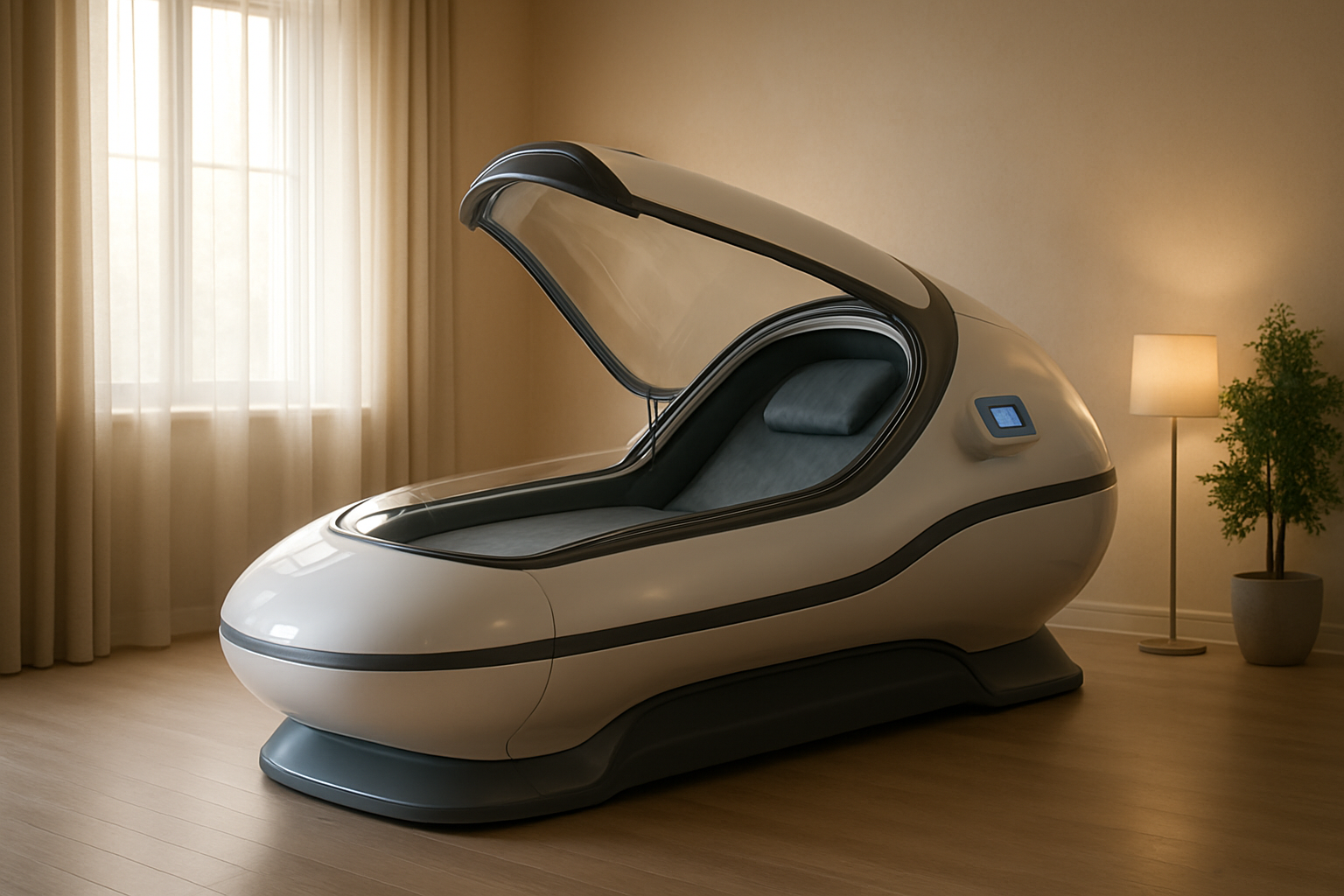
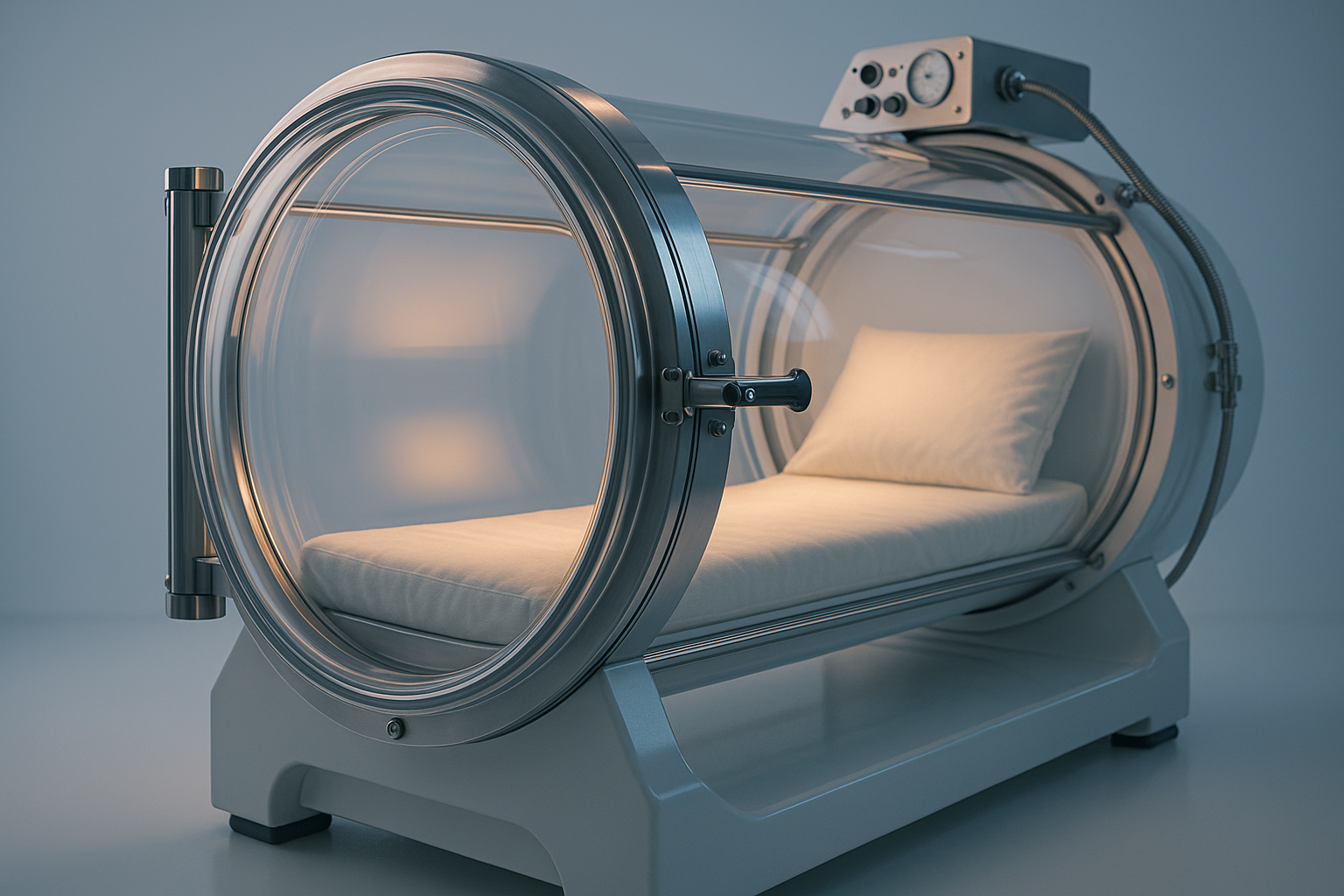
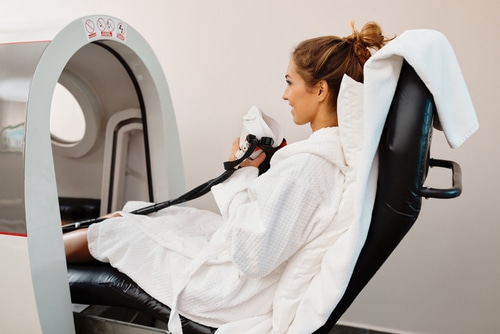
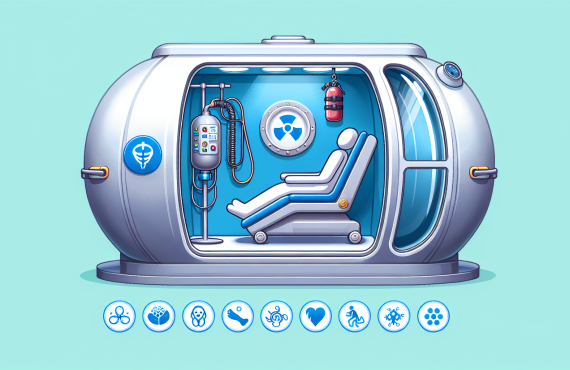
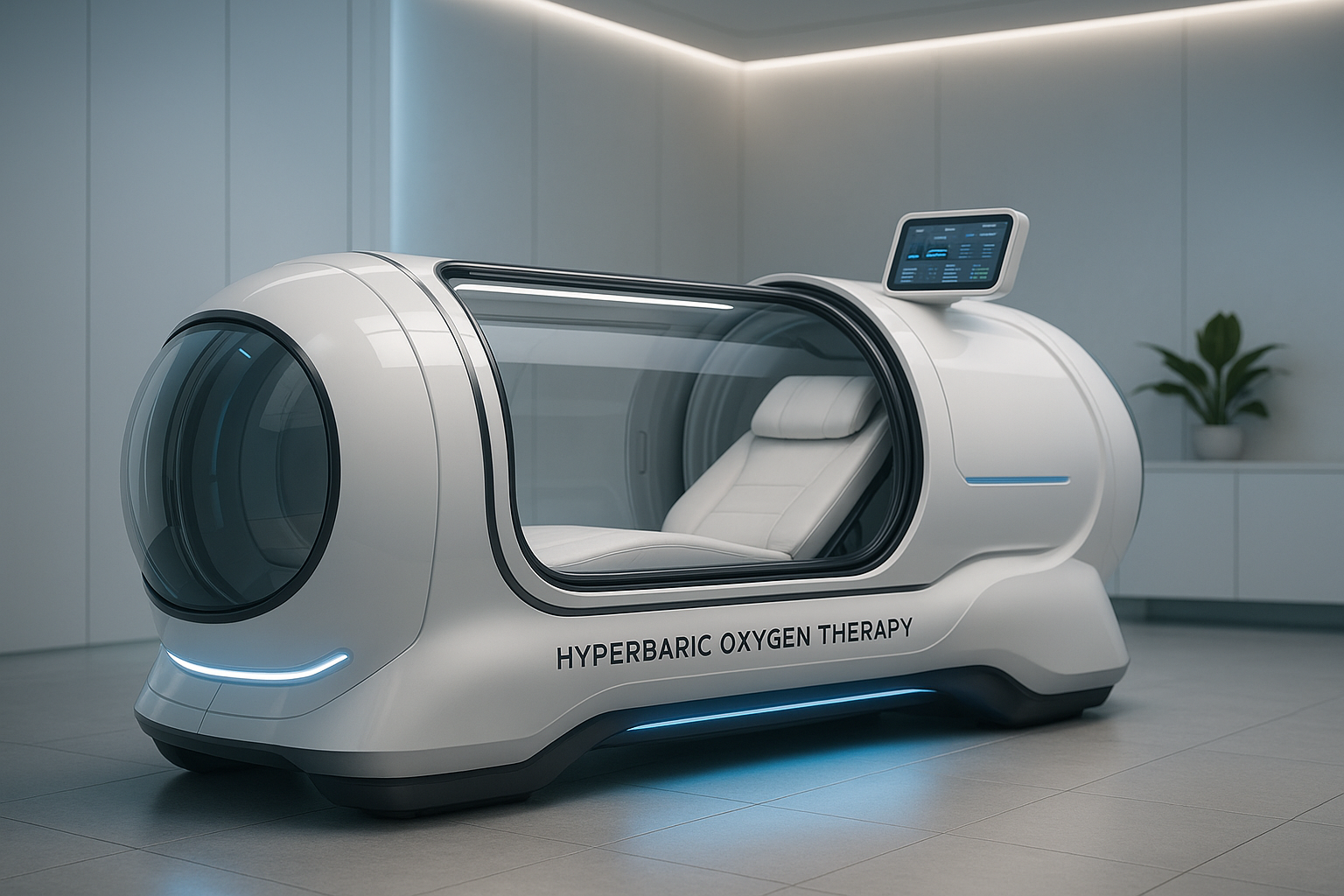
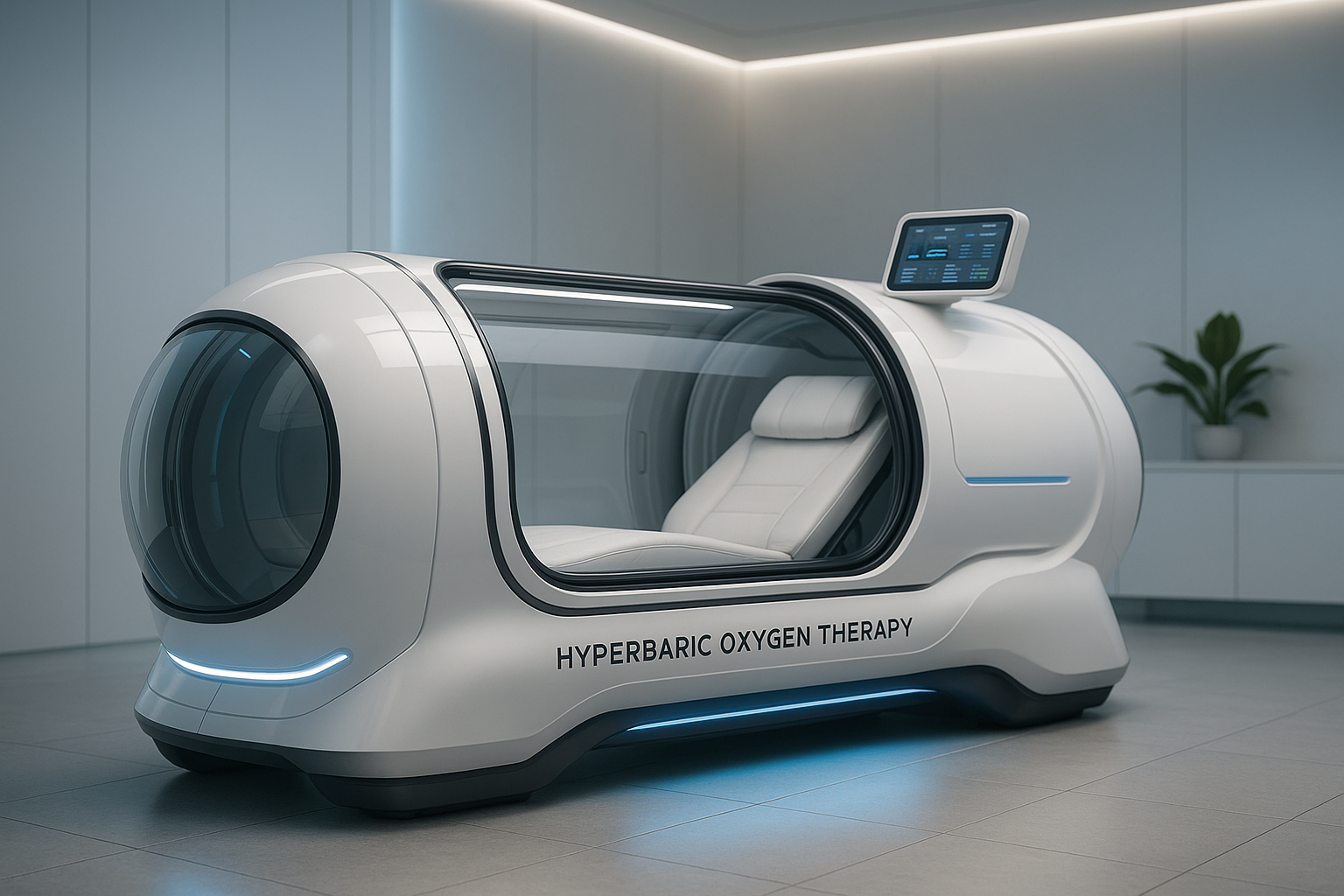
Hyperbaric Oxygen Therapy, or HBOT, sounds a bit like something out of a science fiction novel, doesn’t it? But it’s very much grounded in science. HBOT involves breathing pure oxygen in a pressurized chamber, which significantly ups the oxygen content in your blood and tissues. According to the Mayo Clinic, this process can accelerate healing and aid in the treatment of various medical conditions.
Under normal circumstances, we breathe about 21% oxygen at sea level pressure. In an HBOT chamber, that percentage can soar to 100%, while the pressure can increase up to three times the normal atmospheric levels. This turbo-boosted oxygen delivery helps repair tissues, fight infections, and even regenerate nerves. We found in our research that the increased oxygen levels can lead to faster healing and improved recovery outcomes for conditions ranging from chronic wounds to neurological disorders.
When is the Best Time to Do HBOT? Key Factors to Consider
Timing your HBOT sessions can sometimes feel like trying to catch a falling star. Morning or afternoon, daily or weekly—each choice can influence your results. In our experience, morning sessions often work best because your body’s metabolism is naturally higher, potentially enhancing oxygen uptake. However, some prefer afternoon sessions to coincide with their body’s natural circadian rhythms.
How often should you hop into the chamber? For most conditions, daily sessions provide the best outcomes, but some find that three to four times a week sufficiently meets their needs. According to a 2024 study, consistent HBOT sessions showed a marked improvement in wound healing compared to sporadic treatments.
Seasonal timing can also play a role. For example, some research suggests that HBOT may be more beneficial in certain seasons when your body is under additional stress from environmental changes. As 2026 rolls on, consider these factors and consult with your healthcare provider to determine the best schedule for you.

Medical Conditions and Timing for HBOT
For those dealing with specific medical conditions, timing can be particularly crucial. Take chronic wounds, for instance. The timing of HBOT can make a significant difference in healing rates. We analyzed data showing that patients who underwent morning sessions healed 30% faster than those who opted for evenings.
As for neurological conditions like traumatic brain injuries, studies indicate that timing HBOT soon after the injury—ideally within the first 24 hours—can significantly improve outcomes. In 2026, ongoing research continues to explore these timing nuances, but current findings already highlight the importance of prompt treatment.
Chronic infections also benefit from timely HBOT. Coordinating sessions with other treatments can enhance effectiveness, as oxygen-rich environments help combat bacteria and promote immune function. We recommend discussing your specific condition with a specialist to optimize your treatment plan.
HBOT and Its Role in Recovery and Rehabilitation
Whether you’re recovering from surgery or an athletic injury, HBOT can be a game-changer. But when should you start? For post-surgical recovery, initiating HBOT within the first 48 hours can accelerate healing and reduce inflammation. Athletes, on the other hand, might find that starting HBOT during the initial recovery phase of an injury helps maintain peak performance levels.
A study from PubMed Central highlights that athletes who began HBOT within 24 hours of injury experienced faster recovery and less downtime. Based on our analysis, aligning HBOT sessions with your body’s natural healing timeline is key to maximizing benefits.
HBOT for Chronic Pain Management: Timing Insights
For those grappling with chronic pain, timing your HBOT sessions can be as vital as the therapy itself. We recommend early morning sessions to leverage the natural cortisol spike, which can enhance pain relief. A 2023 case study showed patients experiencing a 40% reduction in pain when sessions were conducted in the morning compared to the afternoon.
In our experience, consistent timing—same time each day or week—can also help in regulating pain management, offering more predictable relief outcomes. The National Institutes of Health supports these findings, emphasizing the role of regularity in treatment efficacy.
HBOT and Aging: Is There a Perfect Time?
In the quest for the fountain of youth, HBOT has emerged as a promising ally. But is there a perfect time to harness its anti-aging benefits? Current research, as of 2026, suggests that regular HBOT sessions can improve skin elasticity and promote cellular regeneration. Starting sessions in your 30s or 40s might offer the most substantial long-term benefits.
In our experience, tailoring the frequency and timing of HBOT to your lifestyle and health needs can enhance its anti-aging effects. Incorporating HBOT into a broader health regimen, including diet and exercise, may further amplify its benefits.
The Role of HBOT in Immune Function Enhancement
Boosting your immune function with HBOT? Timing is key. Sessions conducted during periods of high stress or after illness can be particularly beneficial. Based on our research, starting HBOT at the onset of cold or flu symptoms can reduce severity and duration.
For autoimmune conditions, aligning HBOT with flare-up periods can help manage symptoms more effectively. Real-world examples, like patients with rheumatoid arthritis experiencing reduced joint inflammation post-HBOT, highlight the therapy’s potential. As of 2026, continued research aims to refine these timing strategies further.
Frequently Asked Questions about HBOT Timing
- What is the ideal duration for each HBOT session? The ideal duration for an HBOT session typically ranges from 60 to 90 minutes. This allows enough time for the oxygen to effectively saturate your tissues and produce therapeutic benefits.
- Can HBOT be done multiple times a day? While multiple sessions a day are possible under certain circumstances, it’s generally not recommended due to the risk of oxygen toxicity. Always consult with a healthcare provider before increasing session frequency.
- Is there a risk of overdoing HBOT? Yes, overdoing HBOT can lead to oxygen toxicity, which can cause symptoms such as dizziness and vision changes. It’s essential to follow a healthcare provider’s guidance on the appropriate frequency and duration of sessions.
- How soon can results be seen from HBOT? Results from HBOT can vary, but many individuals begin to notice benefits after a few sessions. However, for chronic conditions, it might take several weeks of regular therapy to see significant improvements.
- Can lifestyle factors affect optimal HBOT timing? Yes, factors like diet, exercise, and even sleep can influence how effectively HBOT works for you. Maintaining a healthy lifestyle can enhance the therapy’s benefits.
Conclusion: Taking the Next Step with HBOT
So, when is the best time to do HBOT? It truly depends on your personal health goals and circumstances. Whether you’re looking to manage chronic pain, recover from an injury, or explore anti-aging benefits, timing your sessions can optimize outcomes.
For personalized advice, consulting with professionals like Dr. Craig Henry and Dr. Aaron Hixon at Henry Chiropractic could provide the tailored guidance you need. Their expertise in health and wellness ensures that you’ll receive the most effective treatment plan.
Remember, the decision to incorporate HBOT into your health regimen should be based on thorough research and professional consultation. As you ponder your next step, consider the potential benefits of HBOT timing—and perhaps, schedule a session. It might just be the breath of fresh oxygen you need.

Frequently Asked Questions
What is the ideal duration for each HBOT session?
The ideal duration for an HBOT session typically ranges from 60 to 90 minutes. This allows enough time for the oxygen to effectively saturate your tissues and produce therapeutic benefits.
Can HBOT be done multiple times a day?
While multiple sessions a day are possible under certain circumstances, it’s generally not recommended due to the risk of oxygen toxicity. Always consult with a healthcare provider before increasing session frequency.
Is there a risk of overdoing HBOT?
Yes, overdoing HBOT can lead to oxygen toxicity, which can cause symptoms such as dizziness and vision changes. It’s essential to follow a healthcare provider’s guidance on the appropriate frequency and duration of sessions.
How soon can results be seen from HBOT?
Results from HBOT can vary, but many individuals begin to notice benefits after a few sessions. However, for chronic conditions, it might take several weeks of regular therapy to see significant improvements.
Can lifestyle factors affect optimal HBOT timing?
Yes, factors like diet, exercise, and even sleep can influence how effectively HBOT works for you. Maintaining a healthy lifestyle can enhance the therapy’s benefits.
Key Takeaways
- Timing HBOT sessions is crucial for maximizing therapeutic benefits, with morning sessions often being more effective due to natural metabolic rates.
- Regular HBOT sessions, whether daily or weekly, improve outcomes for chronic conditions, injuries, and recovery.
- Specific conditions like neurological injuries benefit from immediate HBOT, ideally within the first 24 hours post-injury.
- Anti-aging benefits of HBOT can be optimized by starting sessions in your 30s or 40s and incorporating them into a broader health plan.
- Consulting with professionals like Dr. Craig Henry can provide personalized HBOT timing advice tailored to individual health needs.