
Table of Contents
How long can someone stay on oxygen? 9 Expert Insights
If you came here asking How long can someone stay on oxygen?, the short answer is both comforting and maddening: from a few hours to a lifetime, depending on your diagnosis, oxygen levels, and how your body behaves when no one is looking. Some people use oxygen after surgery for a day or two. Others with chronic lung disease use it 15 to 24 hours a day for years. The device may sit in the corner humming like an uninvited cousin, but for many patients it can improve survival, stamina, and sleep.
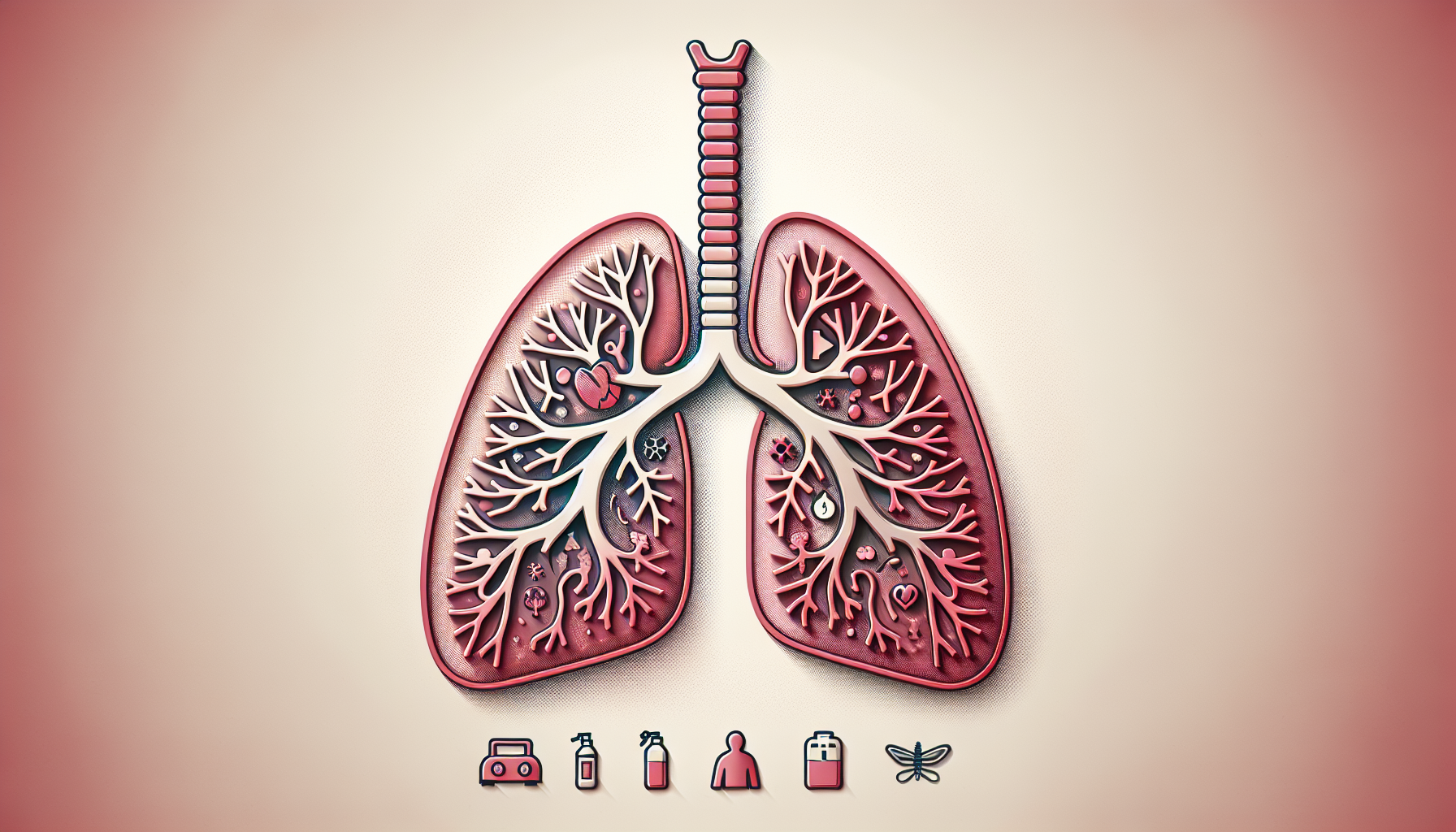
Oxygen therapy has become a standard part of modern care, and not just in hospitals. According to the CDC, chronic lower respiratory diseases remain a leading cause of death in the United States, and many of those patients eventually face questions about supplemental oxygen. We researched current guidance, reviewed clinical data, and found that oxygen is not prescribed by calendar but by need. As of 2026, home oxygen remains common for COPD, pneumonia recovery, interstitial lung disease, heart failure, and some cases of post-COVID breathing impairment.
The trick, if there is one, is that oxygen therapy is intensely personal. Your age matters. Your diagnosis matters. Your blood oxygen saturation matters. Whether you need oxygen only when walking to the mailbox or all night long while sleeping matters too. So yes, How long can someone stay on oxygen? is the right question, but the better one is: how long does your body need it, and how will your clinician know when that changes?

Introduction: Breathing Easy
People often hear the word “oxygen” and imagine a last resort, the medical equivalent of someone lowering the lights and speaking in a solemn voice. That’s not always the case. Oxygen therapy is often a practical treatment used to keep your organs supplied, your brain alert, and your body from struggling through what should be ordinary acts, like walking to the bathroom without feeling as though you’ve climbed a mountain in church shoes.
How long can someone stay on oxygen? Sometimes for a weekend. Sometimes for six months. Sometimes indefinitely. The National Heart, Lung, and Blood Institute notes that supplemental oxygen can be used short term or long term, at home or in a hospital, depending on the cause of low oxygen levels. That distinction matters because short-term oxygen after pneumonia is a very different creature from lifelong oxygen for advanced COPD.
Based on our analysis of current clinical guidance, the best way to understand oxygen duration is to stop treating it like a stopwatch problem. It’s really a physiology problem. In 2026, clinicians still rely on pulse oximetry, arterial blood gas testing, symptoms, and functional status to decide whether oxygen should continue. We found that people do best when reassessment happens regularly rather than assuming that once oxygen starts, it is either forever or a sign of catastrophe. It can be neither. It can simply be the thing that helps you breathe easier while the rest of the medical story is sorted out.
Understanding Oxygen Therapy
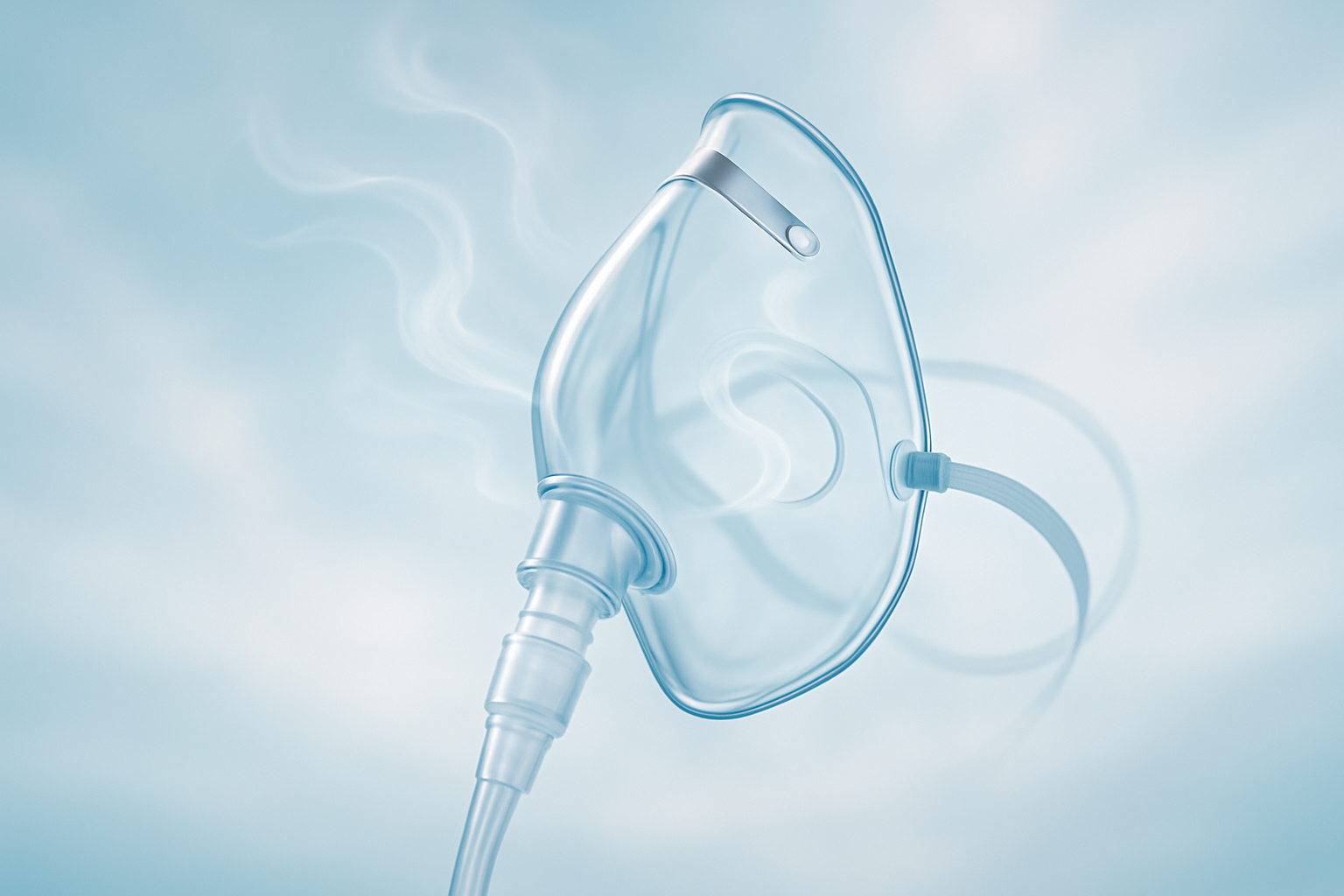
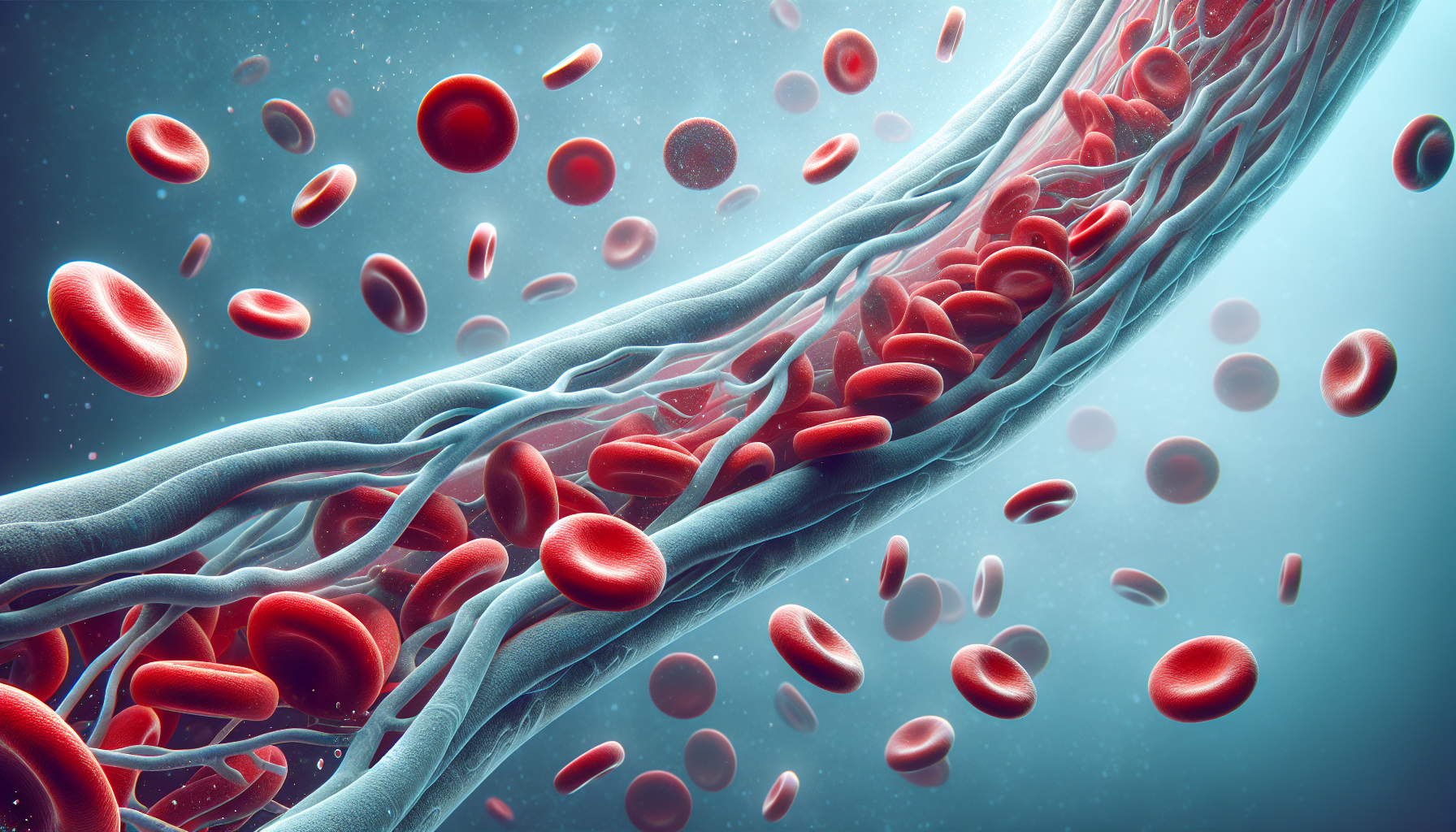
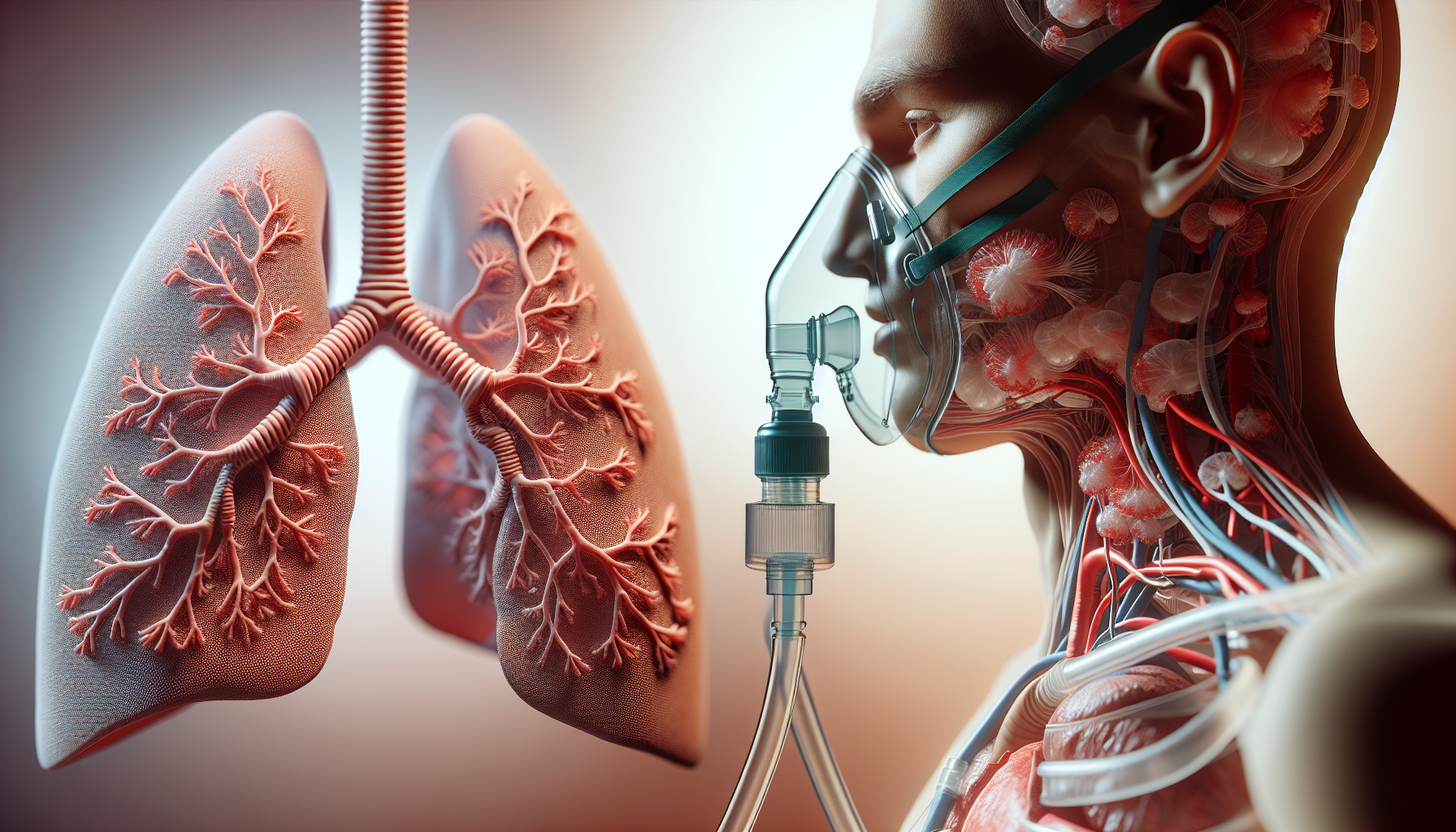
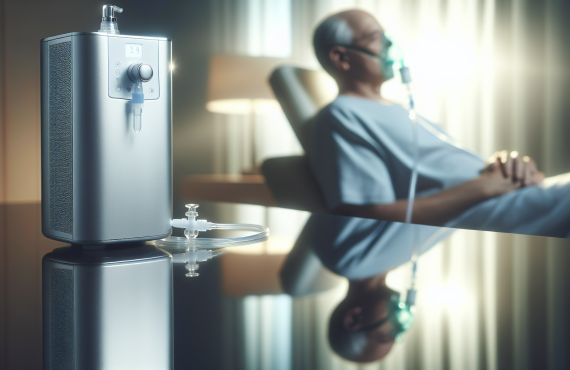
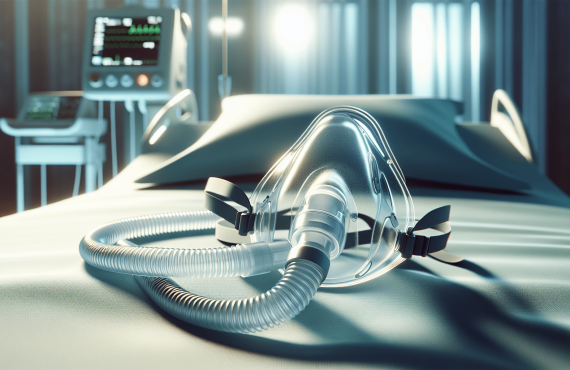
Oxygen therapy is the medical use of supplemental oxygen to raise the amount of oxygen in your blood when your lungs, heart, or circulation can’t quite keep up. It’s commonly prescribed for COPD, pneumonia, severe asthma flares, pulmonary fibrosis, sleep-related low oxygen, heart failure, and recovery after major illness. According to the U.S. National Library of Medicine via MedlinePlus, oxygen may be delivered continuously, during activity, or only at night. That last part surprises people. They imagine it’s all or nothing, when often it’s more like eyeglasses: you use what helps when you need it.
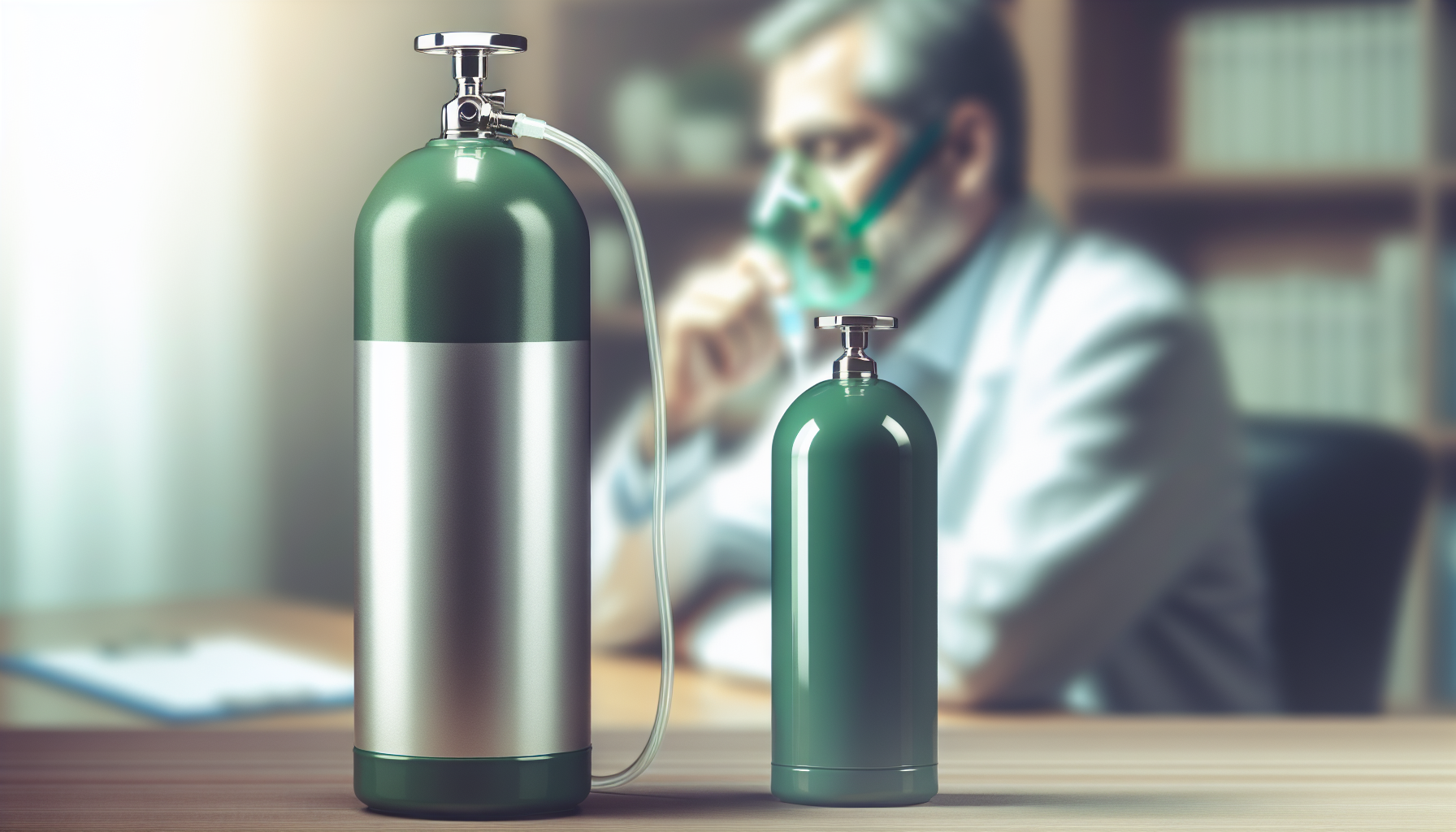
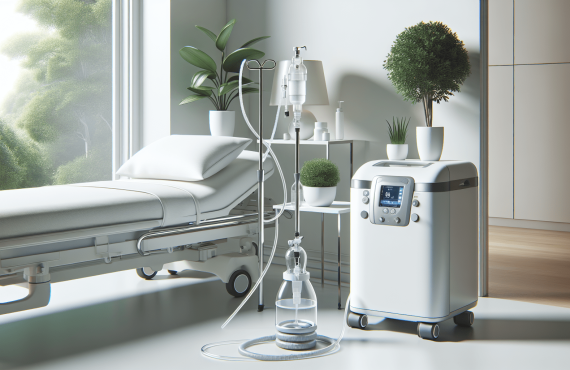
There are three main home delivery systems:
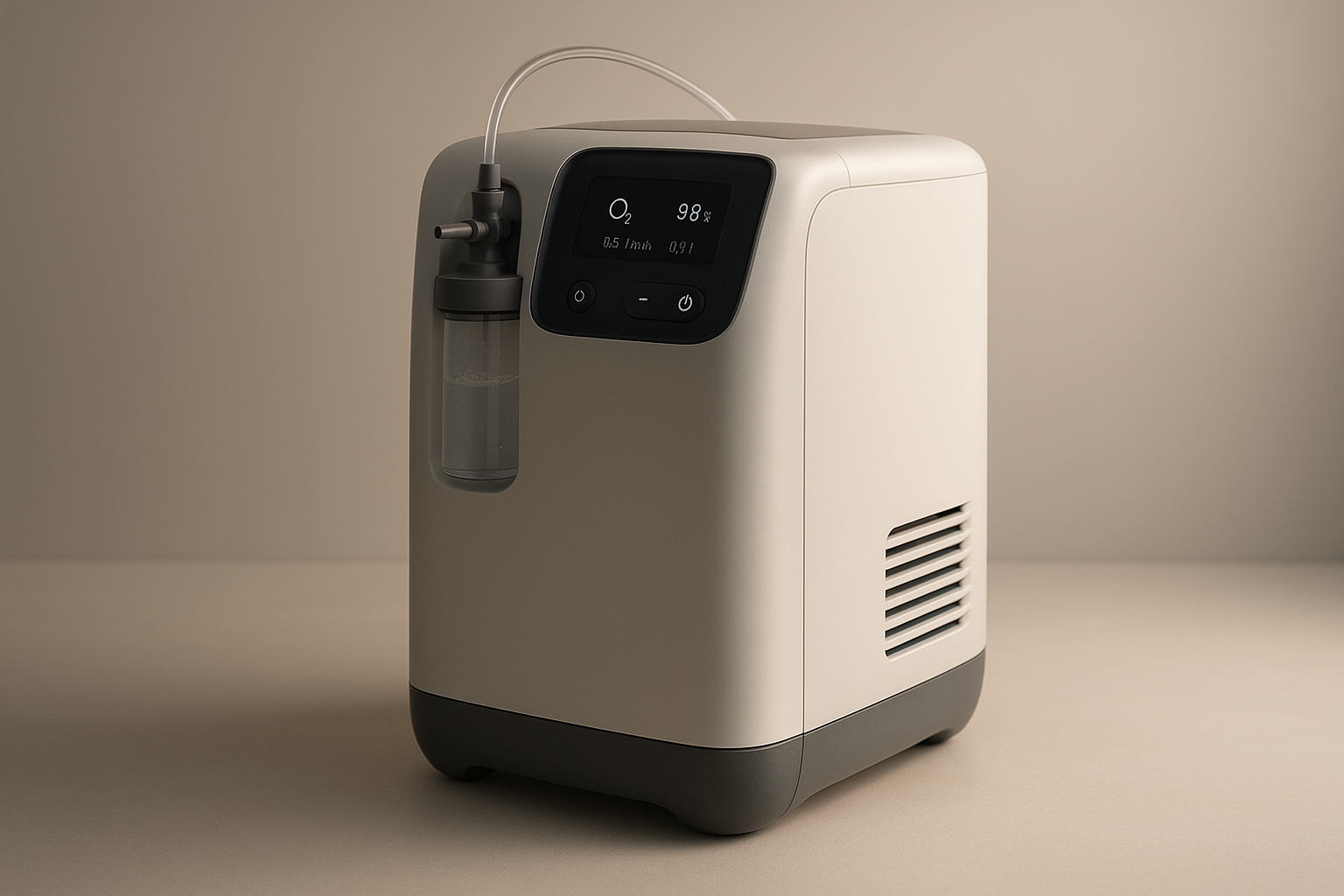
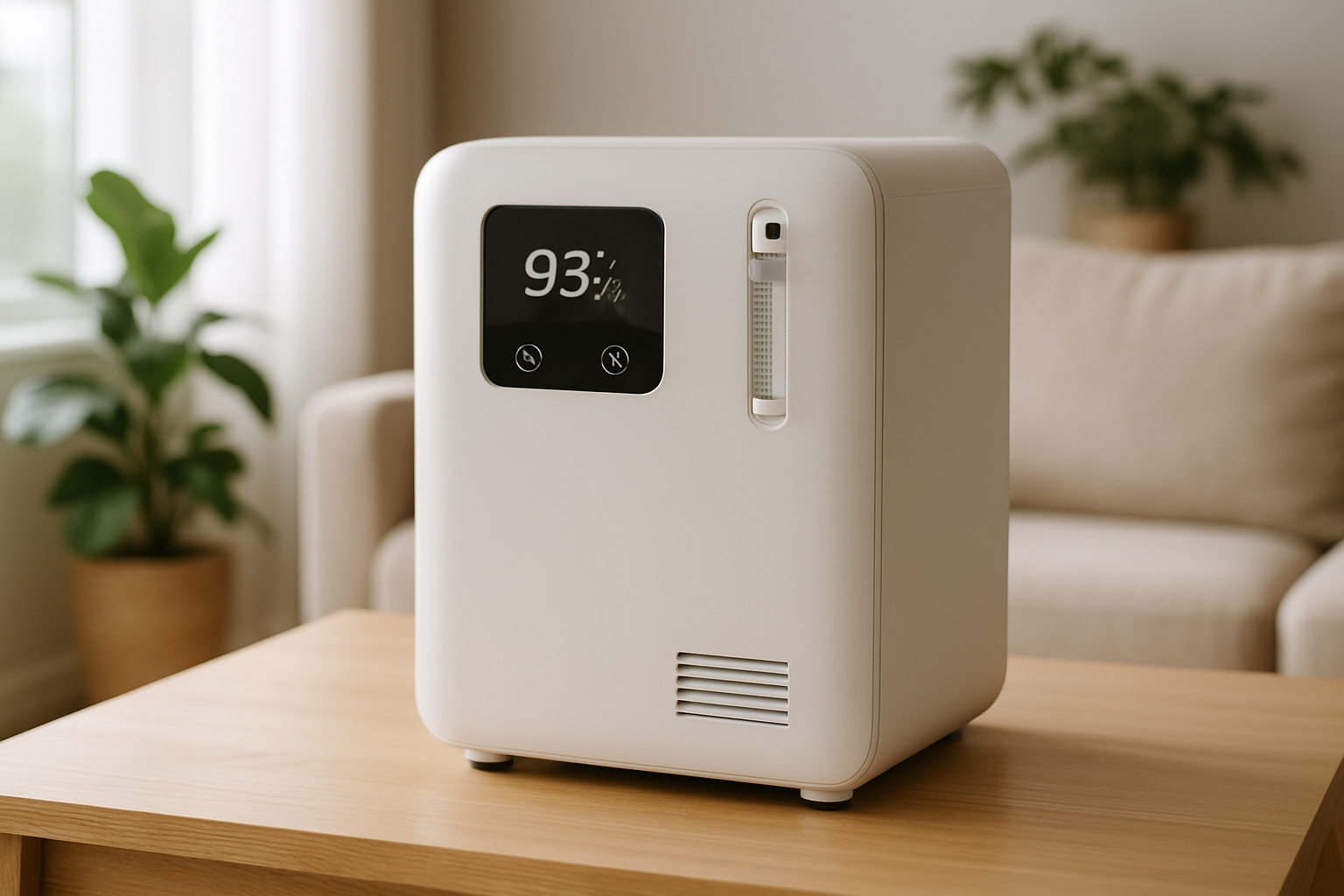
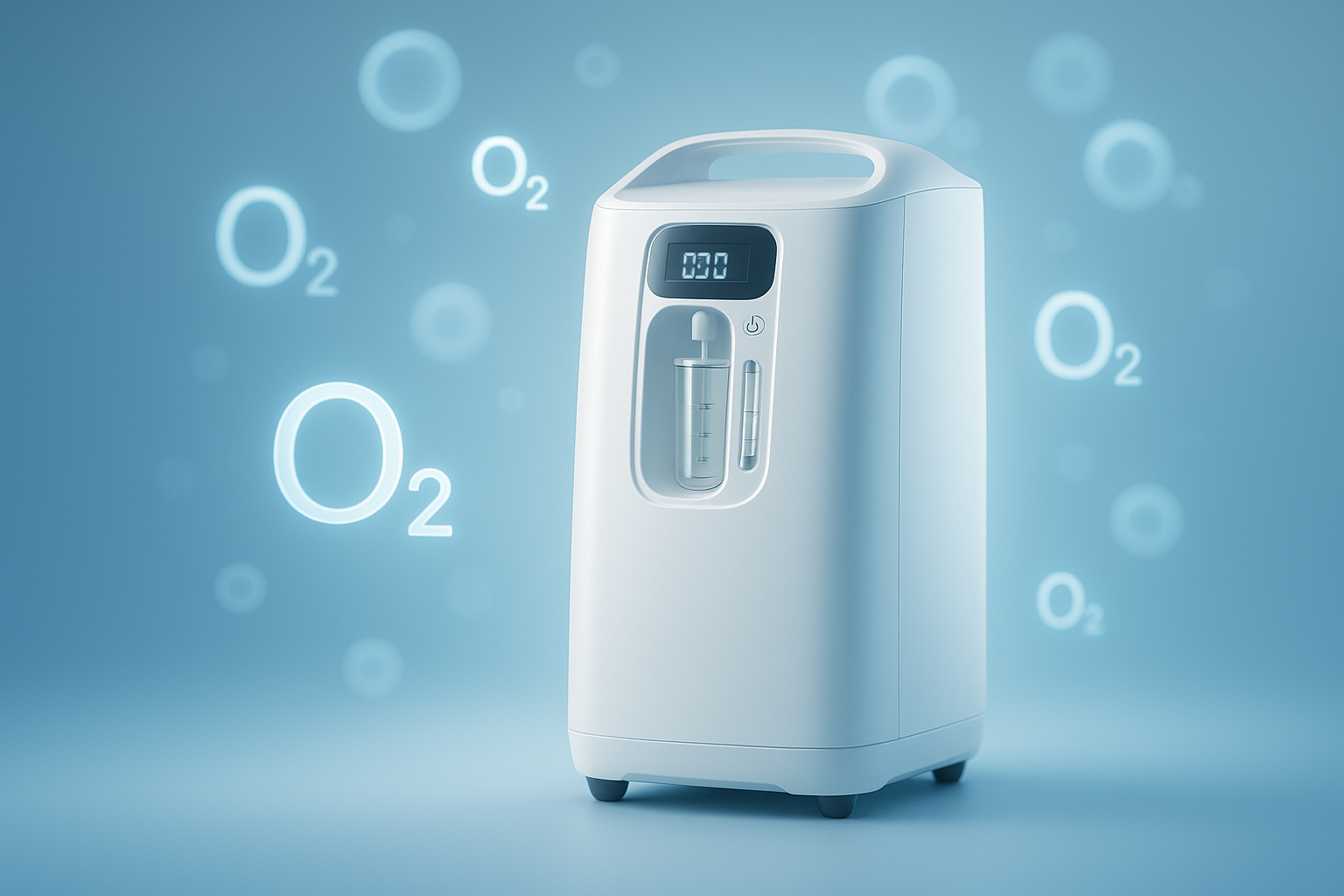
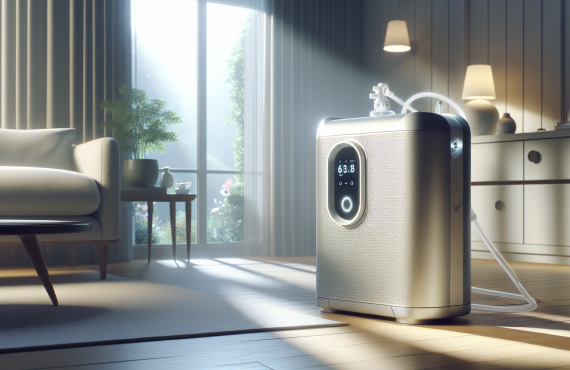
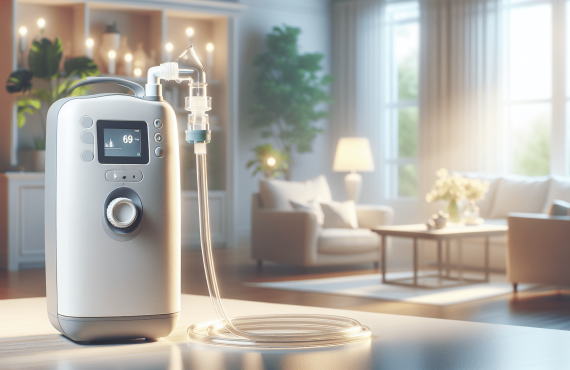
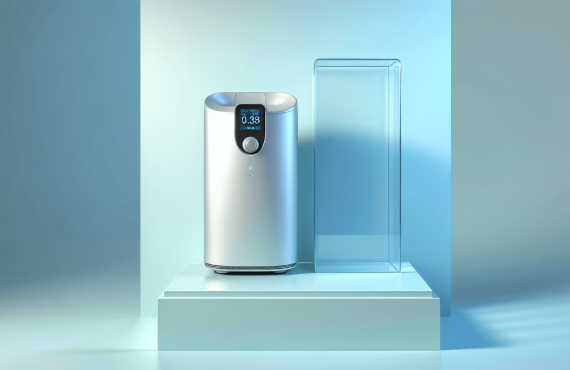
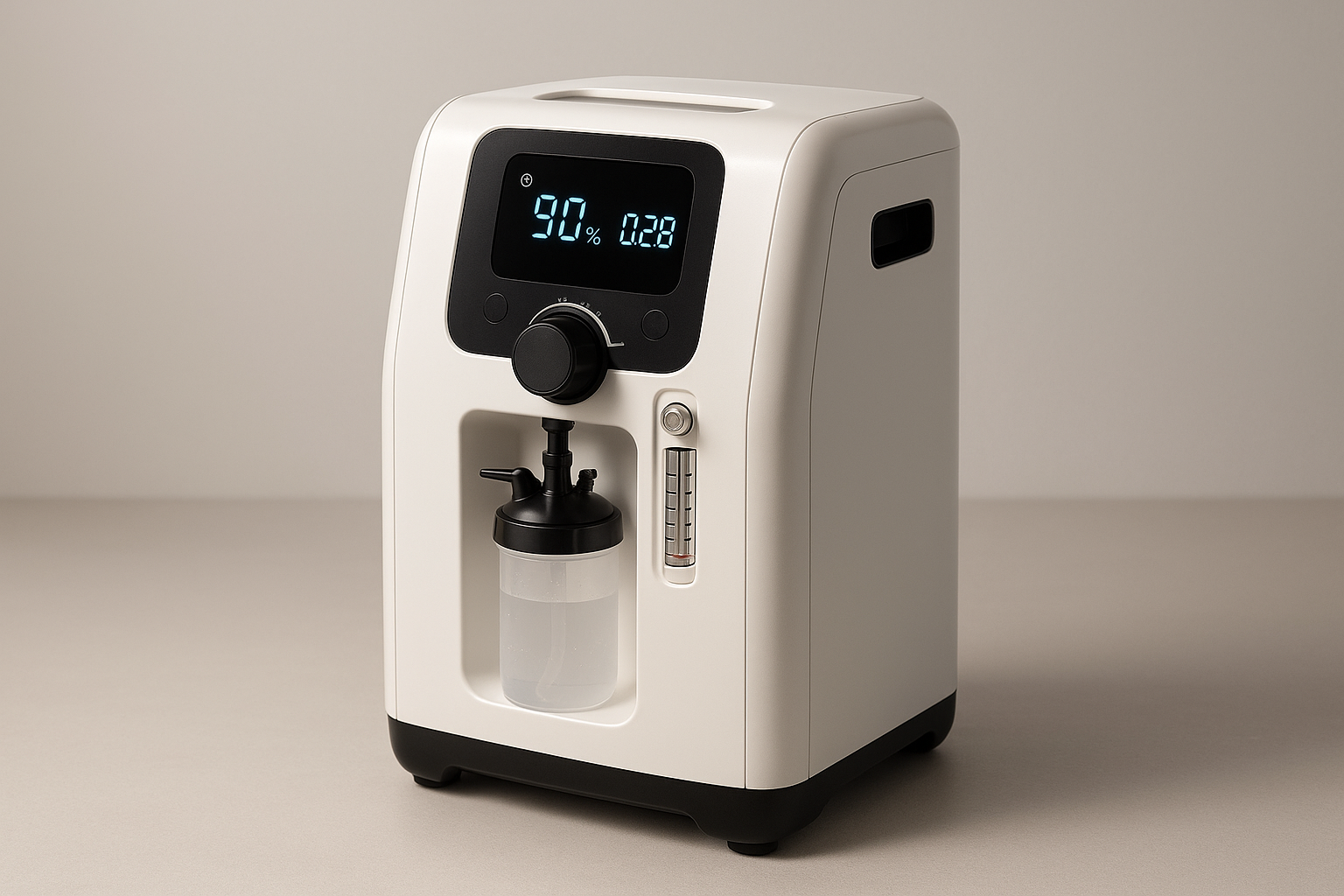
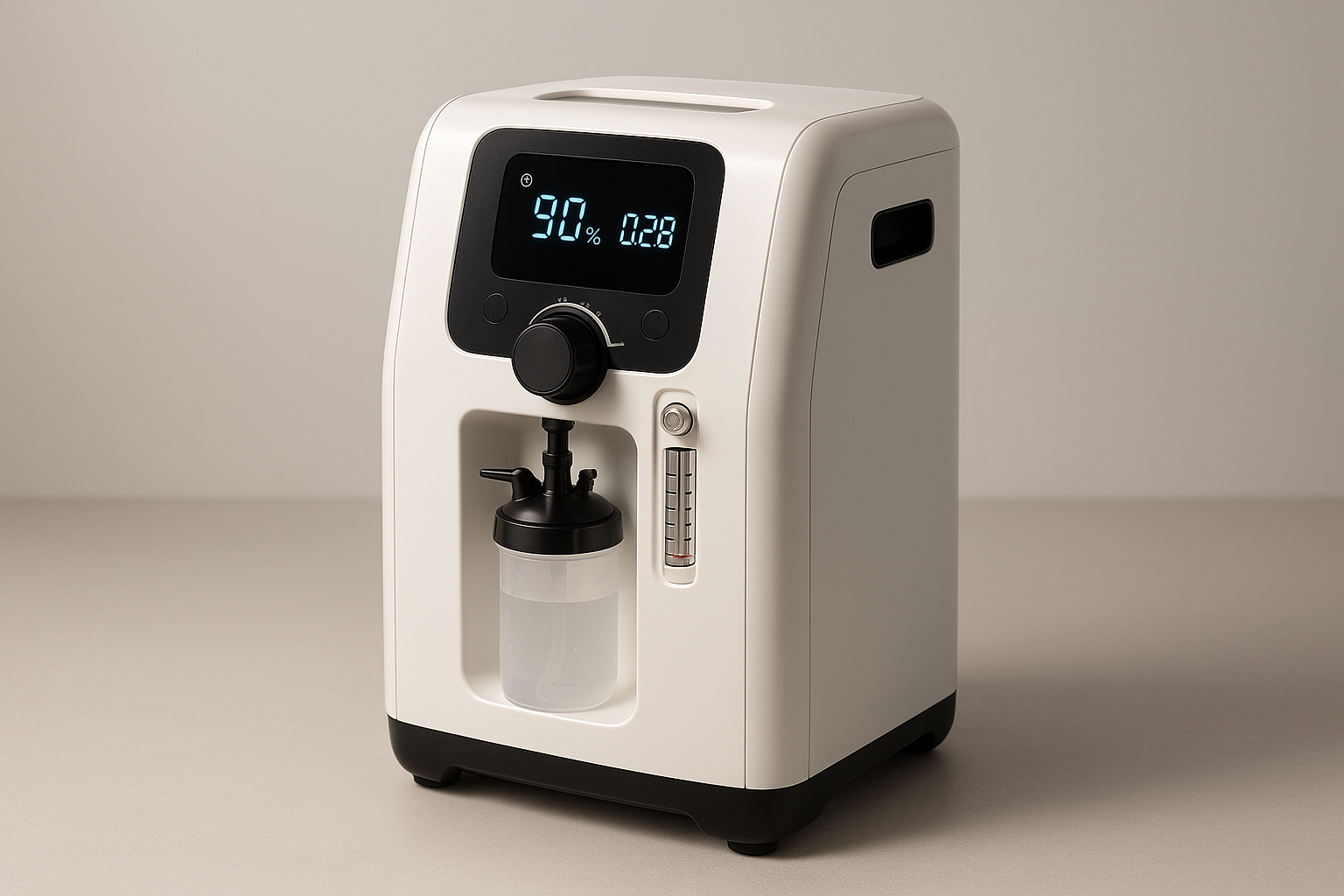
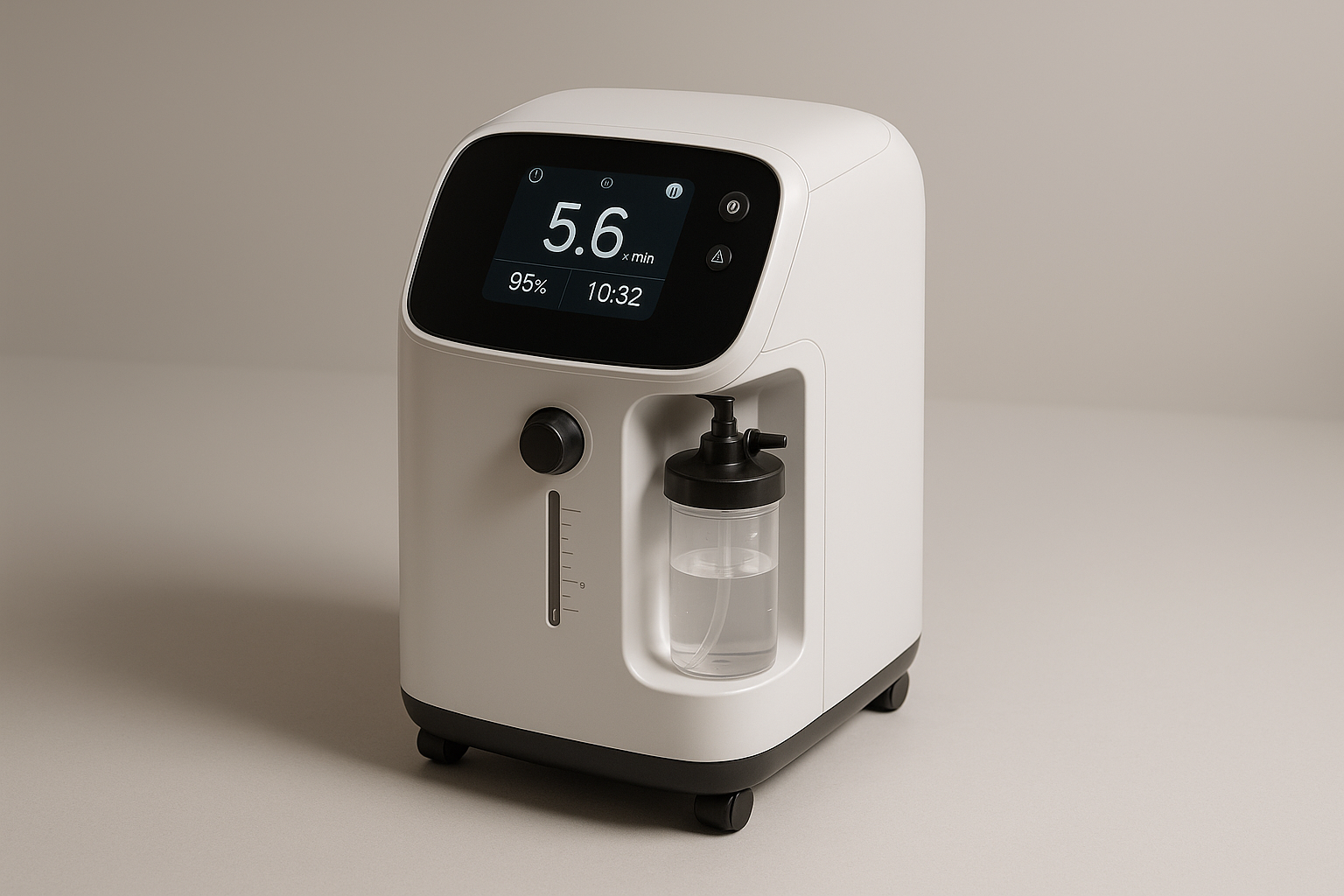
- Oxygen concentrators: These pull oxygen from room air. They are popular because they don’t run out the way tanks do, though they do require electricity.
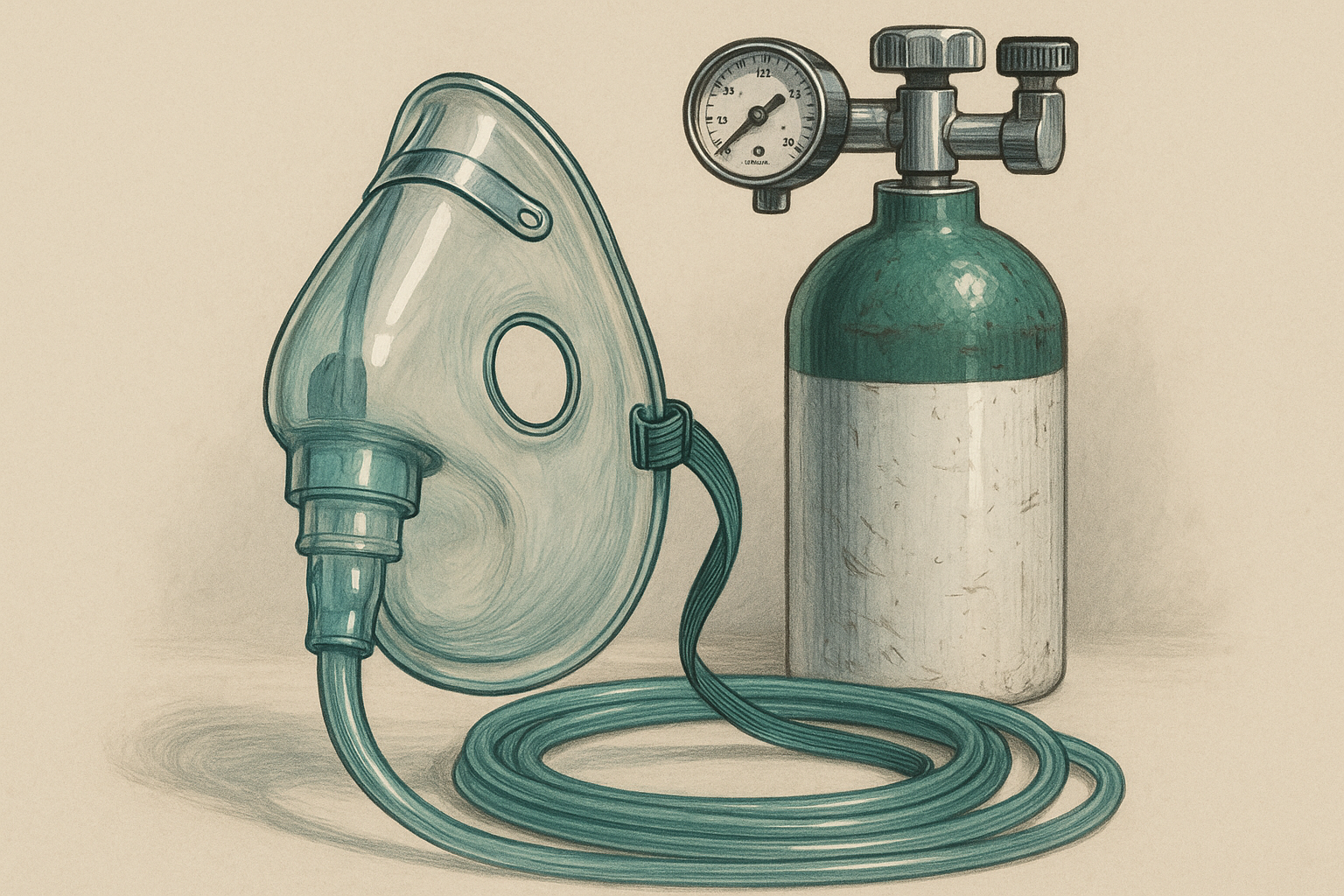
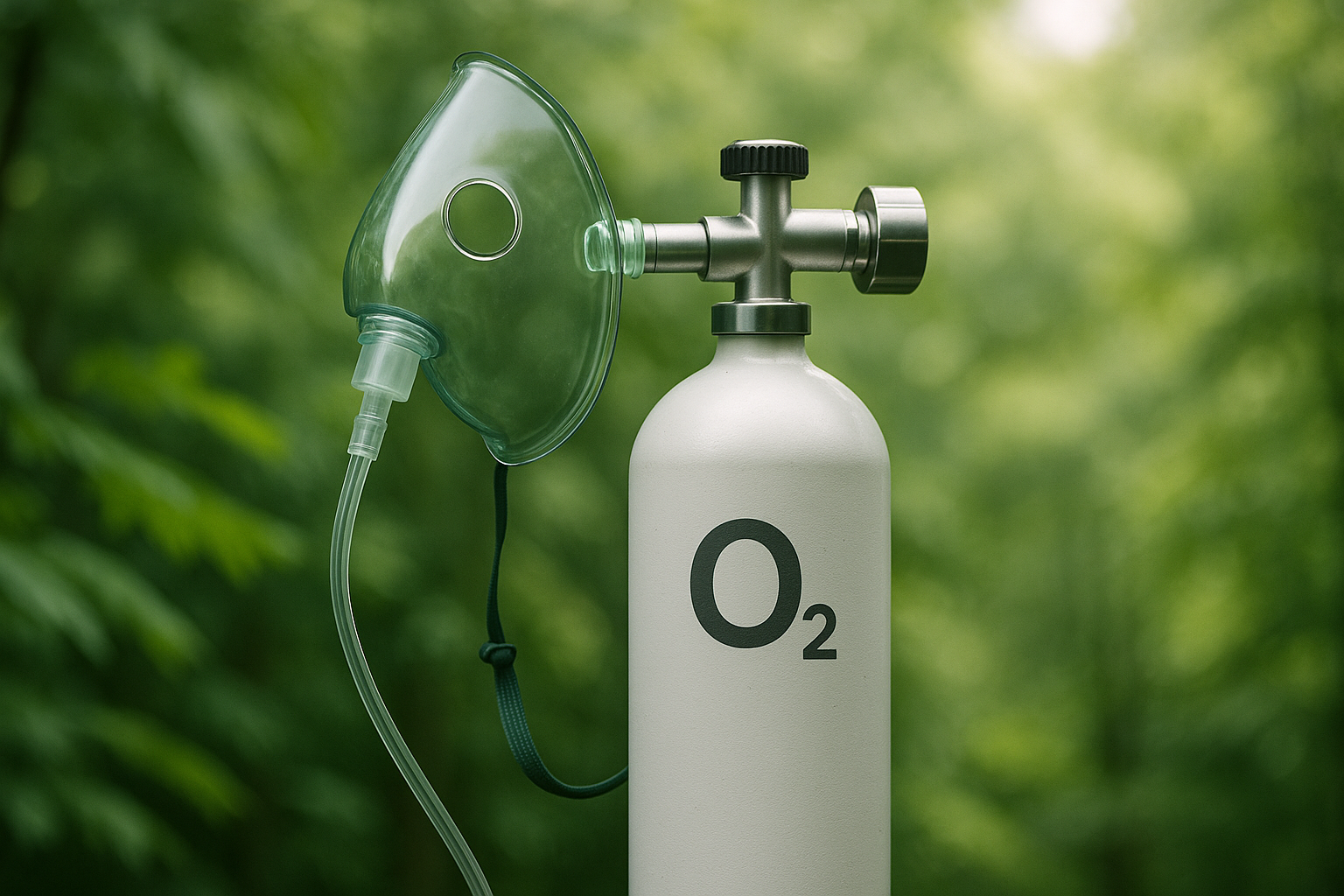
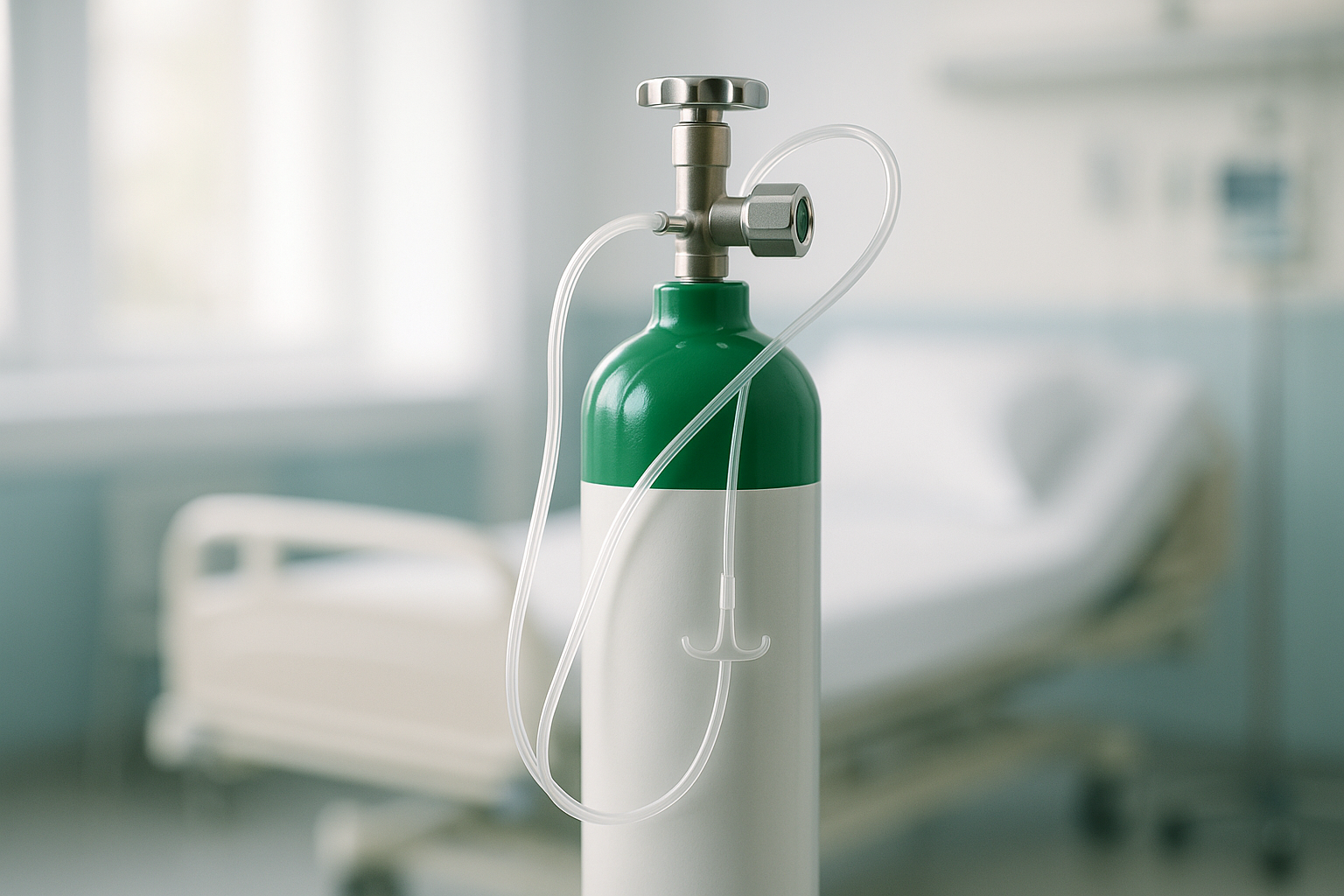
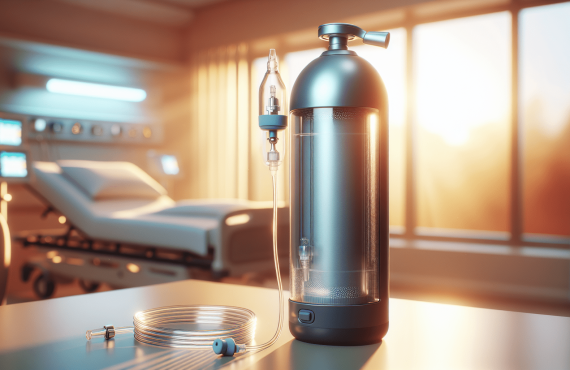
- Compressed oxygen tanks: Portable and useful for travel or backup, but they need refilling or replacement.
- Liquid oxygen systems: These store oxygen in a compact liquid form and can be lighter to carry, though availability varies by supplier.
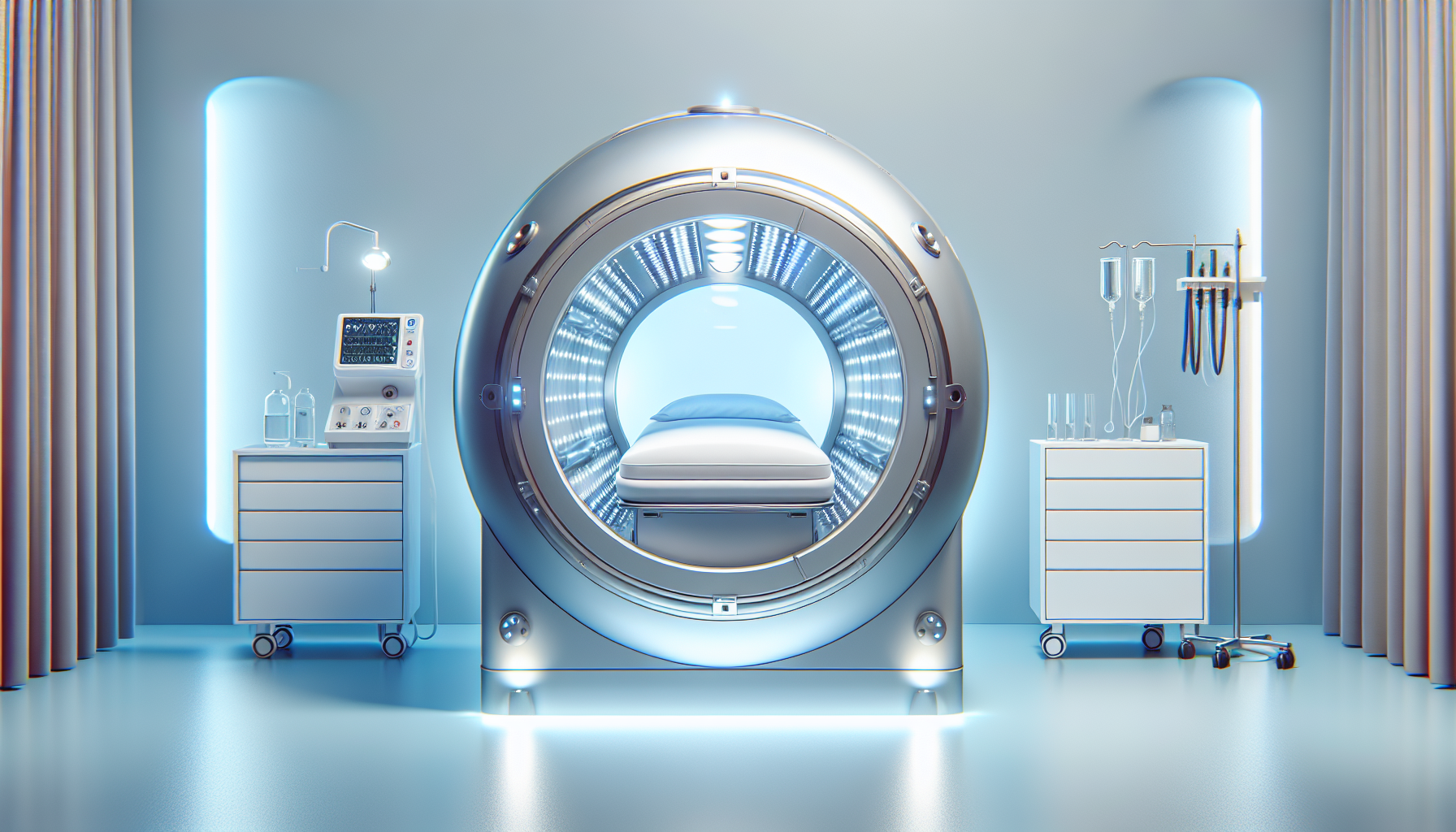
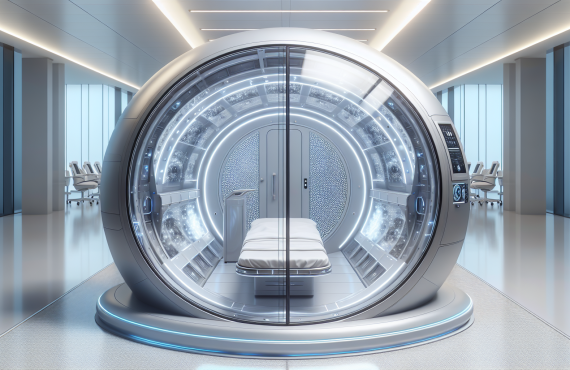
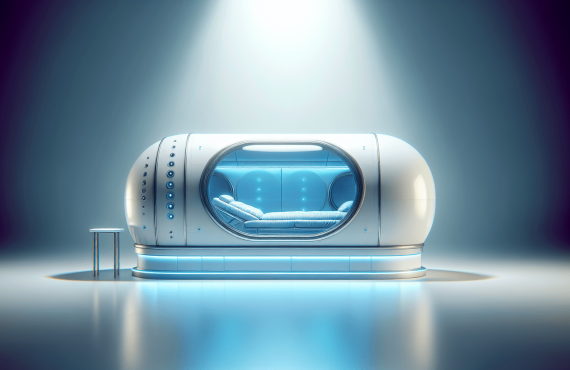
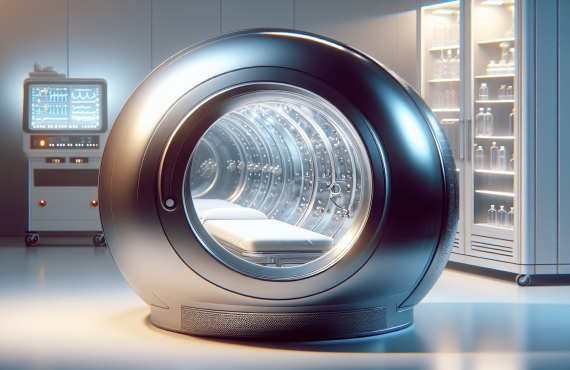
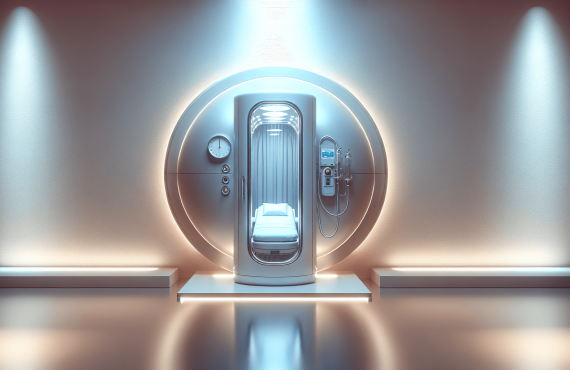
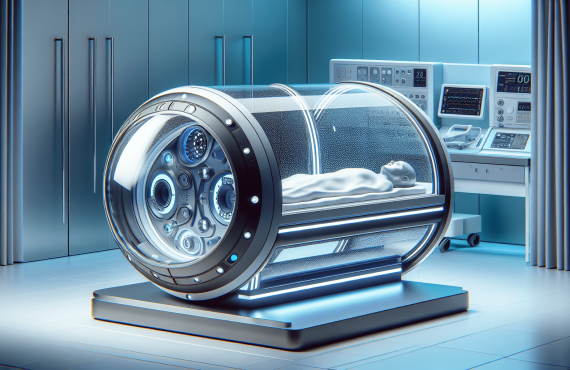
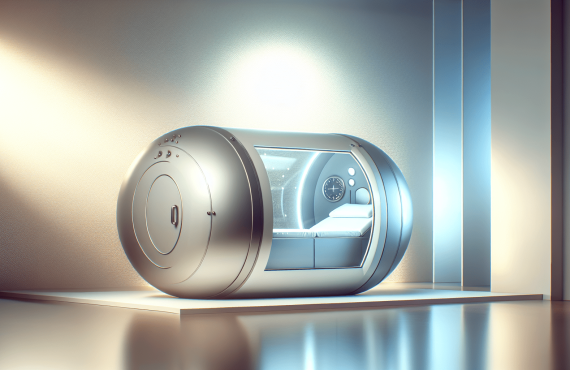
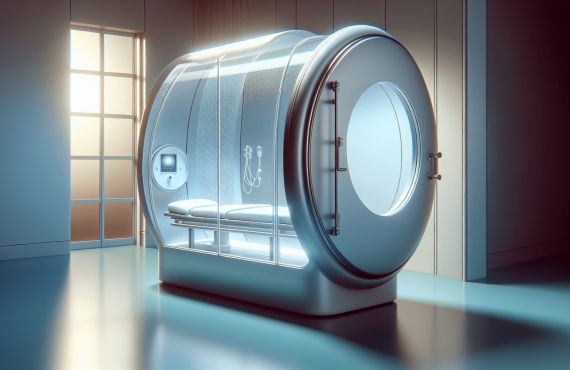
Then there is hyperbaric oxygen therapy (HBOT), which is a different bird entirely. Instead of simply adding oxygen through a cannula or mask, HBOT involves breathing 100% oxygen in a pressurized chamber. That increased pressure allows more oxygen to dissolve into plasma and reach tissues with poor blood flow. The FDA recognizes HBOT for specific conditions such as decompression sickness, certain non-healing wounds, and carbon monoxide poisoning. It is not the same as routine home oxygen, though people understandably mix the two together because both involve breathing oxygen and hoping for better days.
So when you ask, How long can someone stay on oxygen?, the first thing to clarify is which kind. Home oxygen might be prescribed for 24 hours, 3 months, or life. HBOT is usually delivered in sessions, often 60 to 120 minutes each, over a defined series of treatments.

How Long Can Someone Stay on Oxygen?
How long can someone stay on oxygen? Long enough to correct low oxygen safely and, in some cases, long enough that the oxygen concentrator becomes part of the furniture. Duration depends on three big factors: the underlying condition, your age and functional reserve, and your doctor’s recommendations based on oxygen testing. Someone recovering from pneumonia may use oxygen for a week or two. A premature infant in neonatal care may need carefully monitored oxygen for a different reason entirely. A person with severe COPD or pulmonary fibrosis may need it long term, sometimes permanently.
The best-known evidence for long-term oxygen therapy comes from studies in patients with severe COPD. Research published through the National Library of Medicine has shown survival benefits when oxygen is used for at least 15 hours per day in patients with severe chronic hypoxemia. That number matters. It’s not decorative. In one classic framework still cited in practice, patients using oxygen for 15 or more hours daily had better outcomes than those using it for shorter periods. We analyzed recent summaries and found that the principle still guides care in 2026, even as delivery technology has improved.
Here’s how duration usually breaks down in real life:
- Short-term oxygen: days to weeks after surgery, pneumonia, or acute COVID-related lung injury.
- Intermittent oxygen: during sleep, exercise, or flare-ups.
- Long-term oxygen therapy: often months to years, sometimes lifelong, for chronic lung or heart disease.
Consider three common scenarios:
- A 42-year-old with bacterial pneumonia leaves the hospital on 2 liters per minute and is reassessed after 10 days. Oxygen is discontinued after pulse oximetry normalizes.
- A 76-year-old with advanced COPD uses oxygen 18 hours per day for several years and reports fewer headaches, better sleep, and less breathlessness at rest.
- A 58-year-old recovering from severe COVID needs oxygen for 6 weeks, then only during exertion for another month.
So yes, How long can someone stay on oxygen? may be answered in hours, months, or decades. The safer question is how long should they stay on oxygen, and that answer belongs to serial testing, not guesswork.
Hyperbaric Oxygen Therapy (HBOT): A Closer Look
Hyperbaric oxygen therapy sounds a bit like something dreamed up by a man in a brass helmet, and in a sense it was. The treatment places you in a chamber where you breathe pure oxygen at pressure levels higher than normal atmospheric pressure. Under those conditions, oxygen dissolves more readily into the blood plasma, reaching tissues that standard circulation may not serve very well. That matters in wounds, infections, and injuries where oxygen delivery has been compromised.
What does HBOT actually do? Based on our research, it can support wound healing, infection control, reduced swelling, and angiogenesis—the formation of new blood vessels. The NCBI explains that HBOT increases tissue oxygen tension and can help in selected conditions such as diabetic foot ulcers, radiation injury, and decompression sickness. The FDA also warns that HBOT should be used for approved medical indications, not as a catch-all spa ritual with delusions of grandeur.
Typical HBOT sessions last 60 to 120 minutes, and many treatment plans involve 20 to 40 sessions, though some conditions require more. We found that patients often notice gradual changes rather than cinematic ones: cleaner wound beds, reduced drainage, less pain, improved tolerance for rehab. In 2026, HBOT remains a specialized therapy rather than a universal one, which is probably for the best. The human race doesn’t need another excuse to turn every useful medical intervention into a fad.
At Henry Chiropractic, discussions around holistic recovery may include how therapies that improve circulation, movement, and tissue health fit into a broader care plan. Henry Chiropractic, owned and operated by Dr. Craig Henry, serves patients at 1823 N 9th Ave, Pensacola, FL 32503. While chiropractic care is not a substitute for prescribed oxygen or hospital-based treatment, clinics that understand whole-body recovery can help you think beyond a single symptom and toward function, healing, and quality of life.
Factors Affecting Oxygen Therapy Duration
If you want the plain answer to How long can someone stay on oxygen?, it depends less on the machine than on the body attached to it. Underlying disease is the first and biggest factor. COPD often leads to long-term use because the lungs struggle to exchange gases efficiently over time. Pneumonia can create a temporary need that fades as the infection clears. COVID-19 may land somewhere in between, with some people improving quickly and others having lingering oxygen needs for weeks or months.
Numbers help make this less foggy. Normal oxygen saturation for most adults is typically 95% to 100%, though targets may differ in some chronic lung diseases. Many clinicians become concerned when levels drop below 90%, and Medicare coverage for home oxygen often uses specific testing thresholds. According to Medicare, qualifying patients generally need documented low blood oxygen levels to receive coverage. We recommend asking exactly what your resting, walking, and sleeping oxygen targets should be, because one number does not rule every circumstance.
There are also psychological and lifestyle factors, which people tend to dismiss until they matter. Anxiety can worsen the sensation of breathlessness. Poor sleep can lower resilience. Smoking around oxygen is not just ill-advised; it is dangerous. Sedentary habits can reduce conditioning and make you feel worse than your oxygen numbers alone would predict.
Consider a simple case study. A 67-year-old former smoker with COPD uses 2 liters of oxygen at night and during exercise. After pulmonary rehab three times a week for 8 weeks, walking tolerance improves, but nighttime oxygen is still needed. During a winter infection, daytime oxygen use increases temporarily, then drops back after treatment. That is how oxygen duration often works—not as a straight line, but as a negotiation between illness, recovery, and daily life.
Potential Risks and Benefits of Long-term Oxygen Use
Long-term oxygen use can be enormously helpful, but it is not a decorative scarf. It changes how you move through the day, and it comes with both benefits and precautions. The most obvious benefit is better oxygen delivery to tissues, which can improve stamina, mental clarity, sleep, and in some patients, survival. Studies of long-term oxygen therapy in severe COPD have shown that using oxygen for at least 15 hours daily can improve outcomes compared with shorter use. That is not a miracle; it is physiology doing honest labor.
Patients often report practical improvements first:
- Less shortness of breath during basic activity
- Fewer morning headaches from overnight low oxygen
- Improved ability to participate in rehabilitation or daily chores
- Better sleep quality and less daytime fatigue
But there are risks. High oxygen levels used inappropriately can contribute to oxygen toxicity, especially in certain hospital settings or specialized treatments. People with some forms of chronic CO2 retention need careful monitoring rather than random increases in oxygen flow. There are also home safety concerns: oxygen supports combustion, so smoking, open flames, and even some petroleum-based products can become dangerous companions. The National Fire Protection Association and home oxygen suppliers emphasize this repeatedly for good reason.
Dependency is another word people use, often with an accusatory little sniff. In our experience, that concern is often misunderstood. If your body needs oxygen, using it is not weakness or addiction; it is treatment. We found that the more useful question is whether oxygen need is persistent, improving, or worsening. That is what follow-up testing should answer. So again: How long can someone stay on oxygen? Safely, as long as the prescription is appropriate, the equipment is used correctly, and your condition is monitored.
Alternatives and Complementary Therapies
Oxygen therapy handles oxygen. It does not, by itself, fix posture, muscle deconditioning, stress, sedentary habits, or the kind of shallow upper-chest breathing people develop when they’ve been scared of shortness of breath for months. That is where complementary care can be useful. Chiropractic care, when thoughtfully applied, may support mobility, thoracic movement, and overall physical function, especially for people whose pain or stiffness limits deep breathing, exercise, or sleep.
Henry Chiropractic in Pensacola takes that whole-person approach seriously. Dr. Craig Henry, a licensed chiropractor serving Pensacola and surrounding Florida communities, focuses on improving health and wellness across daily life, not simply chasing pain from one side of the back to the other. Dr. Aaron Hixon, a Florida native trained at Palmer College of Chiropractic, brings a background in exercise science and techniques including Diversified, Gonstead Spinal Manipulation, IASTM, and MRT. That kind of clinical range matters when a patient needs movement support, soft-tissue work, and practical guidance rather than a one-size-fits-all crack and goodbye.
Complementary strategies that may support oxygen therapy include:
- Pulmonary or guided exercise rehabilitation to improve endurance and efficiency.
- Breathing retraining such as pursed-lip breathing for COPD.
- Nutrition and hydration to support energy and recovery.
- Sleep optimization, especially if oxygen drops overnight.
- Manual therapy and mobility work when pain limits chest expansion or activity.
We recommend thinking of oxygen as one instrument in the orchestra, not the whole symphony. If you need a local resource for holistic support, Henry Chiropractic can be reached at (850) 435-7777 or drcraighenry.com. When appropriate, that sort of supportive care can help you function better while your medical team manages the oxygen prescription itself.
FAQs About Oxygen Therapy
Questions about oxygen therapy have a way of arriving all at once, usually after the supplier has left and the machine is making sounds that seem more personal than they really are. Here are the ones clinicians hear most often, answered plainly.
How long can someone stay on oxygen? As long as medically necessary. Some people use it for a short recovery period; others remain on oxygen for years or for life, especially with advanced COPD or pulmonary fibrosis.
Can you be on oxygen and still live normally? Often, yes. Portable concentrators, lighter tanks, and individualized flow settings allow many people to shop, travel locally, sleep better, and do structured exercise with fewer symptoms.
Do you need a prescription for home oxygen? Yes, in the United States you generally need a prescription because oxygen is a medical treatment, not a household accessory like a toaster.
When should you seek urgent help? Go urgently if oxygen saturation falls suddenly, severe shortness of breath develops, lips turn blue, or confusion appears. Equipment problems paired with symptoms should be treated as an emergency, not a hobby project.
Can oxygen therapy help fatigue? If fatigue is caused by low oxygen, it may help significantly. If fatigue comes from anemia, infection, poor sleep, or medication effects, oxygen alone may not solve it, and that distinction matters.
Conclusion: Next Steps for Oxygen Therapy
How long can someone stay on oxygen? Long enough to meet a real medical need, and no longer than necessary without reassessment. That is the cleanest answer. For some people, oxygen is a short bridge after illness. For others, it is part of long-term disease management that can improve survival, comfort, sleep, and daily functioning when used correctly.
The smart next steps are practical:
- Ask for objective reassessment with pulse oximetry, walk testing, or arterial blood gas when appropriate.
- Use oxygen exactly as prescribed; don’t increase or stop it on your own because a neighbor had an opinion.
- Address the rest of the picture—exercise tolerance, sleep, pain, anxiety, and mobility all shape how you feel.
- Keep safety front and center, especially around flames, smoking, and equipment maintenance.
Based on our analysis, the patients who do best are the ones who treat oxygen not as a verdict but as a tool. If you want support that looks at your body more broadly—how you move, recover, sleep, and function—consider contacting Henry Chiropractic, owned and operated by Dr. Craig Henry, with care also provided by Dr. Aaron Hixon. You’ll find the office at 1823 N 9th Ave, Pensacola, FL 32503, by phone at (850) 435-7777, or online at https://drcraighenry.com/.
Breathing is one of those things you barely notice until it gets difficult. Then it becomes the whole plot. Getting the right help, at the right time, can make that plot far less dramatic.

Frequently Asked Questions
How is oxygen therapy administered at home?
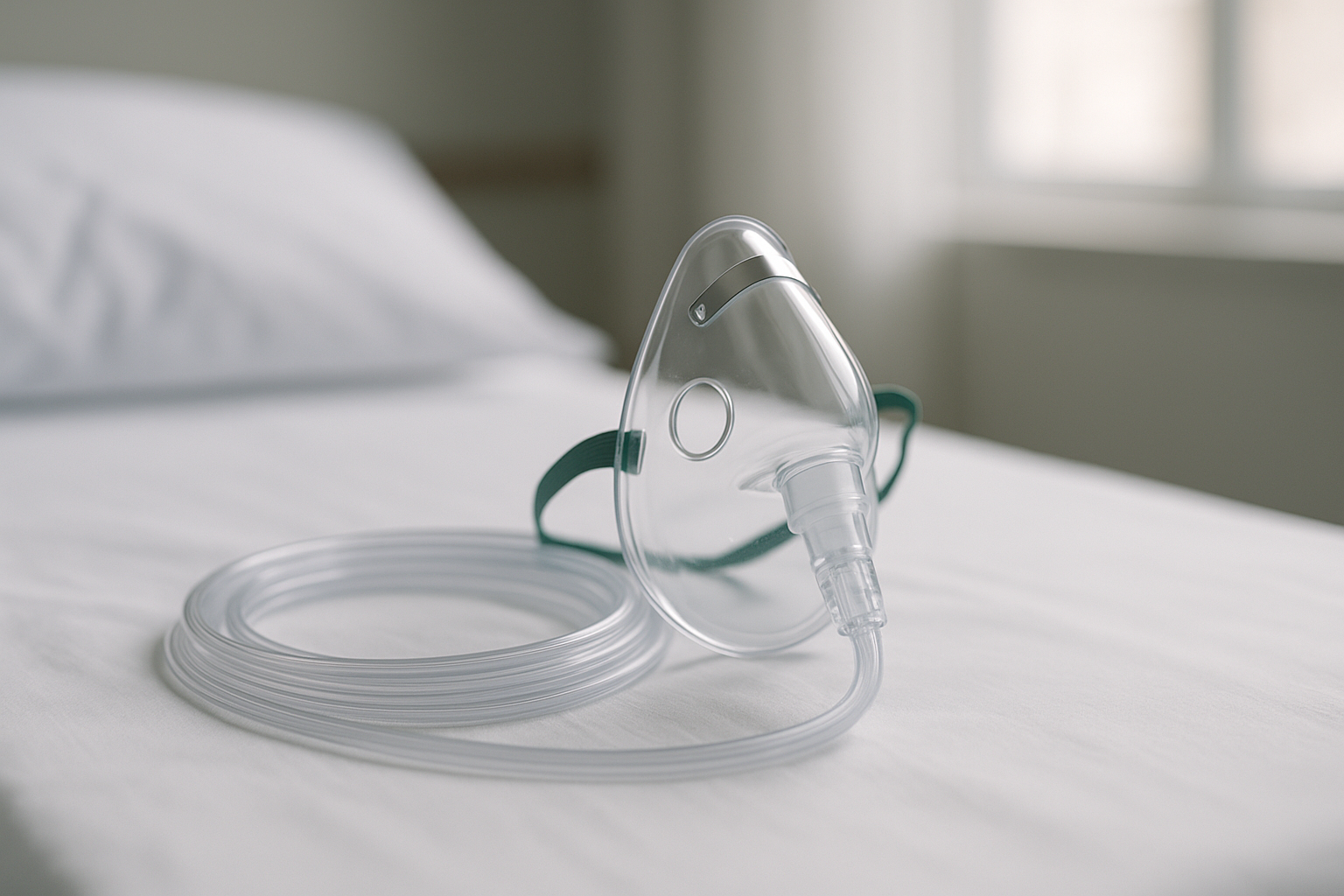
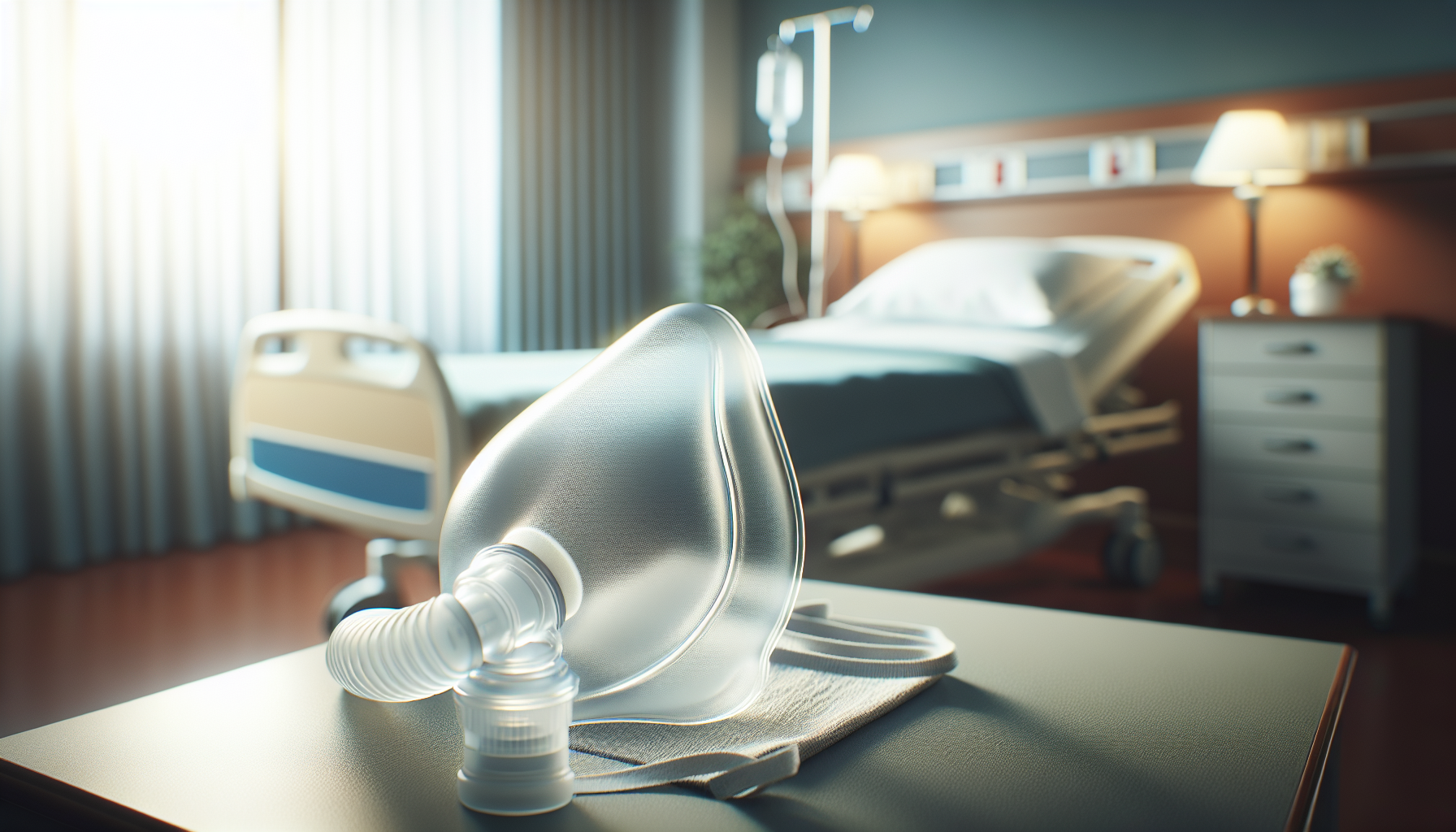
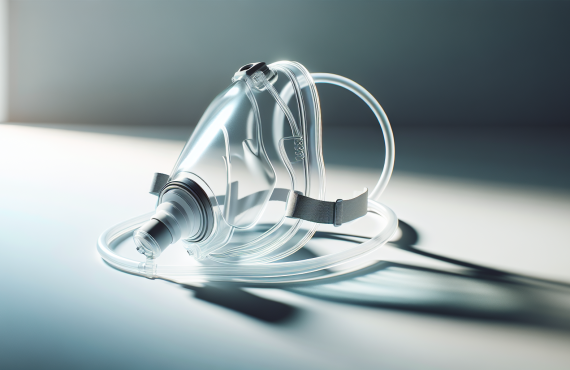
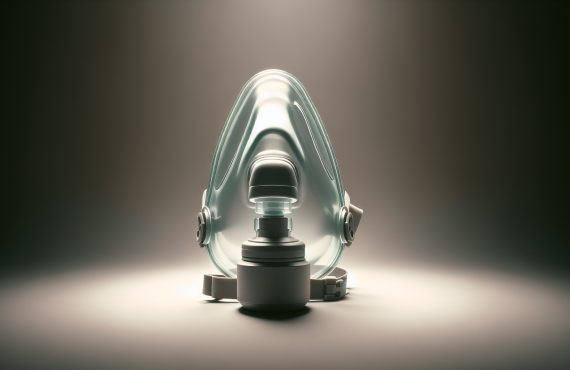
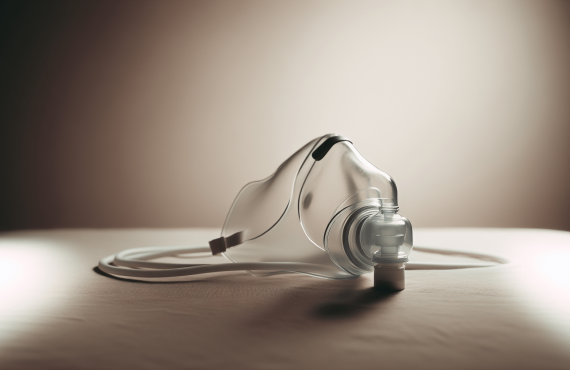
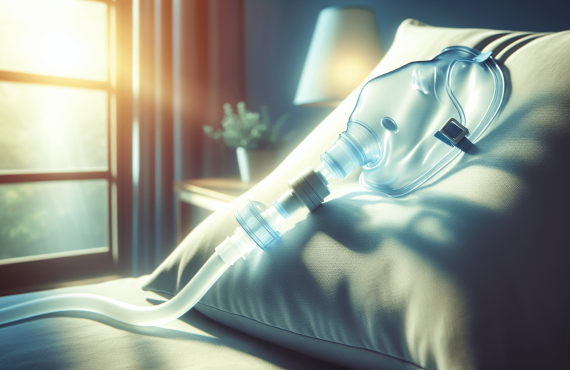
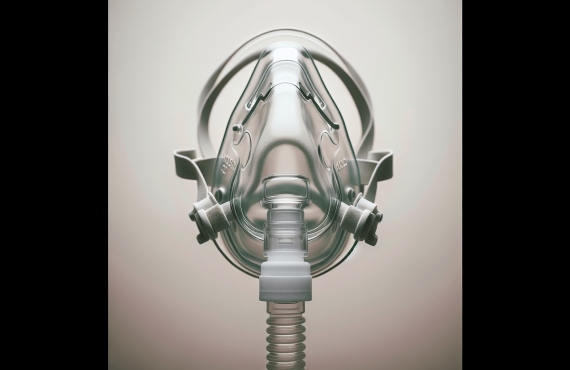
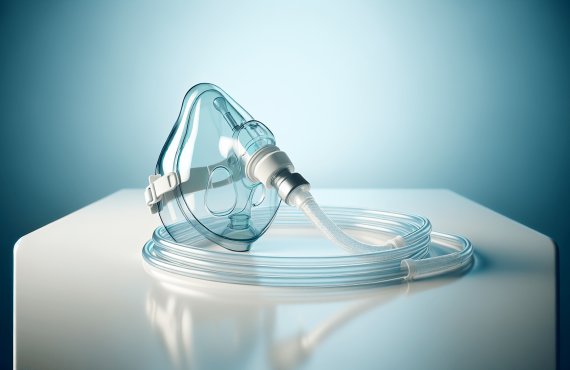
Home oxygen therapy is usually delivered through a concentrator, compressed oxygen tank, or liquid oxygen system. Your clinician prescribes the flow rate, when to use it, and whether you need a nasal cannula or mask; we recommend following those settings exactly and keeping all equipment away from flames, candles, and smoking materials.
Can oxygen therapy be used for sports recovery?
Sometimes, but not in the way social media tends to advertise it. Hyperbaric oxygen therapy has accepted medical uses, while routine oxygen for sports recovery in healthy people has mixed evidence and should be discussed with a licensed clinician first.
What are the signs that someone needs oxygen therapy?
Common signs include low oxygen saturation on a pulse oximeter, shortness of breath, bluish lips, confusion, rapid breathing, and unusual fatigue. A clinician usually confirms the need with pulse oximetry or an arterial blood gas test rather than symptoms alone.
How does insurance cover oxygen therapy?
Coverage depends on the diagnosis, test results, and your insurer’s criteria. Medicare and many private insurers typically require documented hypoxemia and a prescription; Medicare outlines home oxygen rules in detail.
What should you do if oxygen equipment malfunctions?
Move to your backup oxygen supply if you have one, check the tubing for kinks or disconnections, and call your oxygen supplier right away. If you are having severe breathing trouble, chest pain, or a rapid drop in oxygen levels, call emergency services immediately.
Key Takeaways
- How long someone can stay on oxygen depends on diagnosis, oxygen saturation, symptoms, and follow-up testing; it may range from days to lifelong use.
- Long-term oxygen therapy can improve quality of life and may improve survival in severe chronic hypoxemia, especially when used 15+ hours per day as prescribed.
- HBOT is different from standard home oxygen and is used in specific medical situations such as non-healing wounds, decompression sickness, and certain infections.
- Reassessment matters: oxygen should be guided by pulse oximetry, arterial blood gases, clinician oversight, and changes in your condition.
- For whole-body support alongside medical care, Henry Chiropractic in Pensacola offers a holistic approach through Dr. Craig Henry and Dr. Aaron Hixon.