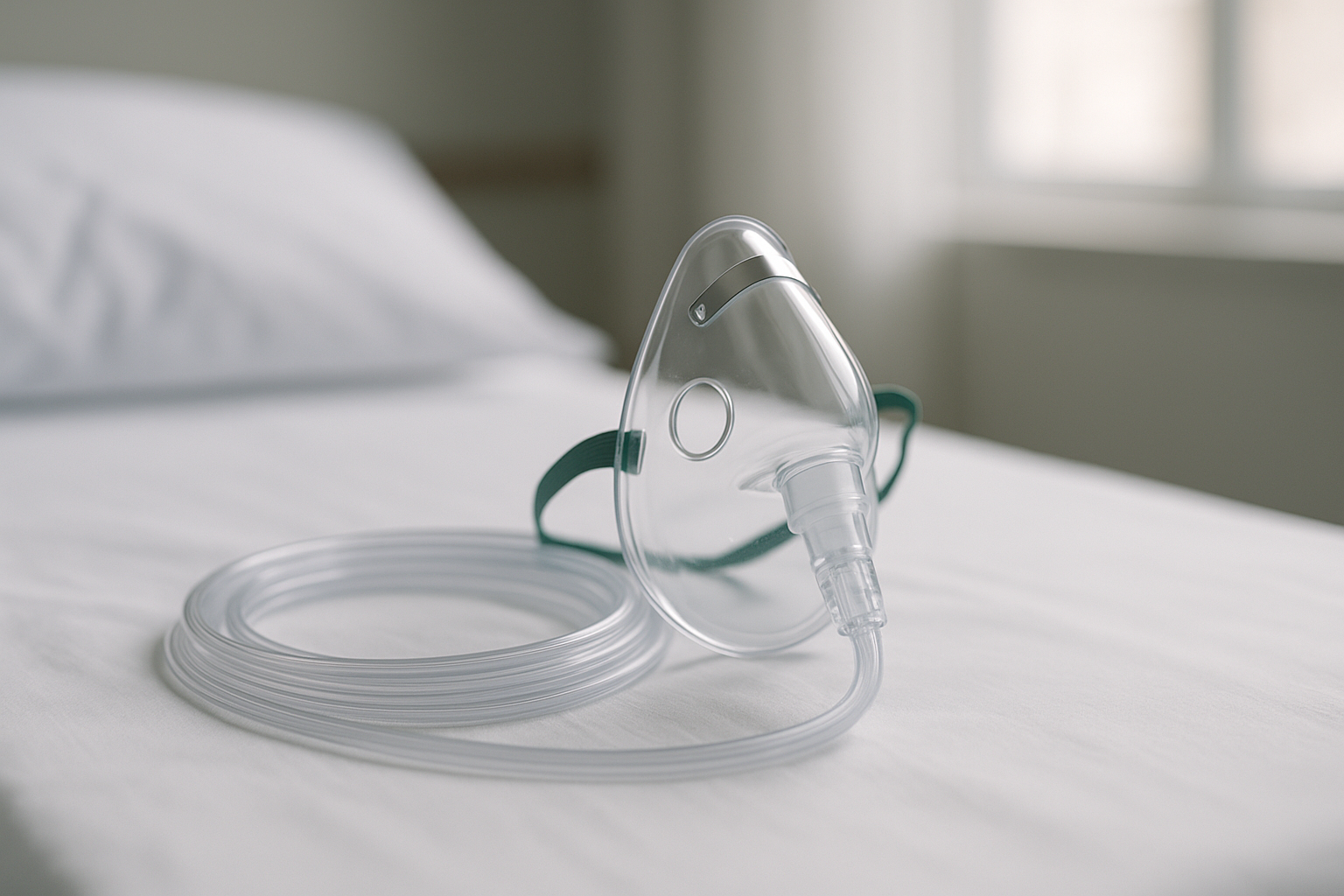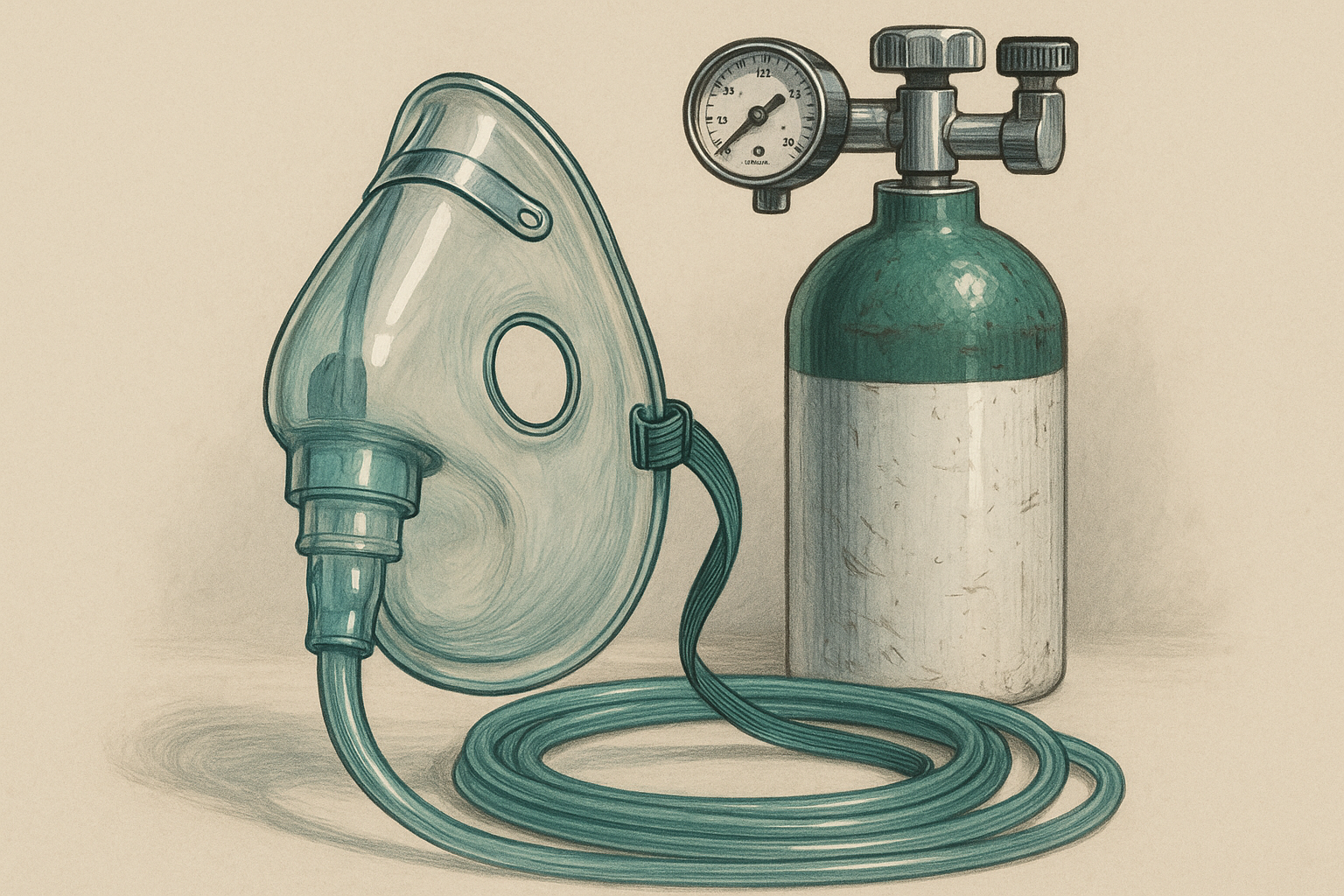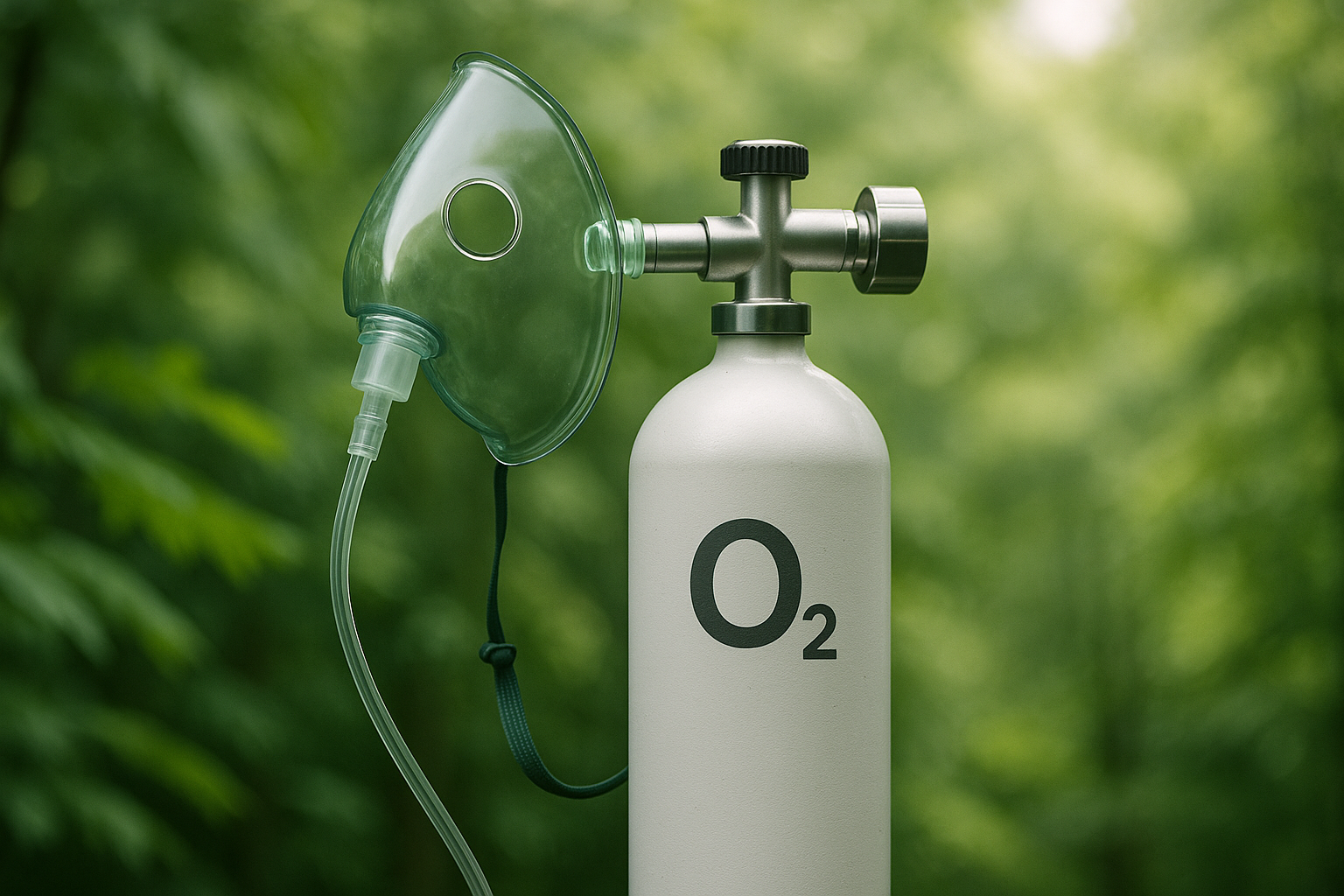

Have you ever wondered what happens when your body receives too much oxygen from a concentrator? Oxygen is vital for life, but like many things in life, balance is key. An excess of oxygen can lead to its own set of issues. Understanding the symptoms that arise from too much oxygen is essential for anyone using oxygen therapy at home or in a medical setting.

Table of Contents
Understanding Oxygen Concentrators
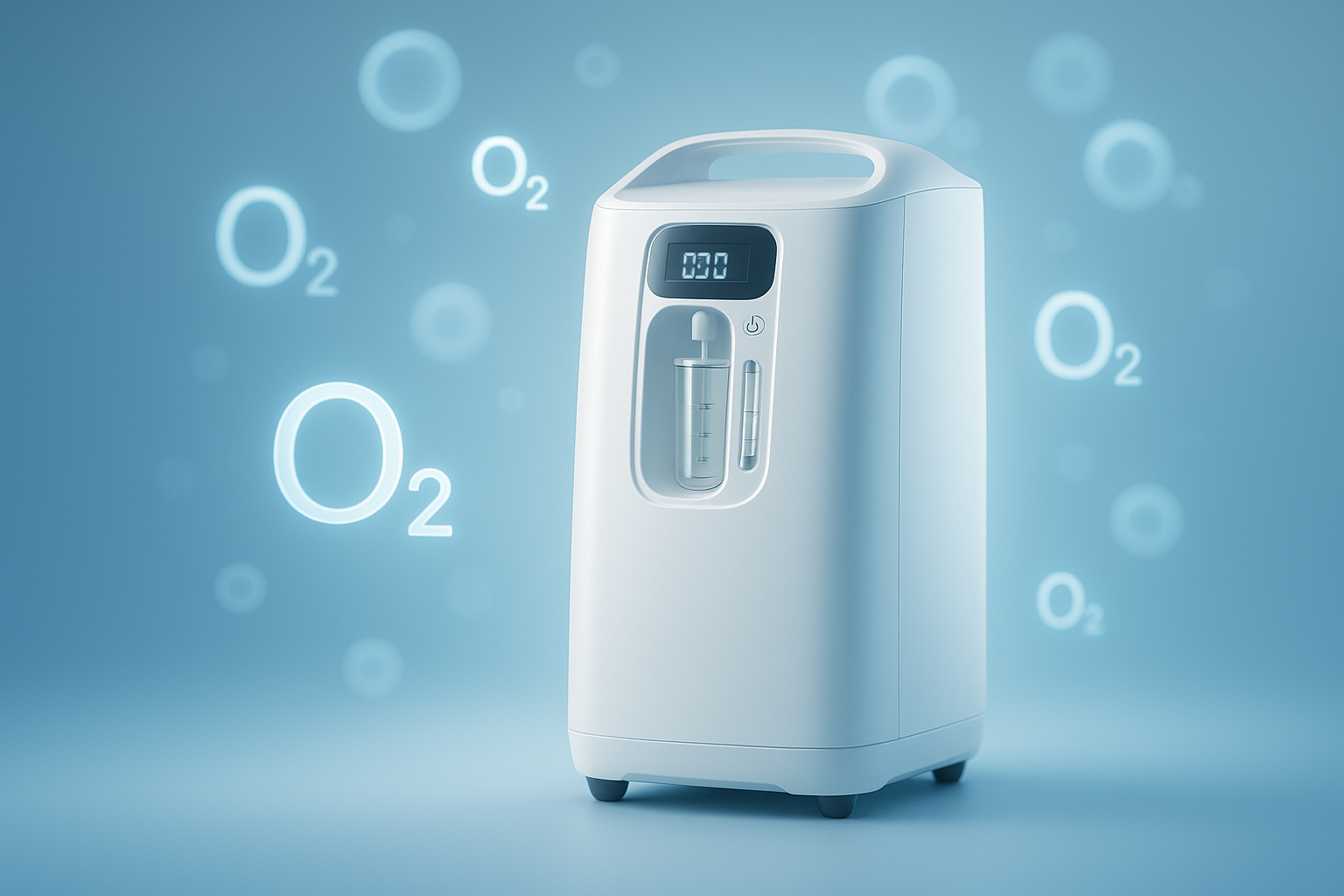
Oxygen concentrators are devices used to deliver oxygen to individuals who require it for various health conditions. They are essential for patients with respiratory problems, ensuring they receive adequate oxygen. However, the amount of oxygen provided needs careful monitoring to avoid complications.
What is an Oxygen Concentrator?
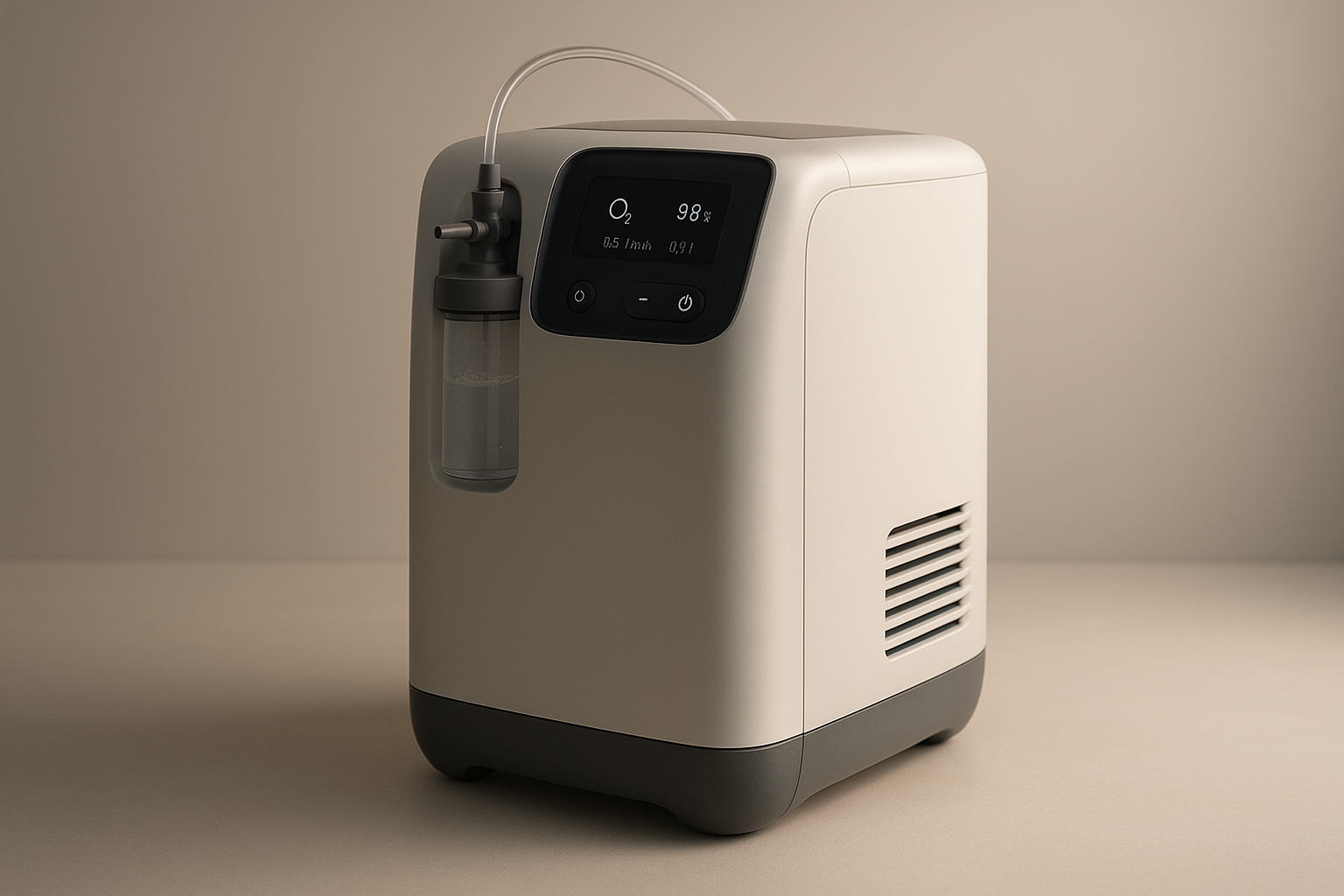
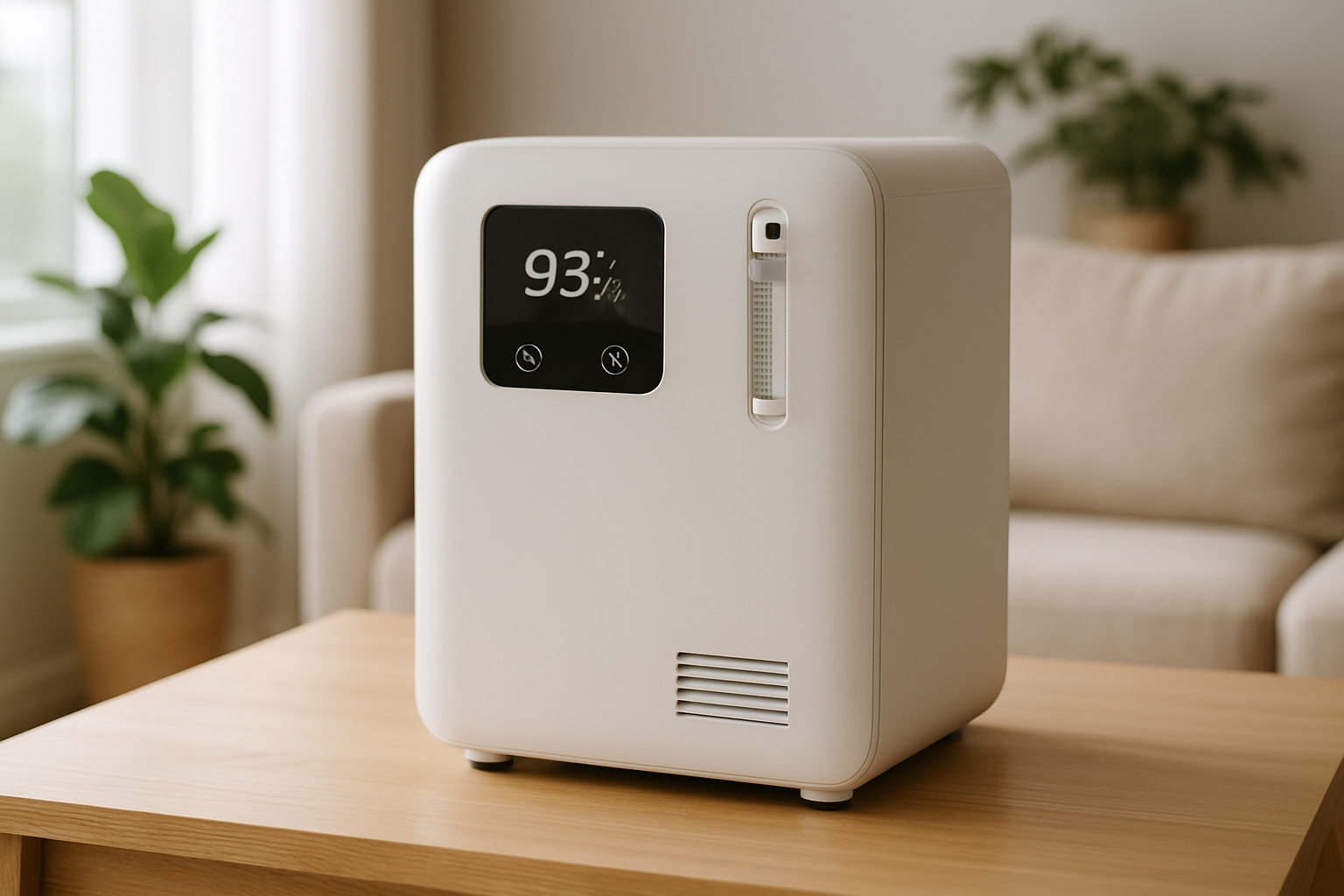
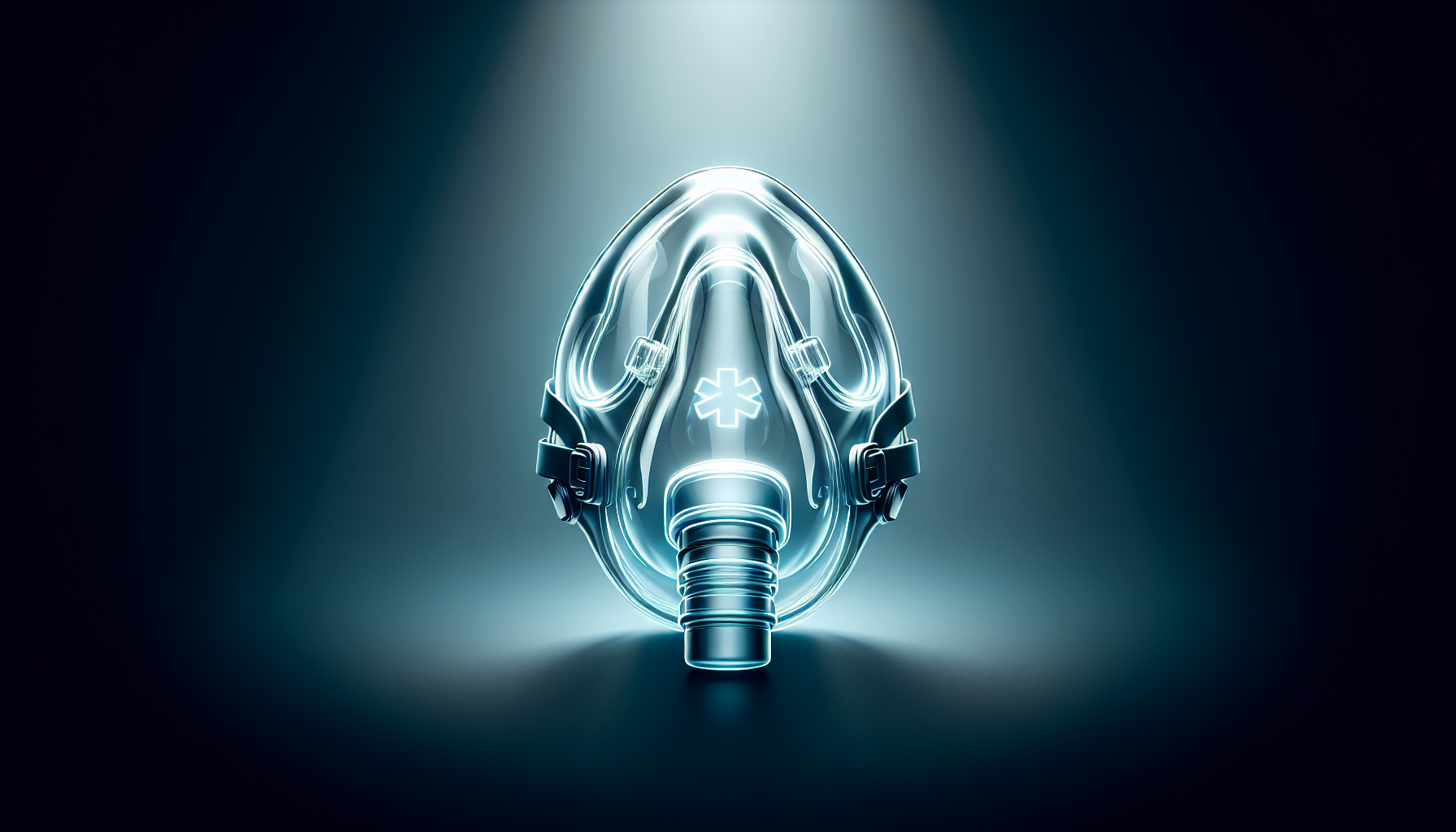
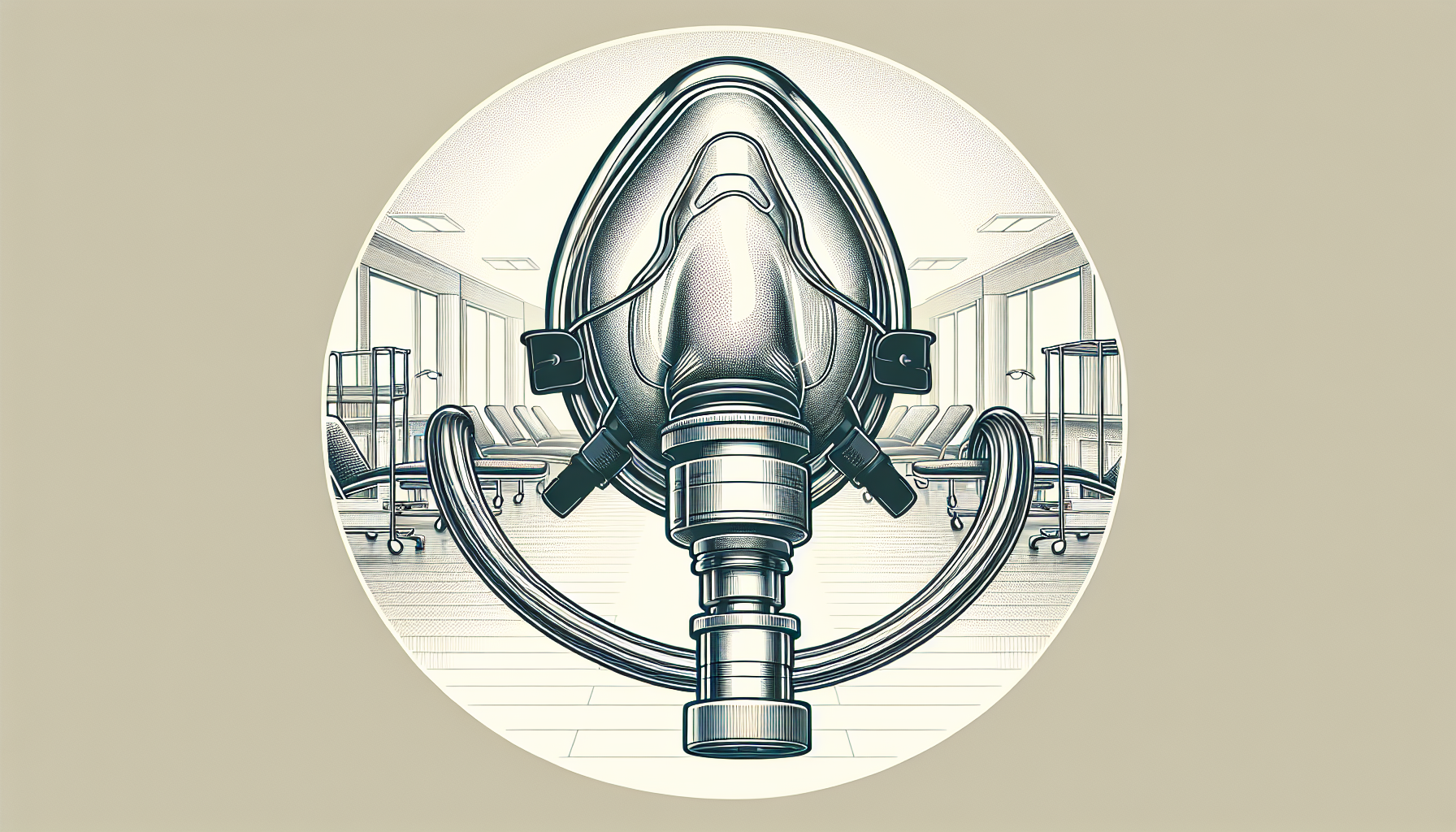
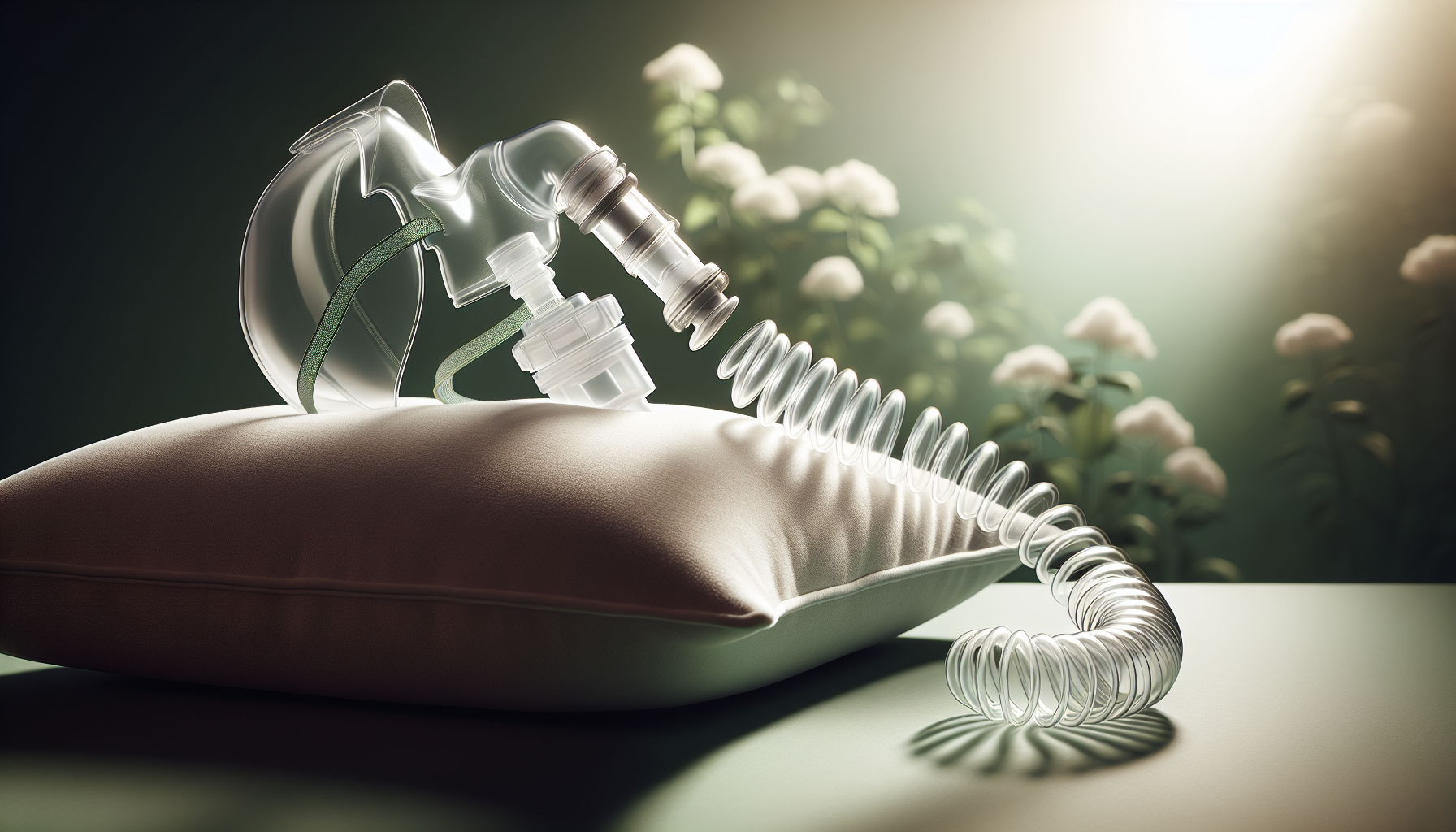
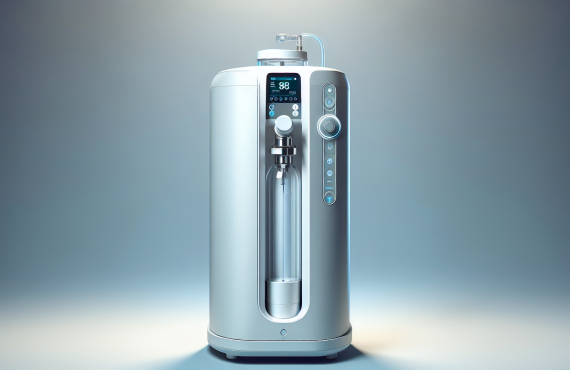
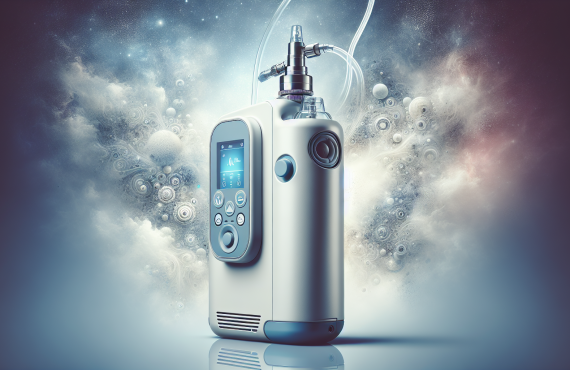
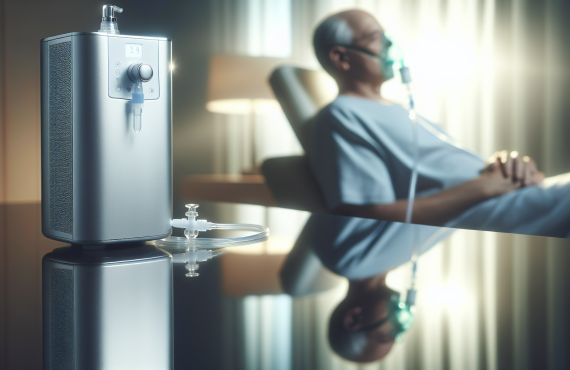
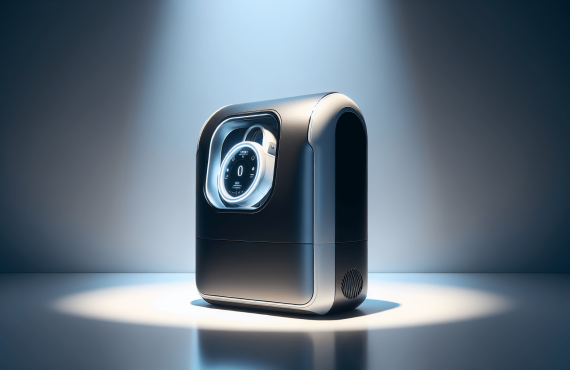
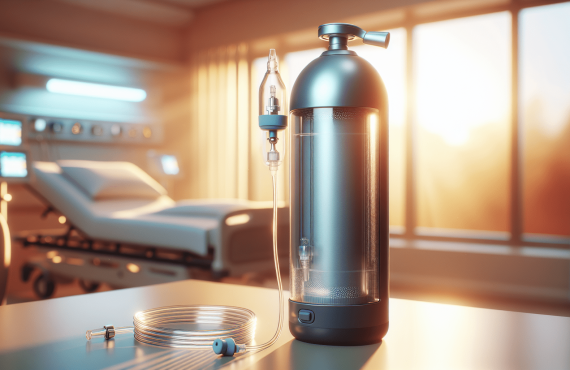
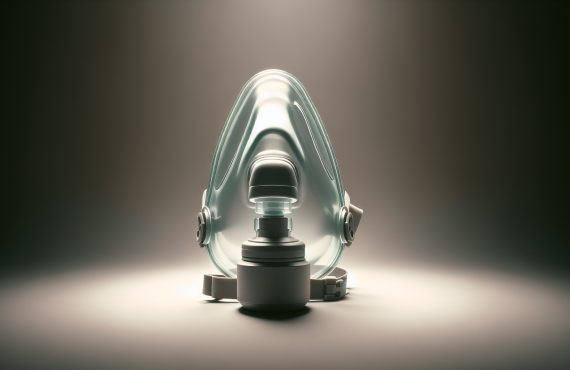
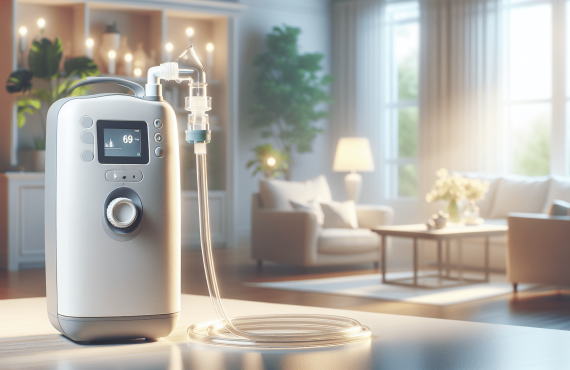
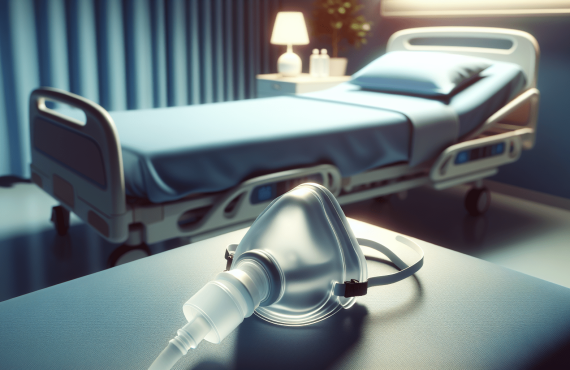
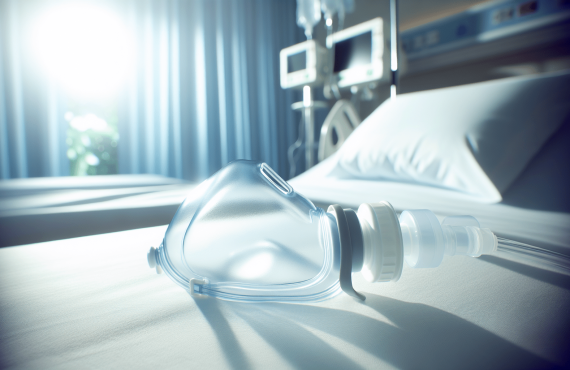
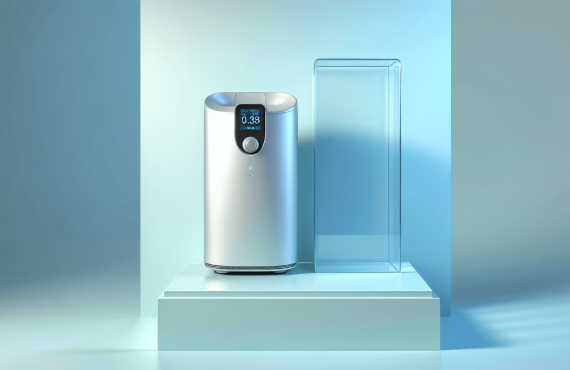
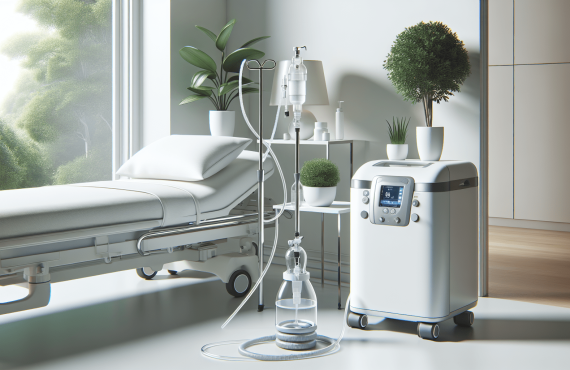
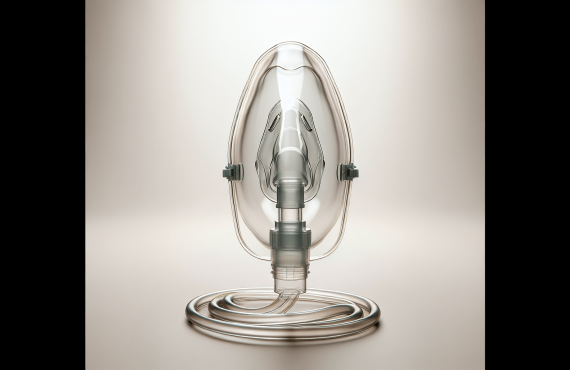
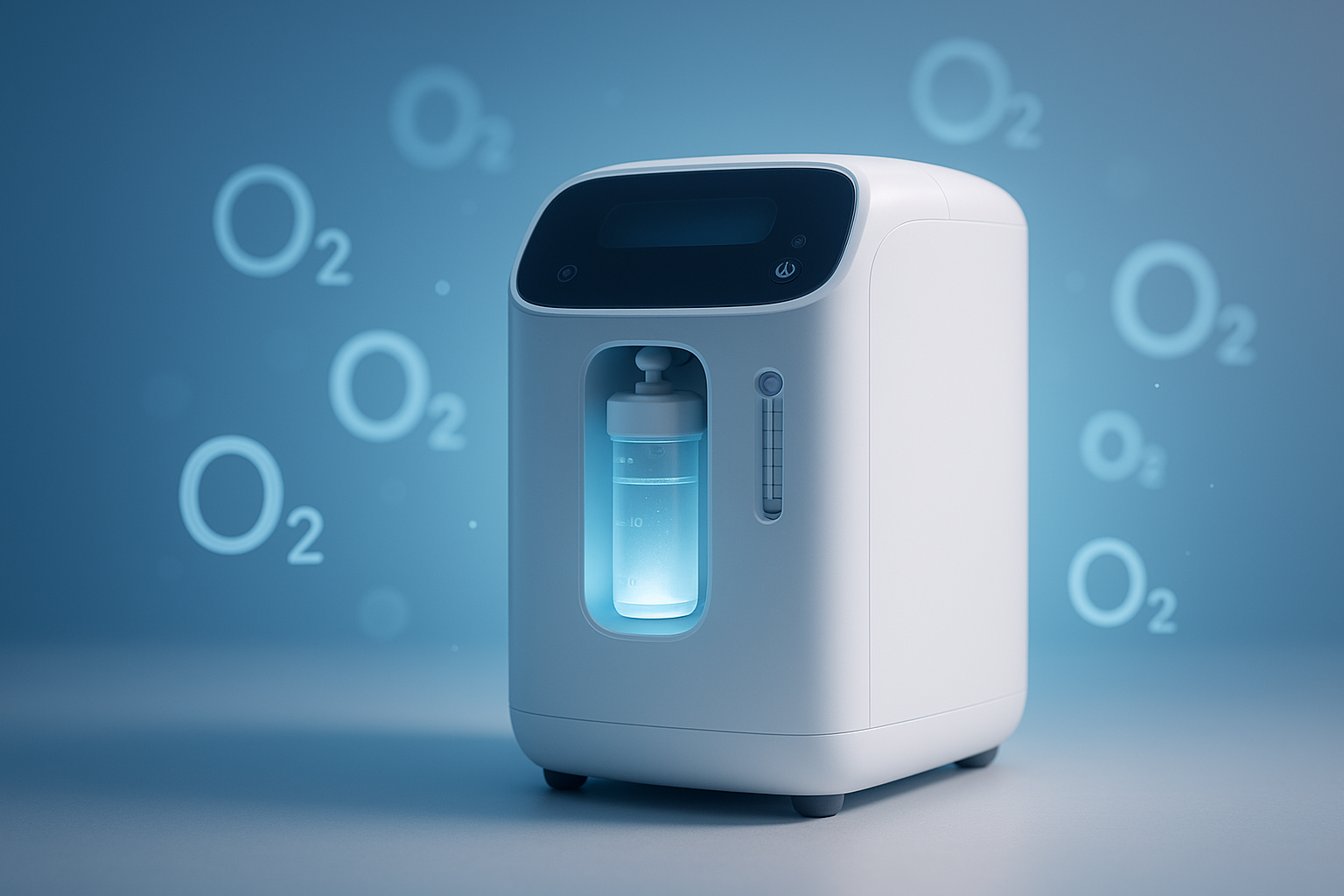
An oxygen concentrator is a medical device that takes in air from the environment, removes nitrogen, and delivers concentrated oxygen to the user. Unlike oxygen tanks, concentrators do not store oxygen; they provide a continuous supply by extracting and concentrating it from ambient air.
How Does an Oxygen Concentrator Work?
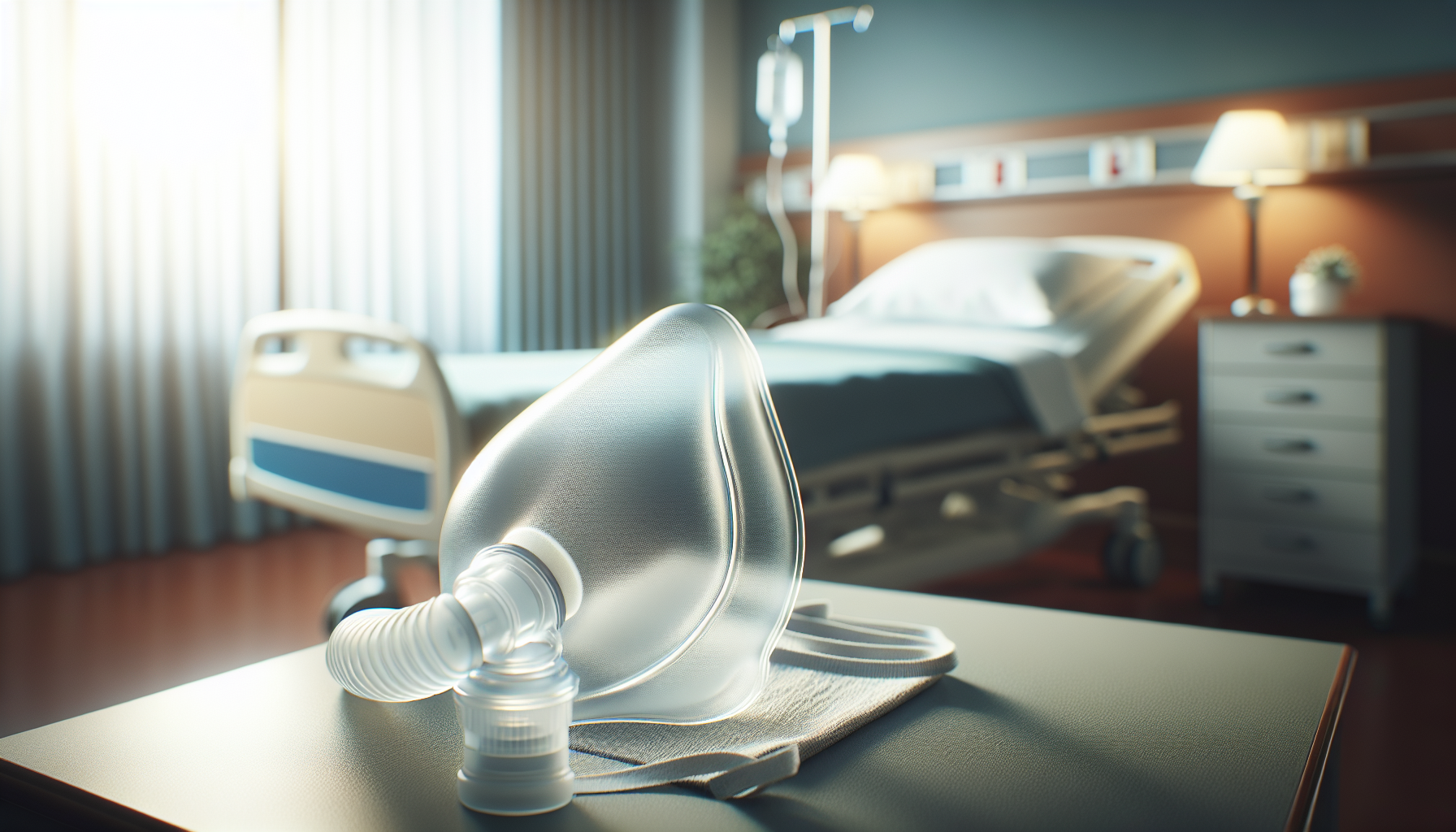
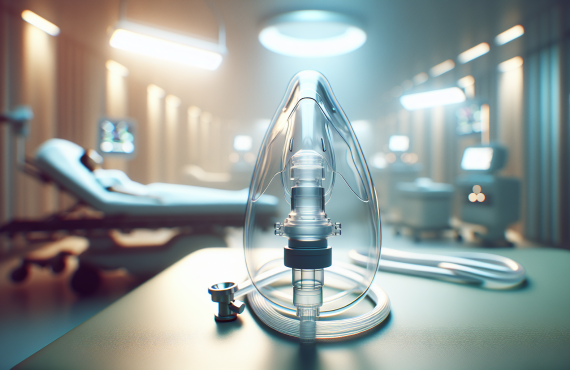
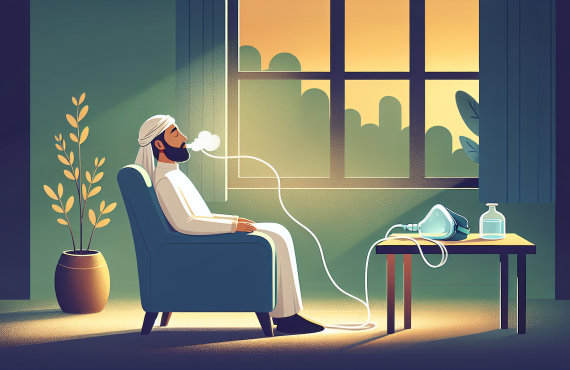
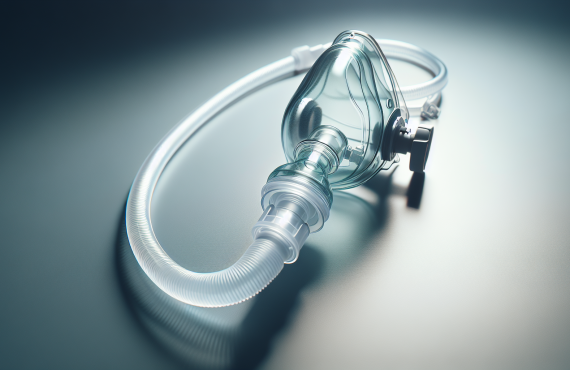
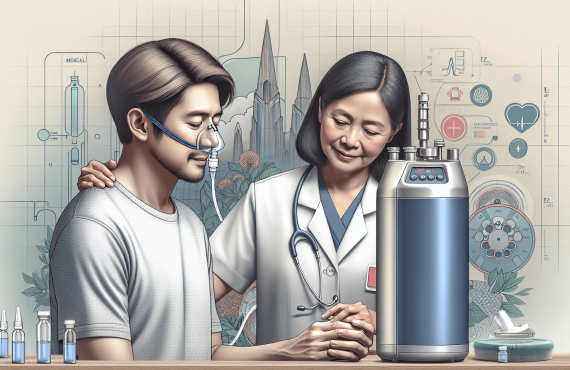
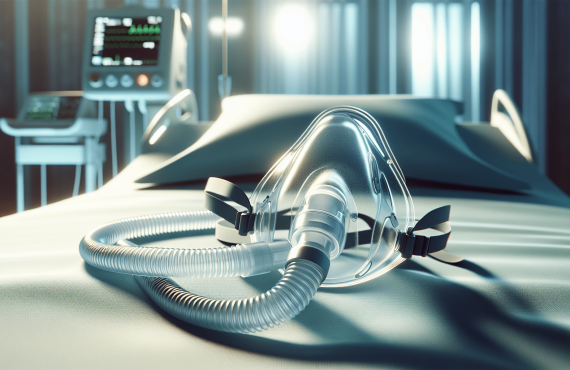
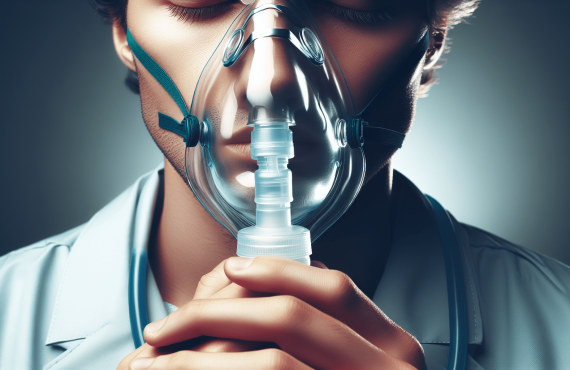
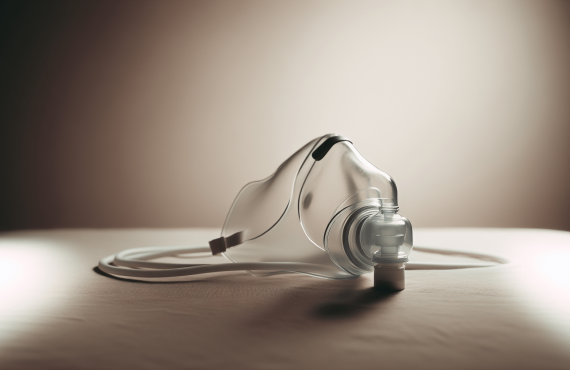
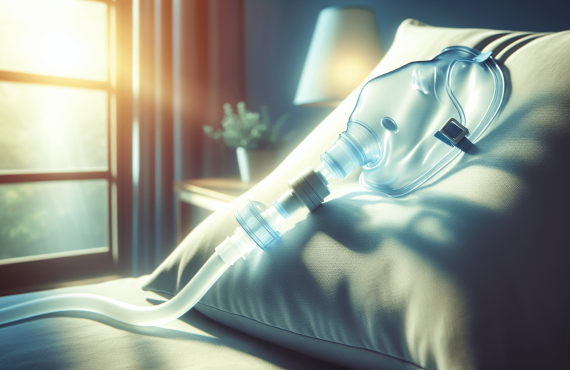
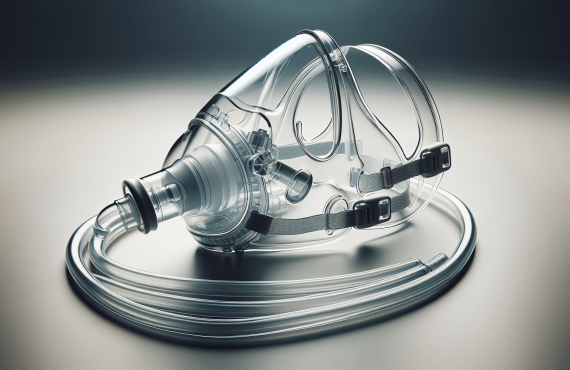
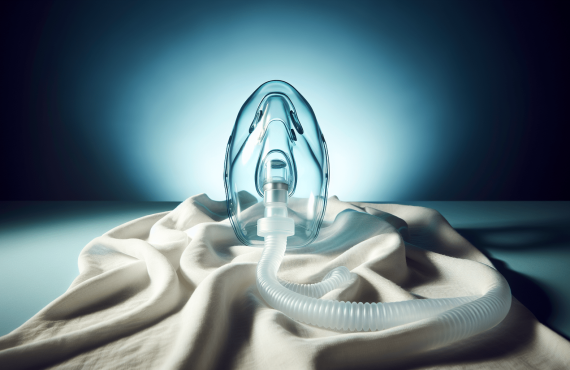
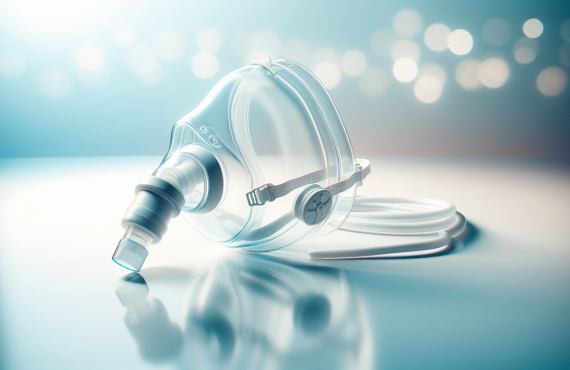
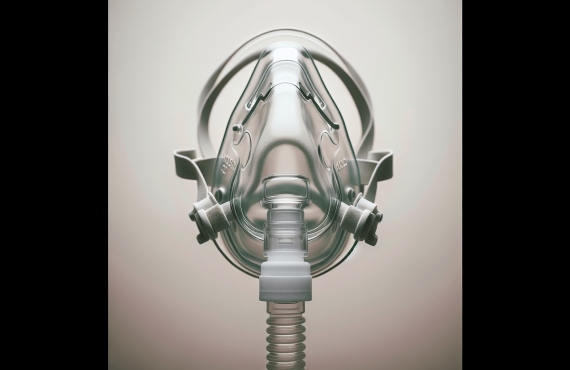
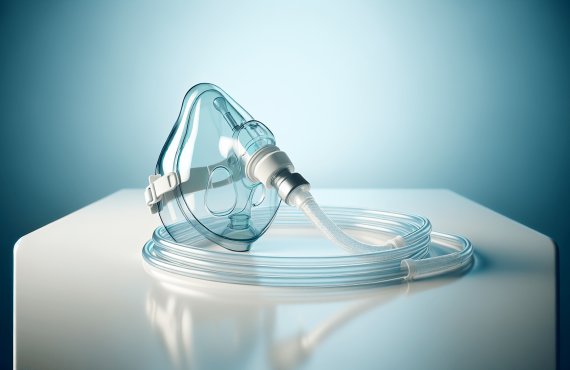
The concentrator uses filters to extract nitrogen, leaving nearly pure oxygen to be delivered through a mask or nasal cannula. It’s a reliable alternative to other oxygen delivery systems because it eliminates the need for refills or replacements.
Symptoms of Too Much Oxygen
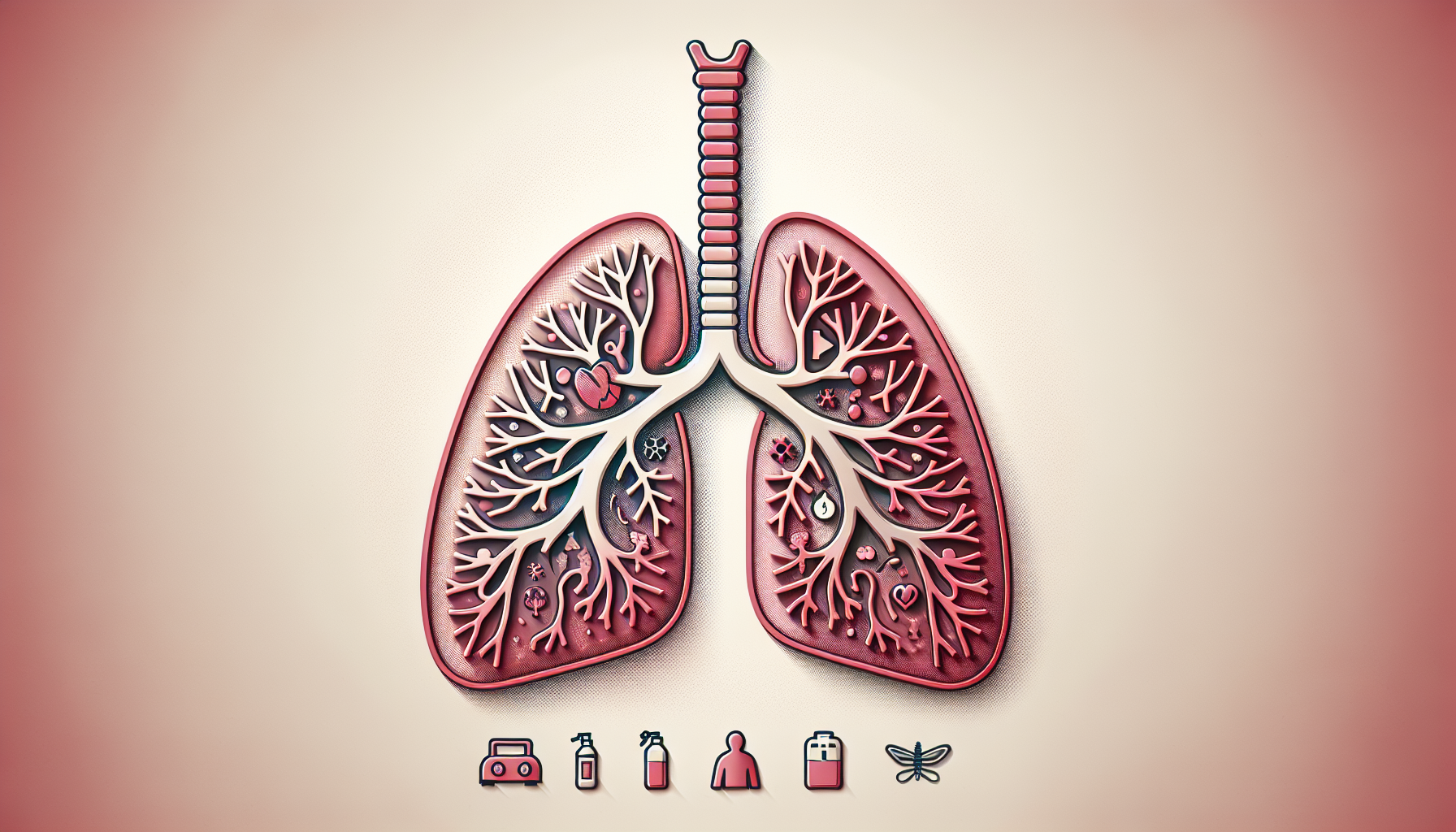
Too much oxygen, known as oxygen toxicity or hyperoxia, can be harmful. Identifying the symptoms early can prevent potential health hazards.
Respiratory Symptoms
- Difficulty Breathing: Counterintuitive as it might sound, excessive oxygen can make it hard to breathe. This can be due to oxidative stress in lung tissues.
- Rapid Breathing: The body may respond to high oxygen levels with an increase in breathing rate, potentially leading to hyperventilation.
Neurological Symptoms
- Headache: Increased oxygen levels can cause headaches due to changes in blood flow and pressure.
- Dizziness: Affected oxygen levels can disrupt balance, leading to dizziness or lightheadedness.
- Confusion or Restlessness: The brain’s neurotransmitter functions can be impaired by too much oxygen, causing cognitive disruptions.
Physical Discomfort
- Nausea: An upset stomach can result from the body’s reaction to excess oxygen, often coupled with dizziness.
- Muscle Twitching: Over-oxygenation can lead to involuntary muscle spasms or twitching due to nerve excitation.

Causes of Oxygen Overdose
Understanding what causes excess oxygen intake helps in managing and preventing it. It’s crucial for users of oxygen concentrators to be aware of their device settings.
Incorrect Device Settings
Often, oxygen concentrator users or caregivers may not adjust the settings correctly. This can result in surplus oxygen delivery, surpassing the patient’s needs.
Lack of Monitoring
Without regular checks from healthcare providers, oxygen levels might not be maintained properly. It’s important for medical professionals to oversee and adjust prescribed oxygen levels regularly.
Long-term Therapy
Prolonged exposure, even to correct oxygen levels, can over time lead to toxicity. Monitoring and adjusting treatment duration is necessary.
Managing Symptoms of Over-oxygenation
Dealing with too much oxygen involves several steps. Preventive measures and immediate responses play a vital role in management.
Immediate Actions
- Reduce Oxygen Flow: If symptoms arise, immediately reduce the oxygen flow rate as a first response.
- Call a Healthcare Provider: If symptoms persist, seek medical advice promptly.
Long-term Strategies
- Regular Device Checks: Ensure the concentrator is functioning correctly and settings are appropriate.
- Scheduled Medical Reviews: Regular medical assessments can aid in adjusting oxygen therapy according to changing health needs.
Risks and Complications
Unaddressed, excess oxygen can lead to more serious health complications. Awareness is the first step toward preventing severe outcomes.
Damage to Lungs
High levels of oxygen can harm lung tissues due to oxidative stress, which might lead to conditions such as Acute Respiratory Distress Syndrome (ARDS).
Impact on Eyes
Particularly in premature infants, excessive oxygen might lead to retinopathy, affecting the development of their eyes significantly.
Alternatives to Oxygen Concentrators
Exploring other options might be beneficial, particularly if traditional concentrators are presenting challenges.
Liquid Oxygen Systems
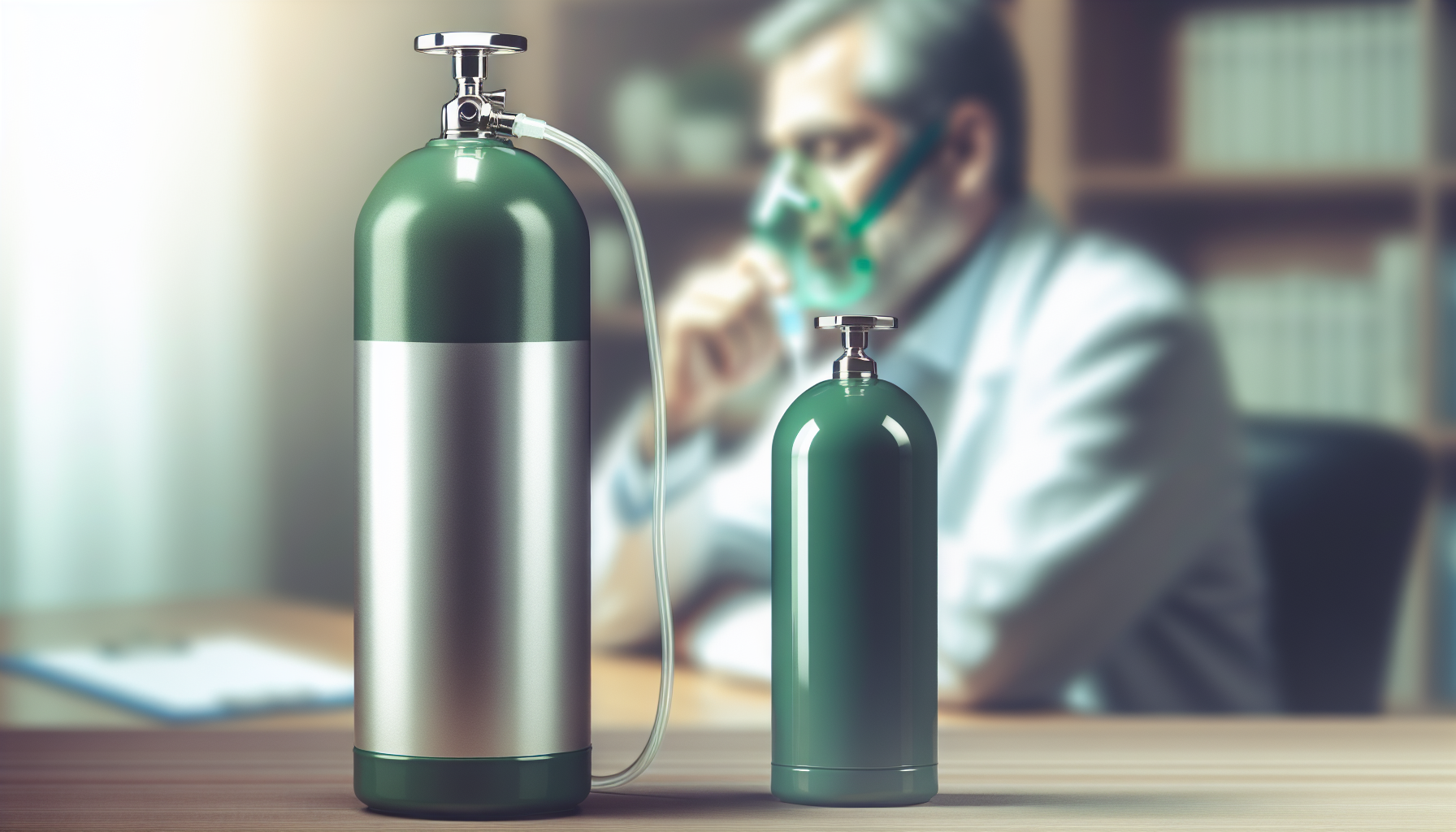
These systems provide concentrated and portable forms of oxygen, requiring less electricity and offering a more efficient option for some patients.
Hyperbaric Oxygen Therapy
Though not a direct alternative in functionality, hyperbaric therapy offers unique applications by delivering oxygen in a highly pressurized environment for specific medical conditions.
What is Hyperbaric Therapy?
Definition
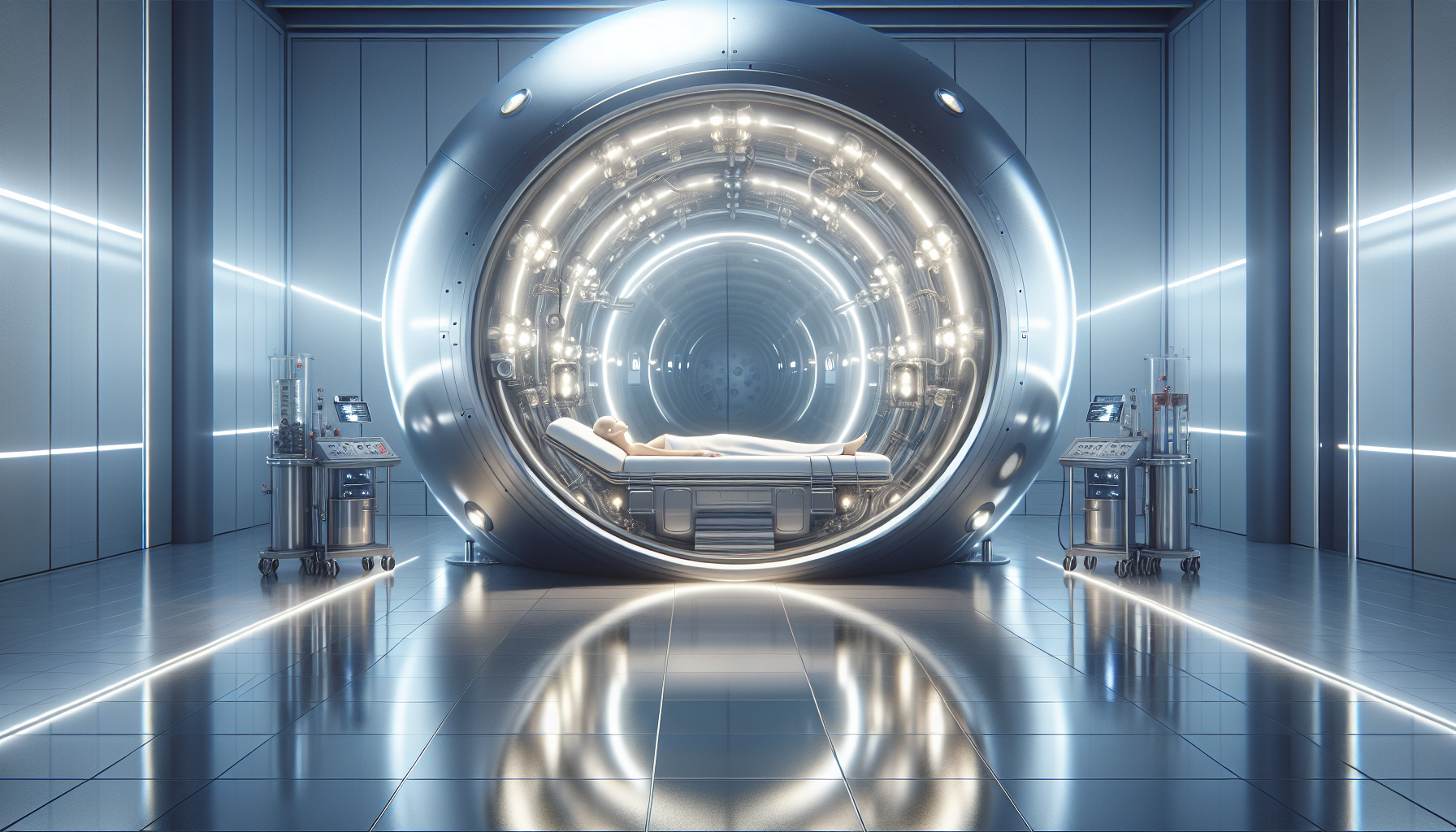
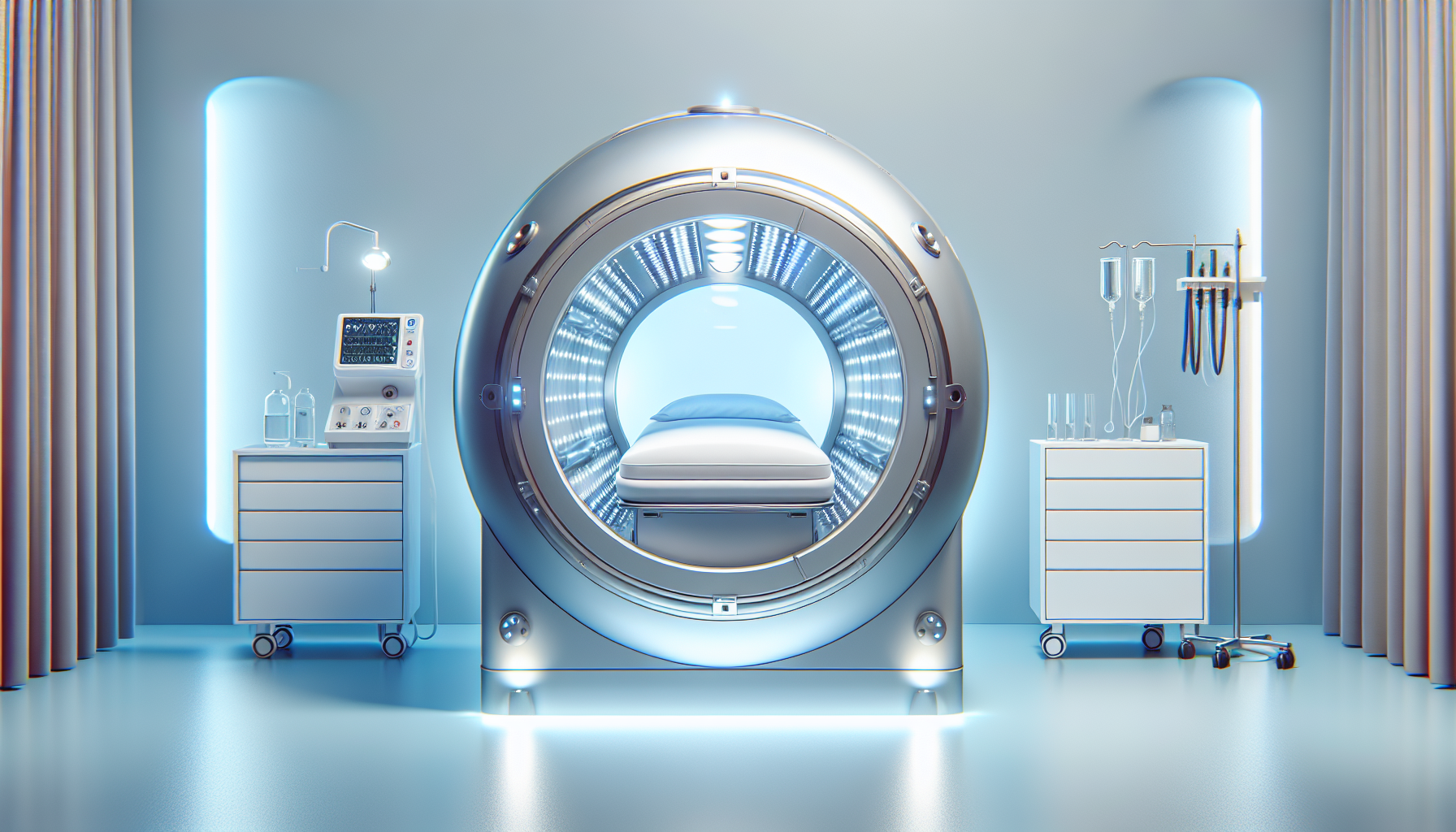
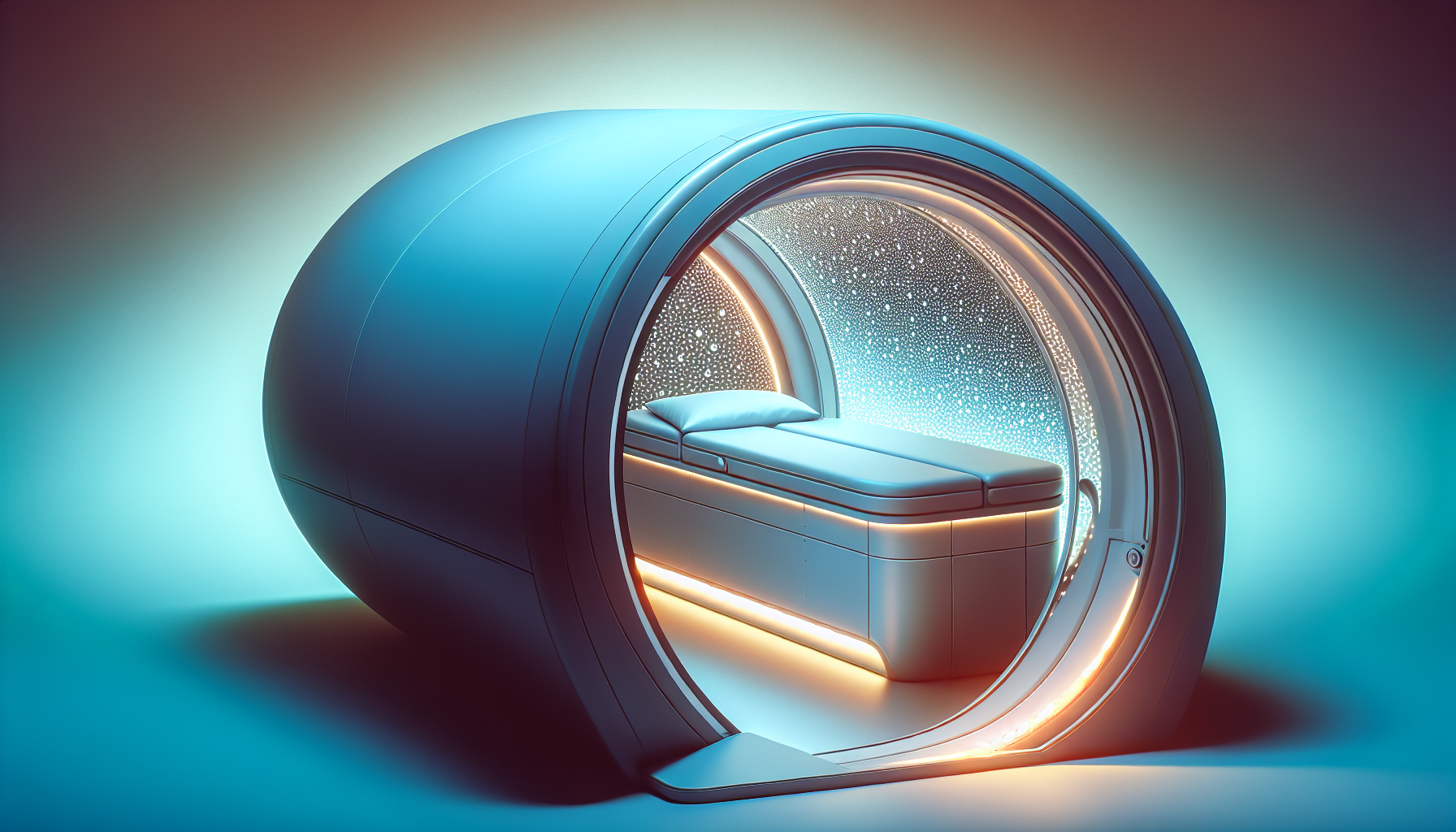
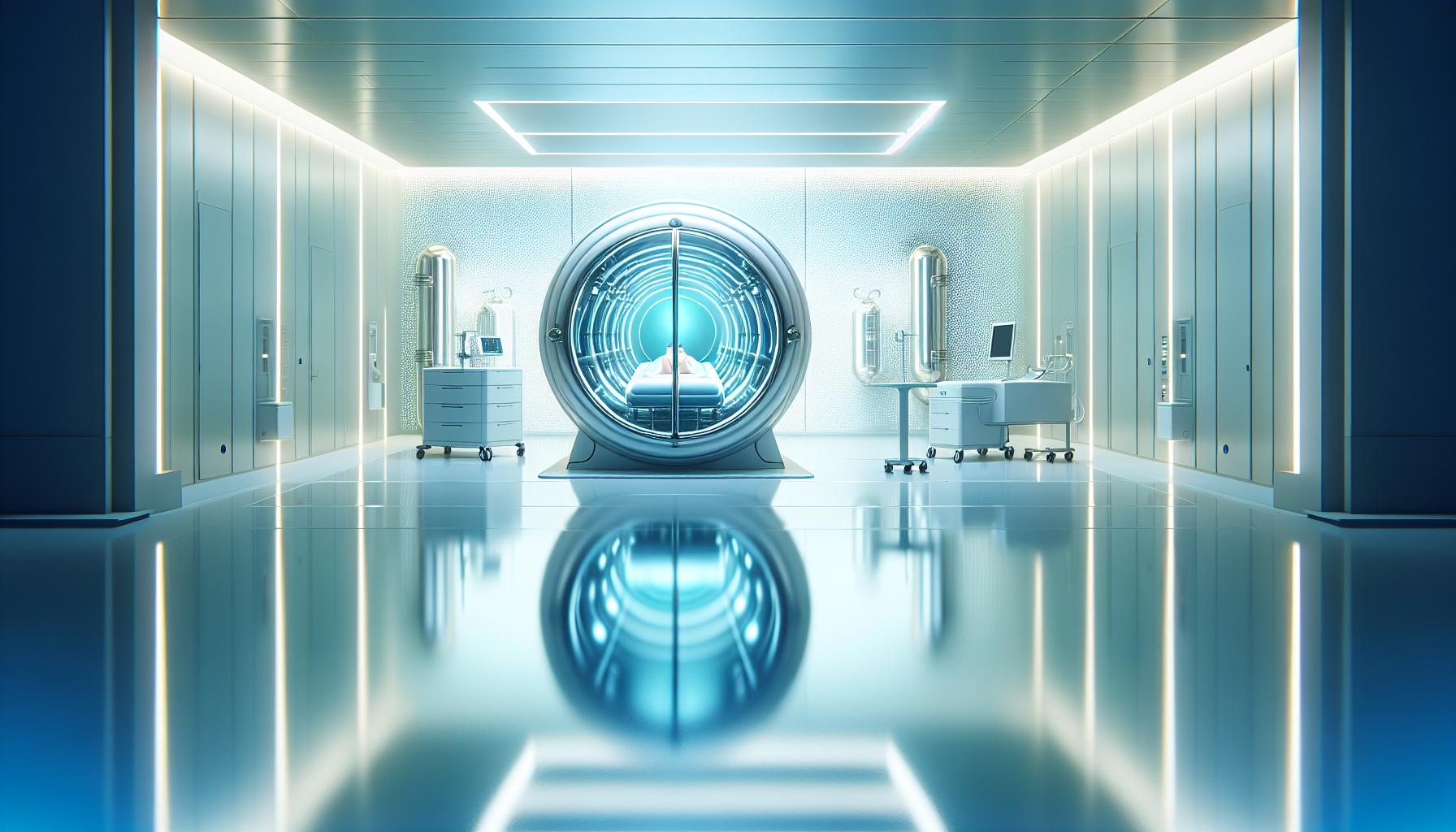
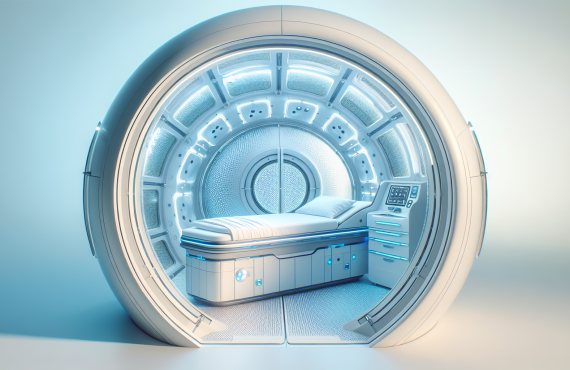
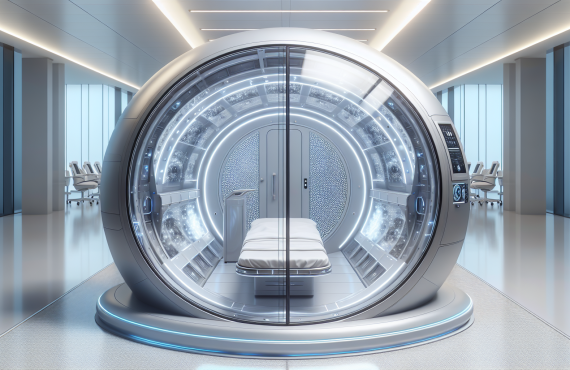
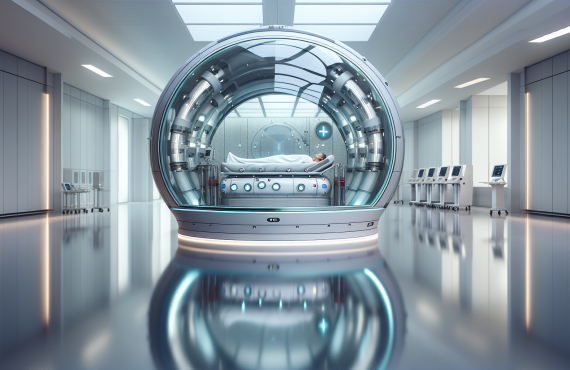
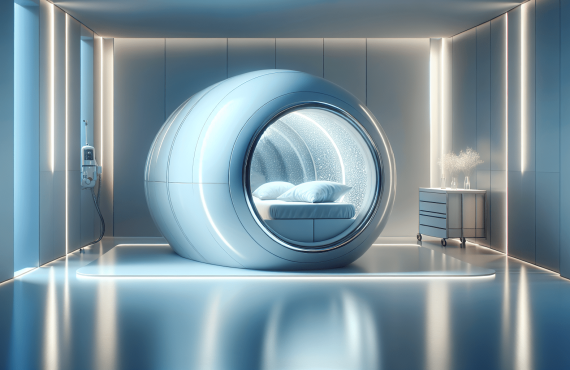
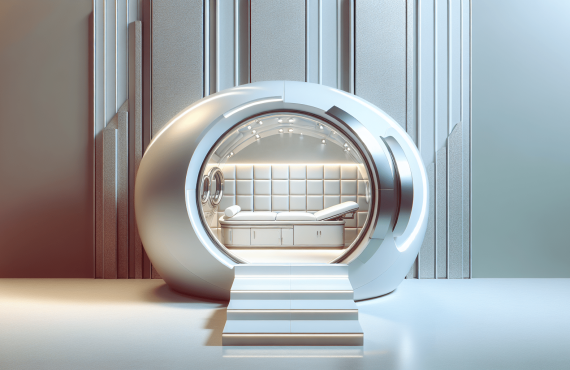
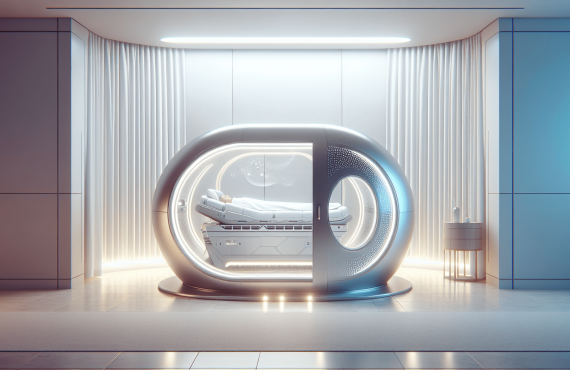
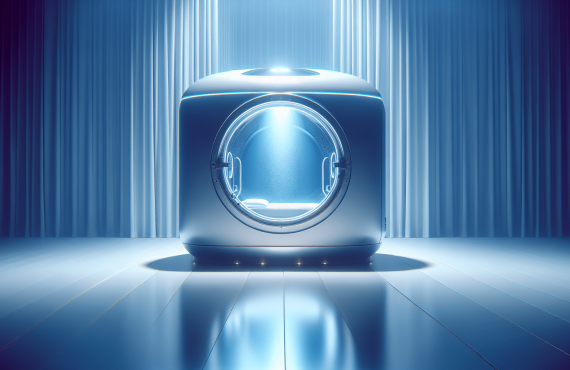
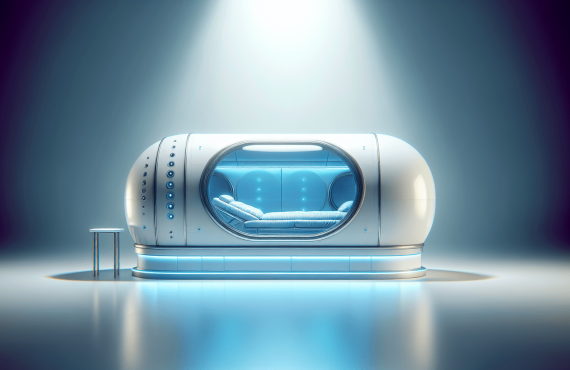
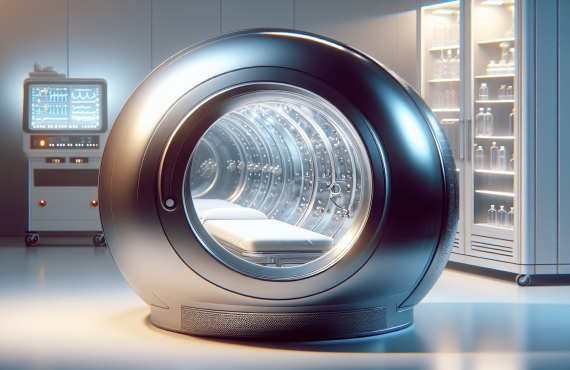
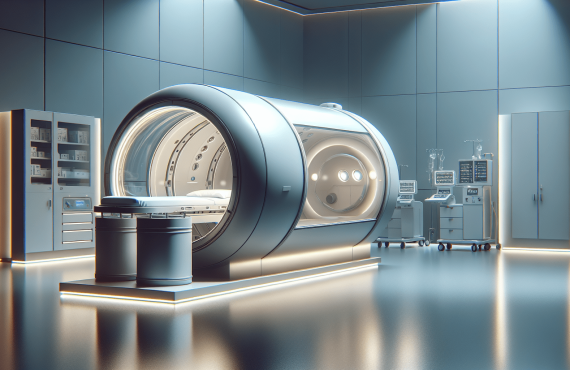
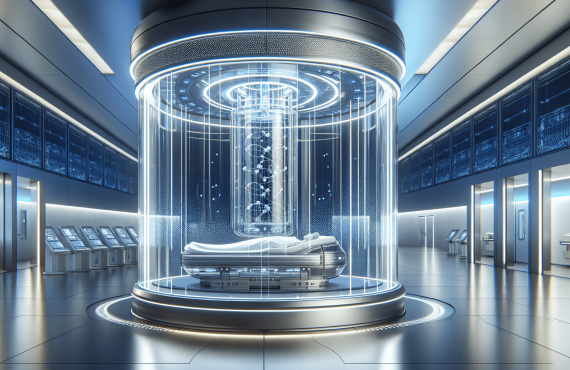
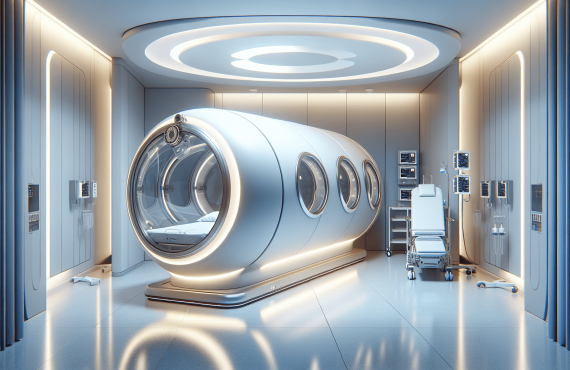
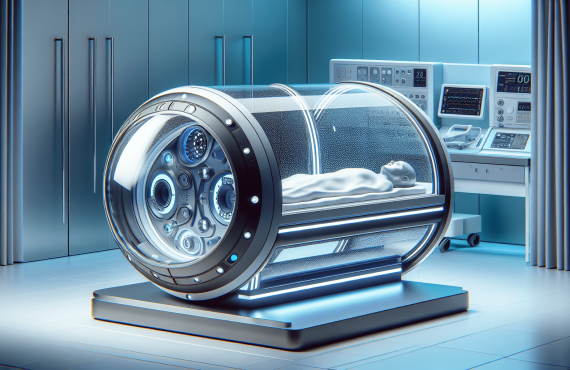
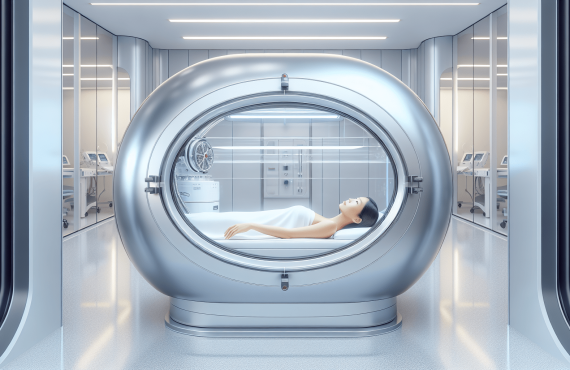
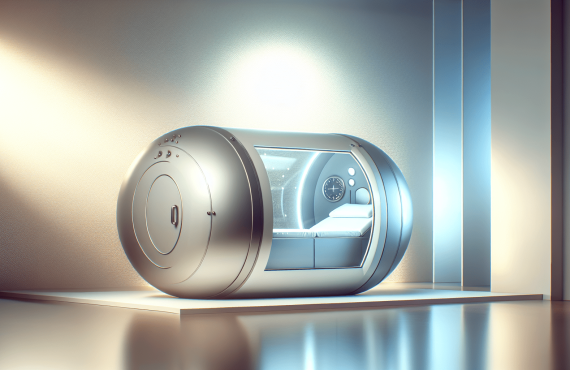
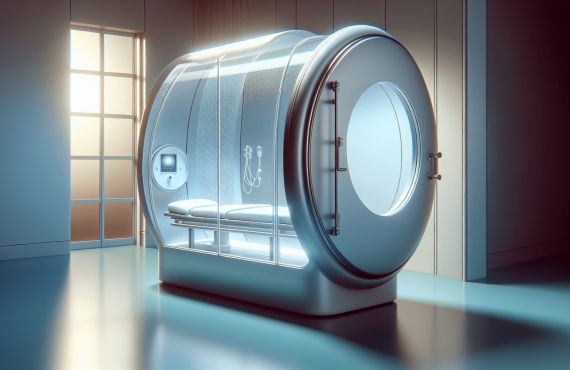
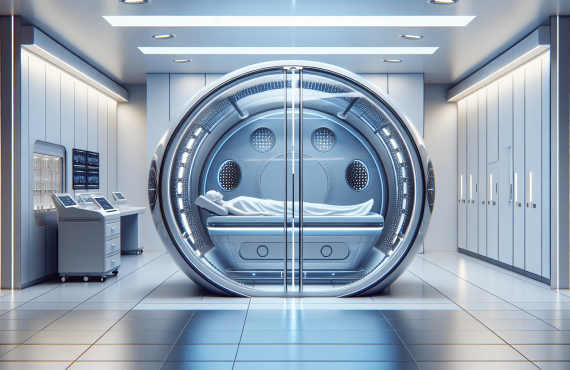
Hyperbaric therapy involves breathing pure oxygen in a pressurized chamber. This setup significantly raises the oxygen content in the blood, supporting enhanced healing.
How It Works
The pressure in the hyperbaric chamber elevates oxygen concentration in the bloodstream, facilitating healing in areas with restricted oxygen supply. This therapy aids tissue repair, boosts immune function, and promotes angiogenesis.
Contact Information for Professional Advice
For those in Pensacola or nearby, it’s helpful to know where you can turn for professional help. You can contact Henry Chiropractic, where experienced professionals can guide you on your health journey:
Henry Chiropractic
1823 N 9th Ave
Pensacola, FL 32503
(850) 435-7777
Visit their Website
Expert Assistance at Henry Chiropractic
Henry Chiropractic is dedicated to enhancing health through chiropractic care. Two renowned chiropractors, Dr. Craig Henry and Dr. Aaron Hixon, are available to address your wellness needs.
Meet Dr. Craig Henry
Dr. Craig Henry is committed to improving patients’ health and wellness. Whether dealing with back issues or seeking a healthier lifestyle, Dr. Henry offers personalized care to improve your quality of life.
Introducing Dr. Aaron Hixon
Dr. Aaron Hixon, native to Florida, brings a wealth of expertise in various chiropractic techniques. His dedication to community service and holistic health shines through in his practice.
FAQs About Oxygen Therapy and Hyperbaric Treatment
What’s the Ideal Oxygen Flow Rate for a Concentrator?
The ideal oxygen flow rate varies by individual and should be determined by a healthcare professional based on your specific needs.
Can Oxygen Therapy Be Used Long-Term?
While beneficial, long-term oxygen therapy requires regular monitoring to prevent over-oxygenation and related complications.
Is Hyperbaric Oxygen Therapy Safe for Everyone?
While generally safe, hyperbaric therapy may not be suitable for individuals with certain conditions, such as untreated pneumothorax. Consulting with a healthcare provider is advisable.
How Do I Know if My Oxygen Concentrator is Working Properly?
Regular maintenance checks on the device, following manufacturer guidelines, and annual professional evaluations ensure the concentrator’s proper function.
What Should I Do if I Experience Symptoms of Oxygen Overload?
Reduce the oxygen flow immediately and contact a healthcare provider for further guidance. Implementing immediate and preventive measures can avert severe complications.
In wrapping up, understanding the symptoms of too much oxygen from a concentrator can greatly benefit you or a loved one using oxygen therapy. Balancing oxygen intake is crucial, and professional guidance from trusted figures like those at Henry Chiropractic can make all the difference in maintaining health and wellness.