

Have you ever wondered what qualifies someone for oxygen therapy? It’s a question more people are asking as they explore this vital treatment option. Understanding the conditions that necessitate the use of medical-grade oxygen can be pivotal for those grappling with various health challenges. In this enlightening piece, we’ll unravel the intricacies of oxygen therapy and the specific medical diagnoses that may make this therapy essential.

Table of Contents
What Is Oxygen Therapy?
Oxygen therapy involves administering oxygen to individuals who need it due to medical conditions affecting their ability to breathe. This treatment heightens the oxygen levels in the blood, significantly improving a person’s health and quality of life. Let’s dig a bit deeper.
How Does Oxygen Therapy Work?
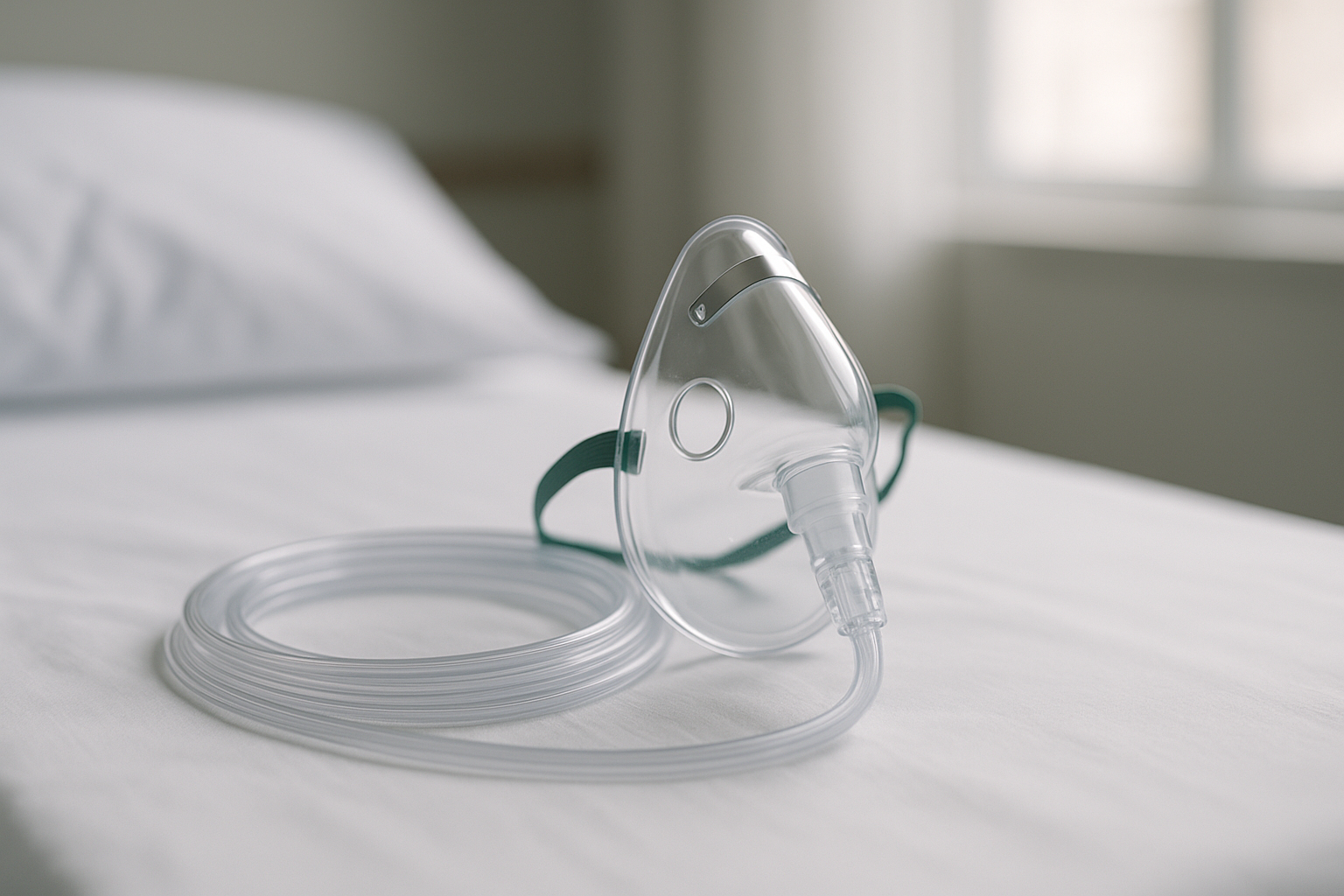
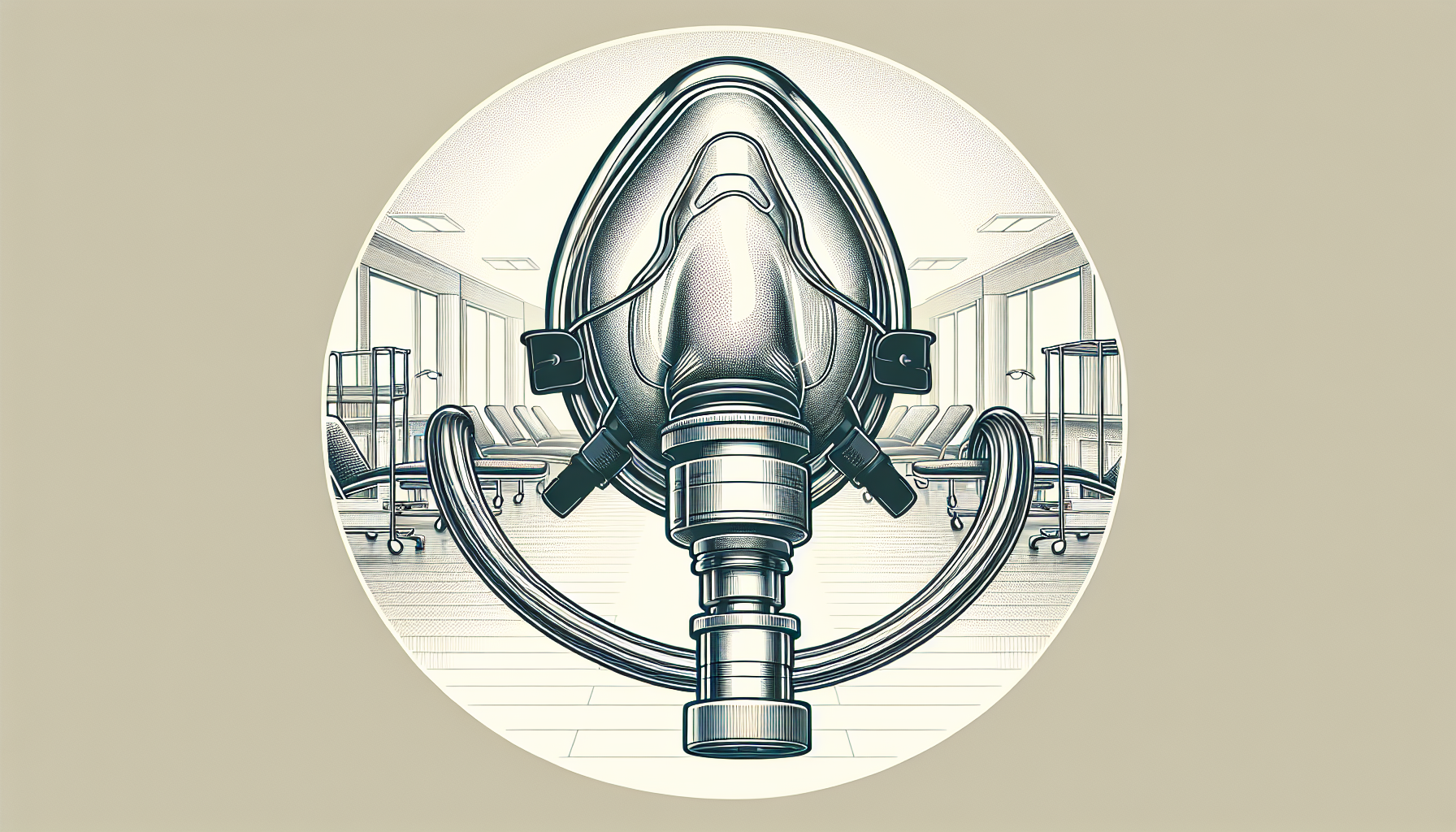
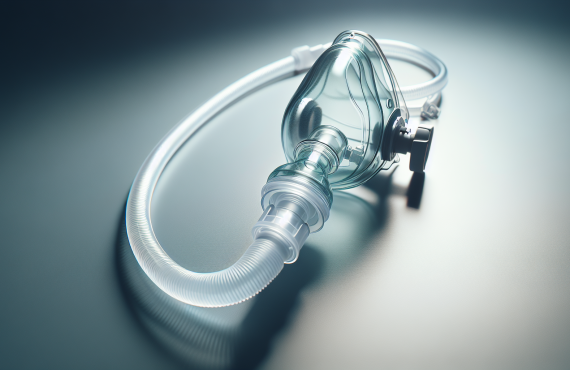
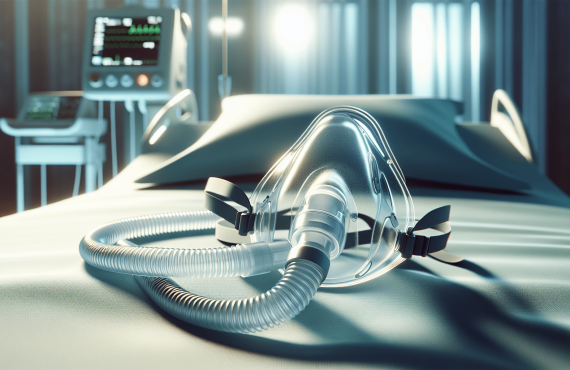
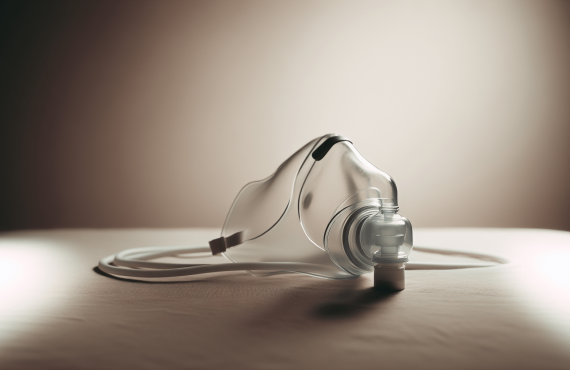
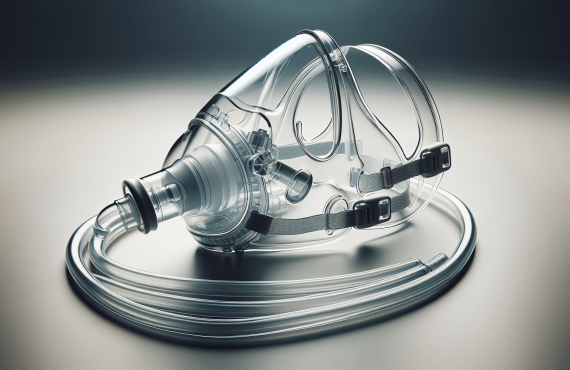
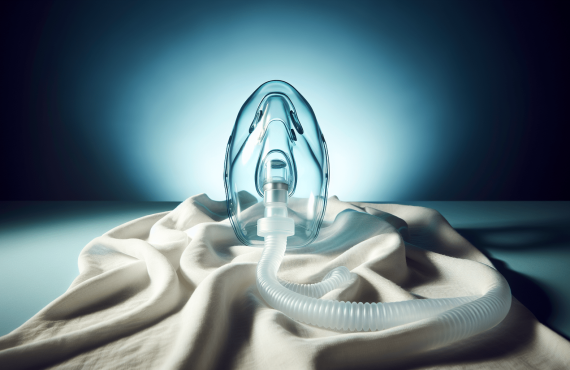
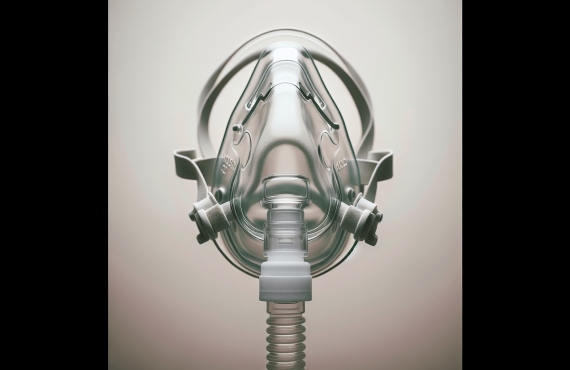
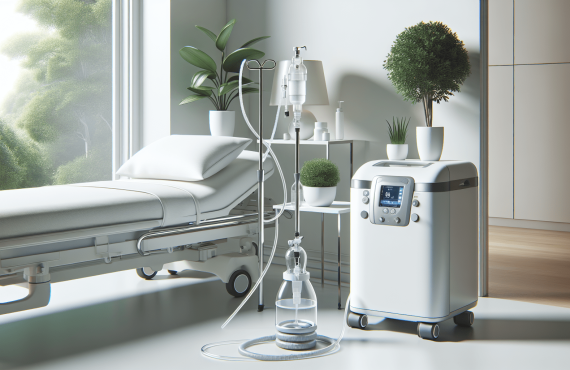
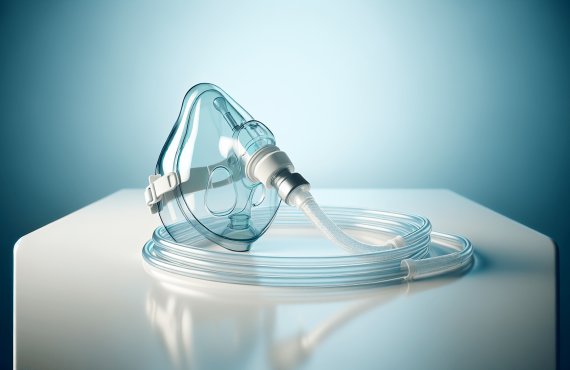
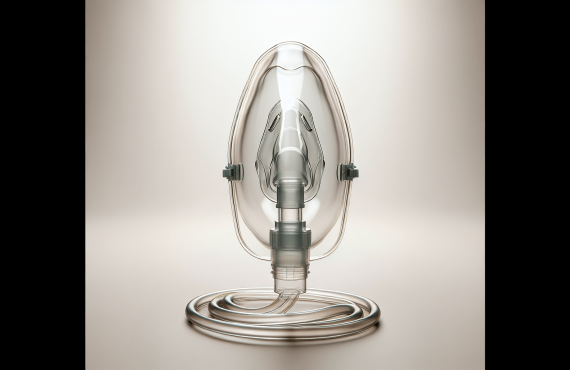
The process involves breathing in oxygen through a mask or nasal tubing. Our bodies typically absorb oxygen from the air, but certain conditions hinder this process. Administering oxygen helps overcome these limitations, ensuring vital organs receive the oxygen they need to function properly. This therapy method may seem straightforward, yet its impacts on health can be profound.
Common Uses of Oxygen Therapy
Oxygen therapy benefits people suffering from chronic obstructive pulmonary disease (COPD), pneumonia, and asthma, among other conditions. It ameliorates breathing difficulties and enhances the overall function of the cardiovascular system. Even those recovering from severe COVID-19 have found relief through supplemental oxygen. For these individuals, oxygen therapy is more than a treatment—it’s a lifeline.
Qualifying Diagnoses for Oxygen Therapy
Not all conditions qualify a patient for oxygen therapy, but some specific diagnoses do. Understanding these can make it easier for patients and caregivers to seek appropriate treatment options.
Chronic Obstructive Pulmonary Disease (COPD)
COPD is a chronic inflammatory lung disease obstructing airflow from the lungs. It’s often caused by long-term exposure to irritating gases or particulate matter, most commonly from cigarette smoke. Individuals diagnosed with COPD often require supplemental oxygen to assist with breathing and improve their overall quality of life.
Pulmonary Fibrosis
Pulmonary fibrosis involves scarring of the lung tissue, leading to severe breathing problems. As the lung tissue thickens, it makes it difficult for the lungs to function properly. In such cases, oxygen therapy becomes crucial to help patients maintain adequate oxygen levels.
Sleep Apnea
Sleep apnea is a potentially serious sleep disorder in which breathing repeatedly stops and starts. Those with this condition can benefit from oxygen therapy by maintaining oxygen levels during sleep, reducing the risks associated with intermittent breathing pauses.
Coronary Artery Disease
Coronary artery disease restricts the flow of oxygen-rich blood to the heart muscle. Oxygen therapy supports the cardiovascular system, ensuring the heart receives enough oxygen to function effectively, particularly during episodes where natural oxygen intake is compromised.
Respiratory Distress Syndrome (RDS)
RDS is often seen in premature infants. Their lungs are not fully developed, leading to breathing difficulties. Through oxygen therapy, these infants can receive the necessary support to breathe and continue developing outside the womb.


Benefits of Oxygen Therapy
Oxygen therapy offers numerous benefits. It not only aids breathing but can also improve sleep, increase stamina, and enhance the cognitive functions of patients who require it. For many, it transforms daily life.
Enhanced Quality of Life
With improved oxygenation, patients often experience a marked improvement in their overall well-being. Physical activities become easier, fatigue decreases, and mental clarity improves, stimulating more engagement in daily activities.
Better Sleep
Oxygen therapy can contribute to more restful sleep by maintaining adequate oxygen levels throughout the night. For patients with sleep apnea or other nocturnal breathing disorders, this can make a substantial difference.
Increased Stamina
Patients receiving oxygen therapy often find their stamina improved, allowing them to participate more fully in physical activities that were previously exhausting.
Hyperbaric Oxygen Therapy (HBOT)
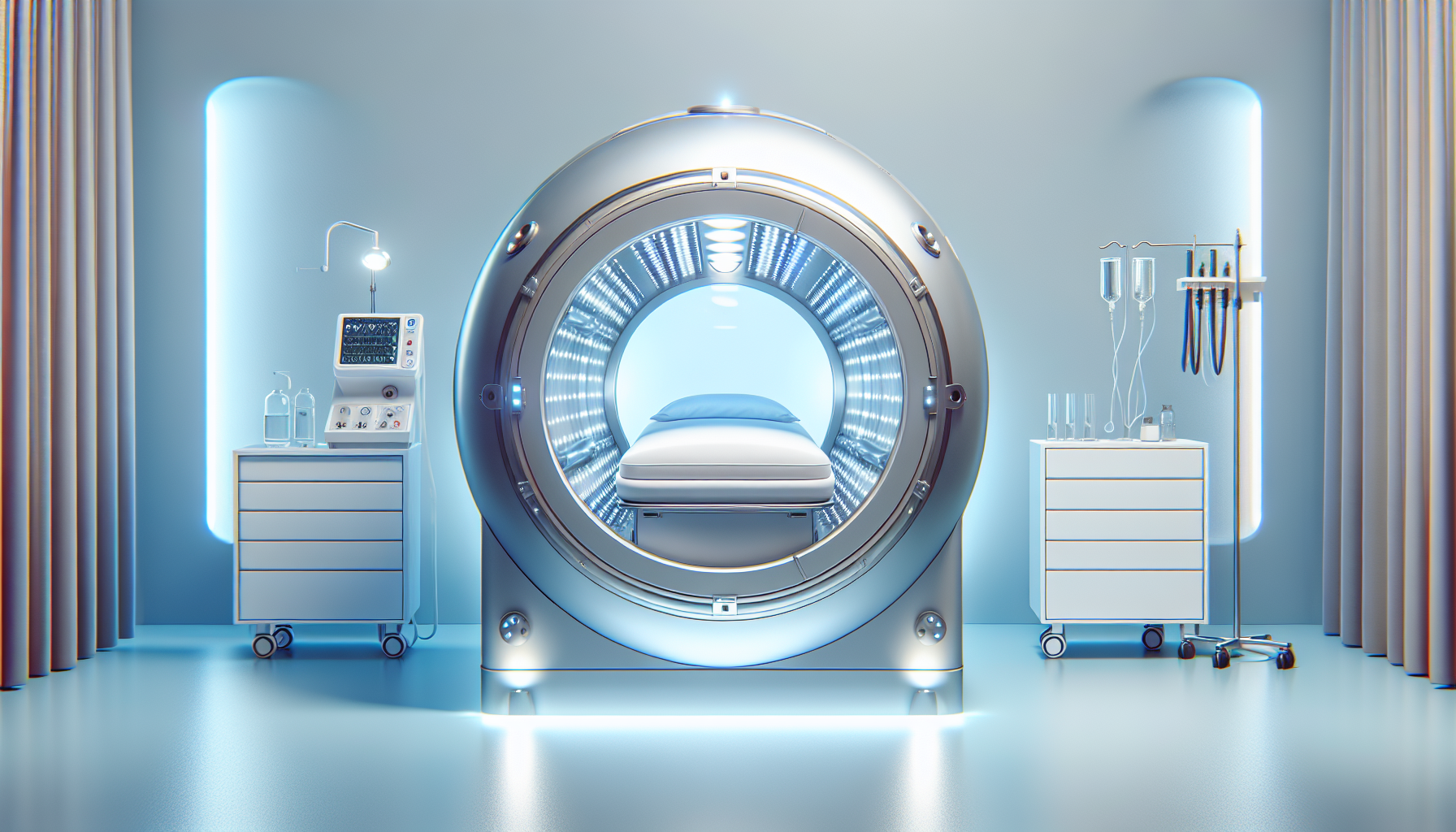
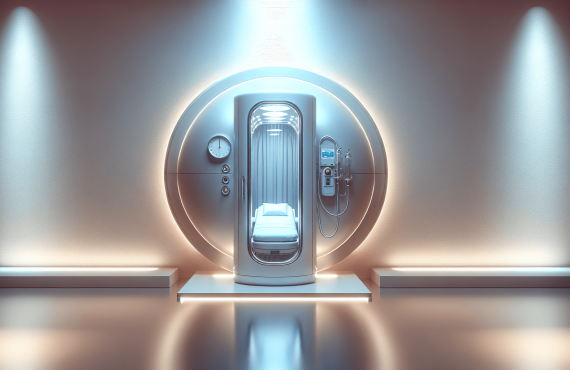
A unique form of oxygen therapy, HBOT involves breathing pure oxygen in a pressurized environment. It’s not the typical oxygen therapy most have at home, but its effects can be extraordinarily beneficial.
What Makes HBOT Different?
Hyperbaric oxygen therapy heightens the atmospheric pressure within a chamber, significantly increasing oxygen delivery to tissues that require healing. This form of therapy strengthens the body’s immune response and boosts tissue repair processes.
Applications of HBOT
HBOT is particularly useful for treating decompression sickness in divers, chronic non-healing wounds, radiation injuries, and serious infections. It promotes healing through increased oxygen availability in injured tissues.

The Science Behind Oxygen Therapy
Understanding the scientific basis sheds light on why oxygen therapy is so effective. It relies on the principle that oxygen is essential for cellular metabolism and energy production.
Cellular Metabolism
Cells use oxygen to convert nutrients into energy. In individuals with inadequate oxygen levels, cellular function is compromised, leading to systemic health issues. Oxygen therapy restores these levels, aiding metabolic processes and energy production.
Angiogenesis
Oxygen therapy supports angiogenesis, the formation of new blood vessels, ensuring that tissues receive an adequate blood supply. This is especially crucial in healing processes and recovering from injuries.
FAQs About Oxygen Therapy
Here are some frequently asked questions regarding oxygen therapy.
Q: How is oxygen therapy administered?
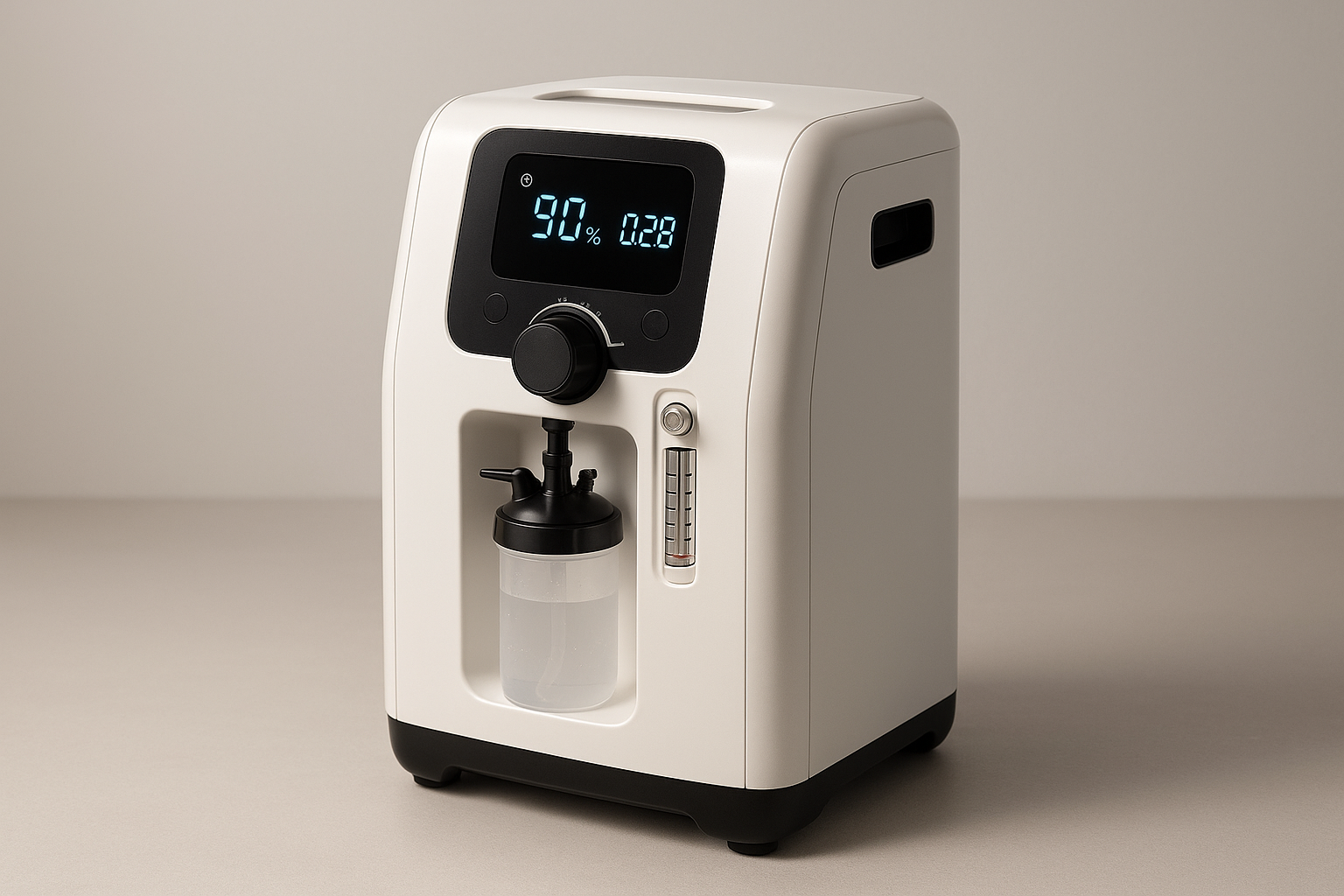
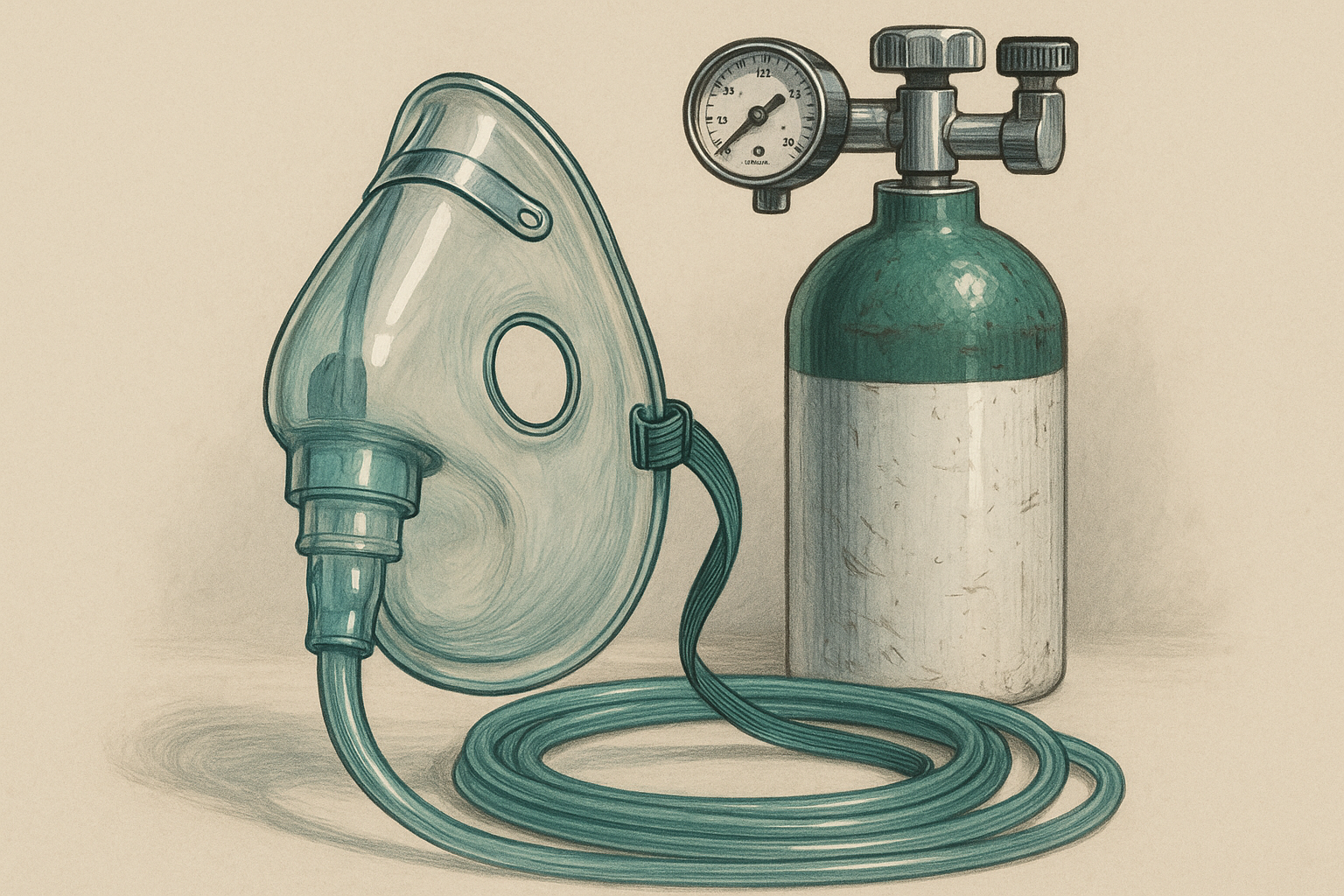
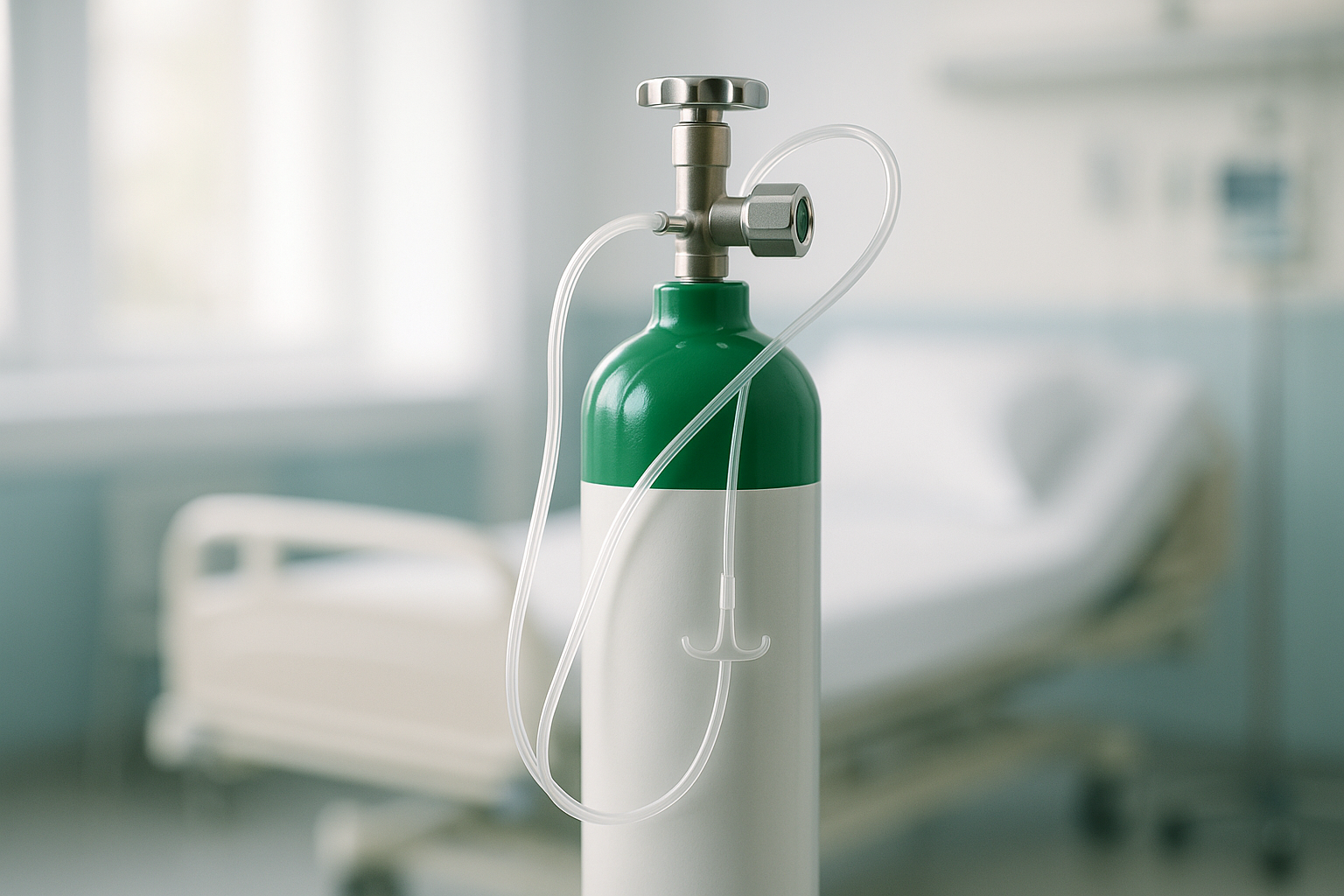
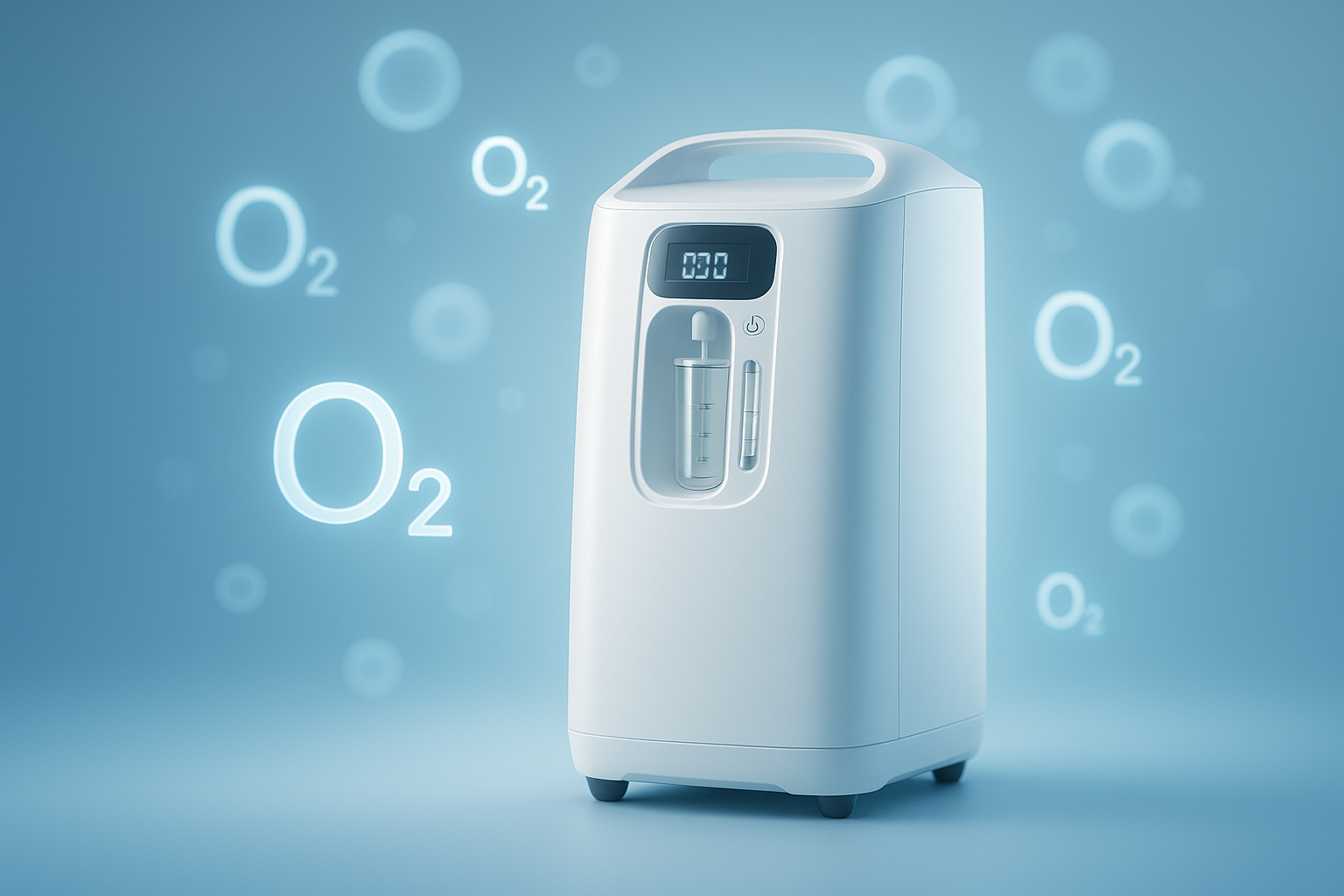
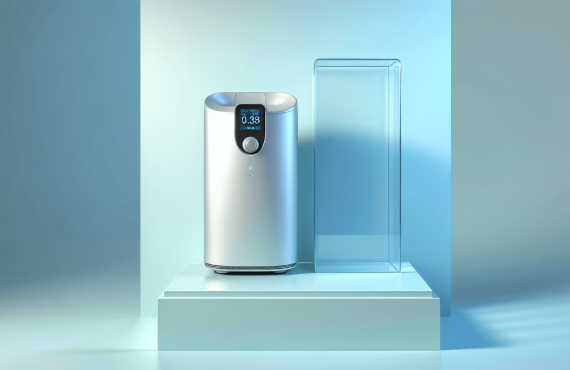
A: It is administered using devices such as oxygen concentrators or tanks, often delivered through masks or nasal tubing.
Q: Is oxygen therapy safe?
A: Yes, when prescribed and monitored by a healthcare provider, it is safe and effective.
Q: How long do treatments last?
A: The duration varies with the condition and the individual’s needs. Some may require it only during certain activities or sleeping, while others may need continuous oxygen.
Q: Can I travel if I use oxygen therapy?
A: Yes, many portable oxygen systems enable travel. Always consult your healthcare provider for guidance specific to your situation.
Q: Does oxygen therapy improve exercise capacity?
A: Yes, by enhancing oxygen supply, it can improve endurance and exercise capacity in many patients.
Finding Help and Treatment
If you think oxygen therapy might benefit you or a loved one, consult healthcare professionals who specialize in this treatment. One trusted source is Henry Chiropractic.
If you’re in the Pensacola area, consider visiting Henry Chiropractic. Dr. Craig Henry and Dr. Aaron Hixon are committed to improving health and wellness. They’re ready to discuss your situation and how therapies, including oxygen, might be of assistance.
For inquiries, contact:
Henry Chiropractic
1823 N 9th Ave
Pensacola, FL 32503
(850) 435-7777
Visit Website
Understanding the qualifying diagnoses for oxygen therapy can be a game-changer for those in need. This guide aims to demystify the conditions that call for such intervention and the profound benefits it can bring forth. Whether it’s through standard oxygen therapy or hyperbaric treatment, the path to improved health and wellness is clearer when you know your options.