
Table of Contents
<h1>Can Being on Oxygen Cause Problems? The Expert 9-Step Guide</h1>
Meta Description: Discover the potential issues of oxygen therapy. Learn side effects, risks, and safety tips in our expert 9-step guide to navigating oxygen use.

Introduction: Understanding Oxygen Therapy
Can being on oxygen cause problems? Yes, it can—but usually not in the dramatic, movie-scene way people imagine. More often, the problems are practical, preventable, and tied to dose, device, dryness, fire risk, or the medical condition that made oxygen necessary in the first place.
Oxygen therapy is used when your body isn’t getting enough oxygen on its own. That can happen with COPD, pneumonia, interstitial lung disease, heart failure, sleep-related breathing disorders, or after surgery. According to the CDC, chronic lower respiratory disease remains one of the leading causes of death in the United States, which helps explain why home oxygen is so common. As of 2026, millions of people worldwide use supplemental oxygen at home, in hospitals, and in long-term care settings.
People worry because oxygen feels both ordinary and serious. It’s air’s glamorous cousin. You breathe it, so how dangerous could it be? Yet too much oxygen, poorly maintained equipment, and unsafe use around flames can cause real harm. Based on our research, the better question is not whether oxygen is “good” or “bad,” but whether it’s being used correctly for your condition.
The benefits still matter. When prescribed properly, oxygen therapy can reduce shortness of breath, protect organs from low oxygen, improve sleep quality, and in some patients extend survival. We found that most problems arise when people change flow settings on their own, ignore equipment cleaning, or underestimate fire danger.
Can Being on Oxygen Cause Problems? A Closer Look
Can being on oxygen cause problems? The direct answer is yes, but the full answer needs a little more honesty and a little less panic. Oxygen itself is a medical treatment. Like any treatment, it can help when used properly and cause trouble when used incorrectly, in the wrong amount, or without monitoring.
One common misconception is that oxygen is harmless because it’s natural. Water is natural too, and no one suggests inhaling it. Another myth is that if a little oxygen helps, more must be better. That’s not how it works. For some patients—especially people with COPD who are prone to carbon dioxide retention—too much oxygen can worsen breathing balance. Harvard Health has discussed how oxygen must be carefully titrated rather than casually increased.
We analyzed guidance from pulmonary clinics, hospital protocols, and public health agencies, and the concerns clustered into five main areas:
- Everyday side effects such as dry nose, headaches, and skin irritation
- Oxygen toxicity from prolonged high-concentration exposure
- Fire hazards because oxygen feeds flames aggressively
- Carbon dioxide retention in select high-risk patients
- Misunderstandings about “dependency” and whether oxygen weakens your lungs
There are also age-related differences. A frail 82-year-old with heart failure may face different practical issues than a child on short-term oxygen after RSV. In 2026, clinicians still emphasize the same rule they emphasized years ago: oxygen should be prescribed to a target saturation range, not treated like a comfort dial you twist upward because Tuesday feels exhausting.

Common Side Effects of Oxygen Therapy
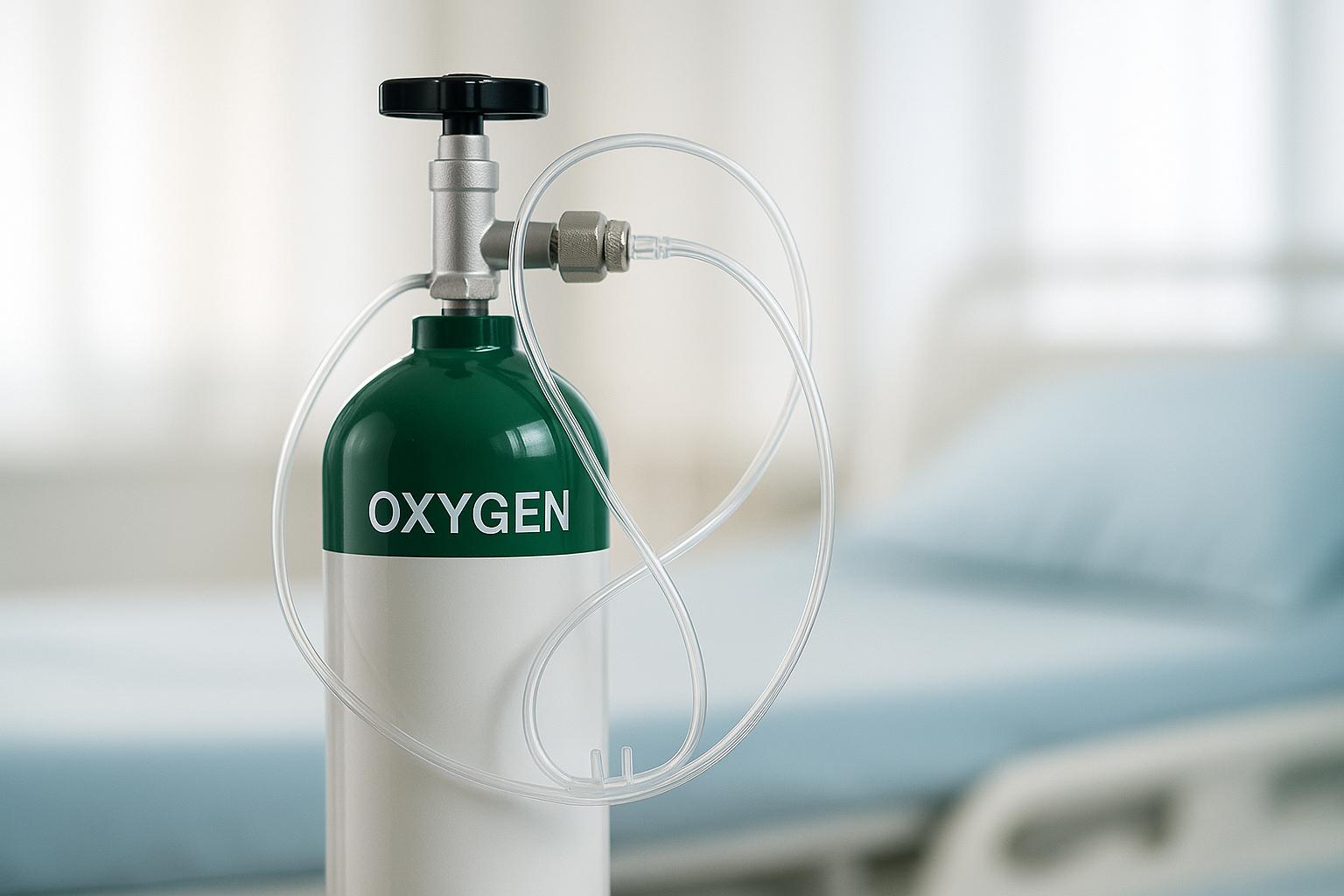
If you’re asking Can being on oxygen cause problems?, the most likely answer in day-to-day life involves side effects rather than medical emergencies. The usual complaints are dry nasal passages, irritation, headaches, fatigue, and sore skin where tubing presses against the ears or cheeks.
Dryness is the classic one. Oxygen moving through a nasal cannula can dry the inside of your nose, especially in winter or in homes with low humidity. Consumer health trend data tracked by Statista has repeatedly shown strong year-over-year growth in purchases of humidifiers and home respiratory accessories, a useful clue that dryness and comfort problems are widespread among home users. Dryness can lead to crusting, minor nosebleeds, and a burning feeling that makes you want to fling the tubing across the room.
The Mayo Clinic notes that oxygen equipment can also cause practical discomforts such as skin irritation, dryness, and trouble adjusting to therapy. Headaches and fatigue may happen if your flow is too high, too low, or if your underlying illness is changing. A 2024 clinical review in respiratory care literature found that symptom complaints were among the top reasons patients used oxygen inconsistently.
What helps?
- Use a water-based moisturizer around the nostrils, not petroleum jelly unless your clinician approves.
- Ask about humidification if your oxygen setup and prescription allow it.
- Pad the tubing contact points behind your ears with approved cushions.
- Report new headaches rather than assuming they’re normal.
- Check fit and flow settings with your supplier or clinician instead of self-adjusting.
In our experience, small comfort fixes improve adherence dramatically. People are far more likely to use prescribed oxygen correctly when their nose isn’t staging a revolt.
Risks of Oxygen Toxicity
Can being on oxygen cause problems? Yes, and oxygen toxicity is the phrase that tends to make people sit up straighter. Oxygen toxicity happens when you breathe oxygen at high concentrations for long enough that it starts damaging tissues, especially the lungs and, in certain settings, the central nervous system.
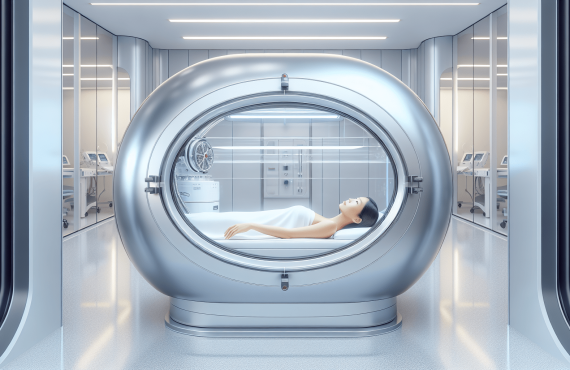
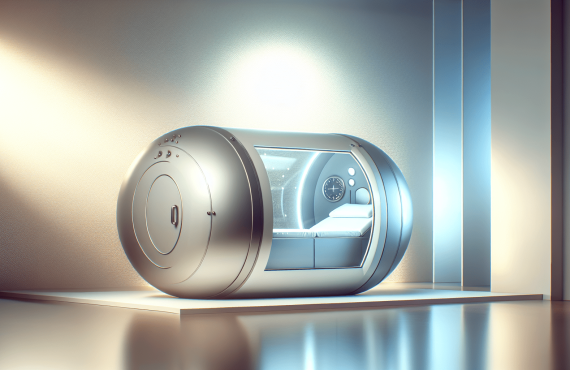
For most people on standard home oxygen, this is not the everyday danger. It’s more often a concern in critical care, hyperbaric settings, or when oxygen is delivered at very high concentrations for prolonged periods. Still, the risk is real enough that clinicians monitor exposure carefully. Symptoms may include chest pain, coughing, worsening shortness of breath, and in severe cases neurologic symptoms such as visual changes or seizures. The exact risk depends on oxygen concentration, pressure, and duration.
The CDC/NIOSH explains that oxygen-enriched environments increase hazards and require strict controls. Research summarized in critical care guidelines has shown that prolonged hyperoxia can be associated with worse outcomes in some patient groups. One 2023 review found that liberal oxygen strategies were linked to increased complications compared with more targeted oxygen therapy in selected hospitalized patients.
Here’s the practical takeaway:
- Never increase your oxygen flow on your own because you feel tired or anxious.
- Use the prescribed liters per minute exactly as directed.
- Ask your clinician what saturation range you should target; many patients do not need “as high as possible.”
Based on our analysis, oxygen toxicity is best understood as a dose problem. The body needs oxygen, but excess oxygen over time can behave less like a hero and more like an overeager houseguest who starts breaking dishes.
Fire Hazards Associated with Oxygen Use
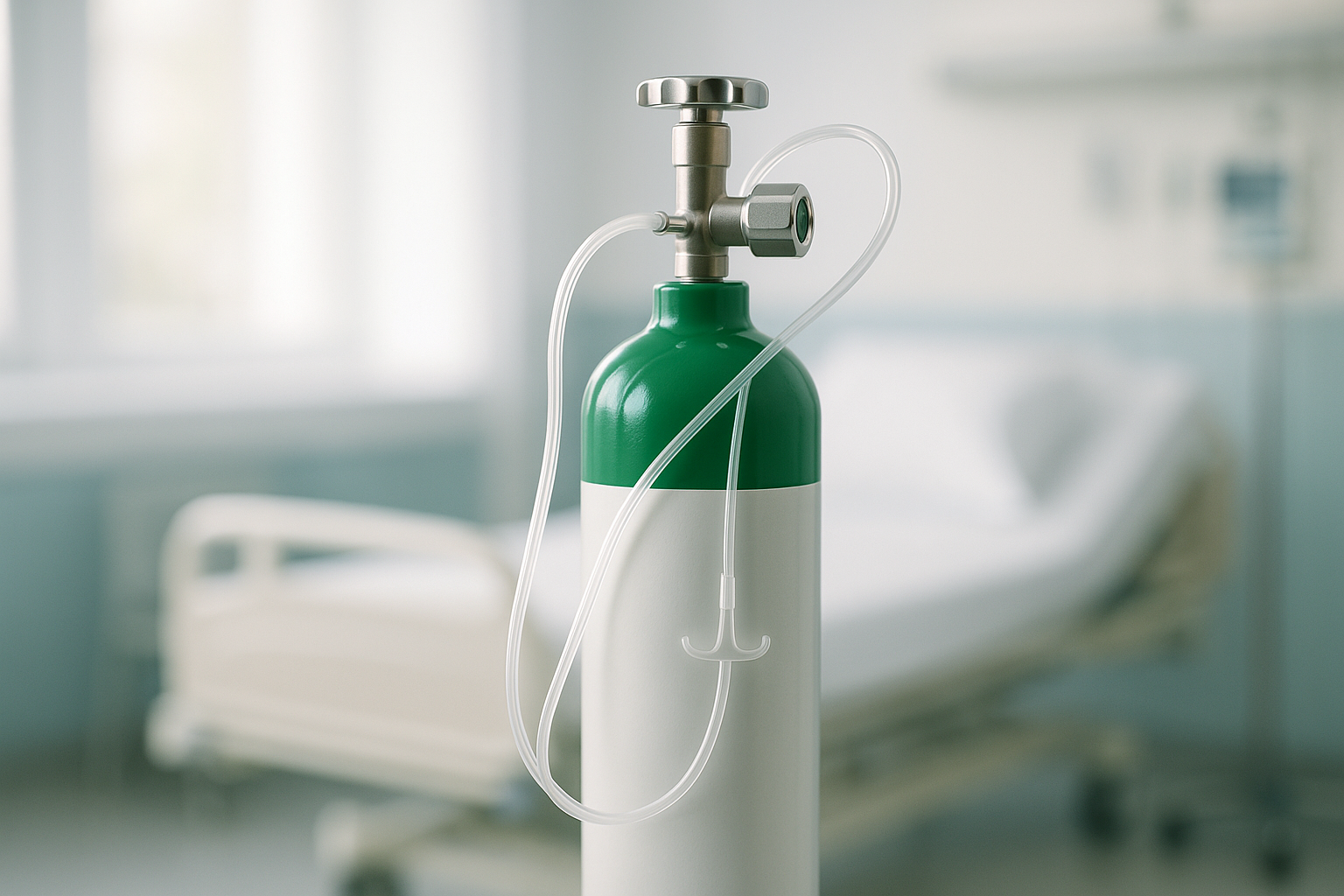
Of all the answers to Can being on oxygen cause problems?, this is the one that deserves the boldest marker. Oxygen doesn’t explode by itself, but it makes fires burn hotter and faster. A small spark, cigarette ember, gas stove flame, candle, or even a curling iron can become a disaster in an oxygen-rich environment.
The numbers are sobering. The National Fire Protection Association has reported that U.S. fire departments respond to hundreds of home fires each year involving oxygen administration equipment. Smoking is one of the leading factors. The FDA has also issued repeated warnings about home oxygen fires, especially when patients smoke or allow open flames nearby. In one often-cited safety pattern, many injuries occur not from the machine itself but from clothing, bedding, or hair igniting more easily in oxygen-enriched air.
We found that families often misunderstand the danger radius. The concern isn’t just touching a flame to the cannula. Oxygen can saturate fabrics and the immediate surrounding air, making ignition easier for several minutes.
Use these safety rules every day:
- No smoking anywhere near oxygen. Not by you, not by visitors, not by the neighbor leaning in the doorway.
- Stay at least 5 to 10 feet from open flames, depending on device guidance.
- Post “No Smoking: Oxygen in Use” signs in visible places.
- Keep equipment away from grease, aerosols, and heat sources.
- Check alarms, cords, and tubing routinely.
As of 2026, fire safety remains one of the most preventable risks of home oxygen therapy. We recommend treating oxygen the way you’d treat a stove with the burner stuck high: useful, necessary, and absolutely not something to get casual around.
Impact on Carbon Dioxide Retention
Can being on oxygen cause problems? For certain patients, yes—because oxygen can affect carbon dioxide balance. This matters most in some people with COPD and other chronic respiratory conditions who are vulnerable to CO2 retention, also called hypercapnia.
Here’s the simple version: your body needs to exchange oxygen in and carbon dioxide out. In some lung diseases, too much supplemental oxygen can change ventilation patterns and worsen ventilation-perfusion mismatch. The result may be rising CO2 levels, which can cause sleepiness, confusion, headache, flushed skin, and in serious cases respiratory failure. This is one reason clinicians often target an oxygen saturation range rather than a perfect-looking 100%.
Harvard Health has explained that oxygen therapy should be individualized, especially for people with chronic lung disease. Clinical guidance often recommends a target oxygen saturation of about 88% to 92% for certain COPD patients at risk of hypercapnia. A 2022 review in emergency and pulmonary literature found that uncontrolled high-flow oxygen in acute COPD exacerbations increased the risk of elevated CO2 compared with titrated oxygen therapy.
What should you do if this applies to you?
- Know your prescribed saturation target.
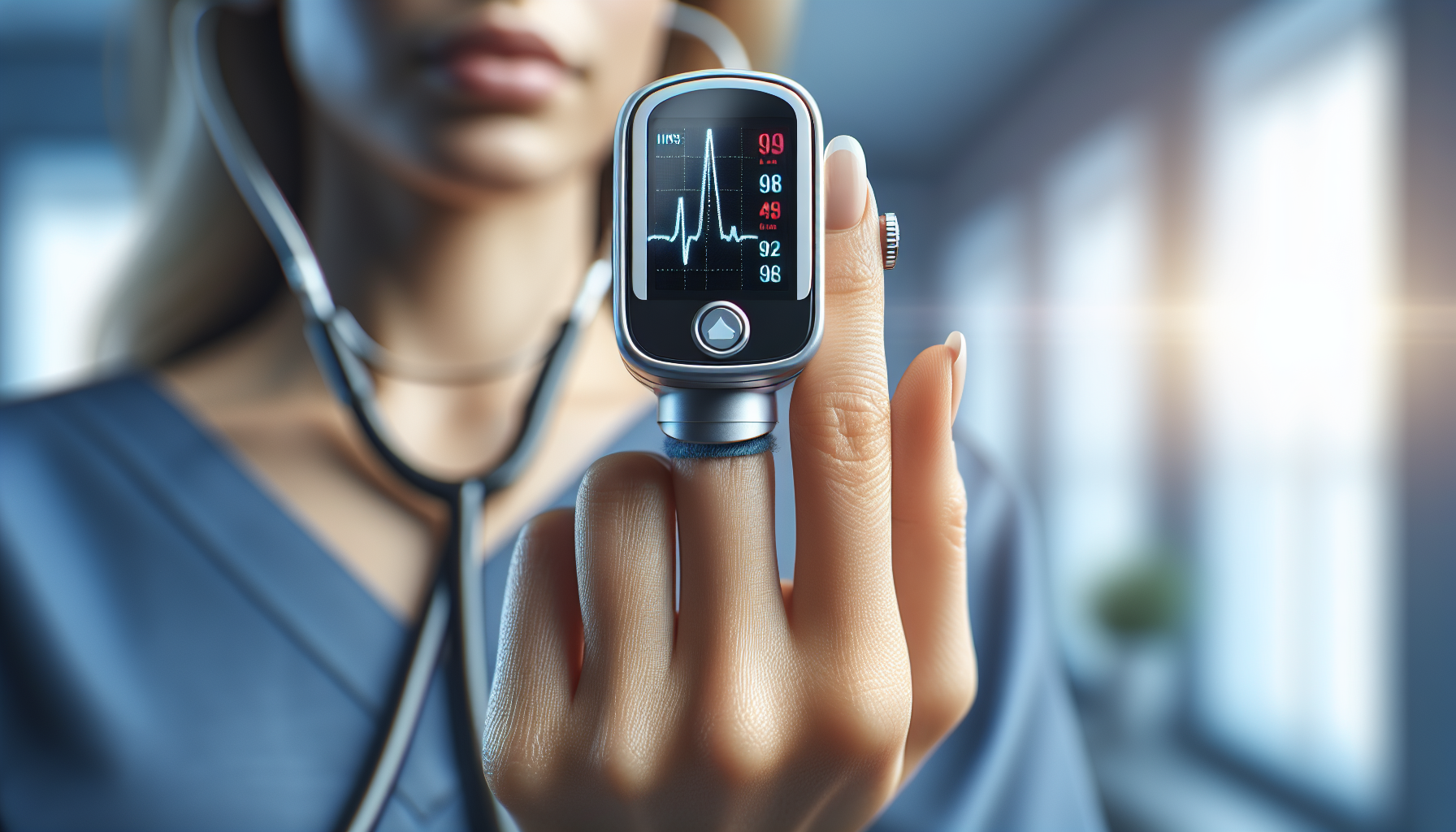
- Use a pulse oximeter only as a tool, not as permission to self-increase oxygen.
- Watch for warning signs like unusual drowsiness, worsening headache, or confusion.
- Call your clinician if symptoms change after an oxygen adjustment.
Based on our research, this is where oxygen therapy becomes less intuitive. More oxygen may look reassuring on a monitor, yet too much can create new trouble in the wrong patient.
Myth-Busting: Can You Become Dependent on Oxygen?
This question circles oxygen therapy like a moth around a porch light: if you start using oxygen, will your body “get lazy” and stop working without it? Usually, no. Can being on oxygen cause problems? Yes, but creating addiction-like dependency is not usually one of them.
The medical view is straightforward. If you need oxygen because your blood oxygen level is too low, the oxygen is treating the problem; it isn’t causing weakness in your lungs. If you feel worse without oxygen later, that often means your underlying disease still requires it. That’s not dependency in the drug sense. It’s closer to wearing glasses because your vision is blurry. The glasses didn’t weaken your eyes overnight. They revealed what was already true.
We analyzed common patient stories, and a pattern emerged. Someone leaves the hospital on oxygen after pneumonia, uses it for several weeks, improves, and then successfully tapers off under medical guidance. Another patient with advanced COPD uses long-term oxygen for years because their oxygen levels remain low. Those are two very different scenarios.
Case examples make this clearer:
- Short-term use: A 48-year-old recovering from severe pneumonia may need oxygen for 2 to 6 weeks, then stop after reassessment.
- Long-term use: A 74-year-old with severe COPD and chronic hypoxemia may benefit from daily oxygen for years.
Classic studies on long-term oxygen therapy showed survival benefits in carefully selected COPD patients with severe resting hypoxemia. That’s treatment, not dependence. We recommend asking your clinician one practical question: “Do I still meet the medical criteria for oxygen?” That cuts through fear faster than ten family opinions and one cousin who once watched a documentary.
Special Considerations for Different Age Groups
Can being on oxygen cause problems? Yes, and the problems can look different depending on your age. A child, an older adult, and a middle-aged person with chronic lung disease may all use oxygen for different reasons and face different risks.
Children can be more sensitive to equipment fit, skin irritation, and changes in oxygen levels. In neonatal and pediatric settings, clinicians are especially careful because excessive oxygen has been associated with complications in premature infants, including eye and lung problems. That doesn’t mean oxygen is unsafe for children; it means dosing and monitoring must be precise. Pediatric oxygen use is one area where “close enough” is not close enough.
Older adults often face a different set of hurdles. Falls from long tubing, hearing or vision problems, memory issues, and dry skin can all make home oxygen harder to manage. According to federal injury data, falls remain a leading cause of injury in adults age 65 and older, which makes oxygen tubing a practical hazard, not a fussy housekeeping complaint. We found that home setup matters immensely for seniors living alone.
Age-specific precautions include:
- For children: frequent reassessment, proper fit, caregiver training, and close symptom monitoring
- For older adults: shorter tubing routes, visible signage, medication review, and fall-proof room layout
- For all ages: no smoking, no self-adjustment, routine equipment checks
In 2026, portable oxygen devices are better than they once were, but human factors still decide safety. A machine can be excellent and still be a menace if it snakes across the hallway at 2 a.m.
Expert Tips for Safe Oxygen Use
If you want the shortest practical answer to Can being on oxygen cause problems?, it’s this: most avoidable problems come from poor setup, poor maintenance, or poor communication. Safe oxygen use is not mysterious. It’s a checklist.
Here’s the 9-step routine we recommend:
- Use only the prescribed flow rate. Do not raise or lower it without medical advice.
- Learn your target oxygen saturation range. Ask for a number, not a vague shrug.
- Keep oxygen away from flames and smoking. This is non-negotiable.
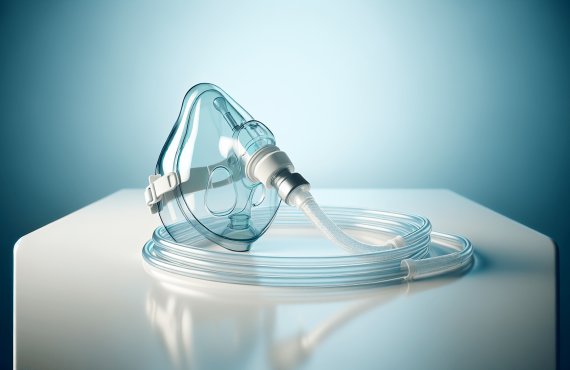
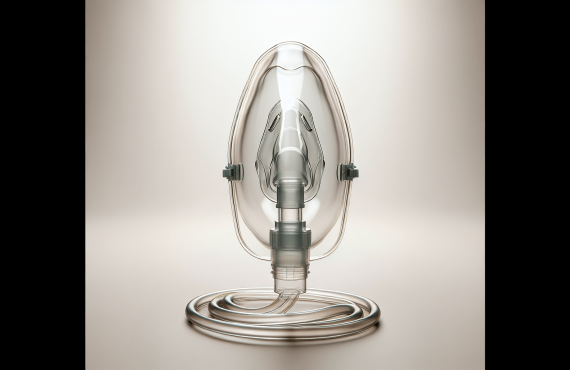
- Clean nasal cannulas, masks, and humidifier bottles as directed. Bacteria love neglect.
- Replace tubing and supplies on schedule. Worn equipment can reduce comfort and performance.
- Protect your skin. Use approved cushions and inspect pressure points daily.
- Prevent trips and falls. Secure tubing along safe paths.
- Monitor symptoms, not just numbers. Headache, confusion, chest pain, or unusual fatigue matter.
- Schedule regular follow-ups. Reassessment tells you whether the prescription still fits your needs.
The MedlinePlus guidance on oxygen therapy also emphasizes safety, hygiene, and proper use. Based on our analysis, the patients who do best are usually the least improvisational. They don’t guess. They ask. They don’t treat the machine like a toaster with extra tubing. They treat it like prescribed medical equipment, which is exactly what it is.
People Also Ask: Quick Answers to Common Questions
Can oxygen therapy cause lung damage? It can, but mainly when high concentrations are used for prolonged periods. Routine home oxygen at prescribed settings is generally much safer than unmanaged high-oxygen exposure.
Can oxygen therapy make you tired? Yes, sometimes. Fatigue may be related to your illness, poor sleep, incorrect flow settings, or CO2 retention in high-risk patients.
Can too much oxygen hurt you? Yes. Excess oxygen can contribute to oxygen toxicity or worsen carbon dioxide retention in some patients.
Are there alternatives to oxygen therapy? Sometimes. Depending on your condition, alternatives or add-ons may include inhalers, pulmonary rehabilitation, CPAP or BiPAP, treatment of anemia, smoking cessation, or cardiac care. Oxygen is not a substitute for managing the underlying disease.
Can supplements replace oxygen therapy? No. There is no vitamin, powder, or wellness gadget that can replace prescribed oxygen when your blood oxygen is low.
We found that patients often want reassurance more than anything else. Here’s the honest reassurance: oxygen therapy is commonly used, medically valuable, and often very safe when monitored correctly. The trick is respecting it. Not fearing it, not worshipping it, just respecting it—like a ladder, a chainsaw, or your aunt’s opinions at Thanksgiving.
Conclusion: Navigating Oxygen Therapy Safely
Can being on oxygen cause problems? Yes—but most of the major risks are knowable, manageable, and often preventable. The biggest issues are dryness, headaches, skin irritation, oxygen toxicity in high-exposure settings, fire hazards, and carbon dioxide retention in susceptible patients. The myth of “oxygen dependency” causes a lot of worry, but in most cases the real issue is the illness being treated, not the oxygen itself.
If you’re starting oxygen therapy, your next move is simple:
- Confirm your prescribed flow rate and target saturation range.
- Review fire safety rules with everyone in the home.
- Set a cleaning and replacement schedule for equipment.
- Track symptoms such as headaches, drowsiness, nosebleeds, or skin sores.
- Schedule follow-up visits so your clinician can decide whether to continue, adjust, or wean therapy.
Based on our research, the safest oxygen users are the ones who stay curious, follow instructions, and speak up when something changes. Oxygen should make daily life safer and more comfortable, not more confusing. Used properly, it supports your body. Used carelessly, it can create problems. The difference is rarely luck. It’s good guidance, steady habits, and the willingness to ask one more question before turning the dial.
FAQ: Your Oxygen Therapy Questions Answered
Below are the most common oxygen therapy questions patients and families ask.

Frequently Asked Questions
How long can you be on oxygen therapy safely?
You can be on oxygen therapy safely for days, months, or even years if it’s prescribed correctly and monitored. The key issue isn’t the calendar; it’s whether your oxygen flow rate, blood oxygen levels, and underlying condition are checked regularly. Based on our research, long-term oxygen therapy can improve survival in some people with severe COPD when used as directed.
What are early signs of oxygen toxicity?
Early signs can include chest discomfort, coughing, headache, unusual fatigue, and worsening shortness of breath. In severe cases, oxygen toxicity may affect the lungs or central nervous system, though this is more common with high concentrations for extended periods. If you notice new symptoms after a change in oxygen settings, contact your clinician promptly.
Can you sleep while on oxygen?
Yes, many people sleep while on oxygen, and nighttime oxygen is common for people with low oxygen levels during sleep. Your provider may recommend a nasal cannula, a specific flow rate, or overnight monitoring. Don’t adjust settings on your own just because sleep feels different the first few nights.
Is oxygen therapy covered by insurance?
Insurance often covers oxygen therapy when you meet medical criteria, but coverage depends on your diagnosis, testing, and plan rules. Medicare and many private insurers typically require documented hypoxemia, such as qualifying oxygen saturation or arterial blood gas results. We recommend asking your supplier and insurer for written details about equipment rental, portable units, and replacement supplies.
What happens if you use too much oxygen?
Using too much oxygen can create real problems, especially for people at risk of carbon dioxide retention. Can being on oxygen cause problems? Yes—when oxygen is used at the wrong dose, it can contribute to headaches, drowsiness, worsening CO2 retention, and in rare cases oxygen toxicity. That’s why prescribed settings matter so much.
Key Takeaways
- Oxygen therapy can cause problems, but the most common issues—dryness, skin irritation, headaches, and fire risk—are often preventable with proper use.
- Too much oxygen can be harmful in certain settings, especially for patients at risk of oxygen toxicity or carbon dioxide retention.
- Fire safety is one of the most serious home oxygen concerns; avoid smoking, flames, and heat sources at all times.
- Using oxygen does not usually create true “dependency”; if you still need it, the underlying condition is usually the reason.
- The safest approach is to follow your prescription exactly, maintain equipment carefully, and review your oxygen plan regularly with your healthcare provider.