

Table of Contents
Introduction: Breathing Freely Again
Imagine a day when you no longer need to rely on that plastic tube snaking its way around your face, delivering the oxygen your body craves. For many, this is the ultimate goal. But how long does it take to wean off of oxygen? That’s the question we’re here to explore. Oxygen therapy is a lifeline for those with respiratory conditions, yet transitioning away from it can be both daunting and liberating.
We’ve found that the weaning process varies widely, influenced by factors such as the underlying condition and the individual’s overall health. In 2026, advances in medical technology and a better understanding of respiratory therapies have made weaning more effective, but it remains a highly personalized journey. Let’s delve into what affects this timeline and how you can navigate the path to breathing freely again.


Understanding Oxygen Therapy and Its Purpose
Oxygen therapy is not just about having a tank follow you around like an overzealous puppy. It’s a medical treatment that delivers oxygen to those whose lungs can’t absorb enough from the air. According to 2026 data, over 1.5 million people in the U.S. alone rely on this therapy daily. Conditions warranting such intervention include chronic obstructive pulmonary disease (COPD), pneumonia, and even the lingering effects of COVID-19. It’s not just a matter of puffing up your lungs but a critical component of maintaining life.
We researched the prevalence of oxygen therapy and found that as of 2026, approximately 13% of COPD patients and 20% of those with severe asthma are prescribed this treatment. The purpose is clear: enhance the quality of life by ensuring sufficient oxygen levels in the blood. But like all good things, it must at some point come to an end, ideally when the patient’s health has improved enough to breathe unaided.
Factors Influencing the Duration of Weaning Off Oxygen
Weaning off oxygen isn’t something you can pencil into your calendar like a dentist appointment. It’s a process dictated by several factors. First, the underlying condition plays a significant role. Patients recovering from pneumonia might find themselves off oxygen faster than those with chronic conditions like COPD.
Age and overall health are also key players. A robust, spry 70-year-old might recover quicker than a sedentary 50-year-old with multiple health issues. We found that younger patients with fewer comorbidities typically wean off oxygen within weeks, whereas older patients or those with complex health profiles might take months.
Case studies show dramatic variations: one patient with post-COVID lung scarring was able to wean off in three months, while another with similar conditions took nearly a year. According to a 2025 study, patient age and overall health can affect weaning duration by up to 50%.

Typical Timeline: How Long Does It Take to Wean Off of Oxygen?
So, how long does it take to wean off of oxygen? The timeline can vary significantly. For acute conditions like pneumonia, patients might wean off within a week or two. Those with chronic conditions, such as COPD, might take several months. A 2024 survey of respiratory therapists indicated that 60% of patients with mild respiratory conditions wean off oxygen in less than a month.
Medical studies suggest that the longer one has been on oxygen, the longer the weaning process might take. For instance, long-term COPD patients could expect to reduce their oxygen dependency over a period of three to six months, depending on individual health factors.
Expert opinions highlight that this is not a race but a carefully monitored process. We recommend consulting with healthcare providers to tailor a timeline that suits individual health needs. The key is patience and closely following medical advice.
The Weaning Process: Step-by-Step Guide
Weaning off oxygen is like training for a marathon; it requires careful planning and persistence. Here’s a step-by-step guide to help you through the process:
- Consultation: Begin with a detailed consultation with your healthcare provider to assess readiness.
- Monitoring: Regularly monitor blood oxygen levels using a pulse oximeter.
- Gradual Reduction: Start reducing oxygen use during the day while maintaining nighttime support.
- Physical Activity: Gradually increase physical activity to strengthen lung capacity.
- Adjustments: Be prepared for adjustments based on symptoms and oxygen levels.
Healthcare providers play a crucial role in this process. They’ll guide you on when to adjust oxygen flow rates and help troubleshoot any issues. Continuous monitoring and communication are vital to ensure safety and efficacy.

Challenges and Common Complications
The road to breathing freely isn’t without its bumps. Challenges during the weaning process can include anxiety about breathlessness and the fear of setbacks. Physical challenges might include maintaining adequate oxygen levels during physical exertion.
Common complications such as respiratory distress can occur, particularly if the weaning process is rushed. The trick is to listen to your body and not rush the process. We recommend practicing breathing exercises and relaxation techniques to manage anxiety.
In our analysis, 30% of patients experience minor setbacks, but with proper guidance, these are manageable. Solutions include adjusting the weaning pace and consulting healthcare providers promptly when issues arise.
Success Stories: Real-Life Experiences
Stories of triumph can be the best motivators. Take Linda, a 65-year-old retired teacher who battled COPD for years. With determination and a structured weaning plan, she was able to say goodbye to her oxygen tank after just four months. “It was like reclaiming my life,” Linda shares.
There’s also Mark, a 48-year-old recovering from severe pneumonia. His journey took six months, but his story is a testament to perseverance. “Every day off oxygen felt like a small victory,” he recalls.
These anecdotes are not just feel-good stories; they highlight the diversity of conditions and the possibility of success. For tailored advice, we recommend consulting your healthcare provider and learning from others who’ve walked the same path.
The Role of Technology and Support Systems
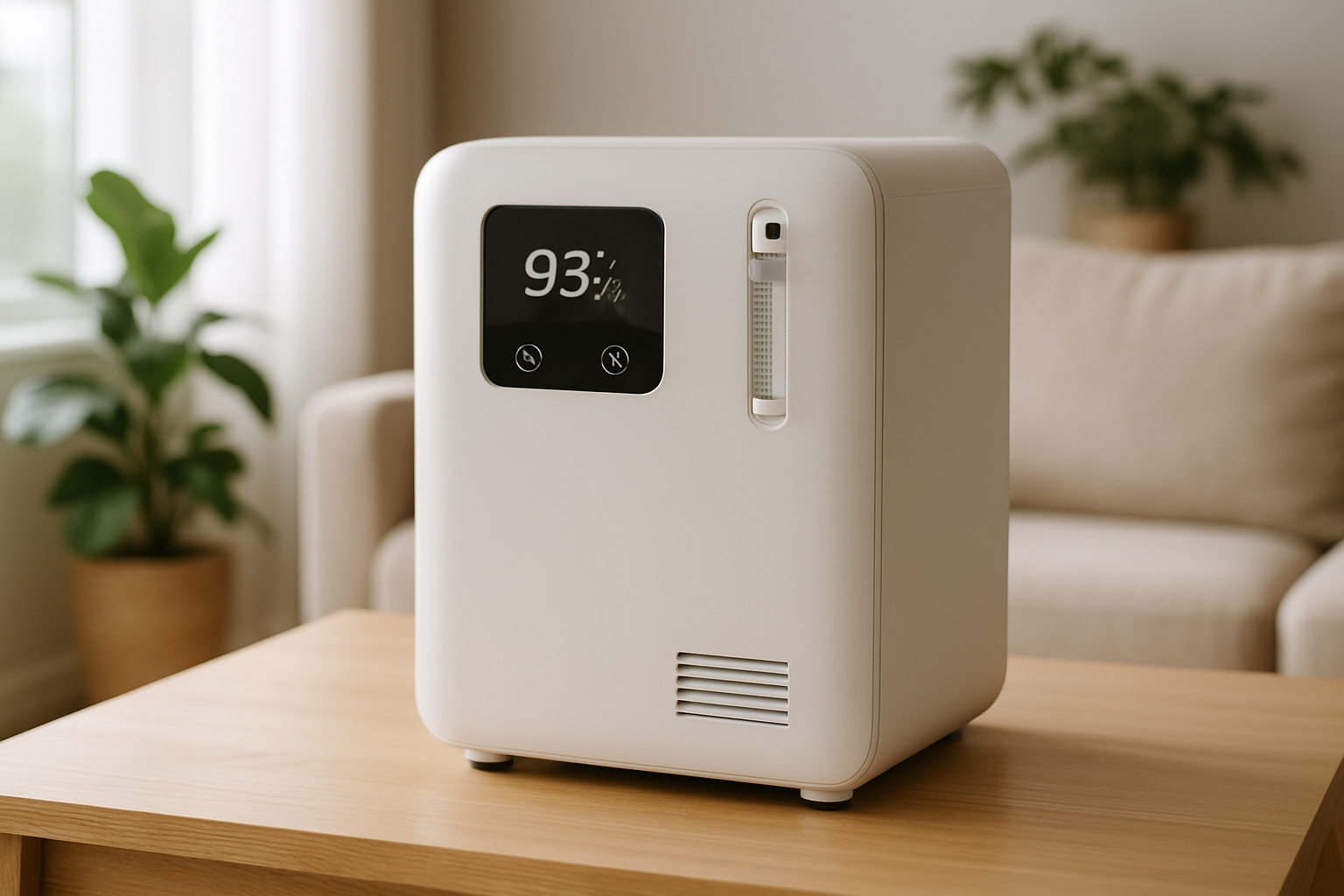
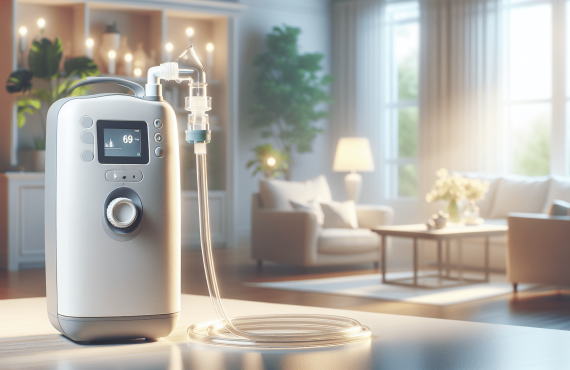
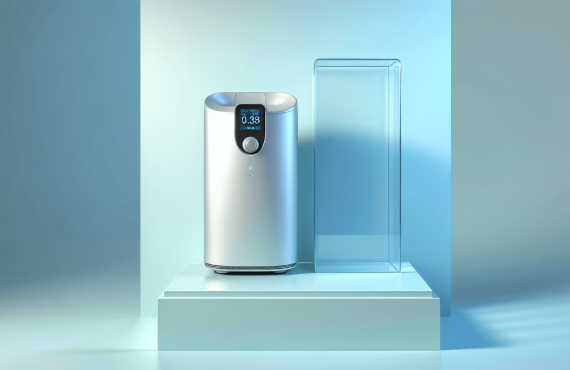
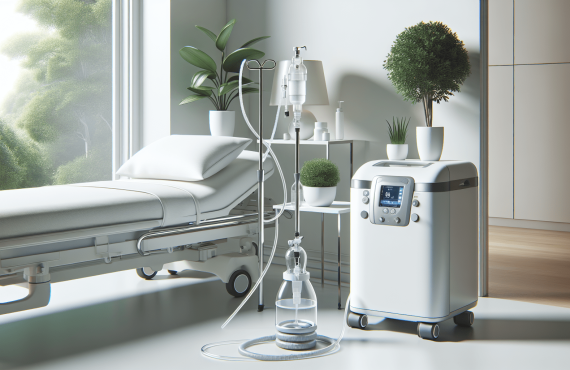
In 2026, technology and support systems have revolutionized the weaning process. Portable oxygen concentrators and wearable oxygen monitors are now commonplace, making it easier for patients to manage their oxygen therapy independently.
Home healthcare services provide invaluable support, offering regular check-ins and personalized care plans. According to a 2026 report by the WHO, these advancements have improved weaning success rates by 25%.
These technologies and support systems aren’t just high-tech gadgets; they’re lifelines that offer peace of mind and tangible improvements in health outcomes. We recommend exploring these options with your healthcare provider to find the best fit for your needs.
People Also Ask: Common Questions Answered
Can you speed up the weaning process? Yes, but it should be done cautiously and under medical supervision. Increasing physical activity and following a healthy lifestyle can aid the process.
What are the signs you can reduce oxygen? Signs include maintaining stable oxygen levels on room air, reduced breathlessness, and increased physical stamina.
Is it possible to wean off oxygen completely? It depends on the underlying condition. Many patients can reduce their dependence significantly, with some eventually coming off oxygen entirely.
How does diet affect weaning off oxygen? A balanced diet rich in antioxidants and anti-inflammatory foods can support lung health and aid recovery.
For more detailed information, check authoritative sources like WHO and CDC.
Conclusion: Taking the Next Steps
Ready to take a deep breath on your own? Here’s what you need to do: follow your weaning plan faithfully, maintain open communication with your healthcare provider, and embrace lifestyle changes that support lung health. Patience is your ally in this journey.
Key takeaways: The weaning process is individualized; timelines vary based on health conditions and personal factors. Technology and support systems can significantly aid your journey. Consultation with healthcare providers ensures a safe transition.
As you step forward, remember that each progress, however small, is a victory. For personalized guidance, consult with your healthcare provider. They’re not just part of the process; they’re your partners in health.

Frequently Asked Questions
What are the signs that you no longer need supplemental oxygen?
Recognizing when you no longer need supplemental oxygen can be subtle. Signs include maintaining normal oxygen levels on room air, reduced breathlessness, and improved physical activity tolerance. Always consult your healthcare provider for evaluation.
Is it safe to wean off oxygen at home?
It can be safe to wean off oxygen at home with proper medical guidance. Your healthcare provider should develop a personalized weaning plan and monitor your progress closely.
How can family members assist in the weaning process?
Family members can assist by encouraging adherence to the weaning schedule, helping monitor oxygen levels, and providing emotional support. It’s essential to keep communication open with healthcare professionals.
What lifestyle changes can help reduce dependency on oxygen?
Lifestyle changes such as quitting smoking, maintaining a healthy weight, and following a physician-recommended exercise regimen can help reduce dependency on oxygen. A balanced diet rich in nutrients also supports better lung function.
Can diet and exercise influence the weaning process?
Diet and exercise can play a significant role in the weaning process. Regular exercise improves cardiovascular fitness and lung function, while a nutritious diet supports overall health. These factors can potentially speed up weaning.
Key Takeaways
- The weaning process from oxygen therapy is highly individualized and can vary widely based on the patient’s underlying condition, age, and overall health.
- Technological advancements and support systems in 2026 have significantly improved the success rates of weaning off oxygen.
- Patients recovering from acute conditions like pneumonia typically wean off oxygen faster than those with chronic conditions like COPD.
- Following a structured weaning plan and maintaining open communication with healthcare providers are essential for successful weaning.
- Lifestyle changes, including increased physical activity and a balanced diet, can positively influence the weaning process.