

Have you ever wondered why someone might need supplemental oxygen? Venturing into the world of healthcare, it’s common to encounter unfamiliar scenarios. Being placed on oxygen can sound alarming, prompting questions about its seriousness. Let’s unravel this concept together.

Table of Contents
Understanding Oxygen Therapy
What is Oxygen Therapy?
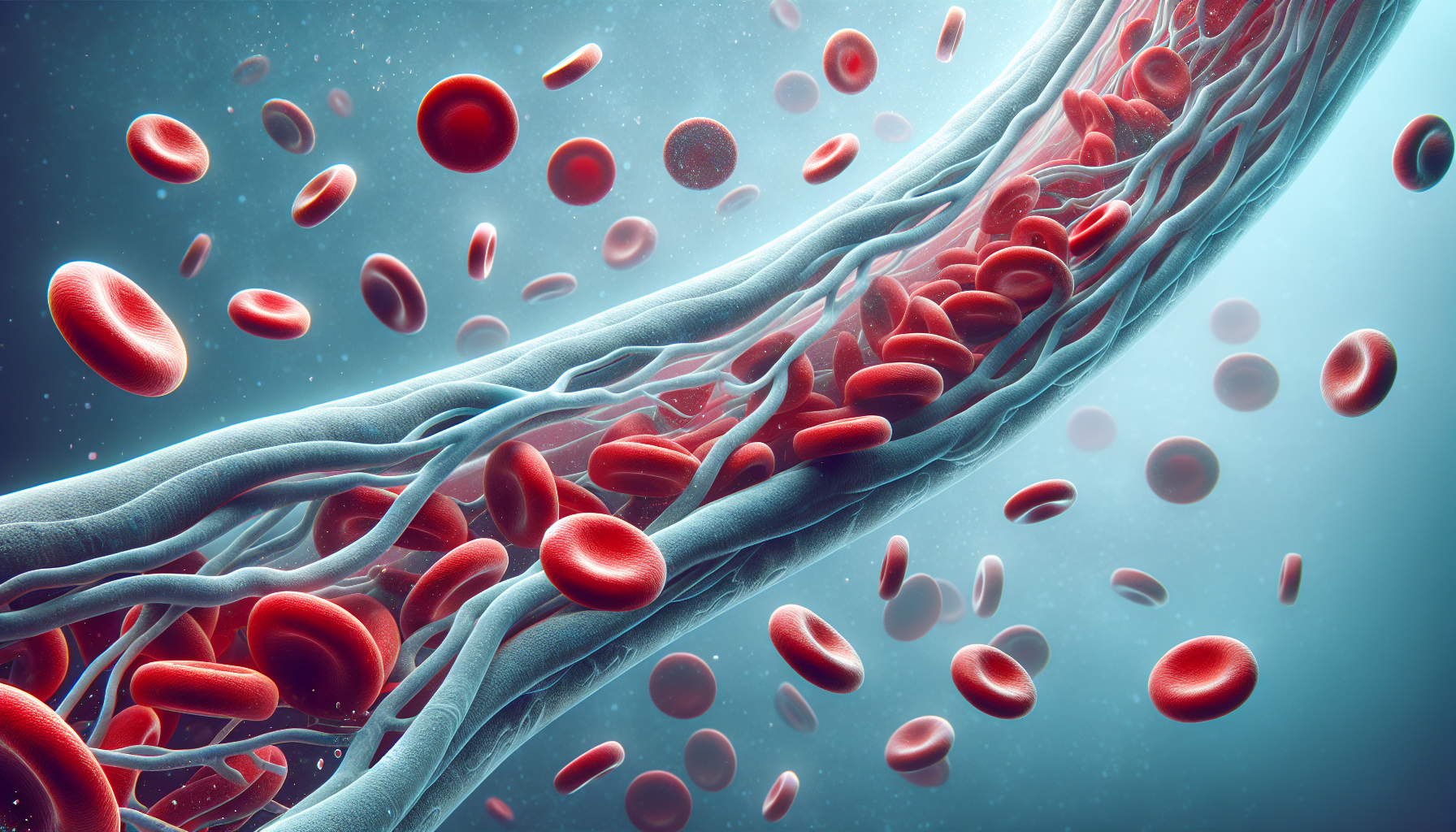
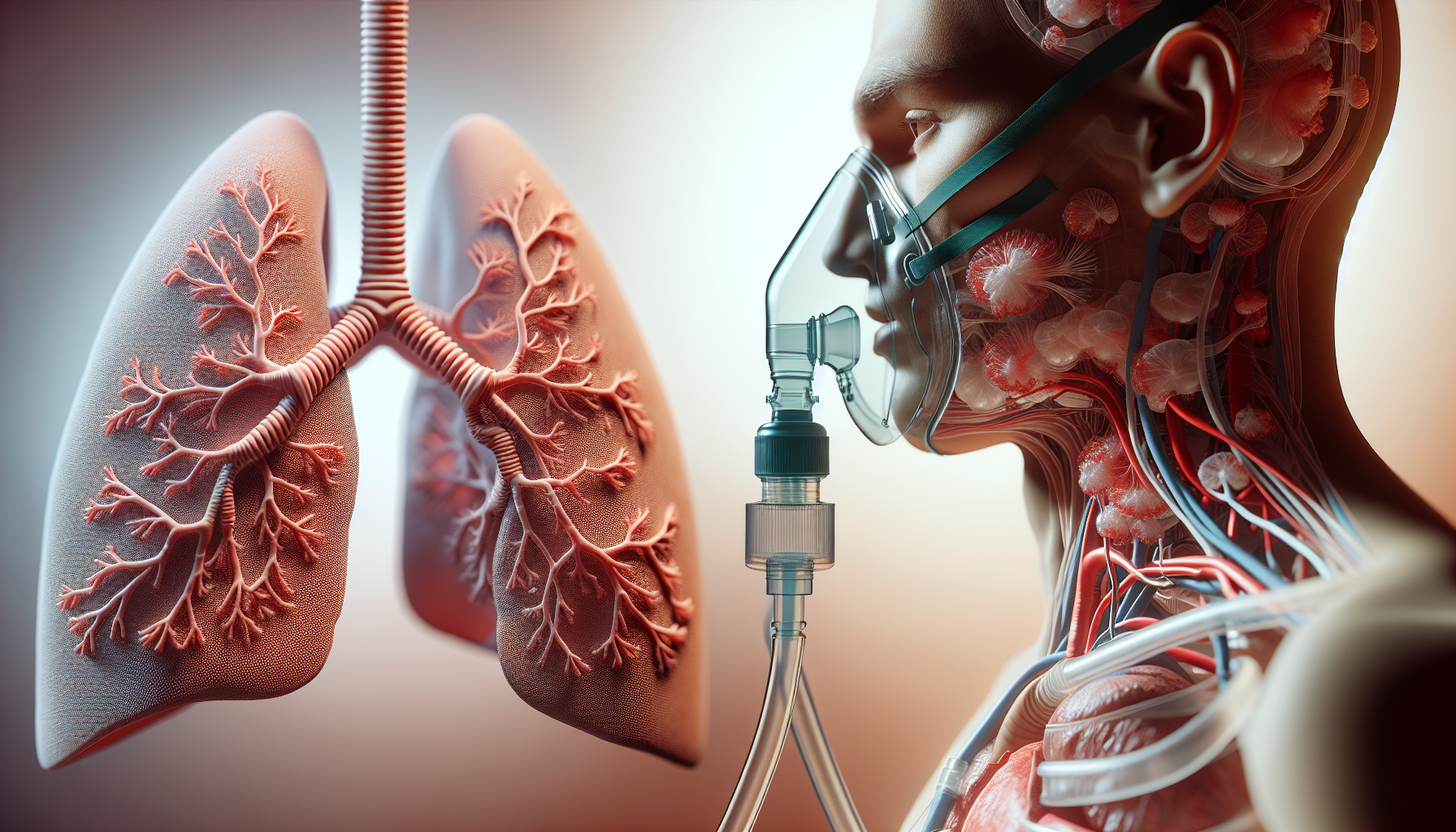
Oxygen therapy involves supplying extra oxygen through various methods aside from normal breathing. It ensures that oxygen reaches the bloodstream efficiently, supporting vital organs.
Why is Oxygen Essential?
Oxygen fuels cells in your body. Every tissue relies on it to function properly. When your lungs can’t supply enough oxygen, therapy steps in to maintain health and prevent complications.
Is Being Put On Oxygen Serious?
The prospect of oxygen therapy can be intimidating. But is it as serious as it seems? Let’s delve into what situations might necessitate it and what that means for individual health.
Common Reasons for Oxygen Therapy
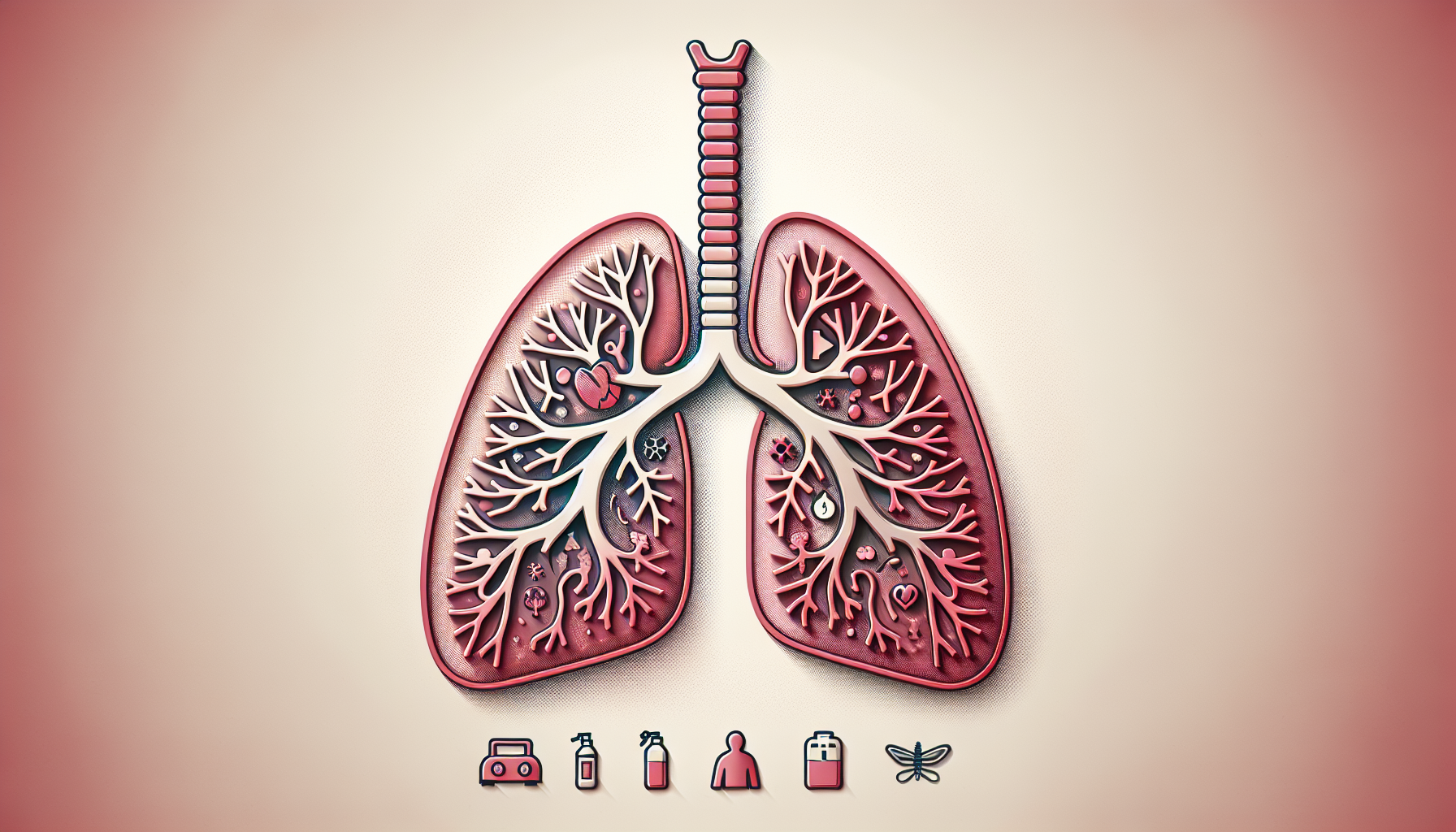
Your doctor may recommend oxygen therapy for several reasons. Chronic obstructive pulmonary disease (COPD), pneumonia, severe asthma attacks, heart failure, and sleep apnea are just a few examples where oxygen is crucial.
How Serious is Oxygen Therapy?
The seriousness of being put on oxygen varies. For chronic conditions, it’s a prolonged requirement to aid breathing. However, for acute conditions, it might be temporary, stabilizing patients until they recover.


The Importance of Professional Guidance
Why Consult Healthcare Providers?
Healthcare providers are pivotal in assessing the need for oxygen. They evaluate blood oxygen levels and overall health to customize advice. Just as Dr. Craig Henry and Dr. Aaron Hixon cater to patient needs at Henry Chiropractic, your well-being is a priority.
Monitoring and Adjustment of Oxygen Levels
Your care provider will regularly monitor and adjust your oxygen levels. Regular checks ensure you receive the correct oxygen amount, preventing issues like oxygen toxicity or inadequate oxygen delivery.
Oxygen Delivery Methods
Overview of Delivery Systems
Oxygen reaches you through various systems. Let’s explore them for a clearer picture of what might suit your condition.
| Delivery Method | Description | Duration and Use |
|---|---|---|
| Nasal Cannula | A lightweight tube with two prongs placed in nostrils | Ideal for low-flow oxygen needs; easy to manage |
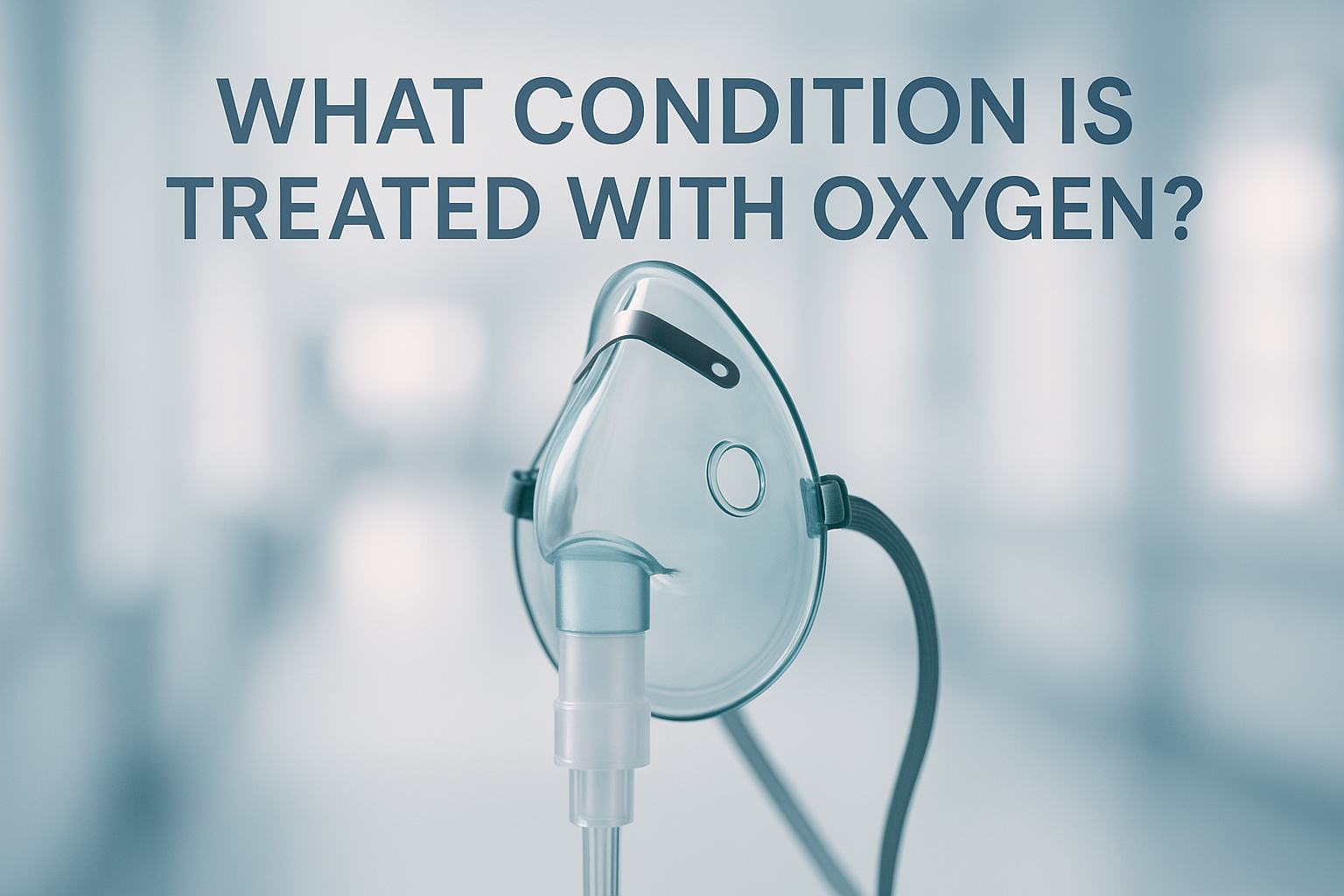
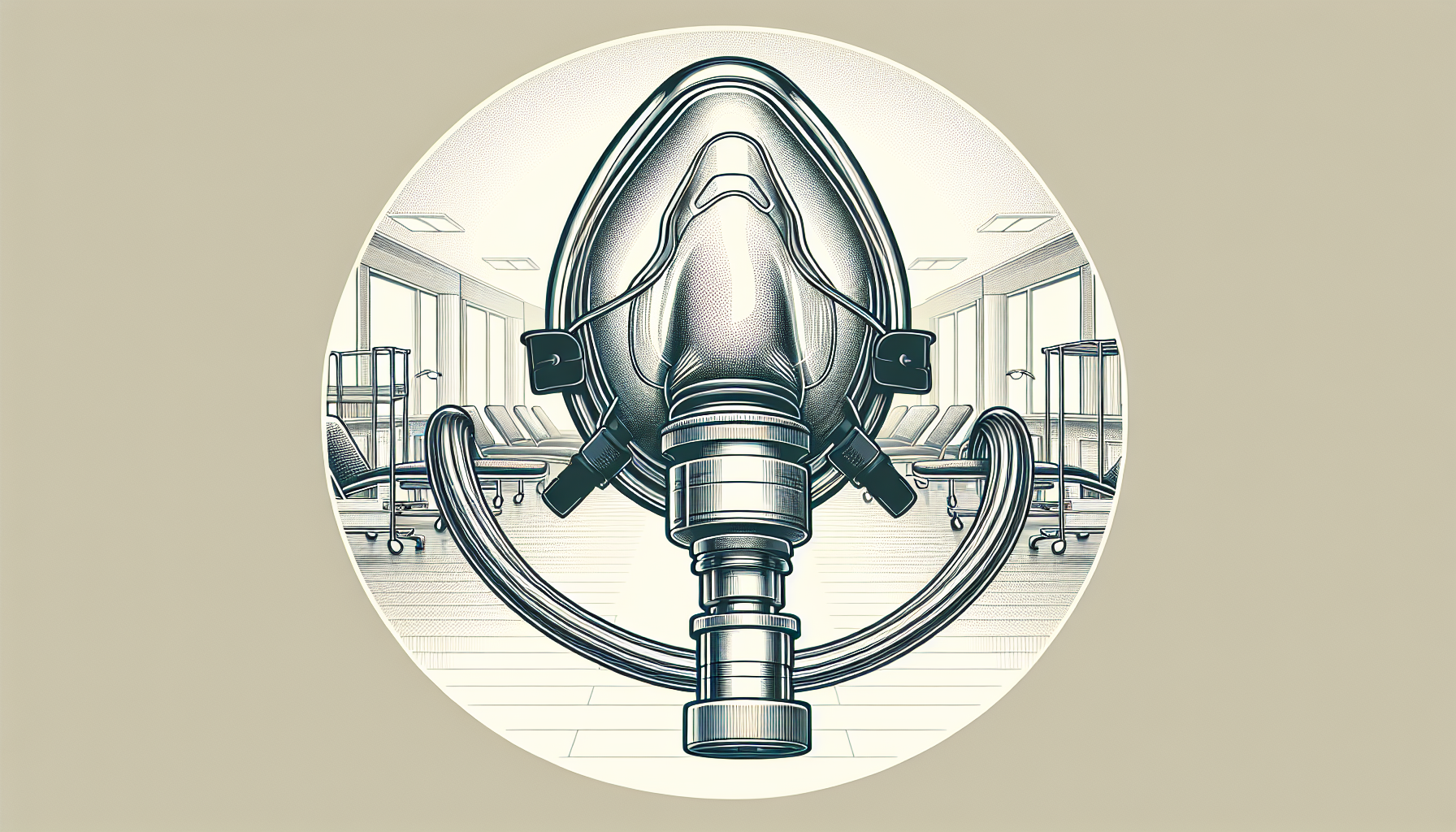
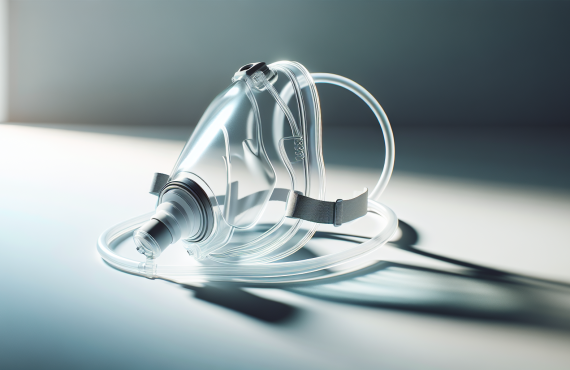
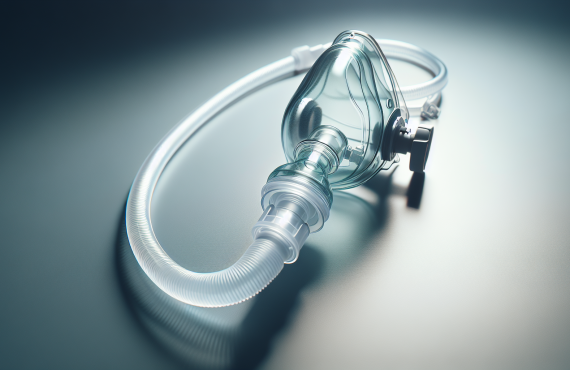
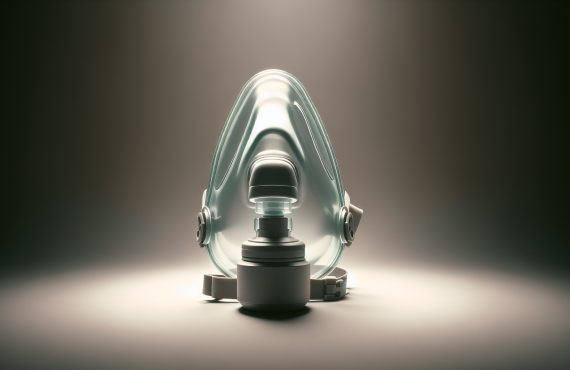
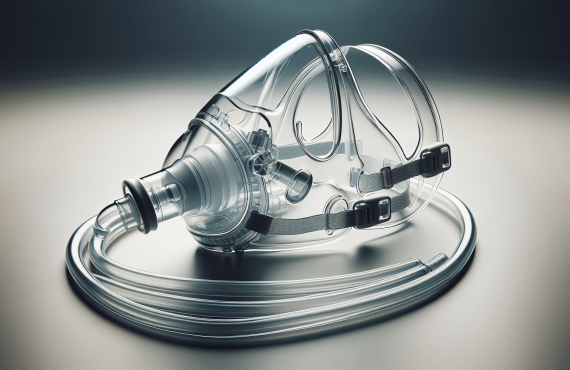
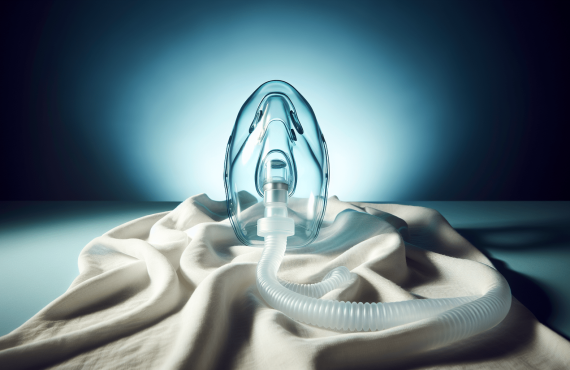
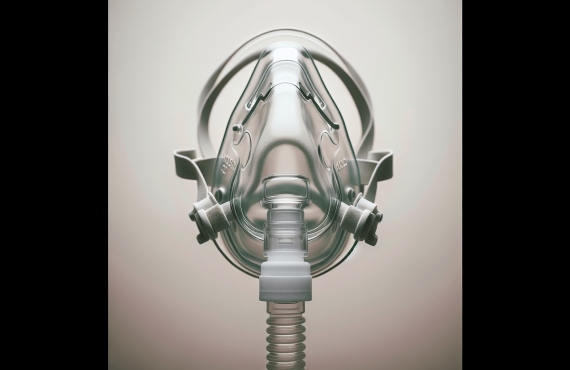
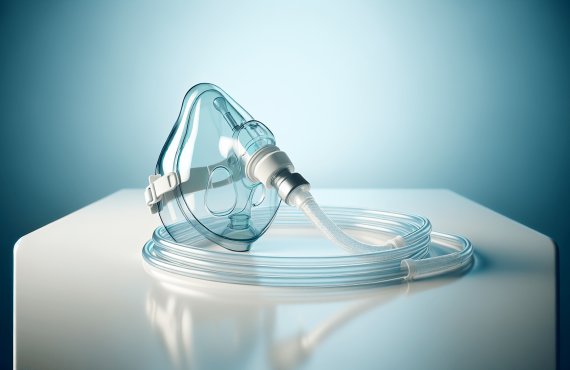
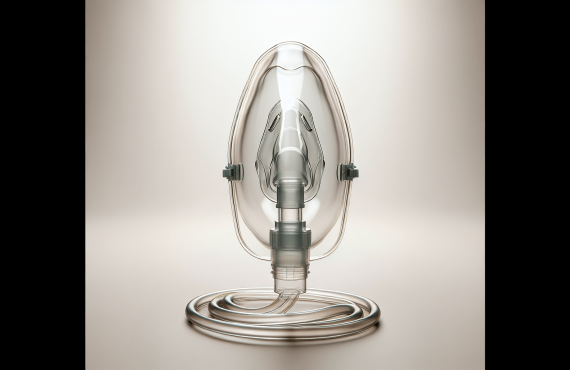
| Face Masks | Covers mouth and nose | Useful for higher oxygen flow; used in hospitals or during sleep |
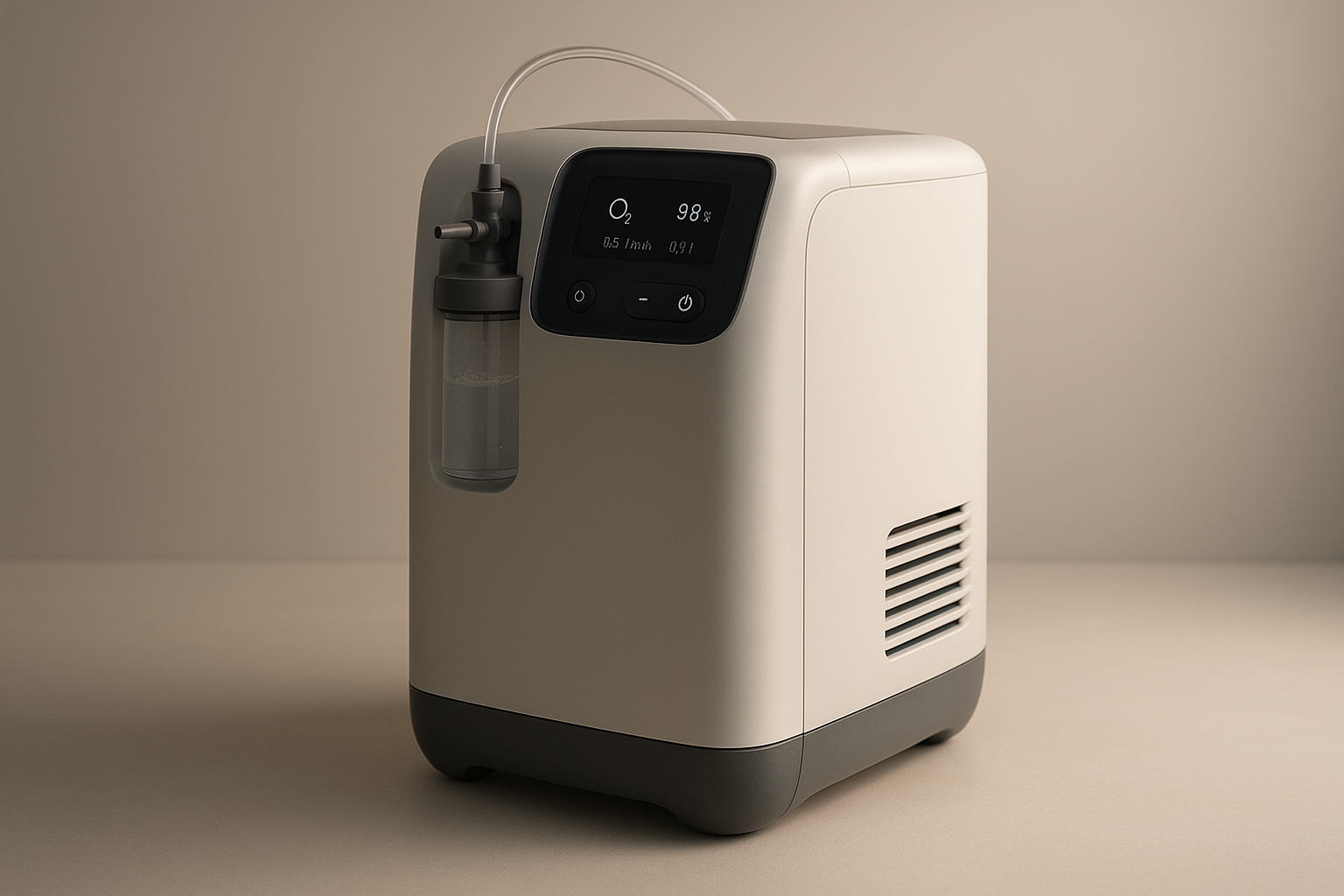
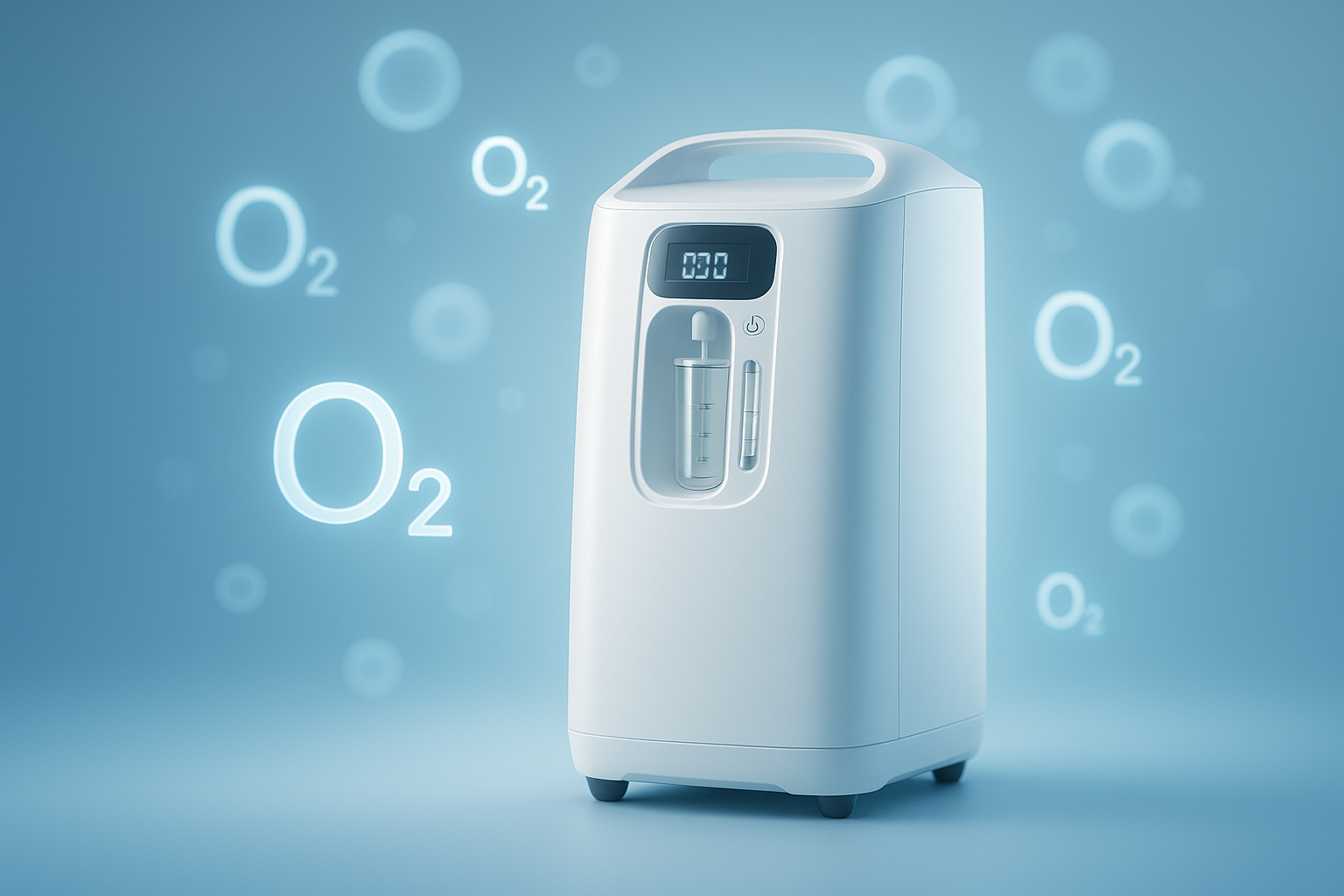
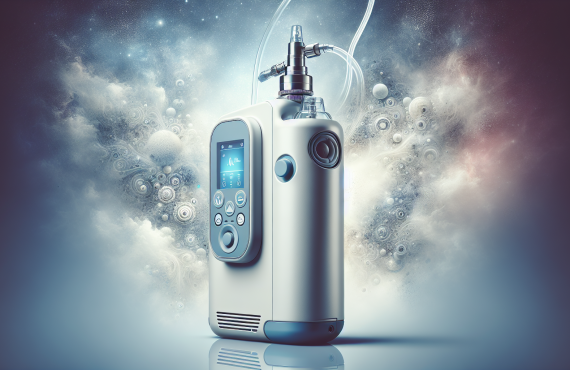
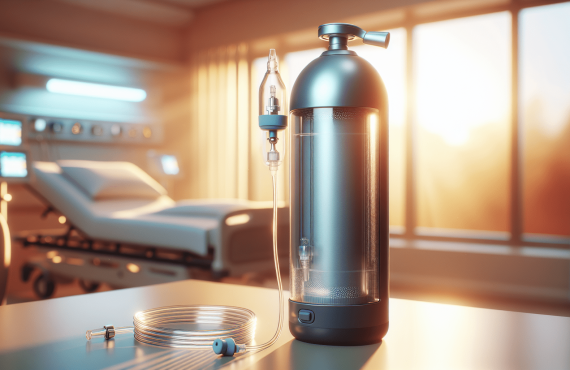
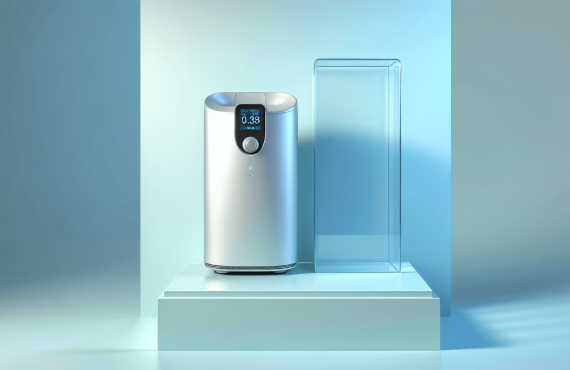
| Oxygen Concentrators | Device that filters and concentrates oxygen from air | Suitable for home use; portable options available |
| Liquid Oxygen Systems | Provides more concentrated oxygen | Less common; used for higher flow rates |
Safety and Comfort
Safety and comfort go hand in hand with effectiveness. Choose comfortable options suited for your lifestyle after consulting experts, ensuring you comply with therapy guidelines.

The Costs and Benefits
Financial Considerations
Oxygen therapy can affect finances. Cost depends on equipment, usage duration, and insurance coverage. Investigating your insurance plan can leave no surprises.
Health Advantages
Though costs exist, benefits often outweigh them. Oxygen therapy improves life quality by boosting energy, sleep, and cognitive function. Breathing becomes easier, enabling a fuller, healthier life.
Impact of Oxygen Therapy on Daily Life
Adjusting to a New Routine
Embracing the change oxygen therapy brings can be challenging. Yet, as with any significant change, adaptation facilitates smoother transitions, leading to enhanced daily functioning.
Activities and Exercise
Despite needing oxygen, activity is encouraged. With your doctor’s guidance, engaging in exercises promotes health. Consider joining groups or programs, boosting motivation and social interaction.
Exploring Hyperbaric Oxygen Therapy (HBOT)
What is Hyperbaric Therapy?
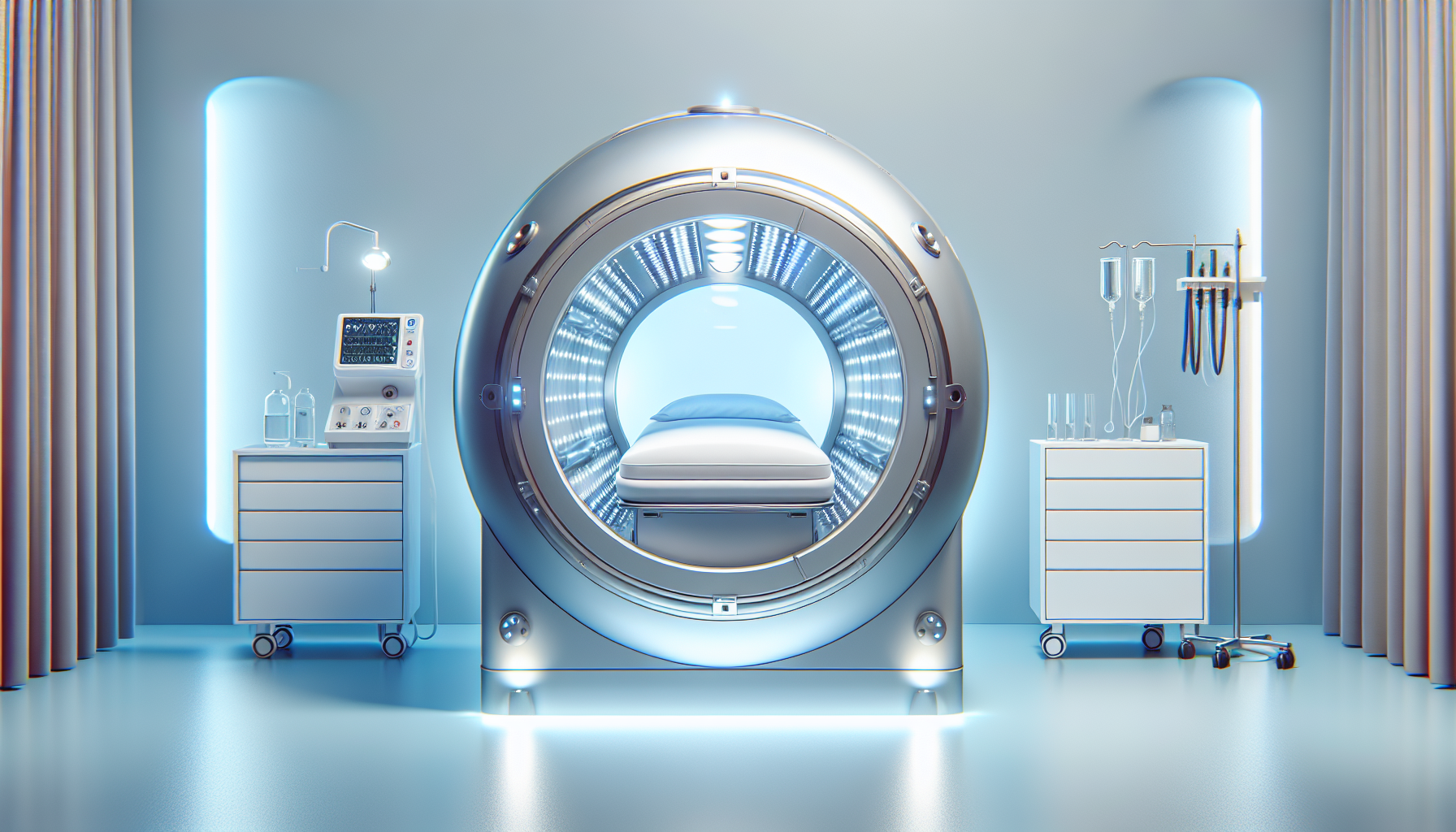
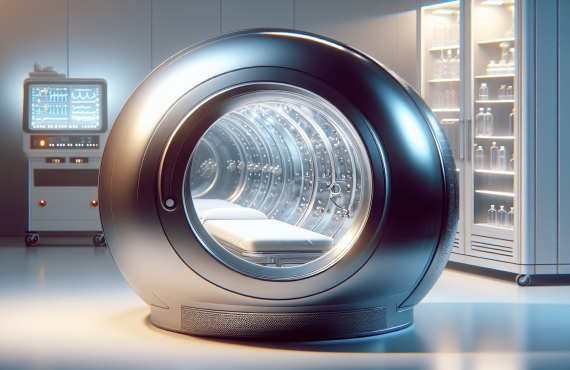
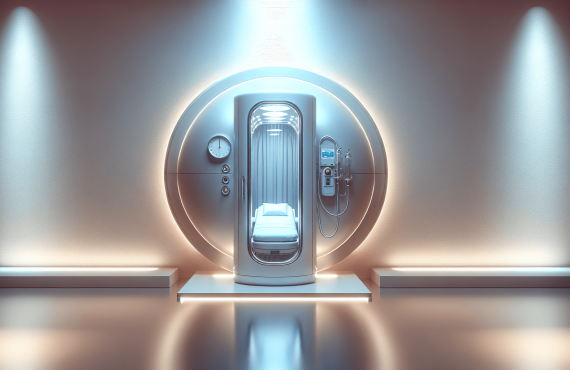
Hyperbaric therapy elevates oxygen levels and pressure for healing benefits. This therapy occurs in a sealed chamber, benefiting conditions like wounds, decompression sickness, and more.
How Does HBOT Work?
Under increased pressure and high oxygen levels, blood plasma carries extra oxygen to undernourished tissues. This accelerates healing, reduces inflammation, and supports recovery.
Benefits of Hyperbaric Therapy
Hyperbaric therapy offers unique advantages. It fosters wound healing, reduces swelling, and enhances immune responses. For targeted conditions, it can be life-changing, shifting health trajectories positively.
FAQs About Oxygen Therapy
1. Can oxygen therapy be harmful?
Yes, without proper monitoring, it can be. Over-oxygenation may damage lungs, so consulting professionals, like those at Henry Chiropractic, is crucial.
2. How long does one typically need oxygen therapy?
Duration varies with the medical condition. Chronic conditions demand long-term use, while acute cases might need short-term support.
3. Can I travel while on oxygen therapy?
Traveling is manageable with planning and the right equipment. Inform your airline about your needs and carry medical documentation.
4. Is oxygen therapy covered by insurance?
Most insurance plans cover necessary oxygen therapy, but details differ. Verify coverage with your provider to avoid unexpected costs.
5. Can lifestyle changes reduce the need for oxygen?
Yes, healthy choices can lessen reliance on oxygen. Quit smoking, exercise regularly, and adhere to your care plan for optimal results.
Conclusion
Understanding oxygen therapy reveals it as a lifeline rather than a dire measure. Equipped with the right knowledge, like knowing when to consult healthcare experts such as Dr. Craig Henry and Dr. Aaron Hixon, allows you to tackle health challenges confidently. It’s a journey of embracing better health with informed choices.
If you have specific questions or need expert advice, consider reaching out to Henry Chiropractic in Pensacola, FL. Their knowledgeable staff can provide insights tailored to your health needs and support you on the path towards wellness.