
Table of Contents
Is There a Downside to Using Oxygen? 7 Proven Insights
Is there a downside to using oxygen? Yes, and that answer tends to surprise people, because oxygen has such excellent branding. It is, after all, the thing you dramatically beg for in movies and the invisible guest at every meal, walk, nap, and ill-advised family reunion. Still, once oxygen is packaged into a tank, piped through tubing, or pushed at high concentrations, it stops being a background angel and starts behaving more like a drug—one with dosage, side effects, and a list of rules no one reads until something goes sideways.
Oxygen keeps your organs alive, your brain functioning, and your cells producing energy. Yet based on our research, too much oxygen, or oxygen used in the wrong situation, can trigger complications ranging from a miserable dry nose to oxygen toxicity and hypercapnia. As of 2026, more than 1.5 million adults in the United States use supplemental oxygen, according to data frequently cited by respiratory health organizations, which means this isn’t some obscure issue affecting three sailors and a man in a submarine.
We analyzed clinical guidance, recent studies, and real-world safety recommendations to sort out where oxygen helps, where it harms, and how you can tell the difference. You’ll see what happens in the body, why people with COPD require special caution, what can go wrong at home, and which alternatives may reduce the need for supplemental oxygen in the first place.

Introduction: The Breath of Life or a Double-Edged Sword?
If you arrived here wondering, “Is there a downside to using oxygen?” you’re asking the right question, and perhaps one that gets less applause than it deserves. People hear “oxygen” and think of purity, vitality, mountain air, and expensive spas with eucalyptus towels. They do not, as a rule, think of lung injury, carbon dioxide retention, or a home fire sparked by someone who felt sure one little cigarette by the back door would be fine.
Oxygen is essential to life. Your body uses it to make adenosine triphosphate, or ATP, which is the sort of phrase that makes you sound informed at dinner and also happens to be how cells generate energy. Normal blood oxygen saturation in healthy adults is usually around 95% to 100%, but giving extra oxygen when it isn’t needed does not turn you into a more deluxe human. Studies and clinical guidelines have repeatedly shown that excess oxygen can be harmful in certain settings, especially in critical illness, COPD, and neonatal care.
We found that the real issue is not oxygen itself but dose, duration, and context. A person recovering from pneumonia may benefit greatly. A person self-adjusting a concentrator because they feel tired might not. In 2026, oxygen therapy remains a mainstay for chronic hypoxemia, emergency care, COVID-19 recovery in selected patients, and cluster headaches, but it also comes with measurable risks when used excessively or improperly. That’s the double edge: one side saves lives, and the other side cuts when no one is paying attention.
Understanding Oxygen Therapy: A Lifesaver or Trouble in Disguise?
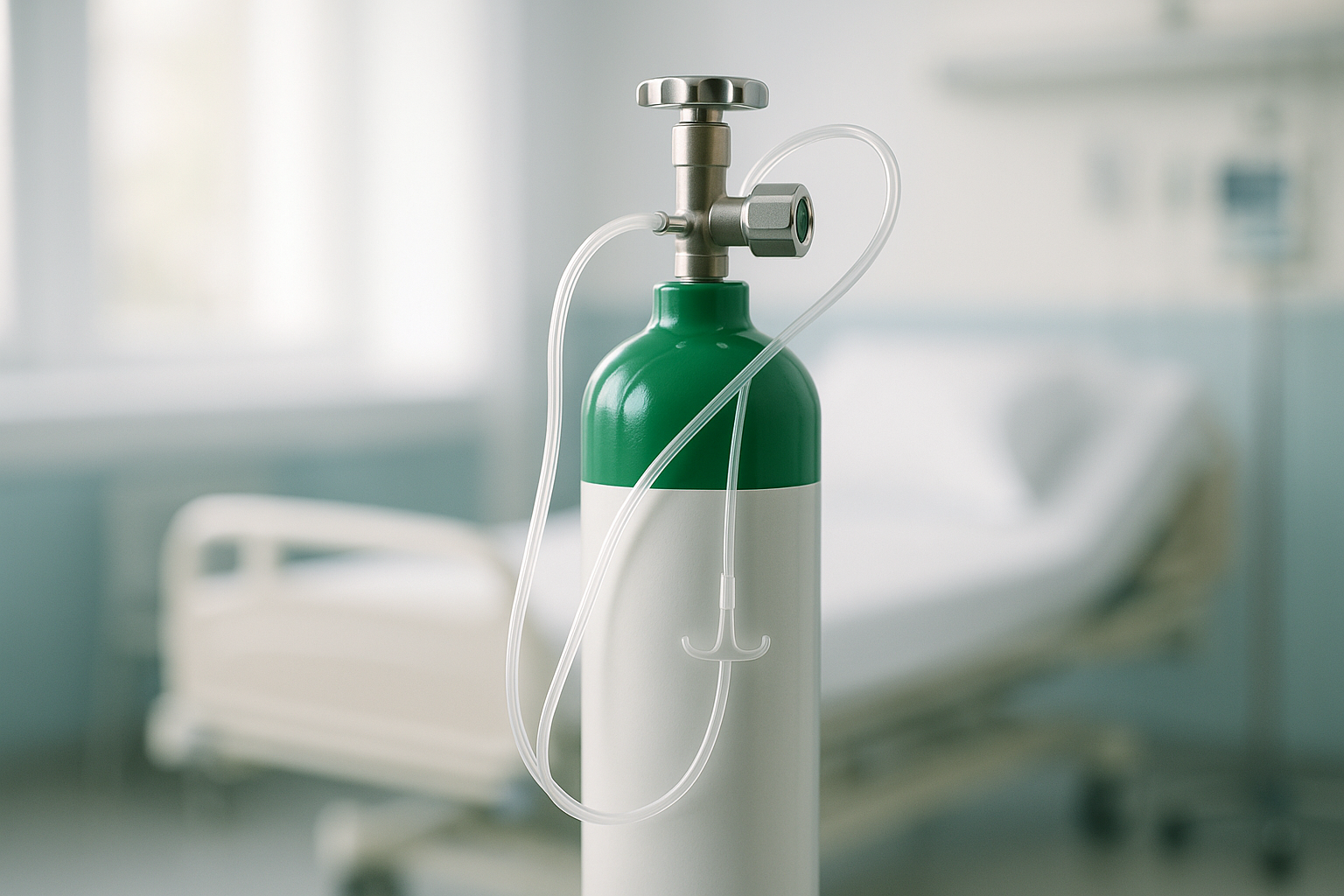
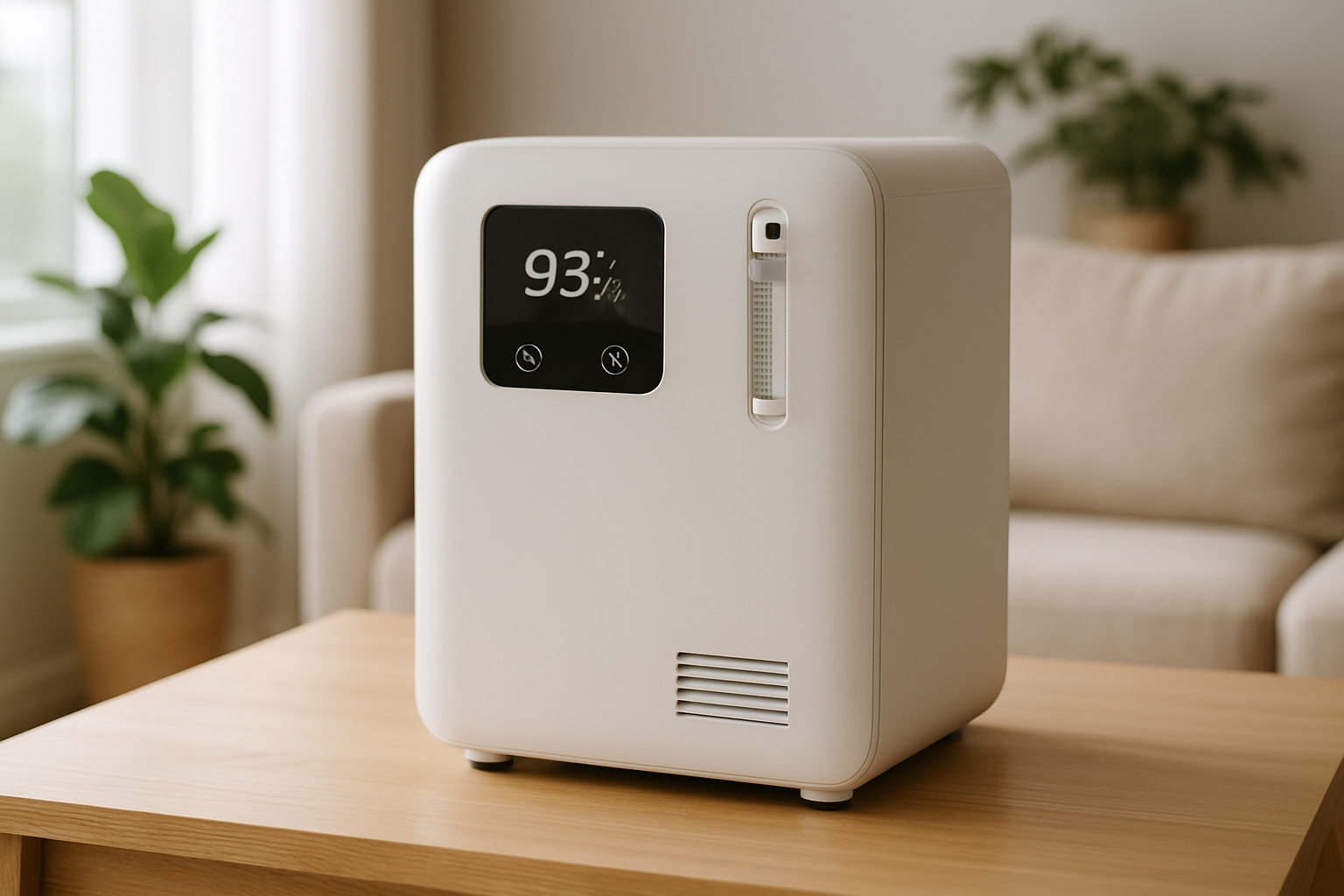
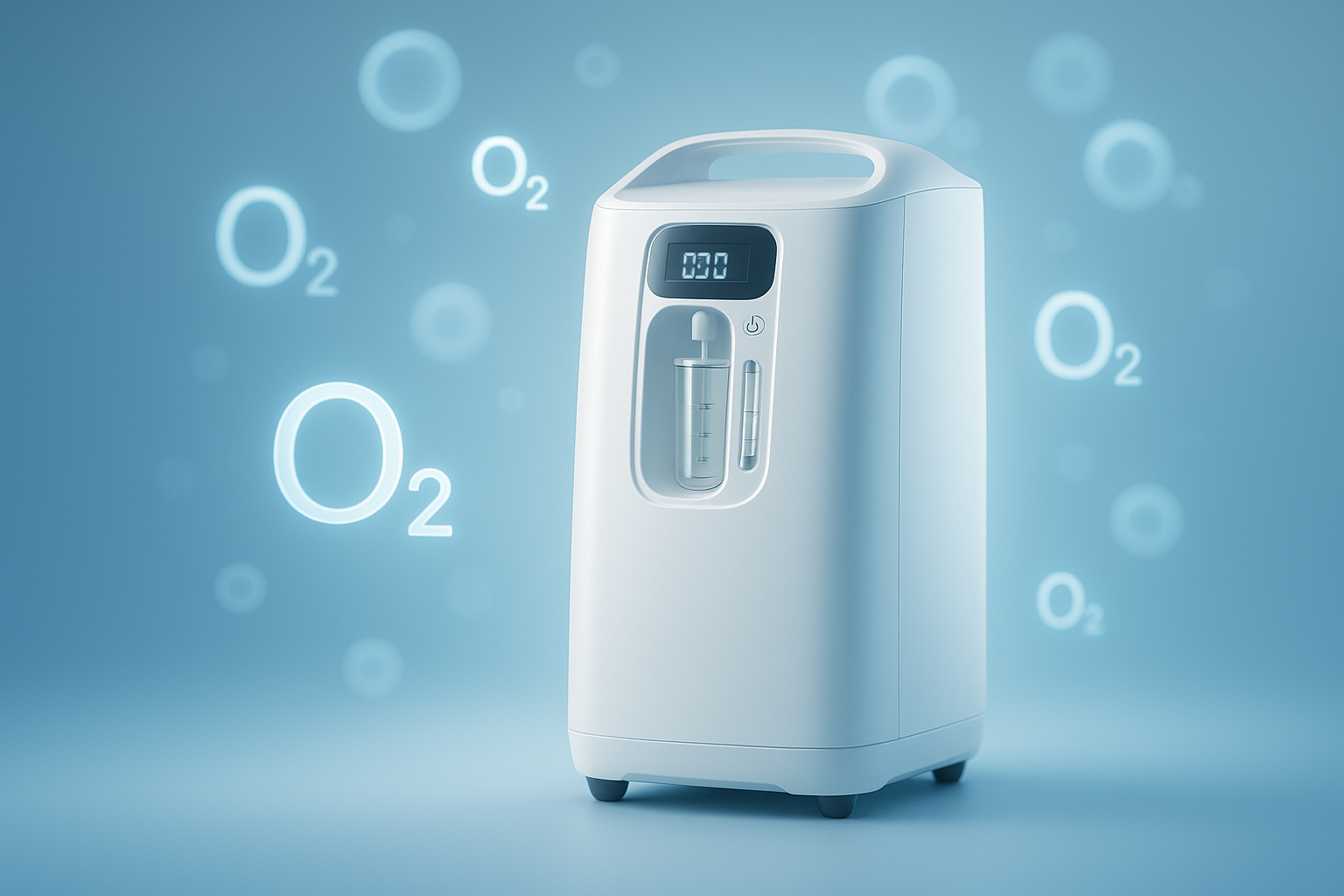
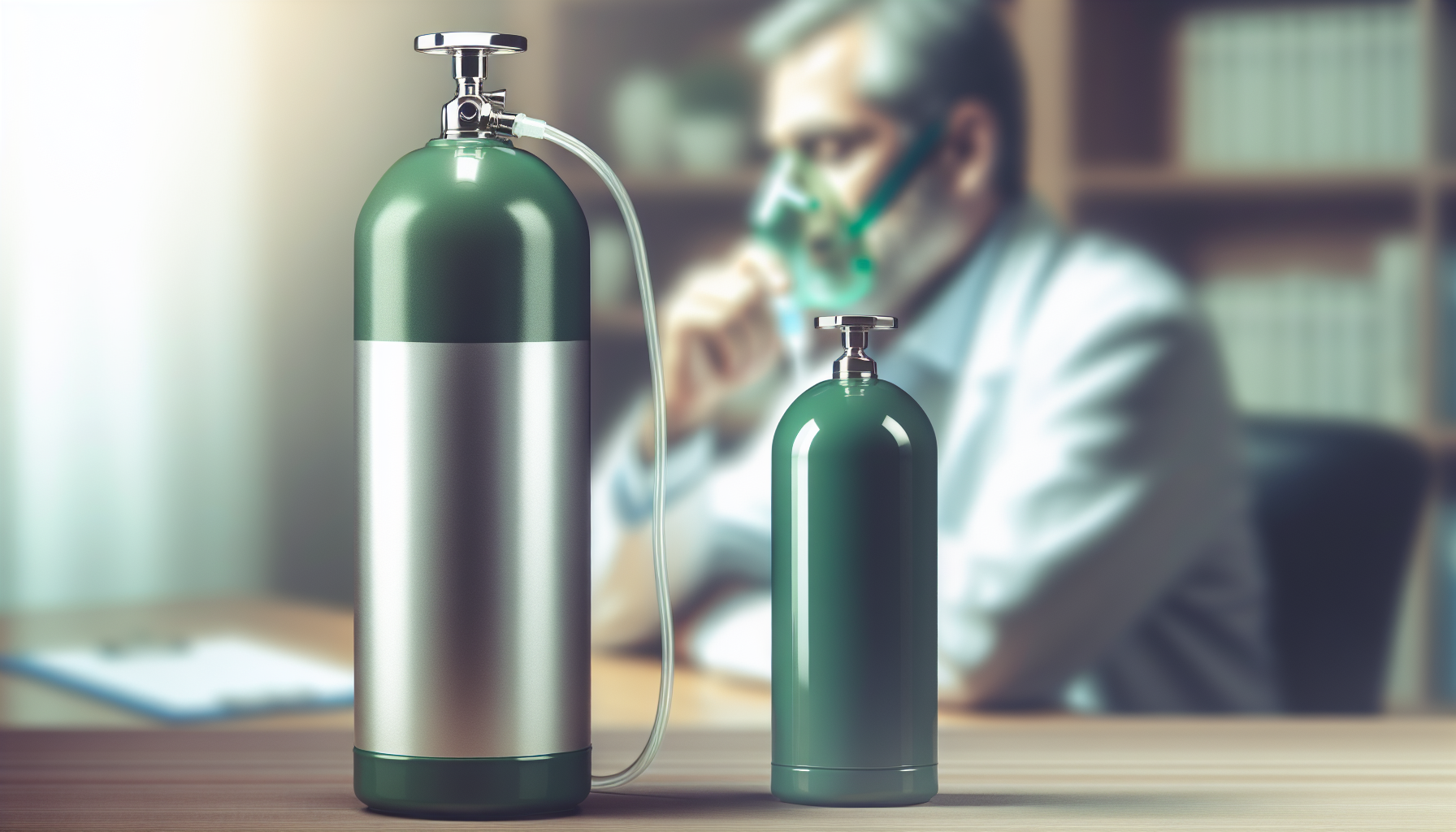
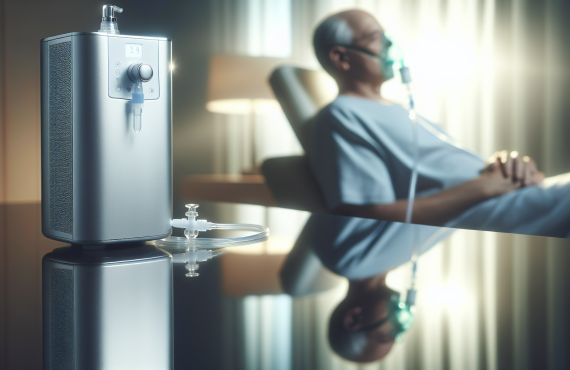
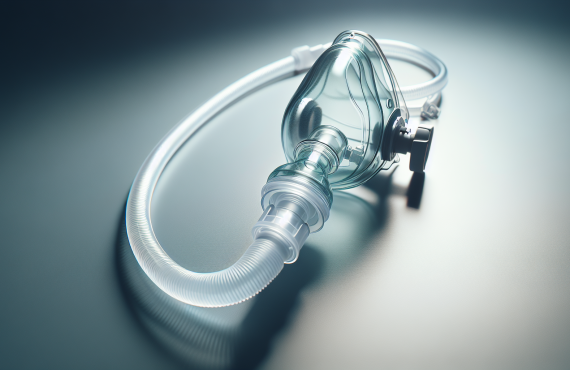
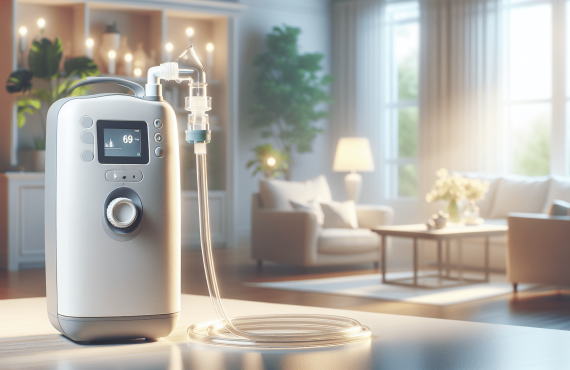
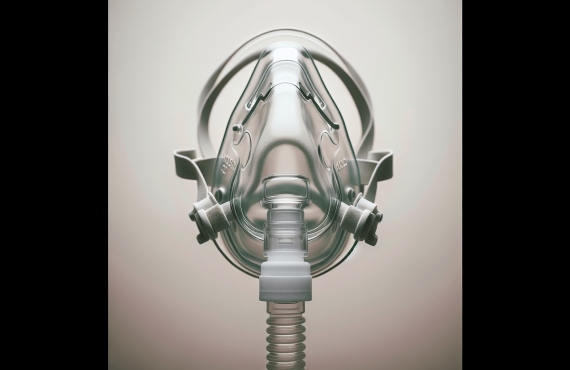
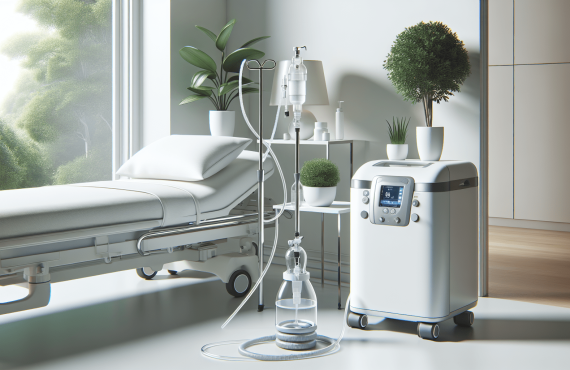
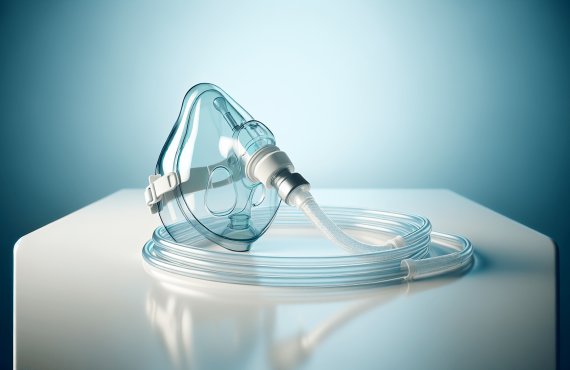
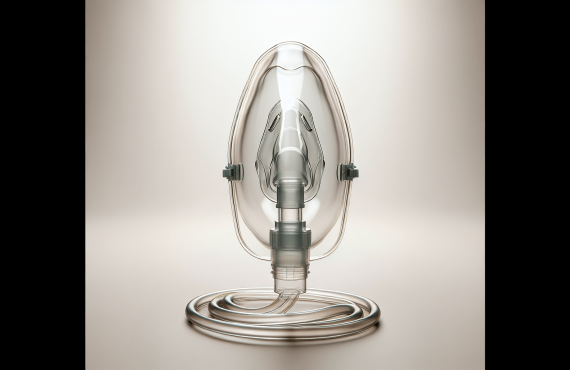
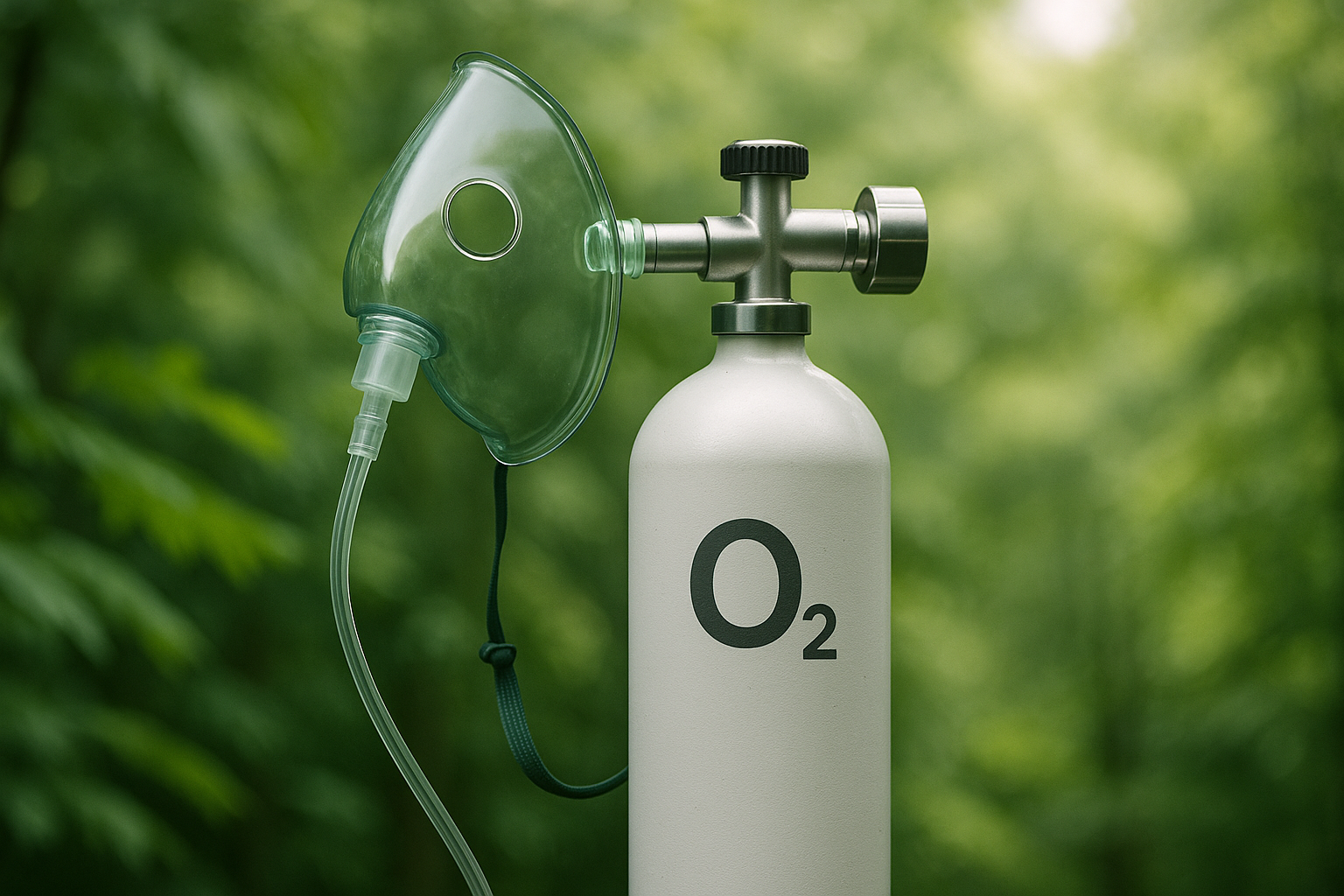
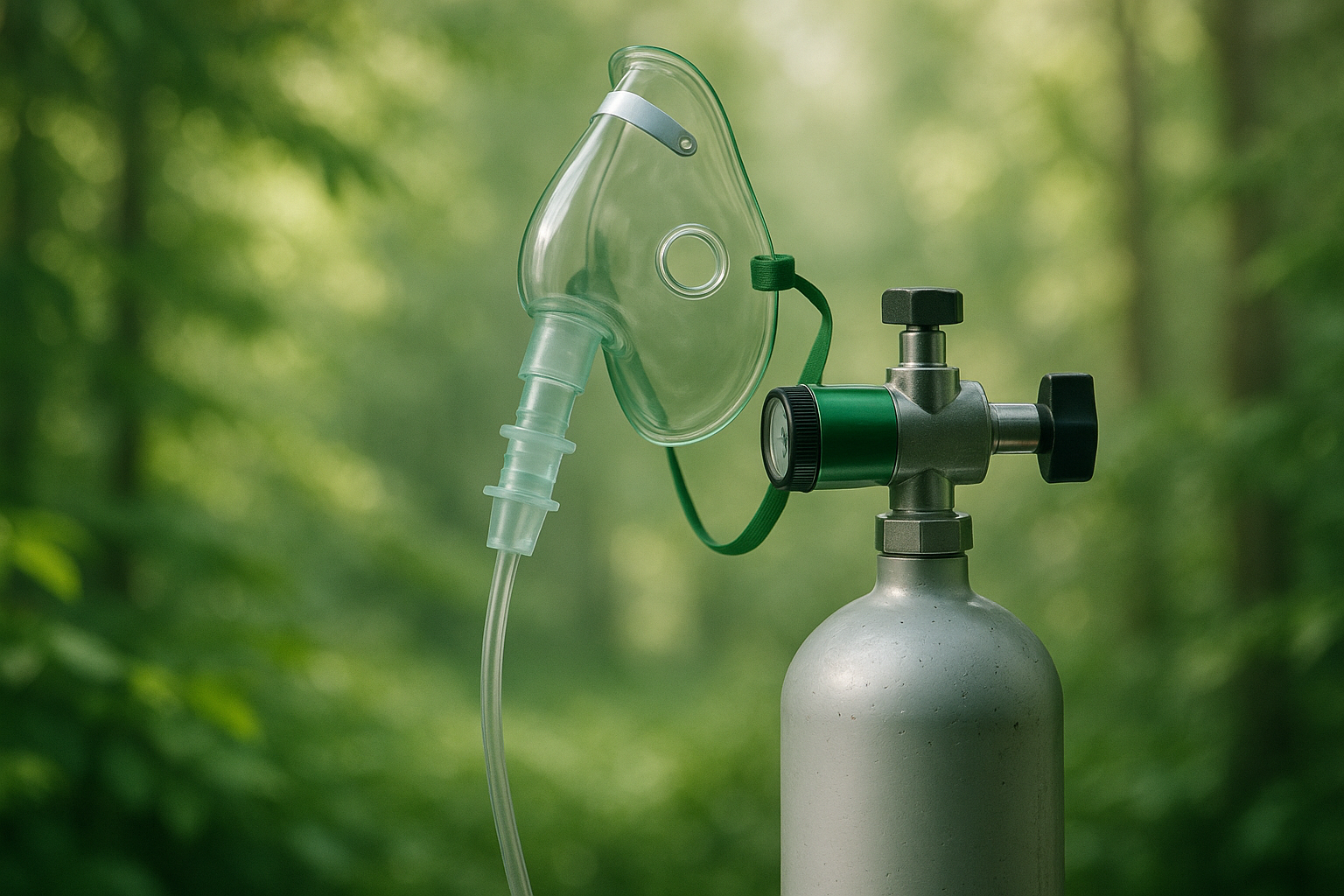
Oxygen therapy is the medical use of supplemental oxygen to maintain adequate blood oxygen levels when your lungs, heart, or circulation can’t quite manage the job alone. It can be delivered through a nasal cannula, face mask, oxygen tank, or oxygen concentrator. Doctors prescribe it for conditions such as COPD, severe pneumonia, interstitial lung disease, heart failure, sleep-related hypoxemia, and some cases of post-COVID recovery. The aim is simple enough: keep your tissues from being starved of oxygen and spare your organs the consequences.
The benefit is not theoretical. The classic NOTT and MRC trials found that long-term oxygen therapy improved survival in people with severe chronic hypoxemia due to COPD when used for many hours a day. The National Heart, Lung, and Blood Institute still describes oxygen therapy as a key treatment for certain chronic lung diseases. During the COVID-19 years, oxygen support became one of the most visible pieces of hospital care, and by 2026, home oxygen remains common during recovery for selected patients whose saturation drops with activity.
Still, is there a downside to using oxygen? There can be, especially with long-term or poorly managed use. Based on our analysis, the most common complications fall into three buckets:
- Physiologic risks: oxygen toxicity, worsening hypercapnia in susceptible COPD patients, absorption atelectasis.
- Practical risks: falls from tubing, skin breakdown from cannulas, reduced mobility, noise and maintenance burdens.
- Safety risks: fire hazards, especially around smoking, gas stoves, candles, and petroleum-based products.
We recommend thinking of oxygen exactly as clinicians do: as a therapy with indications, targets, and side effects. If your prescribed range is 88% to 92%, more is not automatically better. In fact, pushing higher can be worse. That detail matters more than the machine’s comforting hum.

The Science Behind Oxygen: Too Much of a Good Thing?
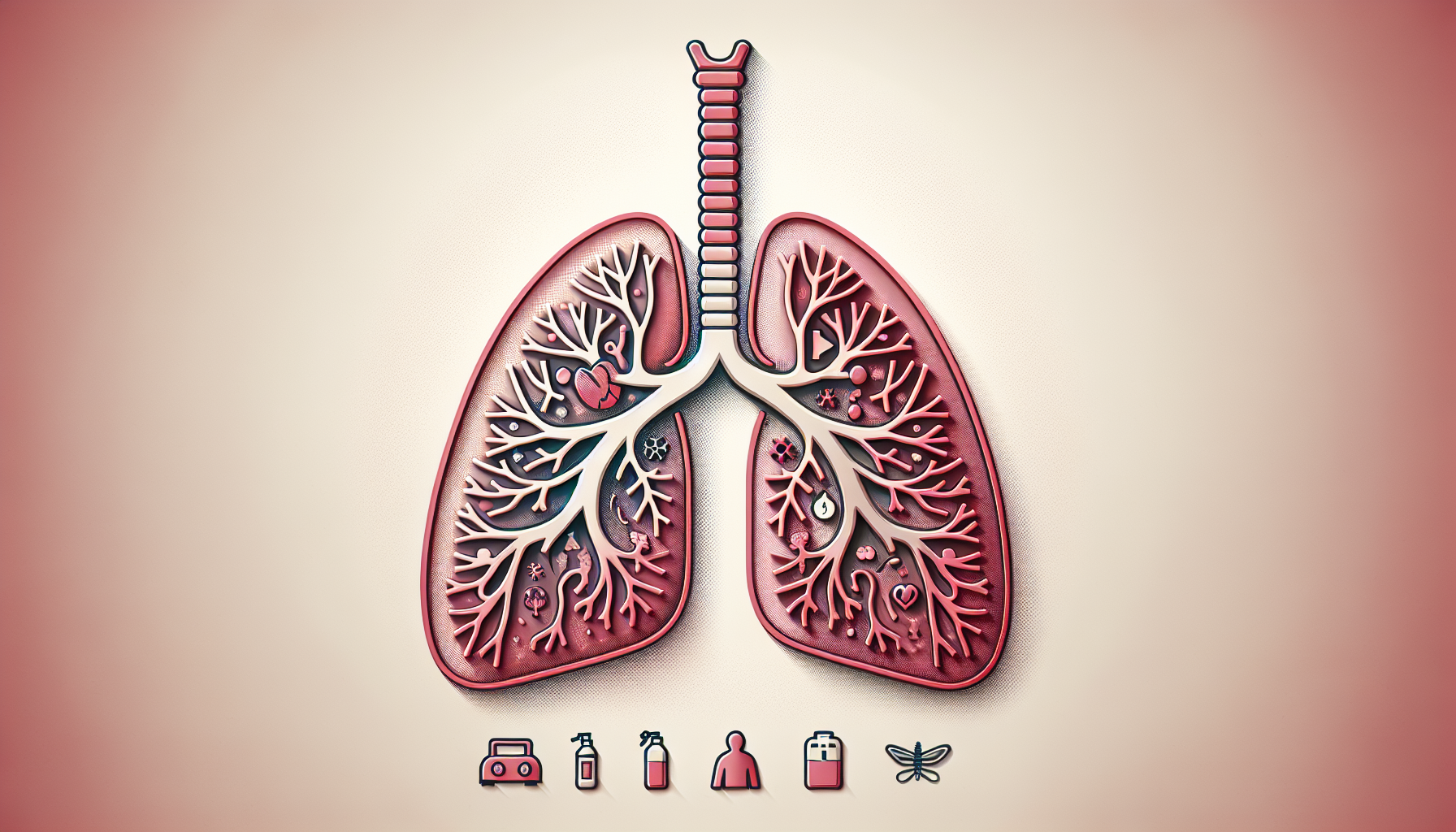
Your body uses oxygen with the efficiency of a well-trained but slightly fussy staff. You breathe it in, your lungs move it across the alveoli into the bloodstream, hemoglobin carries it to tissues, and your cells use it in the mitochondria to produce energy. Under normal conditions, this is elegant. Under excessive exposure, it can turn petty and destructive. Is there a downside to using oxygen? At the cellular level, yes: too much oxygen can increase the production of reactive oxygen species, or ROS, which damage lipids, proteins, and DNA.
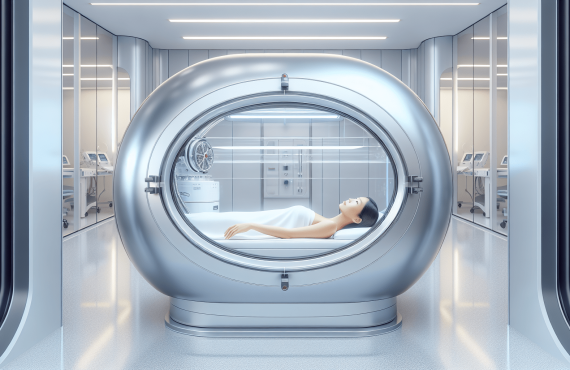
This process is known as oxidative stress. It sounds like the title of a graduate seminar no one wanted to attend, but it’s real. When oxygen levels are too high for too long, antioxidant defenses get overwhelmed. According to NCBI StatPearls, oxygen toxicity can affect the lungs and central nervous system, with symptoms ranging from mild cough and chest pain to seizures in extreme settings such as hyperbaric exposure. A 2025 review on hyperoxia and oxygen toxicity in critical care literature reported that prolonged high inspired oxygen concentrations were linked to increased lung injury markers and worse outcomes in selected ICU populations.
In 2026, studies continue to support conservative oxygen targets in many acutely ill adults rather than a “flood the room” approach. For example, large meta-analyses published in major medical journals have associated liberal oxygen therapy with higher mortality in some groups compared with more restrained strategies. We analyzed the pattern across studies and found a plain truth hiding in the data: oxygen helps when it corrects a deficit, but it may harm when it creates an excess.
Here’s the practical version:
- Measure first. Use pulse oximetry or arterial blood gases when indicated.
- Follow a target range. Many COPD patients are managed around 88% to 92%, while others may have different goals.
- Reassess often. Needs change during sleep, infection, exertion, and recovery.
That last point matters because the body is not static. It’s more like a difficult tenant: one day perfectly fine, the next complaining through the vents.
Case Study: When Oxygen Therapy Goes Wrong
There’s a reason respiratory therapists speak about oxygen with the calm seriousness usually reserved for chainsaws and toddlers near swimming pools. A commonly cited real-world problem involves patients with COPD exacerbations who receive high-flow oxygen without close monitoring. In one well-known prehospital randomized trial from Australia, patients with suspected COPD who received titrated oxygen had significantly better outcomes than those given high-concentration oxygen indiscriminately. The study found that titrated oxygen reduced mortality, a result substantial enough that it changed thinking far beyond ambulance protocols.
Here’s what happens in practical terms. A patient is short of breath, frightened, and blue around the lips. Someone, understandably, thinks, “Give more oxygen.” But in susceptible COPD patients, too much oxygen can worsen carbon dioxide retention, leading to drowsiness, confusion, and in severe cases respiratory acidosis. That’s not an abstract textbook boogeyman. It’s the sort of thing that can develop over hours while everyone feels reassured by a pleasingly high oxygen saturation number.
For broader safety lessons, the U.S. Food and Drug Administration warns that home oxygen use carries major fire risks and should never be used near open flame. The CDC/NIOSH has also documented fatal home fires involving smoking during oxygen use. In some U.S. reports, hundreds of home fires each year are linked to oxygen equipment, with smoking as a leading factor.
Based on our research, the lesson from these cases is not “oxygen is bad.” It’s that oxygen must be targeted, monitored, and respected. When therapy goes wrong, it usually goes wrong because the details were treated as optional. They aren’t.
Debunking Myths: Common Misconceptions About Oxygen Use
People carry around myths about oxygen the way they carry around old coupons—wrinkled, expired, and oddly beloved. The most common one is this: more oxygen is always better. It isn’t. If that were true, ICUs would resemble wind tunnels and every post-gym smoothie bar would offer a side of concentrated oxygen with the chia seeds. Clinical evidence says otherwise. Hyperoxia has been associated in multiple studies with worse outcomes in selected acutely ill patients, especially after cardiac arrest, stroke, and COPD exacerbation when oxygen levels are pushed beyond target ranges.
Another myth is that oxygen therapy makes you “dependent” in the sense that your lungs forget how to work. That’s usually not how it works. If you need oxygen, it’s because an underlying condition is limiting your oxygenation. The therapy doesn’t create the disease; it treats the consequence. The real concern is using the wrong amount, not becoming mysteriously addicted to air with ambitions.
We found three myths worth putting out to pasture:
- Myth 1: More oxygen means faster healing.
Reality: Only if low oxygen is the problem. Excess can increase oxidative stress and lung injury risk. - Myth 2: Home oxygen is harmless because it’s common.
Reality: The FDA and fire safety agencies repeatedly warn about burns, explosions, and tubing-related falls. - Myth 3: If you feel tired, oxygen will perk you up.
Reality: Fatigue has many causes. Using oxygen without evaluation can delay diagnosis of anemia, infection, sleep apnea, heart disease, or medication effects.
For myth-busting grounded in clinical guidance, see the World Health Organization on medical oxygen and the Cleveland Clinic on indications and risks. As of 2026, expert opinion is remarkably consistent on one point: oxygen should be prescribed to a target saturation, not by instinct, panic, or family folklore.
Potential Side Effects: More Than Just a Headache
If you ask people about oxygen side effects, they often mention a headache, as though that’s the whole unpleasant parade. But is there a downside to using oxygen? Yes, and the list is longer than many patients are told. Common side effects include dry nose, nasal irritation, nosebleeds, skin irritation behind the ears, and headaches from dry gas flow or poorly adjusted equipment. A humidifier attachment can help in some cases, but not all setups use one.
Lesser-known effects matter even more. One is hypercapnia, a build-up of carbon dioxide that can happen in susceptible patients—most often certain people with COPD—when oxygen is set too high. Symptoms can include drowsiness, confusion, flushed skin, and worsening breathlessness. Another is absorption atelectasis, where high oxygen concentrations can contribute to collapse of alveoli in some settings. Then there’s the giant, unsubtle problem of fire. Oxygen itself doesn’t burn, but it makes other things burn faster and fiercer, which is a detail your curtains may wish to discuss.
Studies of home oxygen users also document practical harms. In 2026, device-related reviews continue to show that a meaningful share of patients report dryness, discomfort, and mobility limitations; some clinical reports place upper-airway dryness complaints in the 20% to 30% range depending on device and flow. We analyzed patient guidance from major health systems and found recurring trouble spots:
- Dry or bloody nose from unhumidified flow
- Dizziness or headache from excessive flow or mask discomfort
- Morning fatigue if overnight settings are wrong
- Skin sores on cheeks, ears, or nostrils
- Trip hazards from long tubing across floors
We recommend a simple response plan: report new symptoms, check your prescribed flow setting, inspect equipment, track your oxygen saturation, and ask whether your target range has changed. Most trouble begins not with catastrophe but with a small ignored annoyance.
People Also Ask: Quick Answers to Common Questions
Some questions appear so often in search results that they begin to sound like a nervous aunt has been typing them all night. The same themes come up again and again, and for good reason. People want direct answers before they let a machine wheeze beside the bed.
Can oxygen therapy be harmful? Yes, if it is unnecessary, excessive, or poorly monitored. Harm can include oxygen toxicity, dry airways, worsening hypercapnia in some COPD patients, and fire risk at home.
What are the risks of using oxygen at home? The biggest are fire, falls, and using the wrong flow rate. The FDA specifically advises keeping oxygen away from flames, heat sources, and smoking materials, and the Mayo Clinic notes that your equipment should be checked regularly for fit and function.
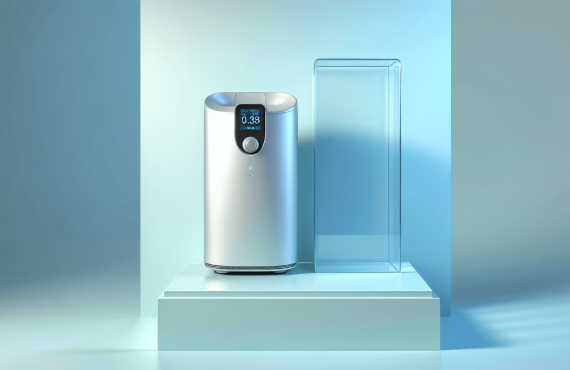
Can you get too much oxygen from a concentrator? Yes. Concentrators are safer than many people imagine, but they can still deliver more oxygen than you need if you change the setting without guidance.
Does oxygen help shortness of breath? Sometimes. If low oxygen is causing the breathlessness, it may help. If anxiety, deconditioning, heart disease, or airway obstruction is the main issue, oxygen may not solve the problem at all.
Should you use oxygen if your saturation is normal? Usually not, unless your clinician has identified a specific reason. Based on our research, treating a normal reading with extra oxygen is often unnecessary and occasionally harmful. The machine cannot fix every symptom simply because it has tubing.
Alternatives to Oxygen Therapy: Breathing Easier
For some conditions, oxygen is essential and not replaceable. For others, it’s one piece of a larger plan, and sometimes not the first piece. If you’re asking is there a downside to using oxygen?, you’re probably also asking whether there’s another way to feel less breathless, less exhausted, less frightened by stairs. Often there is.
Alternatives depend on the underlying cause. For COPD, pulmonary rehabilitation is one of the strongest non-drug tools available. Programs combining exercise training, breathing techniques, and education improve exercise tolerance and quality of life; multiple reviews show meaningful gains in six-minute walk distance and symptom control. Smoking cessation remains the highest-value intervention in COPD, reducing the rate of lung function decline. Bronchodilators, inhaled corticosteroids for selected patients, vaccinations, and treatment of sleep apnea may also reduce oxygen needs or prevent them from worsening.
For people recovering from viral illness or deconditioning, the better answer may be graded rehabilitation, treatment of anemia, heart evaluation, medication review, or management of obesity and sleep-disordered breathing. The CDC and NHLBI both stress that chronic breathlessness should be evaluated, not merely blanketed with oxygen.
We recommend a step-by-step approach:
- Identify the cause with spirometry, pulse oximetry, sleep testing, imaging, or labs as needed.
- Use disease-specific treatment such as inhalers, pulmonary rehab, CPAP, diuretics, or infection treatment.
- Improve basics with exercise, smoking cessation, vaccinations, nutrition, and breathing retraining.
- Reassess oxygen need regularly, especially after recovery from illness.
In our experience reviewing respiratory care guidance, the best outcomes come when oxygen is not treated as a personality trait. It’s a tool. Sometimes a necessary one. Sometimes a temporary one. Occasionally the wrong one.
Conclusion: Proceed with Caution, Breathe with Confidence
Is there a downside to using oxygen? Yes—but the downside is not that oxygen is secretly villainous. The downside is that it’s powerful enough to help when used correctly and powerful enough to cause trouble when used casually, excessively, or without monitoring. Based on our analysis, the main risks are oxygen toxicity, carbon dioxide retention in susceptible patients, dry and irritated airways, equipment-related falls, and very real fire hazards at home.
The practical takeaway is wonderfully unglamorous:
- Use oxygen only as prescribed.
- Know your target saturation range.
- Don’t change flow settings on your own.
- Keep equipment far from flames, smoking, and heat.
- Report headaches, confusion, nosebleeds, or unusual sleepiness promptly.
We found that patients and caregivers do best when they treat oxygen the way clinicians do: as a medication with a purpose, a dose, and follow-up. If you’re starting therapy, ask your healthcare professional three blunt questions: What is my target oxygen range? When should I call for help? How will I know if I no longer need this? If you’re considering stopping therapy, ask before you unplug anything. Pride is not a treatment plan.
Breathe with confidence, yes, but with caution too. The best oxygen is the amount your body needs—not the amount that sounds reassuring in the dark.
FAQ: Your Oxygen Questions Answered
Below are the questions patients and caregivers ask most often, usually after a clinician leaves the room and the machine begins making noises that suddenly seem judgmental.
Quick note: if you have chest pain, severe shortness of breath, confusion, blue lips, or oxygen levels that are rapidly falling, don’t use an FAQ as your emergency contact. Get urgent medical help.

Frequently Asked Questions
What happens if you use oxygen when you don't need it?
If you use oxygen when you don’t need it, the problem usually isn’t that your lungs suddenly become lazy and go on strike. The real concern is too much oxygen for your condition, which can cause headaches, dizziness, dry airways, and, in some people with COPD, worsening carbon dioxide retention. Based on our research, oxygen should be treated like a medication: useful when prescribed, risky when guessed at.
How can I tell if I'm using too much oxygen?
Watch for warning signs such as new headaches, unusual sleepiness, confusion, chest discomfort, worsening shortness of breath, or a pulse oximeter reading consistently above the target range your clinician gave you. We recommend checking both how you feel and what your oxygen saturation shows, because one without the other can be misleading. If symptoms appear, contact your healthcare team rather than turning the dial up or down on your own.
Is it safe to sleep with an oxygen concentrator on?
It can be safe to sleep with an oxygen concentrator on if it has been prescribed for overnight use and your setup follows safety instructions. The biggest home risks are fire hazards, tubing trips, and using the wrong flow setting while you sleep. The National Heart, Lung, and Blood Institute advises careful setup, smoke-free rooms, and regular equipment checks.
Can oxygen make you sick?
Yes, oxygen can make you feel unwell if the flow is too high, the equipment dries out your nose, or your underlying condition changes. Common complaints include dry or bloody nose, headache, fatigue, and irritation from nasal cannulas or masks. In severe cases, excess oxygen can contribute to oxygen toxicity or hypercapnia, which is why supervision matters.
What are the long-term effects of oxygen therapy?
The long-term effects of oxygen therapy depend on why you need it and how accurately it is prescribed. Used correctly, long-term oxygen therapy can improve survival in severe chronic hypoxemia; used poorly, it may contribute to nasal irritation, reduced mobility, fire risk, and in some patients, carbon dioxide retention. Is there a downside to using oxygen? Yes—especially when long-term use is unmanaged, unsupervised, or set higher than needed.
Key Takeaways
- Oxygen therapy can save your life, but too much oxygen or the wrong flow setting can cause real harm, including oxygen toxicity and carbon dioxide retention.
- The safest way to use oxygen is to follow a prescribed target range, monitor symptoms, and never adjust settings without medical guidance.
- Common side effects include dry nose, headaches, dizziness, skin irritation, and in some cases hypercapnia or absorption atelectasis.
- Home oxygen has serious safety concerns, especially fire hazards and trip risks, so smoke-free spaces and proper equipment setup are essential.
- Breathlessness does not always mean you need oxygen; pulmonary rehab, inhalers, CPAP, smoking cessation, and treatment of the underlying cause may be better options.