

Have you ever wondered what causes brain inflammation and how you might get rid of it? Understanding brain inflammation can seem complex, but by focusing on clear and simple explanations, we can explore how lifestyle and medical interventions may help.

Table of Contents
Understanding Brain Inflammation
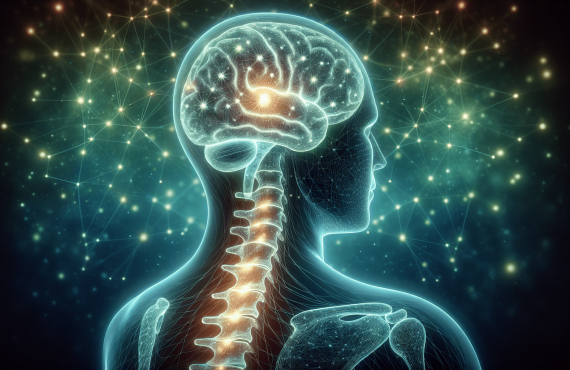
Brain inflammation occurs when the body’s immune system reacts to what it perceives as a threat, resulting in swelling. This condition is often linked to various neurological disorders and can be triggered by infections, trauma, or even chronic conditions like obesity and diabetes. The body’s response, though initially protective, can lead to complications if left unchecked.
Causes of Brain Inflammation
There are several factors that can lead to brain inflammation. Infections such as meningitis or encephalitis, and autoimmune diseases like multiple sclerosis, can trigger an inflammatory response. Additionally, physical injuries like concussions or strokes might also cause the brain to swell in an attempt to heal itself.
Symptoms You Might Notice
Symptoms can vary, but common signs include headaches, fatigue, difficulty concentrating, memory issues, and mood changes. It’s important to take these symptoms seriously, as they might indicate a more serious underlying problem if inflammation persists.
Effective Strategies to Reduce Brain Inflammation
Thankfully, a variety of strategies exist to help reduce inflammation in the brain. Let’s break them down for clarity.
Anti-Inflammatory Diet
Adapting an anti-inflammatory diet is one of the easiest ways to combat brain inflammation. Foods rich in omega-3 fatty acids, such as salmon and flaxseeds, are known for their anti-inflammatory properties. Incorporating plenty of fruits, vegetables, and whole grains while reducing processed foods and sugars can also be beneficial.
Regular Physical Activity
Engaging in regular exercise helps reduce inflammation throughout the body, including the brain. Physical activity promotes blood flow, increases oxygen supply, and encourages the release of endorphins, which naturally reduce stress and inflammation.
Adequate Sleep
Sleep plays a crucial role in regulating the body’s inflammatory responses. Aim for seven to nine hours of quality sleep each night to help your brain recover and repair itself, reducing inflammation.
Stress Management Techniques
Chronic stress can exacerbate brain inflammation. Techniques such as meditation, yoga, or even simple deep-breathing exercises can help keep your stress levels in check.
Supplements That Can Help
Several supplements are known to support brain health and reduce inflammation. Curcumin, found in turmeric, is a powerful anti-inflammatory agent. Additionally, supplements like omega-3 fatty acids, Vitamin D, and resveratrol may also offer benefits.


Medical Treatments for Brain Inflammation
If lifestyle changes aren’t sufficient, medical treatments may also be necessary.
Prescription Medications
Doctors may prescribe medications such as nonsteroidal anti-inflammatory drugs (NSAIDs) or corticosteroids to manage inflammation and relieve symptoms.
Hyperbaric Therapy
Hyperbaric Therapy, or Hyperbaric Oxygen Therapy (HBOT), involves breathing pure oxygen in a pressurized environment. This treatment increases oxygen levels in your bloodstream, promoting healing and reducing inflammation.
How It Works
Under increased pressure, oxygen dissolves more effectively into the plasma, facilitating healing, especially in areas with poor blood supply. This helps reduce inflammation, stimulate tissue repair, and enhance immune function.
If you’re interested in trying Hyperbaric Therapy, consider reaching out to:
Henry Chiropractic
1823 N 9th Ave
Pensacola, FL 32503
(850) 435-7777
Dr. Craig Henry’s website
Surgical Options
In certain cases, surgery might be necessary to remove blockages or relieve pressure that results from severe inflammation. This is typically considered when other treatments have failed.
FAQs on Brain Inflammation
1. Can brain inflammation be prevented?
Preventing brain inflammation involves maintaining a healthy lifestyle, which includes regular exercise, a balanced diet, good sleep, and stress management. Regular check-ups with your healthcare provider can also help catch potential issues early.
2. How do I know if I have brain inflammation?
If you’re experiencing persistent symptoms like headaches, memory issues, or mood swings, it’s important to consult a healthcare professional for a proper diagnosis.
3. Is Hyperbaric Therapy safe?
Yes, when administered by a certified professional, Hyperbaric Therapy is generally safe. However, it is important to discuss any concerns with your doctor to ensure it is the appropriate treatment for you.
4. Are there any side effects to anti-inflammatory diets?
Typically, an anti-inflammatory diet is considered safe and healthy, but it’s always wise to talk to a healthcare provider before making significant dietary changes, especially if you have pre-existing conditions.
5. Who should I consult for brain inflammation treatment?
For brain inflammation, it’s best to consult a neurologist or your primary healthcare provider, who may refer you to specialists depending on your condition.

Meet Experts in Chiropractic Care: Dr. Craig Henry & Dr. Aaron Hixon
Dr. Craig Henry
Dr. Henry is a licensed chiropractor operating in Pensacola, Florida. His approach involves enhancing health and wellness through chiropractic care, addressing issues such as back or neck pain, and overall well-being improvements.
Dr. Aaron Hixon
A Florida native, Dr. Hixon earned his credentials from Florida Atlantic University and Palmer College of Chiropractic. His passion for aiding others is evident in his participation in community service organizations and his comprehensive training in various chiropractic techniques. When not practicing, he enjoys activities like gym workouts, basketball, and dining out with loved ones.
Understanding brain inflammation might seem challenging, but with the right information and guidance, you can take positive steps towards reducing it and improving your health. Always consider consulting with professionals like Dr. Craig Henry or Dr. Aaron Hixon for safe, effective care options tailored to your needs.