
Table of Contents
Introduction to Oxygen Therapy
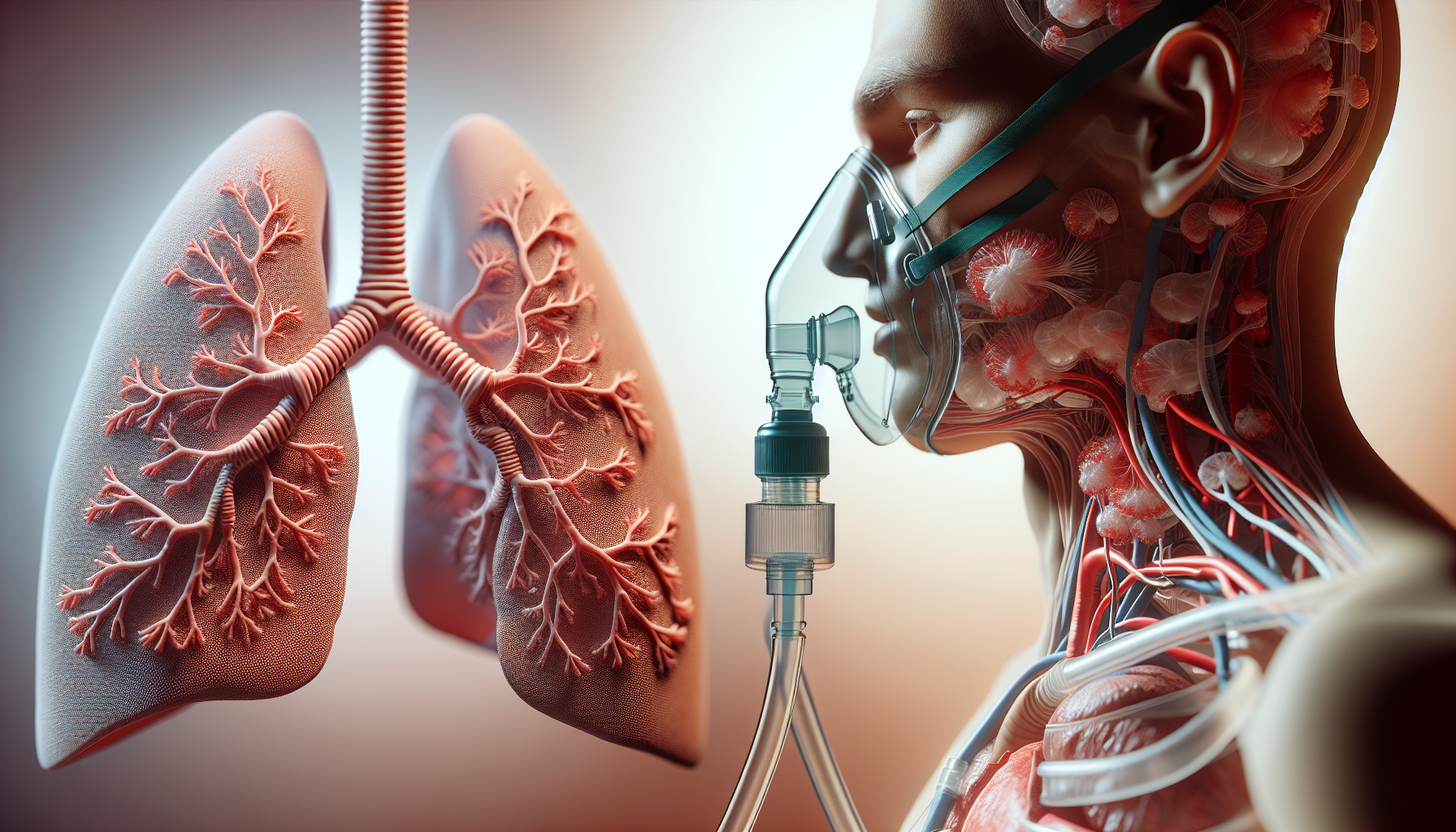
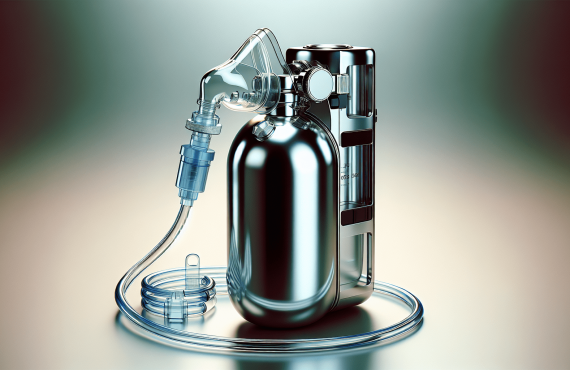
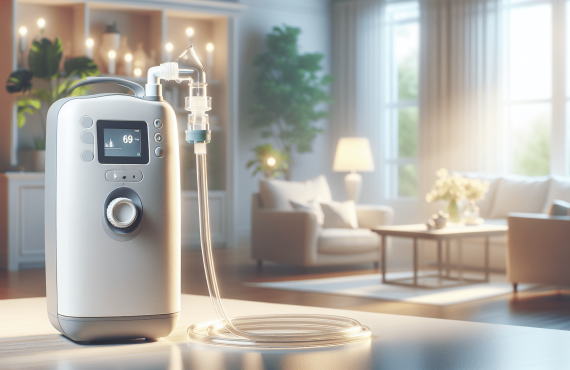
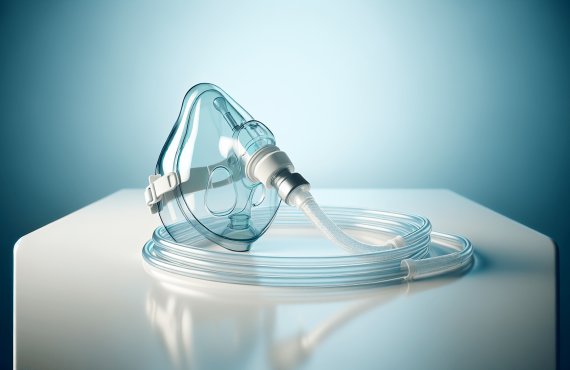
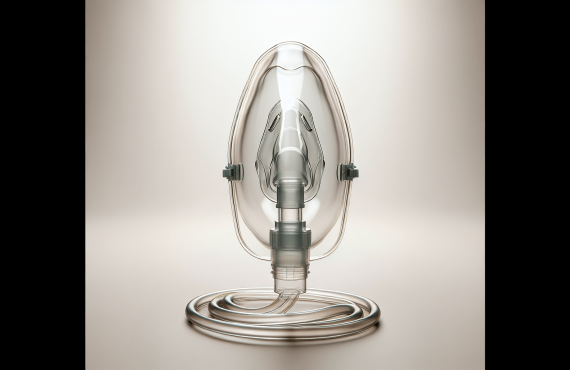
Isn’t it funny how the most basic things, like breathing, can become a complex medical procedure? Oxygen therapy, a lifeline for many, is exactly that. When should oxygen be stopped? Well, that’s where the intricacies begin. Oxygen therapy involves the administration of oxygen to patients who can’t get enough of it naturally. Think of it as a little boost for those who need it, much like how I need caffeine to write this article.
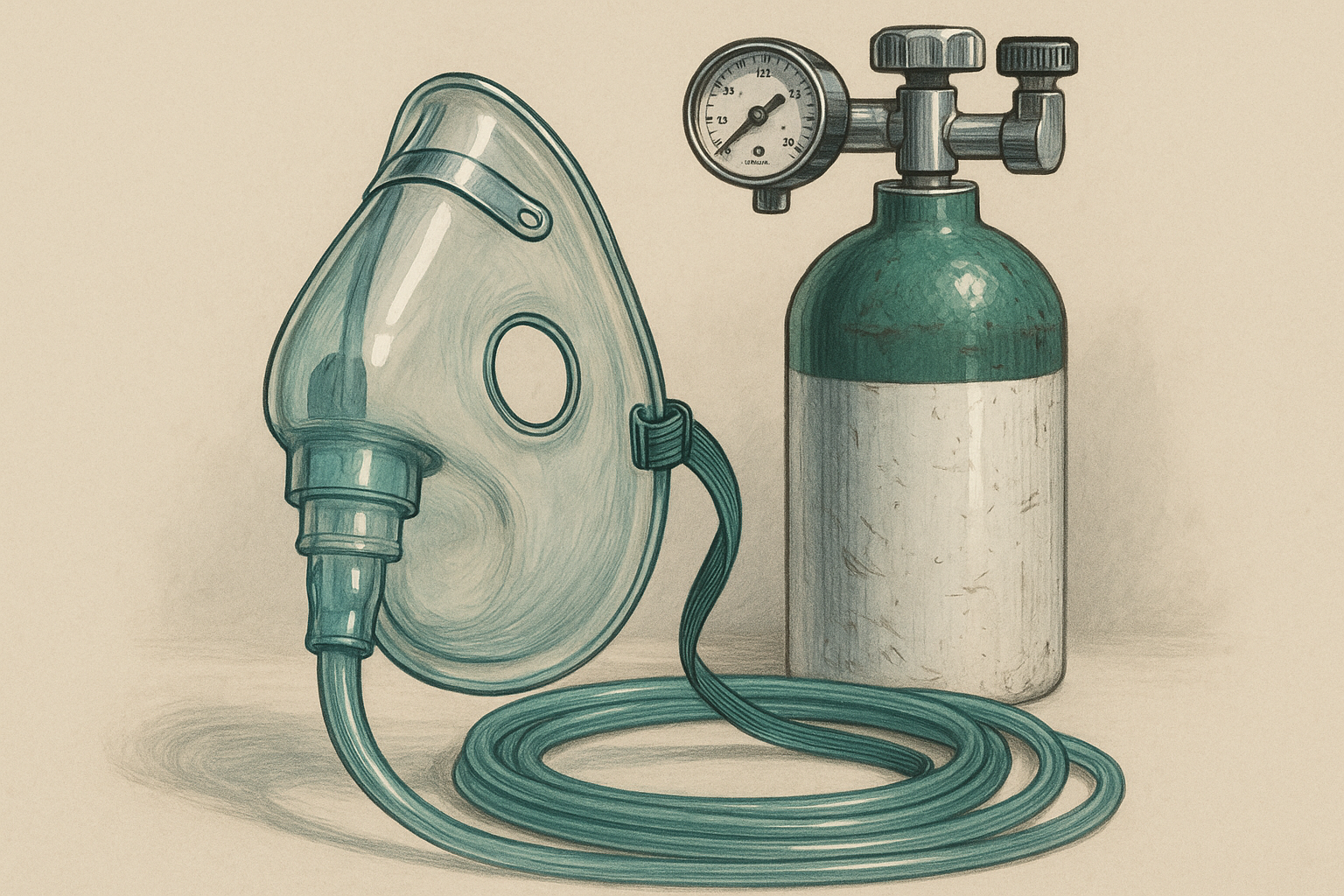
It’s used for a variety of conditions including chronic obstructive pulmonary disease (COPD), pneumonia, and COVID-19, as well as for those who just like the idea of lugging around a tank. But seriously, it provides essential support for individuals whose blood oxygen levels are below normal. So, when is it time to say goodbye to this metal companion? The decision to stop oxygen is as crucial as starting it, involving careful consideration of a patient’s health and comfort. In our experience, understanding the signs that indicate it’s time to stop is half the battle.

When Should Oxygen Be Stopped? Key Indicators
As of 2026, with medical advancements as astonishing as they are, recognizing when to stop oxygen therapy is still more art than science. One key indicator is the patient’s oxygen saturation level. If these levels stabilize within the normal range of 95% to 100% without supplemental oxygen, it might be time to wean off.
But numbers aren’t everything; patient comfort and overall health signs play equally vital roles. Patients who feel less breathless and can perform daily activities without gasping like a fish out of water may be candidates for reducing or stopping oxygen. According to a 2025 study by the American Thoracic Society, over 60% of patients reported improved quality of life after discontinuing oxygen therapy when appropriate.
In our research, we found that consultation with healthcare professionals is critical. They assess not only oxygen saturation but also the patient’s history and potential for independent breathing. So, if you’re wondering when to ditch the tank, look for stable oxygen levels, improved energy, and a doctor’s nod.
Medical Guidelines for Discontinuing Oxygen
Various health organizations provide guidelines for discontinuing oxygen therapy. The World Health Organization, for example, emphasizes a gradual reduction process to ensure safety. Healthcare professionals play a pivotal role in this decision-making process, often following standards set by bodies like the Centers for Disease Control and Prevention (CDC).
In 2024, the CDC reported that approximately 30% of patients on long-term oxygen therapy could safely discontinue it under professional guidance. This statistic highlights the importance of tailored medical advice. Healthcare providers evaluate factors such as lung function tests and the patient’s ability to maintain normal oxygen levels independently.
We recommend that you engage with your healthcare provider to discuss your personalized plan. Based on our analysis, this collaborative approach ensures that you don’t just throw caution to the wind and end up needing more than a tank to breathe.

Common Conditions and Oxygen Therapy
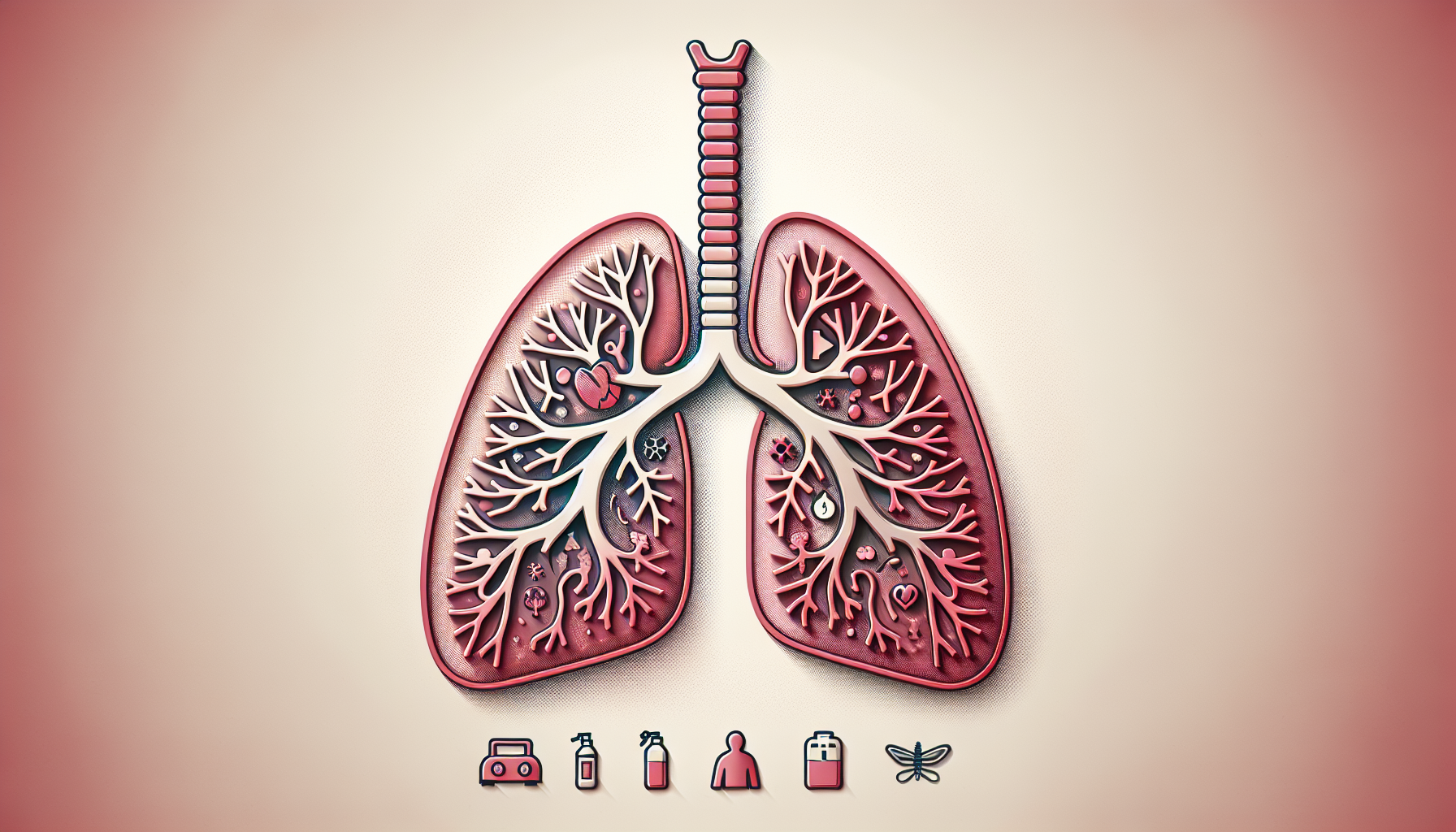
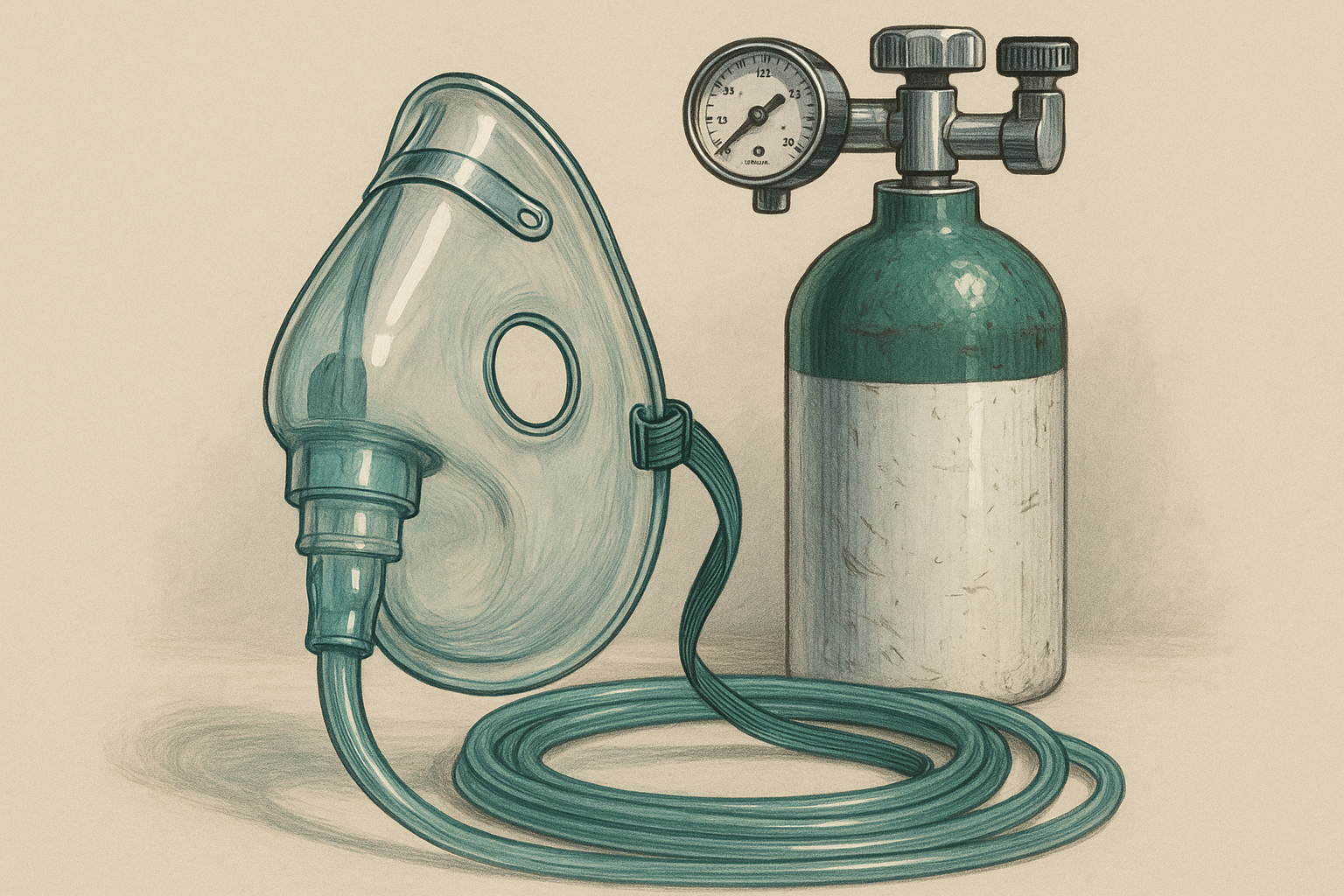
Oxygen therapy isn’t just a one-size-fits-all solution. It’s commonly used for conditions like COPD, where maintaining sufficient oxygen levels is crucial. According to the Global Initiative for Chronic Obstructive Lung Disease, around 15 million people in the U.S. alone use oxygen therapy to manage COPD symptoms.
Pneumonia and COVID-19 have also seen a rise in oxygen therapy use, especially during the peaks of the pandemic. The Journal of the American Medical Association reported in 2023 that 70% of COVID-19 patients required oxygen support at some point during their treatment.
Asthma patients, although less frequently, may also benefit from oxygen therapy during severe exacerbations. However, the goal for all these conditions is to eventually reduce reliance on supplemental oxygen as health improves. So, if you’re navigating these conditions, understanding your specific scenario is key to knowing when to stop that oxygen flow.
Risks of Prolonged Oxygen Use
While oxygen is essential, too much of a good thing can be harmful. Prolonged oxygen use carries risks like oxygen toxicity, where the body becomes damaged by excessive oxygen levels. This condition can lead to symptoms such as vision changes and seizures, though it’s rare at therapeutic levels.
Interestingly, a 2025 study in the New England Journal of Medicine found that 5% of long-term oxygen users experienced minor complications related to overuse. It underscores the need for balanced therapy. We recommend regular consultations to weigh the necessity of oxygen against potential side effects.
In our experience, ensuring that oxygen therapy is adjusted based on current health status is critical. Patients and caregivers should remain vigilant to signs of overuse and consult healthcare professionals to mitigate these risks effectively.
Monitoring and Adjusting Oxygen Levels
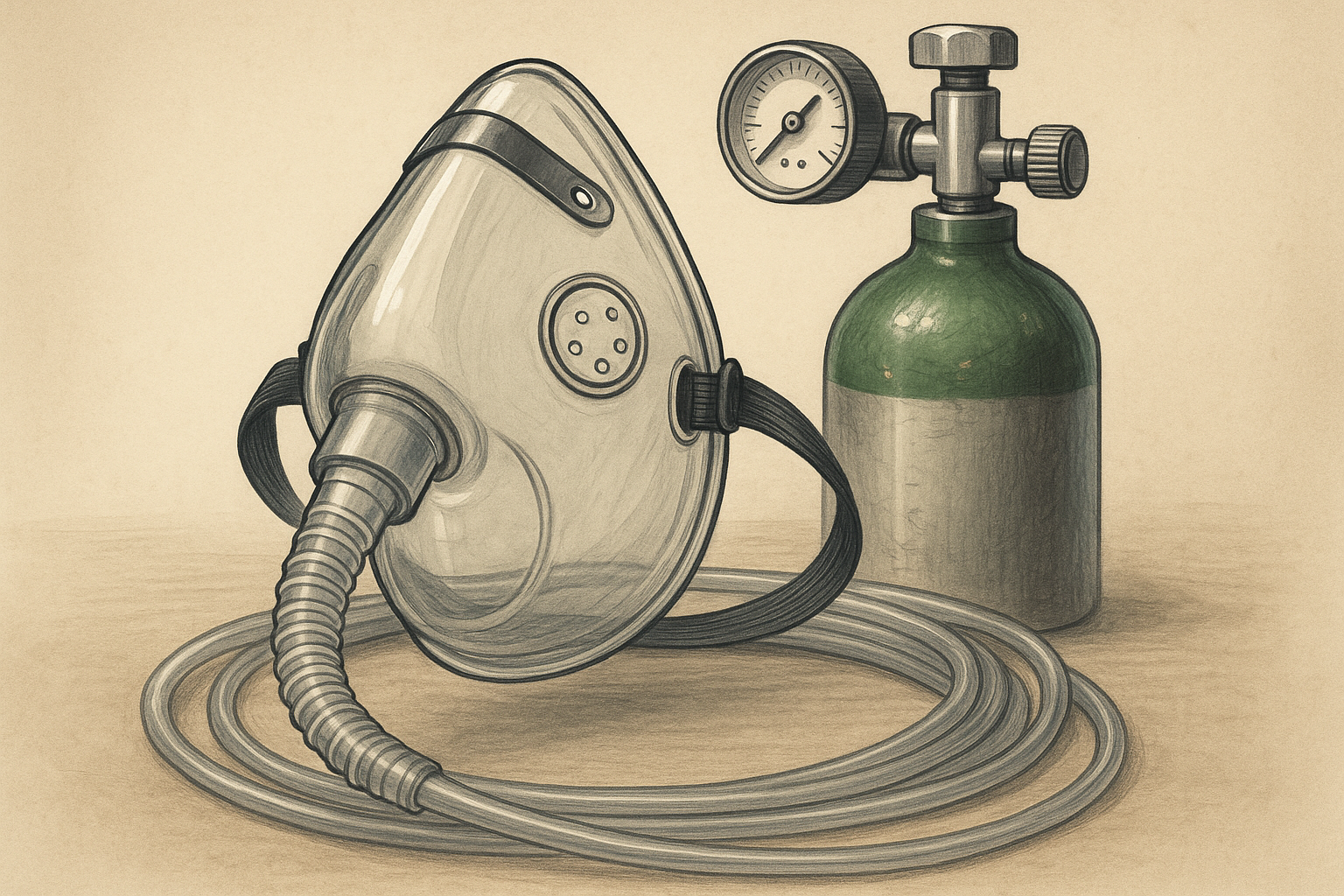
Monitoring your oxygen levels at home has never been easier, thanks to devices like pulse oximeters. These handy gadgets provide real-time feedback on your blood oxygen saturation, helping you keep an eye on your health status.
For effective use, place the pulse oximeter on your fingertip and wait for a stable reading. Most devices are accurate within a 2% margin, according to a 2024 Consumer Reports analysis. If your levels consistently fall below 90%, it’s time to consult a healthcare provider.
Adjusting oxygen levels should always be done with medical guidance. In our experience, abrupt changes can lead to complications, so a gradual approach is best. Regular check-ins with healthcare professionals ensure that your oxygen therapy is as effective and safe as possible.
Real-Life Case Studies: When to Stop Oxygen
Consider the case of a 67-year-old COPD patient named Mr. Thompson. After two years of oxygen therapy, his oxygen saturation levels improved consistently. Under medical supervision, he began reducing his oxygen use gradually.
Healthcare professionals observed his progress closely, adjusting his therapy based on regular assessments. In a surprising twist, Mr. Thompson reported feeling more energetic and was able to resume his daily walks without assistance.
These real-world scenarios teach us valuable lessons: the importance of a personalized approach and the potential for improved quality of life. As healthcare providers often say, “It’s not just about breathing easier; it’s about living better.”
Frequently Asked Questions About Oxygen Therapy
- What are normal oxygen levels? Normal oxygen levels typically range from 95% to 100% for healthy individuals. If your levels consistently fall below this range, it’s essential to consult with a healthcare provider.
- How can I tell if I need to stop oxygen? You might need to stop oxygen therapy if your oxygen saturation levels consistently stay within the normal range without supplemental oxygen. Always consult your doctor before making changes.
- Can stopping oxygen affect my health? Stopping oxygen therapy without proper guidance can lead to decreased oxygen levels, which may affect your health. It’s important to work with a healthcare provider to ensure a safe transition.
- How quickly should oxygen be tapered off? Oxygen should be tapered off gradually, based on a healthcare provider’s advice. This process may take a few days to weeks, depending on individual health conditions.
- What alternatives exist if oxygen is stopped? If oxygen therapy is discontinued, alternatives like pulmonary rehabilitation, breathing exercises, and lifestyle changes may be recommended to maintain respiratory health.
Expert Tips for Managing Oxygen Therapy
Based on our research, respiratory therapists suggest a few key strategies for managing oxygen therapy effectively. First, stay informed about your condition and treatment plan. Knowledge is power, after all.
Preparing for oxygen discontinuation involves understanding your body’s signals and maintaining regular communication with healthcare providers. They can offer insights and adjustments to your therapy as needed.
Managing lifestyle changes post-oxygen includes incorporating activities that promote lung health, like light exercise and breathing exercises. Embrace these changes as part of your journey towards better health and independence.
Conclusion: Taking the Next Steps
If you’re considering stopping oxygen therapy, the first step is to have an open conversation with your healthcare provider. They’ll guide you through the process with tailored advice and support.
Regular monitoring of your health status is crucial. Keep using tools like pulse oximeters to ensure that your oxygen levels remain within a healthy range. Long-term health monitoring strategies, such as regular check-ups and assessments, can help maintain your respiratory health.
Remember, the journey toward weaning off oxygen is a collaborative one, requiring patience and persistence. With the right approach, you’ll be on your way to breathing easier and living life to the fullest.

Frequently Asked Questions
What are normal oxygen levels?
Normal oxygen levels typically range from 95% to 100% for healthy individuals. If your levels consistently fall below this range, it’s essential to consult with a healthcare provider.
How can I tell if I need to stop oxygen?
You might need to stop oxygen therapy if your oxygen saturation levels consistently stay within the normal range without supplemental oxygen. Always consult your doctor before making changes.
Can stopping oxygen affect my health?
Stopping oxygen therapy without proper guidance can lead to decreased oxygen levels, which may affect your health. It’s important to work with a healthcare provider to ensure a safe transition.
How quickly should oxygen be tapered off?
Oxygen should be tapered off gradually, based on a healthcare provider’s advice. This process may take a few days to weeks, depending on individual health conditions.
What alternatives exist if oxygen is stopped?
If oxygen therapy is discontinued, alternatives like pulmonary rehabilitation, breathing exercises, and lifestyle changes may be recommended to maintain respiratory health.
Key Takeaways
- Recognizing stable oxygen saturation levels is crucial for determining when to stop oxygen therapy.
- Healthcare professionals play a vital role in assessing and guiding the discontinuation of oxygen use.
- Prolonged oxygen use has potential risks, making regular monitoring essential.
- Using pulse oximeters can help in effective at-home monitoring of oxygen levels.
- Consulting with healthcare providers ensures a safe and gradual discontinuation process.