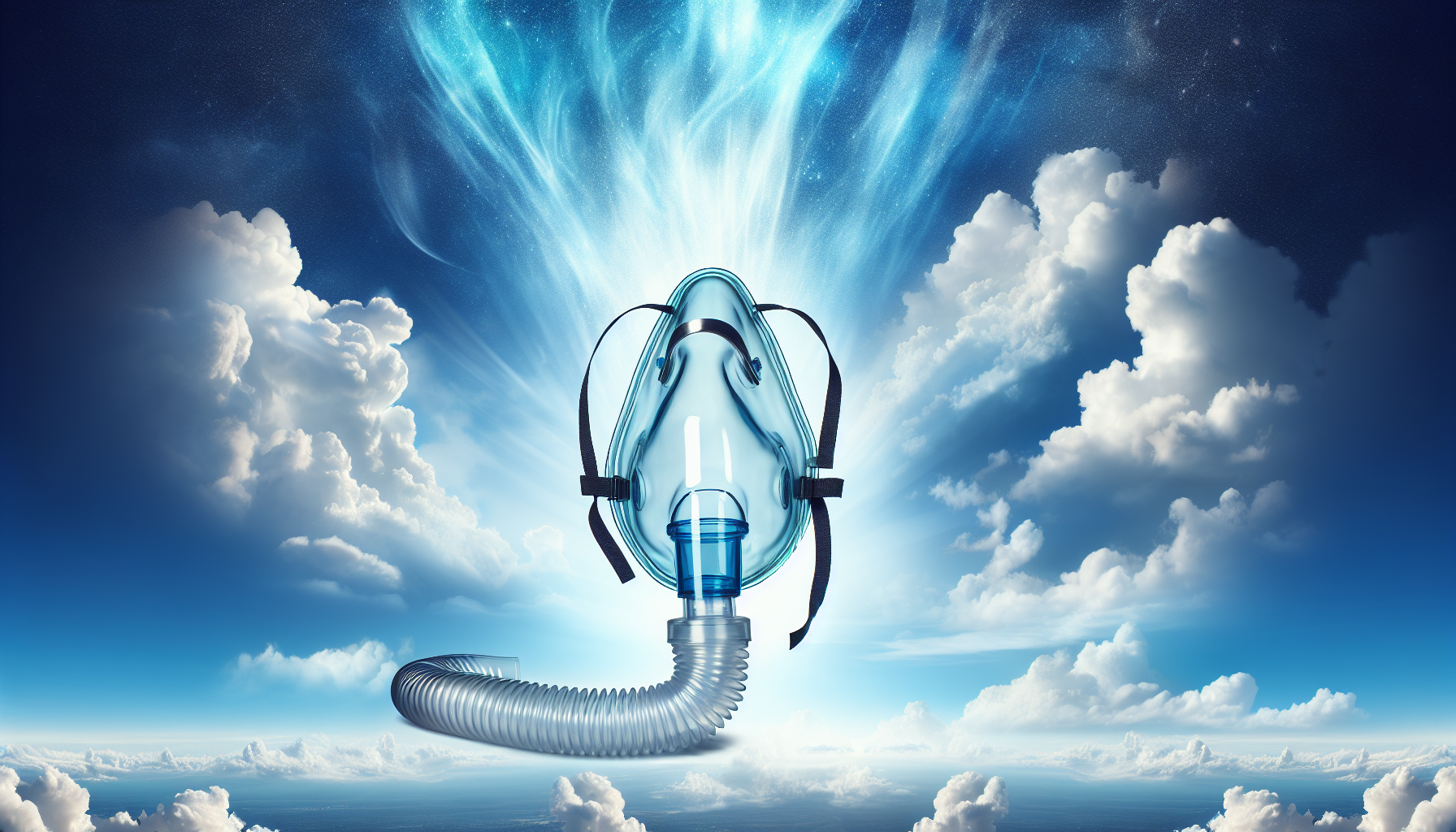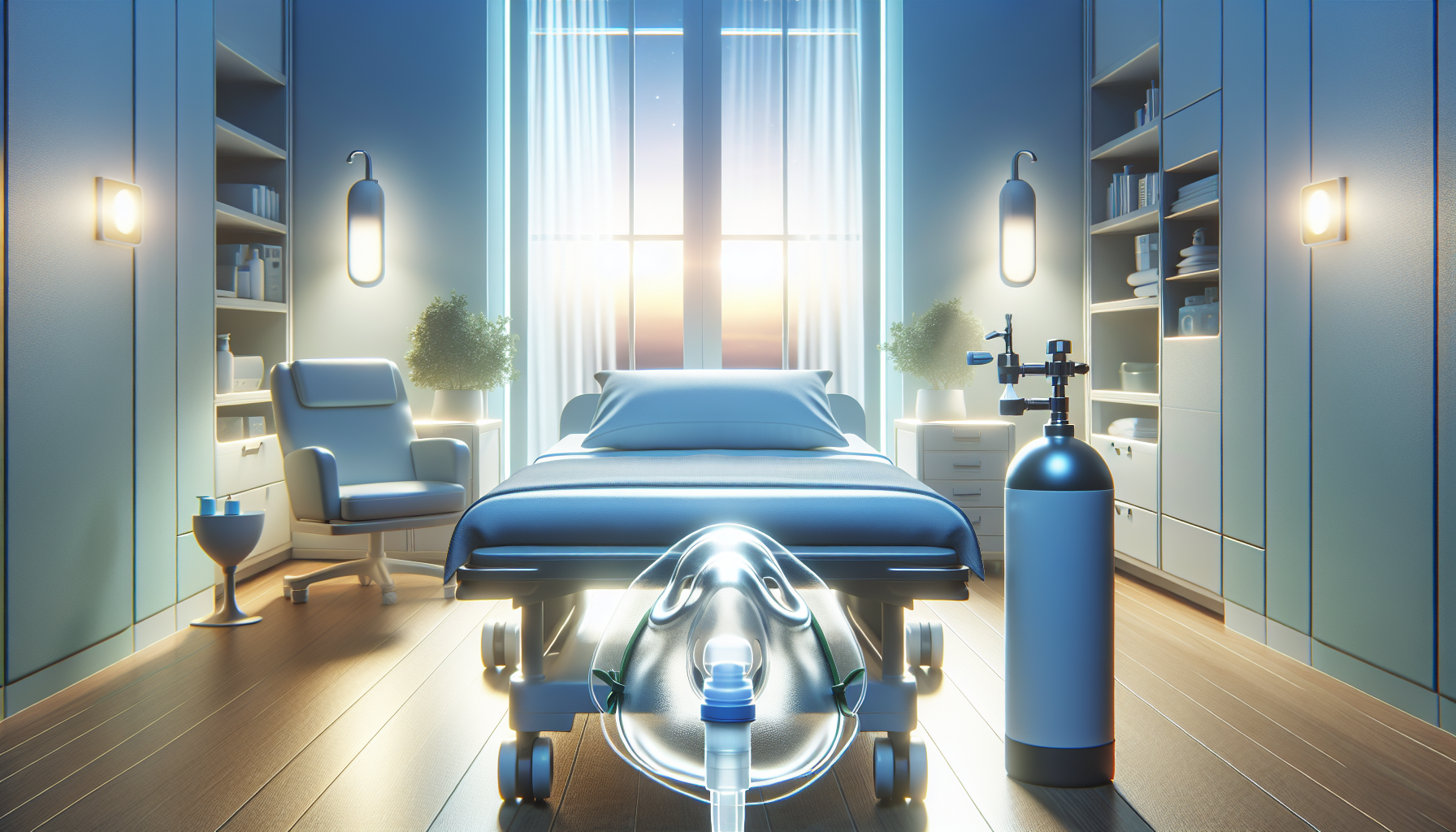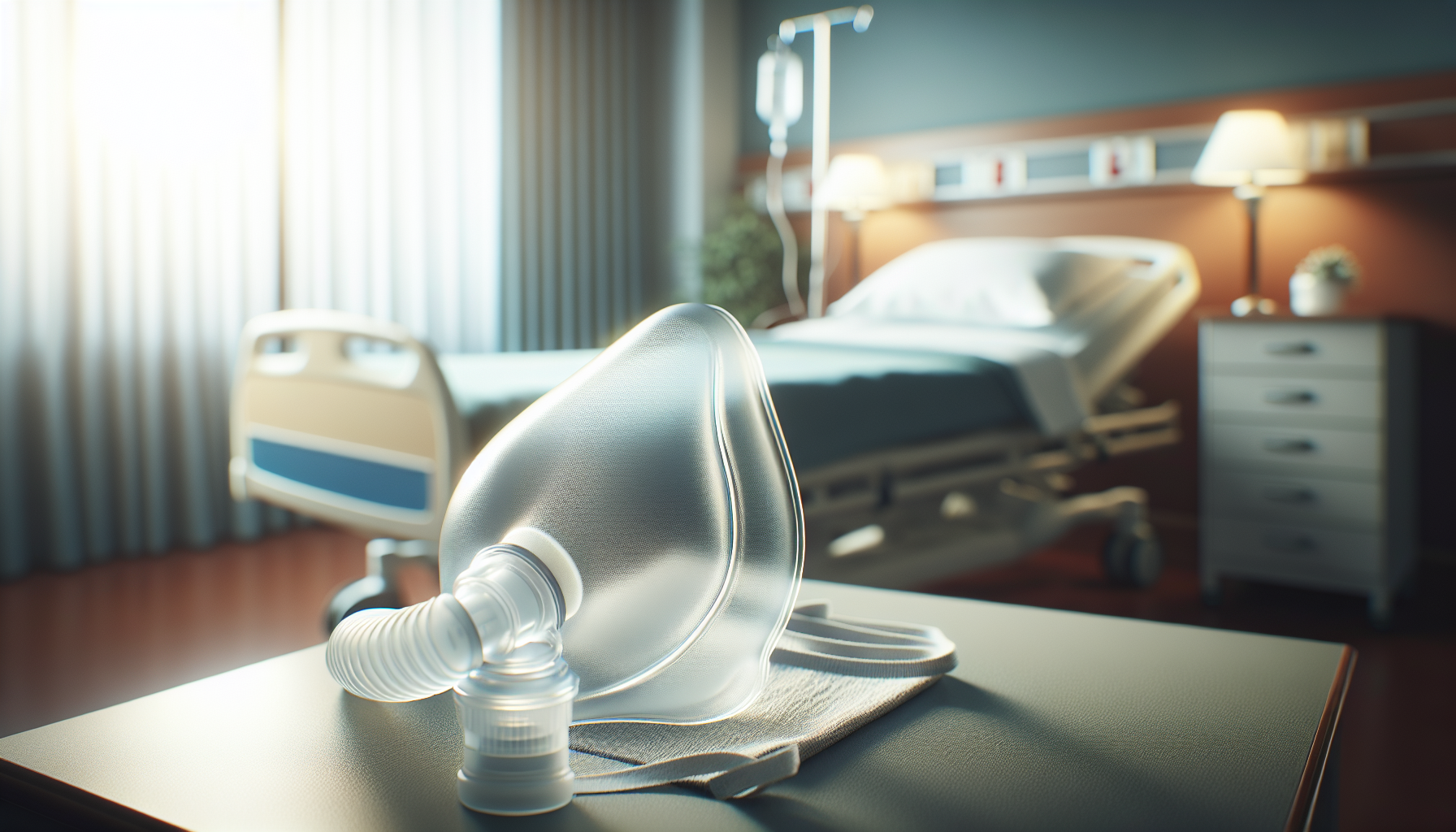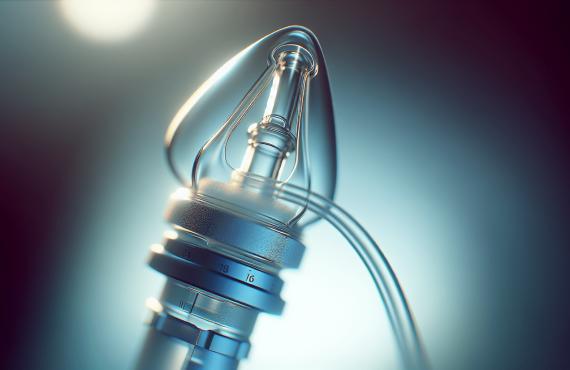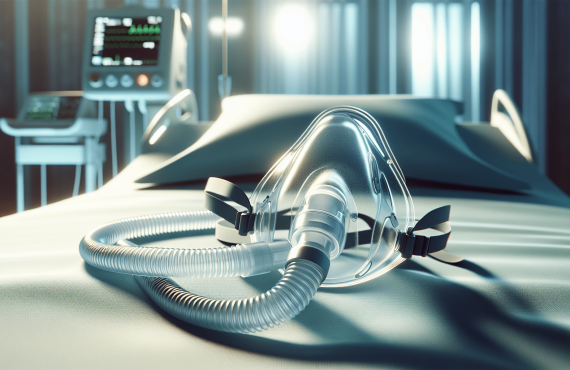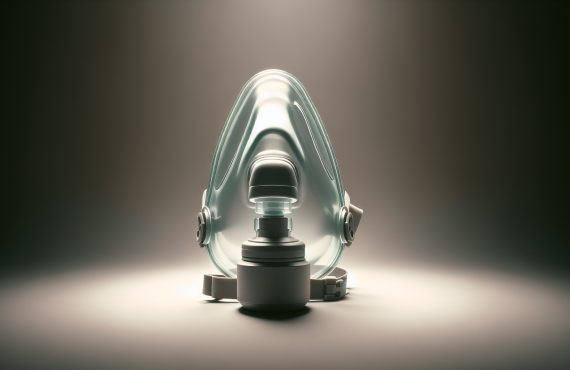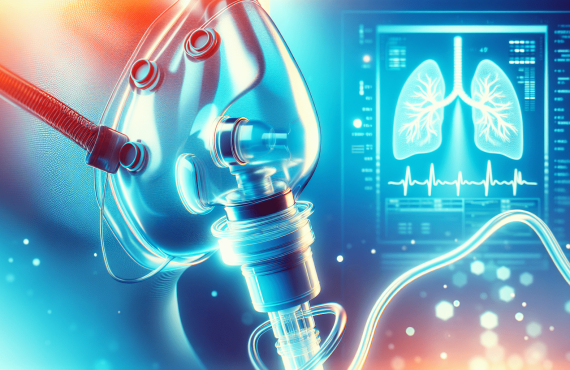

Do you ever wonder how you might improve your health from the comfort of your own home? Oxygen therapy can be a method to help boost your well-being in a simple yet effective manner. Many people experience its benefits and find ways to adapt oxygen therapy into their routines conveniently. Let’s embark on a friendly journey to uncover the ins and outs of conducting oxygen therapy at home in a manner that’s both easy to understand and accessible.
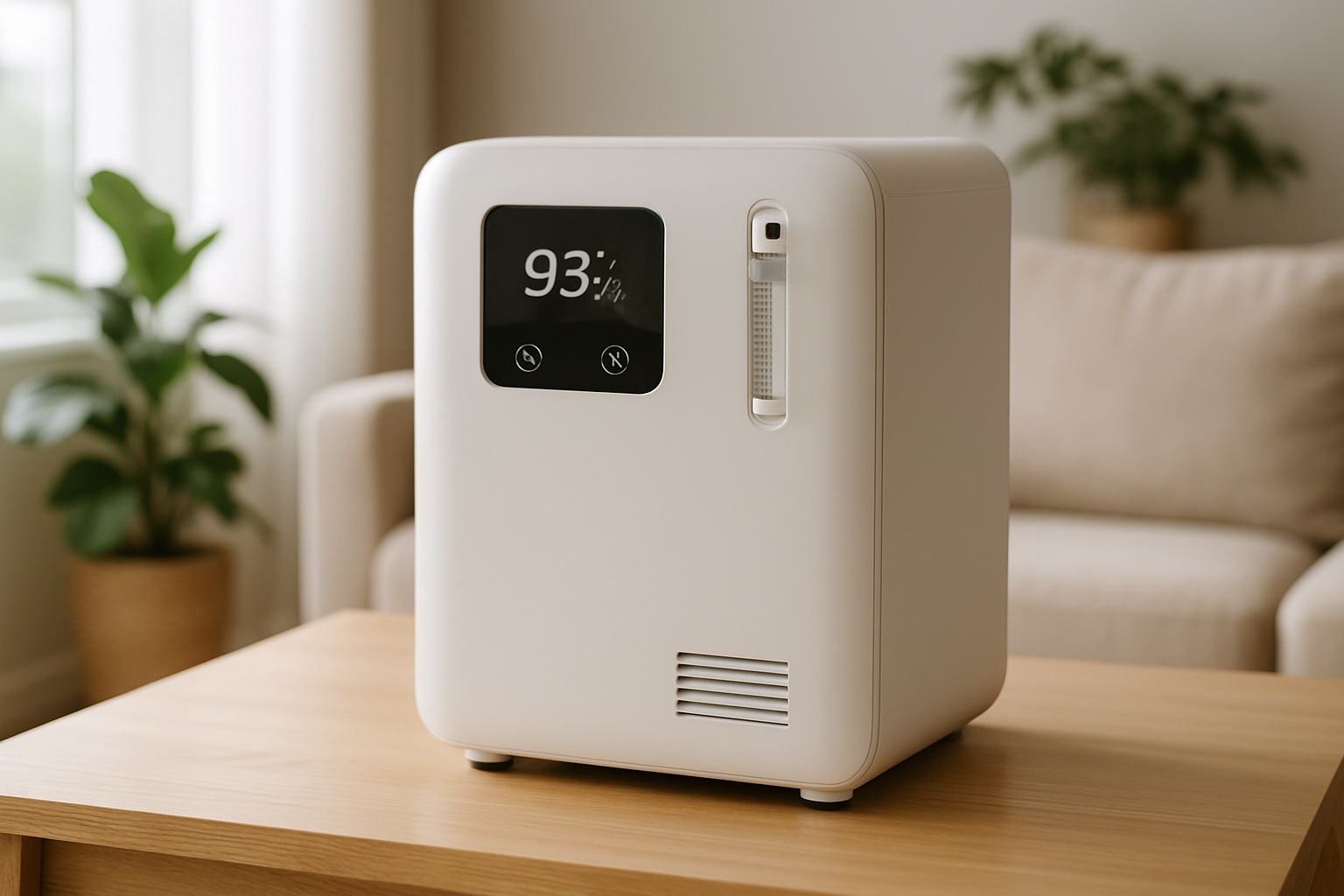

Table of Contents
What is Oxygen Therapy?
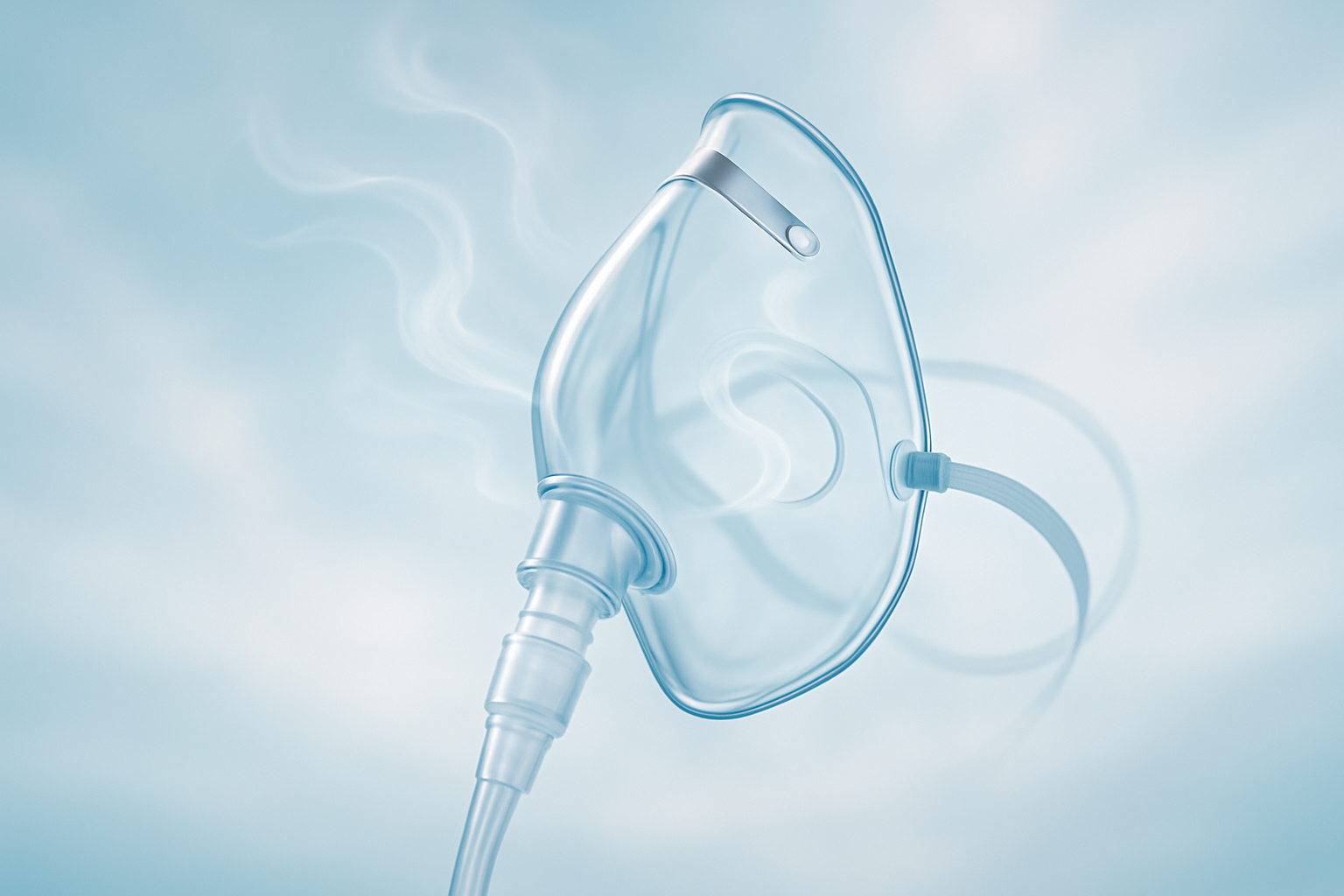
Oxygen therapy refers to the administration of oxygen as a medical intervention. It’s often used for patients whose oxygen level is lower than normal, ensuring that they receive enough oxygen to sustain their body’s functions. Think of it as giving your body an extra helping hand toward better healing and improved bodily functions.
Why Would Someone Need Oxygen Therapy?
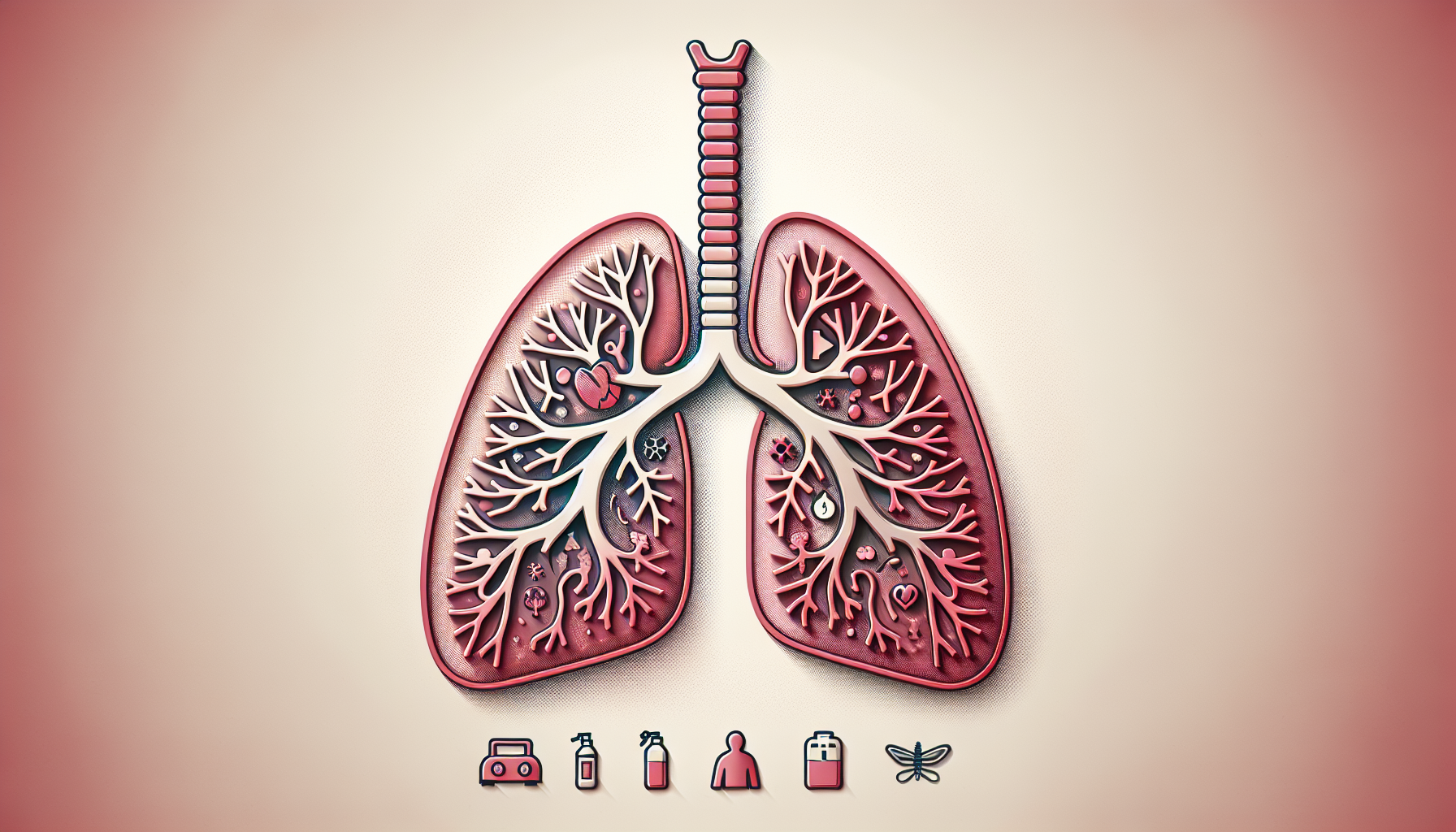
Various conditions can reduce oxygen levels in the body. These include chronic obstructive pulmonary disease (COPD), pneumonia, asthma, and heart failure. Oxygen therapy can help alleviate issues such as shortness of breath and enhance quality of life by ensuring organs receive adequate oxygen.
The Difference Between Hyperbaric Oxygen Therapy and Home Oxygen Therapy
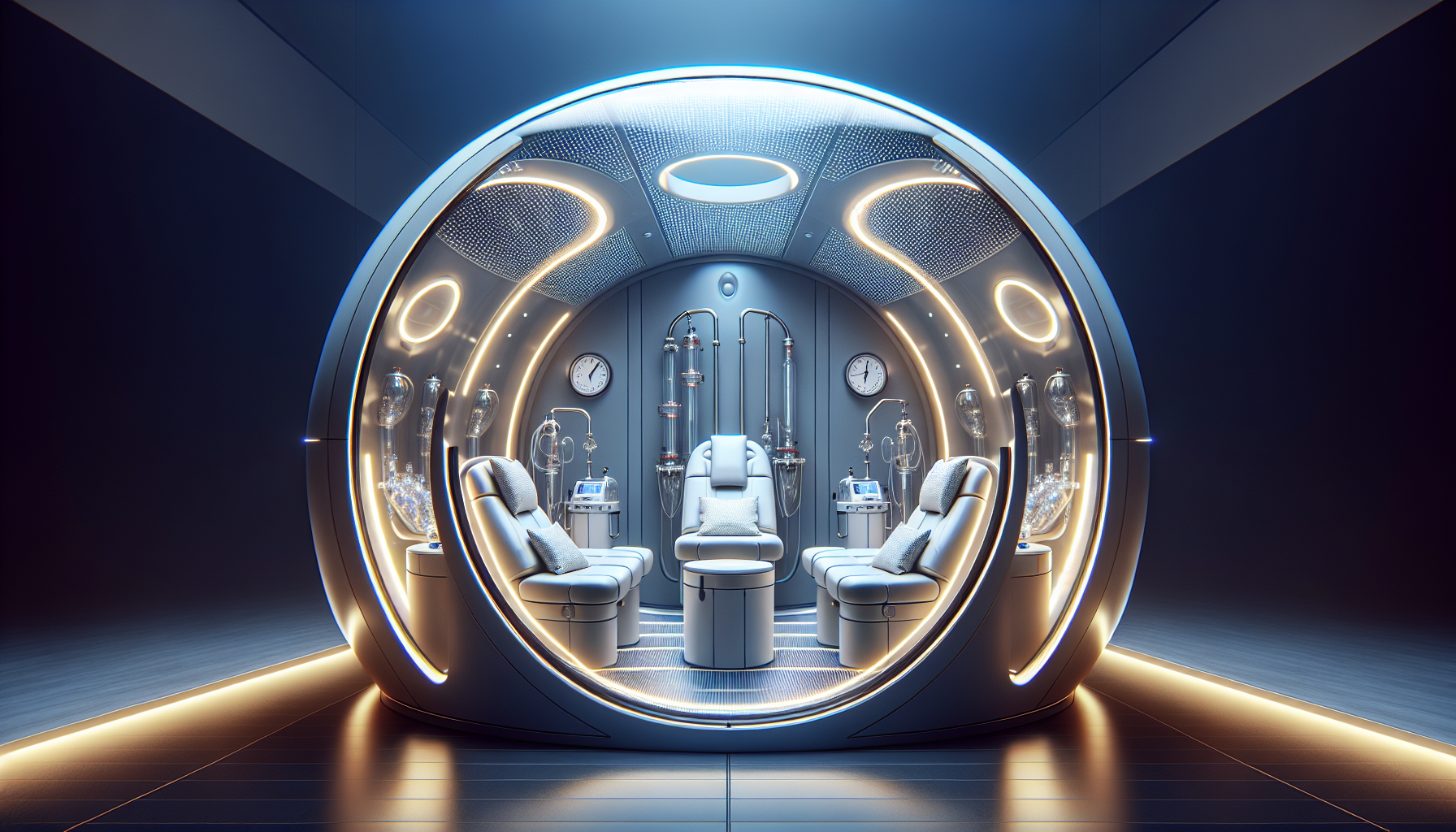
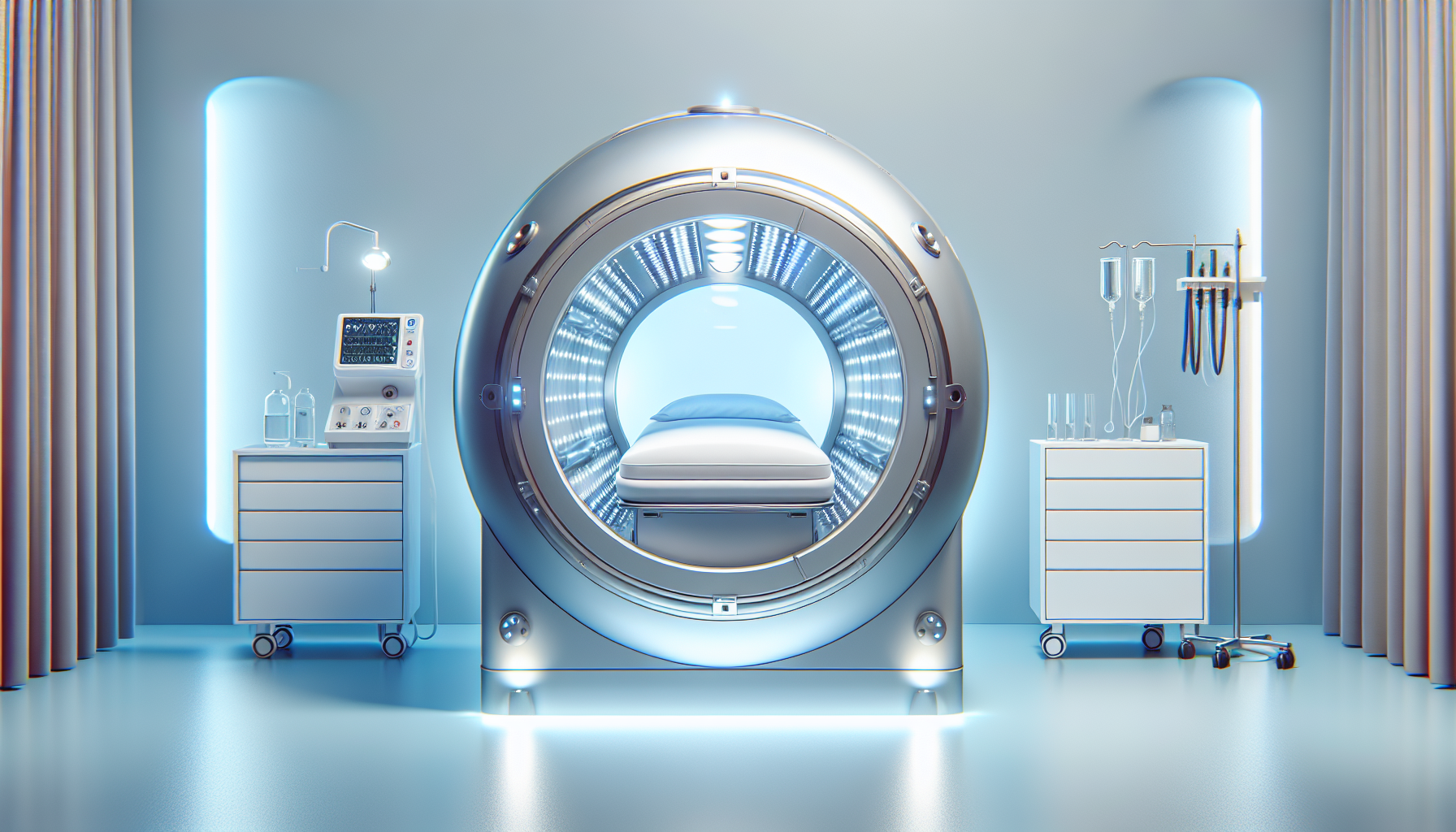
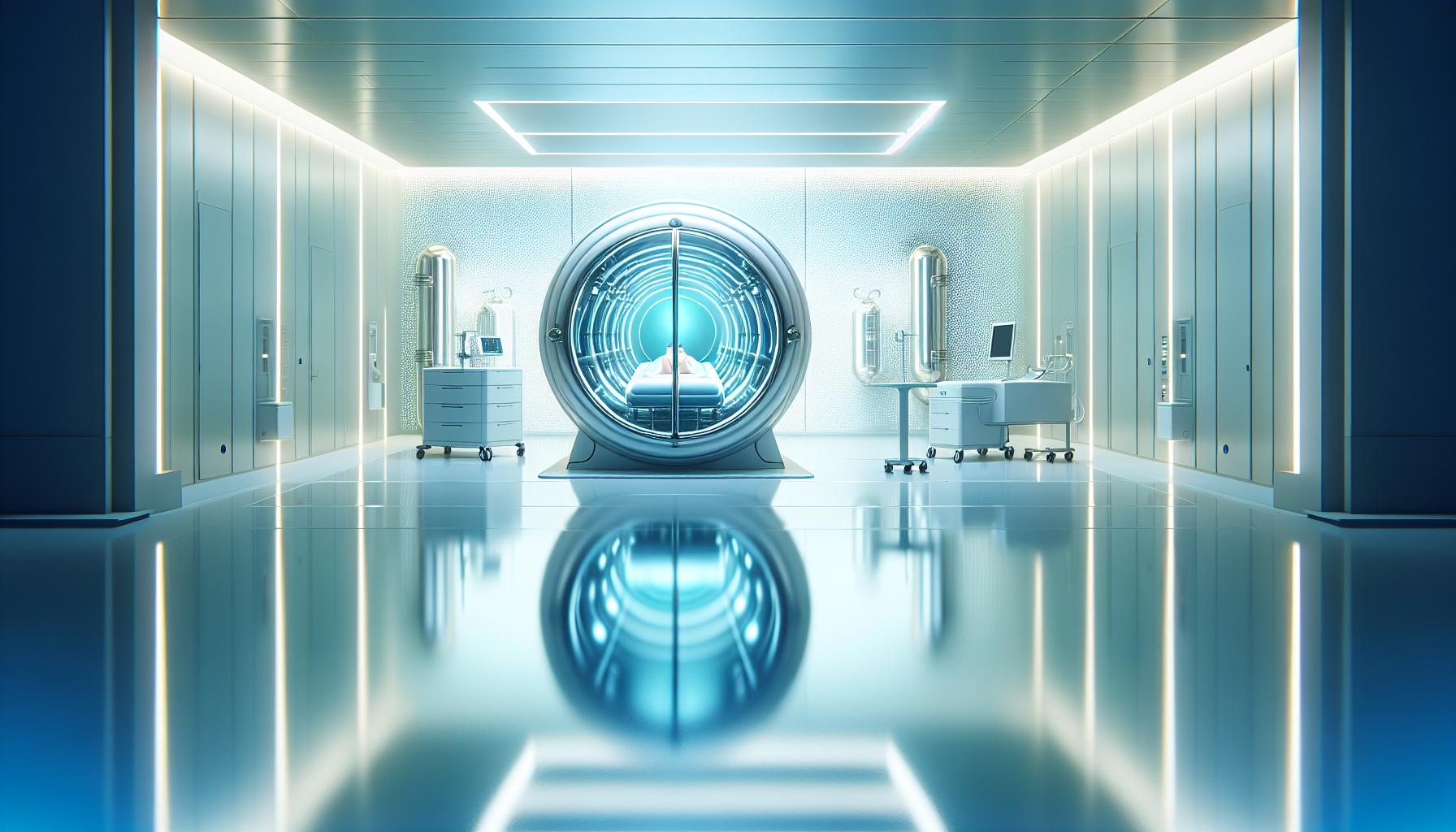
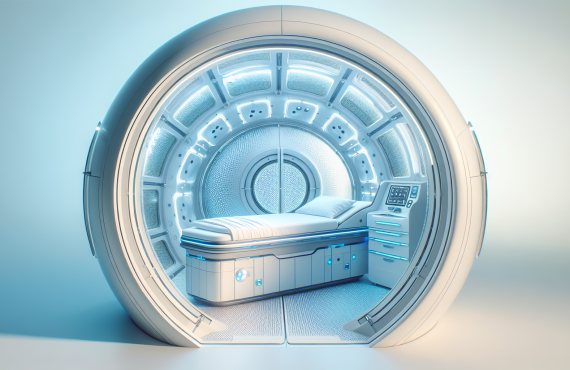
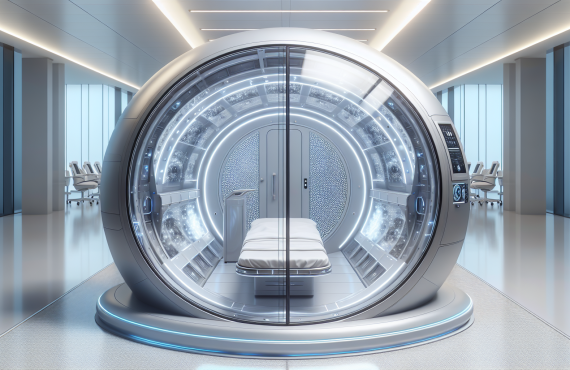
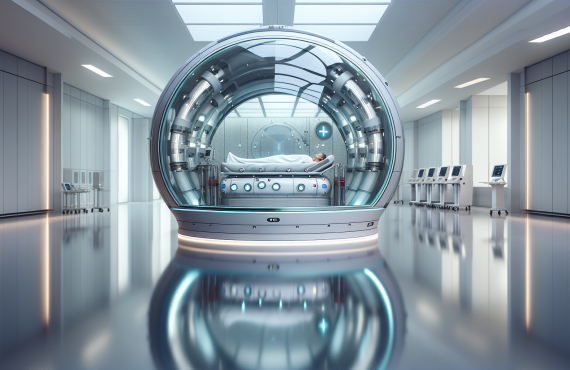
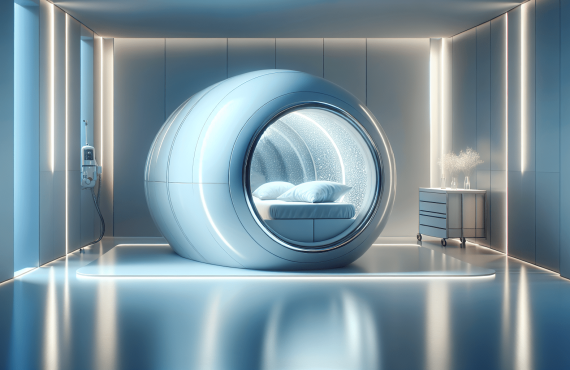
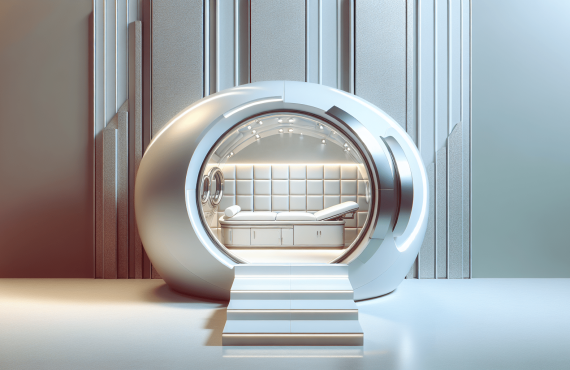
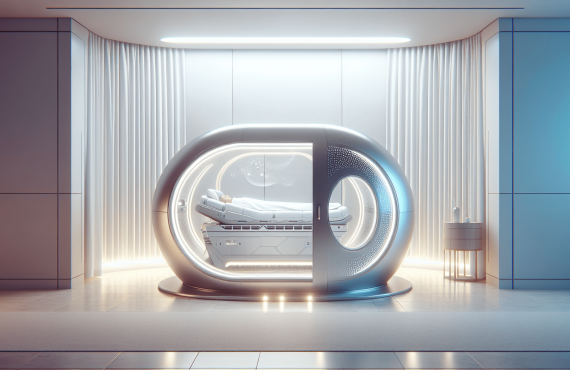
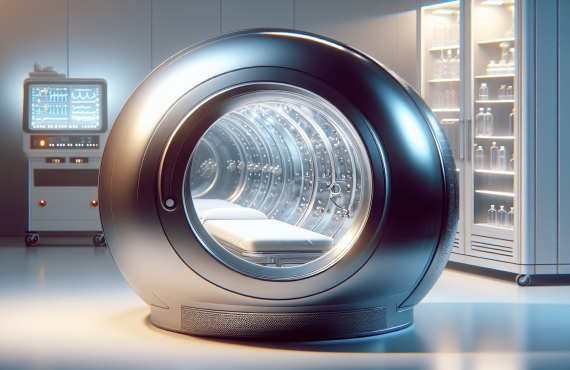
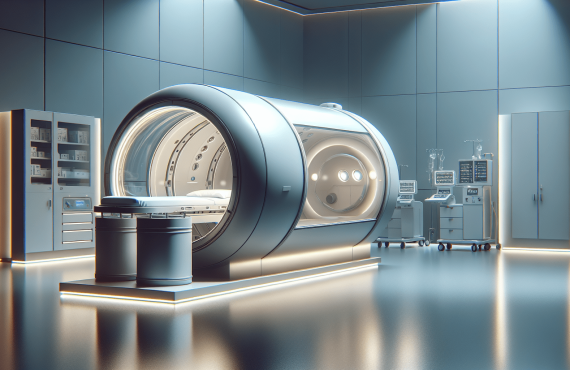
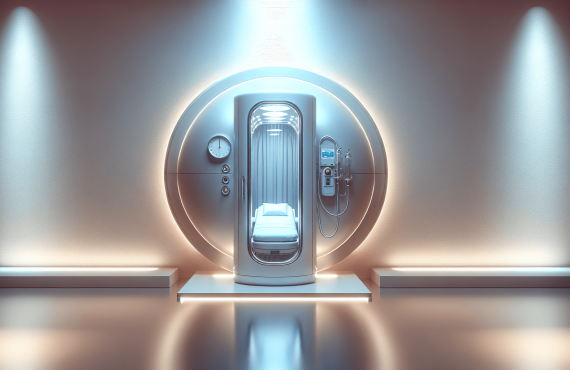
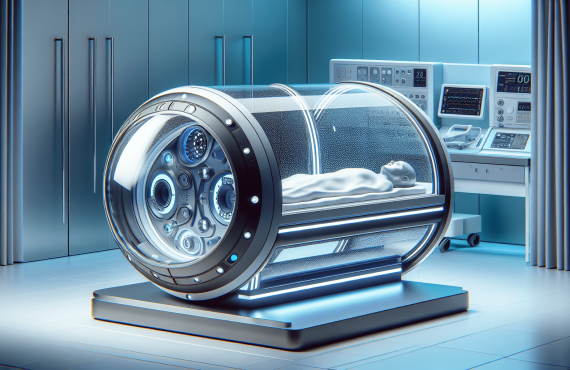
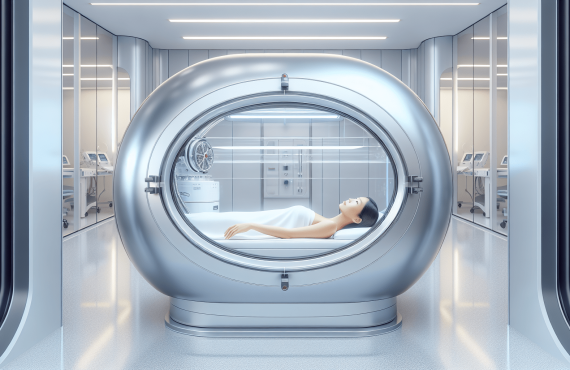
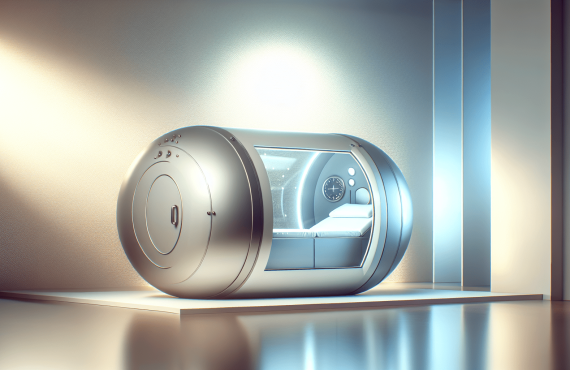
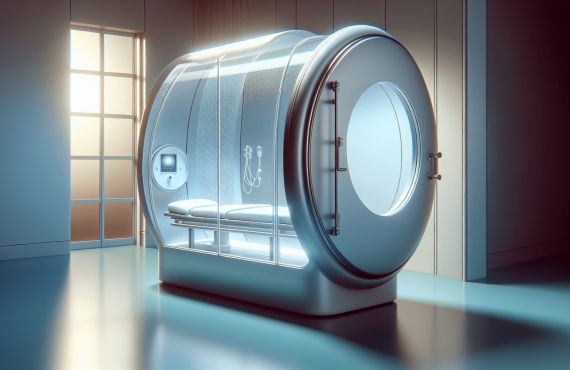
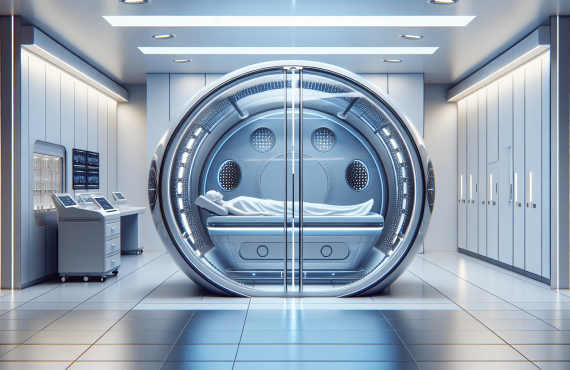
Hyperbaric oxygen therapy (HBOT) involves breathing pure oxygen in a pressurized chamber. It’s typically used in clinical settings and can promote wound healing, help in treating decompression sickness, and much more. Home oxygen therapy, however, focuses on providing supplemental oxygen to those with chronic breathing difficulties. It’s about making breathing easier through the use of oxygen concentrators or cylinders without leaving your house.
How Does Oxygen Therapy Work?
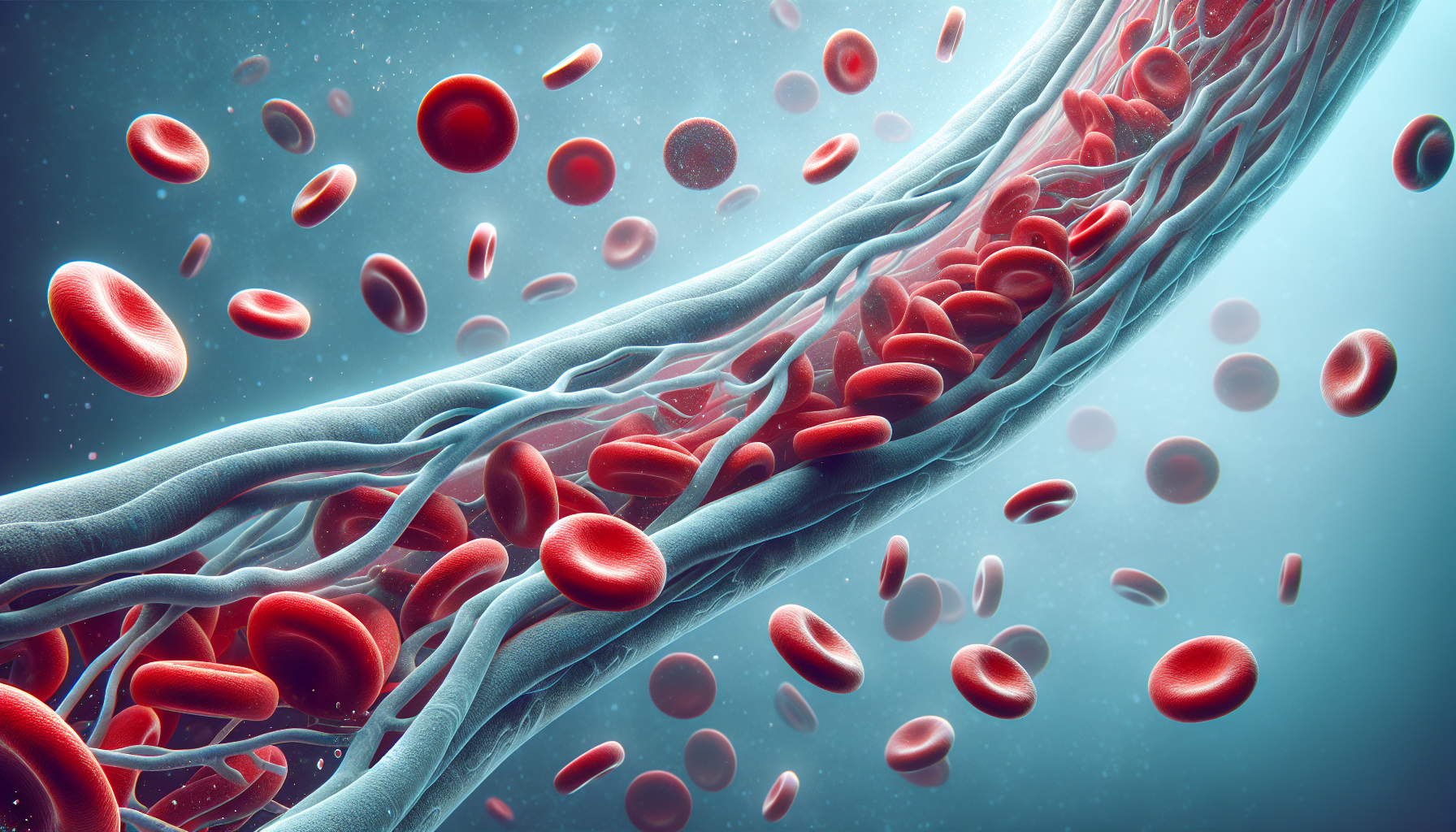
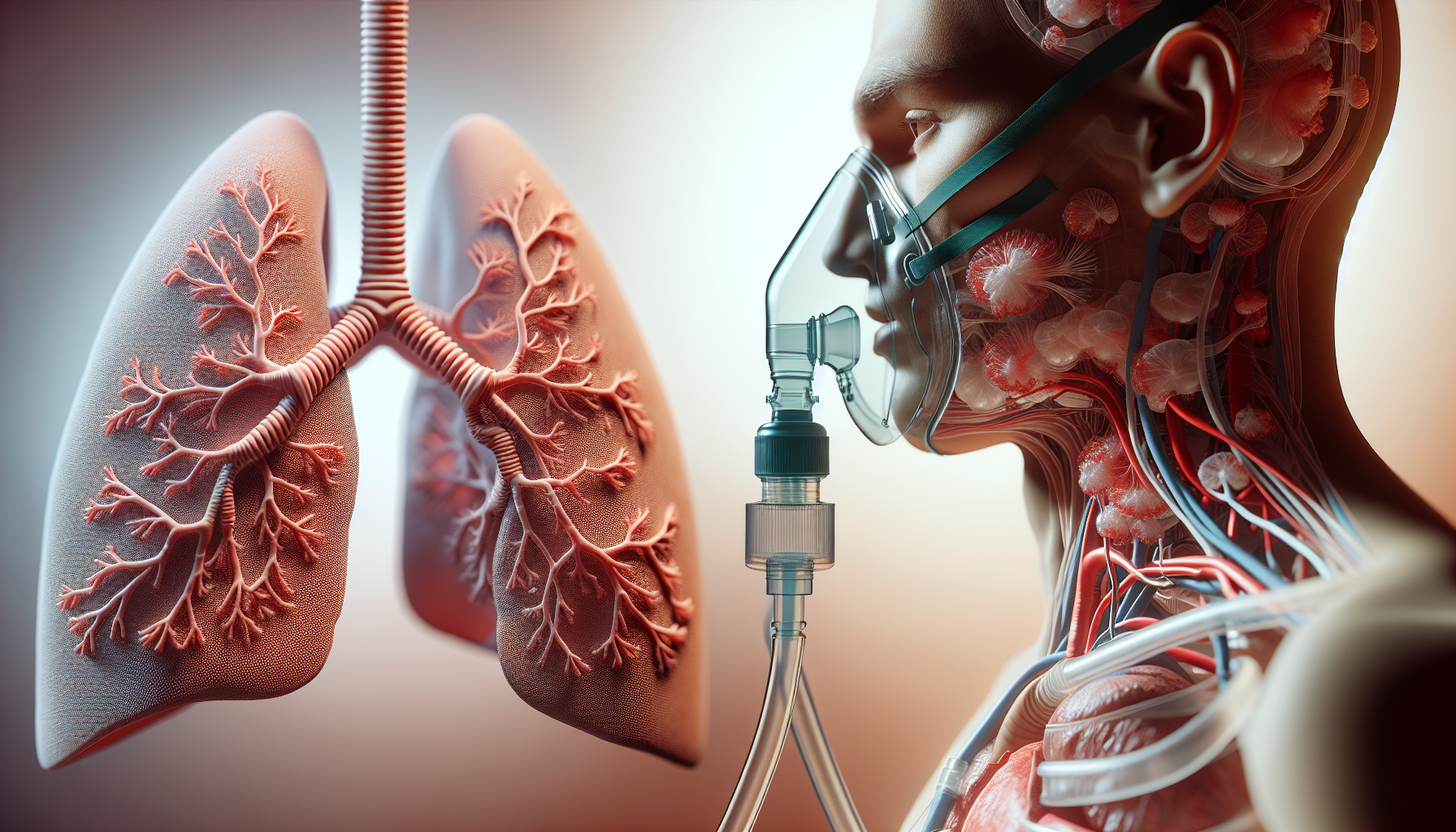
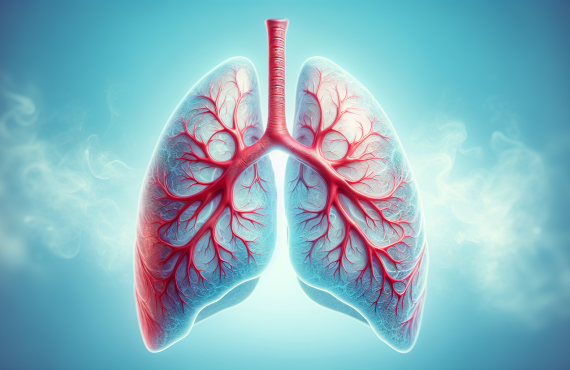
In its essence, oxygen therapy increases the amount of oxygen your lungs receive. This, in turn, increases the oxygen available to your blood and thereby enhances the supply to your tissues. Let’s break this down into simple steps to see the magic unfold at the cellular level.
The Mechanics of Breathing Oxygen
When you breathe in oxygen, it gets absorbed into your bloodstream in the lungs. Oxygen-rich blood travels through the body, supplying oxygen to every cell, tissue, and organ. Cells use this oxygen to produce energy, which is vital for survival. But what happens if the oxygen supply is inadequate?
Addressing Low Oxygen Levels
That’s when oxygen therapy steps in. By providing a higher concentration of oxygen than what is found in ambient air, it helps elevate the amount reaching your bloodstream and, consequently, your body tissues. This can ease the workload on your heart and lungs and improve your overall vitality and energy levels.

Types of Home Oxygen Equipment
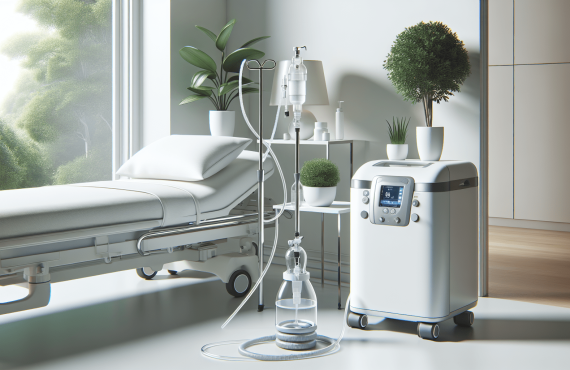
Once you’ve decided to incorporate oxygen therapy into your life, understanding the right equipment to use becomes essential. Commonly, this includes oxygen concentrators, portable oxygen cylinders, and even liquid oxygen tanks.
Oxygen Concentrators
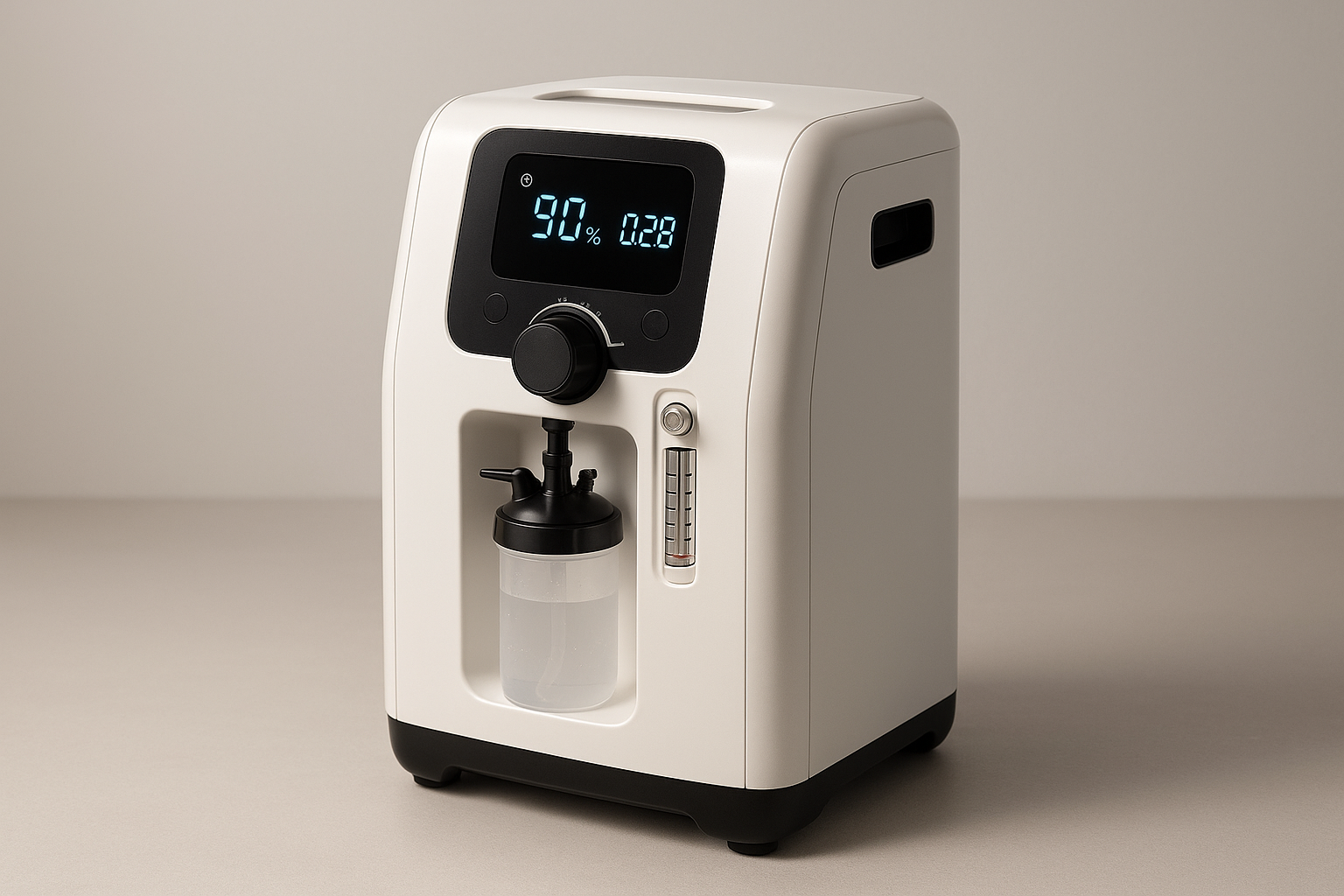
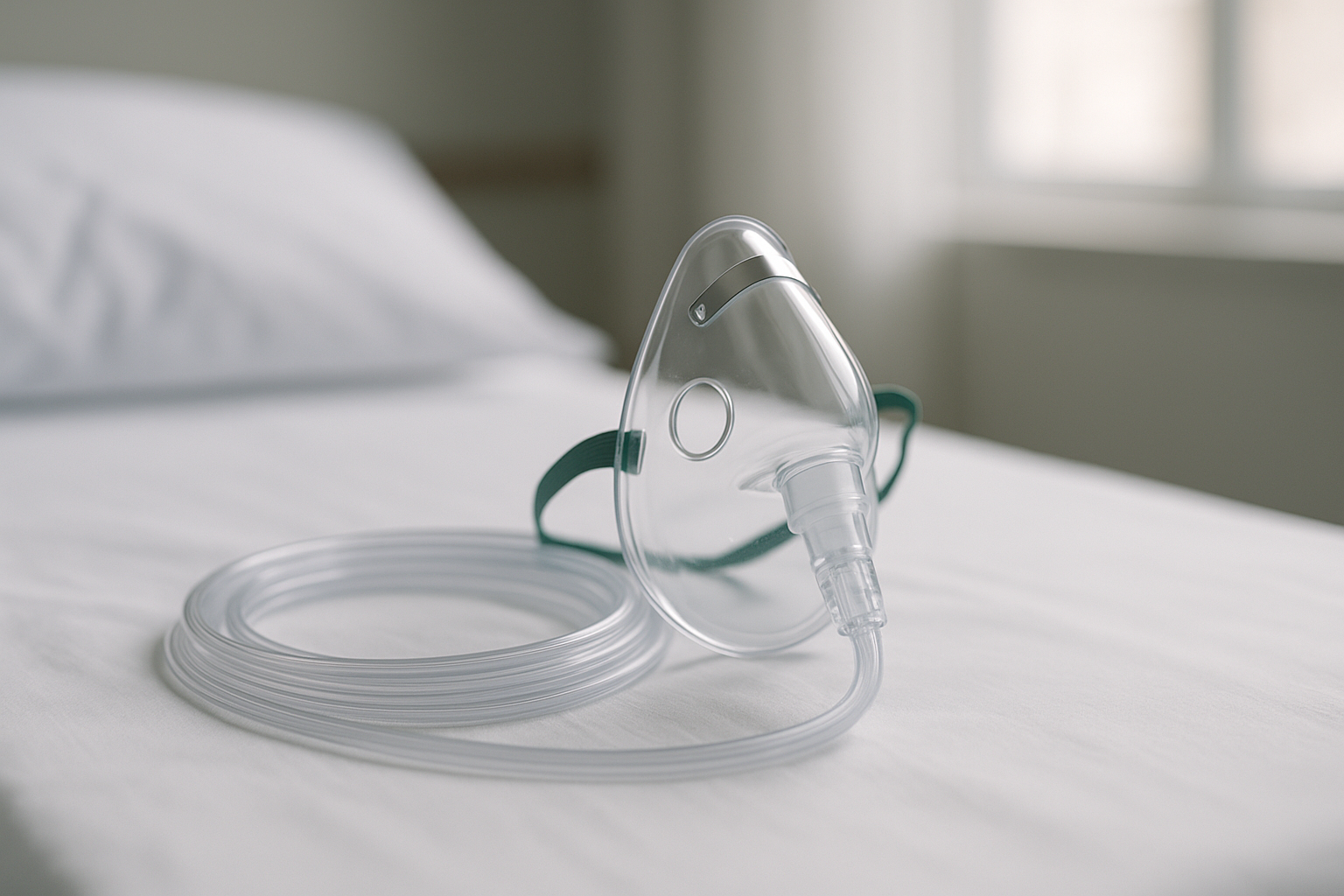
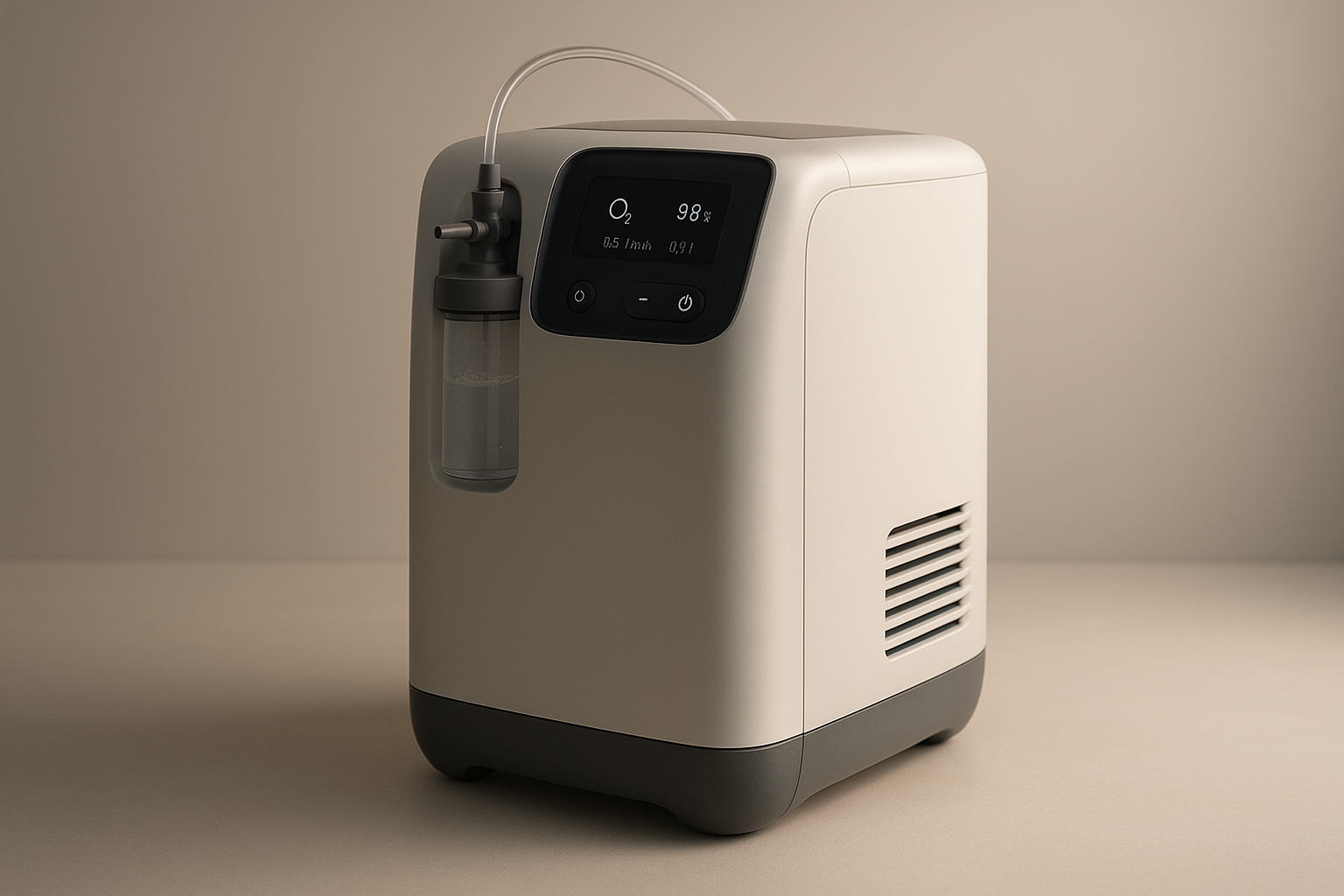
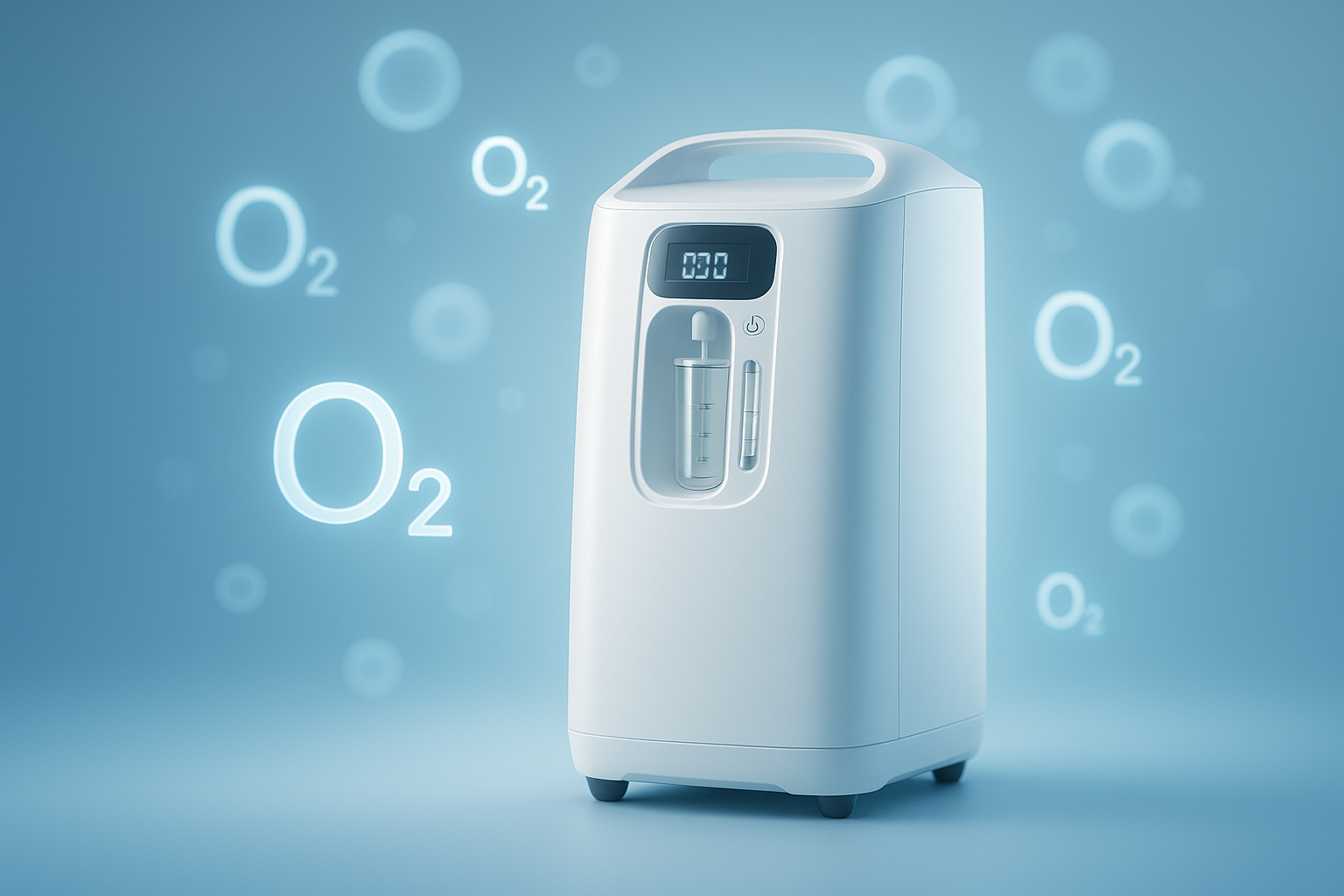
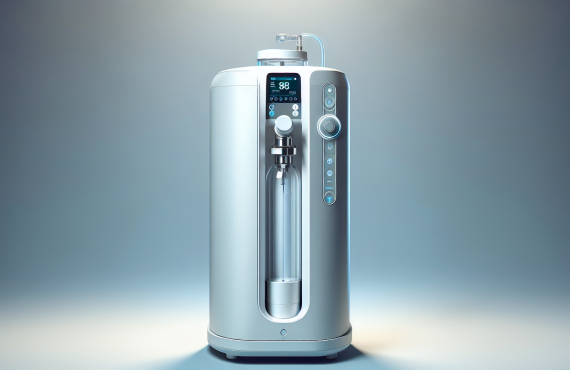
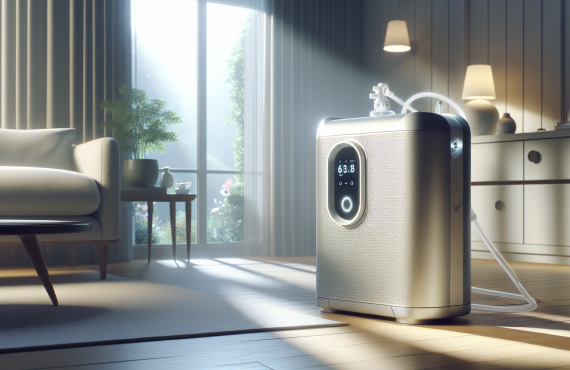
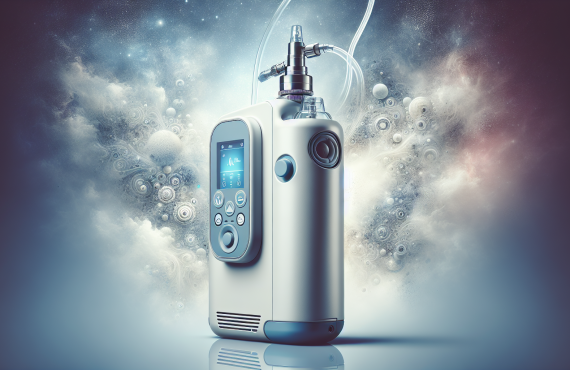
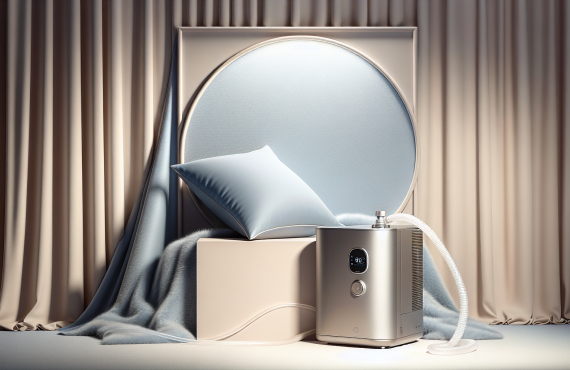
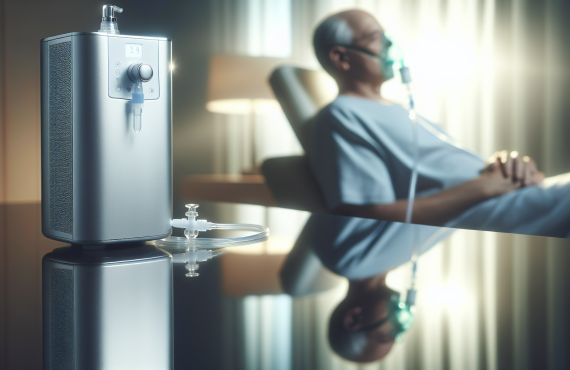
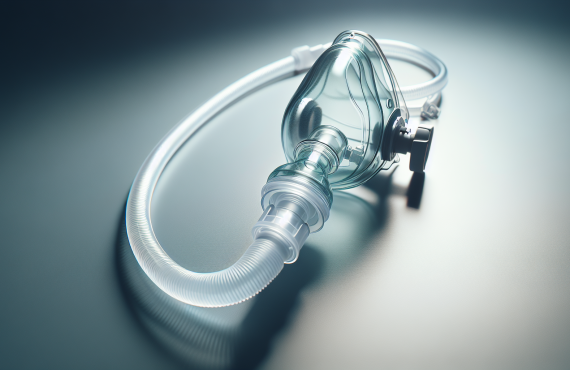
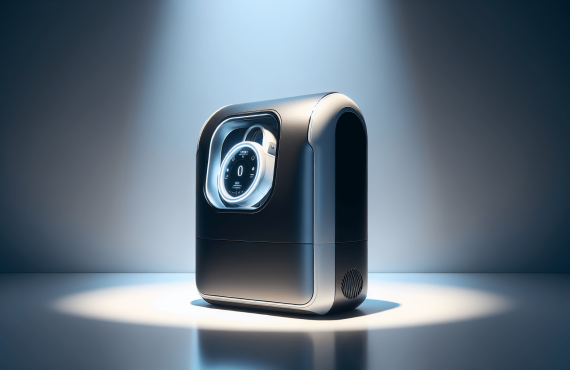
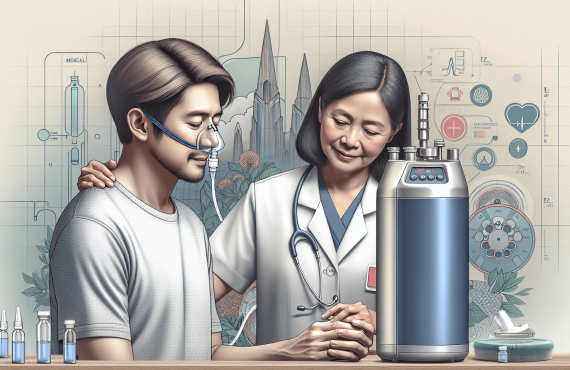
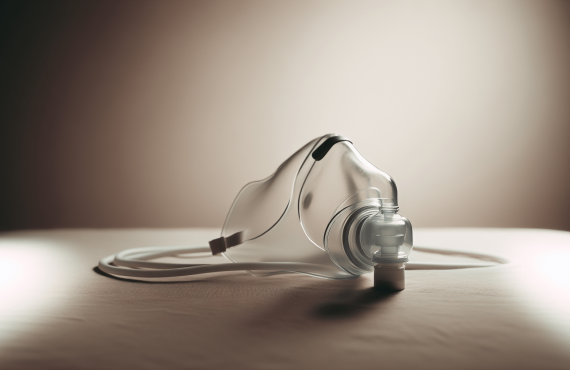
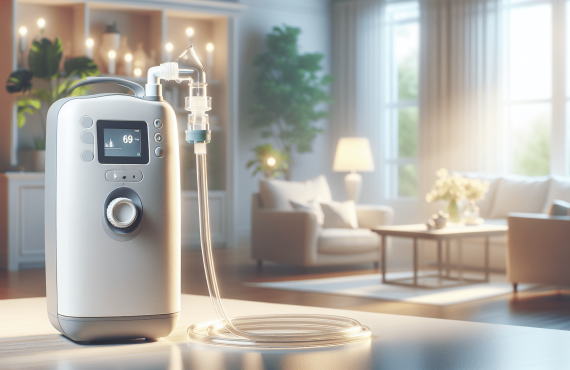
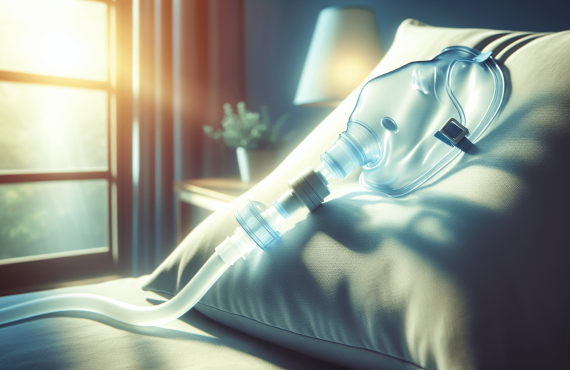
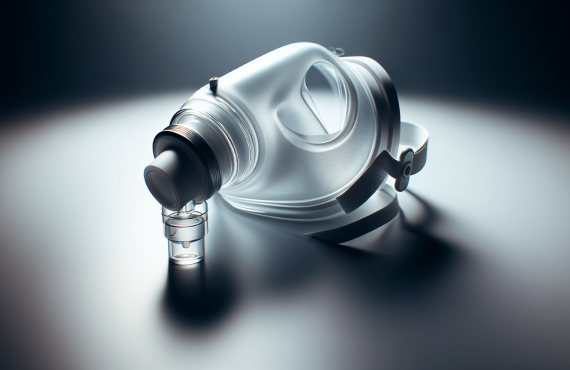
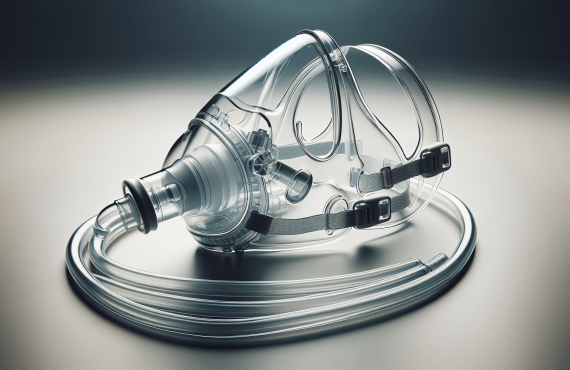
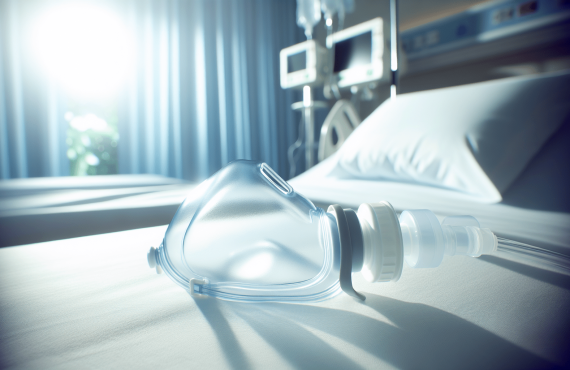
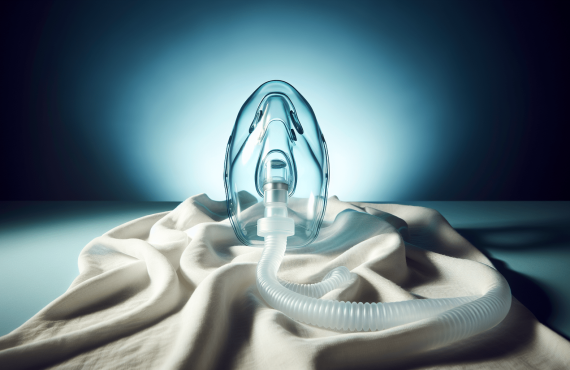
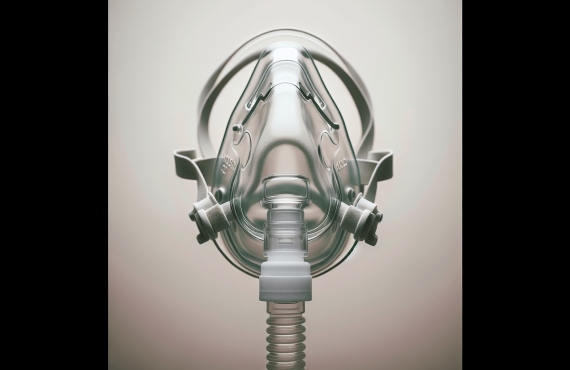
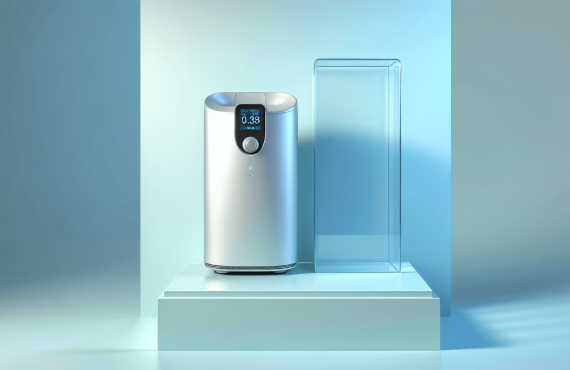
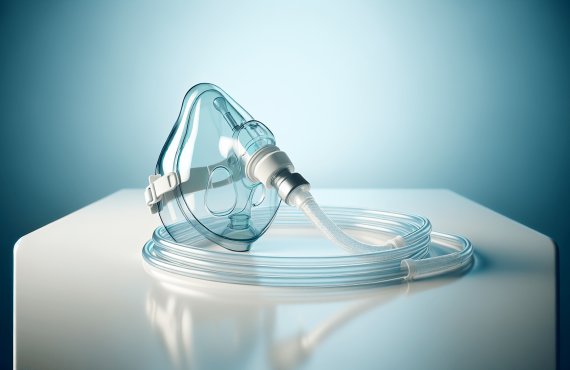
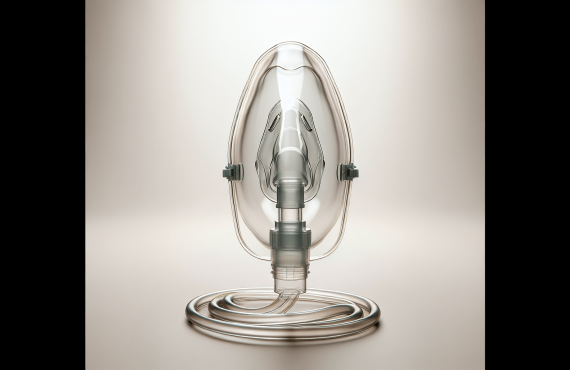
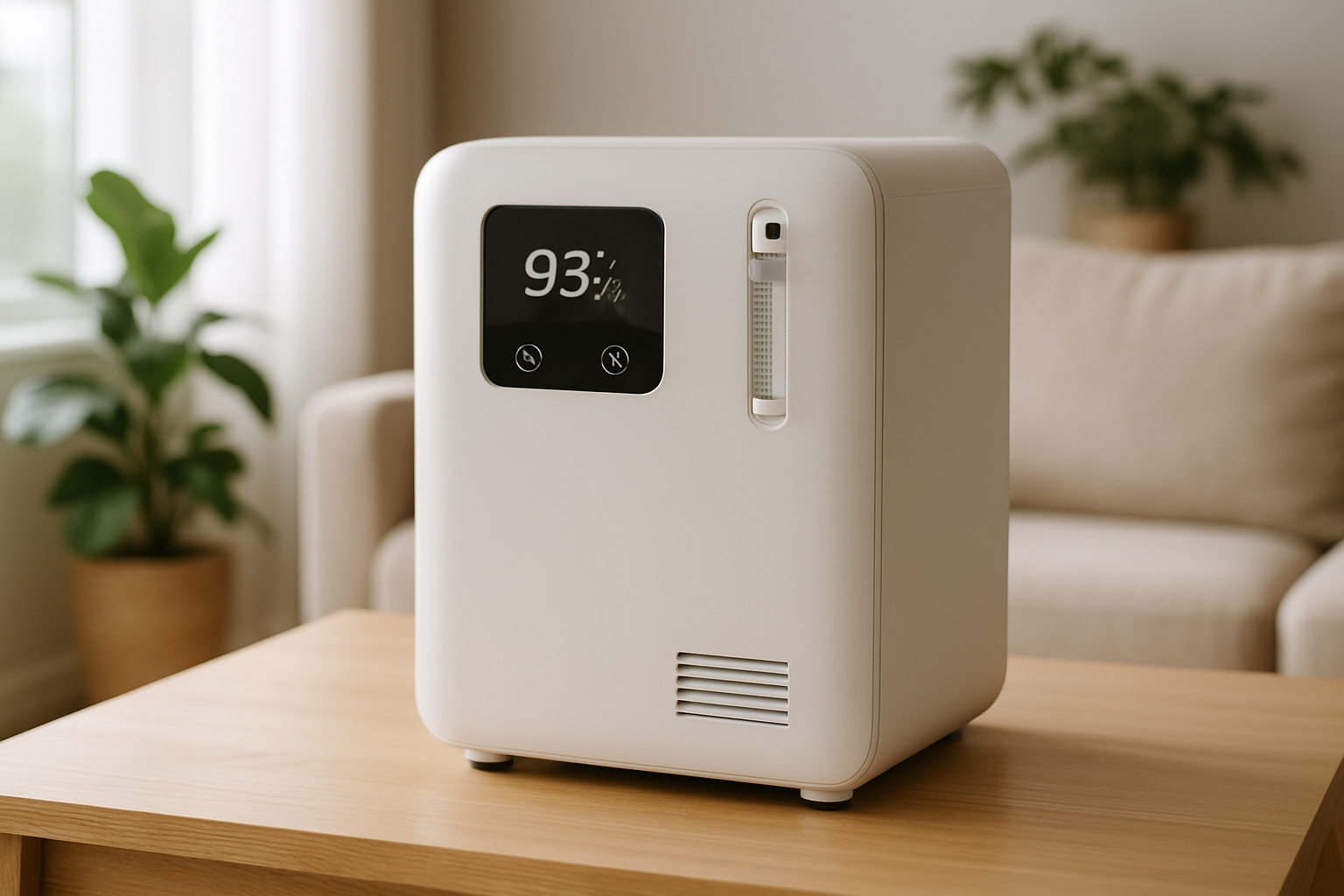
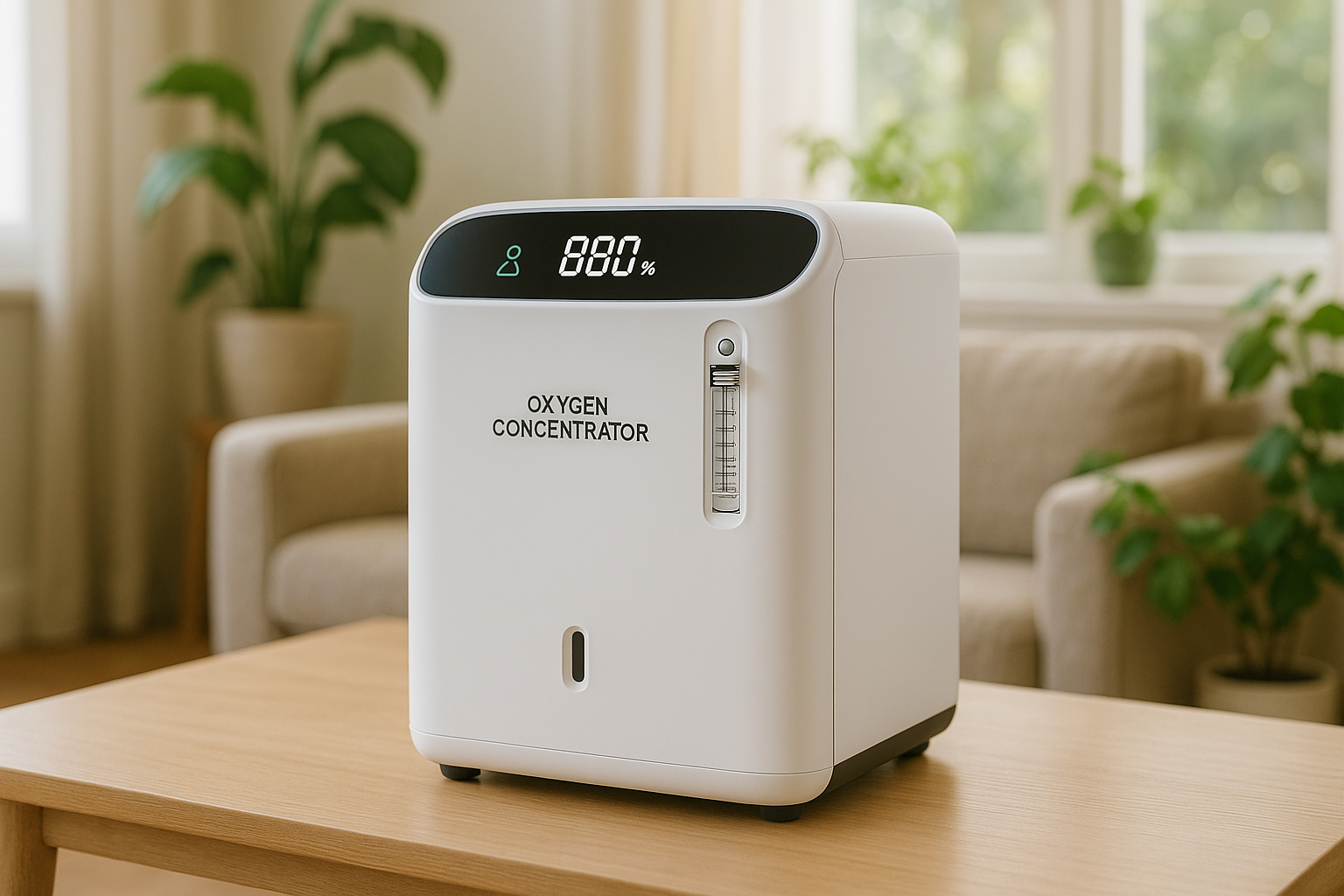
These devices extract oxygen from the surrounding air, concentrating it before providing it to the user through a nasal cannula or face mask. They are electric-powered and ideal for home use since they offer a steady oxygen supply without needing refills.
Portable Oxygen Cylinders
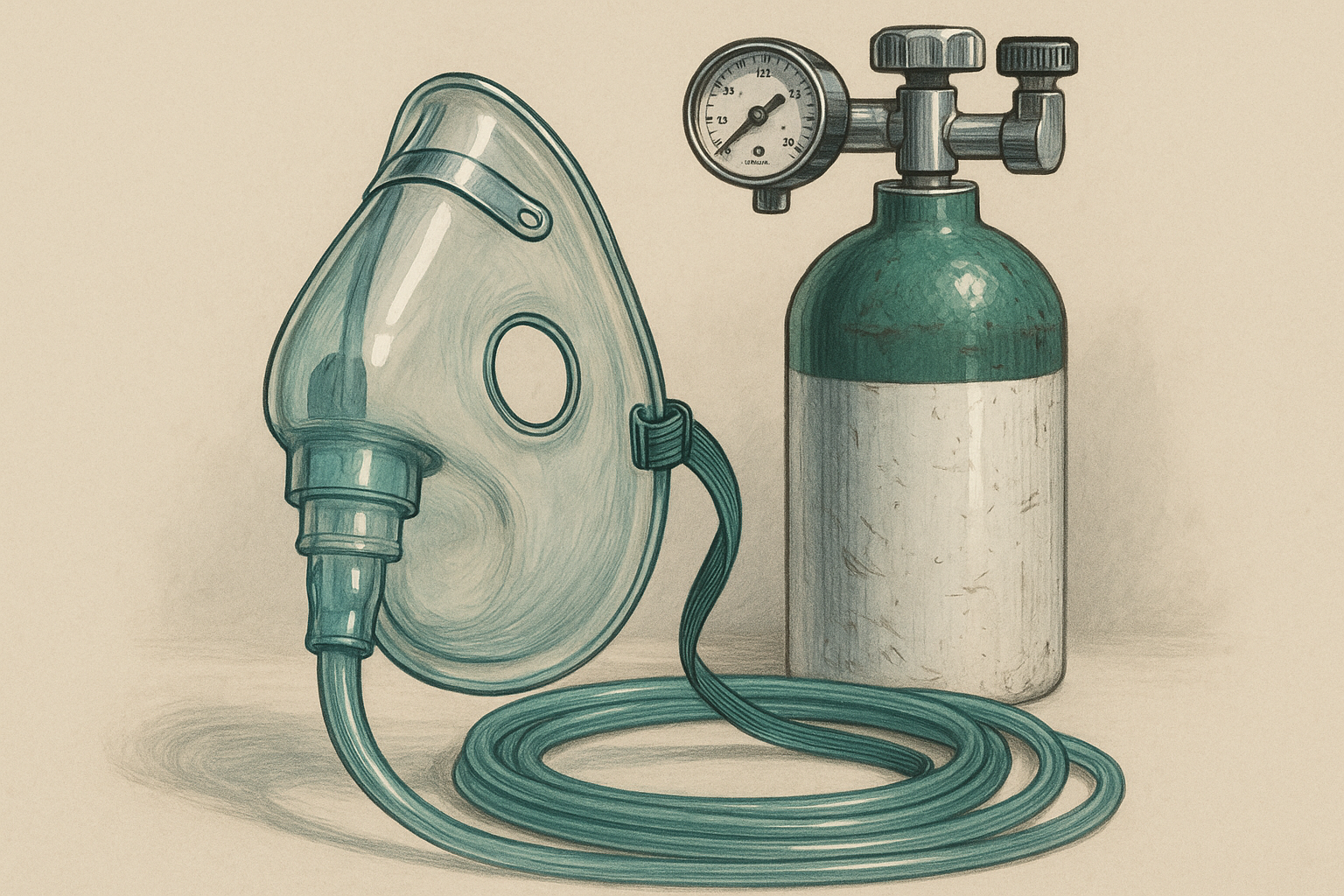
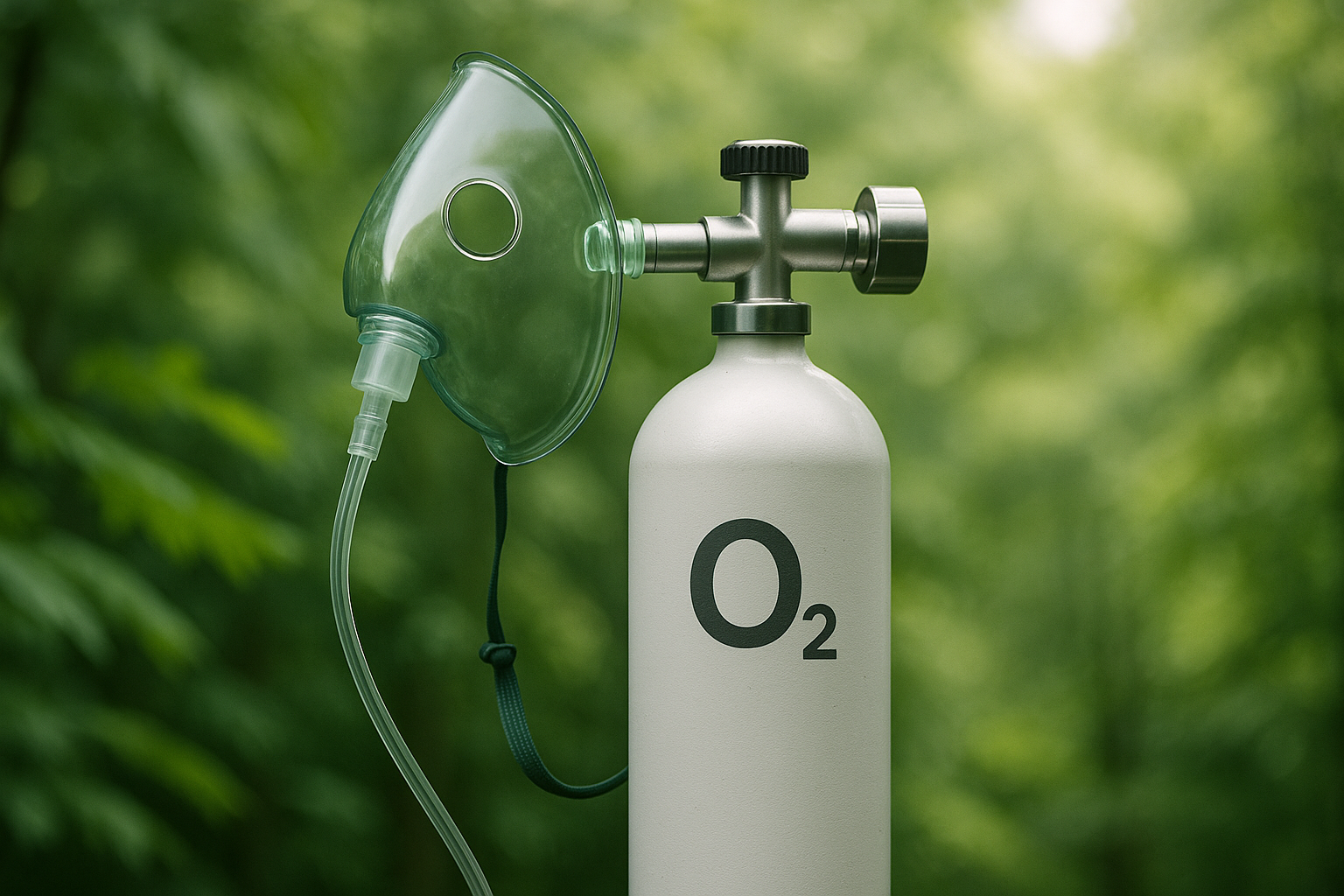
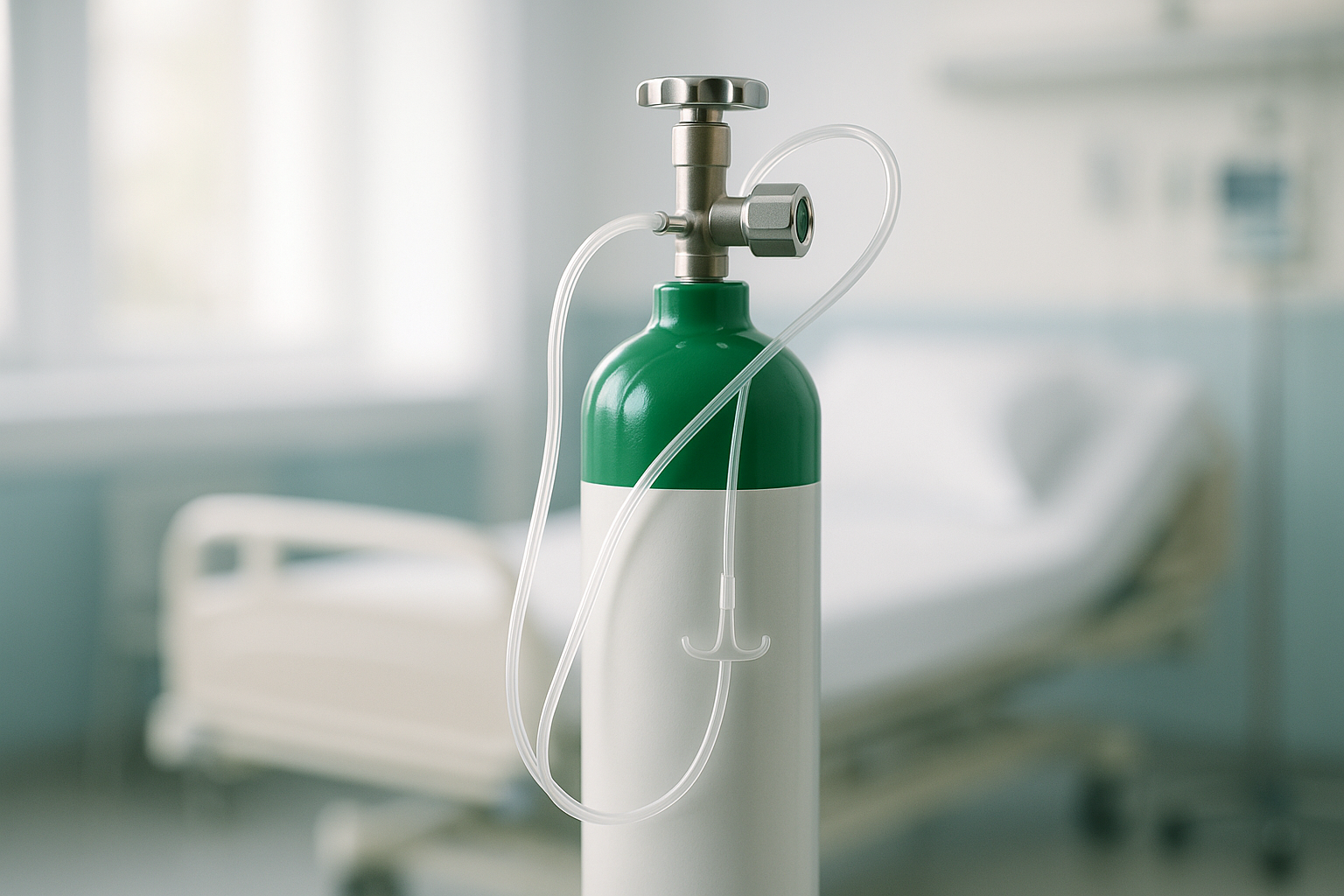
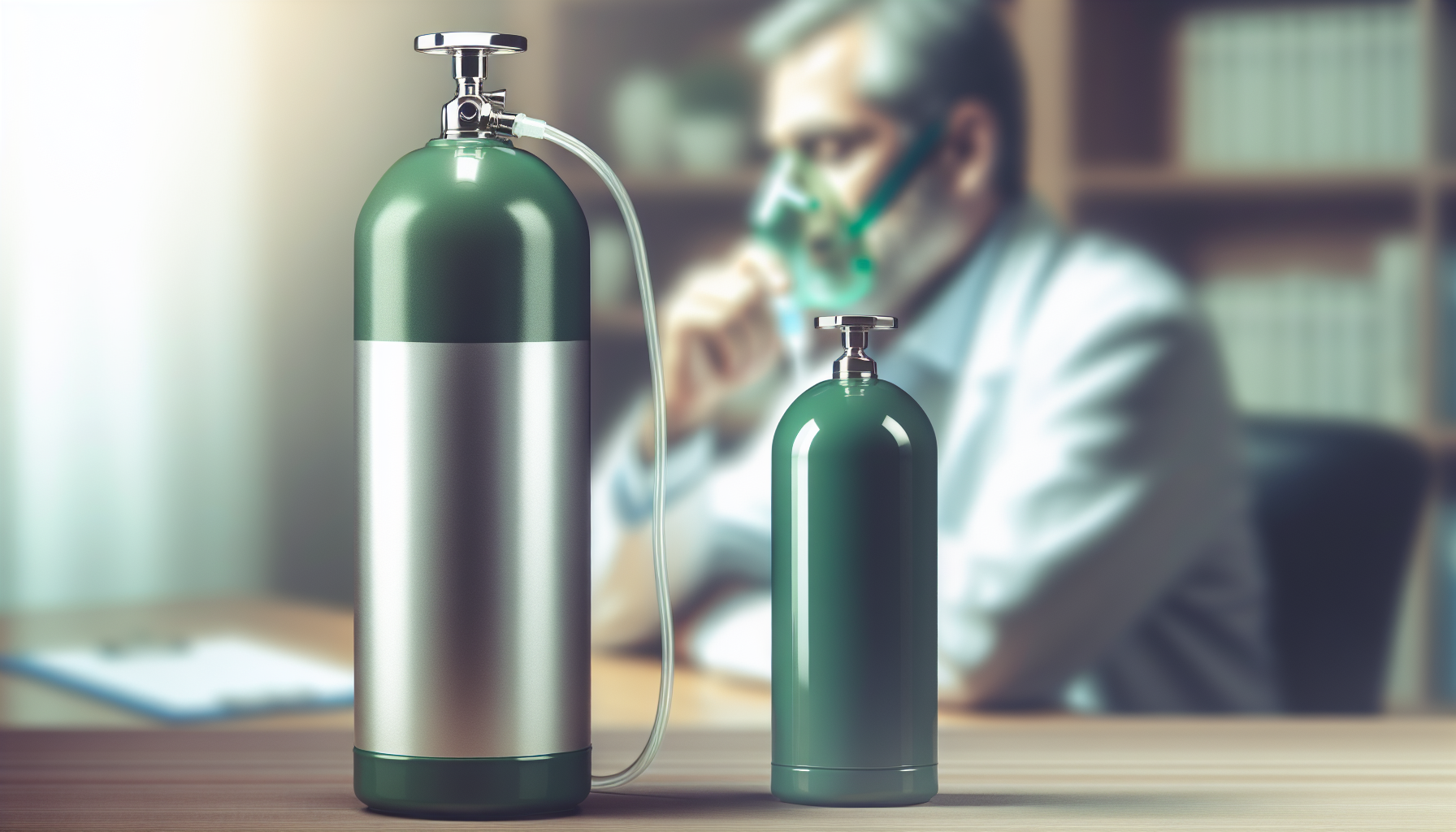
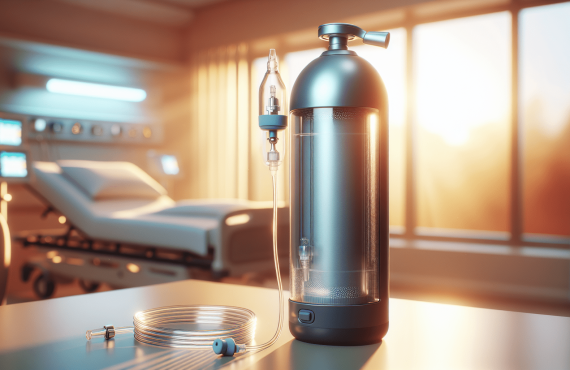
Cylinders offer compressed oxygen and are ideal for home use, providing flexibility to move about conveniently. They require refill or replacement once depleted but offer more mobility compared to larger equipment.
Liquid Oxygen Tanks
Though less common, these provide oxygen in a liquid form, which can expand to gaseous form for use. They tend to last longer and need less frequent refiling than other cylinder types, suitable for users needing high-volume oxygen.
Setting Up for Oxygen Therapy at Home
Setting up your home for oxygen therapy is crucial to make the experience seamless. Let’s detail simple steps to help you create an effective and safe oxygen therapy space within your home.
Create a Safe Environment
Designate a clean, well-ventilated area in your home that is free from smoking or open flames, as oxygen can be flammable. Make sure electrical appliances in the vicinity are functioning correctly to prevent sparks.
Equipment Placement
Ensure that your oxygen equipment is placed on a stable surface to prevent tipping or damage. Follow manufacturer guidelines for specific distances to maintain from walls or furniture to allow proper ventilation for your device.
Familiarize Yourself with Equipment
Understanding how to operate your oxygen equipment correctly is key. Follow manufacturer instructions for the device, and ensure that you know how to adjust settings and recognize when your equipment requires servicing or maintenance.
Benefits of Oxygen Therapy at Home
Oxygen therapy at home doesn’t just offer medical benefits; it can also enhance your lifestyle significantly.
Improved Physical Stamina
Supplementing oxygen can boost your physical stamina, allowing you to partake in daily activities with less fatigue. You might find yourself more energetic and capable of enjoying hobbies or exercises that were previously taxing.
Better Mental Clarity
Adequate oxygen supply to the brain can improve cognitive functions, enabling sharper focus and mental clarity. This enhancement can lead to improved productivity and enjoyment in leisurely pursuits.
Enhanced Sleep Quality
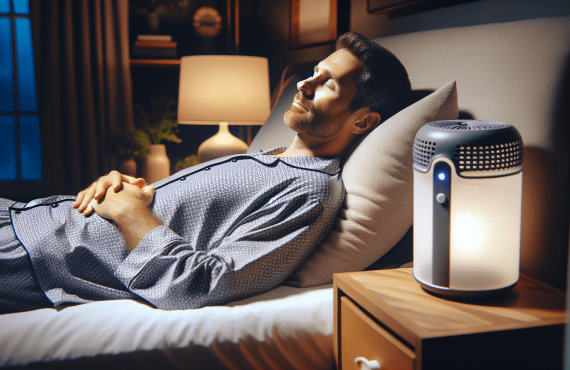
For those experiencing troubled sleep due to oxygen deprivation, therapy can provide relief. By maintaining adequate oxygen levels throughout the night, you may experience deeper, more restful sleep, leading to better mornings.
Precautions and Safety Measures
Safety should always be a priority when dealing with medical equipment, especially at home.
Avoiding Smoking Around Oxygen Equipment
Oxygen is highly flammable, so it’s imperative to avoid smoking or open flames near your oxygen setup. This reduces the risk of fire hazards, ensuring the safety of you and your household.
Routine Maintenance of Equipment
Regular equipment checks, including ensuring the tubing is clean and free from blockages, help maintain efficacy. Manufacturer guidelines should be followed for servicing to ensure longevity and proper function.
Be Aware of Side Effects
Some individuals may experience nasal dryness or irritation from oxygen therapy. Using a humidifier can alleviate dryness. It’s important to monitor for signs of excessive oxygen, like headaches or dizziness, and consult with healthcare providers for any concerns.
FAQs About Oxygen Therapy at Home
Below are some common questions people often ask regarding home oxygen therapy.
Q: How do I know if I need oxygen therapy?
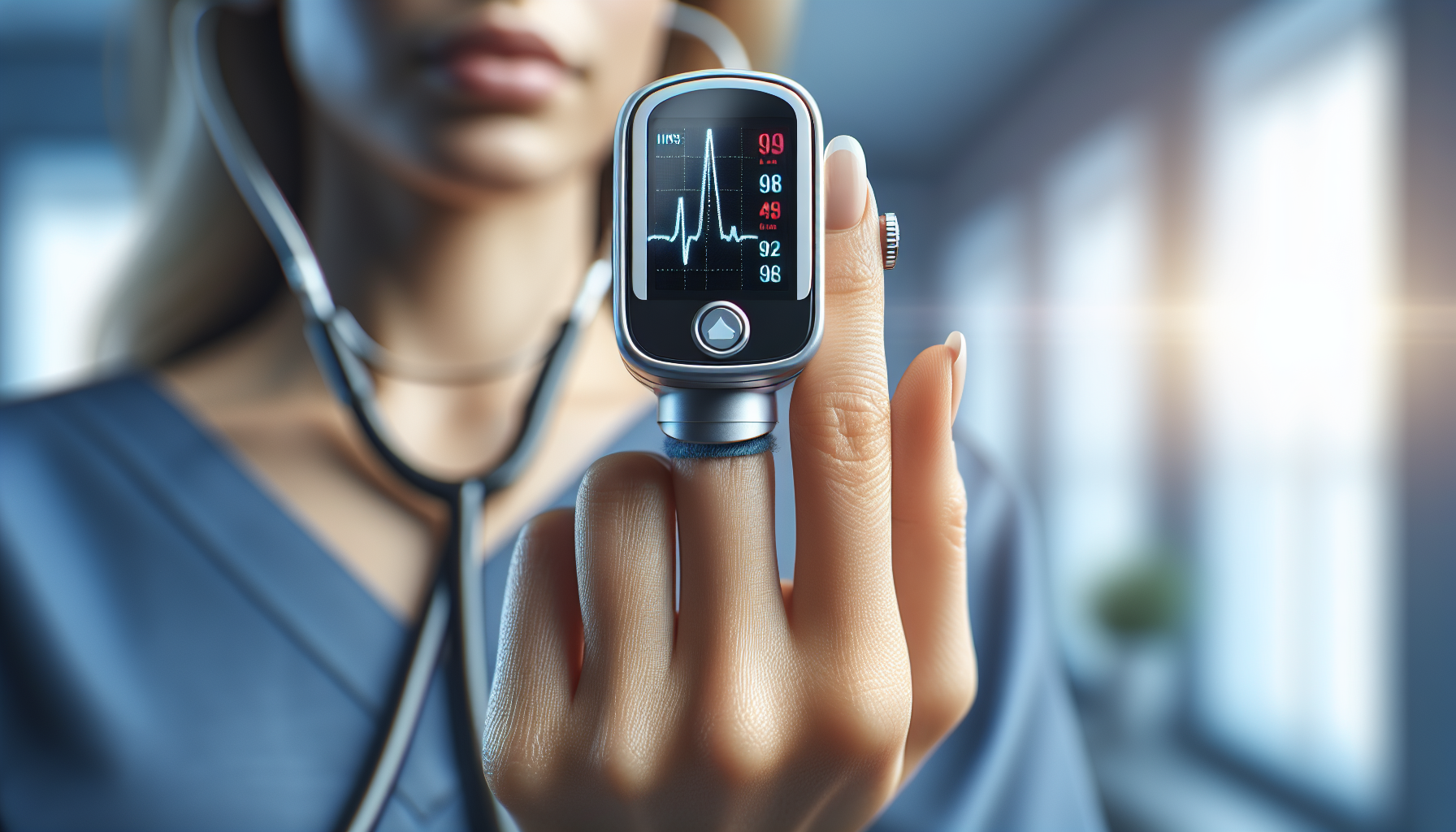
A: A healthcare provider determines the necessity based on your health condition and symptoms. They may perform tests to measure your oxygen levels and recommend therapy accordingly.
Q: Can I travel with my oxygen equipment?
A: Yes, portable oxygen cylinders are designed for mobility. Ensure to plan ahead, check with airlines if you’re flying, and arrange for refills or replacements if you’re traveling long distances.
Q: What should I do if I notice issues with my oxygen equipment?
A: If any equipment malfunctions or doesn’t seem to work properly, stop using it immediately and contact your supplier or healthcare provider. Never attempt to repair it yourself.
Q: Are there side effects to using oxygen therapy?
A: Generally, oxygen therapy is safe but can cause nasal dryness or irritation. Excessive oxygen use may lead to headaches or lightheadedness. Consult with a healthcare provider if side effects persist.
Q: Is oxygen therapy covered by insurance?
A: Many insurance plans, including Medicare, cover oxygen therapy if prescribed by a doctor. Consult your insurance provider to understand your specific coverage details.
In conclusion, oxygen therapy can be a beneficial addition to your health routine, especially when you can conveniently do so from home. As you explore the life-enhancing effects of oxygen, always prioritize safety and follow professional medical advice closely. For health-related queries or chiropractic needs, consider visiting Henry Chiropractic in Pensacola, FL, where Dr. Craig Henry and Dr. Aaron Hixon are ready to help promote your well-being. Feel free to reach out to them at (850) 435-7777 or by visiting their website. Here’s to breathing easy and living well!