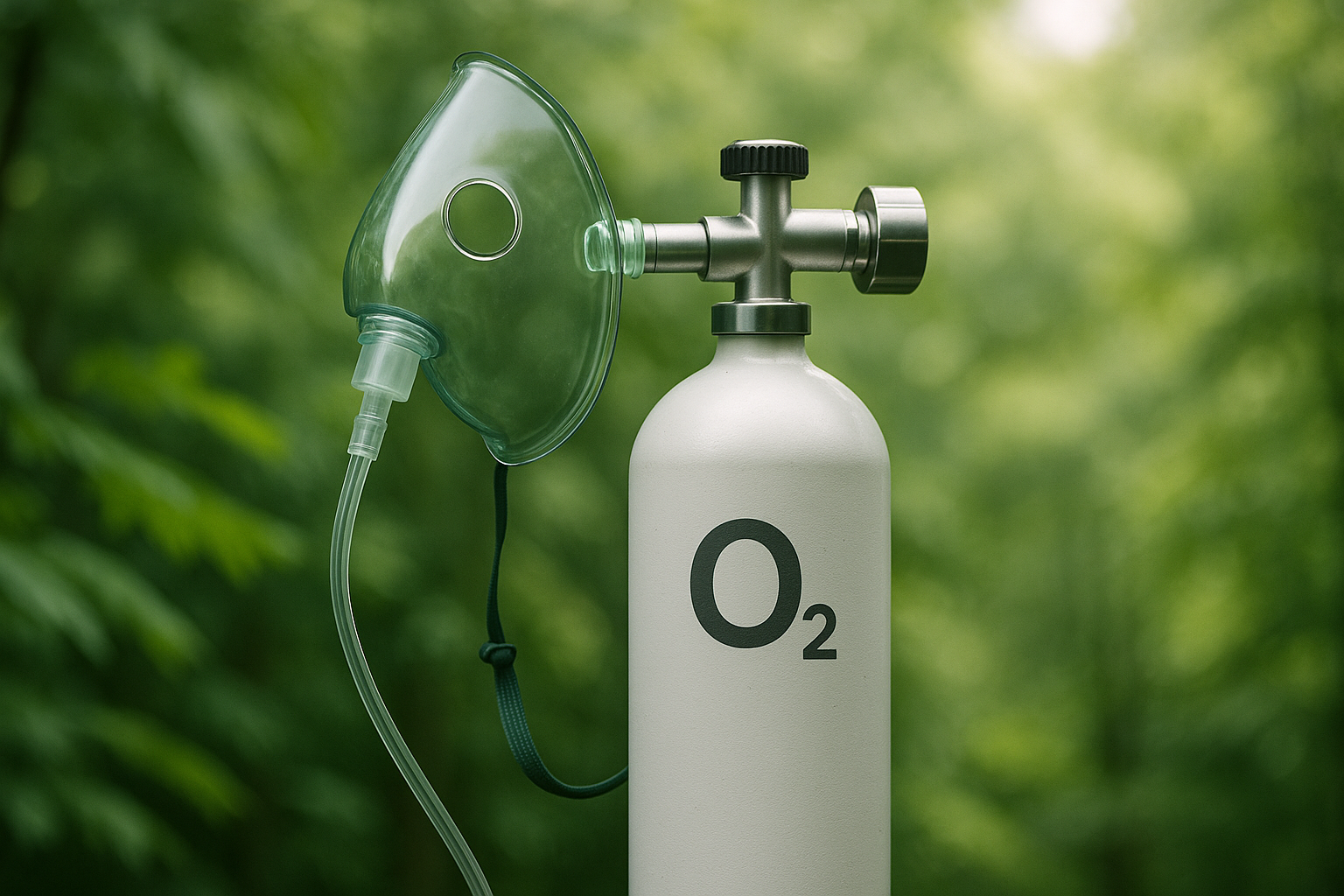

Have you ever wondered if oxygen therapy can boost your energy levels? Imagine a scenario: you’re feeling a bit sluggish, and someone suggests increasing your oxygen intake as a pick-me-up. Sounds peculiar, doesn’t it? Yet, oxygen therapy is often touted as a game-changer in the realm of wellness.

Table of Contents
Understanding Oxygen Therapy
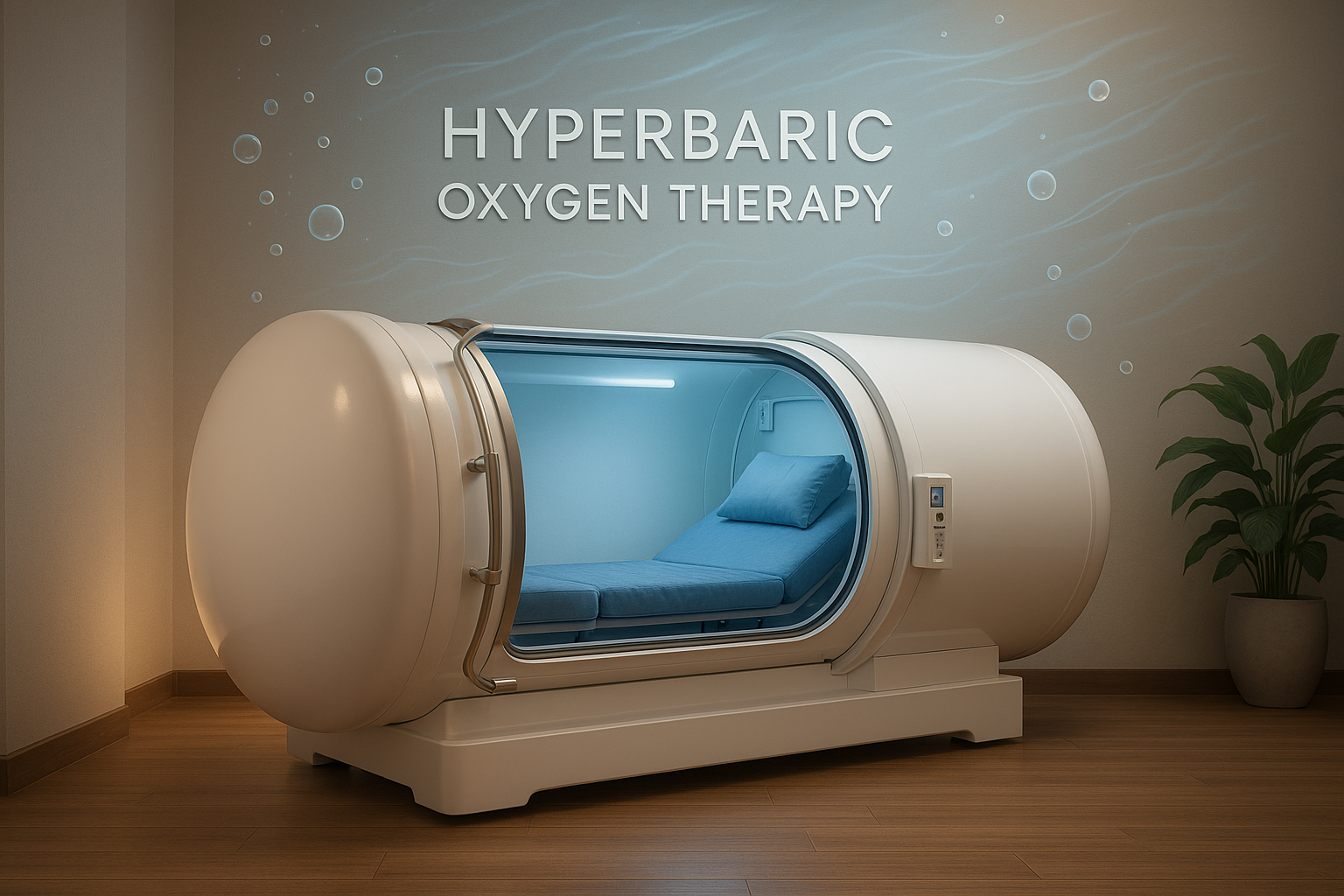
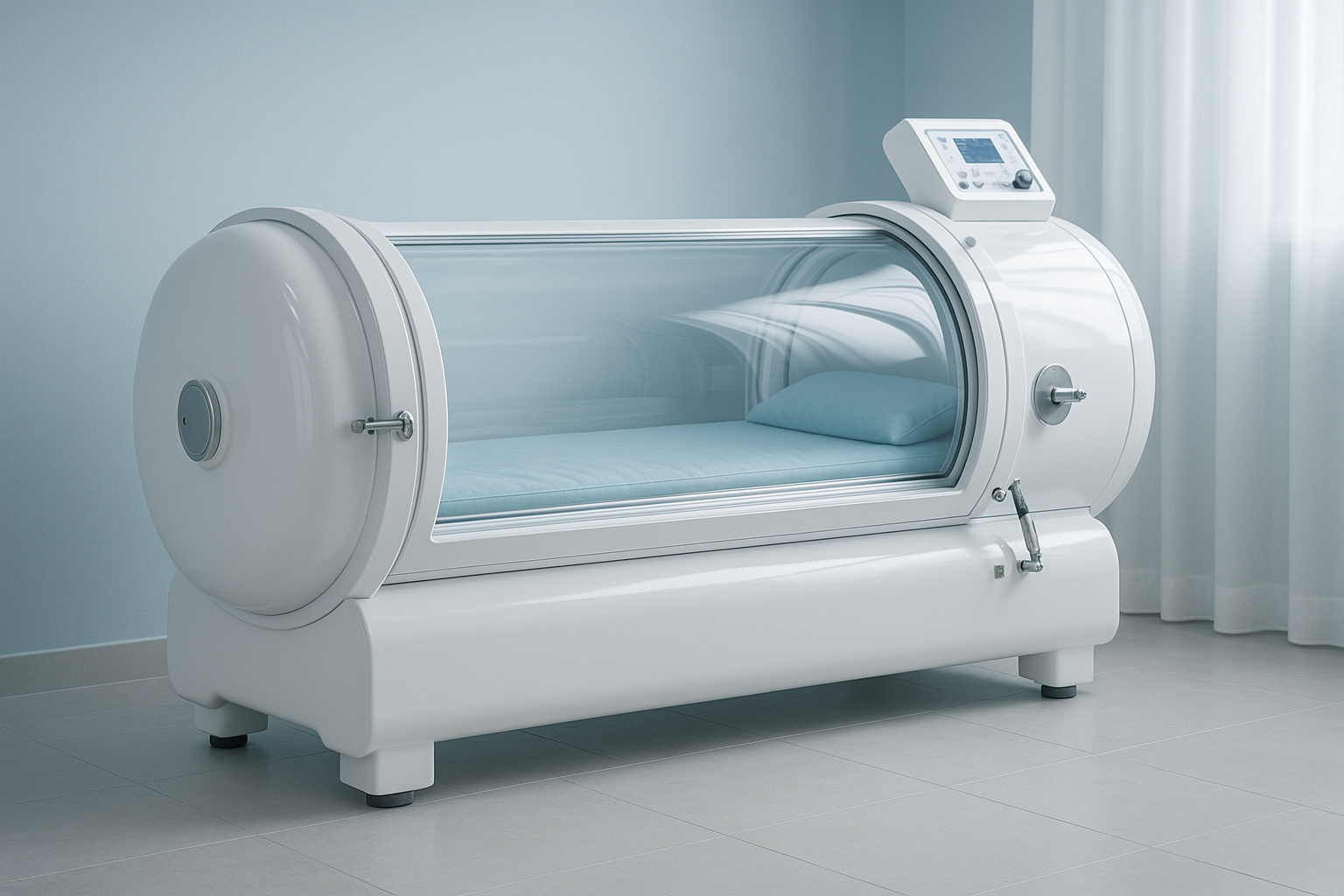
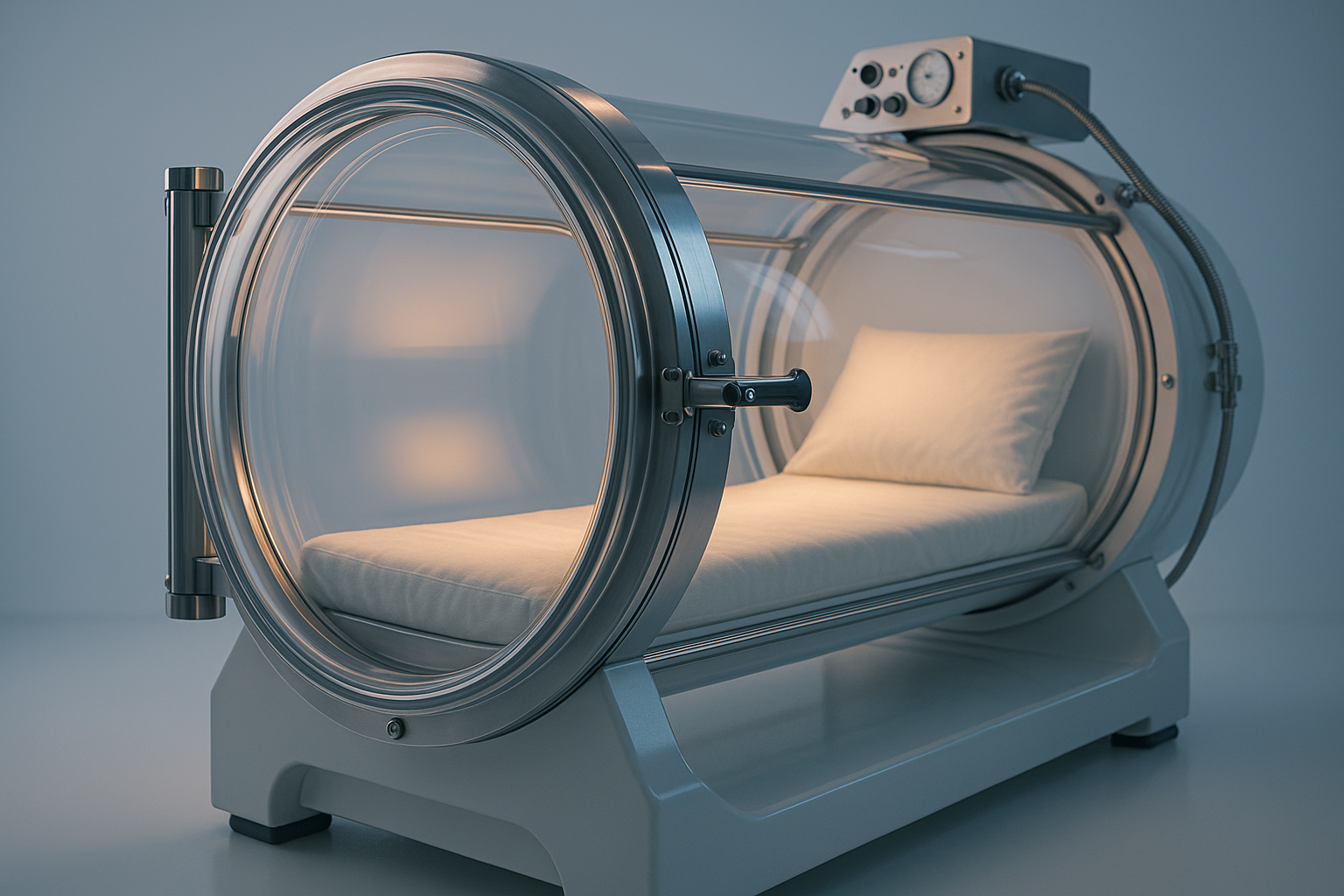
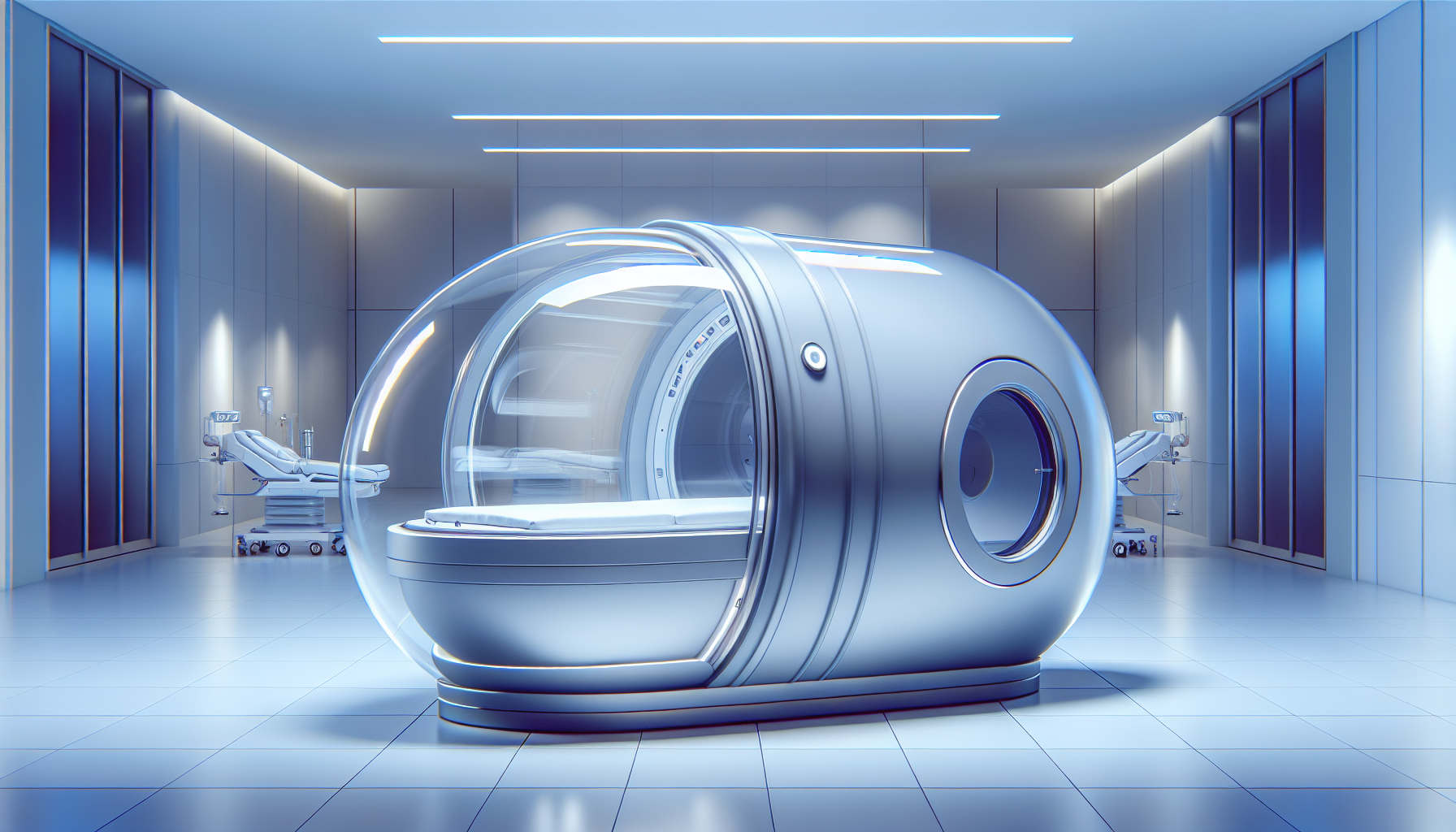
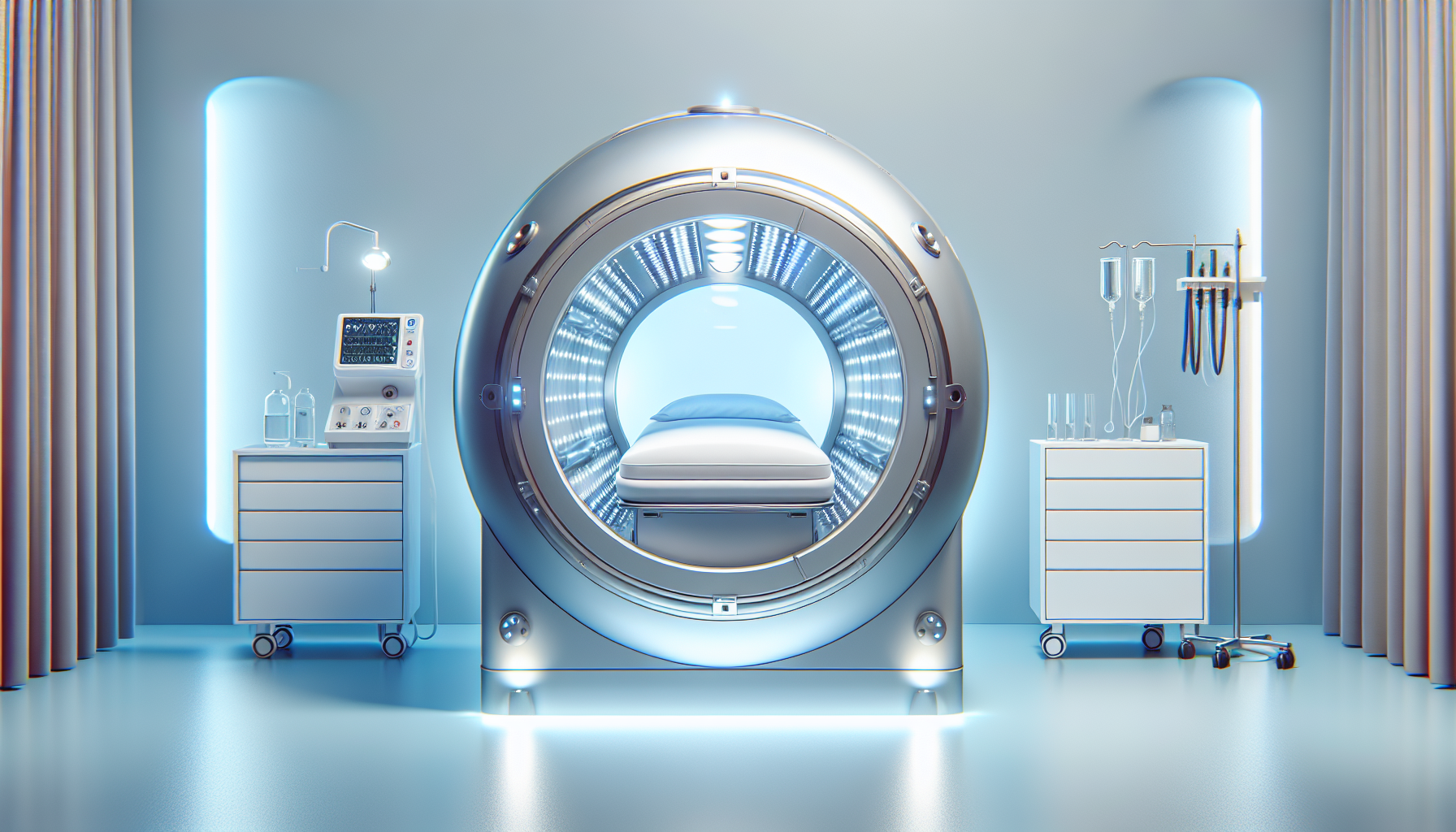
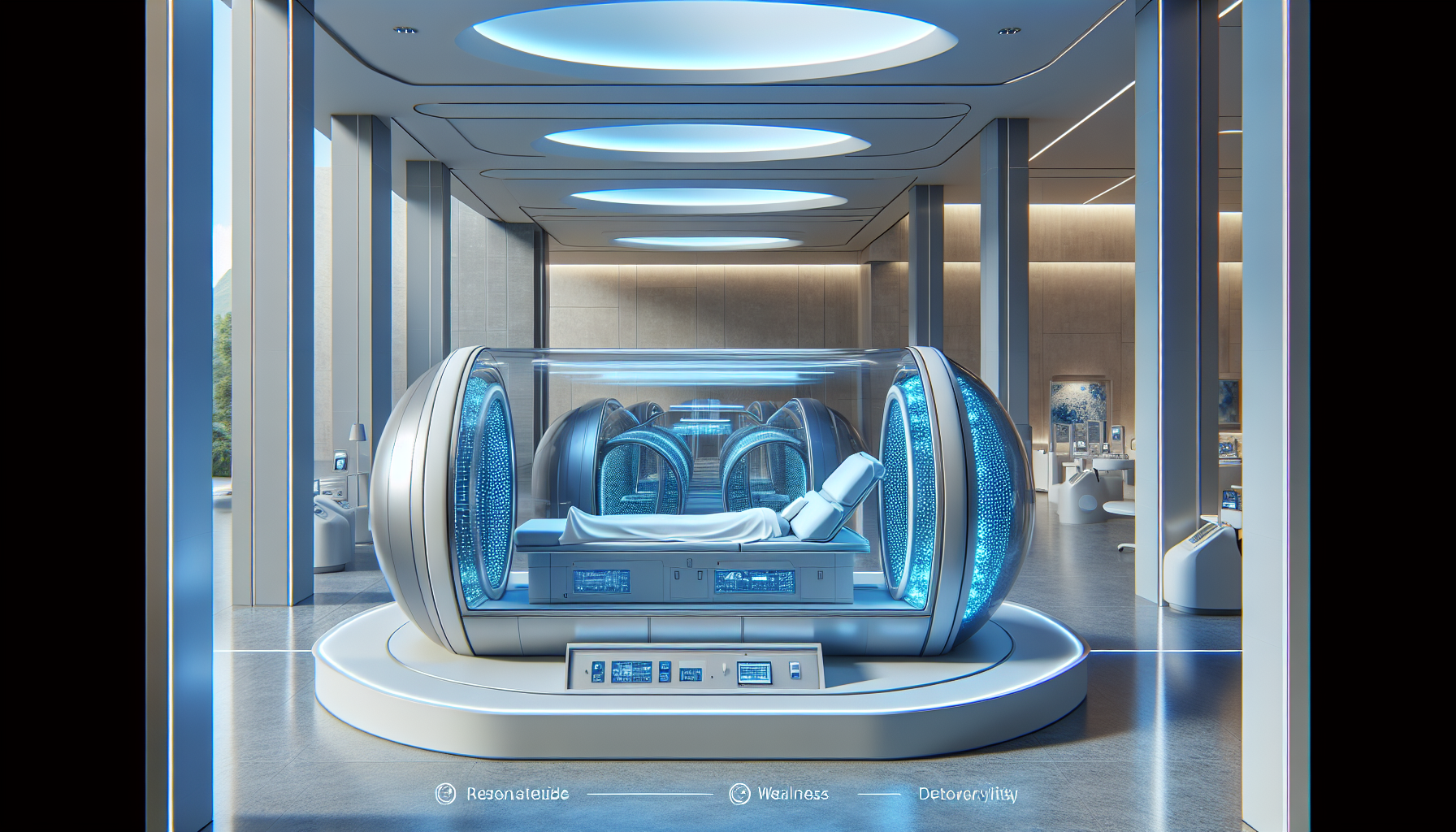
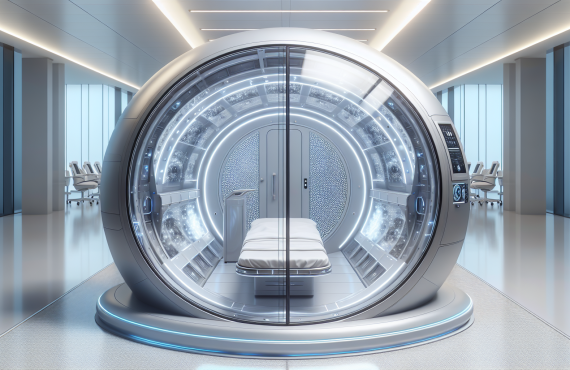
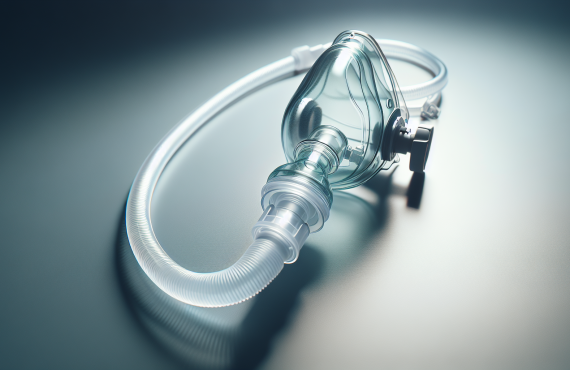
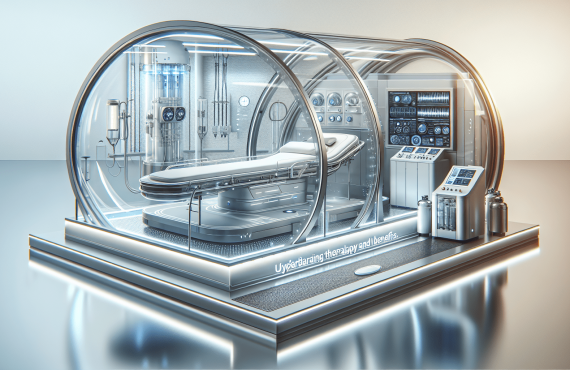
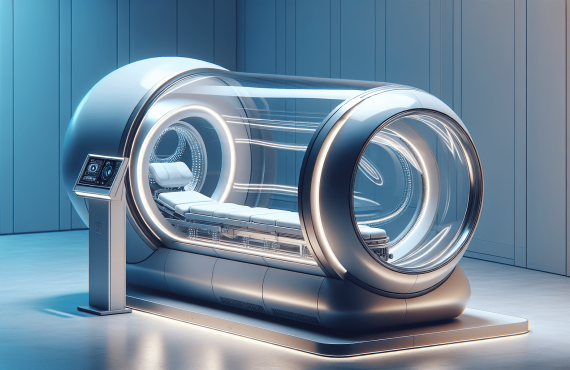
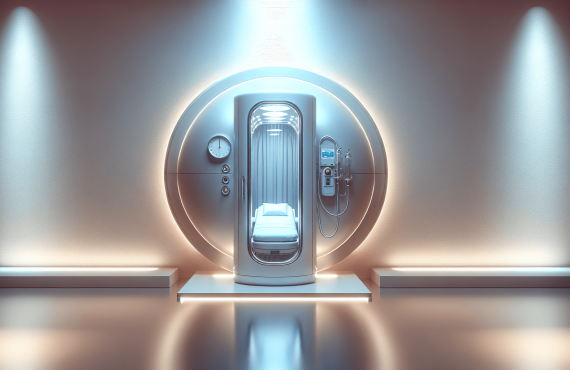
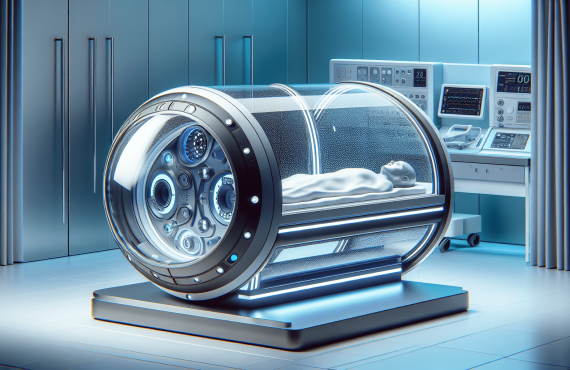
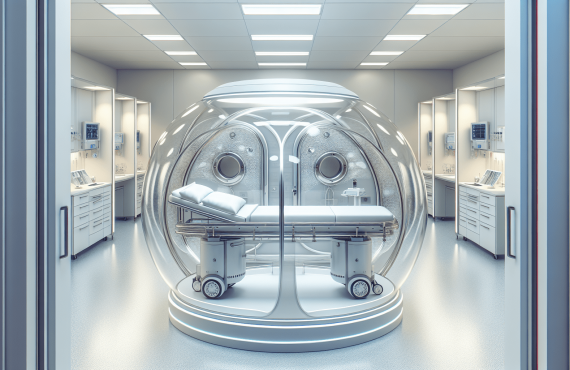
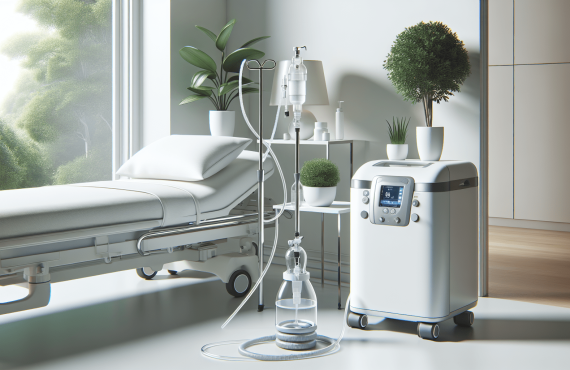
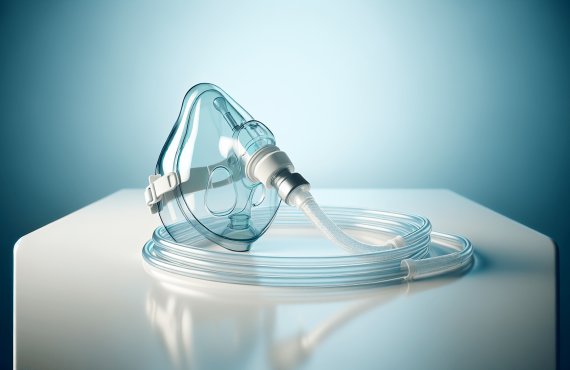
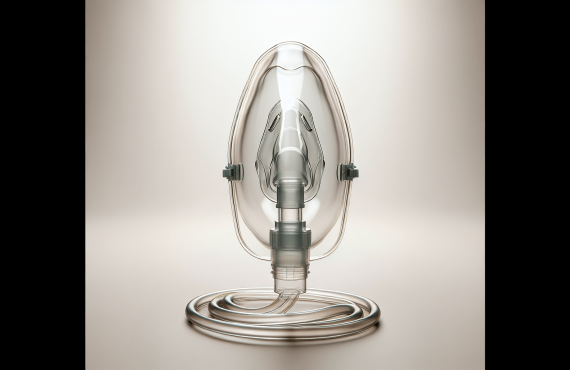
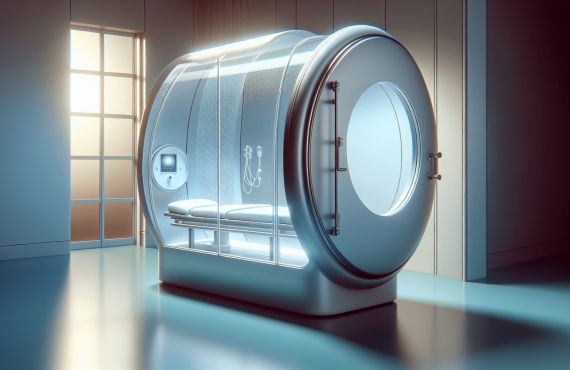
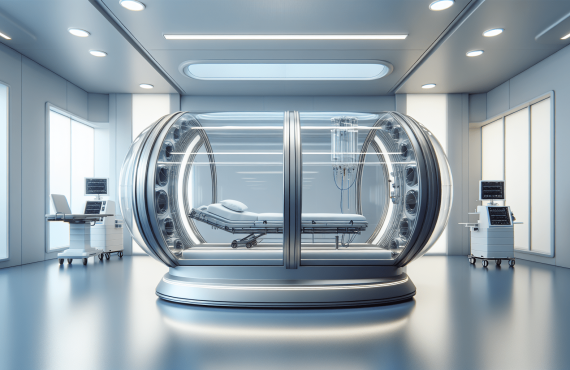
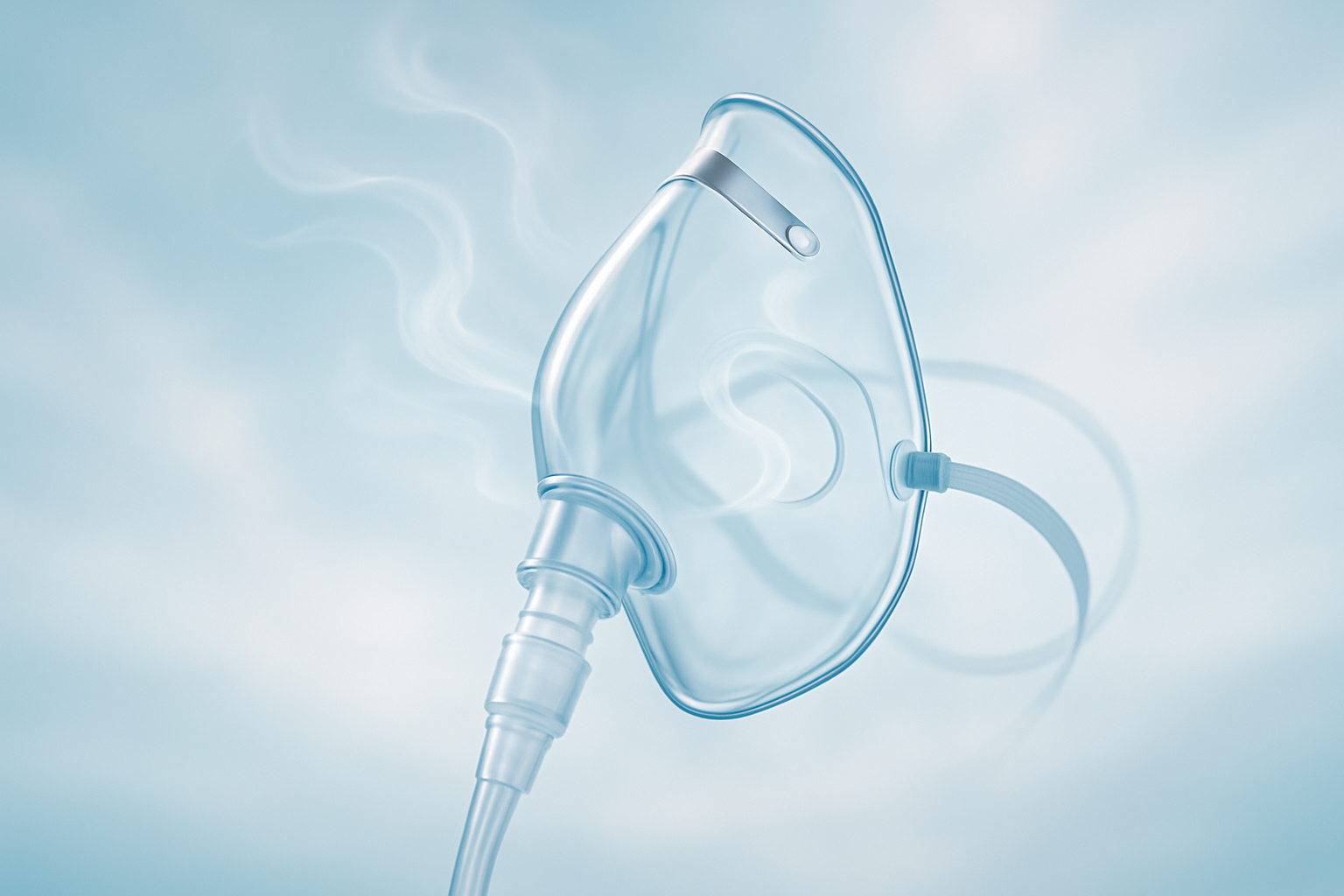
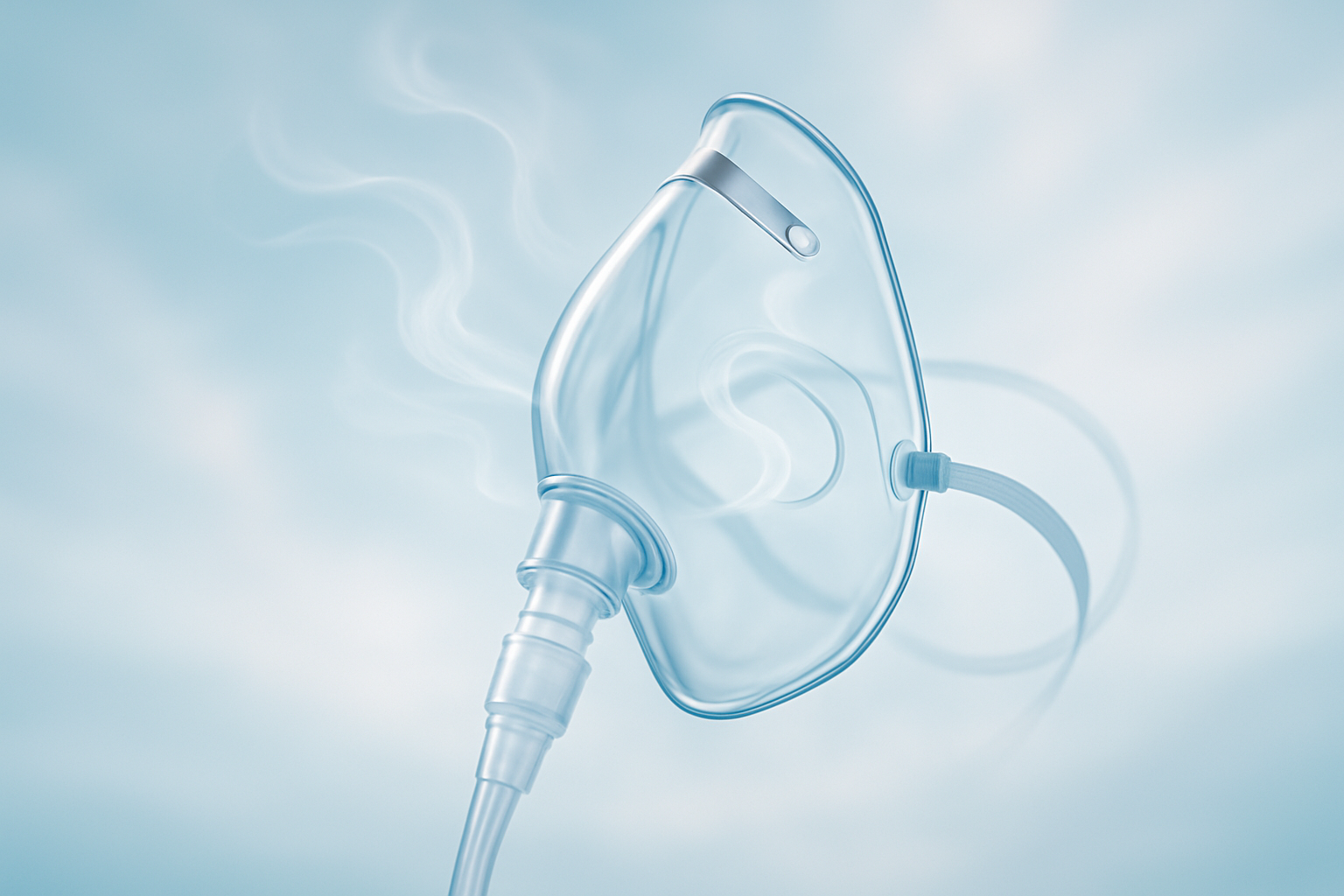
Before diving into its energy-boosting potential, let’s grasp what oxygen therapy is all about. Oxygen therapy refers to various methods of providing more oxygen to the body than what you naturally breathe in. The most notable form is Hyperbaric Oxygen Therapy (HBOT), which involves sitting in a chamber and breathing pure oxygen at higher pressures than normal.
Definition of Hyperbaric Therapy
Hyperbaric Therapy, though sounding like something from a sci-fi novel, is grounded in science. By breathing 100% oxygen in a pressurized environment, the amount of oxygen your body absorbs increases dramatically. This isn’t just about breathing deeply; it’s about immersing yourself in an oxygen-rich environment.
How Hyperbaric Therapy Works
In everyday life, you breathe in oxygen, which is then carried to your tissues via the bloodstream. However, HBOT supercharges this process. When you’re in a hyperbaric chamber, the increased pressure allows oxygen to dissolve into your plasma, reaching areas that might typically be deprived.
Benefits of Increased Oxygen
So what happens when your blood is brimming with oxygen? Your body can repair tissues faster and more efficiently. It reduces inflammation, a known culprit in many chronic conditions. It even boosts your immune system, helping ward off pesky illnesses.
Oxygen and Energy – The Connection
There’s a premise here: if your body functions better with more oxygen, does it translate to more energy? In theory, yes. Your cells need oxygen to produce energy. By enhancing oxygen availability, your cells can operate at optimal efficiency.
Exploring the Energy Boost
While enhanced oxygen delivery sounds promising, the impact on energy levels can vary. Let’s discuss why oxygen therapy might indeed make you feel more energetic.
Cellular Energy Production
The powerhouse of the cell, the mitochondria, uses oxygen to convert nutrients into adenosine triphosphate (ATP), the energy currency of cells. More oxygen means more ATP and, potentially, a more energized you.
Alleviating Fatigue
Chronic fatigue often links back to poor oxygen supply to vital organs. Oxygen therapy might alleviate these conditions by increasing the oxygen, thereby combating fatigue and helping you stay alert.
Mental Clarity and Mood
Not only does increased oxygen affect physical energy, but it may also clear mental fog. Oxygen-rich blood aids in brain function, enhancing concentration and mood, turning you into a more cheerful version of yourself.

Who Benefits Most from Oxygen Therapy?
While oxygen therapy sounds miraculous, it’s essential to grasp who stands to gain the most. Let’s talk about the people who might find this therapy a revelation.
People with Chronic Illnesses
Individuals suffering from conditions like chronic obstructive pulmonary disease (COPD) or fibromyalgia often struggle with low energy. Oxygen therapy may offer relief by improving their body’s ability to repair and regenerate.
Athletes
Athletes looking for quicker recovery might also benefit. By enhancing oxygen supply, muscles repair faster, reducing downtime between intense training sessions.
Wellness Enthusiasts
If you’re a wellness enthusiast eager to optimize your health, oxygen therapy could be an avenue for you. It fosters an environment of overall good health, which might indirectly boost your energy levels.
Potential Risks and Considerations
As with any treatment, understanding potential risks and considerations is crucial. Let’s explore what you should know before leaping into an oxygen chamber.
Possible Side Effects
Some people might experience ear discomfort due to pressure changes, similar to airplane ear. Other side effects could include fatigue post-treatment or light-headedness.
Not for Everyone
Certain conditions, like claustrophobia or specific lung diseases, might make HBOT unsuitable for some. Always consult a healthcare provider to see if it’s a fitting choice for you.
FAQs
Is oxygen therapy safe?
Yes, oxygen therapy is generally safe. However, it should always be conducted under medical supervision to tailor it to your specific health needs.
How long does a typical session last?
Sessions usually last between 60 to 90 minutes, depending on the treatment course set by a healthcare provider.
Can anyone try oxygen therapy?
Not everyone is an ideal candidate. Individuals with specific medical conditions should seek medical advice before trying oxygen therapy.
How quickly will I see results?
Results vary by individual. Some might feel immediate benefits, while others may notice a gradual improvement over several sessions.
Does insurance cover oxygen therapy?
Coverage depends on your health insurance policy and medical necessity. It’s best to check with your provider for details.
Conclusion
With all the oxygen therapy buzz, it’s no wonder people are curious about its potential to energize. It offers a unique way to enhance the body’s natural processes, potentially improving energy and overall wellness. Whether you’re seeking relief from chronic fatigue, or just trying to maximize your energy levels, it might be worth considering.
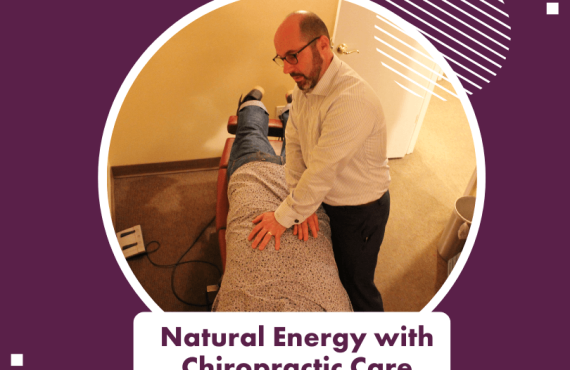
For expert guidance and to explore your options with oxygen therapy, reach out to Henry Chiropractic. Dr. Craig Henry and Dr. Aaron Hixon, both experienced chiropractors, offer insights and personalized care plans to help you reach your health goals.
Visit Henry Chiropractic at:
Henry Chiropractic
1823 N 9th Ave
Pensacola, FL 32503
(850) 435-7777
Visit Website