

Have you ever wondered why doctors sometimes decide to put you on oxygen? It might seem like one of those medical mysteries, but once we unwrap the details, it turns out to be quite interesting and critical for health. Breathing is one of the most important things we do, often without a second thought. But what happens when your body needs a little help with this vital function?

Table of Contents
Understanding the Basics of Oxygen Therapy
Oxygen therapy is a common medical treatment where doctors supply you with extra oxygen. This therapy helps patients whose lungs cannot get enough oxygen into the blood on their own. Oxygen therapy is vital for conditions such as chronic obstructive pulmonary disease (COPD), asthma, pneumonia, and heart failure. When you lack sufficient oxygen, every organ in your body can suffer.
The Science Behind Oxygen Therapy
Let’s simplify things a bit. Your red blood cells carry oxygen from your lungs to your heart. This oxygen-rich blood is then sent throughout your body. Oxygen powers your cells so they can do their jobs, like keeping your heart beating and your muscles moving. When disease or injury affects your body’s ability to get enough oxygen through normal breathing, healthcare providers might step in with oxygen therapy.
When is Oxygen Therapy Used?
Doctors usually prescribe oxygen therapy when your blood levels of oxygen are too low. It’s a common treatment for several chronic conditions. Patients with COPD or those who have suffered a heart attack may need it. It’s also used during surgery when patients are under anesthesia, or when people encounter high altitudes where the air has less oxygen.
Types of Oxygen Equipment
There’s more than one way to deliver oxygen therapy depending on your specific needs, lifestyle, and medical condition. Let’s break these down.
Nasal Cannula
A nasal cannula is the most common device. It’s essentially a lightweight tube with two small prongs inserted into your nostrils. It’s comfortable and allows you to talk, eat, and, most importantly, breathe with ease.
Oxygen Masks
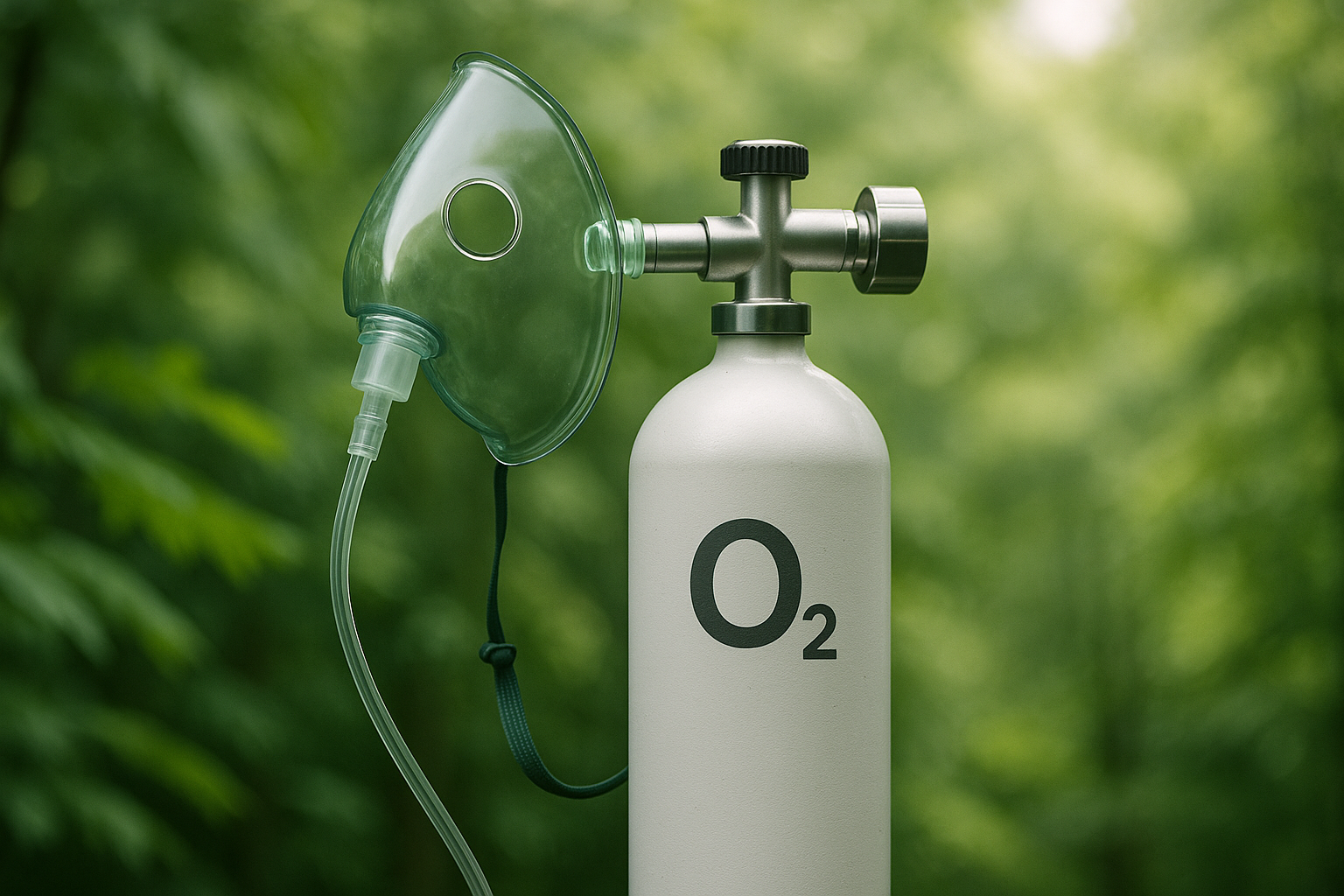
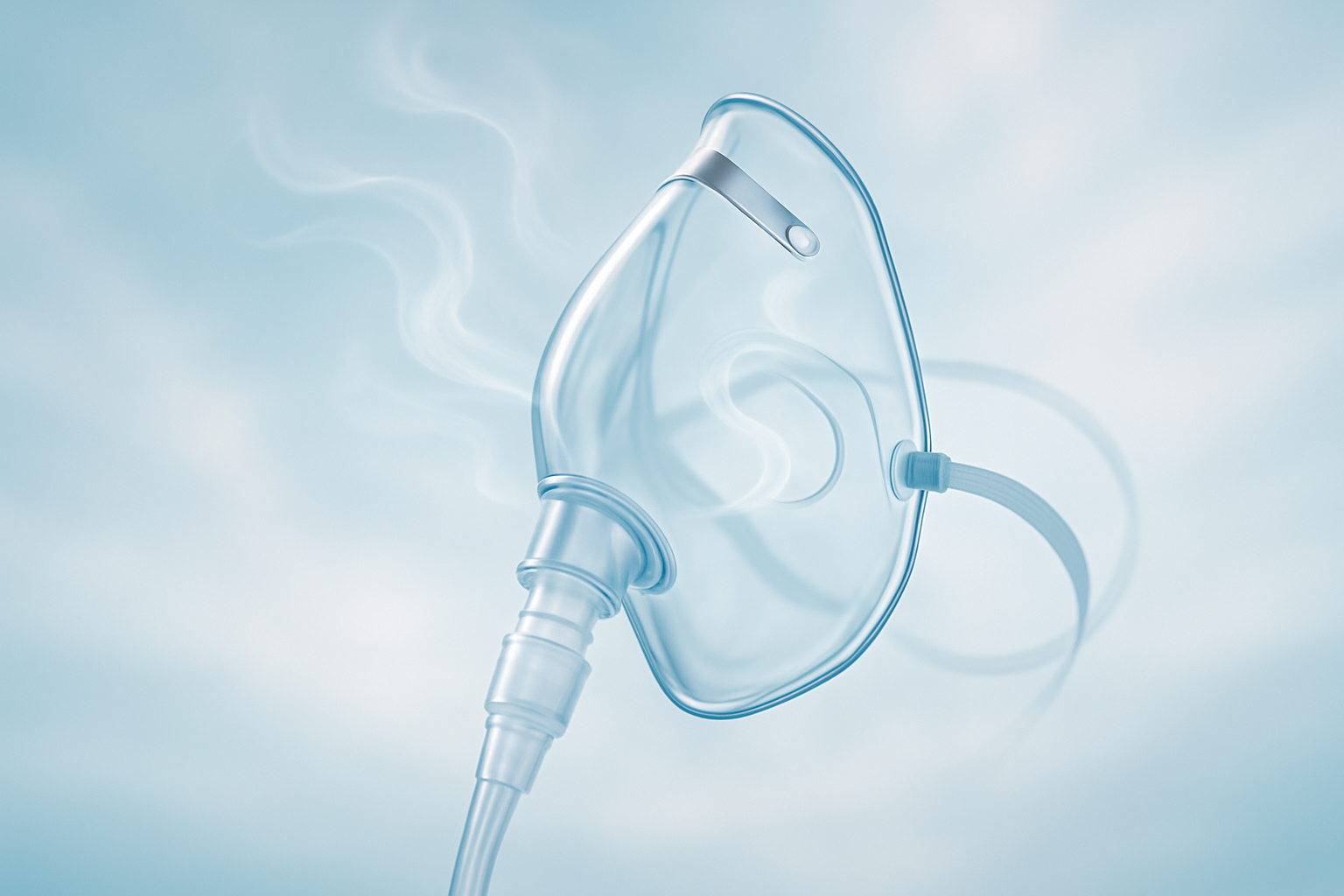
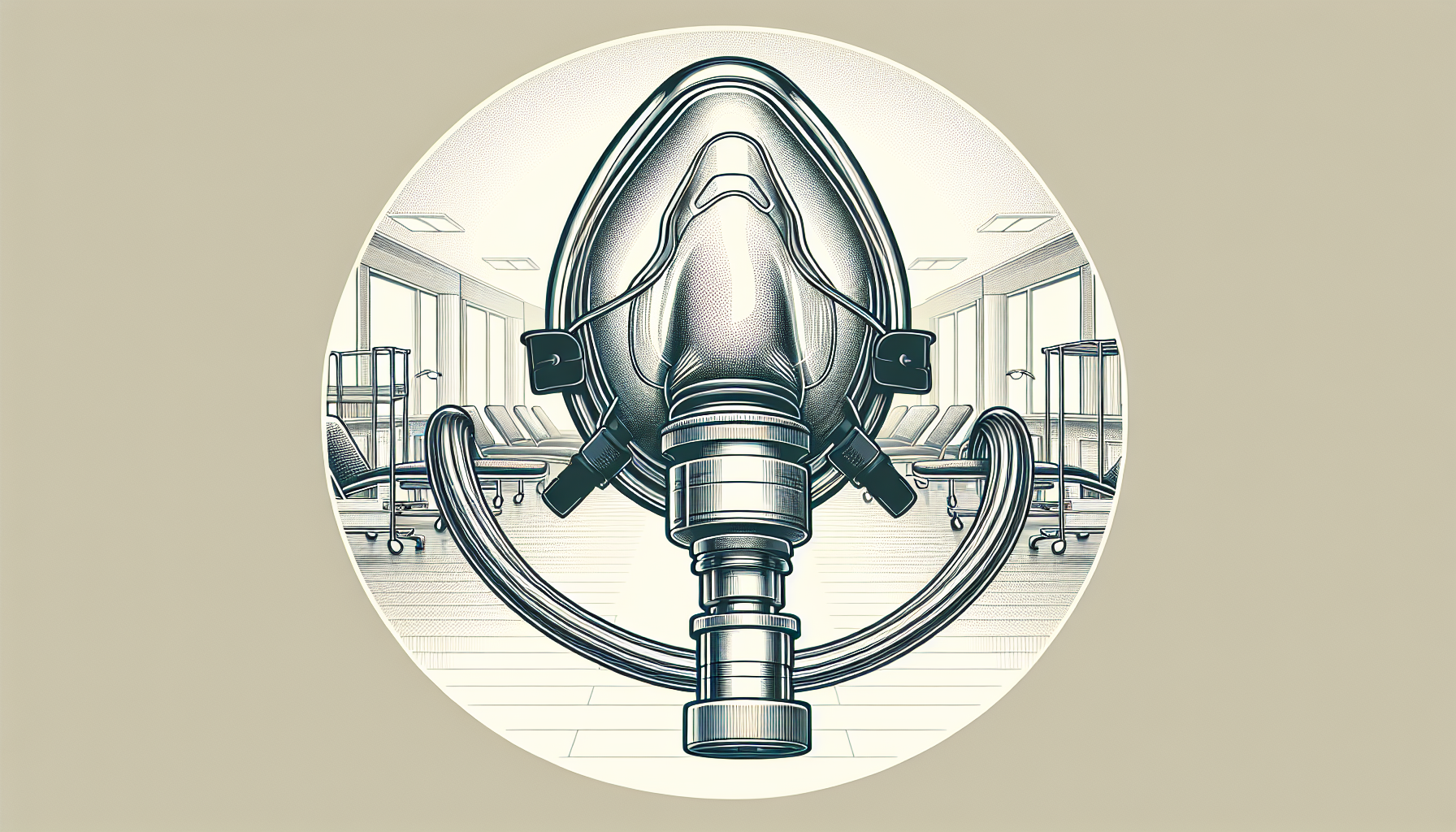
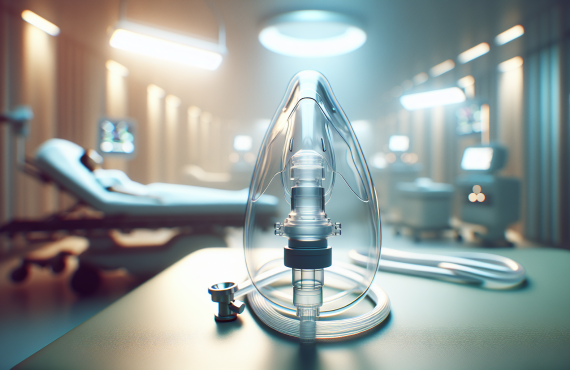
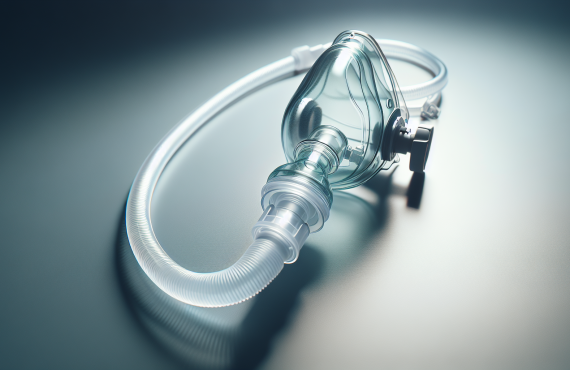
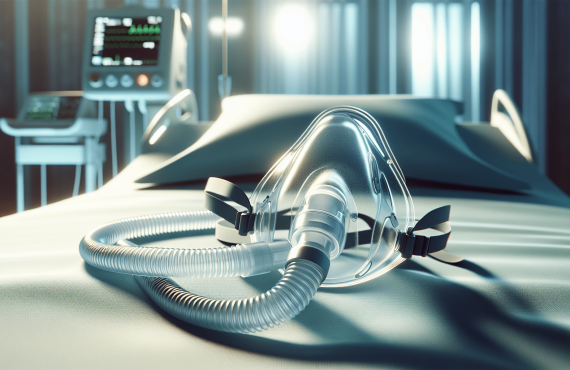
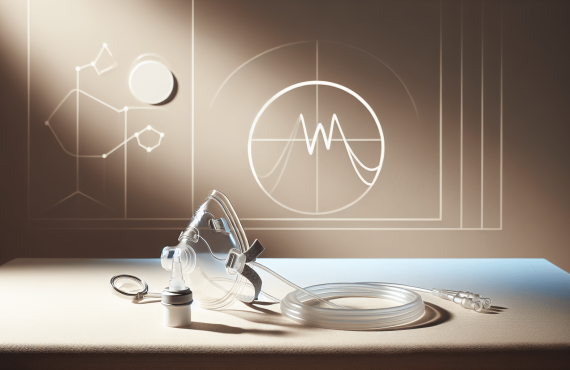
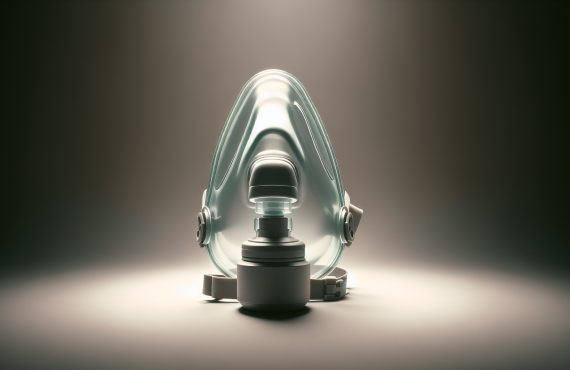
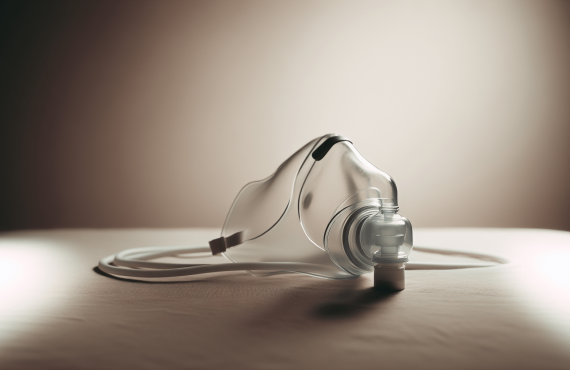
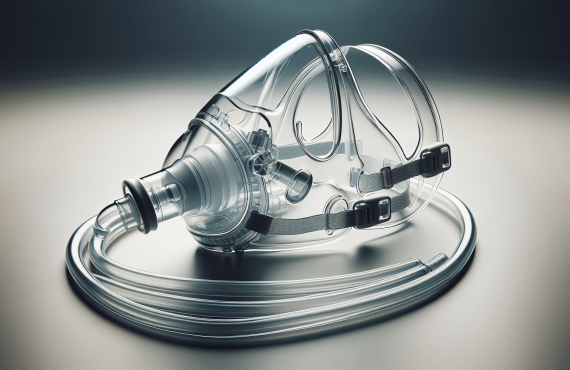
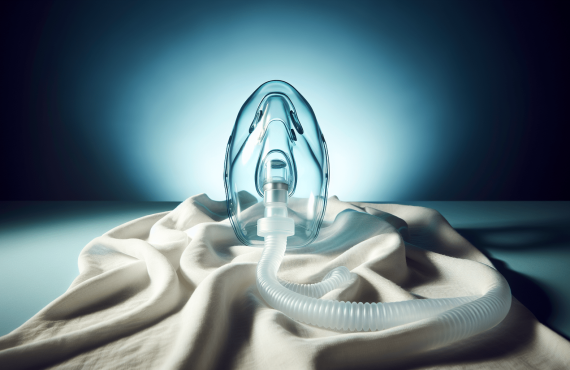
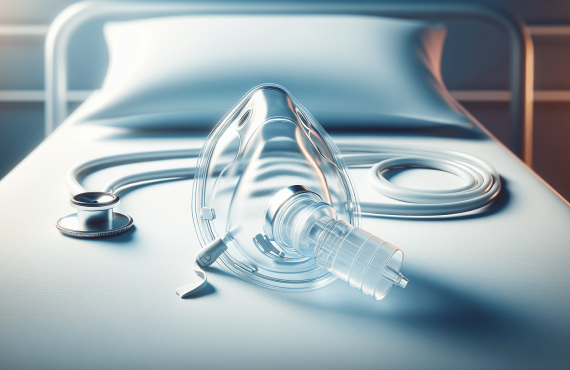
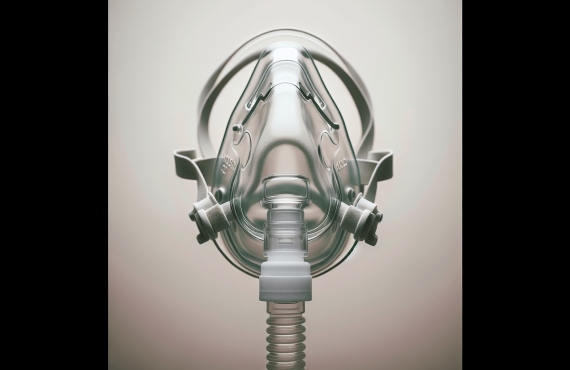
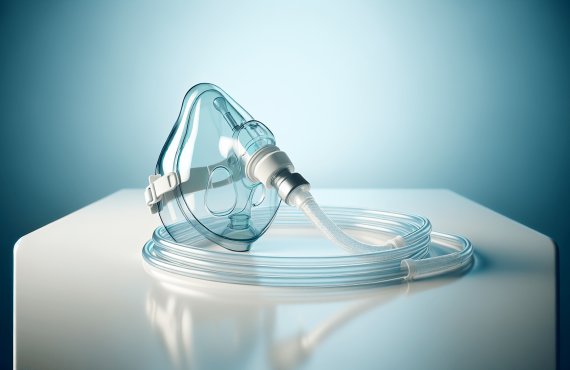
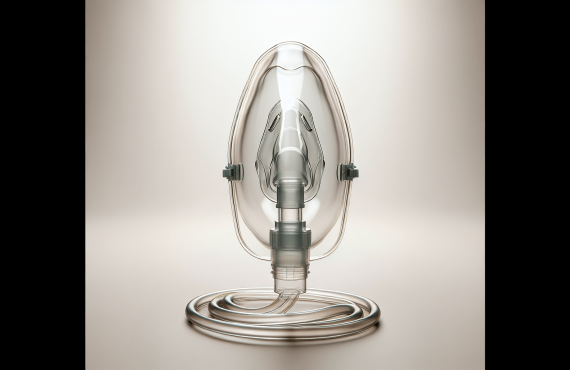
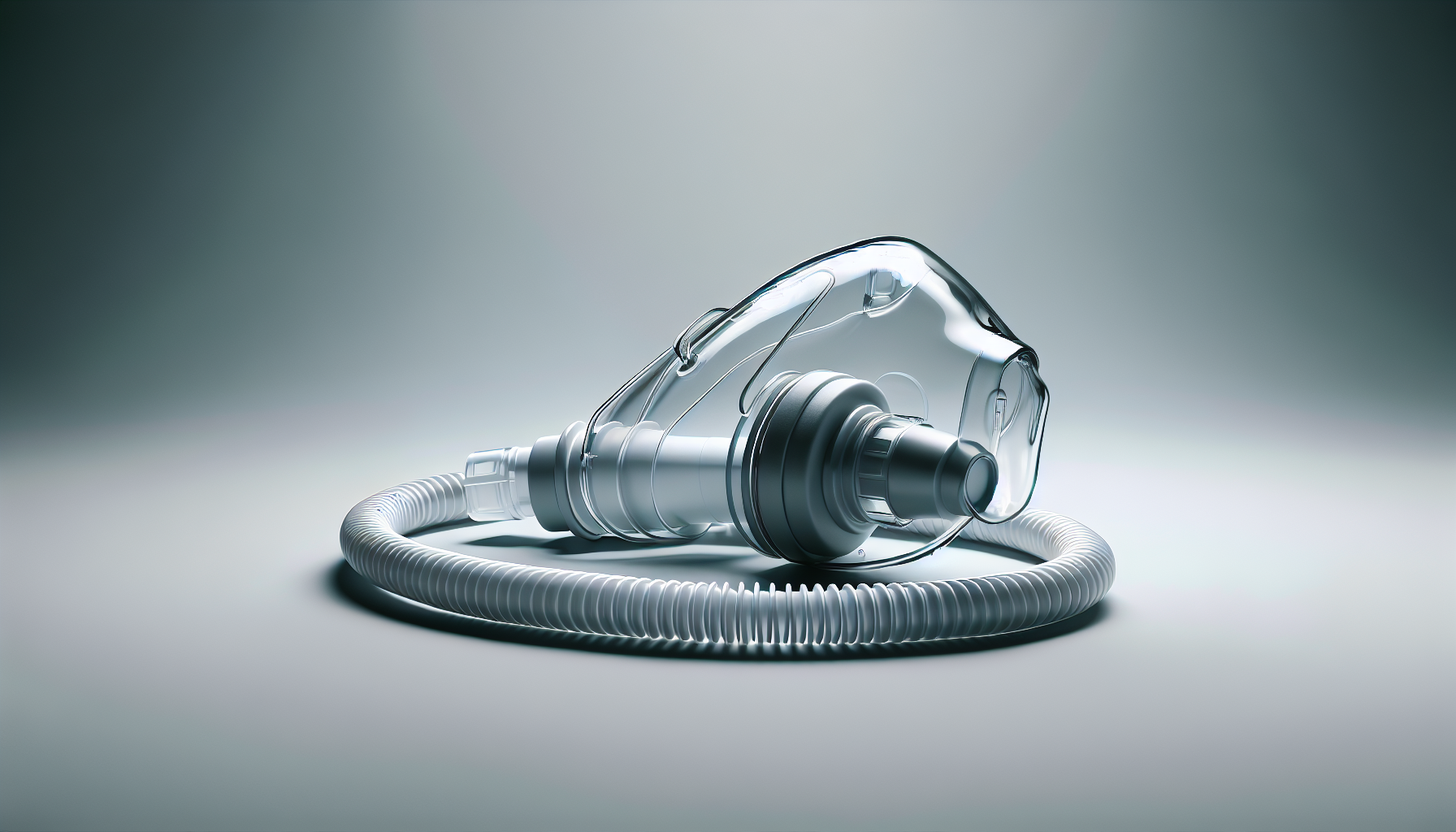
Sometimes more oxygen is needed than a nasal cannula can deliver. In these cases, an oxygen mask can be used. Fits snugly over your nose and mouth, helping deliver higher concentrations of oxygen.
Oxygen Tanks vs. Concentrators
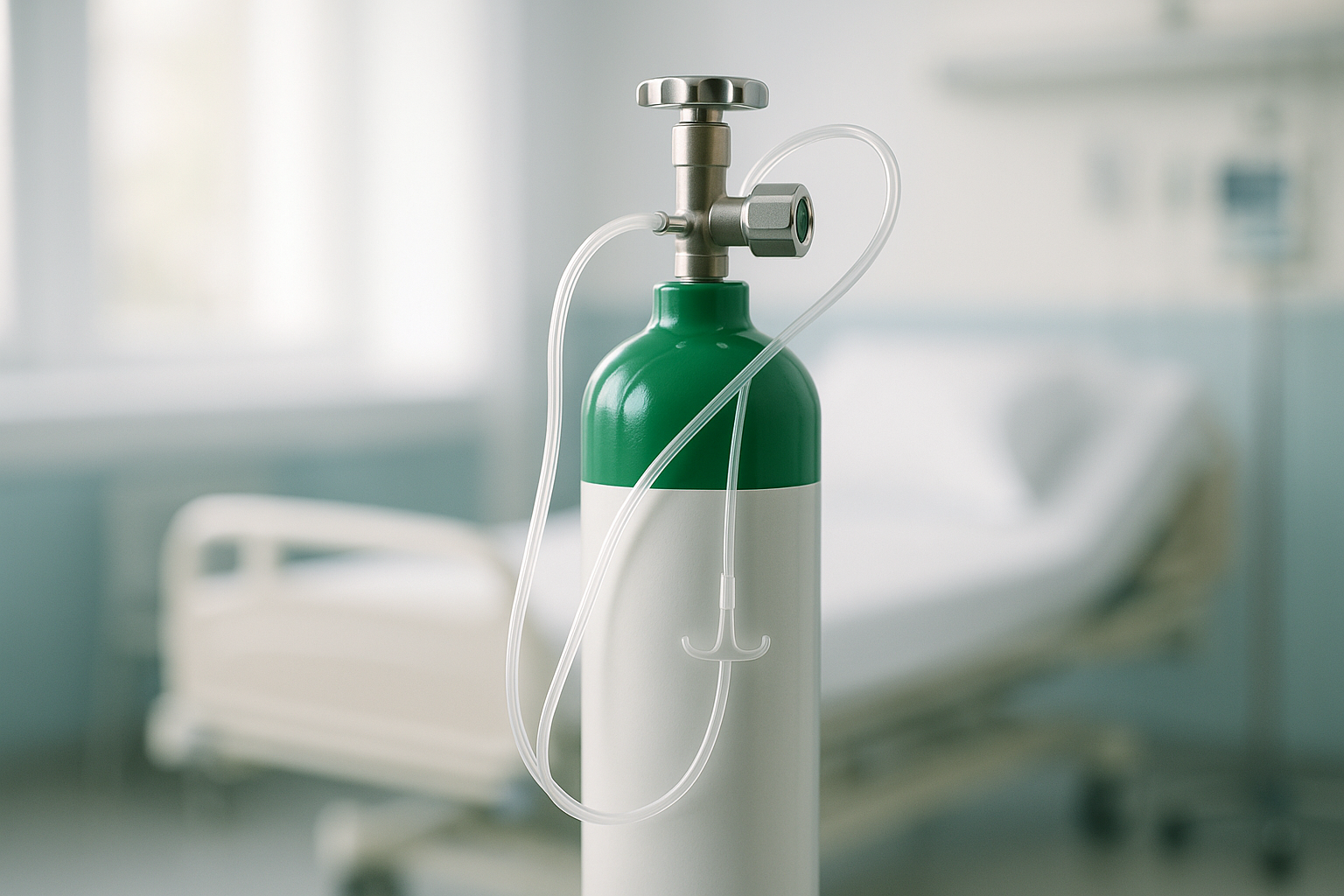
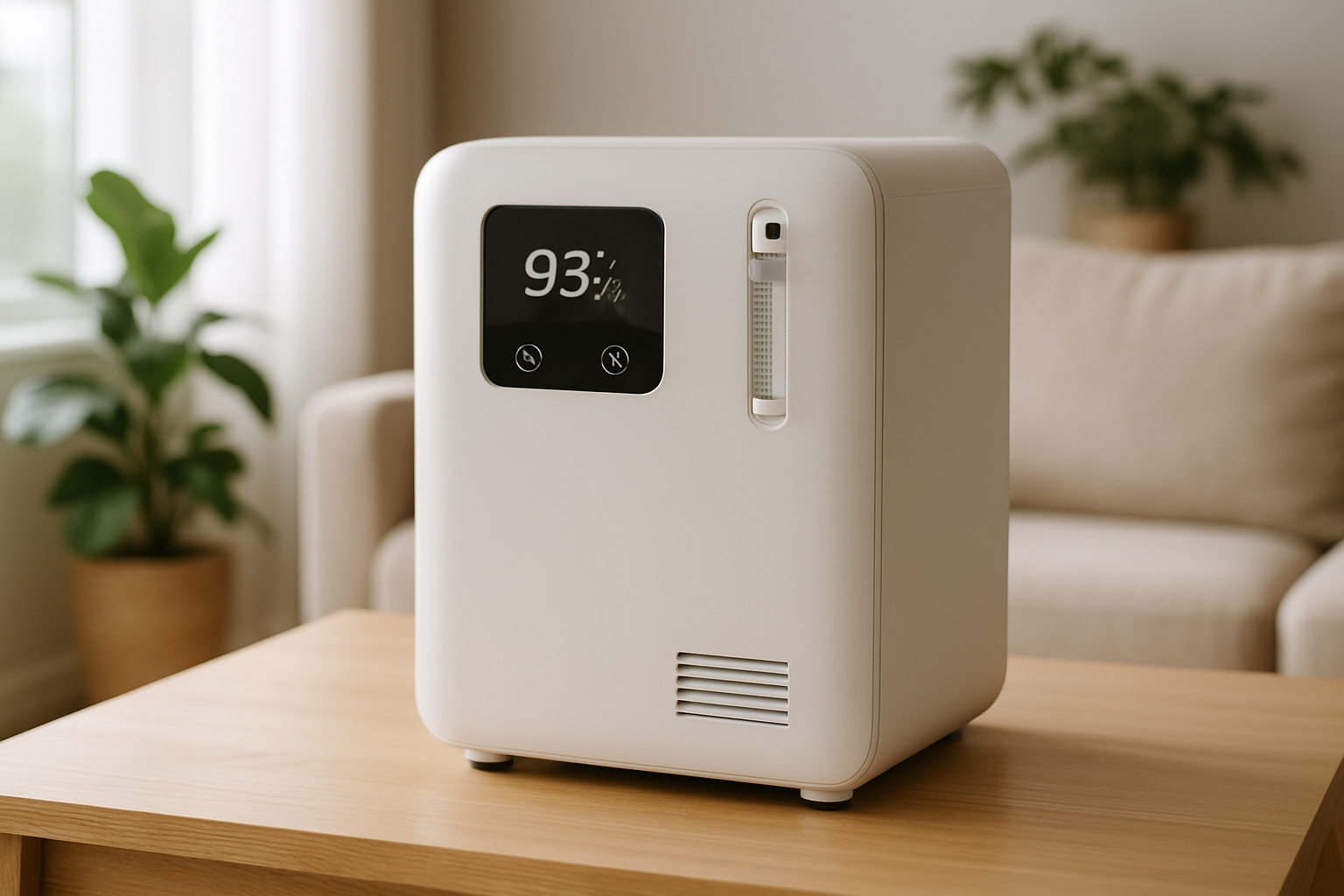
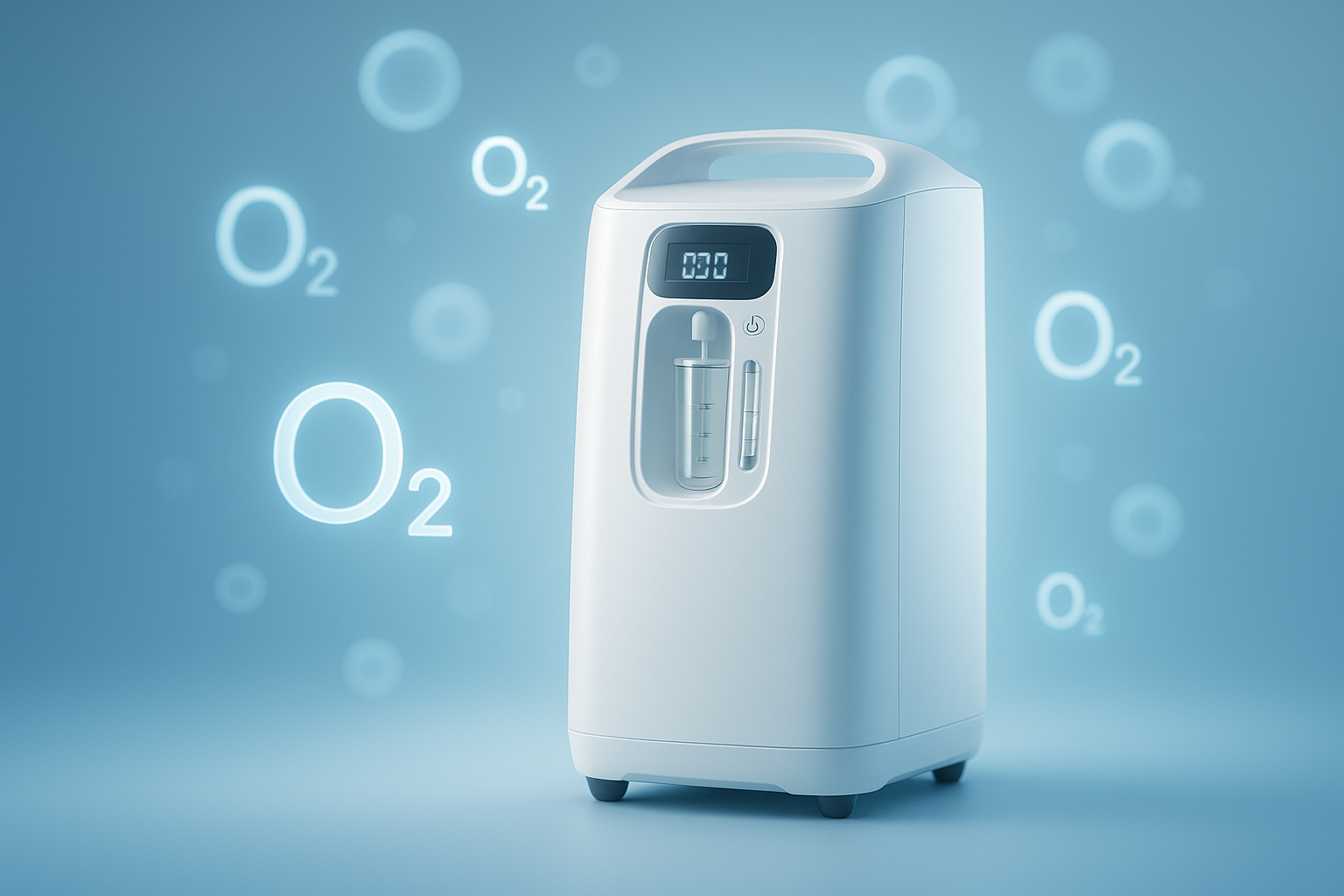
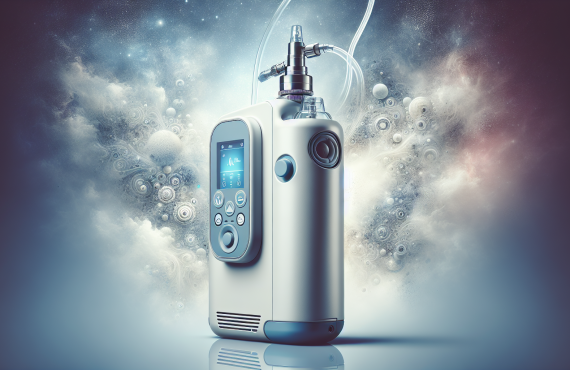
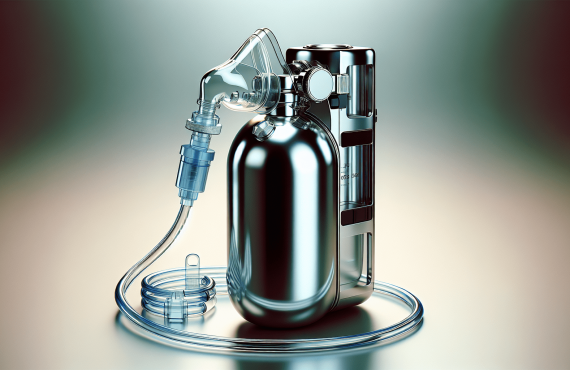
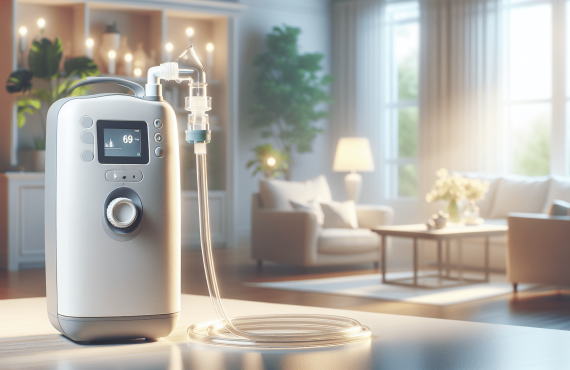
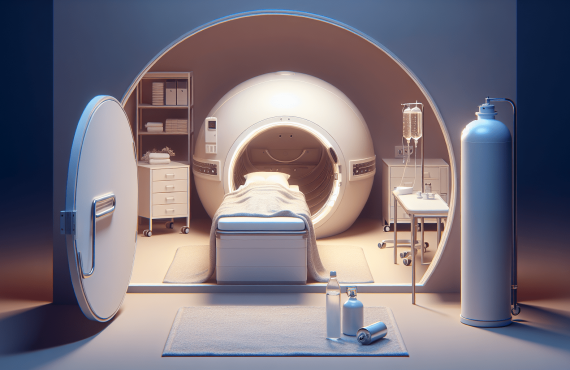
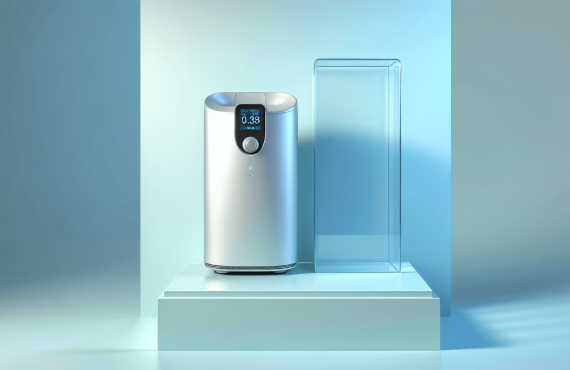
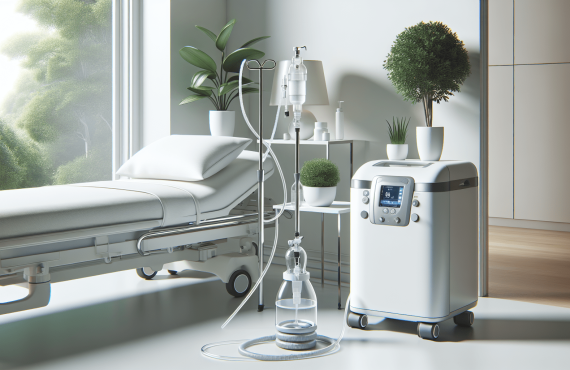
Oxygen tanks provide a steady flow of oxygen and come in various sizes, making them portable. On the other hand, oxygen concentrators pull in air, remove nitrogen, and deliver concentrated oxygen. They are more convenient at home as they do not need to be refilled as oxygen tanks do.

Health Conditions Requiring Oxygen Therapy
Several medical conditions might put you in a position where additional oxygen is necessary. Let’s explore a few.
Chronic Obstructive Pulmonary Disease (COPD)
COPD is a progressive disease that makes it hard for you to breathe. Oxygen therapy can improve the quality of life for COPD patients by maintaining better oxygen levels in the blood.
Pneumonia
Pneumonia is a lung infection that inflames the air sacs. Oxygen therapy helps manage the symptoms by ensuring you receive enough oxygen until the infection clears up.
Heart Failure
With heart failure, your heart struggles to pump sufficient blood. Oxygen therapy can relieve the strain on the heart, giving it a better chance to rest and recover.
Hyperbaric Oxygen Therapy and Its Uses
We’ve talked about standard oxygen therapy, but let’s touch on a more specialized form known as hyperbaric oxygen therapy (HBOT).
What is Hyperbaric Therapy?
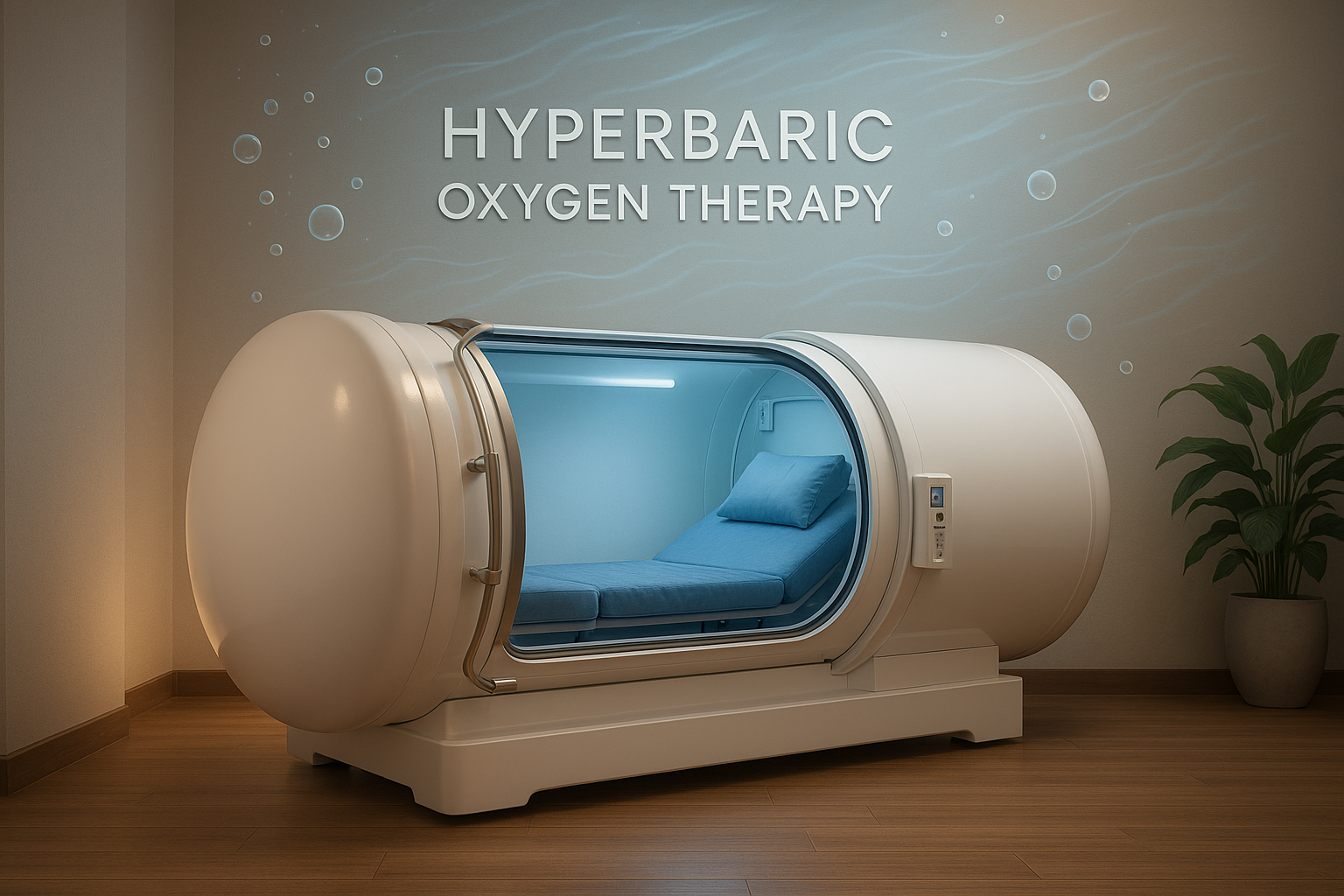
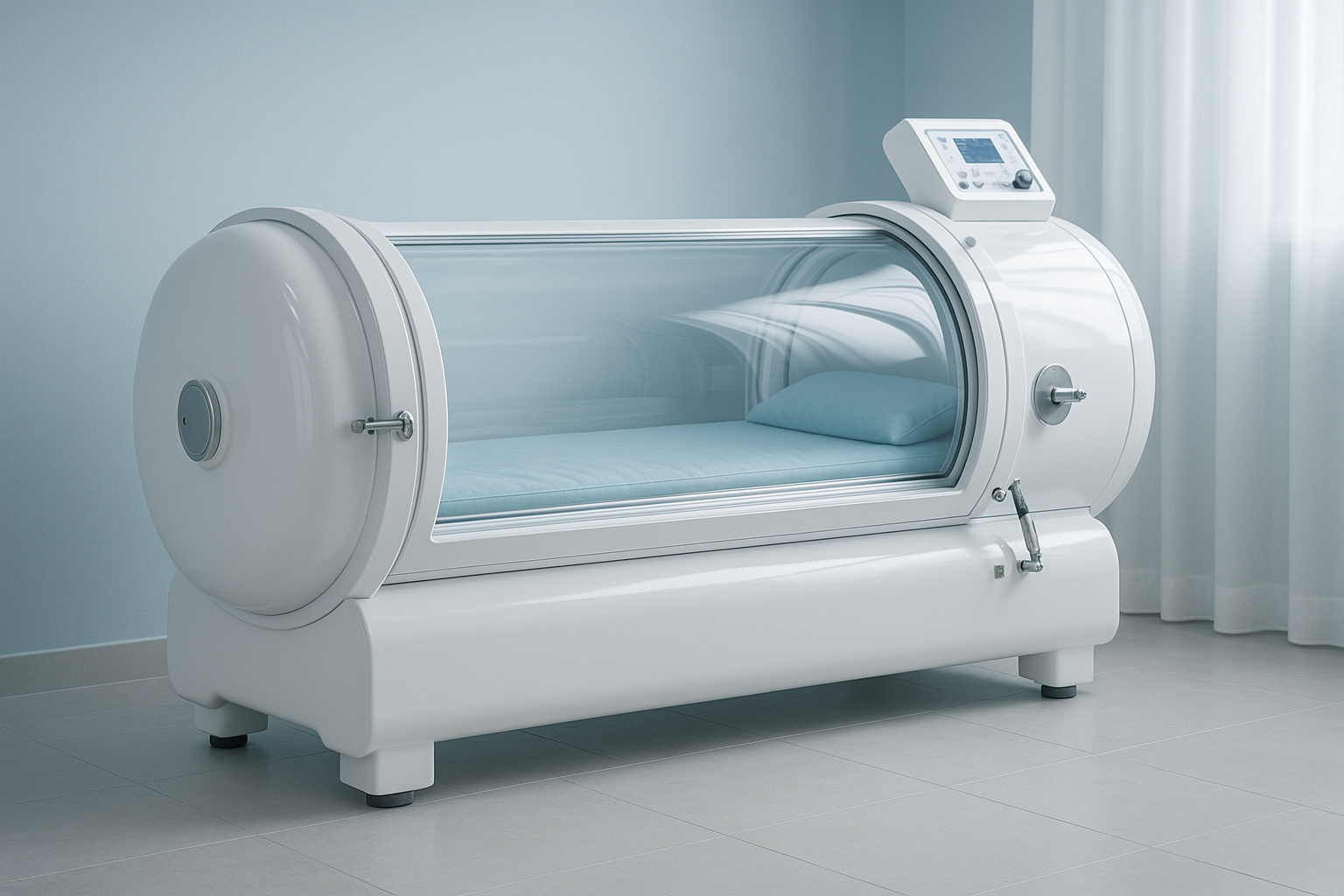
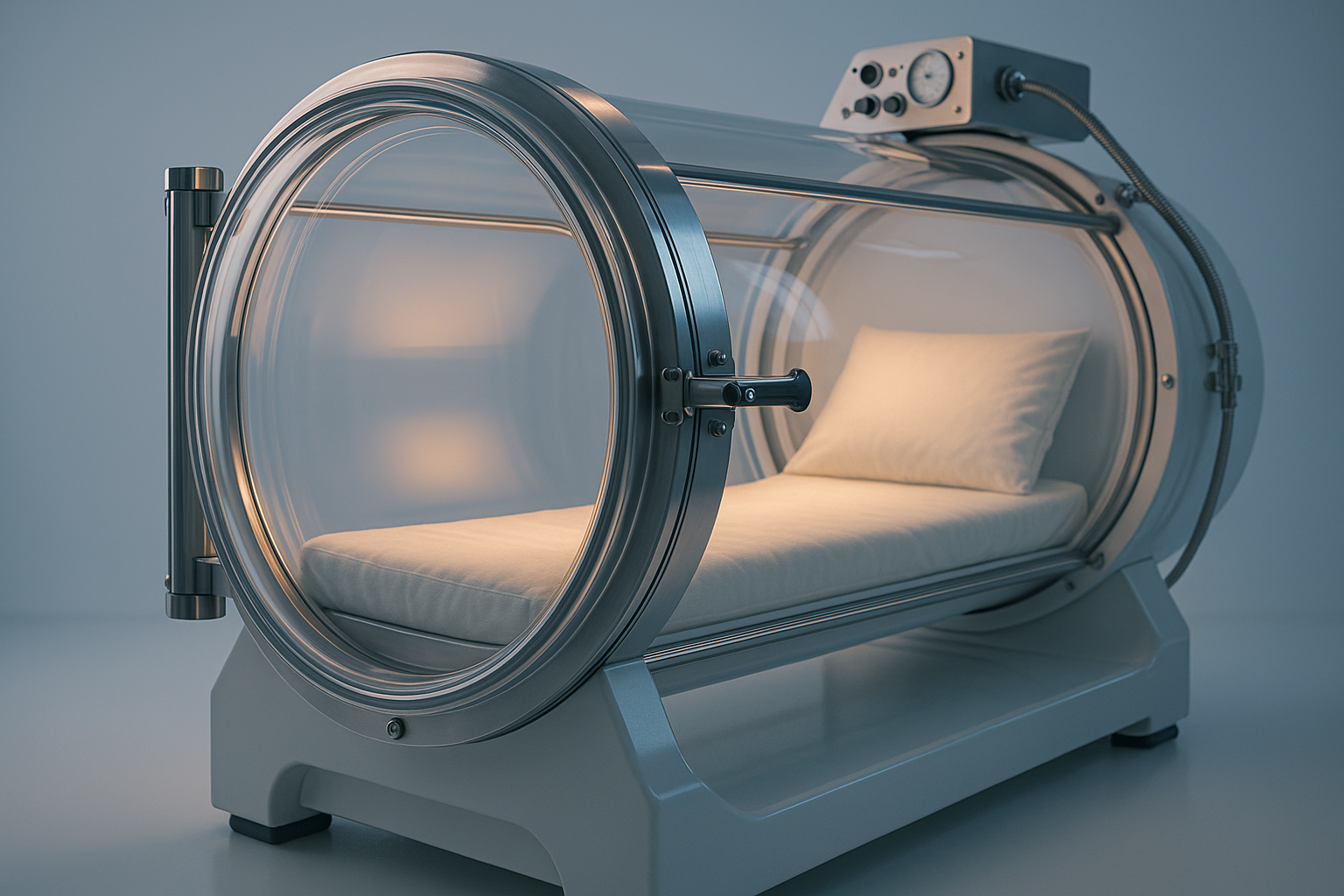
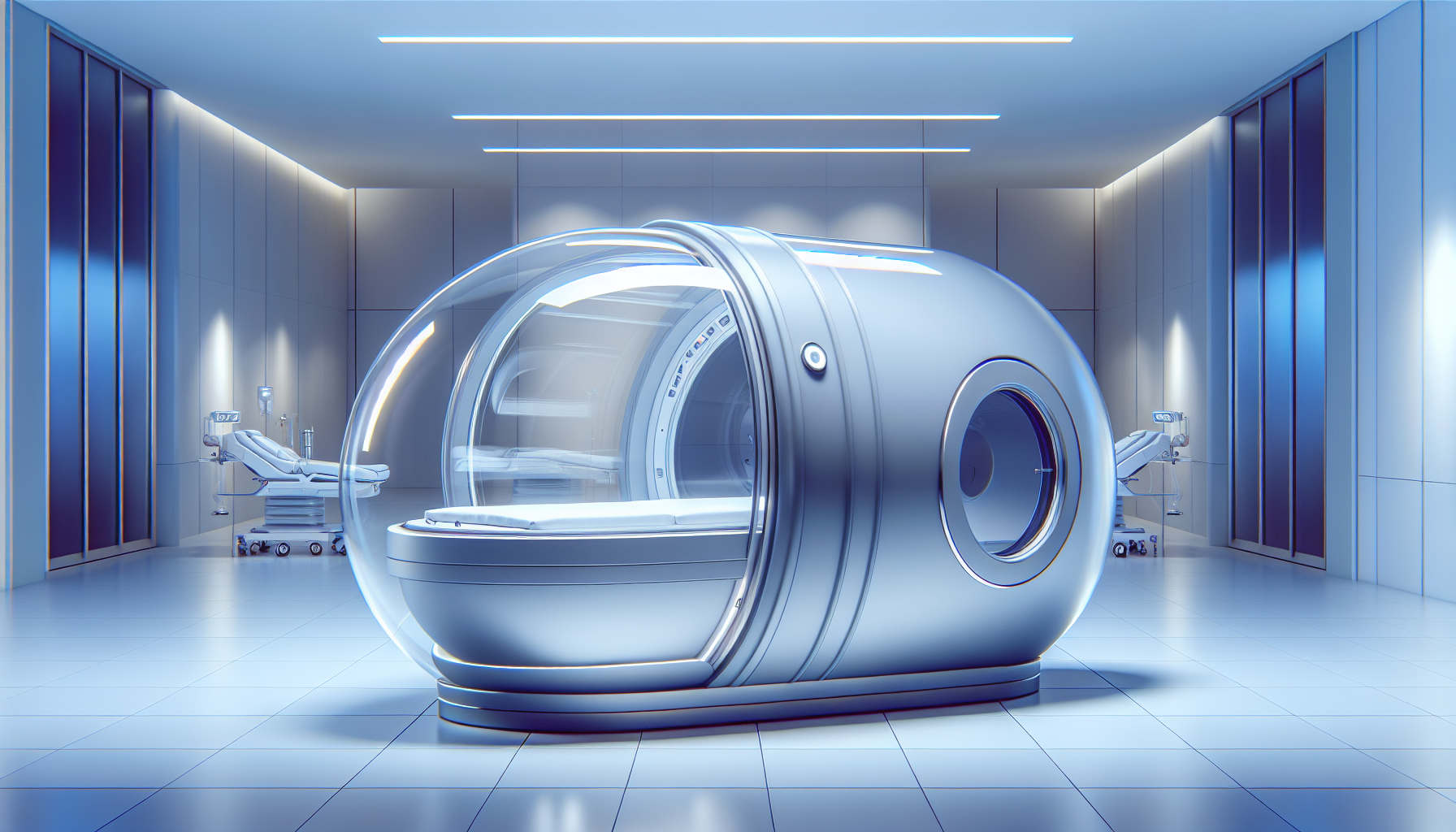
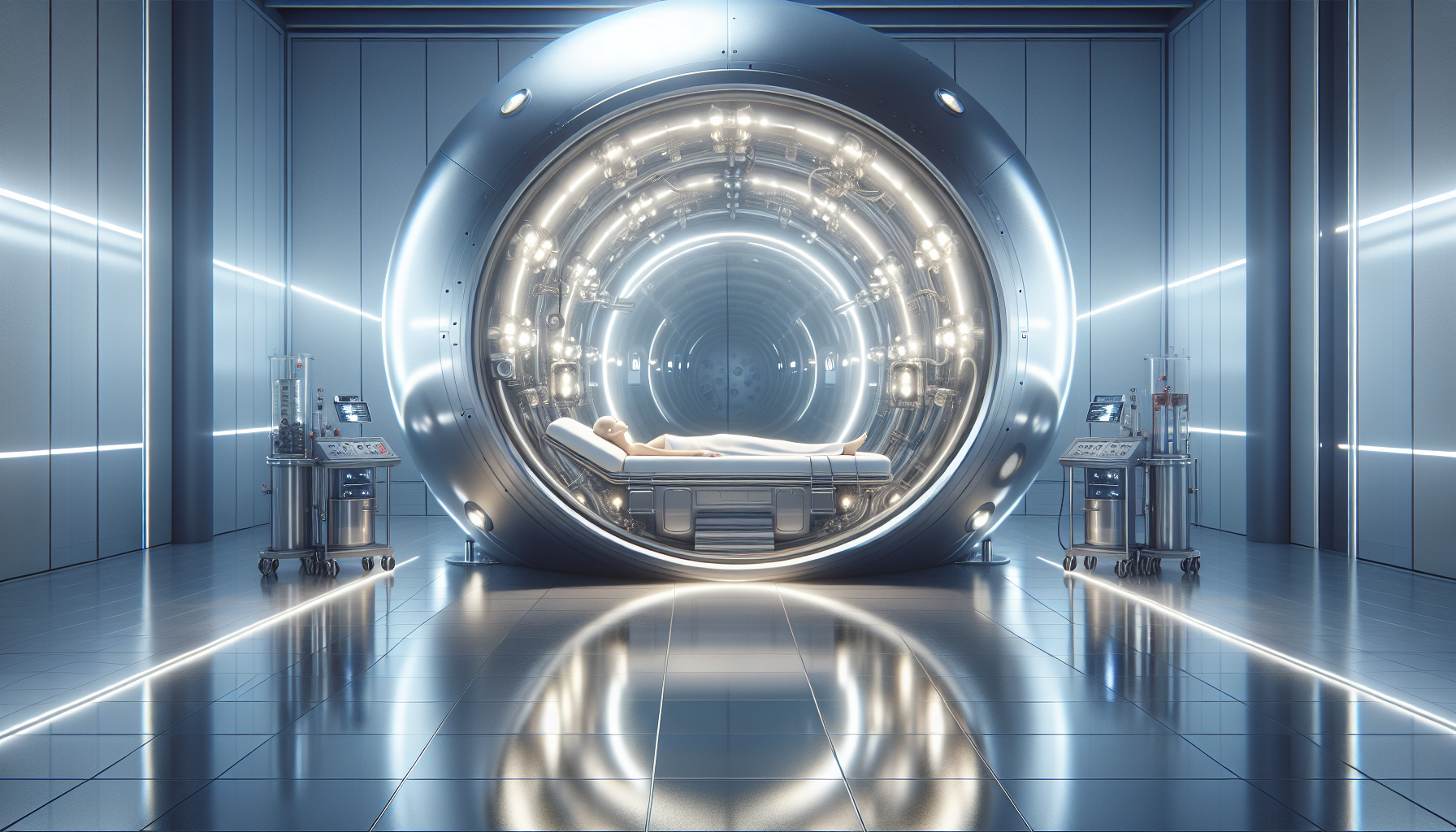
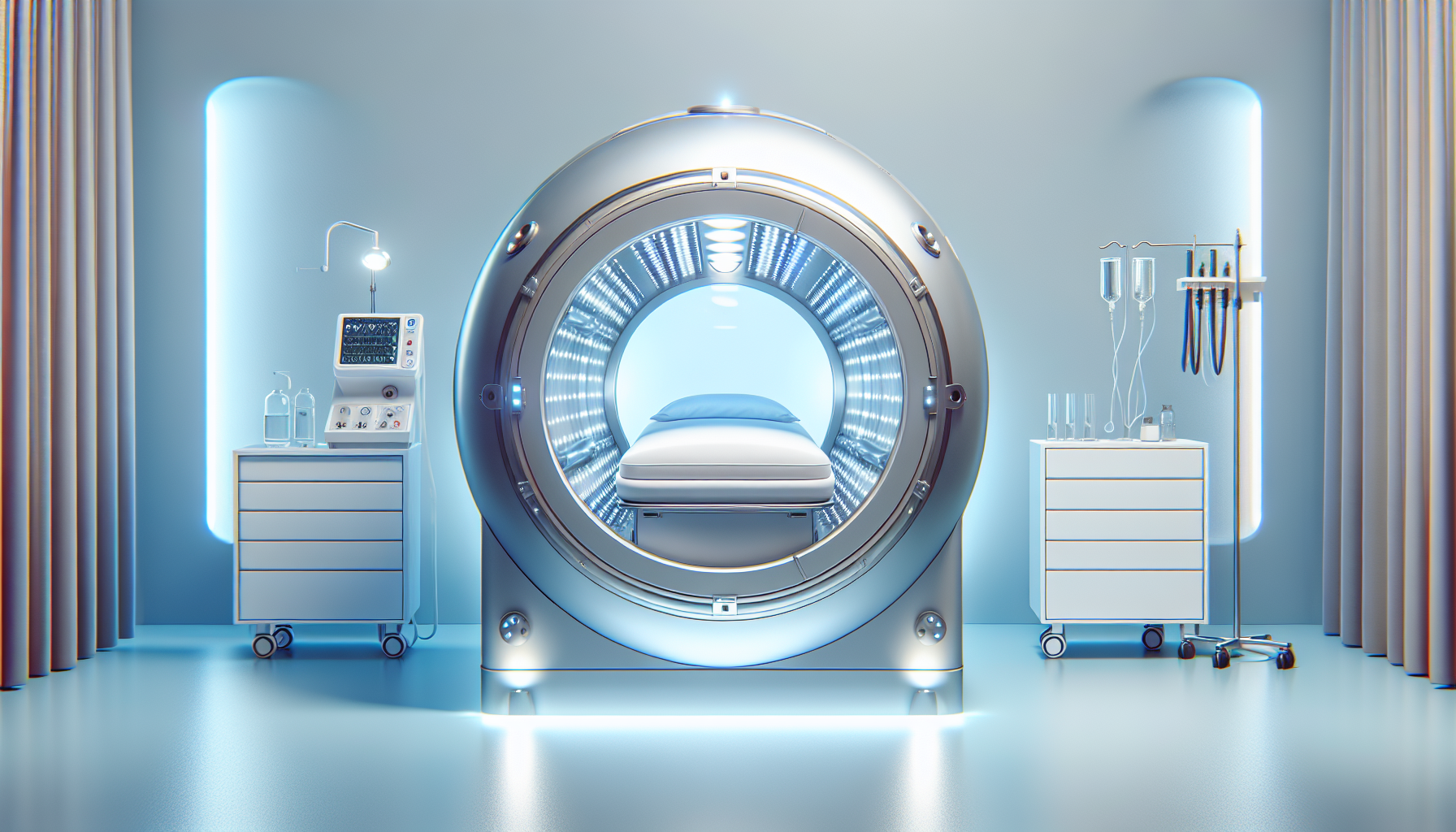
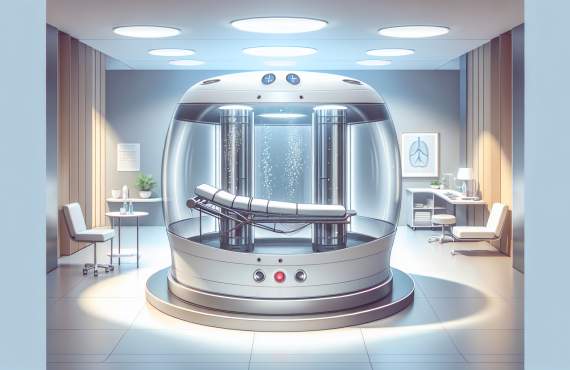
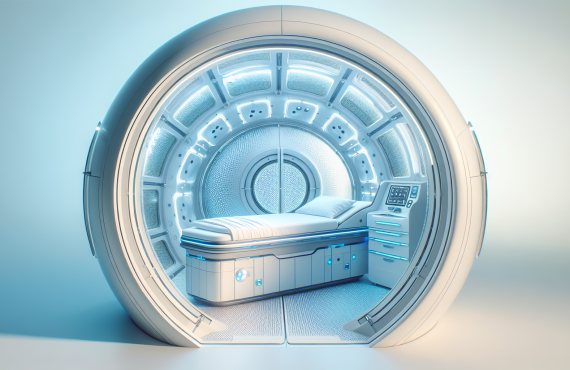
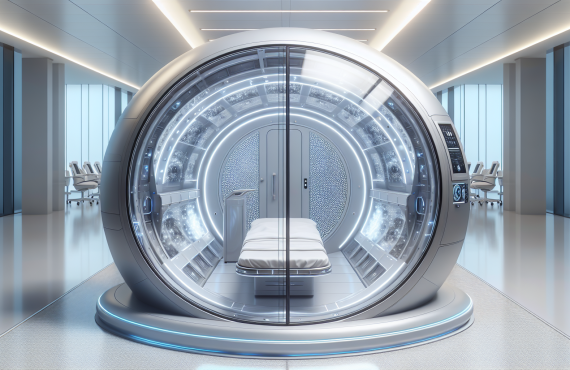
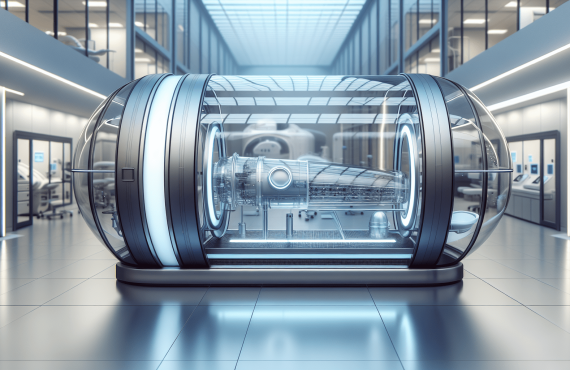
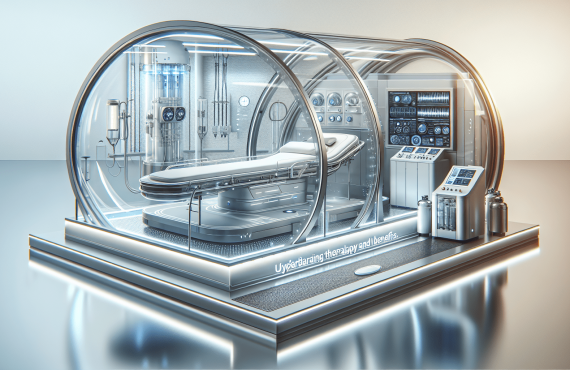
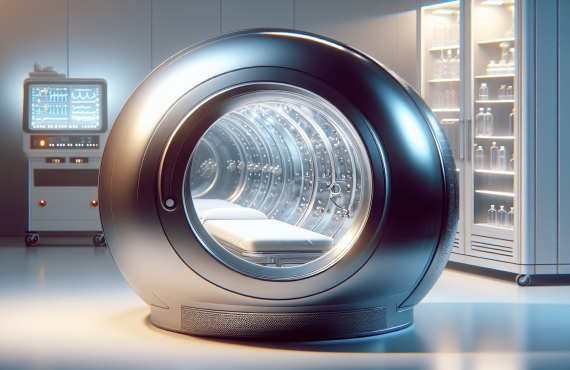
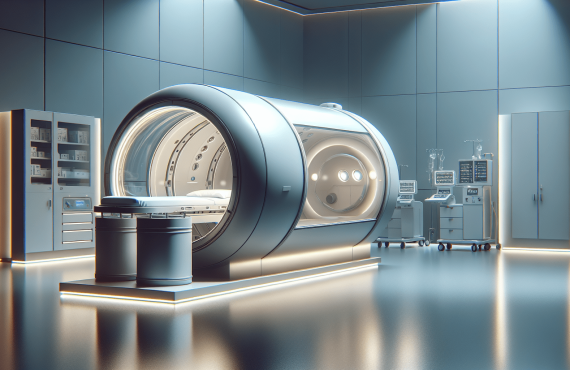
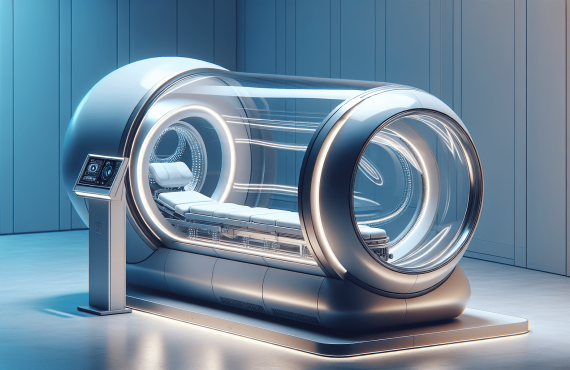
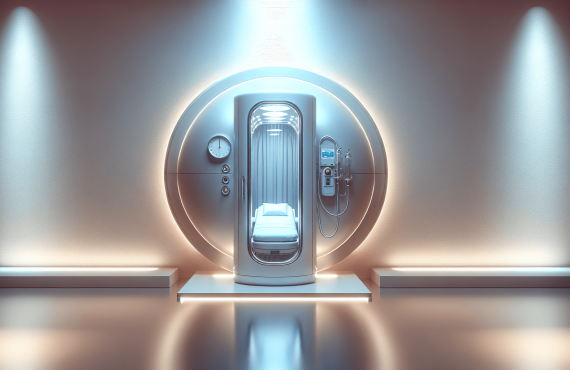
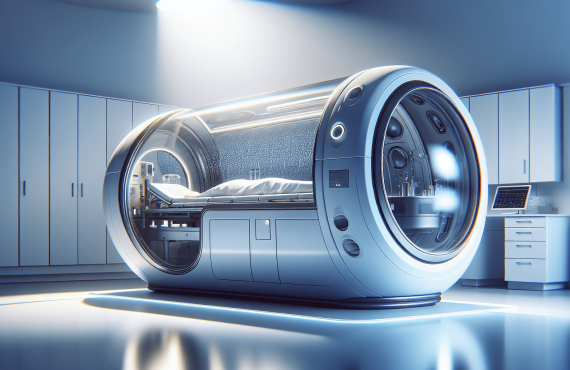
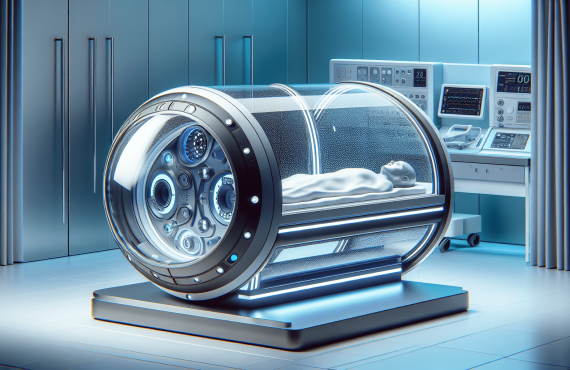
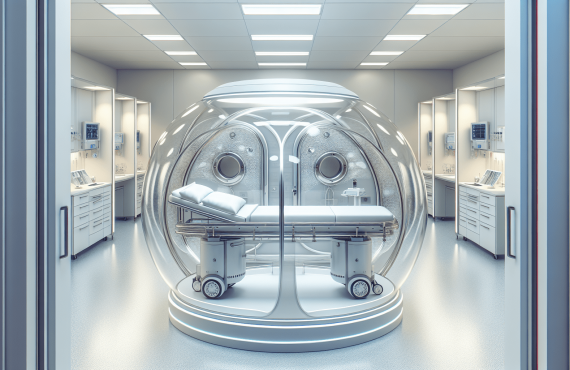
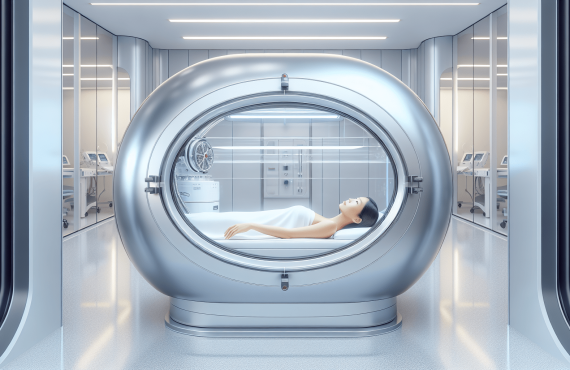
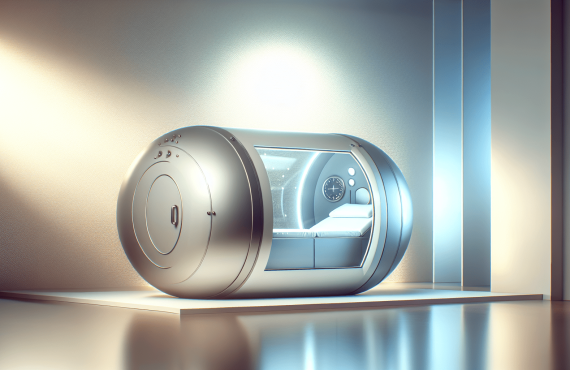
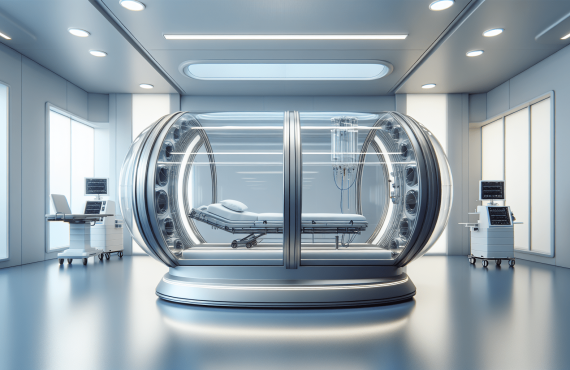
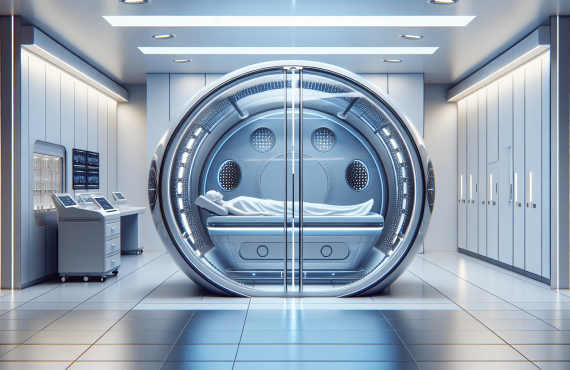
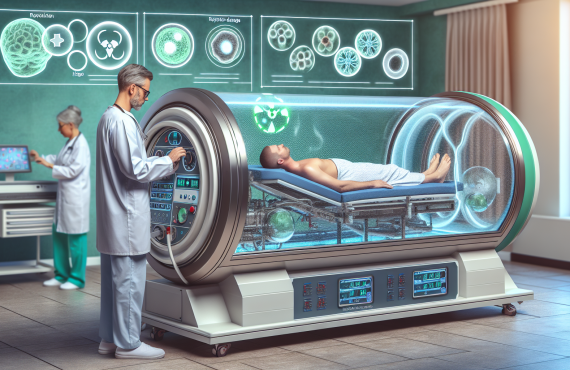
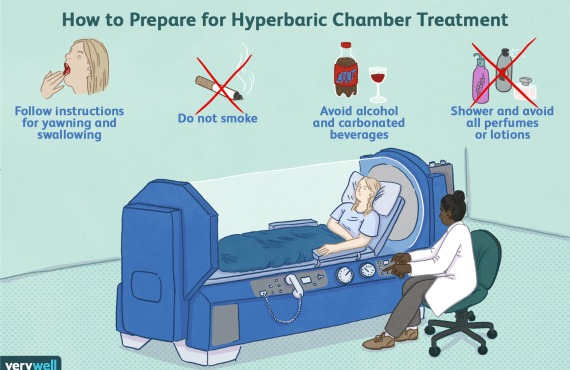
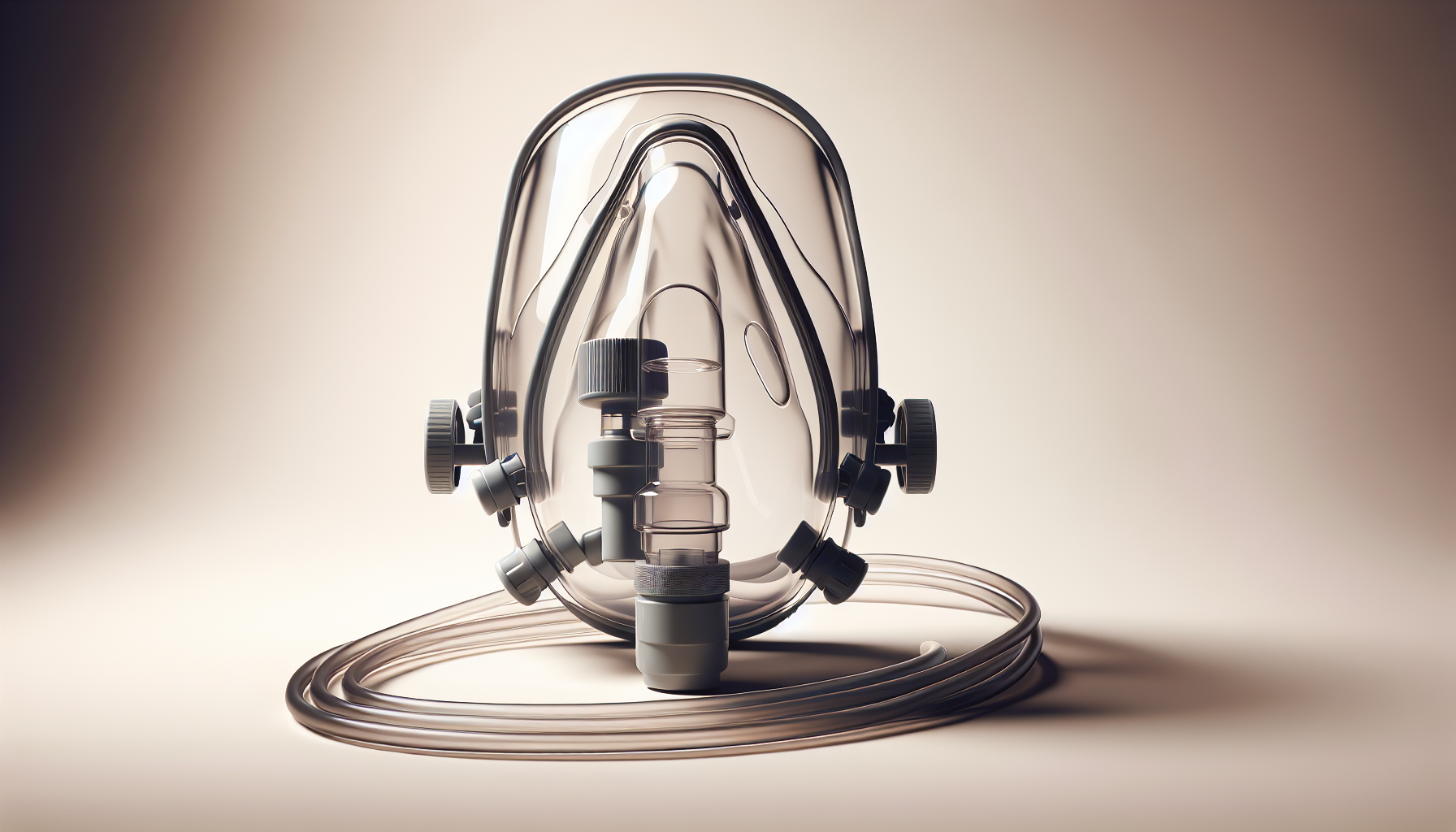
Hyperbaric therapy is a unique method where you breathe pure oxygen in a pressurized chamber. This setup increases the amount of oxygen your blood can carry, promoting healing, reducing inflammation, and supporting tissue repair.
How Hyperbaric Therapy Works
At normal pressures, your lungs take in oxygen, and your bloodstream carries it to your body’s tissues. Think of hyperbaric chambers as pressure cookers for oxygen, which forces more oxygen into your system. It’s particularly useful in treating conditions like carbon monoxide poisoning, gangrene, and non-healing wounds.
The Role of Oxygen in Healing
Oxygen doesn’t just keep you alive; it plays a direct role in your body’s healing processes. Let’s talk about some specific benefits.
Reducing Inflammation
High levels of oxygen can help reduce swelling and ease pain in injured tissues. This property makes oxygen therapy an excellent choice for managing various inflammatory conditions.
Enhancing Immune Function
Your immune cells rely heavily on oxygen to fight infections. By ensuring your cells get plenty of oxygen, these therapies help your body ward off nasty invaders.
FAQs About Oxygen Therapy
You might still have a few questions on your mind. Let’s tackle some common queries about oxygen therapy that might help clear things up.
What are the Common Side Effects of Oxygen Therapy?
Oxygen therapy is generally safe. However, some people might experience dry or bloody noses, fatigue, or mild irritation from overexposure to high levels of oxygen.
How Do I Know If I Need Oxygen Therapy?
Your doctor can determine if you need oxygen therapy through tests assessing your blood oxygen levels. Symptoms of low oxygen, like breathlessness or rapid heartbeats, can also be indicators.
Can I Travel with Oxygen Equipment?
Yes, you can travel with oxygen equipment. However, some preparation is necessary, especially when flying. Airlines have specific guidelines on portable oxygen devices, so always check ahead of time.
How Will Oxygen Therapy Affect My Daily Life?
Oxygen therapy can improve energy levels and overall well-being. While it might require some lifestyle adjustments, many people find it substantially increases their quality of life.
Conclusion
Breathing is life’s basic rhythm – in and out, inhale and exhale. When your body needs a little extra help, oxygen therapy steps in as a hero. Understanding why doctors put you on oxygen and how it helps can make the prospect less daunting and more comforting. Remember, it’s essential to address any breathing difficulties or related concerns with a healthcare professional.
If you’re exploring various health treatments in Pensacola, consider reaching out to Henry Chiropractic. Dr. Craig Henry and Dr. Aaron Hixon offer chiropractic care along with guidance on alternative therapies like hyperbaric therapy.
Henry Chiropractic
1823 N 9th Ave
Pensacola, FL 32503
(850) 435-7777
Visit Dr. Craig Henry’s Website
Exploring options that keep your oxygen levels where they should be can truly enhance overall well-being.